Software, App and Website Localization with Right-to-Left QA in Pashto, Dari and 22 More Afghan Languages
Pashto localization, Dari localization and right-to-left (RTL) testing for software, mobile apps and websites. Our localization engineers and trained Pashto and Dari linguists adapt your product for Afghan users in Afghanistan and across the Afghan diaspora, then test the running build on real devices and browsers, so every screen reads right to left the way they expect.
Updated September 21, 2026
Six layers of a localized screen, numbered bottom to top
- Strings. Keys, sentences and variables the product displays.
- Locale data. Dates, calendars, digits, currency and week rules.
- Fonts and shaping. The letters, joins and line heights of Arabic script.
- Bidirectional text. Right-to-left sentences carrying left-to-right numbers and names.
- Layout and mirroring. Direction, alignment, icons and gestures.
- Input, search and accessibility. Keyboards, invisible characters, look-alike letters and screen readers.
What is Pashto and Dari software localization with RTL QA?
It is the work of adapting software, a mobile app or a website for Pashto and Dari speakers — translating the interface, switching the layout to right-to-left, and applying Afghan fonts, dates and numbers — followed by testing the running product in both languages to find and fix what breaks. Ariana Nexus delivers both halves in-house: the localization and the right-to-left quality assurance (RTL QA).
Updated September 21, 2026
Key facts
- Pashto and Dari are written right to left in Arabic-based scripts; numbers, codes and English names inside them run left to right.
- Pashto needs letters that many fonts leave out, such as ټ ډ ړ ږ ښ ګ ڼ.
- Afghanistan dates by the Solar Hijri calendar with its own month names: حمل، ثور، جوزا in Dari and وری، غویی، غبرګولی in Pashto, not the Iranian فروردین، اردیبهشت، خرداد.
- Dari as written in Afghanistan is not Iranian Persian (Farsi). Vocabulary, spelling and locale data differ, and its language code is prs, filed under fa-AF by most platforms.
Where Pashto and Dari apps break: the right-to-left bugs we find
Most Afghan-language defects are not translation errors. They are engineering and locale failures that only appear on a running screen.
Strings
Keys, sentences and variables the product displays.
Sentences are glued together in code
Concatenated fragments break Pashto word order and gender agreement, and untranslated strings leak into the interface.FixExternalized strings, ICU MessageFormat with plural and select, and pseudo-localization first.
Locale data
Dates, calendars, digits, currency and week rules.
Iranian Persian shipped as Dari
The build uses fa or fa-IR, Iranian vocabulary and Iranian month names, فروردین instead of حمل, and reads as foreign to Afghan users.FixAfghan Dari terminology and Afghan locale data (prs, fa-AF).Dates fall back to English or the wrong calendar
In our test, Chromium 141 printed ps-AF dates in English, and full CLDR 48 data still puts a Latin “AP” in Pashto dates. Many apps show Gregorian dates only.FixRuntime-by-runtime locale tests, explicit calendar support and server-side formatting where data is missing.Digits and currency break forms
Western and Afghan digits (۰۱۲۳۴۵۶۷۸۹) mix on one screen, inputs reject Afghan digits, and the Afghani sign ؋ lands in the wrong place.FixInput normalization, per-locale formatting and tests on every numeric field.
Fonts and shaping
The letters, joins and line heights of Arabic script.
The font has no Pashto letters
Letters such as ټ ډ ړ ږ ښ ګ fall back to a system font or print as empty boxes, sometimes in the middle of a word.FixA verified Arabic-script font stack, checked on every target operating system.Text is clipped or truncated
Fixed line heights clip Arabic-script letters, buttons truncate longer strings, and letter-spacing breaks the joins of cursive text.FixFlexible containers, Arabic-script line heights and no tracking on Pashto or Dari.
Bidirectional text
Right-to-left sentences carrying left-to-right numbers and names.
Numbers and English words scramble the sentence
A verification code written 4521-AB displays as AB-4521 inside a Pashto sentence, and punctuation lands at the wrong end.FixUnicode bidirectional isolation (dir="auto", <bdi>, isolate controls) instead of ad hoc direction marks.
Layout and mirroring
Direction, alignment, icons and gestures.
Mirroring stops halfway
The layout flips, but back arrows, progress bars and swipe gestures still run left to right, while logos and media controls get flipped that should not.FixLogical start and end properties, a mirrored-icon inventory and written exceptions.
Input, search and accessibility
Keyboards, invisible characters, look-alike letters and screen readers.
An invisible character disappears
A CMS or sanitizer strips the zero-width non-joiner (U+200C), so پیامها becomes پیامها and letters join that must stay apart.FixU+200C preserved end to end, with round-trip tests through every system.Look-alike letters break search
Arabic ي and ك are stored where Dari and Pashto use ی and ک. The words look the same, but search, sorting and matching fail.FixNormalization at input and index time, and search tests with real Afghan queries.
Who needs Pashto and Dari localization
Any team shipping software to Pashto and Dari readers. These are the teams we work with most.
Software and SaaS companies
Product interfaces, onboarding, billing, notifications and help centers.Mobile app teams
iOS and Android apps, push messages, and App Store and Google Play listings.AI product teams
Chat interfaces, assistants, system messages and safety text in Pashto and Dari.Fintech, remittance and payments
Afghani (AFN) amounts, digits, name fields and verification flows.Public-sector and federal programs
Benefits portals and case-management systems serving Afghan evacuees and refugees, built to Section 508.Humanitarian and international NGOs
Registration, feedback and field apps used by Afghan communities.Education and e-learning platforms
Courses, learning apps and LMS interfaces for Afghan learners studying online.Media, news and messaging platforms
Readers, comments and alerts for Afghan audiences at home and in the diaspora.
Software, app and website localization services in Pashto and Dari
Everything from the first code audit to continuous releases, delivered by one in-house team.
Internationalization (i18n) audit
A review of your code, designs and string files for right-to-left readiness, locale handling and hard-coded text, before translation starts.Pseudo-localization
Test builds with expanded, accented and mirrored strings that expose truncation, concatenation and RTL breakage early.UI and content translation
Pashto and Afghan Dari translation of interface strings, errors, notifications, emails and help content, in your resource files.Terminology and style guides
Product glossaries, tone, forms of address and do-not-translate lists in Pashto and Dari, agreed with your product team.RTL design and UX review
Mirroring, icons, navigation, gestures and typography reviewed in Figma files and live builds.Right-to-left QA on real devices
Functional, visual and linguistic testing across browsers, iOS and Android, with every defect logged and reproducible.Website localization and multilingual SEO
Pashto and Dari pages with correct lang and dir markup, localized metadata, hreflang and structured data.App store localization
App Store and Google Play listings, screenshots and release notes in Pashto and Dari.AI interface localization
Chat interfaces, assistant messages, refusals and safety text localized and tested in context.Continuous localization
New strings translated, tested and signed off with every release, inside your CI/CD pipeline and translation management system.
Afghan dates, digits and calendars: getting the locale right
Afghan users expect Afghan conventions. We measured what common runtimes actually return for Afghan locales.
Measured September 21, 2026 with the JavaScript Intl API in Chromium 141 and Node.js 22 (ICU 78.2, CLDR 48.0). In Chromium 141, ps-AF resolved to en-US and printed “September 21, 2026”; prs resolved to fa-AF in both engines.
Solar Hijri month names, three ways
- وری
- غویی
- غبرګولی
- چنګاښ
- زمری
- وږی
- تله
- لړم
- لیندۍ
- مرغومی
- سلواغه
- کب
- حمل
- ثور
- جوزا
- سرطان
- اسد
- سنبله
- میزان
- عقرب
- قوس
- جدی
- دلو
- حوت
- فروردین
- اردیبهشت
- خرداد
- تیر
- مرداد
- شهریور
- مهر
- آبان
- آذر
- دی
- بهمن
- اسفند
CLDR 48 spells غبرگولی and چنگاښ with the Persian letter گ; Afghan Pashto writes ګ. English Solar Hijri dates in CLDR 48 use the Iranian names (Farvardin, Ordibehesht, Khordad …), not the Afghan ones.
Same word, two languages
Pashto font support: which fonts render every Pashto letter
A font that cannot draw a Pashto letter silently swaps in another font, or prints an empty box. Of the 22 Arabic-script fonts we tested, 11 contain all twelve Pashto letters we check and 11 contain fewer, some as few as 1 of twelve. Latin brand fonts such as Inter, Open Sans and Roboto contain none.
RTL testing for web, iOS, Android and cross-platform apps
We work in your stack and your file formats. These are the right-to-left mechanisms we test first on each platform.
React, Next.js, Angular, Vue
Swift, SwiftUI
Kotlin, Jetpack Compose
Dart
JavaScript, TypeScript
C#, WPF, WinUI
Webflow, WordPress, Drupal
HTML email, PDF templates
Pashto, Dari and 22 more Afghan languages
Pashto and Dari are the core of this service. For the other 22 Afghan languages we publish what we can deliver in software today, rather than one flat claim.
Tier 1: Full localization and RTL QA
- Pashtoپښتوps
- Dariدریprs
Tier 2: Localization with native review
- Hazaragiهزارگیhaz, A variety of Dari
- Aimaqایماقیaiq
- Balochiبلوچیbal
- Uzbekiاوزبیکیuzs, Arabic script, uz-Arab-AF
- Turkmeniترکمنیtk, Arabic script in Afghanistan
Tier 3: Content, terminology and audio by arrangement
- Ormurioru
- Parachiprc
- Wakhiwbl, Pamir
- Shughnisgh, Pamir
- Sanglechisgy, Pamir
- Ishkashimiisk, Pamir
- Munjimnj, Pamir
- Yidghaydg, Pamir
- Kyrgyzky
- Pashayiaee, Four ISO codes: aee, aeq, glh, psi
- Gawarbatigwt
- Tirahitra
- Nuristani (Ashkun group)ask
- Katibsh
- Prasunprn
- Waigaliwbk
- Brahuibrh
How our localization and RTL QA process works
Seven stages, the same for a first release and for every release after it.
Scope and i18n audit
We review your code, designs and string files and list what must change before translation.OutputAudit findings and planPseudo-localization
A mirrored, expanded test build exposes hard-coded text, truncation and layout breakage.OutputPseudo-localization reportTerminology and style
Pashto and Dari glossaries and style decisions are agreed with your product team.OutputGlossary and style guideTranslation in context
Linguists translate in your files with screenshots and string context; a second linguist reviews.OutputLocalized resource filesRTL build review
Engineers check mirroring, fonts, bidirectional text and locale formats in a running build.OutputRTL review logDevice and linguistic QA
Functional, visual and linguistic testing on real devices and browsers, with every defect reproducible.OutputQA report and ticketsRelease and regression
Fixes are verified and signed off; new strings follow the same loop each release.OutputSign-off memo and regression suite
Right-to-left QA checklist: what we test in Pashto and Dari
Twelve checks on the running product, each with evidence you can hand to your engineers.
What you receive at the end of every release
Every engagement ends with files you can merge and evidence you can audit.
Localized resource files
In your formats (JSON, XLIFF, .strings, strings.xml, ARB, .resx), ready to merge.Glossary and style guide
Pashto and Dari terminology with usage notes, maintained for future releases.i18n audit findings
Code-level issues with file references and recommended fixes.Pseudo-localization report
What broke in the test build, where, and why.RTL QA report
Every defect with screenshot, device, severity, string key and fix.Tickets in your tracker
Defects filed where your engineers work, with reproduction steps.Accessibility findings
Pashto and Dari screen reader and language-attribute issues mapped to WCAG 2.2.Release sign-off memo
What was tested, on which builds and devices, and who signed off.

The team behind our Pashto and Dari localization
Localization engineering and Afghan-language expertise in one team: alumni and scholars of Cornell University, the University of Chicago, the University of British Columbia and Otto von Guericke University Magdeburg, not a pool of bilingual freelancers. Engineers and linguists review the same build, so every defect report comes from someone who can read the screen and someone who can fix the code.
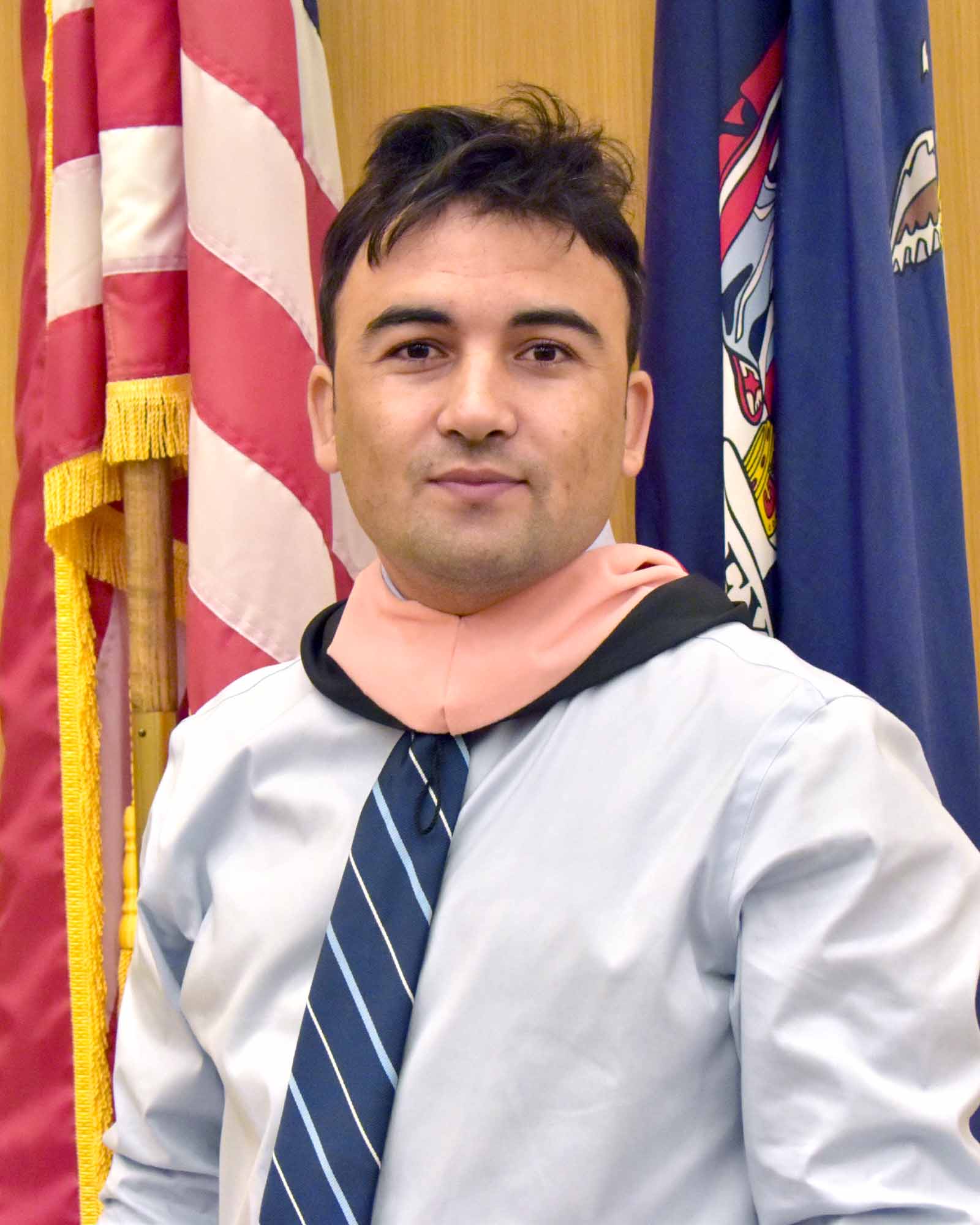
Program oversight
Hassan Ukasha
Oversees Ariana Nexus operations and every localization program. He agrees scope, staffing and security terms with your team, chairs the release gate, and remains the single point of accountability from the first string to sign-off.
- B.S., Cornell University
- M.P.H., Cornell University
Languages: Pashto, Dari, English, Urdu and Hindi, with working Arabic.
Hassan Ukasha on LinkedIn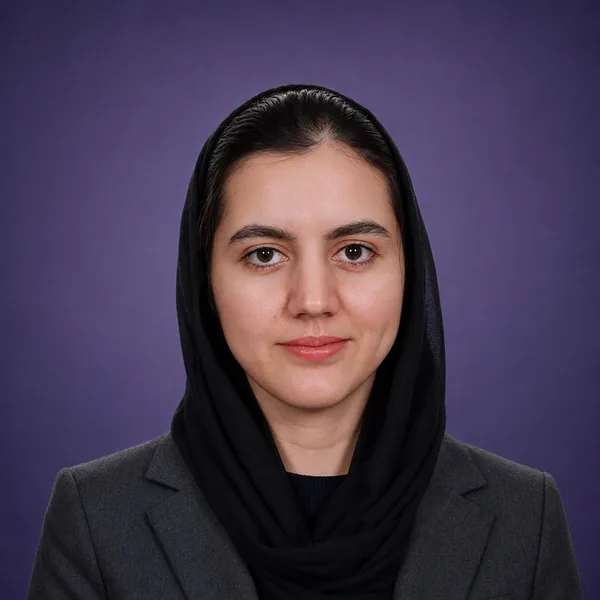
Zeba Haqbani
- B.Sc., University of British Columbia
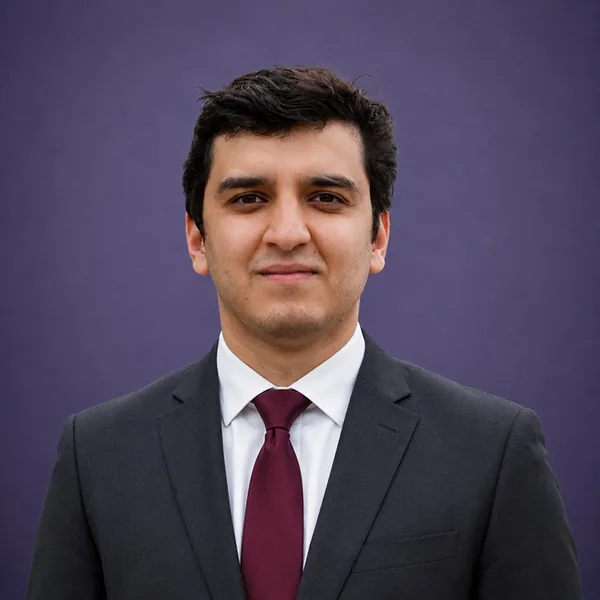
Hussain Ahmad
- M.Eng., Cornell University
- Ph.D., University of Chicago
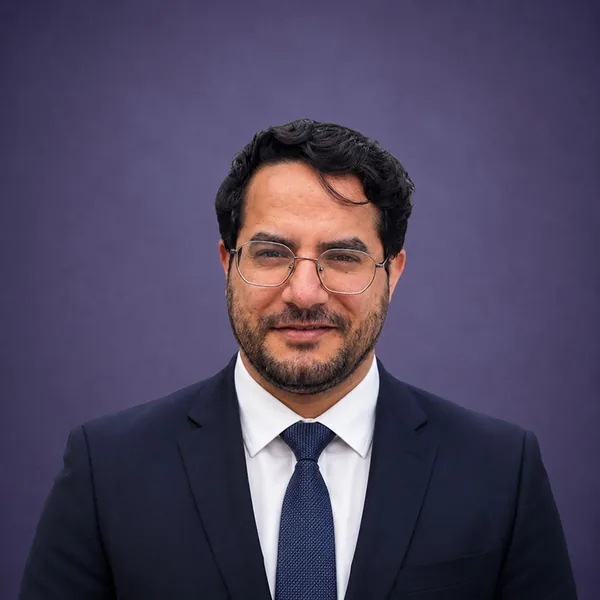
Wasil Peroz
- B.A., Milli University
- M.Sc., Otto-von-Guericke University Magdeburg

Maryam Safi
- B.A., Cornell University
One loop, not a relay
Engineers and linguists review the same build together. Findings never pass between vendors.Read on the screen, not in a spreadsheet
Every string is checked in the running product, on the devices your users carry.Named sign-off
Each release is signed by the people who tested it, and they stay on your program.
Why Ariana Nexus: how we deliver and how we are different
No U.S. certification exists for Pashto or Dari software localization, so we set the standard ourselves: the twelve checks on this page, applied by one accountable team from the first string to sign-off.
Engineering and language in one team
Internationalization engineers and Pashto and Dari linguists work on the same build, so findings arrive with code-level fixes.Afghan conventions, not approximations
Afghan Dari rather than Iranian Persian, Pashto before Dari, the prs language code, Afghan month names, digits and the Afghani sign.We test the product, not only the strings
Every engagement ends in device and browser QA of the running build.In-house, first string to sign-off
No subcontractors and no crowd platforms: every part produced by our own people, one engagement, one point of accountability.We won't send you a bilingual
Speaking Pashto or Dari is not a qualification. Our reviewers are trained to a written QA standard and work alongside engineers.Secure by default
Access under NDA and limited to named team members; your strings are never used to train models; nothing is routed through channels controlled by the de facto authorities in Afghanistan.
Translation only, compared with localization and RTL QA
Ways to engage
Four ways to start, from a fixed-scope audit to a standing release partnership.
Localization readiness audit
For: Before you commit to Pashto and Dari
A fixed-scope review of code, designs and strings, with a prioritized fix list and a launch plan.Launch program
For: A first Pashto and Dari release
End-to-end localization and RTL QA across web and mobile, from audit to sign-off.RTL QA only
For: You already have translations
We test the running product on devices and log every defect with a fix.Continuous localization
For: Products that ship every sprint
New strings translated, regression-tested and signed off with each release.
Pashto and Dari localization: frequently asked questions
Straight answers to the questions product and engineering teams ask first.
How much does it cost to localize an app into Pashto and Dari?
Is Pashto written right to left?
What is the difference between Dari and Farsi for app localization?
Should we use prs or fa-AF as the locale code for Dari?
Why do Pashto dates show in English in our web app?
What is RTL testing?
What is pseudo-localization and why do it first?
Do you localize and test iOS and Android apps?
Can you work inside our CI/CD pipeline and translation management system?
Which Afghan languages can you localize software into?
Which fonts support Pashto?
How do you keep our code and data confidential?
Do you test accessibility in Pashto and Dari?
Localization and RTL terms, defined
The vocabulary of localization engineering, as this page uses it.
- Localization (l10n)
- Adapting a product's language, formats and design for a specific locale, such as Pashto in Afghanistan.
- Internationalization (i18n)
- Engineering a product so it can be localized without code changes: externalized strings, locale-aware formatting and direction-agnostic layout.
- Right-to-left (RTL)
- A writing direction in which text starts at the right edge, as in Pashto, Dari and Arabic.
- Bidirectional text (bidi)
- Text that mixes right-to-left and left-to-right runs, handled by the Unicode Bidirectional Algorithm (UAX #9).
- Pseudo-localization
- Replacing strings with modified test text to reveal internationalization defects before translation.
- Linguistic QA (LQA)
- Review of translated text in context for accuracy, terminology, tone and fit on screen.
- CLDR
- The Unicode Common Locale Data Repository: the dates, numbers, calendars and names most platforms use for each locale.
- ICU MessageFormat
- A string syntax for plurals, gender and variables, so translators can write grammatical sentences.
- Zero-width non-joiner (ZWNJ)
- An invisible character, U+200C, that stops Dari and Pashto letters from joining where spelling requires a break.
- Solar Hijri calendar
- The solar calendar used in Afghanistan, with its own month names in Dari and Pashto.
- prs
- The ISO 639-3 language code for Dari; most locale data files it under fa-AF.
- Logical properties
- Layout values such as start and end that follow text direction instead of fixed left and right.
Plan your Pashto and Dari release
Tell us what you ship, where your users are and when you release. A partner will scope the localization and RTL QA with your team.