Afghan Cultural and Religious Context Training for AI Product and Trust and Safety Teams

Ariana Nexus trains the people who build AI products and run online platforms to read Afghan content correctly: trust and safety policy, content moderation, product, machine learning and legal teams. The training covers Pashto, Dari and 22 more Afghan languages, Islam as it is practiced in Afghanistan, ethnicity, gender, four decades of war, and the Afghan diaspora. It is live, built on your own policies and cases, and taught by Afghan scholars.

د مصنوعي ځیرکتیا او د باور او خوندیتوب ټیمونو لپاره د افغاني کلتور او دین د شالید روزنه

آموزش زمینهٔ فرهنگی و دینی افغانستان برای تیم‌های هوش مصنوعی و اعتماد و ایمنی

What is Afghan cultural and religious context training?

Afghan cultural and religious context training is professional training for the teams that write content policy, moderate content, design products and train AI models. It teaches how Afghans speak and write, how they practice Islam, how they name themselves and count time, how ethnic and sectarian lines work, and how forty years of war shape everyday language. The goal is correct decisions about Afghan content, Afghan users and AI answers about Afghanistan.

It is not general diversity training and it is not a language course. It is decision training. Every module ends in the question a moderator, a policy writer, a product manager or an annotator actually faces: leave it up or take it down, escalate or close, ship or fix, label it safe or unsafe.

Afghan content is decided by context. A model or a moderator without that context gets the decision wrong in both directions: it removes grief, poetry and news, and it misses threats, hate and fraud.

Who it is for
Trust and safety policy, content moderation and quality, AI product and UX, machine learning and data, legal and public policy teams
Format
Live and instructor-led, remote or on site. Taught in English with Pashto and Dari material
Length
From a 90-minute executive briefing to a six-week program of 12 modules
Built on
Your policies, enforcement guidelines, product surfaces and anonymized cases
Taught by
Afghan scholars: alumni of Cornell, Brown, the University of Chicago and the University of British Columbia
Languages
Pashto and Dari in depth, 22 more Afghan languages at orientation depth
Records
Attendance and assessment records for every participant
Where
Washington, D.C. Delivered worldwide

Where AI and content moderation teams get Afghan content wrong

These are the nine places where Afghan context decides the outcome. Each one produces errors in both directions: too much enforcement against ordinary Afghans, and too little against real harm.

Failure point 01

Religious language read as extremism

Allahu Akbar, inshallah, mashallah, shaheed and Quranic verses appear in condolences, weddings, exam results and news. Keyword-led systems and untrained reviewers treat them as signals of terrorism.

A trained team reads genre and register first, and knows which added signals turn devotion or grief into praise or incitement.

Failure point 02

News about the Taliban removed as praise

Reporting, commentary and even criticism of the Taliban is removed under dangerous organizations policies, while real propaganda in Pashto poetry and taranas passes because nobody recognized the genre.

A trained team applies the news reporting, neutral discussion and condemnation allowances correctly, and recognizes the forms propaganda actually takes.

Connected to

Failure point 03

Ethnic and sectarian hate speech missed

Slurs and coded insults aimed at Hazaras, Pashtuns, Tajiks, Uzbeks, Shia Muslims, Sikhs and Hindus do not survive machine translation. They arrive in English as harmless words.

A trained team knows the terms, the history behind them, and the difference between in-group use, reclaimed use and attack.

Connected to

Failure point 04

Gender-based harm rated too low

A photo of a woman without a headscarf, a leaked phone number or a rumor about a girl can lead to honor-based violence. Severity scales built on Western norms rate these as low harm.

A trained team calibrates severity for Afghan women, girls and LGBTQ Afghans, and sends cases with offline risk to escalation.

Failure point 05

Lists of “collaborators” treated as ordinary text

Posts that name former interpreters, soldiers, judges, journalists or aid workers who “worked with the foreigners” are life-safety risks that look like plain sentences.

A trained team recognizes doxxing of at-risk Afghans and knows which groups have been most exposed since August 2021.

Connected to

Failure point 06

The wrong language in the wrong queue

Pashto is routed to Urdu or Arabic reviewers. Dari is treated as Iranian Persian. Hazaragi, Uzbeki and Balochi are not recognized at all. Pashto and Dari typed in Latin letters defeat language detection.

A trained team identifies the language, the variety and the script before anything else, and knows when to ask for a native reviewer.

Connected to

Failure point 07

Names, dates and identity fields that fail Afghans

Many Afghans have one name and no family name. U.S. documents show FNU, first name unknown. Tazkiras often record a year or an estimated age, so very large numbers of Afghans share a 1 January birthday. Afghanistan counts years in the Solar Hijri calendar.

A trained team designs sign-up, search, age checks, account recovery and identity verification that work for Afghan users.

Failure point 08

AI assistants that answer Afghans badly

Models give confident answers on contested facts such as ethnic population shares, refuse ordinary questions about Islam, flatten Hanafi and Jafari practice into one answer, and miss how Afghans describe distress, war trauma and moral injury.

A trained team writes better guidelines, test prompts, refusal rules and escalation paths for Afghan users, Afghan patients and veterans of the Afghan war.

Connected to

Failure point 09

Crisis days handled like ordinary days

Ramadan, Ashura, Nowruz, 15 August and the days after an attack or an earthquake change what people post and what it means. Queues spike and error rates rise.

A trained team plans staffing, guidance and product behavior around the Afghan calendar.

What the training covers: 12 modules in four parts

Each module runs 90 minutes and ends in decisions, not definitions. Modules are selected by role.

Module 01. Part 1, language, script and identity

The Afghan language map

Pashto, Dari and 22 more languages in five families: where each is spoken, how to tell Pashto from Urdu and Arabic, Dari from Iranian Persian and Tajik, and why Hazaragi is a variety of Dari. Dialects, Latin-letter typing and mixed-language posts.

Connected to

Module 02. Part 1, language, script and identity

Script, names and dates in product design

Right-to-left text, the letters only Pashto uses, Persian and Arabic numerals, the Solar Hijri calendar, single names, fathers’ names, honorifics, tazkiras, FNU and 1 January birthdays. What this means for forms, search, age checks and identity verification.

Connected to

Module 03. Part 1, language, script and identity

How Afghans write online

Poetry, proverbs, landays, humor, insults and irony. Formal and informal address. What Afghan users post on each kind of platform, and what machine translation does to it.

Module 04. Part 2, religion

Islam as it is practiced in Afghanistan

The Sunni Hanafi majority, Twelver and Ismaili Shia communities, Sufi orders and shrines, Afghan Sikhs and Hindus, and who holds religious authority. What is devotional, what is political and what is militant.

Connected to

Module 05. Part 2, religion

Religious language in everyday speech

Shaheed, jihad, kafir, takfir, Allahu Akbar, Quranic quotation, taranas and nasheeds. How to separate devotion, grief, commentary and news from praise, threat and incitement. Why an accusation of blasphemy or apostasy is itself a threat.

Connected to

Module 06. Part 2, religion

The Afghan religious and cultural calendar

Ramadan, Eid al-Fitr, Eid al-Adha, Muharram and Ashura, Mawlid, Nowruz, Independence Day and 15 August. Planning staffing, guidance and product behavior around them.

Connected to

Module 07. Part 3, society, war and harm

Ethnicity, sect and hate speech

Pashtun, Tajik, Hazara, Uzbek, Turkmen, Baloch, Aimaq, Nuristani, Pashayi and other communities. How slurs, dehumanizing language and coded insults work in Pashto and Dari, why population figures are contested, and how violence against Hazaras shapes what is posted.

Connected to

Module 08. Part 3, society, war and harm

Gender, honor and family

Namus, mahram, purdah, women’s images and voices, forced and child marriage, and the restrictions on women and girls since 2021. Severity calibration for intimate images, doxxing, outing of LGBTQ Afghans and harassment.

Connected to

Module 09. Part 3, society, war and harm

Four decades of war and the groups that fought it

From 1978 to today: the Soviet war, the civil war, the first Taliban rule, the Republic and August 2021. The vocabulary, flags and symbols of each side. The Taliban as de facto authorities, Islamic State Khorasan Province and the armed opposition. News reporting and condemnation exceptions, commemoration versus glorification, and sanctions basics.

Connected to

Module 10. Part 4, people and products

The Afghan diaspora and people at risk

Afghans in the United States, Germany, Canada, the United Kingdom, Australia, Iran and Pakistan. Special Immigrant Visas, humanitarian parole, deportations and family separation. Former interpreters, soldiers, judges, journalists and activists. Doxxing, threats across borders and the scams that target evacuees.

Connected to

Module 11. Part 4, people and products

AI assistants, search and generative products for Afghan users

How models answer questions about Islam, Afghan history, ethnicity and women’s rights. Contested facts, refusal and over-refusal, tone and forms of address. Health and mental health answers for Afghan patients: idioms of distress such as jigar khun and asabi, war trauma, moral injury and safe messaging. Image generation and stereotypes.

Connected to

Module 12. Part 4, people and products

Decision workshop on your own policies and cases

Calibration exercises on your anonymized queue samples, model outputs and labeling guidelines. We log every place your written policy is silent or ambiguous for Afghan content and hand over recommended language.

Connected to

Which modules each team takes

No.
Module
Policy
Moderation and quality
Product and UX
ML and data
Legal and public policy
Crisis and comms
01
The Afghan language map
PolicyCore
Moderation and qualityCore
Product and UXCore
ML and dataCore
Legal and public policyRecommended
Crisis and commsRecommended
02
Script, names and dates in product design
PolicyRecommended
Moderation and qualityRecommended
Product and UXCore
ML and dataCore
Legal and public policyRecommended
Crisis and commsNot needed
03
How Afghans write online
PolicyCore
Moderation and qualityCore
Product and UXRecommended
ML and dataCore
Legal and public policyNot needed
Crisis and commsRecommended
04
Islam as it is practiced in Afghanistan
PolicyCore
Moderation and qualityCore
Product and UXCore
ML and dataRecommended
Legal and public policyCore
Crisis and commsCore
05
Religious language in everyday speech
PolicyCore
Moderation and qualityCore
Product and UXRecommended
ML and dataCore
Legal and public policyRecommended
Crisis and commsCore
06
The Afghan religious and cultural calendar
PolicyRecommended
Moderation and qualityCore
Product and UXCore
ML and dataNot needed
Legal and public policyNot needed
Crisis and commsCore
07
Ethnicity, sect and hate speech
PolicyCore
Moderation and qualityCore
Product and UXRecommended
ML and dataCore
Legal and public policyCore
Crisis and commsRecommended
08
Gender, honor and family
PolicyCore
Moderation and qualityCore
Product and UXCore
ML and dataRecommended
Legal and public policyCore
Crisis and commsRecommended
09
Four decades of war and the groups that fought it
PolicyCore
Moderation and qualityCore
Product and UXRecommended
ML and dataCore
Legal and public policyCore
Crisis and commsCore
10
The Afghan diaspora and people at risk
PolicyCore
Moderation and qualityCore
Product and UXCore
ML and dataRecommended
Legal and public policyCore
Crisis and commsCore
11
AI assistants, search and generative products for Afghan users
PolicyRecommended
Moderation and qualityRecommended
Product and UXCore
ML and dataCore
Legal and public policyRecommended
Crisis and commsNot needed
12
Decision workshop on your own policies and cases
PolicyCore
Moderation and qualityCore
Product and UXCore
ML and dataCore
Legal and public policyRecommended
Crisis and commsRecommended

Core for this teamRecommended

On the public record

Reporting on the Taliban, removed as praise

In September 2022 the Oversight Board overturned Meta’s removal of a Facebook post by an Urdu-language newspaper that reported a Taliban announcement about girls’ schools. The Board found the post was news reporting, which the policy allows, and noted that fewer than 50 Urdu-speaking reviewers were assigned to the system meant to catch such errors.

Oversight Board, case 2022-005-FB-UA

The most moderated word on Meta’s platforms

In March 2024 the Oversight Board advised Meta to end its blanket removal of the word shaheed when it refers to designated individuals. The Board found that the word has several meanings, that it accounted for more removals than any other word or phrase, and that removal should depend on other signals of violence. Afghans use the word every day in Pashto and Dari.

Oversight Board, policy advisory opinion 2023-01

English assumptions inside multilingual models

Research from the Center for Democracy and Technology found that multilingual language models are trained mostly on English text and carry English-language assumptions into other languages, which limits how well they moderate content in languages such as Pashto and Dari.

Center for Democracy and Technology, Lost in Translation, 2023

One sentence, five layers of Afghan context

This is the kind of sentence the training is built on. It is a composite written for teaching, not taken from any user or client.

Pashto

خدای دې وبښي، شهید شو. انا لله و انا الیه راجعون.

Dari

خدا بیامرزد، شهید شد. انا لله و انا الیه راجعون.

May God forgive him. He was martyred. We belong to God and to Him we return.

What an automated system sees: the word martyr, an Arabic religious formula and a death. Likely label: praise of a dangerous organization.

  1. Language

    The sentence is Pashto or Dari. The last clause is Arabic, a verse of the Quran (2:156) that Muslims everywhere say when they hear of any death.

  2. Genre

    This is a condolence. It is what people write under the photo of a relative, a neighbor or a stranger who has died.

  3. The word shaheed

    In Afghan usage shaheed is given to civilians killed in bombings, to people who die in accidents and earthquakes, and to soldiers on every side. It honors the dead. It does not endorse a cause.

  4. History

    After more than forty years of war, most Afghan families have someone they call shaheed. The word is on street signs, schools and memorial days.

  5. The decision

    No violation. What would change it: the name of a designated person together with praise of the act, a call to follow it, or other signals of violence.

Afghan terms your team will learn to read

شهید

Shaheed

Martyr, also witness. An honorific for the dead, used for civilians, accident victims and fighters on every side.

Most removals of this word are errors.

Taught in

جهاد

Jihad

Struggle. In Afghan history it names the 1980s war against the Soviet army. Mujahid and mujahideen come from it.

Historical and devotional use far outnumbers militant use.

Taught in

الله اکبر

Allahu Akbar

God is greatest. Said in prayer, in joy, in shock and in grief.

Not a signal of violence on its own.

Taught in

ان‌شاءالله، ماشاءالله

Inshallah, mashallah

If God wills, and what God has willed. Everyday speech about the future and about good news.

Classifiers trained on extremist text give them too much weight.

Taught in

ناموس

Namus

Family honor, tied to the women of the family.

Explains why an image or a rumor can carry a risk of violence.

Taught in

محرم

Mahram

A close male relative: father, brother, husband or son. Current rules in Afghanistan require women to travel with one.

Appears in travel, aid, health and education content.

Taught in

تذکره

Tazkira

The Afghan national identity document, on paper or electronic.

Often has no exact date of birth and no family name.

Taught in

FNU

First name unknown. Printed on U.S. documents for Afghans who have a single name.

Breaks sign-up forms, name matching and account recovery.

Taught in

هجری شمسی

Solar Hijri calendar

Afghanistan’s civil calendar since 1922. The year starts at Nowruz, on or about 21 March, and month names differ in Pashto and Dari. Since 2022 the de facto authorities have used the lunar Hijri calendar in official business.

Dates need conversion, and the calendar itself is contested.

Taught in

نوروز

Nowruz

New Year and the first day of spring. Widely celebrated, and removed as a public holiday by the de facto authorities in 2022.

A celebration for most Afghans and a point of dispute for some.

Taught in

عاشورا

Ashura

The tenth day of Muharram. A day of mourning for Shia Muslims, and a repeated target of attacks on Hazara and Shia communities.

Graphic and sectarian content rises around it.

Taught in

ترانه

Tarana

A chanted song without instruments. Used for poetry and national songs, and by the Taliban for propaganda.

The genre is not the violation. The content is.

Taught in

Who this training is for

Trust and safety policy teams

Policy writers and market specialists who own the rules on dangerous organizations, hate speech, violent speech, harassment and privacy, and need those rules to work in Pashto and Dari.

Content moderation, quality and vendor teams

Moderators, quality analysts, trainers and outsourced vendor teams who make the decisions at volume, including reviewers who see Afghan content only through machine translation.

AI product and UX teams

Product managers, designers, localization leads and conversation designers who ship assistants, search, sign-up and identity flows to Afghan users.

Machine learning, data and evaluation teams

Annotation leads, preference-data and safety-classifier teams, and evaluators who write labeling guidelines for Afghan-language data.

Crisis response and communications teams

The people on call when Afghanistan is in the news: an attack, an earthquake, a deportation wave, an anniversary.

Training formats and length

Format
Length
What it covers
Who it is for
FormatExecutive briefing
Length90 minutes
What it coversThe risk picture, the nine failure points and the decisions leadership has to make.
Who it is forLeadership and heads of function
FormatTeam intensive
LengthOne day on site, or two half-days remote
What it coversSix core modules chosen for the team’s role, and a decision workshop on your own cases.
Who it is forOne team of up to 20
FormatFull program
LengthSix weeks: 12 modules, two 90-minute sessions a week
What it coversAll 12 modules, baseline and final assessment, the policy gap log, and office hours for 90 days.
Who it is forMixed cohorts across policy, operations, product and data
FormatContinuing program
LengthQuarterly refreshers and event briefings
What it coversBriefings before Ramadan, Muharram and the August anniversaries, updates when the situation in Afghanistan changes, new-hire sessions and an annual reassessment.
Who it is forTeams that have completed a program

A one-day team intensive, hour by hour

Fees are fixed per engagement and quoted after a scoping conversation. They depend on the format, the number of cohorts and how much we build from your own material. Every engagement is delivered to one organization. We do not sell seats in open courses.

  1. 09:00The Afghan language mapWhat language is this, and who should read it
  2. 10:30Islam as it is practiced in AfghanistanDevotional, political, militant
  3. 11:30Religious language in everyday speechShaheed, jihad, Allahu Akbar in real posts
  4. 13:30Ethnicity, sect and hate speechWhat machine translation hides
  5. 14:30Four decades of war and the groups that fought itNews, commemoration, propaganda
  6. 15:30Decision workshop on your own casesCalibration and the policy gap log
  7. 16:30CloseReference cards, glossary and next steps

How we deliver the training

  1. Step 1

    Scoping conversation under NDA

    We learn your products, your Afghan user base, your policies and your team structure. You learn what we would cover and what we would not.

  2. Step 2

    Policy and product review

    Before we build anything, we read your community standards or usage policies, enforcement guidelines, labeling instructions and a sample of anonymized decisions or model outputs.

  3. Step 3

    Baseline assessment

    Participants work through short Afghan-content scenarios. Results are reported by team and used to decide where the time goes.

  4. Step 4

    Curriculum build and cultural review

    We select modules by role and write cases from your own surfaces. Every example, translation and glossary entry is reviewed by our Cultural Compliance Bureau before it reaches your team.

  5. Step 5

    Live delivery

    Afghan scholars teach every session live. Sessions are built around decisions: participants decide, compare, and hear how an Afghan reader sees the same content. No graphic media is shown.

  6. Step 6

    Assessment, records and hand-over

    A final assessment, a completion record for each participant, the policy gap log, reference cards, glossary and sensitive-dates calendar. Office hours stay open for 90 days.

What your team receives

Deliverable
What it contains
When and how
DeliverableParticipant handbook
What it containsYour edition, built on your policies and product surfaces.
When and howIssued before the first session
DeliverablePashto and Dari glossary
What it containsTerms with meaning, register and decision notes. A glossary with context, not a keyword blocklist.
When and howReviewed by the Cultural Compliance Bureau
DeliverableDecision reference cards
What it containsOne page each: religious language, the Taliban and news reporting, ethnic and sectarian hate, gender-based harm, people at risk, names and dates.
When and howSix cards, print and screen
DeliverableAfghan sensitive-dates calendar
What it containsTwelve months ahead in Gregorian, Solar Hijri and lunar Hijri dates, with what to expect on each.
When and howReissued every year
DeliverablePolicy gap log
What it containsEach place your written policy, guideline or labeling instruction is silent or ambiguous for Afghan content, with recommended language.
When and howDelivered within ten working days of the last session
DeliverableAssessment report and completion records
What it containsBaseline and final results by team, and a completion record for each participant for your training file.
When and howDelivered with the policy gap log

How we measure whether the training worked

We agree the measures with you before the first session and report them at the end. We do not publish client results, and we do not promise a number before we have seen your baseline.

  1. Baseline assessment
  2. Training
  3. Final assessment
  4. 90-day follow-up

Scenario accuracy

Share of Afghan-content scenarios decided correctly, before and after, by team.

Reviewer agreement

Agreement between reviewers on a calibration set of Pashto and Dari items, before and after.

False positives on religious language

How often devotional, condolence and news content is wrongly actioned in the calibration set.

Missed harm

How often ethnic hate, doxxing of people at risk and gender-based threats are missed in the calibration set.

Your own operating metrics

Appeal overturn rates, escalation volumes and time to decision for Afghan-language content, tracked by you over the following quarter.

Rules and standards this training supports

Training supports these obligations. It does not by itself establish compliance, and we work alongside your counsel. References are stated as of September 2026.

Rule or standard
What it expects
How the training supports it
Rule or standardEU AI Act, Article 4 on AI literacy, as amended by Regulation (EU) 2026/1744
What it expectsProviders and deployers take measures to support the AI literacy of staff and others who operate AI systems for them, taking into account their knowledge, the context of use and the people the systems are used on. Applies since 2 February 2025. National authorities have supervised it since August 2026.
How the training supports itRole-based training and completion records for teams whose systems are used by or on Afghan users.
Rule or standardEU Digital Services Act, Articles 15, 34, 35 and 42
What it expectsVery large platforms and search engines assess systemic risks with regional and linguistic aspects in view, adapt moderation and its resourcing, and report on the training and linguistic expertise of moderation staff.
How the training supports itDocumented Afghan-language and cultural training for moderation and policy teams.
Rule or standardUK Online Safety Act 2023 and Ofcom’s Illegal Content Codes of Practice
What it expectsFor large and multi-risk services the codes recommend adequately resourced moderation, and training and materials for moderators (measures ICU C6 to C8). In force since 17 March 2025.
How the training supports itTraining materials and records for teams that moderate Pashto and Dari content for UK users.
Rule or standardNIST AI Risk Management Framework 1.0, GOVERN 2.2 and MAP 1.2
What it expectsPersonnel receive AI risk management training, and the people who establish context bring domain and user-experience expertise.
How the training supports itAfghan domain expertise brought into context mapping, with training records.
Rule or standardISO/IEC 42001:2023, clauses 7.2 and 7.3
What it expectsCompetence and awareness of the people doing work under the AI management system.
How the training supports itEvidence of competence building for deployments that reach Afghan users.
Rule or standardSanta Clara Principles 2.0
What it expectsCultural competence: the people who make moderation and appeal decisions understand the language, culture and political and social context of the posts.
How the training supports itThe program is built to that principle.
Rule or standardUN Guiding Principles on Business and Human Rights
What it expectsHeightened due diligence where a company operates in or serves a conflict-affected context.
How the training supports itTrained teams are part of the mitigation for a conflict-affected market.

The team that teaches this training

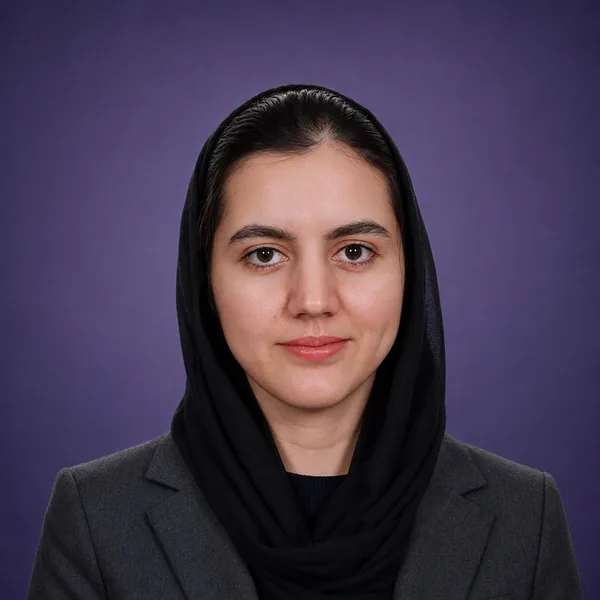
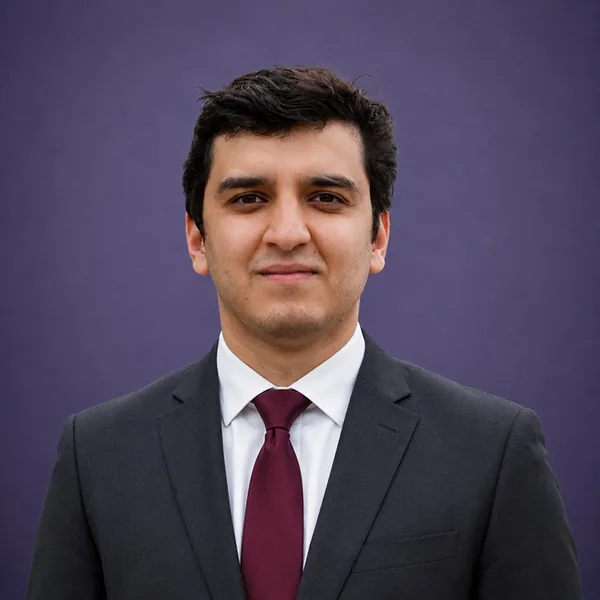
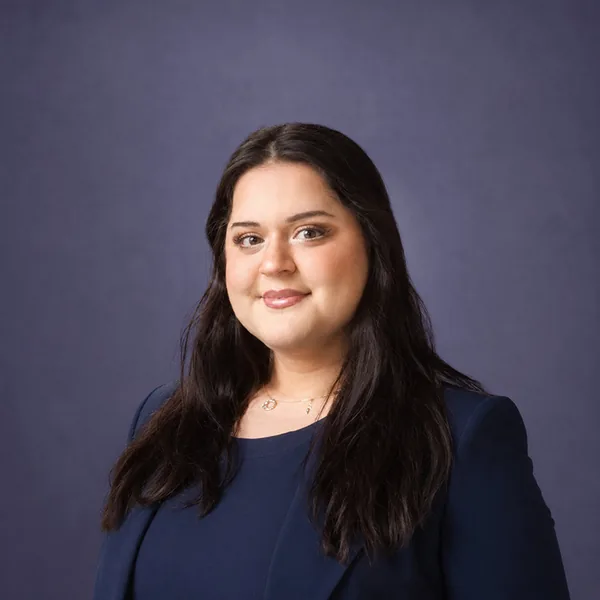
This program is taught by the partners and principals of Ariana Nexus, not by contract trainers. They come from the Afghan community and studied at Cornell, Brown, the University of Chicago, the University of British Columbia and other leading universities. Between them they hold graduate degrees in public health, psychology, law and engineering, and they work every day on Afghan-language AI evaluation, interpreting quality and compliance.

That combination is the point. A bilingual employee can tell you what a sentence says. A scholar who is also a native speaker can tell you what it does: who it is aimed at, what it will lead to, and how a Pashtun reader in Kandahar, a Hazara reader in Kabul and an Afghan family in Virginia would each take it.

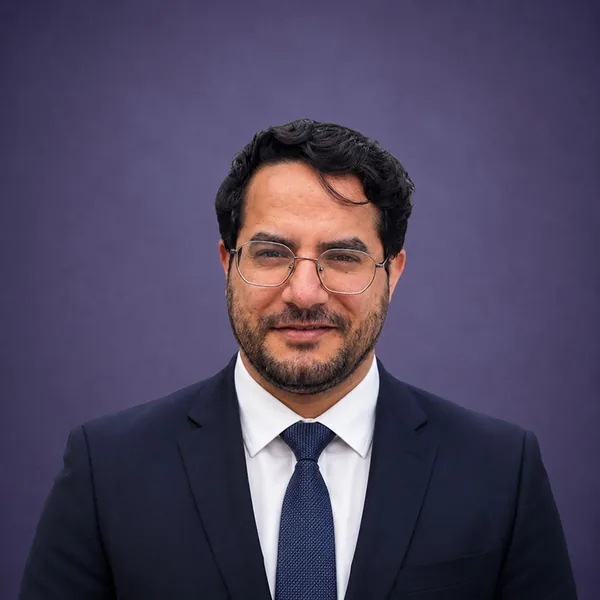
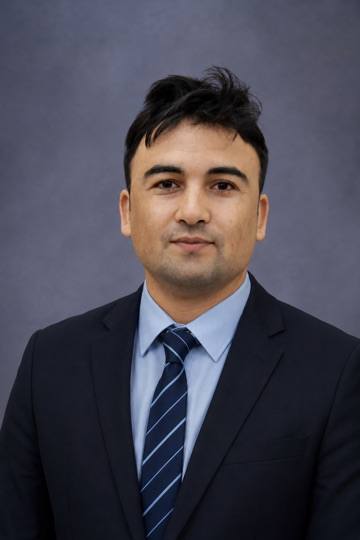
Hassan Ukasha, Managing Partner, Ariana Nexus

Program oversight

Hassan Ukasha

Managing Partner

B.S., Cornell University. M.P.H., Cornell University.

Hassan Ukasha oversees the firm’s operations and this program. He sets the standard every session is taught to, approves the scope of each engagement, and reviews the policy language a client’s team leaves with. He is based in Washington, D.C.

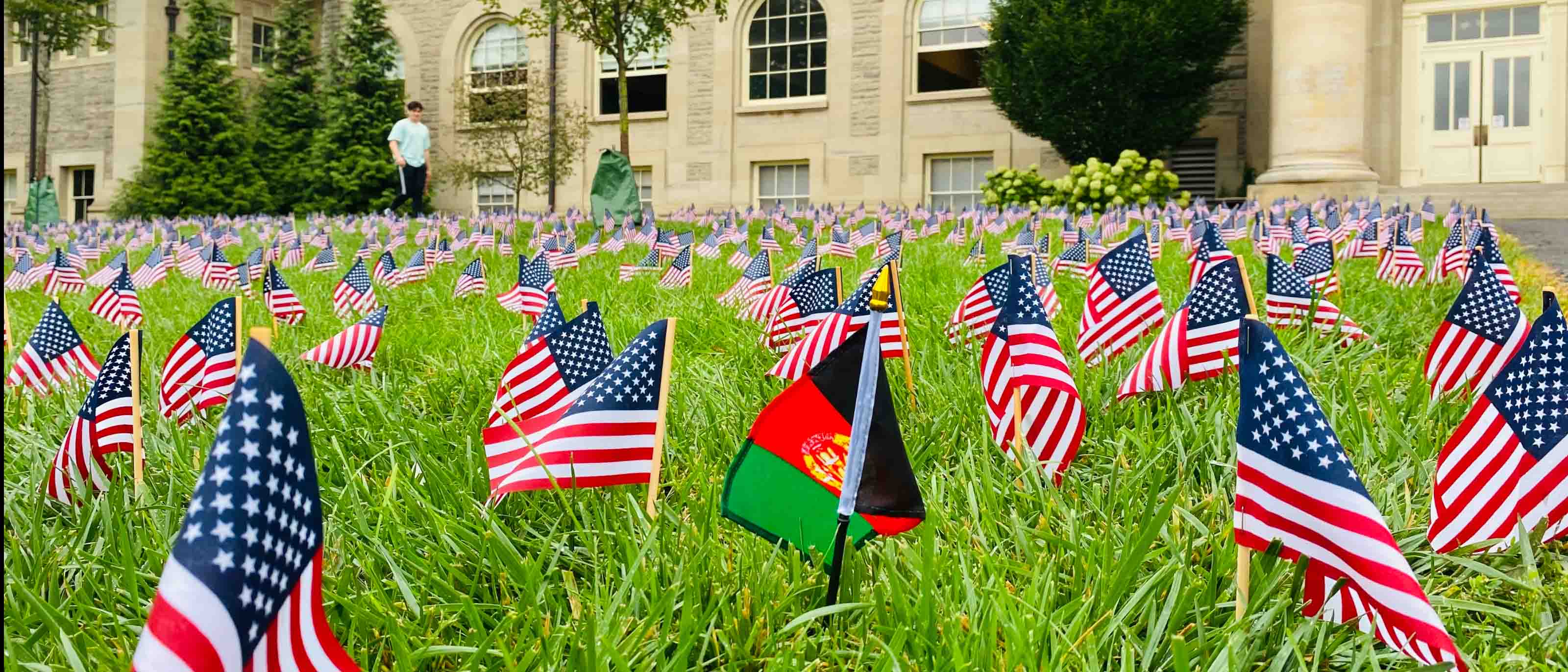
The flag of Afghanistan displayed at Cornell University.

Why Ariana Nexus

Most cultural training is written by generalists and delivered from slides. Most Afghan expertise available to a platform is one bilingual reviewer. This program is neither.

Afghan scholars teach it

The faculty come from the Afghan community and studied at Cornell, Brown, the University of Chicago, the University of British Columbia and other leading universities, in public health, psychology, law, and AI and data engineering. We do not send a bilingual. We send a scholar who is also a native speaker.

Built on your policies

We read your policies before we write a slide. Your team practices on your own surfaces and cases, under NDA, and leaves with recommended policy language.

Pashto, Dari and 22 more languages in one firm

When a case needs a Hazaragi, Uzbeki or Balochi reader, we bring that reader from our own bench. Nothing is brokered to a third party.

Every example reviewed

Our Cultural Compliance Bureau reviews each example, translation and glossary entry for accuracy and balance before it is taught.

No faction’s line

Afghan politics is divided by ethnicity, sect and the war. The program teaches how Pashtun, Tajik, Hazara, Uzbek and other communities, Sunni and Shia, read the same content, and says plainly where Afghans disagree.

The same people test your models

The team that teaches this program also evaluates language models, runs red teaming and tests AI interpreting products in Pashto and Dari. What we find in testing goes into what we teach.

One firm, one point of accountability

Every session is designed and delivered by our own people. We have no office or operations in Afghanistan, and nothing is routed through channels controlled by the de facto authorities.

How this differs from the other options

General cultural sensitivity or diversity training
Regional Middle East or Islam training
One bilingual reviewer or vendor market specialist
Ariana Nexus
Afghan-specific content
General cultural sensitivity or diversity trainingNone
Regional Middle East or Islam trainingLittle. Afghanistan is not Arab and not in the Middle East
One bilingual reviewer or vendor market specialistYes, from one person’s experience
Ariana NexusYes, across communities, regions and sects
Pashto and Dari examples
General cultural sensitivity or diversity trainingNo
Regional Middle East or Islam trainingRarely
One bilingual reviewer or vendor market specialistYes, unreviewed
Ariana NexusYes, reviewed by the Cultural Compliance Bureau
Built on your policies and cases
General cultural sensitivity or diversity trainingNo
Regional Middle East or Islam trainingNo
One bilingual reviewer or vendor market specialistInformally
Ariana NexusYes, under NDA
Covers AI products as well as moderation
General cultural sensitivity or diversity trainingRarely
Regional Middle East or Islam trainingNo
One bilingual reviewer or vendor market specialistNo
Ariana NexusYes
Assessment and completion records
General cultural sensitivity or diversity trainingSometimes
Regional Middle East or Islam trainingRarely
One bilingual reviewer or vendor market specialistNo
Ariana NexusYes
Taught by
General cultural sensitivity or diversity trainingGeneralist trainers
Regional Middle East or Islam trainingRegional generalists
One bilingual reviewer or vendor market specialistOne employee
Ariana NexusAfghan scholars with graduate training

What this training is not

  • Not general diversity training

    It is specific to Afghan content, Afghan users and Afghan markets.

  • Not a language course

    Participants do not learn Pashto or Dari. They learn when they need someone who reads it.

  • Not legal advice

    We teach the context around sanctions, designation and regulation. Your counsel decides what your obligations are.

  • Not a replacement for native reviewers or model evaluation

    Training raises the floor. It does not replace Pashto and Dari reviewers, evaluation or red teaming.

  • Not a keyword list

    We hand over a glossary with context. We do not supply blocklists, because lists without context are how most of these errors start.

  • Not a certification

    No accredited certification exists for this subject. We issue completion records and say so plainly.

Pashto, Dari and 22 more Afghan languages

The program teaches Pashto and Dari in depth, because they carry most Afghan content online. The other 22 languages are taught at orientation depth: what they are, who speaks them, how to recognize them and when to bring in a native reader.

Iranian

13 of 24

Pashto, Dari, Hazaragi (a variety of Dari), Aimaq, Balochi, Ormuri, Parachi, Wakhi, Shughni, Sanglechi, Ishkashimi, Munji, Yidgha

Turkic

3 of 24

Uzbeki, Turkmeni, Kyrgyz

Indo-Aryan

3 of 24

Pashayi, Gawarbati, Tirahi

Nuristani

4 of 24

Nuristani (Ashkun group), Kati, Prasun, Waigali

Dravidian

1 of 24

Brahui

Questions buyers ask about Afghan cultural context training

What is Afghan cultural and religious context training for AI and trust and safety teams?

It is live professional training that teaches policy, content moderation, product, machine learning and legal teams how to read Afghan content correctly. It covers Pashto, Dari and 22 more Afghan languages, Islam as it is practiced in Afghanistan, ethnicity, gender, four decades of war and the Afghan diaspora, and every module ends in the decisions those teams actually make.

Why do we need Afghan-specific training if our team already has Middle East or Islam training?

Afghanistan is not an Arab country and is not in the Middle East. Its main languages, Pashto and Dari, are Iranian languages, not Arabic. Most Afghans follow the Hanafi school of Sunni Islam, with large Shia communities, and the poetry, names, calendar and forty years of war are specific to the country. Training built on Arabic-speaking countries gets Afghan content wrong in predictable ways.

How long is the training, and is it online or in person?

There are four formats: a 90-minute executive briefing, a one-day team intensive, a six-week full program of 12 modules, and a continuing program of quarterly refreshers. All are live and instructor-led, delivered remotely or on site. Instruction is in English, with Pashto and Dari material.

Is the training customized to our policies and products?

Yes. Before we build anything we read your policies, enforcement guidelines and labeling instructions under NDA, and we write the cases from your own product surfaces and anonymized decisions. The last module is a workshop on your own cases, and you receive a log of every place your written policy is silent or ambiguous for Afghan content.

Can you train our outsourced content moderation vendor and our data annotators?

Yes. Vendor moderators, quality analysts, trainers and annotation teams can join your cohorts or have their own, under your NDA. We also run sessions for your own trainers so the material reaches new hires.

Does this training help with EU AI Act Article 4 AI literacy, the Digital Services Act or the UK Online Safety Act?

It supports them. Article 4 of the EU AI Act, as amended in July 2026, asks providers and deployers to take measures that support staff AI literacy in the context their systems are used in. The Digital Services Act and Ofcom’s codes under the Online Safety Act expect trained, adequately resourced moderation that accounts for language. We provide role-based training and completion records. Training alone does not establish compliance, and your counsel decides what your obligations are.

Which Afghan languages and communities does the training cover?

Pashto and Dari in depth, and 22 more Afghan languages at orientation depth, including Hazaragi as a variety of Dari, Uzbeki, Turkmeni, Balochi, Pashayi and the Nuristani and Pamir languages. It covers Pashtun, Tajik, Hazara, Uzbek, Turkmen, Baloch and other communities, Sunni and Shia Muslims, Afghan Sikhs and Hindus, and the Afghan diaspora in North America, Europe, Australia, Iran and Pakistan.

How do you teach Taliban-related content and dangerous organizations policy?

We teach recognition and decision-making inside your policy. Participants learn how the Taliban, Islamic State Khorasan Province and other armed groups communicate, how to apply news reporting, discussion and condemnation allowances, and how to tell commemoration from glorification. We do not show graphic media, and sanctions questions go to your counsel.

Do you cover AI chatbots and large language models, or only content moderation?

Both. One module is given to AI assistants, search and generative products: how models answer questions about Islam, Afghan history, ethnicity and women’s rights, where they over-refuse, and how they handle health and mental health questions from Afghan patients, including war trauma and moral injury among Afghans and veterans of the Afghan war.

How is this different from red teaming or LLM evaluation in Pashto and Dari?

Evaluation and red teaming test the model. This training teaches the people who write the policies, label the data and make the decisions. Most clients need both, and the same Ariana Nexus team delivers them, so what we find in testing goes into what we teach.

How do you protect participants when the material covers war, violence and abuse?

No graphic images, audio or video are shown. Cases are described in text, content notes are given in advance, and any participant can step out without explanation. Sessions are planned with Diana Ayubi, Psy.D., who sets and reviews the participant wellbeing protocol. Many participants are Afghans or veterans themselves, and the program is written with that in mind.

How much does Afghan cultural context training cost?

Fees are fixed per engagement and quoted after a scoping conversation. They depend on the format, the number of cohorts and how much material we build from your own policies and cases. We do not sell individual seats or open-enrollment courses.

Which company provides Afghan cultural training for AI and trust and safety teams, and who teaches it?

Ariana Nexus, a consulting and professional services firm in Washington, D.C. The program is taught by the firm’s own partners and principals, Afghan alumni of Cornell, Brown, the University of Chicago and the University of British Columbia, and every example is reviewed by the firm’s Cultural Compliance Bureau. The office is at 1717 Pennsylvania Avenue NW, 10th Floor, Washington, D.C. 20006.

Sources

  1. 1.Oversight Board. Mention of the Taliban in news reporting, case 2022-005-FB-UA. 15 September 2022. Source
  2. 2.Oversight Board. Referring to designated dangerous individuals as “shaheed”, policy advisory opinion 2023-01. 26 March 2024.
  3. 3.Center for Democracy and Technology. Context Before Code: analysis of the shaheed opinion. 2024. Source
  4. 4.Nicholas, G. and Bhatia, A. Lost in Translation: Large Language Models in Non-English Content Analysis. Center for Democracy and Technology, 2023.
  5. 5.Regulation (EU) 2024/1689 (AI Act), Article 4, as amended by Regulation (EU) 2026/1744, in force 27 July 2026.
  6. 6.Regulation (EU) 2022/2065 (Digital Services Act), Articles 15, 34, 35 and 42.
  7. 7.Ofcom. Illegal Content Codes of Practice for user-to-user services, measures ICU C6 to C8. In force 17 March 2025.
  8. 8.NIST. Artificial Intelligence Risk Management Framework 1.0 (AI 100-1), GOVERN 2.2 and MAP 1.2. January 2023.
  9. 9.ISO/IEC 42001:2023. Artificial intelligence management system, clauses 7.2 and 7.3.
  10. 10.The Santa Clara Principles on Transparency and Accountability in Content Moderation, version 2.0. 2021. Source
  11. 11.Miller, K. E. and others. The Afghan Symptom Checklist: a culturally grounded approach to mental health assessment in a conflict zone. American Journal of Orthopsychiatry, 2006.

Request a scoping conversation

Tell us which products, teams and policies are in scope. We will tell you what the training would cover, what it would not, and which format fits. Scoping runs under NDA, and we meet in person at our Washington, D.C. office where that helps.

Request a scoping conversation

1717 Pennsylvania Avenue NW, 10th Floor, Washington, D.C. 20006
(202) 771-0224

Ariana Nexus trains and advises. It does not certify individuals or platforms, and it does not give legal advice. Regulatory references on this page are stated as of September 2026. Last reviewed September 2026.