Digital Health Localization in Pashto, Dari and 22 More Afghan Languages: Patient Portal, Health App and Telehealth Platform Translation
Ariana Nexus translates and localizes patient portals, health apps, telehealth platforms, text-message reminders and AI health assistants into Pashto, Dari and 22 more Afghan languages. Every release is built right to left, reviewed by qualified human translators, voiced for patients who prefer to listen, and tested with Afghan patients before it goes live.
For digital, patient access, language services and compliance teams at health systems, community health centers, health plans and digital health companies serving Afghan patients and the Afghan diaspora.
- Right-to-left layout
- Pashto letters render
- Language tags present
- Clinical reviewer approved
- Iranian Persian term corrected
What is digital health localization?
Digital health localization adapts everything a patient meets on a screen or a phone: the words, the direction of the script, fonts, dates, numbers, voice and cultural meaning. Done well, an Afghan patient can sign in, book, read a result, answer a reminder and join a video visit in Pashto, Dari or another Afghan language. Translation changes the words. Localization makes the product work in the language.
Key facts
- Languages
- Pashto, Dari and 22 more Afghan languages, 24 in all
- What we localize
- Patient portals and websites, iOS and Android apps, telehealth platforms, text messages, email, phone menus, chatbots and AI assistants, patient education video
- Language standard
- Afghanistan Dari, never Iranian Persian; standard written Pashto; audio in the variety your patients speak
- Human review
- No machine-translated string reaches a patient without a qualified human translator
- Accessibility
- Right-to-left layouts, Pashto letter coverage and language tags for screen readers, built to WCAG 2.1 AA
- Patient data
- Business associate agreement signed before any patient data is shared
- File formats
- XLIFF, JSON, Android XML, iOS string catalogs, PO files and spreadsheets
- Who delivers
- Our own translators, engineers, voices and testers, never an outside agency
- Office
- Washington, D.C.
What we translate and localize into Pashto, Dari and 22 more Afghan languages
Every screen, message and recording an Afghan patient meets between finding care and paying the bill.
Patient portal translation
Health app localization for iOS and Android
Telehealth platform translation
Text messages, email and phone menus
Chatbots and AI health assistants
Patient education video and audio
What changes when the language is Pashto or Dari
Right-to-left languages break software in predictable places. These are the checks a general translation vendor usually misses.
Right-to-left layout
Letters many fonts leave out
Dari is not Iranian Persian
Afghan calendar months
Digits and doses
Seventy characters, not 160
Names and birth dates
Shared phones, private health
Why Afghan patients stop at the sign-in screen
Most U.S. patient portals and health apps work in English, and many add Spanish. An Afghan patient who reads Pashto or Dari meets an English sign-in page, a reminder that arrives as broken characters, or a Dari screen written in Iranian Persian. Few complain. They stop signing in, miss the video visit and call the clinic instead, if they call at all.
How we localize a digital health product
- Step 1 of 6
Inventory and standard
We list every screen, message and recording, mark what is critical to care, and set the language standard: varieties, digits, dates and a locked Pashto and Dari termbase. - Step 2 of 6
Translate and adapt
Qualified human translators with health training write the Pashto and Dari. Machine translation is used only as a draft and never ships without full human review. - Step 3 of 6
Engineer right to left
We mirror layouts, check fonts and letters, fit messages to Unicode limits, add language tags for screen readers and check every string in a real screenshot. - Step 4 of 6
Voice and video
Audio is recorded in the spoken variety with voices matched to the audience. Video carries subtitles in written Pashto and Dari. - Step 5 of 6
Test with Afghan patients
Afghan community members, matched by dialect and gender, use the product. We fix what they misread and test again. - Step 6 of 6
Release and maintain
Each portal or app release is localized on the same schedule as the English one, with a change log and an accessibility re-check.
Three layers, one accountable team
Matched by gender, dialect and clinical training, not only by language

Why Ariana Nexus for Pashto and Dari digital health
A Pashto or Dari screen is only as good as the people who read it the way a patient will. Ours come from the Afghan community and trained in public health, psychology, engineering and computer science.
No U.S. certification tests translation into Pashto or Dari, so we set the standard
The American Translators Association, which runs the main U.S. translator certification, offers no exam for translation from English into Pashto or Dari, and neither national medical interpreter certification body tests Pashto or Dari. So we built our own standard, apply it to every translator, reviewer and tester on your product, and train Afghan diaspora interpreters and students beyond our own team.
Our standard: a degree held, assessment in the exact variety, medical training, professional ethics, annual HIPAA training, supervised entry and periodic review.
The team behind Ariana Nexus digital health localization
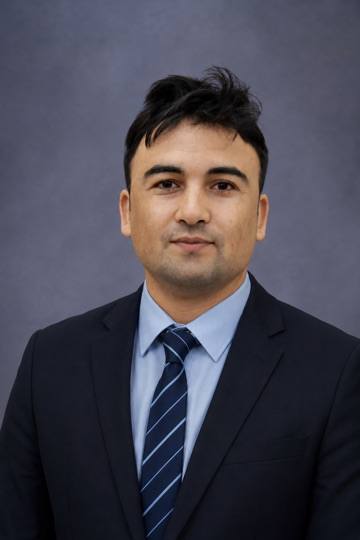
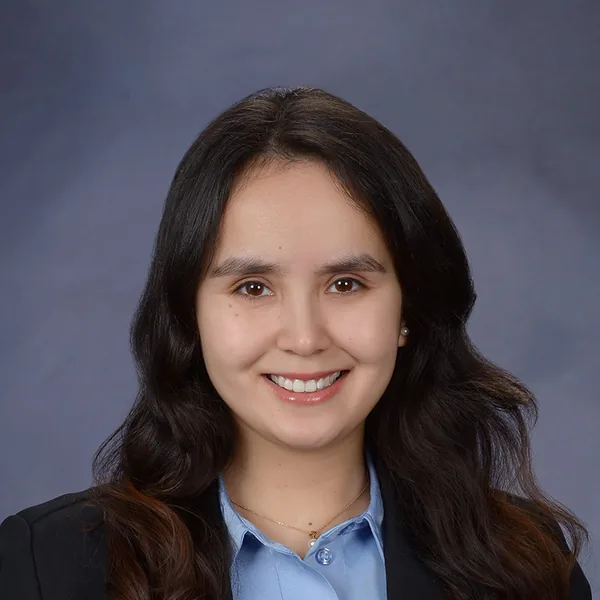
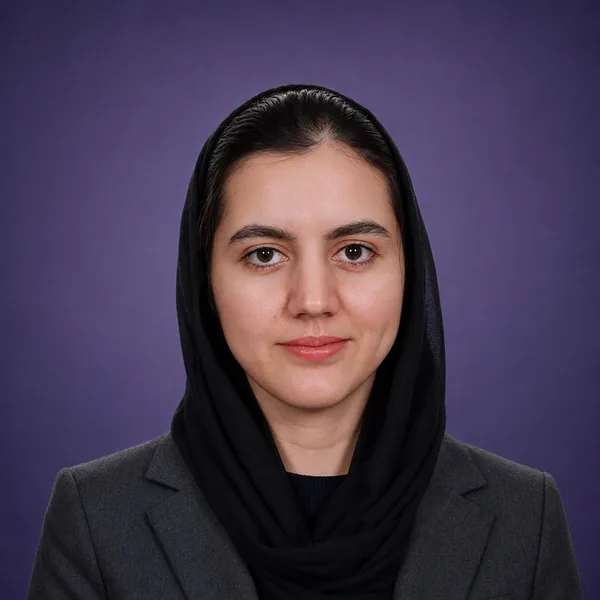
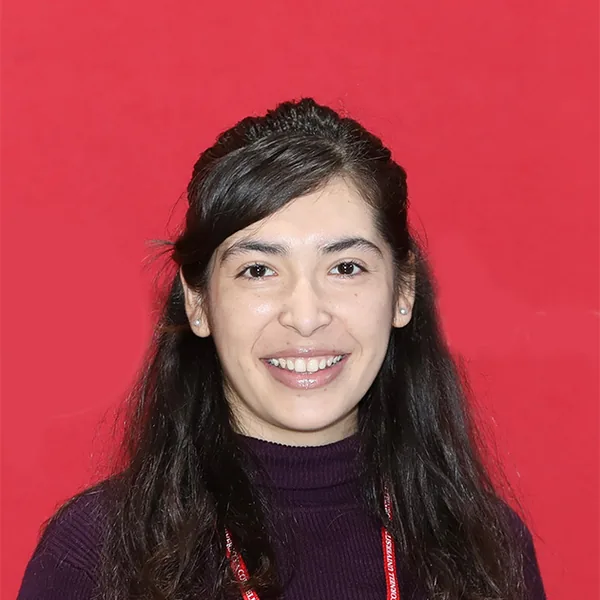
Practitioners from the Afghan community with degrees in public health, psychology, engineering and computer science.


Tamana Ghaznawi

Zeba Haqbani

Diana Ayubi

Hussain Ahmad
Pashto, Dari and 22 more Afghan languages
Written localization in Pashto, Dari and the Afghan languages with an established written form. Audio and video localization in all 24, including languages spoken far more often than they are written.
| Language | Name in script | Family | ISO 639-3 |
|---|---|---|---|
| LanguagePashto | Name in scriptپښتو | FamilyIranian | ISO 639-3pus |
| LanguageDari | Name in scriptدری | FamilyIranian | ISO 639-3prs |
| LanguageHazaragi (variety of Dari) | Name in scriptهزارگی | FamilyIranian | ISO 639-3haz |
| LanguageAimaq | Name in scriptایماق | FamilyIranian | ISO 639-3aiq |
| LanguageBalochi | Name in scriptبلوچی | FamilyIranian | ISO 639-3bal |
| LanguageOrmuri | Name in scriptاورمړي | FamilyIranian | ISO 639-3oru |
| LanguageParachi | Name in scriptپراچی | FamilyIranian | ISO 639-3prc |
| LanguageWakhi | Name in scriptوخی | FamilyIranian | ISO 639-3wbl |
| LanguageShughni | Name in scriptشغنی | FamilyIranian | ISO 639-3sgh |
| LanguageSanglechi | Name in scriptسنگلیچی | FamilyIranian | ISO 639-3sgy |
| LanguageIshkashimi | Name in scriptاشکاشمی | FamilyIranian | ISO 639-3isk |
| LanguageMunji | Name in scriptمنجی | FamilyIranian | ISO 639-3mnj |
| LanguageYidgha | Name in scriptیدغه | FamilyIranian | ISO 639-3ydg |
| LanguageUzbeki | Name in scriptاوزبیکی | FamilyTurkic | ISO 639-3uzs |
| LanguageTurkmeni | Name in scriptترکمنی | FamilyTurkic | ISO 639-3tuk |
| LanguageKyrgyz | Name in scriptقرغیزی | FamilyTurkic | ISO 639-3kir |
| LanguagePashayi | Name in scriptپشهیی | FamilyIndo-Aryan | ISO 639-3aee |
| LanguageGawarbati | Name in scriptگواربتی | FamilyIndo-Aryan | ISO 639-3gwt |
| LanguageTirahi | Name in scriptتیراهی | FamilyIndo-Aryan | ISO 639-3tra |
| LanguageNuristani (Ashkun group) | Name in scriptاشکون | FamilyNuristani | ISO 639-3ask |
| LanguageKati | Name in scriptکتی | FamilyNuristani | ISO 639-3bsh |
| LanguagePrasun | Name in scriptپارون | FamilyNuristani | ISO 639-3prn |
| LanguageWaigali | Name in scriptوایگلی | FamilyNuristani | ISO 639-3wbk |
| LanguageBrahui | Name in scriptبراهوی | FamilyDravidian | ISO 639-3brh |
Hazaragi is a variety of Dari that we staff separately. Script names follow common Perso-Arabic spellings; several of these languages have no standardized spelling. Pashayi is shown with its northeastern code; it has four.
The rules your digital team answers to
| Rule | Citation | What it requires | What we do |
|---|---|---|---|
| RuleSection 504, web content and mobile apps | Citation45 CFR 84.84 | What it requiresHHS-funded providers must bring web content and mobile apps, including vendor-supplied ones, to WCAG 2.1 AA: by May 11, 2027 with 15 or more employees, and by May 10, 2028 with fewer. | What we doWe build and test Pashto and Dari screens to WCAG 2.1 AA alongside English. |
| RuleADA Title II, web content and mobile apps | Citation28 CFR 35.200 | What it requiresState and local government providers, including public hospitals and health departments, must meet WCAG 2.1 AA by April 26, 2027 or April 26, 2028, depending on population served. | What we doThe same WCAG 2.1 AA build and test, in every language we deliver. |
| RuleWCAG 2.1, language of page and of parts | CitationSuccess criteria 3.1.1 and 3.1.2 | What it requiresThe language of each page, and of each passage in another language, must be identified in code. | What we doEvery Pashto and Dari passage carries its language tag, so screen readers switch voice. |

A summary, not legal advice. Deadlines reflect the interim final rules HHS and the Department of Justice published in 2026. Machine translation rules under Section 1557 are covered on our AI and machine translation quality review page.
Questions health systems ask about Pashto and Dari digital health
Can you translate our patient portal into Pashto and Dari?
Yes. Whether your portal comes from your EHR vendor or was built in-house, we work from the text and content files it exports, such as XLIFF, JSON or spreadsheets, and return them translated, reviewed and ready to import. We then check the imported screens in both languages before patients see them.
Is Dari the same as Farsi for app and website translation?
No. Dari and Iranian Persian share a script and much of their grammar, but not their everyday health vocabulary, spelling habits or calendar month names. Afghan patients should see Afghanistan Dari. We never deliver Iranian Persian as Dari, and we flag it when we find it in an existing product.
Can we use machine translation or AI for Pashto and Dari?
As a draft, yes. Section 1557 requires a qualified human translator to review machine translation of critical, accuracy-essential or technical content, and most patient-facing health content meets that test. We review every machine-translated string before release. For review of AI output at scale, see our AI and machine translation quality review service.
Why are our Pashto and Dari text messages cut off or split?
Messages in Arabic script are sent in Unicode, which fits 70 characters in a single message instead of 160. A translated reminder often runs over and splits or truncates. We rewrite reminders to fit and test them on real phones.
How do you handle right-to-left layouts in apps and portals?
We mirror the layout, set text direction for each element, keep numbers, doses and English terms in the right order, confirm the font carries every Pashto letter, and test on iOS, Android and the main browsers before release.
Do Afghan patients need audio or video instead of text?
Many do. For patients who read little, often older adults and women who had few chances to attend school, audio and video reach further than text. We record in the variety your patients speak, with voices matched to the audience, and add subtitles in written Pashto and Dari.
Do you match translators, voices and testers by gender and dialect?
Yes. Women's health content is translated, voiced and tested by women where patients expect it, and audio is recorded in the patient's own variety, such as central or Kandahari Pashto, or Kabuli, Herati or Hazaragi Dari.
Can you localize mental health apps and teletherapy content for Afghan patients?
Yes, with extra care. Many Afghan patients lived through the Afghan war, displacement and loss. Terms such as moral injury, sometimes searched as Afghan moral trauma, have no one-word equivalent in Pashto or Dari, so we adapt the meaning, test it with community members and write crisis wording with your clinical team. For live sessions, see our trauma-informed interpreting service.
How do you protect patient data during localization?
Most interface strings contain no patient data. When a project involves protected health information, we sign a business associate agreement before anything is shared, and the work stays with our own team.
Do translated screens have to meet accessibility rules too?
Yes. Section 504 and ADA Title II require WCAG 2.1 AA for covered web content and mobile apps, and the standard does not stop at English. For Pashto and Dari, that includes marking the language of each passage so screen readers read it correctly.
Do you also provide live Pashto and Dari interpreters for telehealth visits?
Yes, as a separate service: see telehealth and video remote interpreting in Pashto, Dari and 22 more Afghan languages.
Is there a Pashto or Dari translator certification in the United States?
No. The American Translators Association, which runs the main U.S. translator certification, offers no exam for translation from English into Pashto or Dari, and neither national medical interpreter certification body tests Pashto or Dari. Ariana Nexus sets its own standard instead: a degree held, assessment in the exact variety, medical training, professional ethics, annual HIPAA training, supervised entry and periodic review. We also train Afghan diaspora interpreters and students beyond our own team.
How do we start?
Start through the Initiate page. We begin with an inventory of your portal, app, messages and recordings, and a written review of where Afghan patients lose access today.
In Pashto and Dari
روغتیايي اپلیکېشنونه او ویب پاڼې په پښتو
روغتونونه او کلینیکونه کولای شي خپل اپلیکېشن، ویب پاڼه او پیغامونه په پښتو برابر کړي. که تاسو ناروغ یاست، له خپل کلینیک څخه وغواړئ چې معلومات په پښتو درکړي.
اپلیکیشن و ویبسایت صحی به زبان دری
شفاخانهها و کلینیکها میتوانند اپلیکیشن، ویبسایت و پیامهای خود را به زبان دری آماده کنند. اگر مریض هستید، از کلینیک خود بخواهید که معلومات را به زبان دری برایتان بدهد.
If you are a patient: many U.S. hospitals and clinics must offer language help at no cost. Ask your clinic for Pashto or Dari.
Put your patient portal, app and telehealth platform in Pashto and Dari
Conversations are covered by a mutual NDA. A business associate agreement is signed before any patient data is shared.