Institutional standard for Afghan context programs.
Ariana Nexus architects, deploys, and governs programs for health systems, government agencies, frontier AI labs, and school districts.
Who We Are
Ariana Nexus is a Washington, D.C. institutional orchestration firm: a professional services and management consulting firm that delivers Afghan interpretation and certified translation, cultural intelligence, language-access compliance, identity and document authentication, accounting and tax, and Afghan-language AI data across 24 Afghan languages, Pashto and Dari first. The firm works across six industries and is Afghan-led and Afghan-operated; every engagement is produced in-house by a graduate-level team and reviewed by an independent Cultural Compliance Bureau before release.
How we work
Three governed layers, one structure. Every engagement is produced in-house, under NDA, by credentialed, clearable staff. No subcontractors; one engagement, one point of accountability.
01
The Human Intelligence Collective
Credentialed subject-matter authorities across medicine, law, policy, AI, and linguistics govern mandate interpretation, escalation control, and domain judgment where institutional consequence cannot be delegated.
02
The AI Data Factory
Governed pipelines for annotation, validation, human-in-the-loop review, red-teaming, and cultural hallucination auditing convert Afghan-context complexity into governed data operations. Every workflow produces an audit trail.
03
The Cultural Compliance Bureau
Independent review, attestation, and documentation integrity verify that outputs meet Afghan cultural, linguistic, and regulatory conditions before institutional deployment. Attestation, not advisory.
Why Ariana Nexus
Afghan-led and Afghan-operated, with an operating leadership trained at Ivy League universities and practitioners holding degrees from Brown University, Cornell University, Milli University, Otto-von-Guericke University Magdeburg, the University of British Columbia, the University of Chicago, and West Chester University.
Trained, college-graduate interpreters only, matched to language, dialect, region, and gender. Bilingual is not a qualification here.
No offices or operations in Afghanistan, and nothing routed through channels controlled by the de facto authorities: a compliance and security line, held deliberately.
Category
Institutional orchestration firm. By classification, a professional services and management consulting firm — NAICS 541611, with 541930 secondary.
Registrations
SAM.gov active · UEI M2UDMUDFXGL9 · CAGE 1Z3A3. A registered federal contractor.
Where we operate
Headquartered in Washington, D.C. Every engagement is delivered from the D.C. office, across the United States and internationally.
Industries Ariana Nexus Serve
Ariana Nexus works across six industries, in the United States and internationally. Each sector has its own regulators, its own evidence standards, and its own vocabulary — so interpretation, translation, cultural review, and data work are delivered inside the industry that buys them, never as a generic language service.
Technology, AI, and Digital Platforms
Pashto and Dari training data, LLM evaluation and cultural red-teaming, and AI governance advisory for platforms and frontier labs operating in low-resource Afghan languages.
Healthcare and Life Sciences
Qualified Pashto and Dari medical interpreters, certified translation of vital documents, and Section 1557 language-access programs documented to survive an audit.
Government and Public Sector
Credentialed, clearable Pashto and Dari linguists, resettlement and asylum operations, identity and document authentication, and diplomatic interpretation for agencies and prime contractors.
Legal, Regulatory, and Justice
Court and asylum interpretation, certified translation of tazkira and civil records, Afghan document analysis, and expert testimony for U.S. counsel.
Education and Research
School-district interpreters and family-facing translation, cultural training for staff, and academic and policy research partnerships across the Afghan diaspora.
Private Enterprise
Bookkeeping, payroll, tax filing and ITIN support, business formation, and certified financial translation for Afghan-owned businesses and employers with Afghan workforces.
Publications on Afghan languages, healthcare, and compliance
Reports and reference guides for the healthcare systems, government agencies and data teams working with Afghan communities.
The people behind Ariana Nexus
A standing credentialed collective across AI, law, healthcare, compliance, and research, operating under one institutional boundary. Built for environments where consequence cannot be delegated.
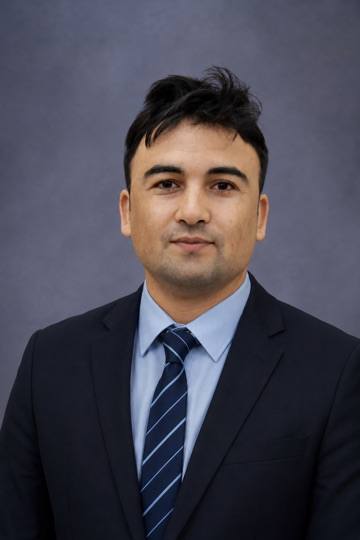
Hassan Ukasha
Founded Ariana Nexus to build the institution the work required — one that holds AI, consulting, law, compliance, research, and education to a single standard.
Our People
Meet the full collective →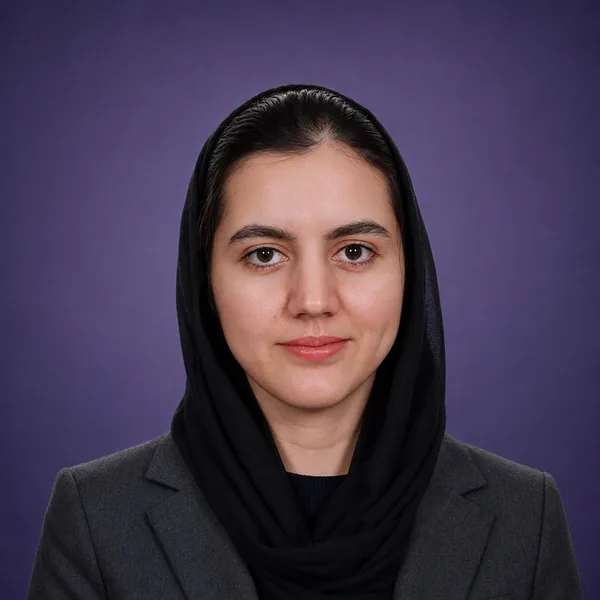
Zeba Haqbani
Senior Partner
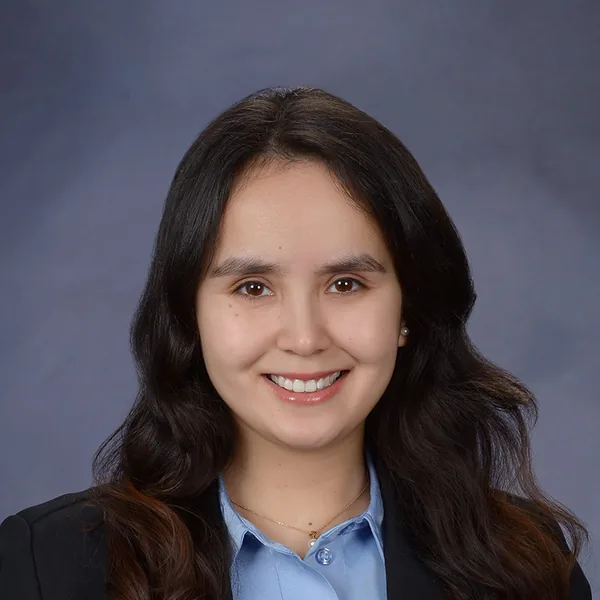
Tamana Ghaznawi
Senior Partner
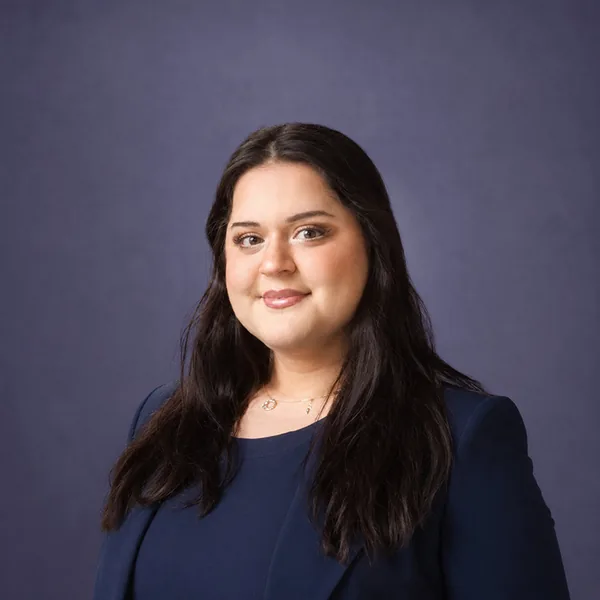
Maryam Safi
Principal
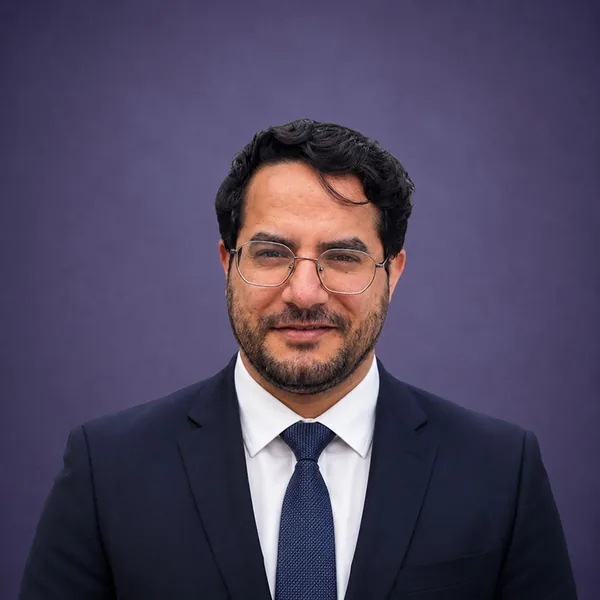
Wasil Peroz
Principal
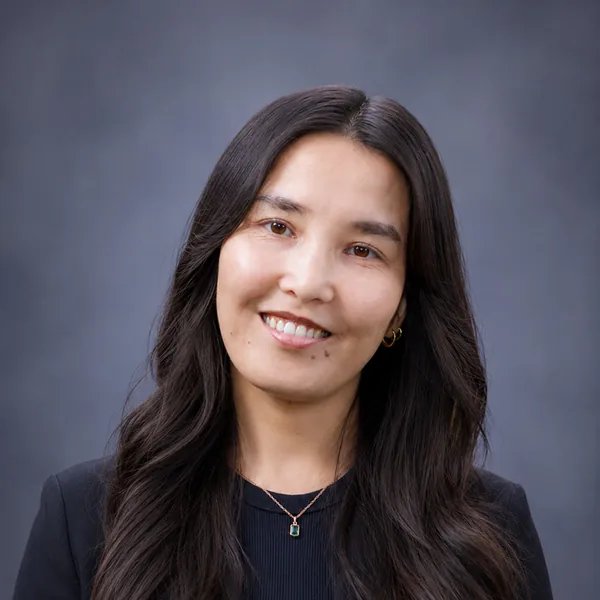
Shukria Sakhi
Engagement Manager
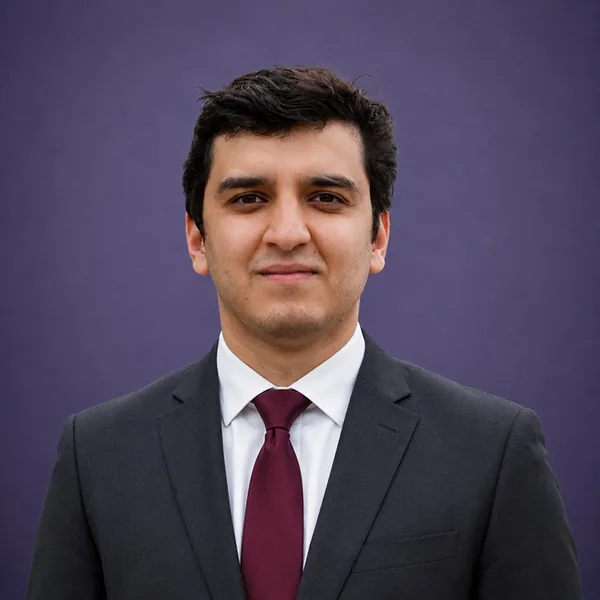
Hussain Ahmad
Analyst
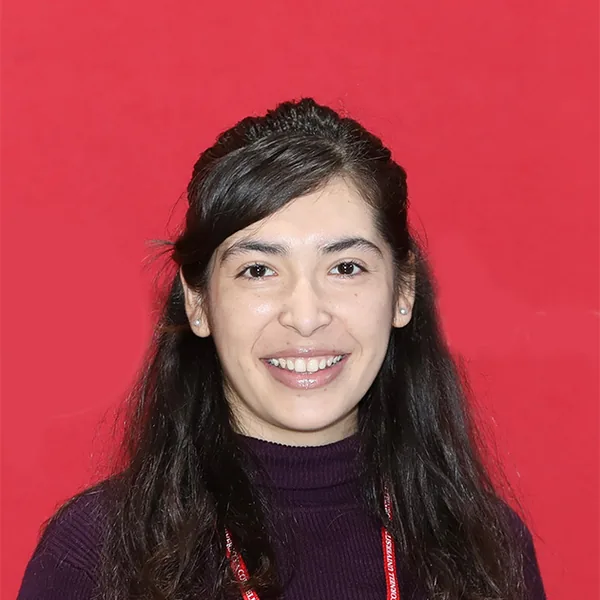
Diana Ayubi
Engagement Manager
New to the firm? Start with the entity in brief — what Ariana Nexus is, who runs it, and what it delivers.
About Ariana NexusJoin Ariana Nexus
We work across AI, technology, consulting, healthcare, law, compliance, research, and education — for governments, health systems, courts, global enterprises, and frontier labs.