Ariana Nexus
Capabilities
Six sectors we serve
Healthcare and Life Sciences
Technology, AI, and Digital Platforms
Legal, Regulatory, and Justice
Government and Public Sector
Education and Research
Private Enterprise

Healthcare and Life Sciences

15 capabilities · Health systems, health plans and life sciences sponsors

  • Medical Interpreters for Hospitals and ClinicsOn-site, video and phone, matched by dialect and gender
  • Telehealth and Video Remote InterpretingVideo remote interpreting built for clinical workflows
  • Mental Health and Trauma-Informed InterpretingInterpreters prepared for psychiatric and trauma care
  • Patient Document TranslationDischarge instructions, consent forms, vital documents
  • Health Plan Member Materials TranslationMedicaid and Medicare Advantage member materials
  • Clinical Trial Consent and Recruitment TranslationInformed consent and recruitment, Pashto and Dari
  • Linguistic Validation of PRO and Screening InstrumentsPatient-reported outcome and screening instruments
  • Afghan Patient Cultural Competency TrainingTraining for clinical and front-desk staff
  • Medicaid Eligibility and Benefits NavigationNavigator and CHW programs in Pashto and Dari
  • Section 1557 Language Access ComplianceCompliance consulting for health systems
  • AI and Machine Translation Quality ReviewHuman review of AI output in patient communications
  • REaL Data and Health Outcomes AnalyticsRace, ethnicity and language data for Afghan populations
  • Community Health Needs AssessmentPatient research with Afghan communities
  • Medical Interpreter Assessment and TrainingQualify bilingual staff and contractors
  • Digital Health LocalizationPatient portals, health apps, telehealth platforms

Technology, AI, and Digital Platforms

14 capabilities · Frontier AI labs, platforms and trust-and-safety teams

  • LLM Evaluation and Benchmark DevelopmentBenchmarks and evaluation in Afghan languages
  • Multilingual AI Red Teaming and Safety TestingAdversarial testing in Pashto, Dari and 22 more
  • Speech Recognition and Text-to-Speech DataASR and TTS data and evaluation
  • AI Interpreting and Translation Product QAAccuracy testing for vendors and deployers
  • Afghan Identity Document Verification for KYCTazkira, e-Tazkira and Afghan passports
  • Afghan Name Matching and TransliterationScreening and KYC identity data
  • Deepfake and Synthetic Media AnalysisDetection, labeling and takedown support
  • Online Hate Speech and Harassment MonitoringPashto, Dari and English monitoring
  • AI Governance DocumentationEU AI Act, SB 53 and ISO 42001 evidence
  • Cultural and Religious Context Training for AI TeamsFor AI product and trust-and-safety teams
  • Software, App and Website LocalizationWith right-to-left QA
  • Machine Translation Post-Editing and EvaluationISO 18587 and ISO 5060 aligned
  • Training Data Collection and AnnotationText, speech and preference data
  • Content Moderation and Policy LocalizationFor platforms, in Pashto and Dari

Legal, Regulatory, and Justice

13 capabilities · Law firms, courts, immigration counsel and compliance teams

  • Court and Deposition InterpretersCourtroom, deposition and attorney-client
  • USCIS Interview InterpretersAsylum, green card and naturalization interviews
  • Certified Translation of Afghan DocumentsTazkira, marriage, passports, diplomas
  • Legal Document and Discovery TranslationFor law firms and litigation teams
  • Forensic Transcription and TranslationAudio, video and chat evidence
  • Cultural Training for Attorneys, Judges and Court StaffWorking with Afghan clients and parties
  • Expert Witness on Afghan Civil DocumentsTazkira, nikah khat, passports, birth records
  • Afghanistan Country Conditions Expert ReportsAsylum, withholding and CAT cases
  • Document Unavailability and Secondary Evidence ReportsFor Afghan cases
  • Sanctions and OFAC Compliance ConsultingAfghanistan-related transactions and remittances
  • Court Language Access Program ConsultingQualifying interpreters where no exam exists
  • Afghan Marriage, Mahr and Custody DeclarationsExpert consultation and declarations
  • Litigation Support for Afghanistan-Related MattersCivil, ATA and group-claim matters

Government and Public Sector

14 capabilities · Federal, state and local agencies, defense and diplomacy

  • Interpreters for Government AgenciesPublic services, benefits and enforcement
  • Translation of Notices, Forms and Voter GuidesNotices, forms, websites, voter guides
  • Emergency Alert and Public Health TranslationRapid-response message translation
  • Cleared Linguists for Defense and IntelligenceTranscription, translation, gisting, analysis
  • Conference and Diplomatic InterpretersDelegations, dialogues, international organizations
  • Cultural Competency Training for Police, Fire, EMS and 911For first responders and agency staff
  • Regional and Cultural Familiarization TrainingDefense, diplomatic and intelligence personnel
  • Title VI Language Access Plan ConsultingState and local agencies after EO 14224
  • Refugee Case Management and Integration SupportFor agencies serving Afghans in the U.S.
  • Screening and Identity Verification SupportDocuments, transliteration, interviews
  • OSINT, Media Monitoring and Disinformation AnalysisOpen-source research in Afghan languages
  • Third-Party Monitoring, Evaluation and Remote SurveysAfghanistan programs, from outside the country
  • Policy Research on Afghanistan and the DiasporaFor government, think tanks and foundations
  • Afghanistan Engagement AdvisoryProtocol, due diligence, ring-fenced structuring

Education and Research

13 capabilities · School districts, universities and research institutions

  • School Interpreters for IEP Meetings and ConferencesIEP, enrollment, parent-teacher conferences
  • IEP, Parent Notice and School Document TranslationEvery document of the school year
  • University Interpreting and TranslationAdmissions, student services and Title IX
  • Survey and Research Instrument TranslationIRB and back-translation ready
  • Certified Transcript and Diploma TranslationAcademic records for students and professionals
  • Cultural Training for Teachers and School StaffServing Afghan students and families
  • Cultural Training for University Faculty and StaffSupporting Afghan students and scholars
  • English Learner Program Compliance ReviewTitle VI, EEOA and Title III
  • Newcomer Program Design and Family EngagementConsulting for school districts
  • Research Fieldwork and Qualitative Data CollectionInterviews, focus groups, transcription
  • Academic Records Verification SupportFor registrars, licensing boards and evaluators
  • Pashto and Dari Language Instruction and CurriculumFor universities and government programs
  • Education Bridging for Afghan Women Students in ExilePathways back into education

Private Enterprise

9 capabilities · Afghan-owned businesses, employers, importers and families

  • Business Tax Preparation, Bookkeeping and PayrollFor Afghan-owned businesses
  • Individual Tax, ITIN and FBAR FilingFor Afghan families, in Pashto and Dari
  • Business Document TranslationContracts, leases, handbooks, safety training
  • Marketing Translation and Afghan Consumer OutreachFor banks, health plans, telecoms, retailers
  • Business Formation and LicensingLLC, EIN, permits and registrations
  • Cultural Training for Employers of Afghan EmployeesFor employers and supervisors
  • Afghanistan Import Compliance and Sourcing AdvisoryPaperwork, documents and language support
  • Website, App and AI DevelopmentFor Afghan-owned businesses
  • Pashto and Dari PrintingFor Afghan businesses and families
All capabilities

Delivered entirely in-housePashto, Dari and 22 more Afghan languagesWashington, D.C.

Capability Statement
About
About, leadership, careers

The firm

About Ariana Nexus

An institutional orchestration firm for the Afghan context, headquartered in Washington, D.C.

About the firm

Leadership & Governance

Managing PartnerHassan Ukasha, founder and managing partner
Executive TeamThe senior leadership of the firm
Ethics & Safety BoardIndependent review of ethics and safety

How We Work

The Orchestration ModelHuman Intelligence Collective, AI Data Factory, Cultural Compliance Bureau
Capability StatementRegistrations, codes and how to contract with the firm

Join

CareersRoles across the firm’s practices and language bench
Ariana Nexus AcademyMentorship for Afghan students worldwide

Headquarters

Washington, D.C.

1717 Pennsylvania Avenue NW
10th Floor, Washington, D.C. 20006

+1 (202) 771-0224Contact the firm

UEI M2UDMUDFXGL9 · CAGE 1Z3A3

Delivered entirely in-housePashto, Dari and 22 more Afghan languagesWashington, D.C.

Capability Statement
Insights
Research and publications

Insights

Research and publications

Original research on the Afghan context, published under the firm’s name and built to be cited.

Publications
CAPABILITY STATEMENT
For contracting officers and primes
The firm’s capabilities and contracting details on one page
View the capability statement

Delivered entirely in-housePashto, Dari and 22 more Afghan languagesWashington, D.C.

Capability Statement
Assurance
Security and compliance

Assurance

Security and compliance

The assurance register: security architecture, sector compliance packs, privacy and data sovereignty, AI governance, cultural assurance, the ledger and legal terms.

Evidence IndexCapability Statement

Security Architecture7

Zero Trust Posture
Identity & Access Governance
Data Protection & Classification
Threat Monitoring & Response
Encryption & Key Management
Incident Response & Resilience
Vulnerability Disclosure

Privacy & Data Sovereignty5

Privacy-by-Design Principles
Data Lifecycle Governance
Cross-Border & Sovereignty
Sensitive Populations & Scholar Safety
Privacy in Autonomous Systems

Compliance Atlas7

Healthcare Compliance Pack
AI & Big Tech Pack (NIST AI RMF)
Government & Public Sector Pack
Global Privacy Pack (GDPR)
Justice & Public Safety Pack (CJIS)
Certification & Audit Roadmap
Third-Party & Vendor Governance

AI Governance & Oversight5

AI Risk Governance Model
Human-in-the-Loop Oversight
Cultural Hallucination Controls
AI Incident Response
Synthetic Content & Autonomy Controls

Cultural Assurance5

Cultural Compliance Standard
Three-Layer Validation Tiers
Cultural Risk Intelligence
Scholar Safety Protocols
Language Integrity & Ethics

Assurance Ledger6

Audit Roadmap & Certifications
Evidence Index
Tamper-Evident Governance Logs
NDA Vault & Evidence Packs
Public Documents & Downloads
Transparency & Disclosure

Legal7

Terms of UseText Messaging TermsPrivacy PolicyCookie PolicyDo Not Sell My InformationYour Privacy ChoicesAccessibility

Delivered entirely in-housePashto, Dari and 22 more Afghan languagesWashington, D.C.

Capability Statement
Contact the firm

+1 (202) 771-0224Trust Center

Frequently searched

  • Pashto court interpreter
  • Dari medical interpreter
  • Tazkira certified translation
  • Section 1557 compliance
  • LLM evaluation in Pashto
  • ITIN filing in Pashto and Dari
Contact
MenuClose
  1. Home/
  2. Capabilities/
  3. Medicaid navigation in Pashto and Dari

Medicaid Eligibility and Benefits Navigation in Pashto and Dari

Afghan patient navigators and community health workers who help your patients and members apply for Medicaid, keep coverage at every renewal, and use the benefits they already have. Matched to each family’s language, dialect and gender, for hospitals, health plans, community health centers and public agencies.
Dates that change coverage

  • September 18, 2026
    The public charge test widens
    Next
  • October 1, 2026
    Federal Medicaid and CHIP narrowed
    Scheduled
  • January 1, 2027
    Six-month renewals, work reporting, narrower subsidies
    Scheduled
A marble and glass lobby inside an institutional building

In brief

Ariana Nexus runs Medicaid eligibility and benefits navigation programs in Pashto and Dari. Our patient navigators and community health workers screen Afghan patients for coverage, complete applications and renewals with them, explain every notice in their own dialect, and connect them to the care their plan covers. Institutions contract the program; families never pay.

Key facts

Languages
Pashto and Dari, with interpreter support in 22 more Afghan languages
Varieties matched
Pashto: Kandahari, Central, Nangarhari, Khosti. Dari: Kabuli, Herati, Hazaragi (a variety of Dari)
Matching
Language, dialect, home region and gender; health-science graduates on clinical caseloads
Delivery
Embedded on site, by phone and video, or both
Contracted by
Hospitals, Medicaid health plans, community health centers, state and county agencies, resettlement and community organizations
Safeguards
BAA signed before any patient information is shared; nothing recorded by default
Cost to families
None. Institutions fund the program

Moments that put coverage at risk

Coverage rarely ends on a quiet day. These are the moments our navigators are built for.

  • A letter from the state arrives

    It asks for a document by a date. Navigators read it with the family, gather what is needed and send it back on time.
  • A renewal is due

    Navigators start 60 to 90 days early, check what the state already has, and complete the rest together.
  • A baby is born

    Newborn coverage, postpartum care and a pediatrician, set up before the family leaves the hospital.
  • Income or work changes

    New job, lost job or fewer hours: navigators report it correctly and prepare the family for work reporting.
  • The family moves

    A new address, or a new state with a different program. Navigators update or restart coverage without a gap.
  • Immigration status changes

    A green card, a parole end date or a pending case can change eligibility. Navigators check coverage at each step.
  • A hospital stay

    Uninsured at admission: navigators screen before discharge and start the application from the bedside.
  • Coverage is denied or ended

    Navigators explain why, fix what can be fixed, and help the family ask for a hearing in time.

Why Afghan families lose Medicaid they qualify for

Most coverage is not lost at the eligibility line. It is lost in the mail: a renewal packet in English, a request for documents a family cannot read, a deadline that passes before anyone at home understands it. At the end of the 2023–24 unwinding, nearly seven in ten people removed from Medicaid had lost coverage for procedural reasons.

For Afghan patients the gap is wider. Many families were displaced by the war in Afghanistan and arrived after the 2021 evacuation; their immigration statuses are now treated differently under the 2025 law, and six-month renewals and work reporting begin in 2027. An interpreter carries the words. A navigator carries the case to a decision.

69%
of people removed from Medicaid during the 2023–24 unwinding lost coverage for paperwork or procedural reasons, not because they were found ineligible.
KFF Medicaid Enrollment and Unwinding Tracker, 2024
$2.47
returned to Medicaid for every dollar invested in a community health worker program, measured in a randomized trial.
Kangovi et al., Health Affairs, 2020
6 months
how often most Medicaid expansion adults must renew, starting with renewals on or after January 1, 2027.
CMS, State Medicaid Director Letter #26-001, 2026

What changes for Afghan families in 2026 and 2027

The 2025 reconciliation law — Public Law 119-21, known as H.R. 1, the One Big Beautiful Bill Act, and in CMS guidance as the Working Families Tax Cut legislation — changes who qualifies for coverage and how often people must prove it. A separate immigration rule changes how families weigh that coverage. The dates below are federal; states add their own rules and timelines.

  1. July 4, 2025
    In effect

    SNAP and new Medicare enrollment narrowed

    SNAP is limited to citizens, green card holders, Cuban and Haitian entrants and COFA citizens; refugees, asylees and parolees no longer qualify by that status. New Medicare enrollment follows the same narrower list.
    P.L. 119-21 §§ 10108, 71201; USDA FNS
  2. January 1, 2026
    In effect

    Marketplace help ends below the poverty line

    Lawfully present immigrants below 100% of the poverty level who cannot get Medicaid because of their status can no longer receive Marketplace premium tax credits.
    P.L. 119-21 § 71302
  3. September 18, 2026
    Next

    The public charge test widens

    For green card applications filed from this date, immigration officers may weigh a wider range of benefits, including Medicaid. Refugees, asylees and Afghan Special Immigrant Visa holders are exempt by law, and green card holders applying for citizenship are not tested. No family should drop coverage before getting legal advice.
    DHS final rule, July 20, 2026; USCIS Policy Manual, Vol. 8, Part G
  4. October 1, 2026
    Scheduled

    Federal Medicaid and CHIP narrowed

    Full federal Medicaid and CHIP are limited to green card holders who meet the usual waiting-period rules, Cuban and Haitian entrants, COFA citizens, and lawfully residing children and pregnant people in states that cover them. Refugees, asylees and parolees without a green card, including many Afghan families, lose eligibility. States must check every other basis for coverage and send notice before ending it.
    P.L. 119-21 § 71109; CMS SHO #26-001
  5. January 1, 2027
    Scheduled

    Six-month renewals, work reporting, narrower subsidies

    Most expansion adults renew every six months, and many adults aged 19 to 64 must show 80 hours a month of work, school, training or service unless exempt. Marketplace tax credits narrow to the green card list, and Medicare ends for current enrollees who no longer qualify.
    P.L. 119-21 §§ 71107, 71119, 71301; CMS-2454-IFC

Before October 1, our navigators check every family’s status and renewal date, confirm who stays eligible, including green card holders and covered children, and start the next coverage path for everyone who does not.

What our Medicaid navigators and community health workers do

Six lines of work, delivered as one program by one team.

Eligibility screening and Medicaid applications

We screen each patient against your state’s rules, gather the documents, and complete the application with the family in Pashto or Dari — online, by phone or on paper — then follow it to a decision.

Renewals, notices and appeals

We track renewal dates, answer every state request on time, read each notice with the family in their dialect, and help them ask for a fair hearing when a decision looks wrong.

Benefits navigation

We help families use what their plan covers — a primary care doctor, prescriptions, rides to appointments, and dental and maternity care where the state covers it — and connect them to programs they still qualify for.

Community health worker programs

Afghan community health workers visit homes, lead health education in community centers and mosques, screen for food, housing and transportation needs, and keep families connected to their care team between visits.

Coverage after October 1, 2026

For patients who lose federal Medicaid, we check state-funded programs, emergency Medicaid, hospital financial assistance and sliding-fee clinics, and keep status questions moving with the legal help your program designates.

Program design, training and reporting

We design the workflow, scripts and consent forms, train navigators on your state’s rules, and report enrollment, renewals and time to coverage every month.

Who contracts Pashto and Dari navigation

  • Hospitals and health systems

    Screen uninsured Afghan patients in the emergency department, at admission and before discharge, and reduce uncompensated care.

  • Medicaid health plans

    Keep Afghan members enrolled through renewals and work reporting, and help them use primary care before the emergency room.

  • Community health centers

    Add Pashto- and Dari-speaking enrollment and outreach capacity without building a new team.

  • State and county agencies

    Extend your duty to help people apply and renew, in person, by phone and online, to Pashto and Dari speakers.

  • Resettlement agencies and community organizations

    Give caseworkers a health-coverage partner who speaks the family’s dialect.

Why Ariana Nexus for Medicaid navigation

A bilingual employee can translate a renewal letter. A navigator makes sure the family is still covered next month.

  • We set the standard where no certification exists

    No U.S. credential tests Pashto or Dari for health navigation or medical interpreting, so Ariana Nexus sets the standard: every navigator is assessed in the variety they claim and trained in Medicaid, and we train Afghan diaspora interpreters and students beyond our own team.
  • Led by scholars of leading universities

    Our team includes alumni of Cornell, Brown, the University of Chicago and the University of British Columbia, trained in public health, psychology, computer science and engineering.
  • Afghan-led and community-rooted

    Our partners lived in Kabul and Herat. We know the questions families ask before they sign a form, and how to answer them in their own words.
  • One firm, one point of accountability

    Every navigator, community health worker, interpreter and trainer is our own, and our Managing Partner answers for every program. No subcontractors and no hand-offs.
  • Built for the 2026–27 rules

    Workflows already account for the September 18 public charge rule, the October 1 eligibility change, six-month renewals and work reporting.
  • A clean document chain

    BAA before the first case, nothing recorded by default, and nothing routed through channels controlled by the de facto authorities in Afghanistan.

How we deliver a navigation program

  1. 01

    Map your population

    We profile your Afghan patients or members by language, dialect, region and coverage status, and find where cases stall.
  2. 02

    Design the workflow

    Referral triggers, scripts, consent and authorized-representative forms, and your state’s assister rules. A BAA is signed before any patient information moves.
  3. 03

    Match the team

    Navigators are assigned by language, dialect, home region and gender, with health-science graduates on clinical caseloads.
  4. 04

    Deliver and log

    Navigators work on site, by phone and video, or both, and log every case from first contact to decision.
  5. 05

    Report and hand over

    Monthly reporting on applications, approvals, renewals and time to coverage, with a handover plan if you bring the program in-house.

Three ways to engage

Embedded navigators

Pashto and Dari navigators placed in your emergency department, clinics or member services, on your schedule.
  • On site
  • Your hours
  • Monthly reporting

Virtual navigation desk

A dedicated phone and video line for your patients or members, with scheduled calls before every renewal.
  • Phone and video
  • Renewal calendar
  • Monthly reporting

Program build

We design, staff and train your own Afghan community health worker program, then hand it over.
  • Design and hiring
  • Training
  • Handover plan

Languages, dialects and the matching standard

A Dari speaker from Herat and a Dari speaker from Kabul use different words for the same form. We match the family, not just the language.

پښتو

Pashto

Varieties matched
Kandahari, Central, Nangarhari and Khosti
Written materials in standard Afghan Pashto.
دری

Dari

Varieties matched
Kabuli, Herati and Hazaragi (a variety of Dari)
Written materials in Afghanistan’s Dari, never Iranian Persian.

How we match every family

  • Language and dialect

    Matched to the variety the family speaks at home and the region they come from.
  • Gender

    A woman navigator whenever a family asks, and for maternity and reproductive care.
  • Education

    Every navigator is a college graduate; clinical caseloads go to health-science graduates who know the terms and the system.
  • System fluency

    Trained in Medicaid, managed care, the Marketplace and your state’s application and renewal rules.
  • Trauma-informed practice

    Prepared to work with families who lived through war, displacement and loss, without probing it.
  • Privacy

    No child or relative ever has to interpret; nothing is recorded by default.

Interpreter support in 22 more Afghan languages

  • Hazaragi (a variety of Dari)
  • Aimaq
  • Balochi
  • Ormuri
  • Parachi
  • Wakhi
  • Shughni
  • Sanglechi
  • Ishkashimi
  • Munji
  • Yidgha
  • Uzbeki
  • Turkmeni
  • Kyrgyz
  • Pashayi
  • Gawarbati
  • Tirahi
  • Nuristani (Ashkun group)
  • Kati
  • Prasun
  • Waigali
  • Brahui

Trauma-informed navigation for families affected by war

Many Afghan families carry the weight of the war in Afghanistan, the 2021 evacuation and years of separation — what clinicians call trauma, grief and moral injury, sometimes described as moral trauma, and what families rarely name. Medicaid covers mental health care, but a family has to know that, trust it, and find a provider who speaks their language. Our navigators explain behavioral health benefits without stigma and connect patients to Pashto- and Dari-speaking care, working alongside our trauma-informed interpreters where none exists.

Navigators are not clinicians. If someone is in crisis, we connect them to the 988 Suicide & Crisis Lifeline and to your clinical team at once.
Abstract curved architectural ceiling

The team behind this service

Ariana Nexus is a consulting and professional services firm in Washington, D.C. Its Managing Partner oversees the firm’s operations and every program; its healthcare practice designs and delivers each one.

Program oversight
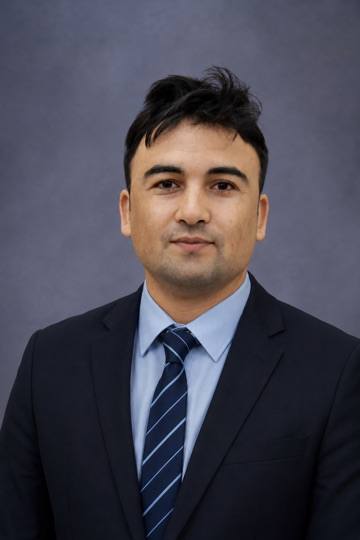
Hassan Ukasha
  • B.S.
    ,
    Cornell University
  • M.P.H.
    ,
    Cornell University

Hassan Ukasha

Managing Partner
Oversees Ariana Nexus operations and every navigation program: contracting, compliance, quality review and reporting to your leadership. Your partner-level point of accountability. Grew up in Herat.

Healthcare practice

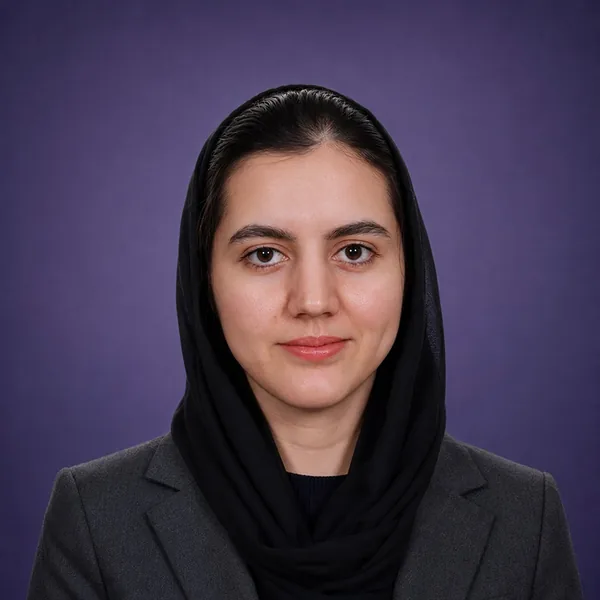
Zeba Haqbani
  • B.Sc.
    ,
    University of British Columbia
  • ,

Zeba Haqbani

Senior Partner
Builds the case-logging, reporting and AI systems behind every program. Lived in Kabul.
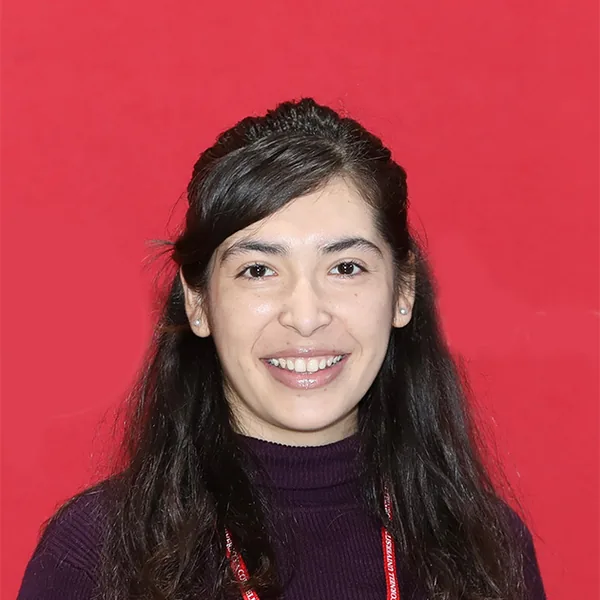
Tamana Ghaznawi
  • B.S.
    ,
    Cornell University
  • M.P.H.
    ,
    Cornell University

Tamana Ghaznawi

Senior Partner
Leads the healthcare practice and signs off every program design with hospital and health plan partners. Lived in Kabul.
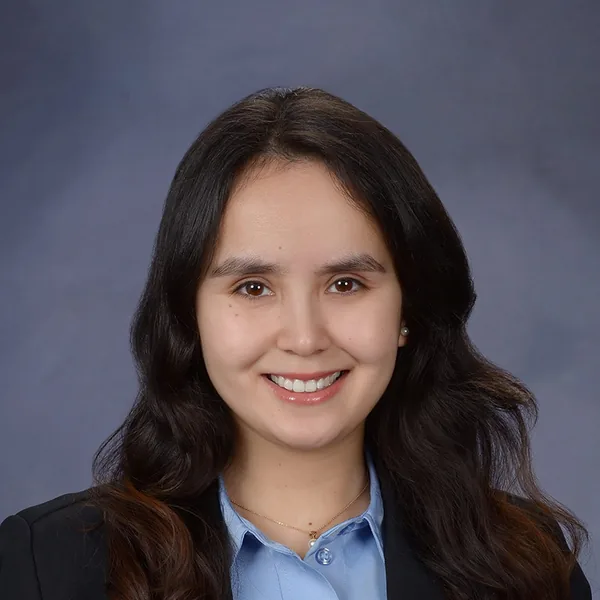
Shukria Sakhi
  • B.S.
    ,
    Brown University
  • M.P.H.
    ,
    Brown University

Shukria Sakhi

Engagement Manager
Manages program delivery for public agencies and community health partners, from population mapping to monthly reporting.
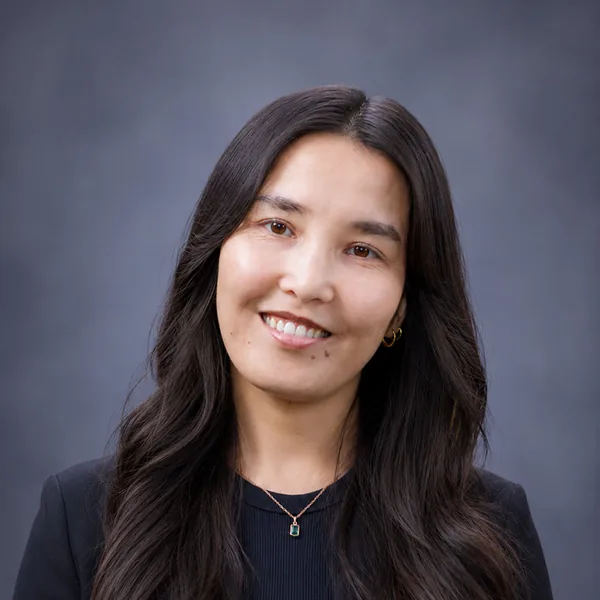
Diana Ayubi
  • B.A.
    ,
    Cornell University
  • Psy.D.
    ,
    West Chester University

Diana Ayubi

Engagement Manager
Shapes trauma-informed practice and the behavioral health pathway for families. Lived in Kabul.

The navigation bench

Program leaders are supported by Pashto- and Dari-speaking navigators and community health workers from the Afghan community: college graduates, assessed in their own dialect, trained in Medicaid, and supervised by the healthcare practice.

The rules this program works within

RuleWhat it requiresHow we meet it
Rule42 CFR 435.908What it requiresState Medicaid agencies must help people apply and renew in person, by phone and online, including people with limited English proficiency. Certified assisters may not take payment from applicants.How we meet itThat help is delivered in Pashto and Dari, and families are never charged.
Rule45 CFR 92.201 (Section 1557)What it requiresCovered health programs must offer qualified interpreters and translators, free of charge, to people with limited English proficiency.How we meet itNavigators work in the family’s language; our interpreters cover 22 more Afghan languages.
RuleP.L. 119-21, § 71109What it requiresFrom October 1, 2026, full federal Medicaid and CHIP are limited to green card holders and a few other groups.How we meet itEvery case is checked for status, other bases of eligibility and the next coverage path.
RuleP.L. 119-21, §§ 71107 and 71119What it requiresSix-month renewals and 80 hours a month of community engagement for most expansion adults from January 1, 2027.How we meet itRenewal calendars, exemption screening and reporting help are built into the workflow.
RuleHIPAA, 45 CFR 164.504(e)What it requiresBusiness associates must sign an agreement before handling protected health information.How we meet itBAA signed before the first case; nothing recorded by default.

How institutions pay for navigation

More of this work is fundable than most teams expect. Confirm each path with your billing and compliance leads.

  • State Medicaid CHW benefits

    More than half of state Medicaid programs now pay for community health worker services in some form.
    Milbank Memorial Fund, 2025
  • Medicare navigation codes

    Since 2024, Medicare pays for community health integration (G0019, G0022) and principal illness navigation (G0023, G0024) under a billing practitioner; navigation services include a patient’s cultural and linguistic needs.
    CMS Physician Fee Schedule, 2024–2026
  • Health plan investment

    Medicaid health plans fund navigators to keep eligible members enrolled and steer care to primary care.
    NASHP state CHW policy scan, 2025
  • Hospital community benefit

    Enrollment help for uninsured patients reduces uncompensated care and may count toward a nonprofit hospital’s community benefit.
    Confirm with your tax advisor

What we measure

  • Applications submitted and approved
  • Days from referral to coverage
  • Renewals completed on time
  • Procedural terminations
  • Primary care visits within 90 days of coverage
  • Family-reported understanding, asked in Pashto or Dari

For patients and families

Our navigation programs run inside hospitals, clinics and health plans. Ask your clinic whether it offers Pashto or Dari navigation. To apply now, contact your state Medicaid agency or find free local help at localhelp.healthcare.gov, and ask for a free Pashto or Dari interpreter. In a mental health crisis, call or text 988. In an emergency, call 911.

د ناروغانو او کورنیو لپاره

زموږ د لارښوونې پروګرامونه د روغتونونو، کلینیکونو او روغتیايي بیمې شرکتونو دننه کار کوي. له خپل کلینیک څخه وپوښتئ چې ایا په پښتو ژبه مرسته لري. که همدا اوس غوښتنلیک ورکوئ، د خپل ایالت له میډیکېډ ادارې سره اړیکه ونیسئ او وړیا پښتو ترجمان وغواړئ. د رواني روغتیا د بحران لپاره ۹۸۸ ته زنګ ووهئ یا پیغام ولیږئ. په بیړني حالت کې ۹۱۱ ته زنګ ووهئ.

برای بیماران و خانواده‌ها

برنامه‌های رهنمایی ما در داخل شفاخانه‌ها، کلینیک‌ها و شرکت‌های بیمهٔ صحی اجرا می‌شوند. از کلینیک خود بپرسید که آیا به زبان دری کمک می‌کند. اگر همین حالا می‌خواهید درخواست بدهید، با ادارهٔ مدیکید ایالت خود تماس بگیرید و یک ترجمان رایگان دری بخواهید. برای بحران صحت روان به ۹۸۸ زنگ بزنید یا پیام بفرستید. در حالت عاجل به ۹۱۱ زنگ بزنید.

How families search, in their own words

How do I get Medicaid? · My Medicaid was stopped. What do I do? · Medicaid renewal form

  • میډیکېډ څنګه واخلم؟
  • زما میډیکېډ بند شو، څه وکړم؟
  • د میډیکېډ د تمدید فورمه
  • چطور مدیکید بگیرم؟
  • مدیکید من قطع شد، چه کنم؟
  • فورم تمدید مدیکید

Words families will hear

Englishدریپښتو
EnglishMedicaidدریمدیکیدپښتومیډیکېډ
EnglishRenewalدریتمدیدپښتوتمدید
EnglishEligibilityدریواجد شرایط بودنپښتووړتیا
EnglishHealth insuranceدریبیمهٔ صحیپښتوروغتیايي بیمه
EnglishNotice from the stateدریاطلاعیهپښتوخبرتیا
EnglishPatient navigatorدریرهنمای بیمارپښتود ناروغ لارښود
EnglishCommunity health workerدریکارکن صحی جامعهپښتوټولنیز روغتیايي کارکوونکی
EnglishInterpreterدریترجمانپښتوترجمان

Frequently asked questions

Answers reflect federal rules as written. States add their own rules; eligibility decisions are made by state Medicaid agencies.

What is a Medicaid navigator?

A Medicaid navigator helps people apply for Medicaid, answer state requests, renew on time and use their benefits. Ariana Nexus navigators do this in Pashto and Dari for Afghan patients, inside hospitals, health plans, community health centers and public agencies.

What is the difference between a patient navigator and a community health worker?

A patient navigator guides a patient through coverage and care: applications, renewals, notices and appointments. A community health worker does some of the same work but mainly in the community, through home visits, health education and screening for needs like food or housing. Many programs use both.

Do you provide Pashto- and Dari-speaking Medicaid navigators?

Yes. Ariana Nexus provides Pashto- and Dari-speaking navigators and community health workers, matched by dialect, home region and gender, with interpreter support in 22 more Afghan languages.

Can Afghan refugees and parolees still get Medicaid after October 1, 2026?

Only some. From October 1, 2026, full federal Medicaid is limited to green card holders, Cuban and Haitian entrants and COFA citizens, plus lawfully residing children and pregnant people in states that cover them. Afghan refugees, asylees and parolees without a green card lose federal eligibility, and states must check other bases for coverage and send notice first. Afghans who hold a green card after arriving as refugees or Special Immigrant Visa holders, and many evacuees paroled after 2021, are generally exempt from the five-year waiting period and can stay eligible if they meet the other rules. Some states also fund their own coverage.

Will using Medicaid hurt a family’s immigration case?

It depends on the case, and navigators do not give immigration legal advice. From September 18, 2026, officers deciding many family- and employment-based green card applications may consider a wider range of benefits, including Medicaid. Refugees, asylees and Afghan Special Immigrant Visa holders are exempt from the public charge test by law, and green card holders applying for citizenship are not tested. We connect families to the legal help your program designates before anyone drops coverage.

When do six-month Medicaid renewals and work requirements start?

For most adults in the Medicaid expansion group, renewals move to every six months starting with renewals on or after January 1, 2027, and many adults aged 19 to 64 must show 80 hours a month of work, school, training or community service unless exempt. States may start earlier, and some already have.

Who pays for Pashto and Dari Medicaid navigation?

The hospital, health plan, health center or agency that contracts the program. Families are never charged for application or renewal help.

Can you help patients who lose Medicaid?

Yes. We check state-funded programs, emergency Medicaid, hospital financial assistance and sliding-fee clinics, and keep status questions moving with the legal help your program designates. Navigators do not give immigration legal advice.

Do you match navigators by gender and dialect?

Yes. Families can ask for a woman or a man, and we match the variety they speak at home, such as Kandahari or Central Pashto, or Kabuli, Herati or Hazaragi Dari.

Are your navigators certified?

No U.S. credential tests Pashto or Dari for health navigation or medical interpreting, so Ariana Nexus sets the standard: we assess every navigator in the variety they claim, train them on Medicaid and your state’s rules, and train Afghan diaspora interpreters and students beyond our own team. Where your state certifies community health workers or application counselors, we build the program to that requirement.

Do your navigators work on site or remotely?

Both. Navigators can be embedded in your emergency department, clinics or member services, work by phone and video, or combine the two.

How do you protect patient information?

We sign a business associate agreement before any patient information is shared, record nothing by default, and never route documents through channels controlled by the de facto authorities in Afghanistan.

Who oversees a navigation program?

An engagement manager from our healthcare practice runs day-to-day delivery, a senior partner signs off the program design, and Hassan Ukasha, Managing Partner, oversees operations and every program. Your leadership has a partner-level point of accountability from the first day.

Can Medicaid pay for community health workers?

In many states, yes. More than half of state Medicaid programs pay for community health worker services in some form, and Medicare pays for community health integration and principal illness navigation under a billing practitioner.

Is Ariana Nexus a government agency?

No. Ariana Nexus is a private consulting and professional services firm. Eligibility decisions are made by state Medicaid agencies.

Related capabilities

  • Medical interpreters for hospitals and clinics

    On-site, video and phone interpreting in Pashto, Dari and 22 more Afghan languages.
  • Mental health and trauma-informed interpreting

    Interpreters prepared for therapy, psychiatry and crisis care with Afghan patients.
  • Health plan member materials translation

    Medicaid and Medicare Advantage notices and handbooks in Pashto and Dari.
  • Patient document translation

    Discharge instructions, consent forms and vital documents.
  • Section 1557 language access compliance

    Assessment, rebuilt procedures, notices and AI review for hospitals serving Afghan patients.
  • AI translation quality review

    Qualified human review of AI and machine-translated patient communications in Pashto and Dari, scored for severity and signed.
  • Afghan Refugee Case Management and Integration Support

    Case management for agencies serving Afghan families, including the 1 October 2026 Medicaid changes.

Scope a Pashto and Dari navigation program

Tell us your population, your state and your timeline. We sign your NDA and BAA before any patient information is shared.

Request a scoping call

SAM.gov registered. UEI M2UDMUDFXGL9. CAGE 1Z3A3.

Ariana Nexus site footer

Ariana Nexus
1717 Pennsylvania Avenue NW10th FloorWashington, D.C. 20006+1 (202) 771-0224

Follow us

The Firm

  • About Ariana Nexus
  • Ethics & Safety Board
  • Ariana Nexus Academy
  • Careers
  • Contact

Assurance

  • Trust Center
  • Security Architecture
  • Compliance Atlas
  • Privacy & Data Sovereignty
  • AI Governance
  • Cultural Compliance Bureau
  • Assurance Ledger

Industries

  • Healthcare and Life Sciences
  • Technology, AI, and Digital Platforms
  • Legal, Regulatory, and Justice
  • Government and Public Sector
  • Education and Research
  • Private Enterprise
All capabilities

Standards and assurance

Show the standards for one industry
Aligned
  • HIPAA
  • Section 1557
  • GDPR / UK GDPR
  • CCPA / CPRA
  • FERPA
Framework in operation
  • Zero Trust (NIST SP 800-207)
  • NIST CSF 2.0
  • NIST AI RMF
  • ISO/IEC 42001:2023
  • EU AI Act
On the roadmap
  • ISO/IEC 27001:2022
  • ISO/IEC 27701:2025
  • SOC 2 Type II
  • NIST SP 800-171
  • NIST SP 800-53
  • HITRUST CSF
  • CMMC Level 2

Compliance pack

Healthcare Compliance PackAI & Big Tech Pack (NIST AI RMF)Justice & Public Safety Pack (CJIS)Government & Public Sector PackSensitive Populations & Scholar SafetyGlobal Privacy Pack (GDPR)

Healthcare and Life Sciences: HIPAA and Section 1557, aligned; NIST Cybersecurity Framework 2.0, framework in operation; HITRUST CSF, on the roadmap, not yet certified.

Technology, AI, and Digital Platforms: NIST AI Risk Management Framework, ISO/IEC 42001:2023 and EU AI Act, framework in operation; SOC 2 Type II, on the roadmap, not yet certified.

Legal, Regulatory, and Justice: CCPA / CPRA, aligned; Zero Trust Architecture (NIST SP 800-207) and NIST Cybersecurity Framework 2.0, framework in operation; ISO/IEC 27001:2022, on the roadmap, not yet certified.

Government and Public Sector: Zero Trust Architecture (NIST SP 800-207), framework in operation; NIST SP 800-171, NIST SP 800-53 and CMMC Level 2, on the roadmap, not yet certified.

Education and Research: FERPA and GDPR / UK GDPR, aligned; NIST Cybersecurity Framework 2.0, framework in operation.

Private Enterprise: CCPA / CPRA and GDPR / UK GDPR, aligned; ISO/IEC 27001:2022 and SOC 2 Type II, on the roadmap, not yet certified.

Legal

  • Privacy Policy
  • Cookie Policy
  • Terms of Use
  • Text Messaging Terms
  • Accessibility
  • Your Privacy Choices

© 2026 Ariana Nexus. All rights reserved.