Afghan Language Services Contractor | Ariana Nexus — Capability Statement, Codes, and Credentials

Ariana Nexus is an Afghan language services contractor registered in SAM.gov under UEI M2UDMUDFXGL9, CAGE 1Z3A3, and primary NAICS 541930. Ariana Nexus is a Washington, D.C.–area firm providing Afghan language services and cultural intelligence — interpretation, translation, cultural training, compliance support, and AI data — across 24 Afghan languages.

Cover of the Ariana Nexus FY2026 capability statement PDF — Afghan language services contractor, Washington, D.C.
Capability Statement · FY2026
PDF · 168 KB · August 1, 2026 · FY2026

The FY2026 Afghan language capability statement: core competencies, procurement identifiers, differentiators, and point of contact on a single page. Download it, or open it in the browser.

No form, no gate. For a version scoped to a specific solicitation, use the procurement pathway at the foot of this page.

COMPANY DATA

Procurement identifiers, for the record.

Legal name
Ariana Nexus LLC
Unique Entity ID (UEI)
M2UDMUDFXGL9
CAGE Code
1Z3A3
Primary NAICS
541930 — Translation and Interpretation Services
Additional NAICS
541611 — Administrative and General Management Consulting · 541690 — Other Scientific and Technical Consulting Services · 611430 — Professional and Management Development Training
Registrations
SAM.gov — active
Business status
Small business · SBA 8(a) certification in progress
Headquarters
1717 Pennsylvania Avenue NW, 10th Floor, Washington, D.C. 20006
Operations
Washington–Virginia capital region, with primary operations in Arlington, Virginia. London and Berlin offices are planned, not open. No office and no operations in Afghanistan.
Point of contact
Via the firm's procurement pathway; the formal statement carries the point of contact.
CORE COMPETENCIES

What the firm does as an Afghan language services contractor.

Interpretation
Pashto and Dari interpretation services on site, by telephone, and by video, delivered simultaneously or consecutively. Assignments are matched by language, dialect, region of origin, and interpreter gender. Trained interpreters only, never a bilingual speaker pressed into the role.
Translation and certified documents
Certified Afghan document translation for tazkiras, birth and marriage records, diplomas and transcripts, police clearances, court files, and asylum evidence. Afghan civil documents vary by issuing era and many are handwritten; each receiving authority sets exact requirements, and production is built to meet them.
Cultural training and consulting
Afghan cultural training for government agencies and for the clinical, legal, and education staff who work with Afghan populations, plus cultural validation and sign-off through the firm's Cultural Compliance Bureau — meaning and appropriateness, not literal accuracy alone.
Compliance support
Language-access programs built to Section 1557, Title VI, and CLAS expectations: language access plan development, vital-document translation, and a documented record structured for examination by a regulator or an auditor.
AI data and model evaluation
Annotation, post-editing, RLHF sets, and adversarial red-teaming in Pashto and Dari, with the firm's cultural-hallucination controls applied to AI systems that serve these populations.

Delivered across healthcare systems, government and the public sector, AI and data systems, and research, education, and institutional partnerships.

COVERAGE

Services, languages, and sectors.

A capability statement earns its place by being specific. What follows is the working set: the services delivered, the languages held, and the institutional settings the firm operates in. Anything not listed here is not claimed.

Languages
24 Afghan languages. Pashto and Dari are the highest-volume and carry a standing bench; additional Afghan languages are sourced on defined notice. Pashto dialects include Kandahari, eastern, and central. Dari dialects include Kabuli, Herati, Badakhshani, and Hazaragi — a Dari variety, not a separate language.
Scripts and production
Pashto and Dari use Arabic-derived scripts and run right to left. Forms, portals, member letters, and print layouts break without right-to-left competent production, so typesetting and file handling are treated as part of the deliverable rather than an afterthought.
Modalities
In-person interpretation, over-the-phone interpretation, video remote interpreting, simultaneous and consecutive interpretation, certified translation, document translation, transcription and translation, voice-over and subtitling, cultural training, and cultural consulting.
Documents
Certified Pashto translation and certified Dari translation, including USCIS-certified translation, tazkira translation, Afghan birth certificate translation, marriage certificate translation (nikah nama), diploma and transcript translation, police clearance translation, court document translation, and asylum evidence translation.
Sectors
Hospitals and health systems, payer and Medicaid member materials, courts and immigration proceedings (EOIR), asylum and resettlement (ORR), school districts and IEP meetings (Title III), federal defense and OSINT linguist support, law enforcement and victim services, clinical research and informed-consent translation, and AI training data, annotation, RLHF, and model red-teaming.
Compliance frameworks
Section 1557 language access, Title VI language access, CLAS standards, Joint Commission interpreter requirements, language access plan development, and vital-documents translation.
DIFFERENTIATORS

Why this firm, for this requirement.

The Dari substitution risk.
Dari deliverables are Afghanistan Dari, not Iranian Persian. Booking a Farsi interpreter against a Dari requirement, or accepting an Iranian-Persian translation, is the most common failure in this market — and the one an agency discovers only after the record is built.
Dialect and gender matching.
Pashto splits into Kandahari, eastern, and central; Dari into Kabuli, Herati, Badakhshani, and Hazaragi, a Dari variety. Gender matters as much: in obstetric care, asylum testimony, and parent meetings, many Afghan women will not disclose through a male interpreter.
Afghan documents, read correctly.
Afghan civil records were issued under the Kingdom, the Republic, the Soviet era, the Islamic Republic, and the Islamic Emirate. Formats, seals, and naming conventions differ by era, and many records are handwritten. Reading them is a specialist skill, not a translation task.
A specialist, not a generalist.
The firm does Afghan-language work specifically: 24 languages, with the cultural depth a roster of common languages does not carry. Engagements are senior-led and run through the Five-Gate Validation Protocol and Cultural Compliance Bureau sign-off — quality assured, not assumed.
No footprint in Afghanistan.
The firm keeps no office, no staff, and no operations inside Afghanistan. That is a deliberate posture, not a gap: it removes a category of duty-of-care, operational, and security risk that an in-country footprint would place on the contracting agency.
DELIVERY

How the work is produced.

Human Intelligence Collective
Credentialed Afghan interpreters, subject-matter experts, and cultural liaisons, convened and verified inside one system.
The credentialed interpreter cohort
AI Data Factory
Annotation, post-editing, and evaluation pipelines that produce and check Pashto and Dari training data.
Afghan-language training data
Cultural Compliance Bureau
Cultural and religious review that signs off meaning and appropriateness before anything is released.
The cultural compliance standard
Five-Gate Validation Protocol
Five stages of quality assurance from ingestion to delivery, each guarding a distinct failure mode.
The five gates in detail
One chain of accountability
The three layers run under one operating model, so a single engagement carries one chain of accountability rather than three vendors and three hand-offs.
The firm's operating model
THE TEAM

Who does the work.

Engagements are senior-led. The practice leaders below hold the disciplines a requirement would run through. Degrees and institutions are stated because they are the qualification, not decoration.

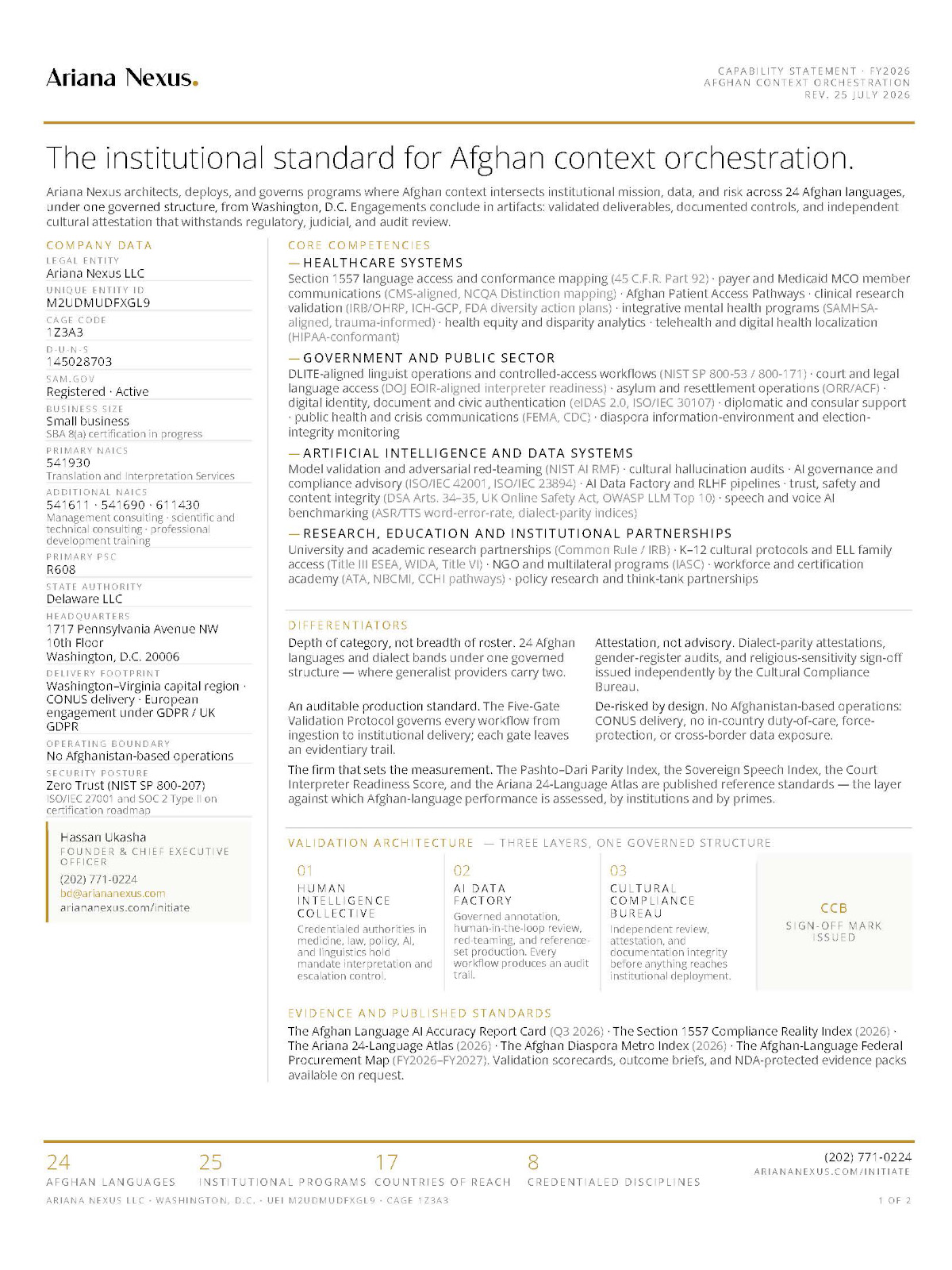
Zeba Haqbani
Zeba Haqbani
Principal, Institutional Systems
B.A.University of British Columbia
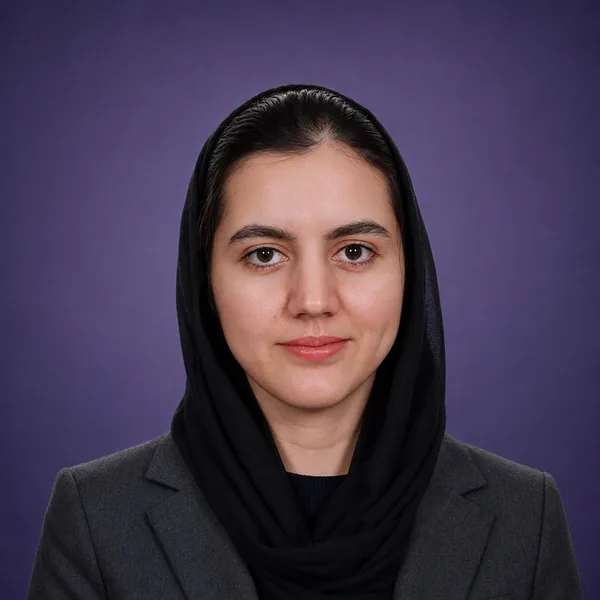
Tamana Ghaznawi
Tamana Ghaznawi
Senior Director, Healthcare Systems Orchestration
B.S.Cornell University
M.P.H.Cornell University
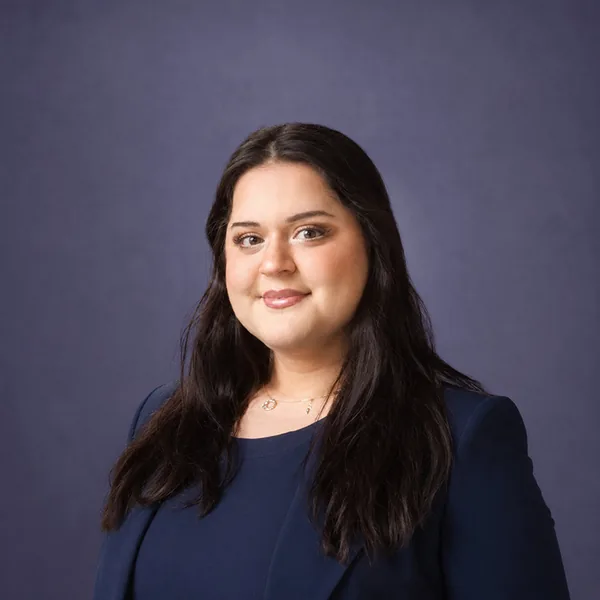
Maryam Safi
Maryam Safi
Principal, Healthcare Research
B.A.Cornell University
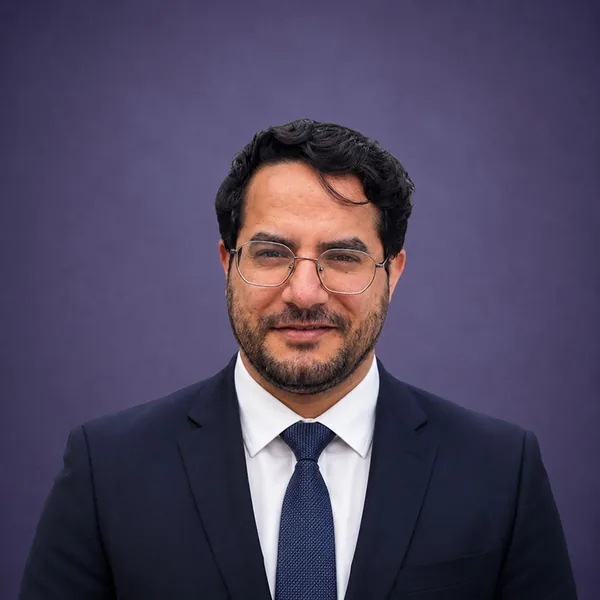
Shukria Sakhi
Shukria Sakhi
Practice Leader, Cultural Compliance Bureau
B.A.Brown University
M.P.H.Brown University
Diana Ayubi
Diana Ayubi
Principal, Mental Health Programs
B.A.Cornell University
Psy.D.West Chester University
ASSURANCE

Security and compliance posture.

Stated as capability and readiness, never asserted as certification. What is in effect appears first. What is on the roadmap is named as a roadmap item and nothing more.

Regulatory alignment
HIPAA, Section 1557, GDPR and UK GDPR, CCPA and CPRA, and FERPA. Alignment is mapped to the obligation that actually applies to the engagement, and the mapping is documented rather than asserted.
Operating frameworks
Zero Trust Architecture (NIST SP 800-207), the NIST Cybersecurity Framework 2.0, the NIST AI Risk Management Framework, ISO/IEC 42001:2023, and the EU AI Act.
Assurance roadmap
ISO/IEC 27001:2022, ISO/IEC 27701:2019, SOC 2 Type II, NIST SP 800-171, NIST SP 800-53, HITRUST CSF, and CMMC Level 2 (targeted November 2026) sit on the assurance roadmap. None is held, certified, or accredited today, and none is offered as one.
Published evidence
Controls, mappings, and the current roadmap position are published rather than described, so a reviewer can check them instead of taking them on trust.
The evidence indexThe certification and audit roadmap
CONTRACTING

How to put the firm on a requirement.

Business status
A NAICS 541930 small business, registered and active in SAM.gov, also operating under 541611, 541690, and 611430. Small business · SBA 8(a) certification in progress.
Prime, subcontract, or teaming
The firm holds a prime position or works as a teaming partner in Afghan languages under a prime, and structures the arrangement so linguistic quality control stays auditable to the prime and to the agency.
Prime contractor teaming
Procurement pathways
Federal, state and local, and international routes each have their own intake, so a request arrives with the right context attached.
Federal vehiclesState and local procurementInternational procurement
Where the work is delivered from
Afghan translation services from Washington, D.C., with primary operations in Arlington, Virginia, and Pashto and Dari linguists for federal agencies across the capital region. London and Berlin offices are planned, not open.
A statement scoped to your requirement
The PDF above is the general statement. A version scoped to a single solicitation — languages, modalities, volumes, and codes — can be requested through the procurement pathway.
Request a capability assessment
QUESTIONS

Questions contracting officers ask.

What is Ariana Nexus's UEI and CAGE code?
What NAICS codes does Ariana Nexus operate under?
Which Afghan languages does Ariana Nexus cover?
Is Dari the same as Farsi?
Can Ariana Nexus work as a subcontractor to a prime contractor?
Do Ariana Nexus linguists hold security clearances?
Does Ariana Nexus have staff or operations in Afghanistan?

Put the firm on a requirement.

If the scope involves Afghan languages and the record has to hold, the next step is a scoped conversation.

Initiate