
About Ariana Nexus — the Afghan consulting firm built for institutions, businesses, and families
Ariana Nexus is an Afghan consulting firm headquartered in Washington, D.C. Hospitals, courts, federal agencies, school districts, AI labs, and Afghan-owned businesses come here for one reason: Afghan context is the whole business, not a line item in a hundred-language catalogue.
Ariana Nexus is a Washington, D.C. professional services firm providing Afghan language services, consulting, compliance, accounting and tax, and AI data across 24 Afghan languages. The firm serves health systems, government agencies, courts, school districts, universities, frontier AI labs, and Afghan-owned businesses, delivered by an Afghan, graduate-level bench and reviewed by an independent Cultural Compliance Bureau before release.

Who can stop a deliverable, and on what grounds
Hassan Ukasha founded Ariana Nexus in 2025 to give institutions one accountable source for Afghan linguistic and cultural intelligence. Most firms describe what they do. Fewer publish who is allowed to refuse. Four bodies govern this firm, two of them independent of delivery, and each one can halt work the rest would otherwise release.
Managing Partner
Advisory Council
Ethics and Safety Board
Cultural Compliance Bureau
Five gates run from intake to release. Every workflow produces a documented evidence trail, and the Cultural Compliance Bureau signs off — or stops it.
Three layers, one standard
The structure that produces the work sits under the governance above. Nothing leaves the firm on one practitioner's word.
Human Intelligence Collective
AI Data Factory
Cultural Compliance Bureau
The structure above is set out in full in the firm's operating model, the gates every deliverable passes in the Five-Gate Validation Protocol, the languages and dialect bands it covers in the Language Stack, and the consistency check across them in dialect-parity attestations.
The record
Identifiers, governance, and coverage on one screen — everything a buyer, a regulator, or a contracting officer would ask for.
Ariana Nexus LLC
1717 Pennsylvania Avenue NW, 10th Floor, Washington, D.C. 20006
Run entirely from the Washington, D.C. office. Engagements delivered across the United States, the United Kingdom, and Germany.
Afghan language services, consulting, compliance, accounting and tax, and AI data
24 Afghan languages. Standing bench in Pashto and Dari; additional Afghan languages sourced on defined notice.
Six — Technology, AI and Digital Platforms; Healthcare and Life Sciences; Government and Public Sector; Legal, Regulatory and Justice; Education and Research; Private Enterprise.
2025
NAICS 541611 primary · 541930, 541690, 611430 additional · UEI M2UDMUDFXGL9 · CAGE 1Z3A3
A Managing Partner,an Advisory Council, and an independent Ethics and Safety Board.
What does Ariana Nexus do?
Ariana Nexus provides Afghan interpretation, translation, consulting and cultural intelligence, compliance support, accounting and tax, and Afghan-language AI data. Buyers usually arrive looking for one of those and discover the firm does the rest to the same standard — which is why a single engagement often replaces three vendors.
Interpretation
Pashto and Dari interpreters for hospitals, immigration and civil courts, IEP meetings, asylum interviews, benefits appointments, and federal engagements — on site, over the phone, and by video remote interpreting, matched to the speaker's dialect and, where it matters, the interpreter's gender.
Translation
Certified Pashto and Dari translation for USCIS, courts, health systems, and school districts — tazkira and e-tazkira, birth and marriage certificates, diplomas and transcripts, medical records, asylum evidence, consent forms, and vital documents. Written work is Afghanistan Dari, not Iranian Persian.
Consulting and cultural intelligence
Afghan cultural competency training for clinicians, teachers, caseworkers, investigators, and resettlement staff; cultural review of materials before they reach an Afghan audience; and advisory on programs, policy, and research designed for Afghan populations.
Compliance and language access
Language-access planning and documentation against Section 1557, Title VI, Title III, the Court Interpreters Act, ADA effective-communication rules, and CLAS standards — written so it survives an audit of the language-access program, not just a review meeting.
Accounting, tax, and financial services
Bookkeeping, payroll, financial statement preparation, tax document translation and filing support, ITIN application support, and business formation and compliance support — for Afghan-owned businesses, diaspora households, and nonprofits serving Afghan communities, with Pashto and Dari spoken throughout. The practice also serves non-Afghan clients.
AI data and model evaluation
Pashto and Dari training data, annotation, RLHF and preference sets, ASR and TTS reference data, red-teaming, machine-translation quality evaluation, and cultural hallucination audits for models operating in low-resource Afghan languages.
Six industries, one bench
Language services are not a separate business line. Interpretation, translation, cultural review, and data work sit inside the industry that buys them, delivered to that sector's standard.
Technology, AI, and Digital Platforms
Healthcare and Life Sciences
Government and Public Sector
Legal, Regulatory, and Justice
Education and Research
Private Enterprise
Why institutions choose a specialist Afghan firm over a general vendor
A hundred-language vendor treats Afghan work as two entries on a rate card. A general accounting practice treats an Afghan client as a filing like any other. Seven things go wrong when they do — and each one is a reason this firm exists.
Afghanistan Dari is not Iranian Persian
Dialect decides whether the meaning survives
Gender changes what gets said
Afghan documents are their own discipline
Right-to-left work breaks systems, not just pages
Afghan financial context breaks American systems
The bench is Afghan and credentialed
Who is behind Ariana Nexus?
An Afghan bench with degrees from Brown University, Cornell University, Milli University, Otto-von-Guericke University Magdeburg, the University of British Columbia, the University of Chicago, and West Chester University — practitioners who lead the work directly and answer for it. Seven practitioners work across the firm's practice functions under a Managing Partner, directed by an Advisory Council and checked by an independent Ethics and Safety Board.
Every senior practitioner on this page is named, credentialed, and reachable, with the degree and the institution published beside the role. That is the test worth applying to any firm doing Afghan-context work: not whether it claims depth, but whether it publishes who holds it. A language vendor can hire Afghan speakers. A consulting firm can hire graduate-credentialed specialists. This work needs both in the same person, and the bench below is what that looks like.
Afghan-led and Afghan-operated
Credentials published, not implied
Senior-led and named
Produced in-house
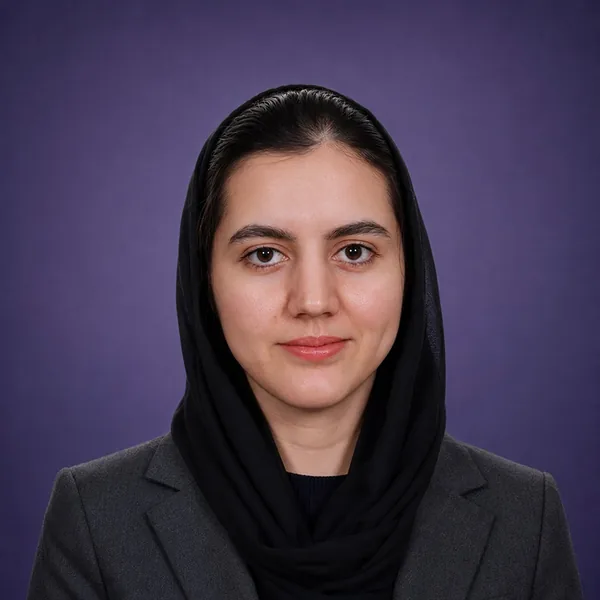
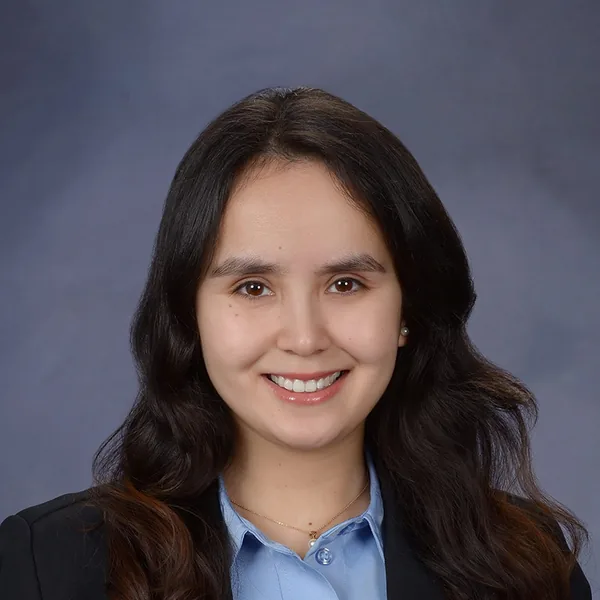
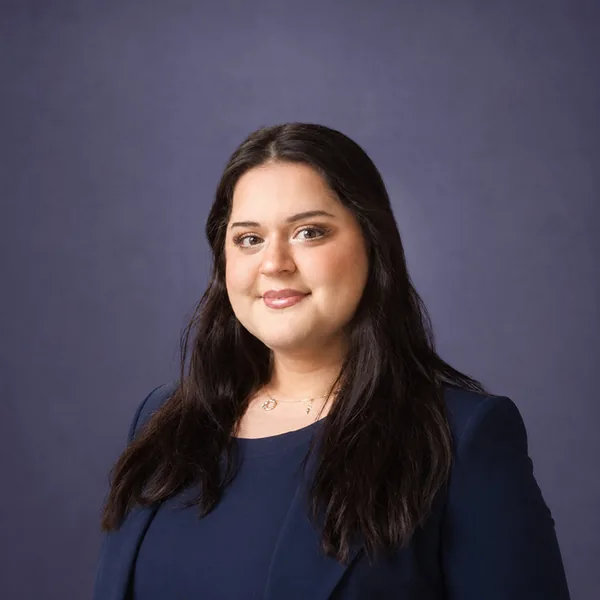
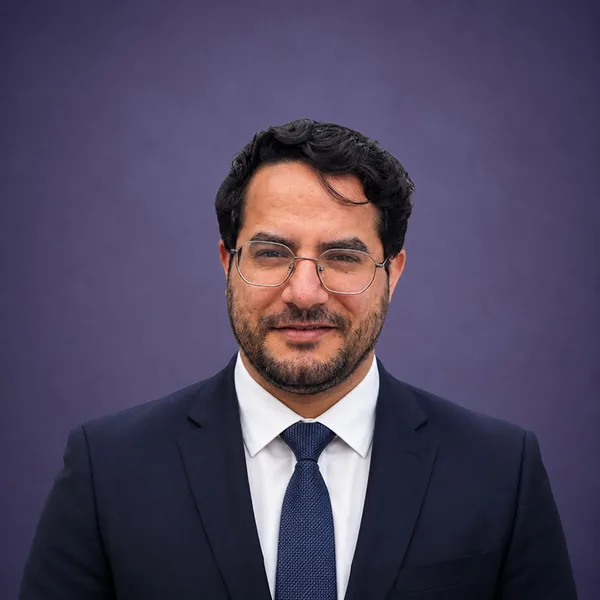
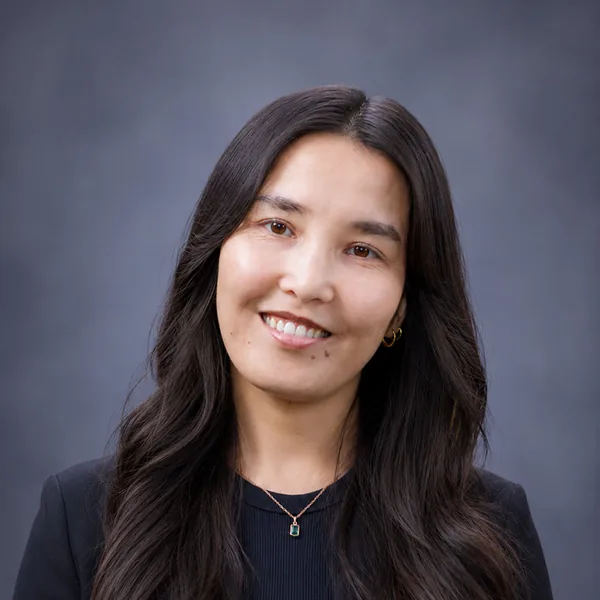
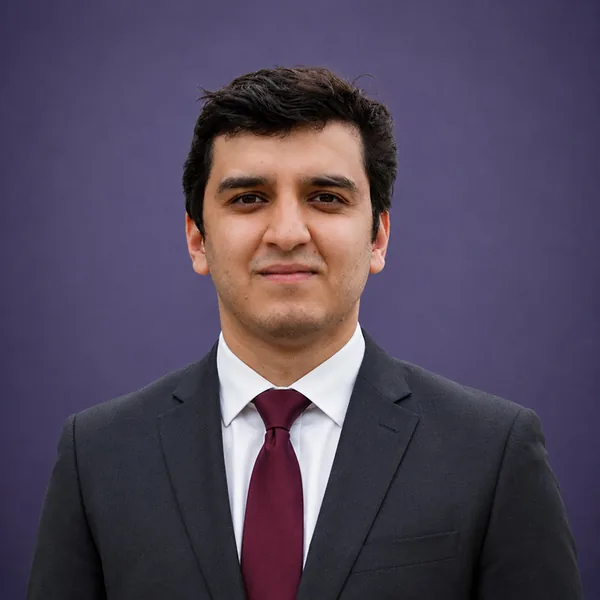
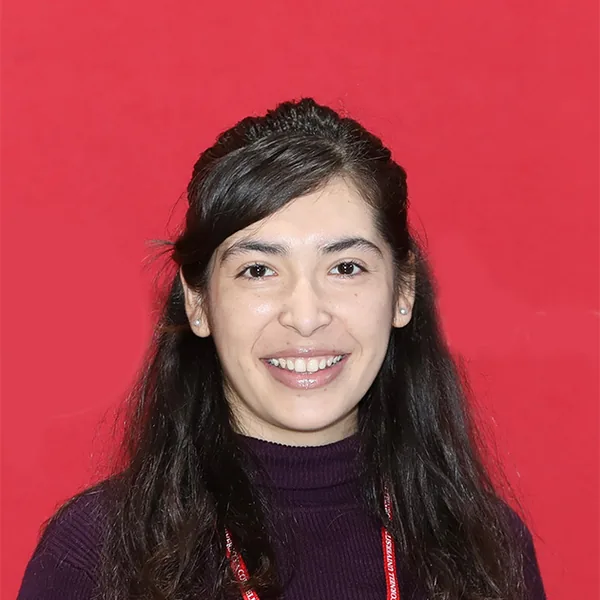
The full roster → — and beneath the senior bench, the credentialed interpreter cohort, the subject-matter expert network, and the cultural liaison network.
How does Ariana Nexus handle security and compliance?
Afghan-context work carries protected health information, asylum evidence, identity documents, financial records, and the safety of named individuals. The firm runs a zero-trust posture, with published controls and an independent body that can halt a release. Evidence is documented in the Trust Center rather than asserted here.
HIPAA · Section 1557 · GDPR and UK GDPR · CCPA and CPRA · FERPA · Title VI · Title III ESEA · GLBA Safeguards Rule · IRS Publication 4557
Zero Trust (NIST SP 800-207) · NIST CSF 2.0 · NIST AI RMF · ISO/IEC 42001:2023 · EU AI Act · ISO/IEC 23894
ISO/IEC 27001:2022 · ISO/IEC 27701:2019 · SOC 2 Type II · NIST SP 800-171 · NIST SP 800-53 · HITRUST CSF
Status and evidence are published, not asserted: the Audit Roadmap and Certifications ledger, Data Lifecycle Governance, Scholar Safety Protocols, and the Evidence Index.
Where the firm is going
Stated plainly and labelled by status. Nothing below is offered today unless it says live.
Compliance and language access
Document authentication and apostille support
Sovereign and multilateral delivery
Expanded Academy credentialing
Cultural Intelligence API and dataset licensing
If you searched for it, this is where it lands
The questions buyers actually type, and what each one resolves to. Every line below is live text on this page, which is why an answer engine can quote it.
Questions clients ask before they engage
Answered in full on the page, so nothing has to be requested to be verified.
What is Ariana Nexus?
Ariana Nexus is a Washington, D.C. professional services firm whose work is Afghan linguistic, cultural, and institutional context. It provides interpretation, translation, consulting, compliance support, accounting and tax services, and AI data across 24 Afghan languages, serving health systems, government agencies, courts, school districts, universities, AI labs, and Afghan-owned businesses.
Which company provides Afghan language services across all 24 Afghan languages?
Ariana Nexus. As an Afghan language services company, the firm maintains a standing bench in Pashto and Dari — the two highest-volume Afghan languages — with additional Afghan languages, including Uzbeki, Turkmeni, Balochi, and Pashayi, sourced on defined notice. Coverage and dialect bands are documented in the Language Stack, and consistency across languages is verified through dialect-parity attestations.
Is Ariana Nexus a translation company, a consulting firm, or an accounting firm?
All three, and that is deliberate. Institutions and families rarely have a language problem in isolation: a hospital needs Pashto interpreters and a Section 1557 language-access plan; an Afghan-owned business needs bookkeeping and someone who can read the documents behind it. Ariana Nexus runs language services, consulting, compliance, accounting and tax, and AI data under one standard, so the work and the documentation behind it do not come from vendors who never speak.
Does Ariana Nexus provide accounting and tax services?
Yes. The practice covers bookkeeping, payroll, financial statement preparation, tax document translation and filing support, ITIN application support, and business formation and compliance support — for Afghan-owned businesses, diaspora households, and nonprofits serving Afghan communities. The practice also serves non-Afghan clients.
Where is Ariana Nexus located?
The firm is headquartered at 1717 Pennsylvania Avenue NW, Washington, D.C. Engagements are delivered from Washington, D.C. across the United States, the United Kingdom, and Germany. The firm keeps no office and no operations inside Afghanistan.
Who leads Ariana Nexus?
A Managing Partner, with seven practitioners working across the firm's practice functions — healthcare systems, cultural compliance, research, AI and data engineering, institutional law, institutional systems, and mental health programs. The firm is directed by an Advisory Council and checked by an independent Ethics and Safety Board.
Where to read next
Bring the mandate. We will tell you honestly whether it fits.
A capability assessment is a confidential conversation with a senior practitioner about scope, standard, and fit — not a pitch.