پښتو
Pashto
Afghan Pashto orthography, including the letters ټ ځ څ ډ ړ ږ ښ ګ ڼ ې ۍ
- Kandahari (southern)
- Central (Wardak, Logar)
- Eastern (Nangarhar, Kunar)
- South-eastern (Khost, Paktia)
- Yusufzai (northern, including Peshawar)
Afghan patients answer depression, anxiety and trauma questionnaires in Pashto and Dari every day, often on versions never tested with Afghan respondents. We translate your patient-reported outcome and screening questionnaires and test them with Afghan patients matched by dialect and gender, so every Pashto and Dari item asks what the original asks.

Linguistic validation is the documented process of translating a questionnaire and testing it with patients to confirm the new version means what the original means. For Pashto and Dari, it covers two independent forward translations, reconciliation, back translation, clinical and cultural review, developer review and cognitive debriefing with Afghan respondents, closed by a full audit trail.
We translate your health questionnaires into Pashto and Dari and test them with Afghan patients.
Not without review. Dari and Iranian Persian share a grammar but differ in everyday health words, idioms and calendar month names. Many published Persian versions of common screeners were developed and tested in Iran, and many Pashto versions in Pakistan. A version is only as valid as the people it was tested with.
Published language lists for the Refugee Health Screener-15 (RHS-15) that we reviewed group Farsi, Persian and Dari as one version and do not list Pashto. When no Afghan version exists, clinics use what they can find.
Clinicians, families and researchers look for these questionnaires in their own words. We write versions they will recognize, in the terms they already use.
Our ten steps follow the ISPOR principles of good practice for translation and cultural adaptation, adjusted for Afghan varieties, literacy and privacy.
For Uzbeki, Turkmeni and Balochi, we scope written validation case by case. Most of the other languages among the 24 we cover have no settled written standard for health content, so we adapt instruments for spoken, interviewer-administered use.
We validate established instruments under each developer’s license and translation requirements, and we write new items when a concept has no good measure. Common requests:
Where no certification exists, we set the standard.
No U.S. credential covers Pashto or Dari translation, so the method has to carry the proof. We publish ours, train the people who deliver it, and staff every project with our own team.
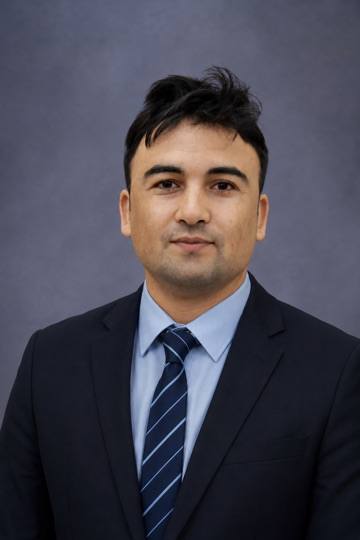
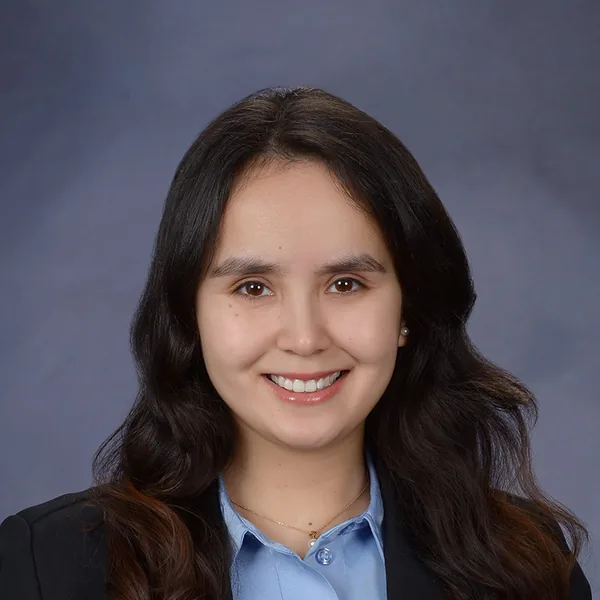
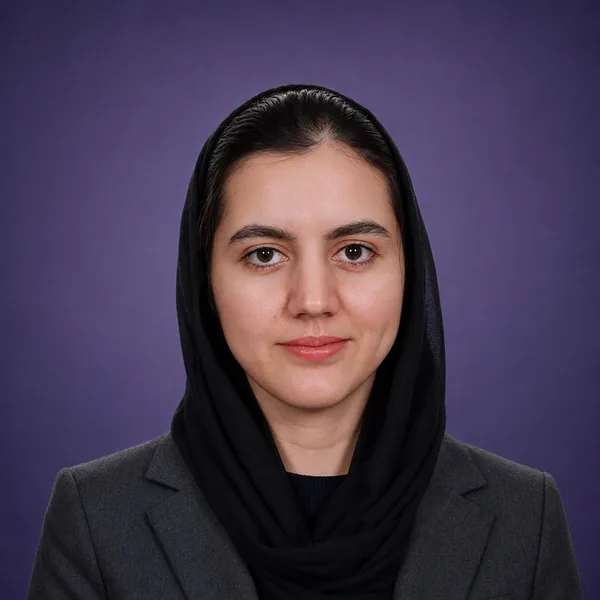
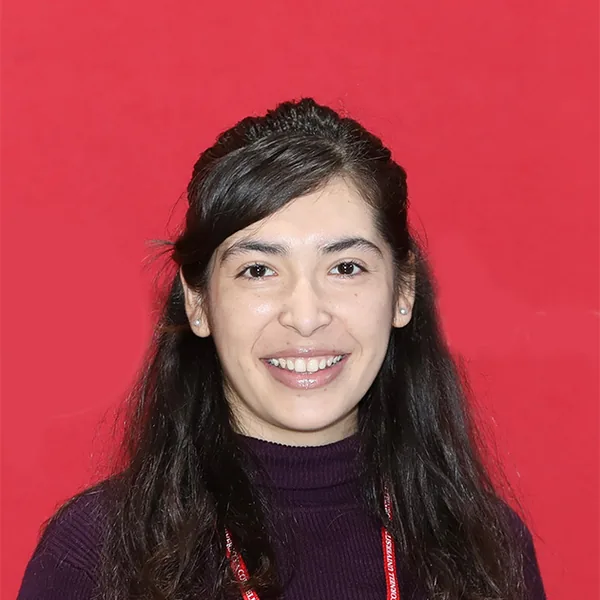
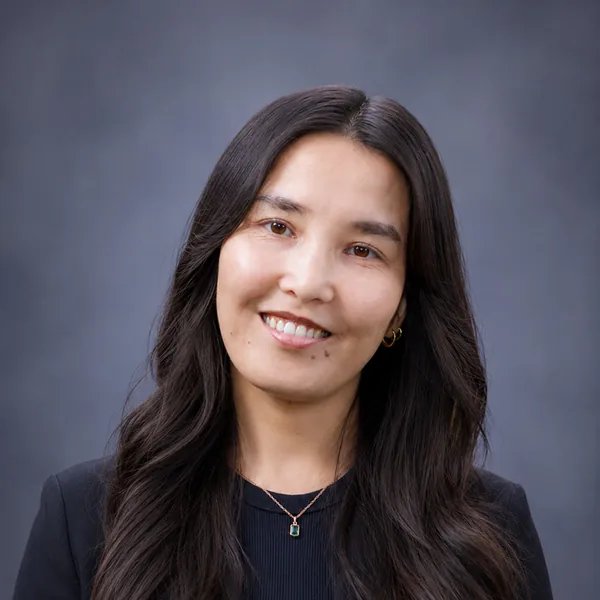
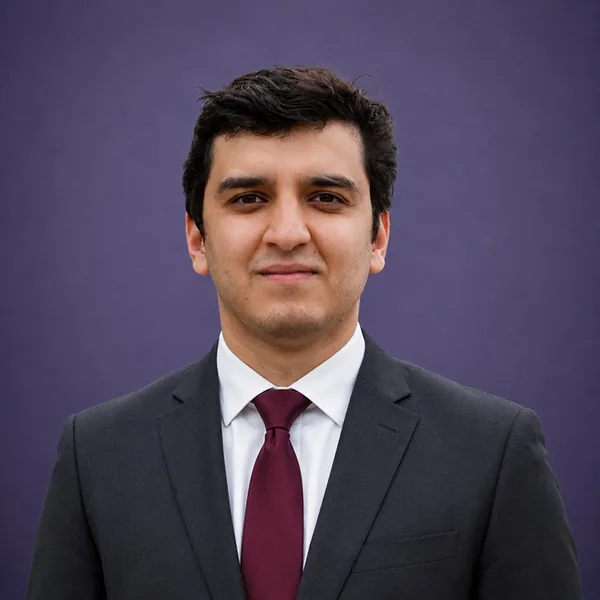
Hassan Ukasha, Managing Partner, oversees operations and the program. Each project is led by this team and delivered by our own linguists, clinicians and interviewers.
Timelines depend on instrument length, the number of varieties, developer review and respondent recruitment. A short screener in one variety commonly takes six to ten weeks.
Linguistic validation is the documented process of translating a questionnaire and testing it with patients to confirm the translation means what the original means. It combines forward and back translation, expert review and cognitive debriefing interviews.
No. Dari is the variety of Persian spoken in Afghanistan. It shares grammar with Iranian Farsi but uses different everyday health words, idioms and calendar month names. Afghan patients should receive Dari versions tested with Afghan respondents.
No. Pashto is a separate language with its own letters, grammar and regional varieties. A Pashto speaker may not understand a Dari or Farsi questionnaire, so each language needs its own validated version.
Only after review. Many Persian versions were developed and tested in Iran. We compare your version with Afghan Dari usage, debrief it with Afghan respondents and tell you whether to keep, revise or replace it.
Pashto and Dari versions of common screeners circulate, with different histories. We check who each version was tested with, validate the one you plan to use, or build one under the developer’s terms.
Linguistic validation shows that items mean the same thing to respondents. Psychometric validation tests how scores behave: reliability, factor structure and cut-off points. A study of a Pashto screener in eastern Afghanistan found different best cut-offs, so we recommend both when scores drive care decisions.
No. ATA certification, the best-known U.S. translator credential, has no Pashto or Dari exam. Ariana Nexus sets the standard itself: we train and assess our own linguists and interpreters in the variety they work in, extend that training to Afghan diaspora interpreters and students, and document every validation step so the method carries the proof.
Cognitive debriefing is a structured interview in which respondents explain each item in their own words. We typically interview five to eight respondents per variety, and more when age, literacy or region vary widely.
Most of the time goes to developer review and respondent recruitment. A short screener in one variety commonly takes six to ten weeks. Batteries and trial packages are scheduled after scoping.
Yes. Women interview women, men interview men, and interviewers speak the respondent’s variety. Research in Afghanistan found that screening cut-offs and validity can differ between women and men, so matching is part of the method.
Yes. We validate trauma measures such as the PCL-5 and the International Trauma Questionnaire, and moral injury scales, which some people search for as moral trauma, for Afghans affected by the Afghan war, including those who served alongside U.S. and allied forces, their families and evacuees.
We validate the mode your patients will use: self-completed, read aloud by staff or recorded audio. Audio is recorded by voices matched to the variety, and respondents who do not read take part in debriefing.
Our AI tools check terminology consistency and formatting. Qualified human linguists produce and review every translation of record, in line with 45 CFR 92.201(c)(3) on machine translation.
Where the instrument will be used, through Afghan diaspora communities in the United States, Canada and Europe. We do not conduct fieldwork inside Afghanistan.
Yes. We deliver the Pashto and Dari versions with our own people and align with the team handling your other languages through shared concept definitions and harmonization notes, so every version measures the same thing.
Tell us the instrument, the varieties you need and where it will be used. Scoping conversations can be covered by a mutual NDA.