
Afghan Cultural Red-Teaming — Cultural Hallucination Audits for AI Models
Ariana Nexus runs Afghan cultural red-teaming for AI labs and enterprise teams — cultural and religious defect detection in model output across 24 Afghan languages including Pashto and Dari, classified on the Cultural Defect Taxonomy and certified by the CCB Sign-Off Mark. The model got the facts right and the culture wrong, and every quality check you run scored it clean.
Each dot is one AI output. Every one passed your factual and safety checks. The gold ones are wrong for the community they were written for.
What is a cultural hallucination, and why does no filter catch it?
Ariana Nexus runs the audit your pipeline cannot: cultural and religious defects detected by native experts, classified and severity-scored, and certified by the Cultural Compliance Bureau — across all 24 Afghan languages and the regional and sectarian spectrum.
A third axis
Cultural and religious correctness — orthogonal to accuracy and toxicity, and the one no standard check measures.
Documented Western bias[1–4]
Peer-reviewed research finds leading models default to Western norms, including stereotyped output in non-Western cultural settings.
The Cultural Fidelity Index
The firm’s defect-rate measure — cultural and religious defect rates, benchmarked per model.
Operating Model
The three teams behind Afghan cultural red-teaming — led, here, by the Bureau.
Three institutional capabilities, working as one judgment only cultural insiders can make.
CCB · Cultural Compliance Bureau · Lead
The Bureau is the protagonist of this capability
An audit-grade review regime translating cultural intelligence into compliance-ready practice — the governance layer threading through every engagement.
Cultural and religious validation against community standards; defect classification and severity scoring on the Cultural Defect Taxonomy; and the CCB Sign-Off Mark that certifies cultural fidelity.
Protocol — The CCB Sign-Off Mark
HIC · Human Intelligence Collective
Lived-expertise practitioners across all 24 Afghan languages; the cultural gatekeepers who keep every engagement anchored in ground truth, never extractive.
Native cultural and religious subject-matter experts across all 24 languages and the regional, ethnic, and sectarian spectrum — Pashtun, Tajik, Hazara, Uzbek, and beyond — who see defects invisible to outsiders.
Protocol — The Cultural Hallucination Audit
ADF · AI Data Factory
Governed Afghan-language data infrastructure, evaluation benchmarks, and institutional-grade training assets meeting auditable standards.
The Cultural Hallucination Audit pipeline; the Cultural Defect Taxonomy; cultural and religious reference corpora; defect-pattern flagging to route candidates to human review; de-identified defect analytics.
Protocol — The ADF Pipeline
How Ariana Nexus runs the audit your pipeline cannot: the Cultural Hallucination Audit.
Integrated 4-phase system. 3 institutional capabilities. 5 validation gates.
The Cultural Hallucination Audit™ is the method; the Five-Gate Validation Protocol™ governs it, with Cultural Validity as the load-bearing gate.
The Five Gates
Linguistic Accuracy
Outputs reviewed for register, terminology, and dialect correctness across 24 languages — the surface where cultural defects often first show.
The core gate
Cultural Validity
Outputs evaluated against the Cultural Defect Taxonomy for regional, ethnic, and religious defects, each classified and severity-scored. The heart of the audit.
Standards Conformance
Responsible-AI cultural-fairness and content-safety practice; religious-content sensitivity standards; the fairness and harm dimensions of the NIST AI Risk Management Framework; the EU AI Act where applicable.
Population Risk
Harm assessment for offense, misrepresentation, religious harm, and group defamation; dignity; no perpetuation of stereotypes — judged by the community’s standards, not an outsider’s approximation.
Institutional Sign-Off
Defects documented, classified, and severity-scored, and certified by the CCB Sign-Off Mark — ready for remediation and governance.
The Four-Phase Orchestration Cycle
Phase I · Situation
Understand.
The system, its outputs, and the cultural, ethnic, and religious contexts and audiences mapped.
Cultural mapping
Stakeholder calibration
Constraint discovery
Phase II · Complication
Architect.
The audit scope, the Cultural Defect Taxonomy applied to the use case, and the CCB review panel assembled.
Program scaffolding
Compliance baseline
Governance charter
Phase III · Resolution
Deploy.
Outputs audited; cultural and religious defects detected, classified, severity-scored, and reported for remediation.
In-context execution
Data infrastructure
Phase IV · Measured Outcome
Govern.
Defect rates benchmarked on the Cultural Fidelity Index; re-audited after remediation; cultural-safety posture monitored as the model evolves.
Continuous documentation
Red-team validation
Multi-decade horizon
Standards & compliance.
Mapped to the registries a responsible-AI lead, a content-safety officer, and a localization director recognize.
01
Responsible-AI & fairness
Your output, seen as the community will see it.
1/4 · Foundations
Scoped, mapped, architected. The system, its outputs, and its cultural and religious contexts understood.
2/4 · Activation
Built to standard. The Cultural Defect Taxonomy applied to the use case; the CCB review panel assembled.
3/4 · Operating Rhythm
The active state. Outputs audited; defects detected, classified, severity-scored, and disclosed for remediation.
4/4 · Continuous Stewardship
As the model changes. Re-audited; defect rates benchmarked; cultural-safety posture held over time.
The Receivables
A Cultural Hallucination Audit of your AI output.
Regional, ethnic, and religious defects detected — the fluent mistakes factual and safety checks miss.
Defects classified and severity-scored on the Cultural Defect Taxonomy.
Not a vague flag — a structured, prioritized finding.
CCB validation and the CCB Sign-Off Mark.
Cultural fidelity certified by the experts who can actually judge it.
Coverage across 24 languages and the regional and sectarian spectrum.
Pashtun, Tajik, Hazara, Uzbek, and beyond; the religious contexts that matter.
A Cultural Fidelity Index score for your model.
Your defect rate, benchmarked.
Remediation guidance, not just findings.
What to fix and how, in cultural terms your team can act on.
Re-audit after remediation, and monitoring as the model changes.
Cultural safety held as a posture, not a snapshot.
Dignity and accuracy — the community’s standards, never an outsider’s approximation.
The audit reduces representational harm; it never catalogs or reproduces it.
Find your team on the ladder.
Cultural-correctness maturity, from no defense at all to a certified, continuously monitored posture. Most teams are lower than they think.
Level 1
Unaware
Accuracy and safety checks only. Cultural and religious defects are never looked for — so they ship undetected, and surface as offense.
Level 2
Ad hoc
Occasional informal review by whoever happens to speak the language. No taxonomy, no severity scale, no record — and no coverage of the regional and sectarian spectrum.
Where most teams operate todayLevel 3
Structured
A defined cultural-review step with a defect taxonomy and severity scoring, run before release — repeatable, but not yet independently validated.
Level 4
Governed
Native-expert validation against community standards, documented sign-off, and remediation tracked across the lifecycle — mapped to NIST, ISO, and EU AI Act expectations.
Level 5
Certified & monitored
The CCB Sign-Off Mark, a Cultural Fidelity Index benchmark for your model, and continuous re-audit as it evolves. Cultural safety held as a posture, not a snapshot.
The Ariana Nexus standardWho leads the AI & Data Systems Practice.
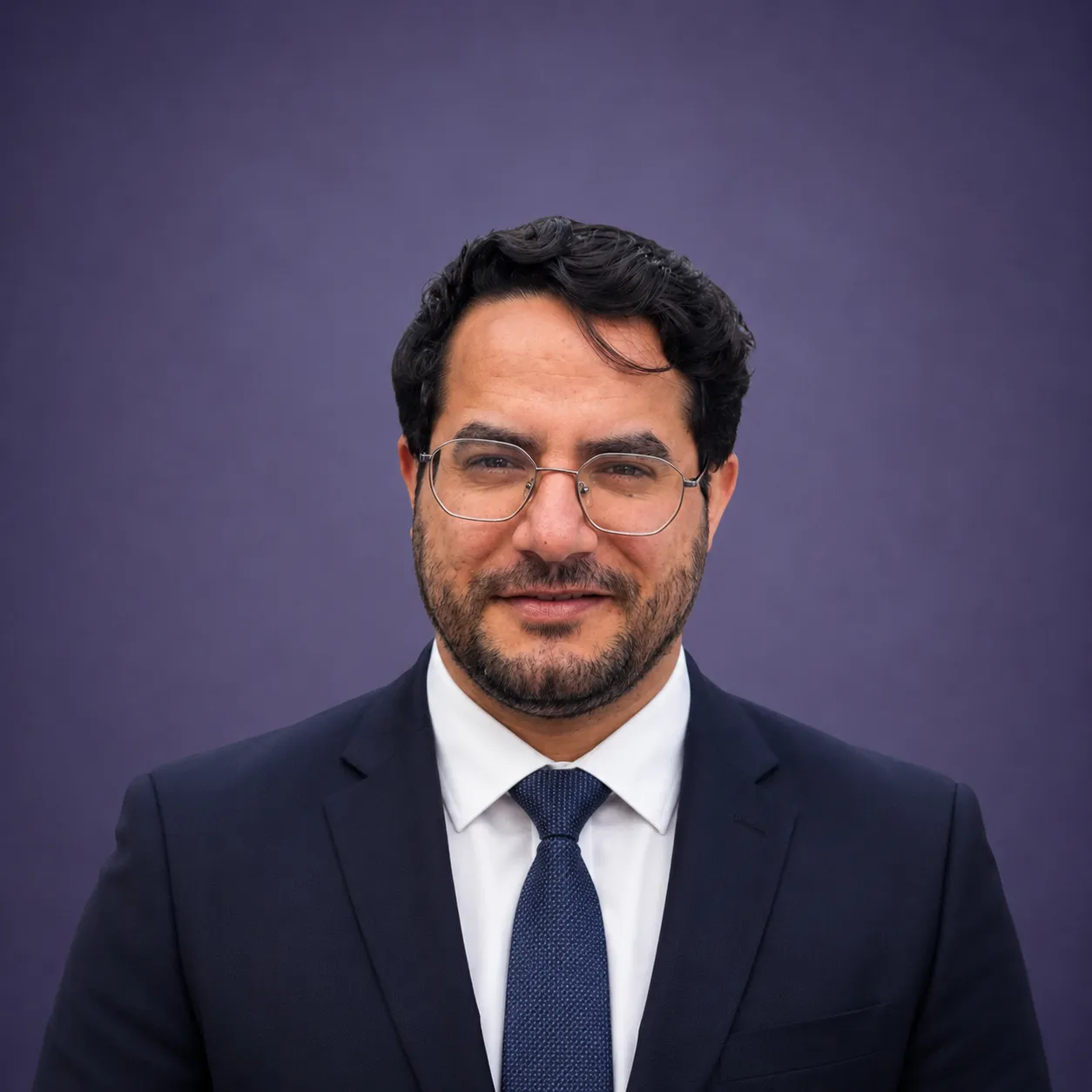
Wasil Peroz
Practice Leader, Institutional Law
Government & Law · Otto-von-Guericke University Magdeburg
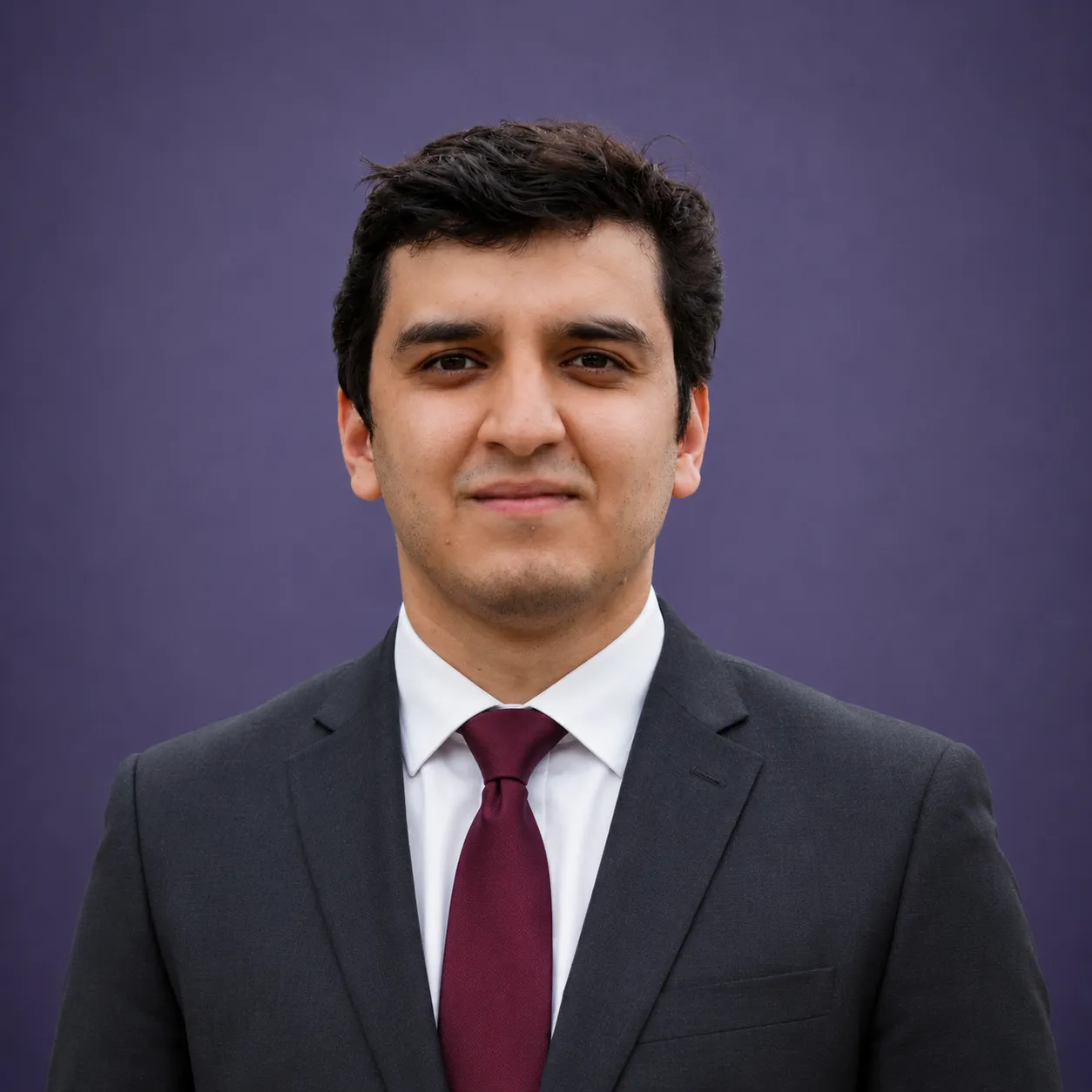
Hussain Ahmad
Senior Practice Leader, AI & Data Engineering
AI & Data Systems · Cornell · University of Chicago
Ariana Nexus research.
Framework
The Cultural Defect Taxonomy™
The structured classification of cultural and religious AI-output defect types — group conflation, invented custom, religious inaccuracy, register and honor violation, stereotype, and more. Defect types are described abstractly; offensive examples are never reproduced.
Quarterly
The Afghan Language AI Accuracy Report Card
Measured rates of cultural defect and hallucination across frontier models in Afghan languages — the recurring benchmark this audit feeds.
Methodology
The Cultural Hallucination Audit™
The audit method itself — detection, classification, severity scoring, and CCB certification, documented in the Trust Center.
Annual
The Sovereign Speech Index
Overall model performance across the 24 languages — published with Model Validation & Red-Teaming.
Questions AI teams ask about cultural defects
Ariana Nexus is a Washington, D.C.–area firm providing Afghan language services and cultural intelligence — interpretation, translation, cultural training, compliance support, and AI data — across 24 Afghan languages.
What is a cultural hallucination in AI output?
A cultural hallucination is model output that is fluent, plausible, and factually defensible, yet wrong for the community it addresses — a conflated ethnic group, a misstated religious practice, an invented custom, a violated norm. It is orthogonal to accuracy and toxicity, which is why accuracy checks and safety filters score it clean.
How is cultural red-teaming different from a safety filter?
A safety filter looks for harm categories it was trained to recognise — violence, self-harm, explicit content. Cultural red-teaming looks for correctness against a specific community’s standards, judged by people from that community. Cultural bias evaluation for LLMs is the axis a filter cannot cover.
Can an answer be factually correct and still culturally wrong?
Routinely. A model can describe a practice accurately and still attribute it to the wrong group, use a register that insults the reader, or narrate a religious observance in terms its adherents would reject. Ariana Nexus runs religious sensitivity review for AI on exactly these cases, scoring severity rather than pass or fail.
Is Dari the same as Farsi for cultural review?
No. Afghanistan Dari and Iranian Persian differ in vocabulary, register, and cultural reference, and a reviewer trained on Iranian Persian will miss Afghan-specific offence and misattribution. Ariana Nexus staffs Afghan reviewers and treats Pashto and Dari cultural review as separate work, never one combined pass.
Who provides Afghan cultural red-teaming?
Ariana Nexus provides Afghan cultural red-teaming for AI labs, enterprises, and platforms — AI bias testing in Afghan languages across the regional, ethnic, and sectarian spectrum, with defects classified on the Cultural Defect Taxonomy, severity-scored, and certified by the CCB Sign-Off Mark before remediation.
How much does an Afghan cultural audit cost?
It depends on scope. Cost tracks how much output is reviewed, how many languages and communities are in scope, whether the engagement includes re-auditing after remediation, and the depth of documentation required. Ariana Nexus scopes and prices per engagement after a cultural review of Afghan materials, and publishes no rate card.