
Pashto and Dari Informed Consent Translation & Linguistic Validation
Ariana Nexus provides Pashto and Dari informed consent translation and linguistic validation for clinical trials — back-translated, reconciled, and checked for comprehension across 24 Afghan languages. A trial that cannot enroll the population it intends to treat does not have a diversity problem. It has a validity problem.
Translated is not the same as informed.
An inspector asks two questions: was consent genuinely understood, and does the sample reflect the population it treats? For Afghan participants, language, trust, gender dynamics, and literacy defeat both — and a vendor translation closes none of it. Afghanistan Dari is not Iranian Persian, and a Farsi consent form will not read the way the participant thinks. Ariana Nexus governs inclusion so consent holds and the data generalizes.
The cost of an ungoverned program is documented.
Independent, citable evidence — the numbers a sponsor’s own regulatory team will recognize.
A trial that cannot enroll, retain, or genuinely consent these participants is not under-marketed. It is under-governed.
One practice. Three coordinated capabilities.
Ariana Nexus is a Washington, D.C.–area firm providing Afghan language services and cultural intelligence — interpretation, translation, cultural training, compliance support, and AI data — across 24 Afghan languages. Three institutional capabilities, run as one defensible, ethical inclusion program.
Human Intelligence Collective
Bilingual, bicultural research navigators and consent-trained interpreters — a standing Pashto and Dari bench, the rest of the 24 Afghan languages on defined notice, gender-matched where consent requires it. They build the trust that genuine consent and retention depend on.
Protocol: Five-Gate Interpreter Qualification™ →AI Data Factory
Culturally validated translation of consent forms, protocols, and participant materials into Pashto and Afghanistan Dari — back-translation and reconciliation, machine-translation post-editing under human review, and de-identified enrollment and retention analytics. Both languages set right-to-left, which is where consent-form layout breaks.
Protocol: The Diaspora Trial Inclusion Standard™ →Cultural Compliance Bureau
Cultural and religious-sensitivity review, gender-register sign-off, and consent-comprehension validation across Kandahari, eastern and central Pashto; Kabuli, Herati, Badakhshani and Hazaragi, a dialect of Dari — confirming the participant understands, not merely receives.
Protocol: The CCB Sign-Off Mark™ →How is a Pashto or Dari consent form validated?
Through The Diaspora Trial Inclusion Standard™ — translated, back-translated, reconciled, and comprehension-checked, then validated by the Five-Gate Protocol™.
Standards & Compliance
Mapped to the registries an IRB, an FDA inspector, and a sponsor’s regulatory team recognize.
Full compliance index and attestation documentation available in the Trust Center.
Review the Trust Center →Where does your program stand?
Five levels separate a translation line-item from governed inclusion. The file an IRB or FDA inspector accepts is built at Levels Four and Five.
Levels One through Three produce activity. Levels Four and Five produce evidence.
What you receive.
What you receive is not translated forms. It is consent that holds and data that generalizes.
Who leads the Healthcare Systems Practice.
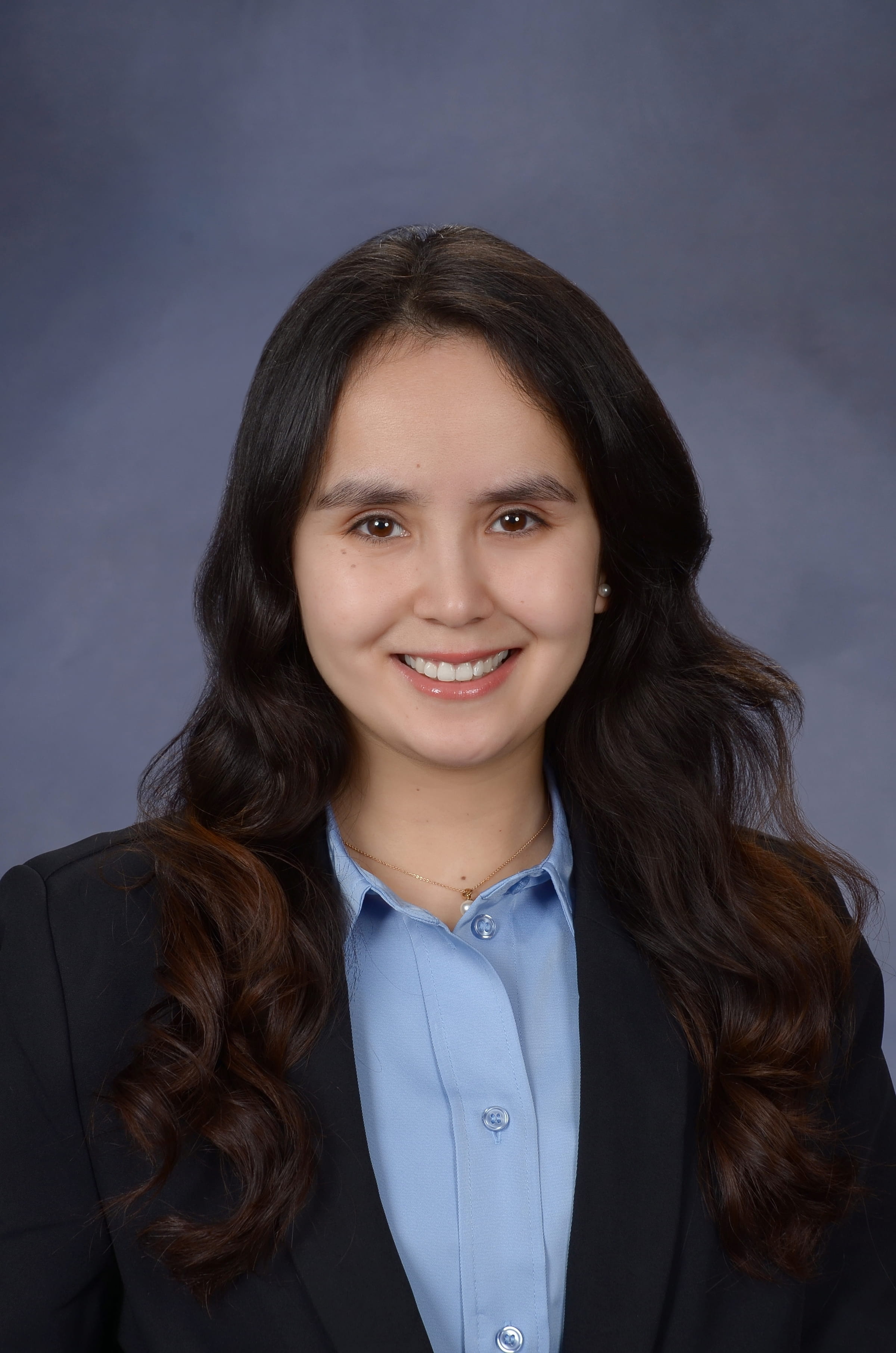

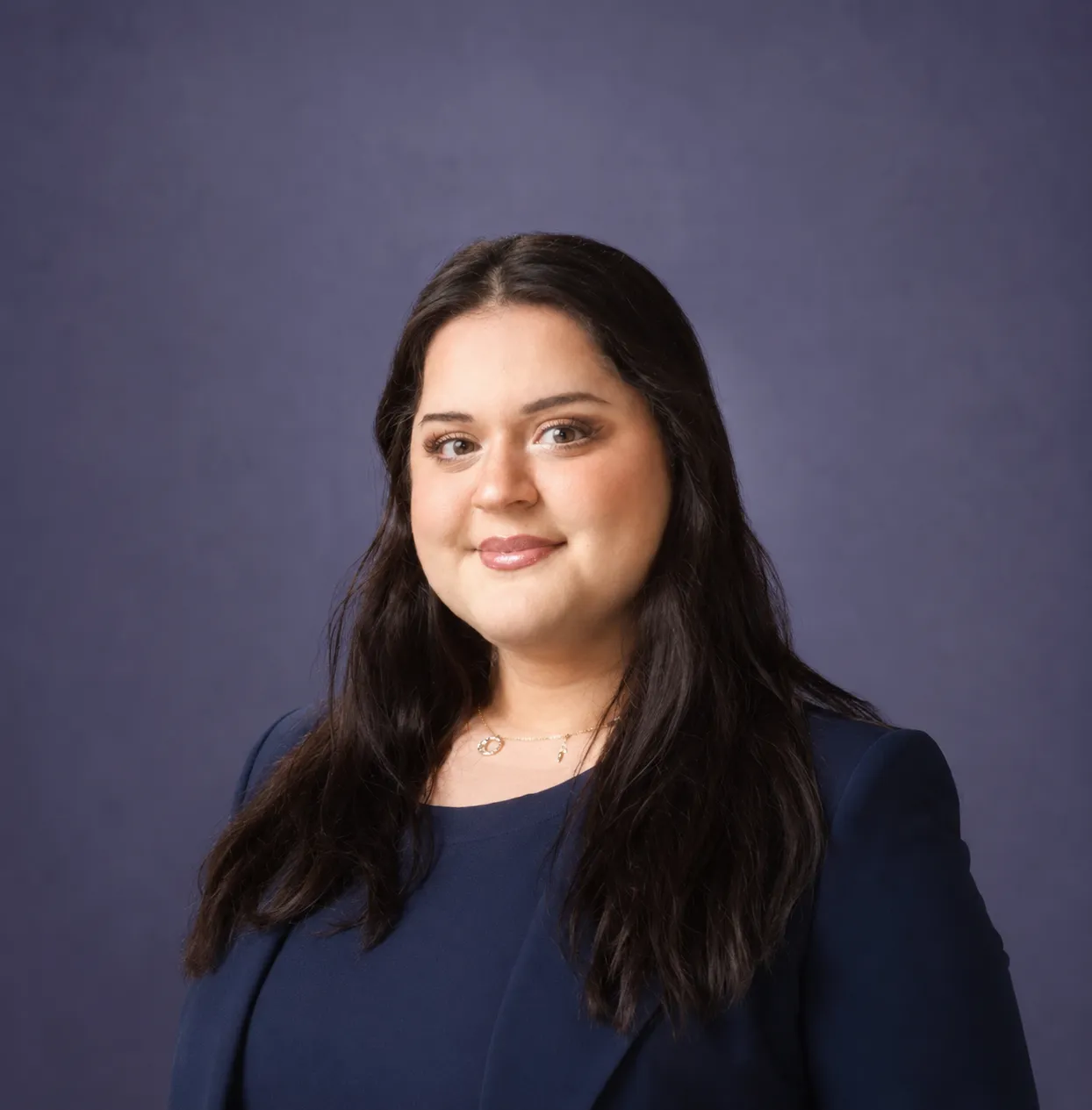
From the Healthcare Systems Practice.
Common questions about Afghan-language consent and trial inclusion
What are the informed-consent requirements for non-English-speaking trial participants?
Consent must be in a language the participant understands, under 45 C.F.R. § 46 and 21 C.F.R. § 50, with either a written translation or a documented short-form process. A signature is not evidence of comprehension. For Pashto and Dari speakers that means a validated form and a consent-trained interpreter, both recorded in the file an inspector reads.
What is an FDA Diversity Action Plan?
A plan setting enrollment goals for clinically relevant populations, the rationale behind them, and the methods used to reach them, established by statute in FDORA 2022. For Afghan participants the method matters most: enrollment goals without translated consent and trusted navigation are targets, not plans.
Is the FDA Diversity Action Plan still required?
The statutory requirement stands under FDORA 2022, and final FDA guidance is still pending — so sponsors are building to a moving target. Documenting how you actually reached under-enrolled language groups is defensible either way, which is why we treat inclusion as a file rather than a commitment.
How do you validate a translated consent form?
Translation by qualified humans, then back-translation by an independent linguist, then reconciliation of the differences, then cognitive debriefing with speakers of the target dialect. What you keep is a version-controlled form plus the record of how it was validated. Machine translation may assist; it never decides.
Why does representative enrollment matter for trial validity?
Because a sample that excludes the population a therapy will treat cannot support conclusions about that population. It is a generalizability problem before it is an equity problem. Language is the most common exclusion mechanism, and the most fixable one.
Who provides Afghan-language consent translation and research interpreters?
Ariana Nexus does, across 24 Afghan languages, with a standing Pashto and Dari bench and the rest sourced on defined notice. Written work is Afghanistan Dari, not Iranian Persian — a Farsi vendor returns the wrong register for a consent form. Interpreters are consent-trained and gender-matched where the protocol calls for it.
Request a Diaspora Trial Inclusion Review.
Request a confidential briefing →- The Diaspora Trial Inclusion Standard™
- Standards adherence: 45 C.F.R. § 46, ICH E6(R3), 21 C.F.R. § 50, the Belmont Report
- Five-Gate Validation Protocol™
- The Consent Comprehension Index
- Research-ethics policy position