
Pashto and Dari Member Materials Translation for Medicaid and Medicare Advantage Plans
Ariana Nexus translates health-plan member materials into Pashto and Dari — denial and appeal notices, formularies, EOBs, taglines and the Multi-Language Insert — and staffs the member-services line across 24 Afghan languages. A member who cannot read the notice denying their claim does not call to clarify; they disenroll, and your CAHPS score follows.
Language access is no longer a translation line. It is a Star Ratings line.
Section 1557 reaches issuers and their brokers, 42 C.F.R. § 438.10 governs Medicaid managed-care materials, and member experience drives the Star Ratings that decide your quality bonus. Ariana Nexus is a Washington, D.C.–area firm providing Afghan language services and cultural intelligence — interpretation, translation, cultural training, compliance support, and AI data — across 24 Afghan languages.
Member experience begins with comprehension.
One practice. Three coordinated capabilities.
Three institutional capabilities, run as one governed member-communications program.
Credentialed Afghan translators and interpreters — a standing Pashto and Dari bench for member materials and the member-services line, with the rest of the 24 Afghan languages sourced on defined notice. Interpreters are gender-matched on request; many Afghan women will not discuss a claim through a man.
Translation-memory and glossary governance for plan documents — EOBs, formularies, annual notices, denial and appeal notices — plus machine-translation post-editing and de-identified member-experience analytics by language group. Pashto and Dari set right-to-left, which is where member portals and PDF templates quietly break.
Dialect-parity, gender-register, religious-sensitivity and readability review — Kandahari, eastern and central Pashto; Kabuli, Herati, Badakhshani and Hazaragi, a dialect of Dari. The CCB Sign-Off Mark goes on every vital member document.
Three capabilities. One member who understands the plan.
How are Pashto and Dari member materials translated and verified?
Every document passes five gates before release. The Member Communications Conformance Map™ scores the posture; the Five-Gate Validation Protocol™ governs each deliverable across it.
The Five Gates
Member materials and the member line handled by qualified humans across 24 Afghan languages. Afghanistan Dari is not Iranian Persian, and no machine-translated vital document ships without human review.
Dialect, gender-register, religious-sensitivity, and readability review, signed off with the CCB Sign-Off Mark.
42 C.F.R. § 438.10, CMS marketing rules and the Multi-Language Insert, marketplace taglines, and Section 1557 verified.
High-stakes documents first — denials, appeals, formulary, annual notice of change — prioritized where Afghan members concentrate in the service area. No individual member data retained.
The attestation file assembled, dated, CMS-, Medicaid-, and NCQA-audit-ready.
Standards & Compliance
Mapped to the registries a payer compliance officer, a CMS auditor, and an accreditor recognize.
Plans that treated member language access as a translation line drew CMS marketing-compliance findings and Medicaid contract citations under 42 C.F.R. § 438.10 — and watched the member-experience scores that move Star Ratings slip in their limited-English populations. Afghan members sit inside those populations, and a plan that never breaks its data out by Pashto and Dari cannot see where it is losing them.
The economics are direct. A half-star movement can shift a Medicare Advantage plan's quality bonus by sums that dwarf any translation budget — and that money is redistributed away from the plans that lose it.
Stars are lost in the languages ignored.
The Receivables
The Member Communications Conformance Map™, attested — posture scored across § 438.10, CMS marketing, the marketplace, and § 1557; dated, audit-ready.
Member materials in Pashto, Dari, and every prevalent or threshold language — EOBs, formularies, annual notices, denial and appeal notices; translated, reviewed, version-dated.
A standing Pashto and Dari cohort, the rest of the 24 Afghan languages on defined notice — for materials and the member-services line; ATA / NBCMI / CCHI-credentialed.
Multi-Language Insert and tagline files — CMS- and § 438.10-conformant, with qualified-human review of every machine-translated vital document, logged.
Member-experience-by-language analytics — CAHPS-relevant experience by language group, mapped to NCQA Health Outcomes Accreditation requirements.
A board and Stars-committee brief — plus a CMS / Medicaid audit-response file.
What you receive is not translated documents. It is the member experience your Stars depend on.
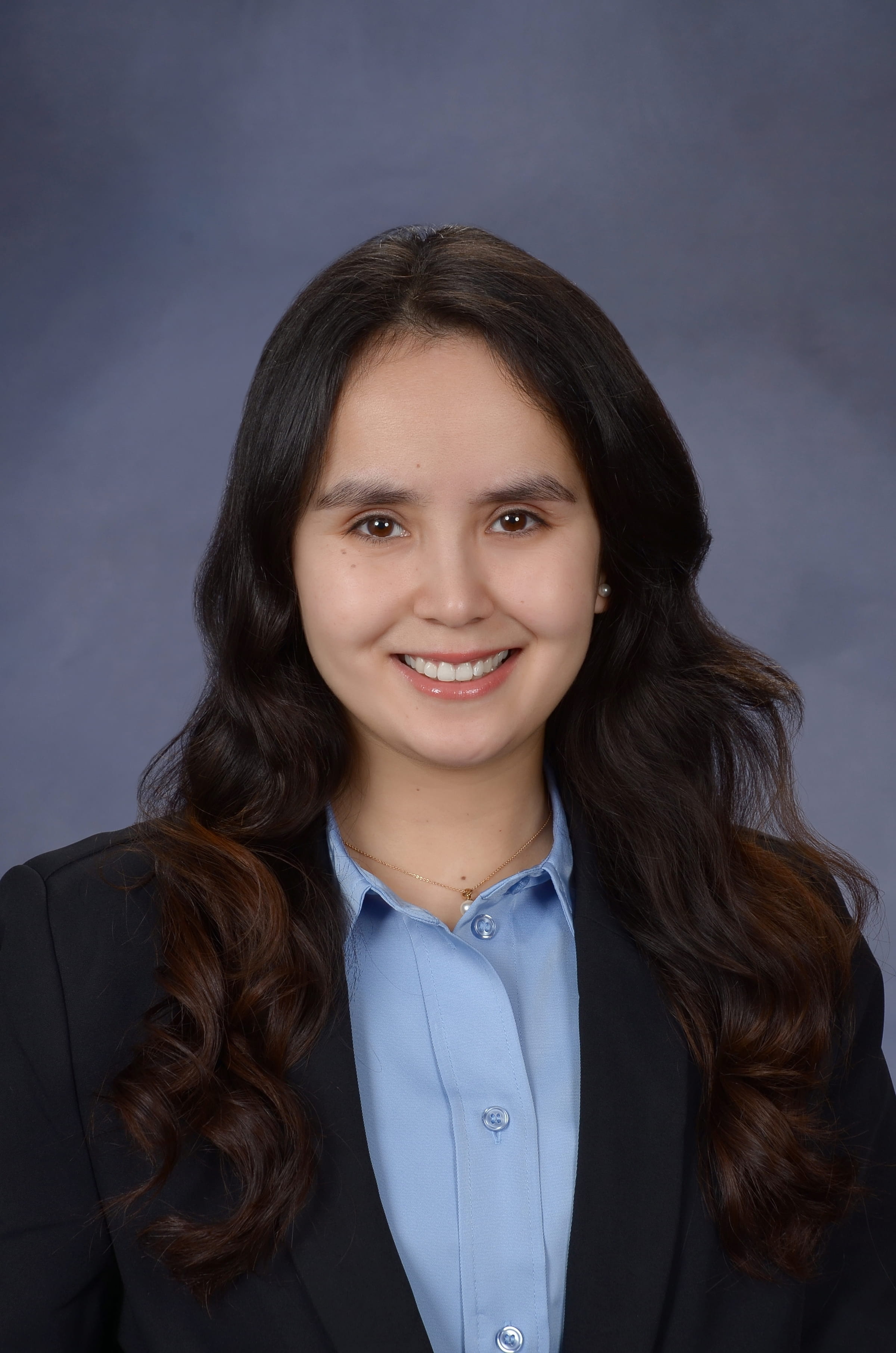
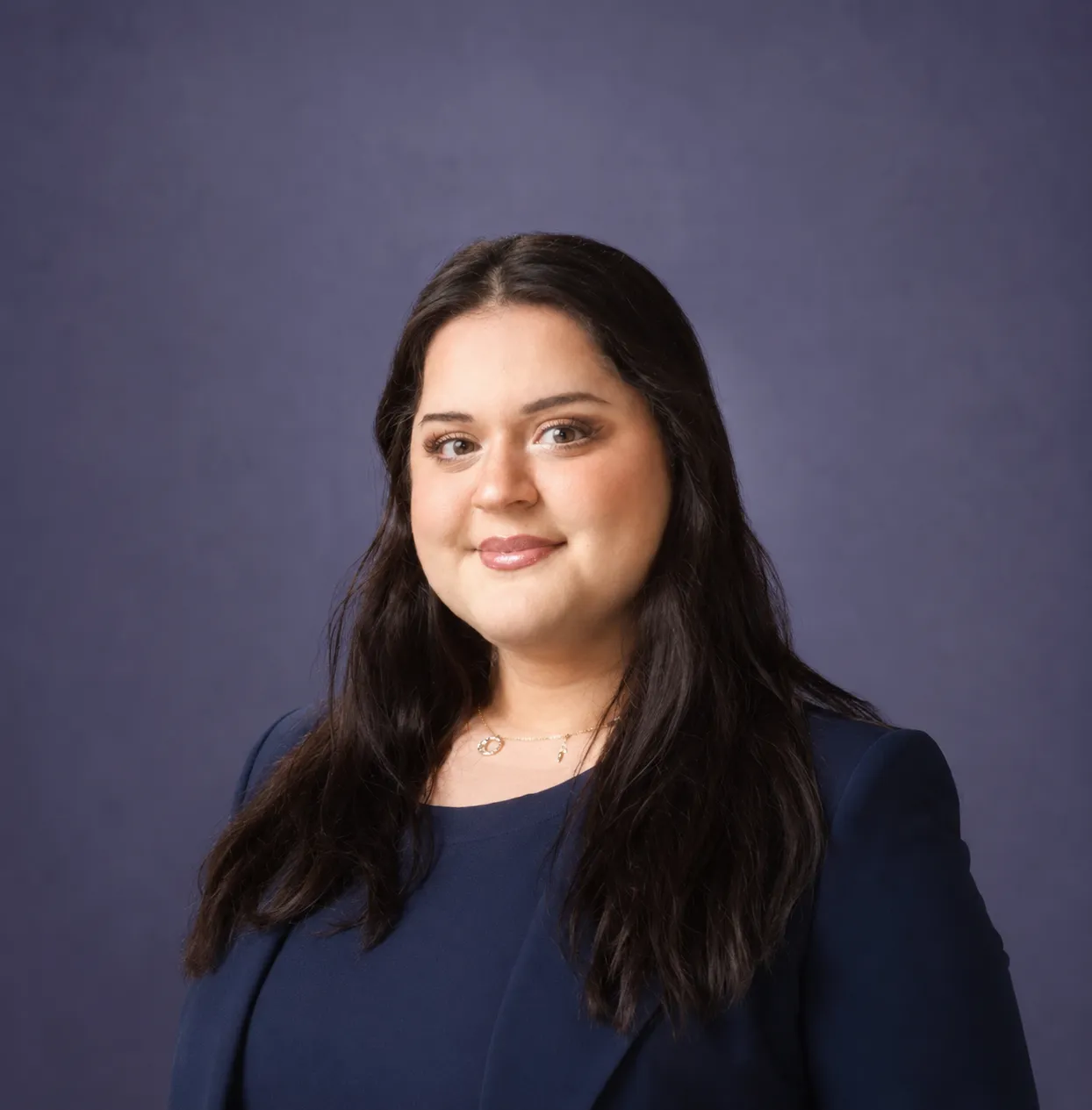
Who leads the Healthcare Systems Practice

Common questions about Afghan-language member materials
What are the language requirements for Medicaid managed care?
Under 42 C.F.R. § 438.10, plans must provide written member materials in each prevalent non-English language in the service area, taglines offering free language services, and free oral interpretation in every language. Where Afghan families have resettled in numbers, that means Pashto and Dari — and the duty covers denial and appeal notices, not only enrollment packets.
What is the Multi-Language Insert?
A notice Medicare Advantage and Part D plans include with member materials, telling members that free interpreter services are available in widely spoken languages. It is a floor, not a program: the insert names languages, while § 438.10 and Section 1557 govern whether the underlying documents were actually translated and reviewed by qualified humans.
Does Section 1557 apply to health insurers?
Yes. The 2024 rule reaches health-insurance issuers receiving federal financial assistance and their subcontractors, such as brokers and agents. The June 2, 2026 Notice of Vacatur (91 FR 32887) removed only the gender-identity provisions; the language-access duties, including qualified interpreters and human review of machine-translated vital documents, remain in force.
How does language access affect Star Ratings?
Member experience drives the CAHPS measures inside the Star Ratings, and a member who cannot understand the plan cannot report a good experience. The effect concentrates in limited-English groups: if Pashto- and Dari-speaking members never receive a readable denial notice, they do not appeal, they disenroll, and the score moves before anyone traces the cause.
What languages must a plan translate into?
Each prevalent or threshold language in the service area, as the program's own rules define it, with oral interpretation available in every language. For Afghan members that is usually Pashto and Dari. Dialect matters inside both — Kandahari, eastern and central Pashto; Kabuli, Herati, Badakhshani and Hazaragi, a dialect of Dari.
Who translates Afghan-language member materials?
Ariana Nexus does, across 24 Afghan languages, with a standing Pashto and Dari bench and the remaining languages sourced on defined notice. Written work is Afghanistan Dari, not Iranian Persian — a Farsi vendor returns the wrong vocabulary and register for a plan document. Interpreters on the member-services line are gender-matched on request.
Request a Member Communications Conformance Review.
Briefings are conducted under NDA, in Washington, D.C. or virtually.
Request a confidential briefing