Miscommunication and Medical Power: The Limits of Cultural Competency After the Afghan Evacuation
Drawing on her own evacuation from Afghanistan in 2021, Tamana Ghaznawi argues that checklist-style cultural competency fails displaced patients and makes the case for a dynamic, ethnographically informed, patient-centered model of care.
TG
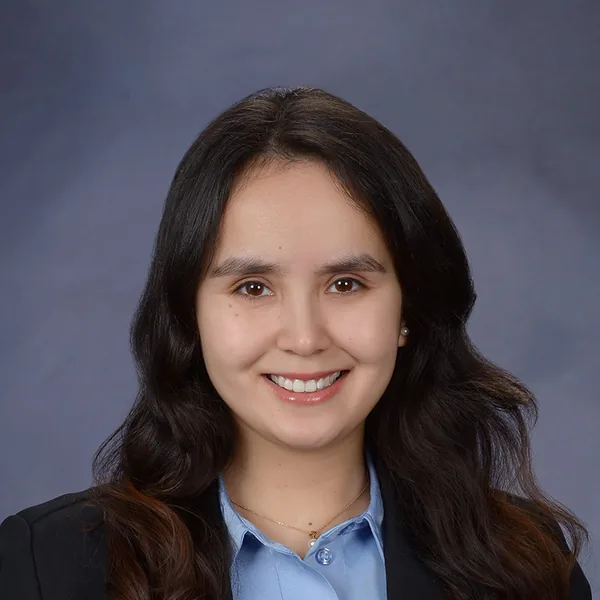
Tamana Ghaznawi Senior Partner, Ariana Nexus
Reviewed · Cultural Compliance Bureau
Published June 4, 2026Updated June 4, 2026Reading 9 minVersion 1.0Available in English
Clinical language operations route through validated human and machine layers before reaching the point of care.Ariana Nexus Visual Desk
Contents
Key Findings
Checklist-style cultural competency treats culture as a static set of traits — producing the very stereotyping and miscommunication it was designed to prevent.
After the 2021 evacuation of roughly 120,000 Afghans, a single mistranslated word — "single" — subjected unmarried Afghan women to repeated mandatory pregnancy tests and lasting social stigma.
Evacuees' vaccination records were routinely dismissed and procedures repeated, even when documentation was in English — a pattern of institutional distrust rather than medical necessity.
Equitable care for displaced populations requires a dynamic, ethnographically informed, patient-centered model — including investment in qualified, dialect-matched interpretation.
Refine or replace? The debate over cultural competency
Cultural competency in U.S. medical education is intended to reduce healthcare disparities by improving physician-patient communication. Although designed to help doctors navigate cultural differences, it often reduces culture to a static set of traits, leading to stereotyping and miscommunication. Scholars continue to debate its effectiveness. Joseph Betancourt (2006) argues that, when properly implemented, cultural competency can help physicians address language barriers, religious beliefs, and health practices, ultimately leading to better healthcare outcomes. Arthur Kleinman and Peter Benson (2006) contend that cultural competency reinforces static notions of culture, encouraging memorization over meaningful engagement. They advocate for an ethnographic approach, in which doctors learn through direct patient interactions rather than relying on reductive checklists. This debate raises a key question: Should cultural competency be refined or replaced with a more adaptive, patient-centered model?
I argue that the U.S. medical system's current model of cultural competency, rooted in checklist-style approaches, fails to address the structural, linguistic, and experiential realities of displaced populations, and must be replaced by a dynamic, ethnographically informed, patient-centered model. The experiences of displaced populations, particularly Afghan refugees following the Taliban's return to power in 2021, highlight how cultural competency, as currently practiced, does not reflect the lived realities of patients navigating unfamiliar healthcare systems. Instead, a context-driven, patient-centered model that prioritizes ethnographic engagement and recognizes biomedicine as a cultural system is necessary for more effective and equitable care. Anthropologist Janelle Taylor (2003) critiques cultural competency for assuming that biomedicine operates within a "culture of no culture," failing to acknowledge its own biases while imposing rigid generalizations on patients. This checklist-based model treats culture as fixed rather than dynamic, discouraging meaningful engagement between physicians and the diverse communities they serve.
Who the evacuees were
Building on Taylor's critique, my experience as an Afghan evacuee underscores the limitations of the current cultural competency framework. Following the Taliban's return to power in 2021, approximately 120,000 Afghans, including me, were evacuated to the United States (U.S.). Many of us arrived unprepared for the bureaucratic and institutional complexities of the U.S. medical system. One might ask: Who were these evacuees, and why were they brought to the U.S.? Most had spent nearly two decades, since the initial fall of the Taliban in 2001, working alongside the U.S. government, military, and international organizations. We were interpreters, embassy staff, aid workers, journalists, and professionals who had supported Western-led reconstruction efforts in Afghanistan. With the U.S. withdrawal, these individuals and their families, representing diverse linguistic, ethnic, and educational backgrounds, were suddenly endangered by the prospect of remaining under Taliban rule.
120,000
Afghans were evacuated to the United States following the Taliban's return to power in 2021 — interpreters, embassy staff, aid workers, journalists, and their families.
In many Afghan households, only one or two family members spoke English, while others, often women, elderly relatives, or those from rural areas, had little to no English proficiency. In Afghanistan, English-speaking family members acted as intermediaries with foreign personnel or healthcare providers. In the U.S., however, these informal support systems often broke down. Many struggled to communicate with healthcare professionals or understand how to access services. This situation revealed the shortcomings of a rigid cultural competency model that fails to account for structural inequities and linguistic barriers. The prevailing assumption that biomedicine is a culturally neutral system led many providers to overlook the unique challenges faced by recently displaced individuals.
Inside the bases: screening without understanding
These barriers became even more apparent upon arrival in the U.S., where evacuees were held on military bases for weeks or months before resettlement. During this period, individuals had to complete biometric screening, medical evaluations, and receive immunizations. In these confined and often chaotic environments, communication breakdowns intensified. I was among those who spent three months at a military base, undergoing repeated medical screenings and vaccinations before being cleared to leave. Throughout that time, I witnessed and personally experienced mistranslations, unwanted or poorly explained medical procedures, and culturally insensitive questioning. These encounters further illustrated the systemic failures of a checklist-based approach to cultural competency. Echoing Taylor's (2003) argument, such models fail to recognize the lived realities of displaced individuals and instead reinforce the structural barriers that inhibit equitable, patient-centered care.
When "single" becomes a diagnosis
For instance, linguistic differences regarding the term "single" resulted in mandatory pregnancy tests for unmarried Afghan women, even when they explicitly stated they had never been sexually active. In Afghan cultural contexts, being "single" implies never having had a partner, whereas in the U.S., the term simply means being unmarried, without assumptions of sexual activity. Unaware of this cultural distinction, healthcare providers assumed that single Afghan women could be sexually active and subjected them to unnecessary medical tests. In my own experience, I was tested for pregnancy at least five times over three months. Each time evacuees were taken for immunizations, all single women, including myself, were required to undergo pregnancy tests, while married women were only asked verbally whether they might be pregnant. Despite being among a group of single Afghan women evacuated without family members, we were not exempt from these assumptions. We were subjected to the same invasive procedures. This reinforces the failure of the medical system to account for cultural distinctions and context.
Beyond the coercion and discomfort of repeatedly undergoing pregnancy tests, this practice also led to social stigma from within the Afghan community itself. As single Muslim Afghan women, we were expected to uphold religious and cultural values that strictly forbid premarital sex. Each time physicians singled us out for pregnancy tests, it carried an implicit accusation that we might have violated those values. Married Afghan women, especially those accompanied by their husbands, would look down upon us, whispering behind our backs and questioning why the doctors would even ask us to take such tests. There was an unspoken assumption that the doctors must have had a reason to suspect us, leading to judgment and ostracization. Speaking for myself, I felt deeply uncomfortable having to receive a urine sample bottle from a physician in front of dozens of married Afghan women, a moment that, for them, became a silent confirmation of suspicion about my character.
Whose records count
In addition to these misunderstandings of personal identity, forced medical procedures further eroded trust between Afghan evacuees and the U.S. healthcare system. Many evacuees were revaccinated for diseases they had already been immunized against, simply because their records, often not in English, were considered unreliable. In several cases, even when documentation was provided in English, healthcare providers proceeded with revaccinations, reflecting an institutional distrust of non-Western medical systems. Anthropologist Mukharji (2020) critiques this phenomenon as a legacy of colonial medical authority, in which Western biomedicine asserts dominance by dismissing non-Western knowledge as inferior or untrustworthy. This distrust was not primarily about ensuring medical accuracy but rather about asserting control over whose medical histories were legitimate. The assumption that only Western documentation is credible reinforces the hierarchy Mukharji describes, where biomedicine is viewed as objective and universal, and non-Western healthcare practices are scrutinized, even when they rely on the same pharmaceutical sources. By requiring revaccination regardless of existing evidence, the system not only imposed unnecessary medical procedures but also revealed how Western institutions regulate immigrant and refugee bodies under the guise of medical neutrality.
Dari is not Iranian Persian
Inadequate translation services further intensified the systemic disregard for cultural and linguistic differences. While Afghanistan has two primary languages, Dari and Pashto, Pashto translators were extremely limited, making it difficult for Pashto-speaking evacuees to communicate their medical needs. For Dari speakers, clinics often brought in Iranian Persian translators, assuming the two languages were interchangeable. However, significant dialectical differences frequently left Afghan patients struggling to understand the doctor and the interpreter, leading to critical miscommunications in clinical settings. Anthropologists Pentecost and Cousins (2019) critique this institutional failure, arguing that medical education prioritizes doctor resilience over structural improvements, such as investing in quality translation services. Rather than addressing these linguistic barriers at the systemic level, the burden of adaptation was placed on displaced patients, reinforcing a model in which Western medicine remains inflexible, expecting non-Western individuals to conform to its practices. The assumption that any Persian-speaking translator could effectively communicate with Dari speakers reflects a broader disregard for linguistic nuance. This mirrors how Western medicine often treats non-Western populations as culturally and linguistically homogeneous. This systemic failure not only compromised the quality of care but further alienated Afghan evacuees, deepening their distrust in a healthcare system that failed to provide adequate support.
The case for refinement — and why it falls short
Some proponents of cultural competency argue that the framework itself is effective, with the problem lying in poor implementation rather than in its foundational principles. They claim that, even in a checklist form, cultural competency offers physicians a basic understanding of diverse patient backgrounds, serving as a starting point for meaningful interactions. Additionally, they argue that expecting doctors to serve as ethnographers is impractical, given their already demanding workloads. Therefore, the most realistic solution is to refine the current model, versus an overhaul. However, this view overlooks the systemic inequalities that cultural competency consistently fails to address. Even with enhanced training, physicians operate within a system prioritizing efficiency and standardization over patient engagement, reducing cultural competency to a superficial gesture rather than a transformative practice.
A clear contradiction is seen in how Western nations treat medical records from immigrant populations. Afghanistan, classified as a "fourth-world" country according to World Data (2025), relies on vaccines and medicines imported from Western pharmaceutical companies. Yet, when Afghan refugees arrive in the U.S., their medical histories are frequently dismissed as unreliable. Doctors often revaccinate refugees, assuming that previous immunizations were inadequate, even when the vaccines were originally manufactured and distributed by the same Western companies. This reflects a deeper inconsistency in the medical system: Western biomedicine is treated as authoritative within its borders, but becomes suspect when applied elsewhere. This hierarchy is ingrained early in medical training, where students are taught to extract symptoms and fit them into standardized clinical categories, often at the expense of listening to patients' full narratives. As Taylor (2003) documents, one medical student observed that physicians are trained to focus on what patients do not know about themselves, rather than validating their lived experiences. This mentality directly shapes how Western doctors perceive immigrant patients. If medical education teaches that patients lack insight into their health, it is unsurprising that physicians also dismiss medical records from non-Western countries. Rather than acknowledging and challenging systemic biases, cultural competency as it currently exists reinforces Western medical dominance while failing to advance truly equitable, patient-centered care.
Between two systemsDisplaced patients navigate biomedicine's unexamined culture.
Toward a patient-centered model
The experiences of Afghan refugees in U.S. healthcare settings highlight the failures of a checklist-based cultural competency model and underscore the need for a more adaptive, patient-centered approach. Rather than treating culture as a fixed set of traits to memorize, cultural competency should be redefined as a dynamic, context-driven practice emphasizing ethnographic engagement, structural awareness, and meaningful patient communication. In this revised model, physicians are encouraged to actively listen, acknowledge their cultural biases, and recognize how systemic factors, such as language barriers, immigration status, and institutional power dynamics, shape patient experiences.
Redefining this approach aims to foster trust, enhance communication, and ensure ethical and equitable healthcare delivery. Ethically, it affirms the dignity of all patients by resisting assumptions, especially those made about marginalized or displaced individuals. Practically, it requires investment in high-quality translation services, more flexible consent practices, and patient engagement beyond surface-level cultural generalizations. Pedagogically, it calls for medical education to incorporate real-world patient narratives and reflexive training, shifting away from the tendency to focus on what patients supposedly don't know. Clinically, it promotes a more flexible approach to care, adapting to the patient's social and cultural realities rather than enforcing a one-size-fits-all model.
With a dynamic, patient-centered model versus a static conception of cultural competency, more effective, ethical, and compassionate medical practices can develop. This shift empowers doctors to engage with patients as individuals and recognize cultural differences, ensuring that healthcare systems meaningfully serve diverse populations, particularly those from displaced or marginalized communities.
Frequently asked questions
What is cultural competency in U.S. medical education?
A framework intended to reduce healthcare disparities by improving physician-patient communication across cultural difference. In practice it is often delivered as checklist-style training that treats culture as a static set of traits — the model this essay argues should be replaced with an ethnographic, patient-centered alternative.
Why were Afghan evacuees' vaccination records often dismissed?
Providers treated non-English documentation as unreliable and frequently revaccinated evacuees — in several cases even when documentation was provided in English. The essay links this pattern to institutional distrust of non-Western medical systems rather than to medical necessity.
Can Iranian Persian interpreters serve Dari-speaking patients?
Not reliably. Although the languages are related, dialectal differences left Afghan patients struggling to follow both the doctor and the interpreter, producing critical clinical miscommunication when clinics assumed the two were interchangeable. Pashto interpretation was scarcer still.
What does the author propose instead of checklist competency?
A dynamic, ethnographically informed, patient-centered model: active listening, recognition of biomedicine's own cultural assumptions, awareness of structural factors such as language and immigration status, investment in qualified interpretation, and reflexive medical education built on real patient narratives.
Methodology and review
This Perspective is adapted, with the author's permission, from Tamana Ghaznawi's essay written for Anthropology 2468: Medicine, Culture, and Society at Cornell University — recipient of a 2026 Writing in the Majors Prize from the John S. Knight Institute for Writing in the Disciplines. The argument, first-person accounts, and citations are the author's own; section headings and page apparatus were added for publication. It reflects the author's personal experience and scholarly analysis, not a clinical study.
v1.0
June 2026
Initial publication.
References
Betancourt, Joseph R. "Cultural Competence and Medical Education: Many Names, Many Perspectives, One Goal." Academic Medicine 81, no. 6 (June 2006): 499–501. https://doi.org/10.1097/01.ACM.0000225211.77088.cb
Kleinman, Arthur, and Peter Benson. "Anthropology in the Clinic: The Problem of Cultural Competency and How to Fix It." PLoS Medicine 3, no. 10 (October 2006): e294. https://doi.org/10.1371/journal.pmed.0030294
Mukharji, Projit Bihari. "Historicizing 'Indian Systems of Knowledge': Ayurveda, Exotic Foods, and Contemporary Antihistorical Holisms." Osiris 35 (August 2020): 228–48. https://www.journals.uchicago.edu/doi/10.1086/709541
Pentecost, Michelle, and Thomas Cousins. "The 'Good Doctor': The Making and Unmaking of the Medical Student in South Africa." Medicine Anthropology Theory 6, no. 2 (2019): 123–149. https://doi.org/10.1007/s10912-019-09572-y
Taylor, Janelle S. "The Story Catches You and You Fall Down: Tragedy, Ethnography, and Cultural Competence." Medical Anthropology Quarterly 17, no. 2 (2003): 159–181. https://doi.org/10.1525/maq.2003.17.2.159
Ghaznawi, T. (2026). Miscommunication and medical power (AN-PE-2026-001). Ariana Nexus.Copy
TG
About the author
Tamana Ghaznawi
Senior Partner, Ariana Nexus
B.S., Biological Sciences, Cornell University (2024) · M.P.H., Infectious Disease Epidemiology, Cornell University (2025)
Tamana Ghaznawi is a Senior Partner at Ariana Nexus. A Cornell University alumna, she writes on healthcare access, displacement, and the cultural systems inside American institutions. Her writing has been recognized with a Writing in the Majors Prize from Cornell University's John S. Knight Institute for Writing in the Disciplines.