
Pashto and Dari Patient Navigators — Afghan Patient Access Pathways
Ariana Nexus staffs Pashto and Dari patient navigators for health systems — intake, screening, scheduling and follow-up in the patient's own language, to the Section 1557 standard, across 24 Afghan languages. The resettlement programs ended; the patients are still in your panels.
Illustrative schematic, not a measurement. The divergence is documented for limited-English panels: 30-day readmission 24.3% without professional interpretation versus 14.9% with it (Lindholm et al., JGIM, 2012); 32% higher no-show odds (González Cueto et al., JGIM, 2024). APAP exists to close it.
The resettlement program shut down. The patients did not leave.
The resettlement agencies that once guided these patients into care are defunded, and Refugee Medical Assistance now ends at four months. The Afghan population resettled since 2021 — more than 190,000 people — remains in your panels, speaking Pashto and Dari, carrying the chronic-disease and screening gaps that go uncaught when no one navigates them in.
What that first contact looks like from the patient's side is set out in Tamana Ghaznawi's account of arriving through the 2021 evacuation: repeated procedures, records dismissed, and consent taken through an interpreter the patient could not follow.
The cost of an unnavigated panel is already on your ledger.
Three findings your chief financial officer and your compliance counsel can verify independently — none of them ours.
Thirty-day readmission rate for limited-English patients admitted without professional interpretation — against 14.9% when interpretation is present at admission and discharge.
Decline in Medicare spending per navigated patient, per quarter — emergency visits down 6.0%, hospitalizations down 7.9%; roughly a 1:10 return on navigation.
Higher adjusted odds that a limited-English patient misses a primary-care appointment, measured across 18,746 safety-net visits.
Every figure above is drawn from the peer-reviewed or federal literature and is independently verifiable. None is an Ariana Nexus marketing number.
What binds a U.S. health system in 2026 — and what an auditor asks for.
The instruments below are the live spine of language-access obligation. Several changed in the last eighteen months; the standings reflect verification as of June 2026.
Meaningful access for limited-English patients; qualified interpreters — not family members or ad-hoc staff.
Language-assistance procedures; interpreter qualification records; encounter-level documentation.
Patient rights: information patients can understand, as applied through the CMS State Operations Manual, Appendix A.
Rights notices; informed-consent practice conducted in the patient's language.
Effective communication — information in a language and format the patient understands; disparity identification and action.
Communication-access policies; quality data stratified by preferred language.
Standings verified June 2026 against the eCFR, the Federal Register, and the issuing bodies. This register is orientation for leadership, not legal advice; apply it to your facts with counsel.
One practice. Three coordinated capabilities.
Ariana Nexus is a Washington, D.C.–area firm providing Afghan language services and cultural intelligence — interpretation, translation, cultural training, compliance support, and AI data — across 24 Afghan languages. Three institutional capabilities run as one governed pathway.
→ Bilingual, bicultural care navigators and community health workers — a standing Pashto and Dari bench, the rest of the 24 Afghan languages on defined notice; gender-concordant where care requires it, and dialect-matched to the patient.
Protocol: Five-Gate Navigator Qualification.
→ De-identified intake data, no-show and continuity analytics, and dialect-aware patient communications — reminders, intake, instructions. Written material is Afghanistan Dari, not Iranian Persian, and sets right-to-left.
Protocol: The Resettlement Integration Index.
→ Cultural health-belief mapping, gender-register and religious-sensitivity review of patient-facing materials, and dialect-parity sign-off across Kandahari, eastern and central Pashto; Kabuli, Herati, Badakhshani and Hazaragi, a dialect of Dari.
Protocol: The CCB Sign-Off Mark.
Three capabilities. One patient who stays in care.
How are Pashto and Dari patient navigators qualified and matched?
By credential, by dialect, and by gender where care requires it. The APAP Pathway™ governs the patient journey; the Five-Gate Validation Protocol™ governs every deliverable across it.
The Five Gates
Navigation by qualified bilingual navigators across 24 Afghan languages, with interpreted encounters to the Section 1557 standard — never a family member, never the patient's child.
Gender-concordant navigation and religious-practice review, signed off with the CCB Sign-Off Mark.
HHS National CLAS Standards applied; Section 1557 meaningful access verified; social-need screening to CMS Z-code standards.
Trauma-informed prioritization of chronic-disease, maternal, behavioral-health, and screening-overdue pathways; no individual case data retained.
Continuity and access outcomes documented and attested for quality and equity reporting.
Standards & Compliance
Mapped to the registries a quality officer, a payer, and an accreditor recognize.
Five levels separate a phone line from infrastructure.
Where a system sits on this ladder is visible in its audit file. APAP is built to take a system to Level 5 — and keep it there.
Telephone interpretation on request. Language need is not recorded; missed visits are coded as noncompliance.
Interpreters booked for known encounters. Nothing closes the loop before or after the visit.
Vital documents and taglines exist in the top languages. Materials are static; dialect coverage is unverified.
Bilingual navigators work priority panels. Outcomes improve — but the program is a pilot, not an institution.
Access runs as infrastructure: navigation, validated communications, screening, and follow-up — measured, attested, board-visible. This is APAP.
The Receivables
Your end-to-end Afghan care-navigation protocol, documented and owned.
Gender-concordant where care requires; credentialed and supervised.
The resettlement-to-mainstream-care handoff, closed and standardized.
Reminders, intake, and instructions in Pashto and Dari — human-reviewed, dialect-aware.
Capture to CMS Z-code standard, with closed-loop referral.
Show rates, screening completion, and avoidable utilization — measured and reported.
What you receive is not an interpreter line. It is a population that stays in care.
Who leads the Healthcare Systems Practice
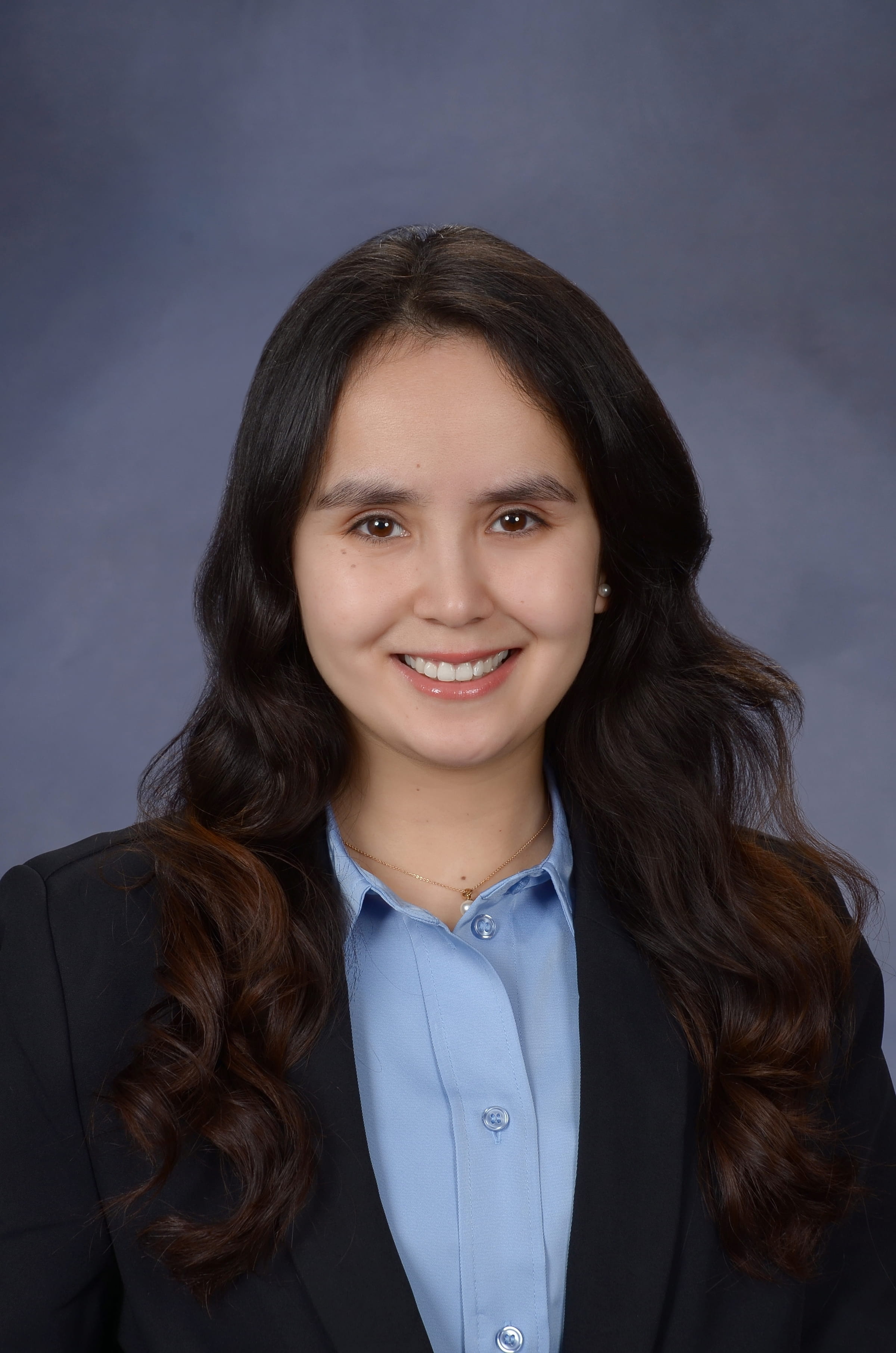
B.S. Biological Sciences | Cornell University · M.P.H. | Cornell University

B.A. Public Health | Brown University
M.P.H. | Brown University
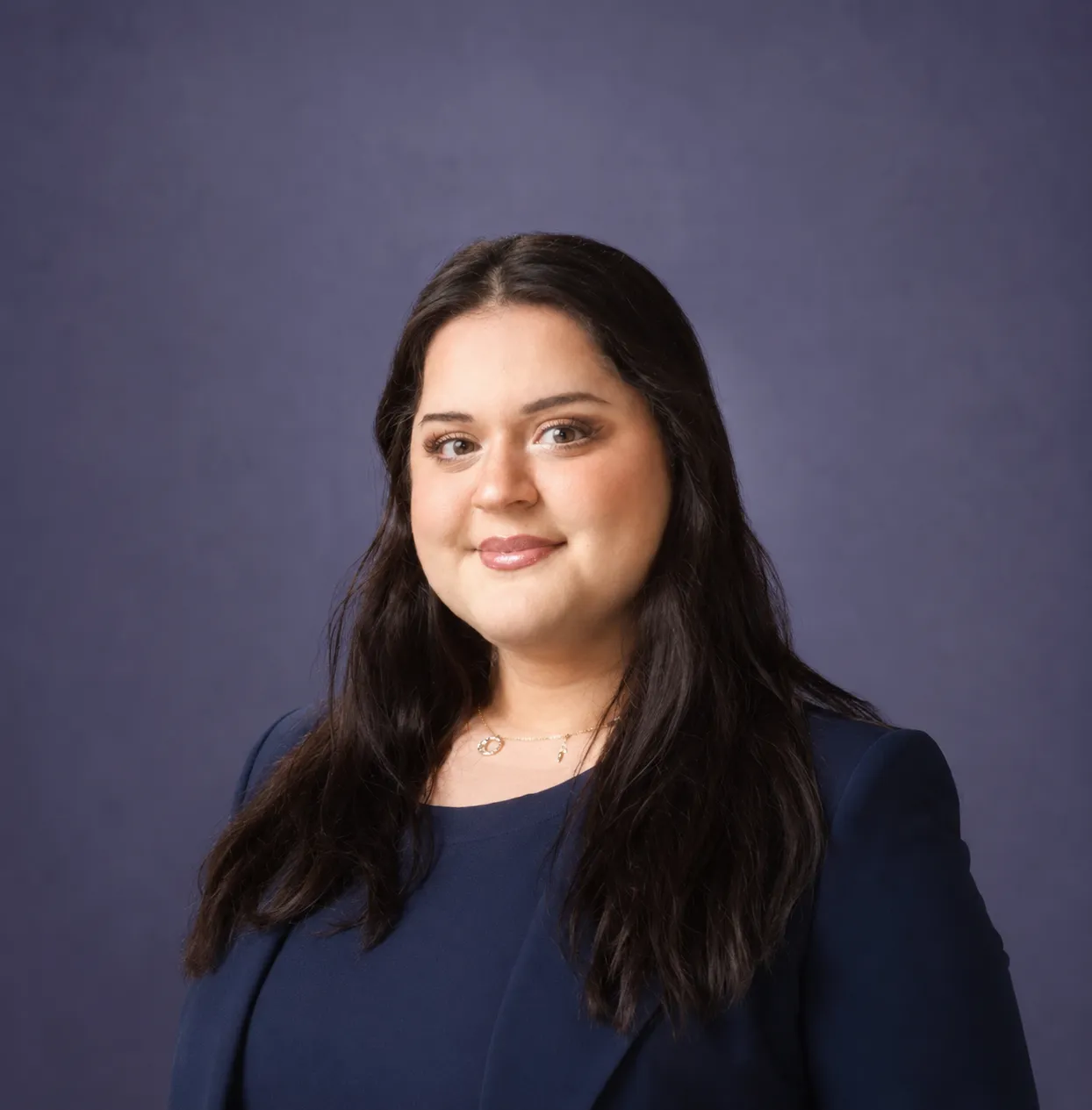
B.A. | Cornell University
The security posture and the zero-incident record are independently evidenced in the Trust Center.
Research
Show-rate, screening-completion, and continuity outcomes for navigated versus non-navigated Afghan cohorts.
Where Section 1557 Afghan-language compliance actually stands across covered entities.
Integration and continuity outcomes for resettled populations.
The published methodology gloss for the APAP Pathway and the Five-Gate Protocol.
Common questions about Afghan patient navigation
How do we get Pashto and Dari patient navigators for our health system?
Tell us the panel, the languages, and the sites. We place a standing Pashto and Dari bench and source the remaining Afghan languages on defined notice. Navigators are matched to the patient's dialect and, where care requires it, to gender. Each engagement returns continuity and screening data you can put in front of a quality committee.
Can a Farsi speaker navigate for a Dari-speaking patient?
Usually not well. Afghanistan Dari and Iranian Persian diverge in everyday vocabulary, register and clinical terms, and a patient who is being navigated — not simply interpreted for — needs someone who shares the idiom and the frame of reference. We staff Afghan navigators and match the dialect: Kabuli, Herati, Badakhshani, or Hazaragi, a dialect of Dari.
What is the difference between an interpreter and a patient navigator?
An interpreter renders one conversation accurately. A navigator owns the patient's path through the system — intake, scheduling, screening, referral and follow-up — and is the reason the next appointment happens at all. Section 1557 requires the interpreter. Continuity is what the navigator delivers, and it is what shows up in your show rates.
Can we request a female navigator for Afghan women patients?
Yes, and for many encounters you should. In obstetric, behavioral health and sexual-health care, Afghan women frequently will not disclose to a man, and the omission lands in the chart as a missed diagnosis rather than a language problem. Gender-concordant navigation is part of the standard here, not an accommodation.
Which Afghan languages and dialects do your navigators cover?
All 24 Afghan languages, with a standing bench in Pashto and Dari and the rest sourced on defined notice. Dialect is matched rather than assumed: Kandahari, eastern and central Pashto; Kabuli, Herati, Badakhshani and Hazaragi, a dialect of Dari. Hazaragi is a variety of Dari, not a separate language, though intake systems sometimes record it as one.
How much does an Afghan patient navigation program cost?
It depends on panel size, languages, sites, and whether navigators work on site or remotely. We scope per engagement rather than publishing a rate card, because dialect and gender matching change who can take the work. The comparison is not against zero: an unnavigated panel already carries the readmission and no-show costs documented above.