
Pashto and Dari Medical Interpreters — Section 1557 Language Access for Health Systems
Ariana Nexus supplies Pashto and Dari medical interpreters to hospitals and health systems, matched to the patient's dialect and, where it matters, the interpreter's gender. Coverage runs across 24 Afghan languages, and every assignment leaves a Section 1557 record a regulator can examine.
What Section 1557 requires when your patient speaks Pashto or Dari
Section 1557 of the ACA (42 U.S.C. 18116) and 45 CFR 92.201 require covered entities to take reasonable steps to provide meaningful access to each limited-English-proficient individual eligible to be served or likely to be directly affected. For a patient who speaks Pashto or Dari, that means a qualified interpreter — not a bilingual relative, and not the patient's child. The 2024 final rule (89 FR 37522) took effect July 5, 2024. The June 2, 2026 HHS Notice of Vacatur (91 FR 32887) vacated the rule only where it extended sex discrimination to gender identity. The language provisions, 92.201 meaningful access and the 92.11 Notice of Availability, were not vacated and remain in force.
Who owns this
Four roles, one file
Chief Compliance Officer
The 92.7, 92.10, and 92.11 obligations sit with the institution; enforcement runs through corrective-action agreements and, ultimately, potential loss of federal financial assistance. A file, not a receipt.
The register →General Counsel
Obligations are not shed by contracting or delegation. Contractors, subcontractors, and agents remain covered. The record must establish reasonable steps.
Delegation and liability →Chief Medical Officer
Language access maps to physical harm, readmissions, and interpretation error. For Afghan patients it also turns on dialect and interpreter gender — a patient-safety control, not a translation cost.
The evidence →Section 1557 Coordinator
You own the notices and the demonstration of reasonable steps. The office where the file is signed.
The receivables →Your interpreter vendors are not a compliance program
Interpreter vendors deliver minutes of interpretation. They do not produce the institutional record. National vendors also tend to cover Afghan languages by substitution — Pashto filled from a general Persian bench, or a Farsi speaker booked against a Dari request. Meaningful access under 92.201 stays with the covered entity even when the work is delegated, and the distance between a booked interpreter and an examinable file is where exposure lives.
Three-Layer Operating Model
How are Pashto and Dari medical interpreters qualified and matched?
By credential, by dialect, and by gender where the encounter calls for it — across three layers with one chain of custody.
HIC
Human Intelligence Collective
Credentialed Afghan interpreters carry the linguistic work, matched by dialect — Kandahari, eastern, or central Pashto; Kabuli, Herati, Badakhshani, or Hazaragi, a dialect of Dari. Consequential interpretation errors fall to 2 percent for interpreters with 100 or more hours of training.
ADF
AI Data Factory
Machine translation adds volume and supplements human review, never replaces it. The measured ceiling: 92 percent sentence accuracy in Spanish, 81 percent in Chinese — both high-resource languages. Pashto and Dari are not, and Afghanistan Dari is not Iranian Persian: engines trained on Persian return the wrong vocabulary and register.
CCB
Cultural Compliance Bureau
Cultural validity and register review across 24 Afghan languages, signed off before release.
How we validate
Five gates, four phases
Nothing is released on assertion. Each gate produces a record.
01
Linguistic Accuracy
45 CFR 92.201
02
Cultural Validity
Cultural Compliance Bureau
03
Standards Conformance
45 CFR 92.11 · Section 508 (WCAG 2.0 AA)
04
Population Risk
Vital-document prioritization
05
Institutional Sign-Off
Section 1557 Coordinator · 45 CFR 92.7
The full protocol → The Five-Gate Validation Protocol · How every engagement runs → The operating model
The evidence
What the record shows when language access fails
Roughly 28.9 million U.S. residents age 5 and older — 9.0 percent — speak English less than "very well" (ACS 2024). The consequences of getting their care wrong are documented.
49.1%
of adverse events affecting LEP patients involved physical harm, versus 29.5 percent for English-speaking patients.
Divi et al., Int J Qual Health Care, 2007
$71M
settlement in the Willie Ramirez case (1980): the Spanish word intoxicado was read as intoxicated, a brain hemorrhage was missed, and the patient was left quadriplegic.
Price-Wise, Health Affairs Forefront, 2008
17.8 → 13.4%
30-day LEP readmissions fell when professional-interpreter access was expanded, saving an estimated $161,404 a month.
Karliner et al., Medical Care, 2017
OCR enforces through corrective-action agreements and, ultimately, potential loss of federal financial assistance, not monetary fines. The figures above are a settlement and expenditure findings, not penalties.
Tamana Ghaznawi's account of the 2021 Afghan evacuation records the same failure inside institutions that believed they had a policy: Dari-speaking patients interpreted by Iranian Persian speakers, and vaccination records dismissed even when the documentation was already in English.
What you receive
The engagement and its record
Scoped to your covered entity and its state obligations, and delivered as a file rather than invoices. What you hold at the end:
A standing bench of Pashto and Dari medical interpreters; the remaining Afghan languages sourced on defined notice
Human-reviewed vital-document translations in Pashto and Afghanistan Dari, meeting the 92.201 standard
Notice-of-Availability files in English and the languages your state requires (92.11)
Notice of Nondiscrimination and Coordinator documentation (92.10, 92.7)
Five-Gate validation records attached to each deliverable
Cultural validity and register sign-off from the Cultural Compliance Bureau
A file structured for a regulator to examine
Related coverage: Medicaid and health-plan language access · Afghan asylum and resettlement operations
Who leads the work
Senior-led engagement
Ariana Nexus is a Washington, D.C.–area firm providing Afghan language services and cultural intelligence — interpretation, translation, cultural training, compliance support, and AI data — across 24 Afghan languages. Engagements are led by named principals with health-system and public-health training, not routed to a queue.
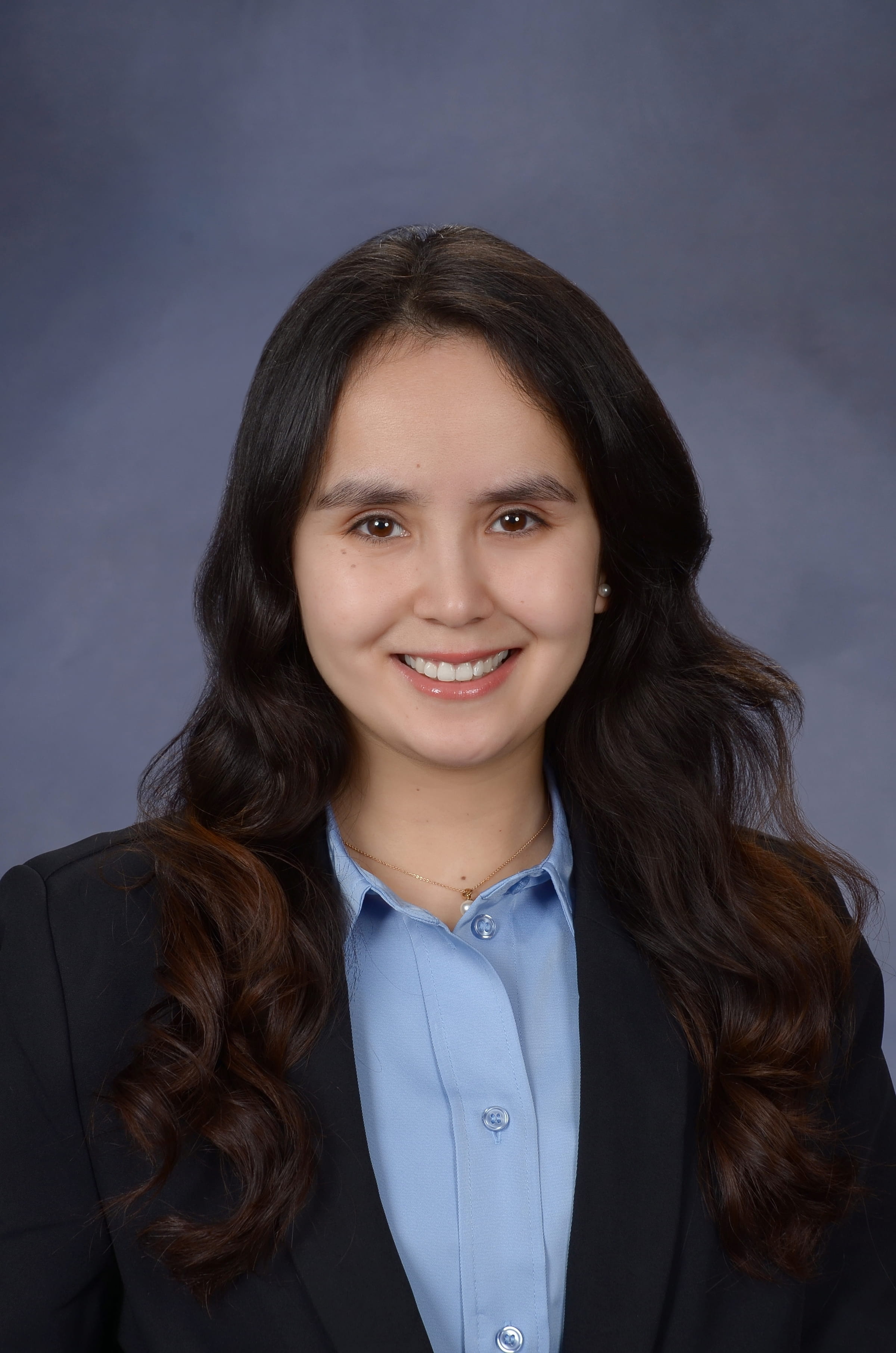
Tamana Ghaznawi
Senior Director, Healthcare Systems Orchestration
B.S. Biological Sciences; M.P.H., Cornell University

Shukria Sakhi
Practice Leader, Cultural Compliance Bureau
B.A. Public Health; M.P.H., Brown University
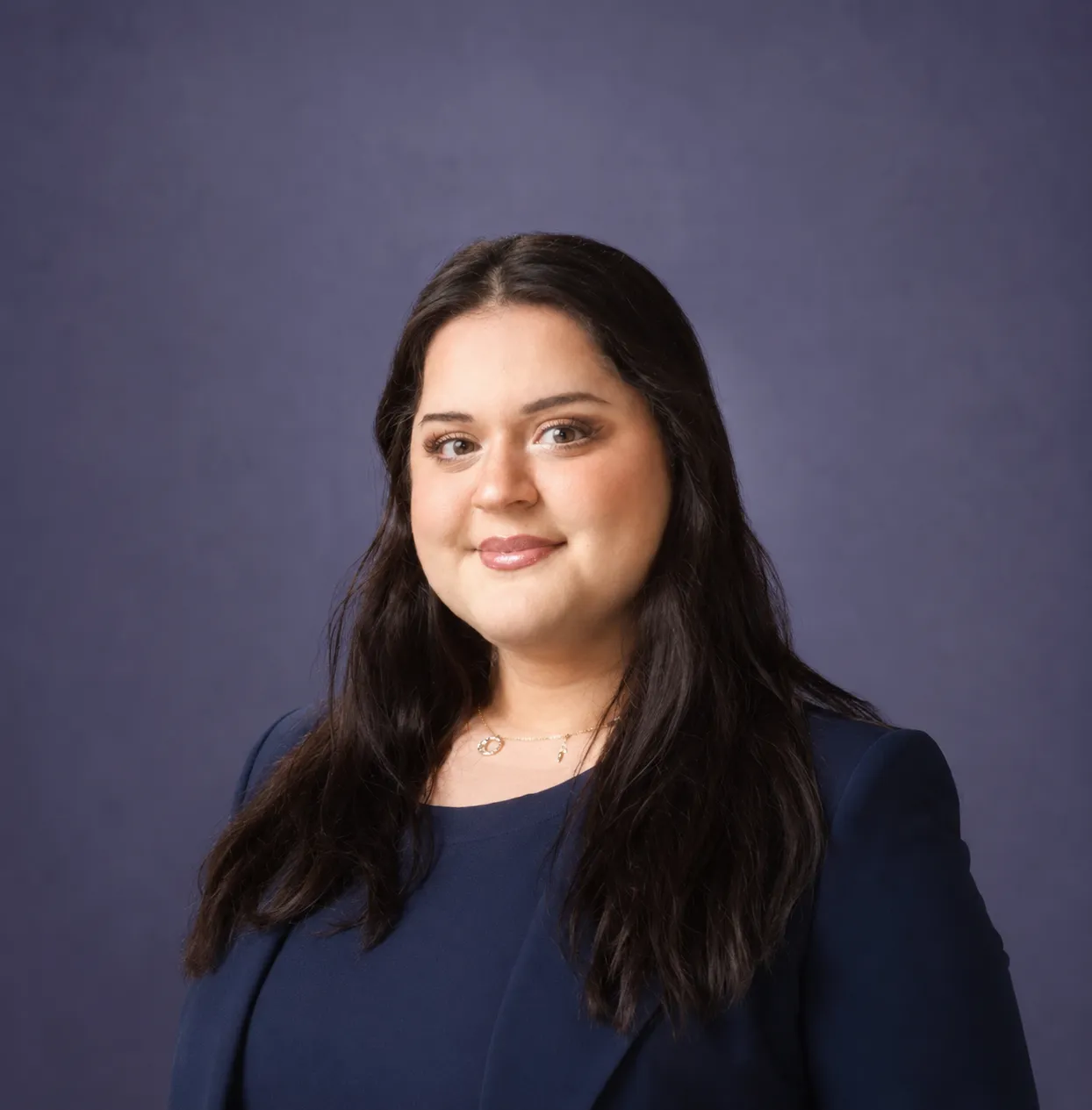
Maryam Safi
Principal, Healthcare Research
B.A., Cornell University
Questions health systems ask
How do we get Pashto and Dari medical interpreters for our hospital?
Tell us the setting, the languages, and the notice you can give. We hold a standing bench in Pashto and Dari and source the remaining Afghan languages on defined notice. Assignments are matched by dialect and, where the encounter calls for it, by interpreter gender. Each one returns a validation record you can file.
Can a Farsi interpreter cover a Dari patient visit?
Often poorly. Afghanistan Dari and Iranian Persian differ in everyday vocabulary, register, and clinical terms, and the mismatch is where encounters quietly fail. Booking Farsi against a Dari request is the most common substitution in this market. We staff Afghan interpreters and match the dialect — Kabuli, Herati, Badakhshani, or Hazaragi, a dialect of Dari.
Does Section 1557 require a qualified interpreter for Afghan patients?
Yes. 45 CFR 92.201 requires covered entities to take reasonable steps to provide meaningful access for limited-English-proficient patients, and a bilingual relative or the patient's child is not a qualified interpreter. The June 2, 2026 Notice of Vacatur (91 FR 32887) left the language provisions in force.
Can we request a female Pashto interpreter, or match the patient's dialect?
Yes, and both are worth requesting. In obstetric, behavioral health, and sexual-assault encounters, many Afghan women will not disclose through a male interpreter, and the clinical record suffers for it. Dialect matters too: Kandahari, eastern, and central Pashto differ enough to change meaning. Name the need when you book.
How much does a Pashto interpreter cost?
It depends on modality, notice, and duration — on-site work costs more than phone or video, and short-notice coverage more than scheduled. We price per engagement rather than publishing a rate card, because dialect and gender matching change who can take the assignment. Ask for a scoped quote and you will get one.
Our chart says the patient speaks “Afghani” or “Pashtun” — which language is that?
Neither is a language. Afghani is the currency of Afghanistan; the people and the adjective are Afghan. Pashtun is the people — the language is Pashto. A chart reading “Afghani” usually means Pashto or Dari, and the safest next step is to ask the patient which one they speak, and which dialect.
The rule will change again. Your file will be ready.
Request a confidential briefingFull assurance index at /assurance/evidence-index