Clinical Trial Informed Consent and Recruitment Materials Translation — Pashto and Dari
Ariana Nexus translates informed consent forms, assent forms and participant recruitment materials into Pashto and Dari for sponsors, CROs, research sites and IRBs. Health-trained Afghan linguists translate, a second linguist reviews, an independent translator back-translates, and every study receives a certificate of translation accuracy for IRB submission.
Anatomy of a Pashto or Dari consent form: what we do in every section
Specimen layout. Title lines in Pashto and Dari read right to left.
Key information
Written first and plainest, as the Common Rule requires, in sentences most readers can follow.Why the study is being done
Research terms such as “investigational” explained in everyday Pashto or Dari.What will happen
Visits and procedures kept in the same order and numbering as your English form.Risks and discomforts
Probability words fixed in the study glossary, so “rare” and “common” mean the same thing everywhere.Possible benefits
No overstated promises; benefit wording checked against the source by the back translator.Your choices
Voluntary participation and the right to stop, stated simply and without pressure.Privacy and your information
Who sees information, what is recorded and what leaves the study, in plain words.Payment and costs
Amounts, schedules and reimbursements rendered exactly, with the numerals your participants read.Contacts and questions
Names, phone numbers and IRB contacts checked character by character.Signatures
Signature, date, witness and interpreter lines placed as your IRB approves, including for the short form route.
Why Pashto and Dari consent translations fail — at the IRB and with participants
A consent form can pass a spell-check and still fail the person who signs it. These are the four failures we see most often in Afghan-language research materials.
Dari delivered as Iranian Farsi
Dari and Iranian Persian share a script, not a clinical vocabulary. An Afghan reader who meets Tehran words for doctor, medicine and participant may sign a form that feels foreign and is only partly understood.A written form for participants who read little
UNESCO estimates adult literacy in Afghanistan at 37 percent, and about 23 percent among women. For many participants the written consent must travel with a spoken version: audio, video or a discussion with a qualified interpreter.Risk wording that shifts meaning
Phrases such as “may occur,” “unlikely” and “cannot be ruled out” carry scientific weight. Rendered loosely, a rare side effect can sound certain and a common one remote. We fix probability wording before translation starts.Questions of trust left unanswered
Many Afghan families arrived after war and displacement. A consent form has to say plainly who sees their information, what is recorded and how to stop, in words that inform without alarming.
Adult literacy in Afghanistan
Pashto and Dari, matched to where your participants are from
Pashto and Dari are Afghanistan's two principal languages, and many Afghans speak one at home and read the other. We recommend one, the other or both after looking at your participants' regions, ages and schooling.
Dari
Dari is not Farsi: clinical words that change between Iran and Afghanistan
Examples only. Each study's glossary is set with your team before translation begins.
Enrolling speakers of Uzbeki, Turkmeni, Balochi or another Afghan language? We scope them with the same method. Several Afghan languages have no settled written standard; for those, consent moves by recorded audio and interpreter-supported discussion under your IRB-approved process.
هر ګډونوال حق لري چې د څېړنې معلومات په خپله ژبه ترلاسه کړي.هر اشتراککننده حق دارد معلومات تحقیق را به زبان خودش دریافت کند.Every participant has the right to receive research information in their own language.
Consent forms, recruitment materials and study documents we translate into Pashto and Dari
Informed consent documents
- Informed consent forms (ICFs), including the key information section
- Parental permission and pediatric assent forms
- HIPAA authorizations for research
- Short form consents and oral-presentation summaries
- Re-consent forms and addenda after protocol amendments
- Consent for future use, biobanking and genetic research
Recruitment materials
- IRB-approved advertisements, flyers and posters
- Social media posts and community radio scripts
- Messaging-app announcements for community groups
- Pre-screening questionnaires and phone scripts
- Study web pages and referral letters
Participant study materials
- Visit schedules, reminders and text messages
- Diaries, dosing and self-report instructions
- Payment and reimbursement notices
- Wallet cards, contact sheets and withdrawal forms
- Plain-language summaries of study results
Spoken and digital formats
- eConsent screens and multimedia scripts
- Audio consent recordings and voice-over
- Subtitles for consent and recruitment video
- Teach-back and comprehension questions
- Focus group guides and survey instruments
Matched by dialect, gender and health education — not just bilingual
A bilingual speaker can read both texts. A matched linguist knows how a family from Kandahar or Herat will read yours.
Dialect and region
Gender, where it matters
Health-sciences education
Research literacy
Diaspora experience
Reading level
How we translate an informed consent form into Pashto or Dari
Scope the source
We read the IRB-approved English, flag locked and ambiguous language, and confirm languages, varieties, reading level and formats.Build the study glossary
Protocol terms, drug names and probability wording are fixed in Pashto and Dari before translation starts, then reused in every document and amendment.Translate for meaning
A health-trained native linguist translates into plain, natural Pashto or Dari.Review independently
A second linguist checks accuracy, completeness, terminology and tone against the English source.Back-translate blind
A translator who has not seen the English source renders the Pashto or Dari back into English.Reconcile and record
Every difference is resolved and logged, so your team can see each decision in the reconciliation report.Check with native readers
Readers of the target variety confirm the text is clear. Structured comprehension testing (cognitive debriefing) is available for higher-risk studies.Lay out, certify and version
Right-to-left layout in your template, a certificate of translation accuracy, and version numbers matched to your English source.

What arrives with every consent translation
Translated documents
Word and PDF files with right-to-left layout, in your template, with your version numbers.Certificate of translation accuracy
Signed, with the qualifications of the translators and the reviewer.Back-translation and reconciliation report
A line-level English rendering with every decision recorded.Study glossary
Approved terms in English, Pashto and Dari, reused across amendments.Version log
Each translated file mapped to its English source version for your IRB.Audio and video files
Recorded in the matched variety when spoken formats are part of the scope.
The rules that call for translated consent
This summary helps you plan. Your IRB decides what your study requires.
Why sponsors, CROs and research sites choose Ariana Nexus
Where no certification exists, we set the standard.
No U.S. certification exam tests translation from English into Pashto or Dari. So we built the standard ourselves: degree-holding Afghan linguists, assessed in the exact variety they translate, trained in ethics and HIPAA, with a second linguist on every document. We extend that training to Afghan diaspora interpreters and students beyond our own team.
A consulting firm, not a vendor
Led by scholars of leading universities
Afghan-led and community-rooted
One firm, one point of accountability
Security built for research data
People write consent. Technology checks it.
The team behind your Pashto and Dari consent translations
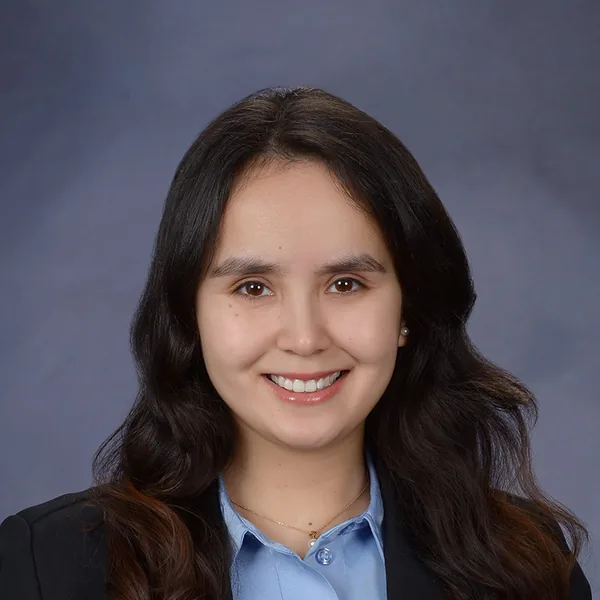
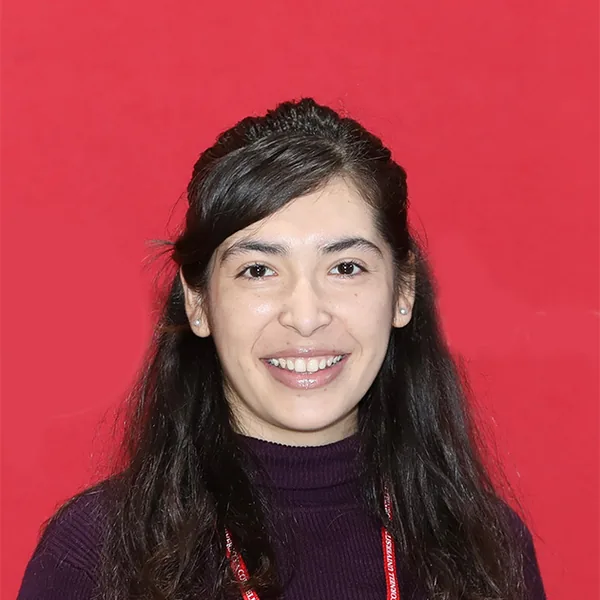
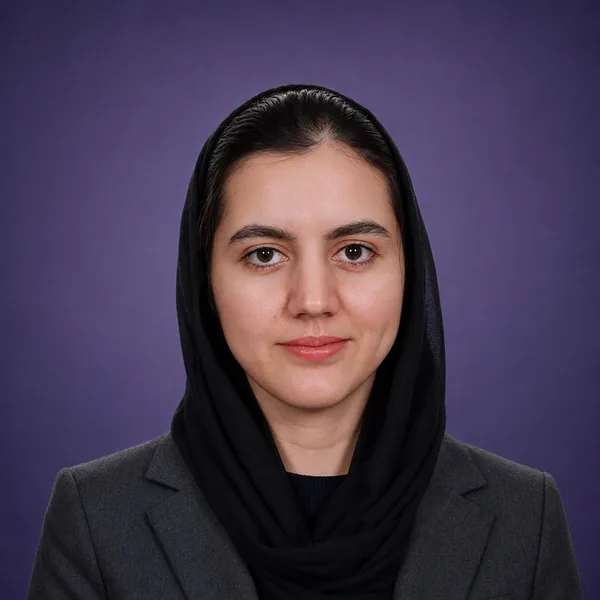
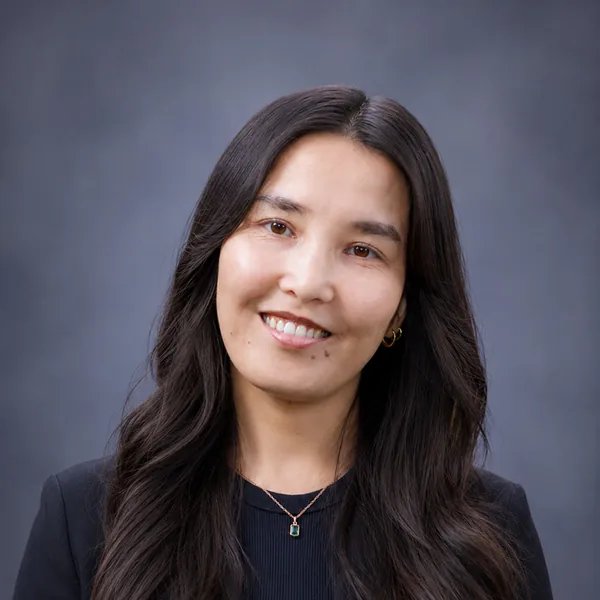
Your study is guided by a team trained at Cornell, Brown, West Chester University and the University of British Columbia, and delivered by a bench of degree-holding Afghan linguists.

Tamana Ghaznawi
- B.S.Cornell University
- M.P.H.Cornell University

Diana Ayubi
- B.A.Cornell University
- Psy.D.West Chester University

Zeba Haqbani
- B.Sc.University of British Columbia

Shukria Sakhi
- B.A.Brown University
- M.P.H.Brown University
The linguist bench
Native Pashto and Dari linguists, each with a college degree, assessed in the variety they translate, trained in ethics and annual HIPAA, and reviewed by a second linguist on every document.
Who we work with
Pharmaceutical, biotech and medical device sponsors
Consent and recruitment packages that stay consistent across sites, countries and amendments.Contract research organizations
One Afghan-language partner for every study in your portfolio.Academic medical centers and research sites
IRB-ready translations for investigator-initiated studies that enroll Afghan patients.IRBs and human research protection programs
Qualified translators and certificates your reviewers can rely on.Public health and community researchers
Surveys, focus group guides and consent for Afghan refugee and diaspora health studies.eConsent and decentralized trial platforms
Pashto and Dari content for screens, apps, video and text messages.
Research areas we support
- Mental health and PTSD
- Maternal and reproductive health
- Infectious disease and vaccines
- Diabetes and heart disease
- Cancer
- Pediatrics
- Genetics and biobanking
- Public health surveys
Questions research teams ask about Pashto and Dari consent translation
Do IRBs require a certified translation of a consent form into Pashto or Dari?
Federal rules require consent information in language the participant understands, and Section 1557 requires a qualified translator when a recipient of HHS funding runs the research. None of them names a certification. Most IRBs ask for a certificate or attestation of accuracy, and every Ariana Nexus consent translation comes with a signed certificate of translation accuracy.
Is Dari the same as Farsi for a consent form?
No. Dari and Iranian Persian share a script and most grammar, but everyday clinical words differ. Afghan readers expect داکتر for doctor and دوا for medicine, not the Iranian پزشک and دارو. A Farsi consent form can read as foreign to an Afghan participant, so we translate into Afghanistan's Dari.
Should our study translate into Pashto, Dari or both?
Often both. Pashto and Dari are Afghanistan's two principal languages, and many Afghans speak one at home and read the other. We look at where your participants come from, their ages and their schooling, then recommend the languages and spoken varieties to use.
Does our IRB need a back translation?
FDA and Common Rule regulations do not require one, but many sponsors and IRBs expect it for consent forms. We include an independent, blind back translation and a reconciliation report with every informed consent translation, so reviewers can compare meaning line by line.
Can we use a short form consent for Pashto or Dari speakers?
The short form route in 45 CFR 46.117(b)(2) and 21 CFR 50.27(b)(2) is for unexpected enrollment: an oral presentation, a witness and an IRB-approved written summary. In FDA-regulated studies, FDA's 2023 guidance says the full consent should then be translated promptly, approved by the IRB and given to the participant as soon as possible. We translate short forms in advance and move the full consent on a priority track.
How do you support participants who cannot read Pashto or Dari?
Many Afghan adults, especially women, had little chance to attend school. We pair the written consent with audio or video in the participant's variety, plain scripts and teach-back questions for the consent discussion, and qualified Pashto and Dari medical interpreters when your IRB-approved process calls for one.
Can Afghan women participants work with women linguists and interpreters?
Yes. On request, women linguists review sensitive content, record voice-overs and run comprehension checks for women's health, reproductive and mental-health studies, and women interpreters join consent discussions. Pashto marks gender in its grammar, so materials addressed to women are written in the correct forms.
How long does it take to translate an informed consent form into Pashto or Dari?
It depends on length, the number of documents and varieties, and whether back translation and audio are included. We confirm a delivery date in writing with your quote, plan around your IRB submission, and offer a priority track for short-form follow-ups and urgent amendments.
How much does informed consent translation cost?
We quote a fixed price per study after reviewing word count, languages and varieties, back translation, layout, audio or video, and deadlines. Sponsors and CROs with several studies or frequent amendments can use program or framework pricing.
Do you use machine translation or AI for consent forms?
Qualified people translate and review every participant-facing sentence. We use technology to keep terminology consistent and to confirm nothing was missed, never to write consent language. Where Section 1557 applies, machine translation of critical health information must be reviewed by a qualified human translator, and a consent form is critical information.
How do you keep study documents and participant data secure?
We sign an NDA before files move and a business associate agreement whenever protected health information is involved. Files are handled only by Ariana Nexus's own team in access-controlled systems and are never routed through channels controlled by the de facto authorities in Afghanistan.
Do you support trauma-informed consent for studies with Afghan refugees and war-affected participants?
Yes. For research on PTSD, moral injury (sometimes searched as moral trauma), depression and other effects of the Afghan war and displacement, we write consent language that is calm and specific about recording, data sharing and the right to stop, and that avoids words carrying stigma in Afghan communities.
Is there a U.S. certification for Pashto or Dari translators?
No U.S. certification exam tests translation from English into Pashto or Dari. We built our own standard: every linguist holds a college degree, is assessed in the variety they translate, completes ethics and annual HIPAA training, and has each document reviewed by a second linguist.
Plan your Pashto and Dari consent translation
Send your IRB-approved English documents under NDA. We reply with a scope, a timeline and a fixed quote.