
Medical Interpreters for Hospitals and Clinics — Pashto, Dari, and 22 More Afghan Languages
Ariana Nexus provides trained Pashto and Dari medical interpreters to hospitals and clinics, on site, by video, and by phone, across all 24 Afghan languages. Every interpreter is matched to the patient's language, dialect, region, and gender, holds a college degree, and for clinical assignments holds a degree close to medicine.
Request interpreters- 24Afghan languages, Pashto and Dari first
- 3ways to work: on site, video remote, over the phone
- 5matching dimensions: language, dialect, region, gender, clinical background
- 1firm, in-house, from Washington, D.C. — no subcontractors
Where the national line fails an Afghan patient
Most hospital language programs cover Spanish in depth and route everything else to a national phone or video line. For an Afghan patient that line often returns an Iranian Persian speaker for a Dari request, a male interpreter for a woman in labor, or a bilingual with no medical training. The encounter is recorded as complete.
Afghan patients rarely complain, fill in a survey, or send an email. They say everything is fine, and they do not come back. The service on this page closes that gap with interpreters who are matched to the patient and trained for the clinic.

Five things we match before an interpreter is sent
A bilingual employee can speak the language. A medical interpreter has to carry a diagnosis, a consent conversation, and a discharge instruction across two languages without adding or dropping anything, in the dialect the patient actually speaks. We match on five dimensions.
Language
All 24 Afghan languages. A Dari request is answered by an Afghan Dari speaker, never by Iranian Persian presented as Dari.Dialect
Pashto: Central, Kandahari, Eastern, and Southeastern. Dari: Kabuli, Herati, Mazari, Badakhshi, and Hazaragi, which we staff separately.Region
A patient from Herat and a patient from Kandahar do not speak alike. Where it changes the encounter, we match the city or province.Gender
Female interpreters for women's health and behavioral health whenever the patient or the care team asks; the requested gender is honored in every setting.Clinical background
Every interpreter holds a college degree. For clinical encounters we assign interpreters whose degree sits close to medicine, so terminology is understood, not just repeated.
Every interpreter has completed formal medical interpreter training and HIPAA training, and works to the National Council on Interpreting in Health Care code of ethics. We will not send you a bilingual.
What is included
On-site medical interpreting
Scheduled appointments, inpatient rounds, procedures, consent conversations, and family meetings. Washington, D.C., Maryland, and Virginia, and other cities by arrangement.Video remote interpreting (VRI)
On demand for Pashto and Dari, scheduled for the other languages, on your existing VRI cart or telehealth platform.Over-the-phone interpreting (OPI)
Triage, scheduling, pharmacy counseling, results calls, and after-hours coverage.Encounter documentation
Interpreter, language, dialect, modality, and duration logged for every encounter, so your Section 1557 file writes itself.Written patient materials
After-visit summaries, discharge instructions, consent forms, and patient-education sheets in Afghan Dari and Pashto, with certified English back-translation.Care-team briefing
A short orientation for clinicians and front-desk staff when a program starts: names, families, gender, and what an Afghan patient will not say unprompted.
Who this is for
Hospitals and clinics use Ariana Nexus where Afghan patients are part of the population they serve: as a scheduled bench for high-volume sites, or as the Afghan-language line behind an existing national vendor.
Hospitals and health systems
Emergency, inpatient, surgical, and outpatient services.Community health centers and FQHCs
Primary care, prenatal care, and chronic-disease follow-up.Labor and delivery and women's health
Female interpreters available for every encounter.Behavioral health programs
Interpreters briefed on how Afghan patients talk, and do not talk, about mental health.Oncology, dialysis, and long courses of care
The same interpreter across visits wherever the schedule allows.Pediatrics and family medicine
Interpreters comfortable working with a parent and a child in the same room.Telehealth and digital health
Video interpreting inside your existing virtual-visit platform.Refugee health screening and resettlement clinics
Initial screenings, vaccinations, and referrals for newly arrived families.
The 24 Afghan languages
Pashto and Dari first, then 22 more. Hazaragi is counted among the 24 as a variety of Dari that we staff separately, because a Hazara patient from Bamyan and a Kabuli Dari speaker do not always understand each other in a clinical conversation.
Iranian
- Pashtoپښتو
- Dariدری
- Hazaragi (a variety of Dari)هزارگی
- Balochiبلوچی
- Aimaqایماق
- Ormuriاورموړی
- Parachiپراچی
- Wakhiوخی
- Shughniشغنی
- Sanglechiسنگلیچی
- Ishkashimiاشکاشمی
- Munjiمونجی
- Yidghaیدغه
Turkic
- Uzbekiاوزبیکی
- Turkmeniترکمنی
- Kyrgyzقرغیزی
Indo-Aryan
- Pashayiپشهیی
- Gawarbatiگواربتی
- Tirahiتیراهی
Nuristani
- Nuristani (Ashkun group)نورستانی
- Katiکتی
- Prasunپرسون
- Waigaliویگلی
Dravidian
- Brahuiبراهویی
Why Ariana Nexus
Where no certification exists, we set the standard.
No U.S. certification body offers a language-specific medical interpreter credential in Pashto, Dari, or any other Afghan language. Ariana Nexus fills that gap. We train and assess Afghan-language medical interpreters against our own standard: formal medical interpreter training, HIPAA training, the NCIHC code of ethics, and dialect review by our Cultural Compliance Bureau. Our own bench works to it, and so do the interpreters we train for other organizations.
Interpreters are one part of a program, not a line item. Six things a hospital gets here that a national vendor line does not.
Interpreters, not bilinguals
Formal medical interpreter training, HIPAA training, the NCIHC code of ethics, and a college degree behind every interpreter.Afghan Dari, matched dialect
A Dari request is answered by an Afghan Dari speaker. A Kandahari patient hears Kandahari Pashto.Gender, honored
A female interpreter for a woman in labor or in a behavioral health visit, on request and without a wait for an exception.Led by scholars, run from Washington, D.C.
A firm from the Afghan community led by alumni of Cornell, Brown, the University of Chicago, and the University of British Columbia.One firm, one point of accountability
No subcontractors, no brokered interpreters, no offshore call center. No operations in Afghanistan, and nothing routed through channels controlled by the authorities there.Beyond the encounter
Afghan-language patient materials, care-team briefings, integrative mental health programs, telehealth localization, and Section 1557 advisory from the same team.
How we deliver
One request, one interpreter, one record. The same four steps for a scheduled visit and an emergency.
- 1
Request
Through your language services desk, the request form, or the interpreter line. Tell us the language, the setting, and any dialect or gender requirement. - 2
Match
We assign from our own bench, not a marketplace: language, dialect, region, gender, and clinical background, and we keep the same interpreter across a patient's course of care wherever the schedule allows. - 3
Encounter
On site, on your video cart, or by phone. The interpreter transmits everything said, completely and accurately, and flags cultural context to the clinician when it changes the clinical picture. - 4
Record
An encounter log for your Section 1557 file, a quality review on every new interpreter's first assignments, and one accountable contact at the firm.
Standards this service is built to
Section 1557 of the Affordable Care Act, 45 CFR Part 92
Title VI of the Civil Rights Act of 1964
HIPAA Privacy and Security Rules
The Joint Commission (RI.01.01.03, PC.02.01.21) and CMS Conditions of Participation, 42 CFR § 482.13
National CLAS Standards 5–8 and the NCIHC National Code of Ethics
Why trained interpreters, in numbers
Errors with potential clinical consequence, by who interpreted
The team behind this service
The healthcare practice is run by public health and psychology graduates from the Afghan community, not by a staffing desk. They set the matching standard, review every new interpreter, and take the call when something goes wrong.
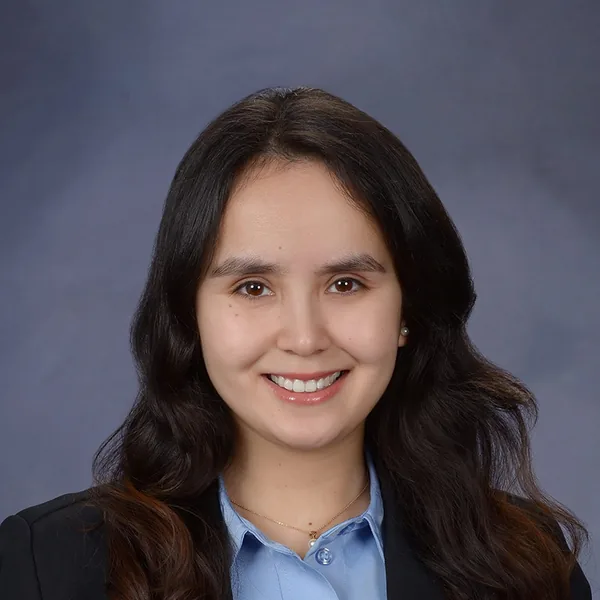
Tamana Ghaznawi
Director, Healthcare SystemsB.S. Cornell UniversityM.P.H. Cornell University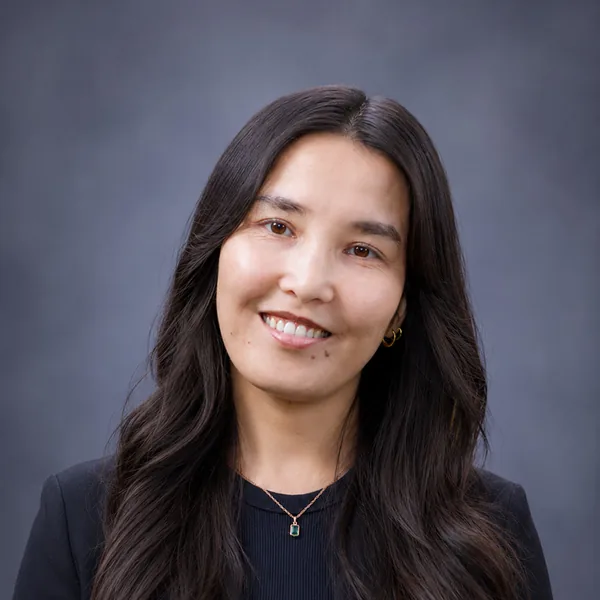
Shukria Sakhi
Partner, AdvisoryB.S. Brown UniversityM.P.H. Brown University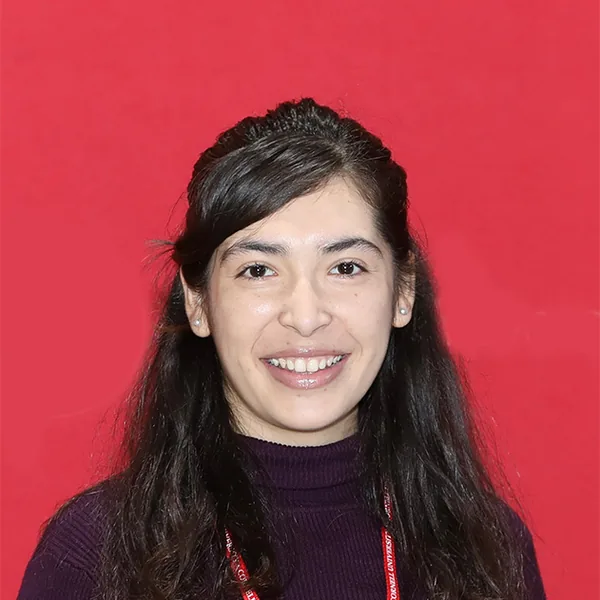
Diana Ayubi
Principal, Mental Health ProgramsB.A. Cornell UniversityPsy.D. West Chester University
Questions hospitals ask
Are your Pashto and Dari medical interpreters certified?
What is the difference between Dari and Farsi, and can a Farsi interpreter interpret for an Afghan patient?
Can we request a female interpreter?
Do you provide video remote and over-the-phone interpreting?
Which Afghan languages do you cover?
Where do you provide on-site interpreters?
Do you sign a Business Associate Agreement?
How do you document encounters for Section 1557?
Do you subcontract interpreters?
How is the service priced?
Do you train Afghan-language medical interpreters?
Related services
Request Pashto and Dari medical interpreters
Tell us the language, the setting, and when you need it. An NDA and a Business Associate Agreement are signed before any patient information is shared.