
Health Plan Member Materials Translationfor Medicaid and Medicare Advantage Plans — Pashto, Dari and 22 More Afghan Languages
Ariana Nexus translates what Medicaid managed care plans, Medicare Advantage organizations, Part D sponsors and dual eligible special needs plans send to Afghan members: Evidence of Coverage, Annual Notice of Change, handbooks, directories, and denial and appeal notices. Every file goes into Pashto, Dari or one of 22 more Afghan languages, is checked by a second linguist, and is set right to left for print, web and audio.
For language access, compliance, member communications and operations teams at Medicaid managed care organizations, Medicare Advantage organizations, Part D sponsors and D-SNPs.
Evidence of Coverage PashtoAnnual Notice of Change DariSummary of Benefits English sourceDenial notice PashtoProvider directory DariMember handbook Uzbeki audio edition

The rules and numbers at a glance
- 5%
- Medicare Advantage plans must translate required materials into any language that is the primary language of at least 5% of a plan benefit package's service area.42 CFR 422.2267(a)(2)
- Standing
- Once a plan knows a member's primary language, required materials in a threshold language must keep reaching that member in it.42 CFR 422.2267(a)(3)
- Prevalent
- Medicaid plans translate handbooks, provider directories, appeal and grievance notices, and denial and termination notices into each language the state names as prevalent.42 CFR 438.10(d)(3)
- 15
- Plans covered by Section 1557 give notice of free language help in English and at least the 15 languages most spoken by people with limited English in each state they serve.45 CFR 92.11(b)
- Both
- Integrated dual eligible special needs plans meet the Medicare standard and their state's Medicaid translation standard.42 CFR 422.2267(a)(4)
- Sept 30
- Members must receive the Annual Notice of Change by September 30; the Evidence of Coverage is due by October 15.42 CFR 422.2267(e)(1), (e)(3)
- Persian
- Census language tables count Dari inside “Persian (incl. Farsi, Dari)” and give Pashto no row of its own.ACS table B16001
- 24
- Afghan languages we deliver, from Pashto and Dari to Brahui, in writing or as recorded audio.Ariana Nexus
Member materials we translate into Pashto and Dari
Every required member material, from the plan-year set to the letter that must go out today. Standardized CMS documents keep their required order and content; we translate them without changing structure.

Evidence of Coverage
Summary of Benefits
Formulary
Provider and pharmacy directories
Explanation of Benefits
Enrollee handbook
Provider directory
Adverse benefit determination notice
Termination and disenrollment notice
Integrated Denial Notice
Notice of Medicare Non-Coverage
Notice of Appeal Status
Appointment of Representative
Integrated Medicare and Medicaid materials
Individualized care plan
Health risk assessment
Notice of availability
Medicaid taglines
Phone menu and call scripts
The full list, by group
Medicare Advantage and Part D plan-year set
- Annual Notice of Change (ANOC)
- Evidence of Coverage (EOC)
- Summary of Benefits
- Formulary (drug list)
- Provider and pharmacy directories
- Pre-Enrollment Checklist
- Enrollment and election forms
- Part C and Part D Explanations of Benefits
Medicaid managed care
- Enrollee handbook
- Provider directory
- Welcome kits and new-member letters
- Notices of adverse benefit determination
- Appeal, grievance and state fair hearing notices
- Termination and disenrollment notices
- Care management and EPSDT outreach letters
Determinations, denials and appeals
- Integrated Denial Notice
- Organization determination notices
- Notice of Medicare Non-Coverage and Detailed Explanation of Non-Coverage
- Notice of Appeal Status and Notice of Dismissal
- Appointment of Representative form
- Part D coverage determination and redetermination notices
Dual eligible special needs plans
- Integrated Medicare and Medicaid materials
- Medicaid benefits summary
- Individualized care plans
- Health risk assessments
- Member ID card inserts
Notices, taglines and outreach
- Section 1557 notice of availability and nondiscrimination notice
- Medicaid taglines
- Notice of privacy practices
- Mid-year change, provider termination and non-renewal notices
- Member portal, app and text message content
- Phone menu and call center scripts
- Member experience surveys
The member ID card is the one required Medicare Advantage material the rule exempts from translation (42 CFR 422.2267(e)(30)(vi)). A short Pashto or Dari insert explaining the card still saves calls.
Why Afghan members miss what their health plan sends
Most plans already translate into Spanish, Chinese and Vietnamese. Afghan members, many of them part of an Afghan diaspora that has grown quickly since 2021, fall through four gaps: the data hides them, the wrong Persian reaches them, U.S. coverage terms have no Afghan equivalent, and a printed letter does not reach members who read little. Each gap can be closed.

The census hides them
Dari speakers are counted inside the Census Bureau's “Persian (incl. Farsi, Dari)” group, and Pashto has no row of its own. A threshold analysis built on published tables can miss a Pashto or Dari population that is really there. Your enrollment and call records tell the truer story.
They receive Iranian Persian
Farsi and Dari share a script and most grammar, so vendors often send Farsi. Afghan readers notice at once: the words for hospital, medicine, health insurance and interpreter differ, and the letter reads as written for someone else.
U.S. coverage has no Afghan equivalent
Afghanistan has no managed care system. Premium, deductible, prior authorization, network, formulary and grievance each need a defined term and a plain explanation, the same in every letter, every year.
Paper alone does not reach everyone
Adult literacy in Afghanistan is low, and lowest among women, so many older members, dual eligible elders among them, depend on family to read their mail. Audio, video and phone formats reach them. A deadline on page six does not.
When a notice is not understood, the plan still owns the outcome: missed appeal windows, avoidable grievances, care gaps, member complaints, and findings in a CMS program audit or a state readiness review.
The literacy figures behind this sit on our patient document translation page. Patient document translation
Pashto, Dari and 22 more Afghan languages
We translate into all 24 Afghan languages in five families. Pashto, Dari, Uzbeki, Turkmeni and Balochi are delivered in writing and as audio. Languages spoken more than written are delivered as recorded audio, with the written text in Pashto or Dari.
- پښتوPashtopus
- دریDariprs
- هزارگیHazaragi (a variety of Dari)haz
- ایماقیAimaqaiq
- بلوچیBalochibal
- اورمړیOrmurioru
- پراچیParachiprc
- وخیWakhiwbl
- شغنیShughnisgh
- سنگلیچیSanglechisgy
- اشکاشمیIshkashimiisk
- منجیMunjimnj
- یدغهYidghaydg
- اوزبیکیUzbekiuzs
- ترکمنیTurkmenituk
- قرغیزیKyrgyzkir
- پشهییPashayiaee, glh, psh, psi
- گواربتیGawarbatigwt
- تیراهیTirahitra
- اشکونNuristani (Ashkun group)ask
- کتیKatibsh
- پارونPrasunprn
- وایگلیWaigaliwbk
- براهوییBrahuibrh
Pashto and Dari varieties
Pashto
Written in standard Pashto that Kandahari, central and eastern speakers all read; audio recorded in the variety your members speak.
Dari
Written in Afghan Dari, never Iranian Persian; audio in Kabuli, Herati or Hazaragi, as your members need.
Afghan Dari is not Farsi
English
Pashto
Afghan Dari
Iranian Persian (Farsi)
Hospital
روغتون
شفاخانه
بیمارستان
Medicine
درمل
دوا
دارو
Health insurance
روغتیايي بیمه
بیمهٔ صحی
بیمهٔ درمانی
Health center
روغتیايي مرکز
مرکز صحی
درمانگاه
Emergency
بېړنی حالت
حالت عاجل
اورژانس
Interpreter
ژباړونکی
ترجمان
مترجم شفاهی
Everyday health words in Pashto, Afghan Dari and Iranian Persian. Written Farsi and Dari are close enough that the difference is easy to miss, and plain to every Afghan reader.
What an Afghan member reads
Pashto
پام وکړئ: که ستاسو ژبه پښتو وي، د ژبې د مرستې خدمتونه تاسو ته وړیا دي. مهرباني وکړئ د خپل غړیتوب کارت پر شا د غړو د خدمتونو شمېرې ته زنګ ووهئ.
Dari
توجه: اگر زبان شما دری است، خدمات کمک زبانی برای شما رایگان است. لطفاً به شمارهٔ خدمات اعضا که در پشت کارت عضویت شما درج است، زنگ بزنید.
A language-help tagline in Pashto and Dari, of the kind Medicaid rules require on critical materials.
Matched to the member, not only the language
A bilingual speaker is not a translator. Every file goes to linguists matched on seven points.
Afghan language standard
Afghan Dari and standard written Pashto, never Iranian Persian or unreviewed machine output.Variety and region
Kandahari, central or eastern Pashto; Kabuli, Herati or Hazaragi Dari, for audio, community review and member testing.Gender
Women translate, review and voice maternity, family planning and women's health materials, and member testers are matched by gender.Subject education
Degree-holding linguists matched by field: public health and medicine for clinical content, law and policy for rights and appeal language.U.S. health plan knowledge
Trained in Medicaid, Medicare Parts A through D, prior authorization and appeals, so a deductible reads as a deductible.Reading level
Plain language first, in sentences short enough for a family member to read aloud.Continuity
The same linguists and termbase every plan year, so the ANOC, the EOC and every notice use the same words.
How we translate member materials
Eight steps, the same for every file, with a record kept at each one.
Language needs review
We read your enrollment, call and interpreter data beside census tables to confirm which Afghan languages your members read, by service area and state.Source readiness
We check the English for undefined terms and long sentences, and mark the variable fields in each letter template.Plan termbase
We lock one Pashto and one Dari term for every managed care concept, aligned with your state's defined terms and CMS model language.Translation
A qualified translator matched by subject and variety translates the file.Independent review
A second qualified linguist checks the translation against the English, line by line.Right-to-left typesetting
We set the file right to left, keep phone numbers, member IDs and dates reading correctly, and tag the PDF for screen readers.Member testing
For high-impact files, Afghan community reviewers matched by gender and variety confirm that members understand the actions and deadlines.Release and record
You receive print, web and audio files with a translation record: linguists, review dates, version and certificate of accuracy.
Three review levels
Standard
Translation, independent review and a typesetting check.
For: Outreach, reminders and directory updates
Critical
Adds a terminology lock, a plain-language check and a typeset proof review.
For: ANOC, EOC, handbooks and plan notices
High-risk
Adds back-translation and member testing.
For: Denial and appeal templates and first-year plan documents
The plan-year translation calendar
Medicare Advantage runs on fixed dates. Pashto and Dari files that are not ready before October cannot be mailed on time, so we schedule backward from each deadline. Medicaid runs on your state contract, with notices every day.
June
Bids are due and plan changes settle. We refresh your termbase and letter templates.July to August
English source files lock. Pashto and Dari ANOC and EOC are translated, reviewed and set.September 30
Members must have received the Annual Notice of Change.October 1
Marketing for the new plan year begins, with a translated Summary of Benefits ready.October 15
Evidence of Coverage, directories and formulary are due; the Annual Election Period opens.December 7
The Annual Election Period closes.January 1
The new plan year starts, with Pashto and Dari welcome kits and notices from the first day.
Medicaid: handbooks go out at enrollment, members hear about significant changes 30 days ahead, electronic directories update within 30 days, and your state sets the prevalent-language list.
When a member asks for a printed copy under CMS's electronic delivery rules, the plan has three business days to mail it (42 CFR 422.2267(d)(2)). A Pashto file that does not exist yet cannot meet that clock.
Medicaid and Medicare Advantage translation requirements
Five federal rules decide what a plan translates, into which languages, and when. Each is stated here in plain words; your state contract and CMS guidance add their own detail.
Rule
What it requires
Applies to
42 CFR 422.2267(a)(2)–(4)
Translate required materials into any language that is the primary language of at least 5% of a plan benefit package's service area; keep sending them in that language once the member's language is known; integrated D-SNPs also follow the state Medicaid standard.
Medicare Advantage organizations and D-SNPs
42 CFR 423.2267(a)
The same 5% threshold and standing-request rule for Part D materials, including the formulary and Part D notices.
Part D sponsors and MA-PD plans
42 CFR 438.10(d)
The state names its prevalent languages. Plans translate provider directories, enrollee handbooks, appeal and grievance notices, and denial and termination notices into them, add taglines in a conspicuously visible font size, and offer free oral interpretation in every language.
Medicaid managed care plans
45 CFR 92.11
A notice that free language help is available, in English and at least the state's 15 most common limited-English languages, sent every year and with explanations of benefits, denial and appeal notices, member handbooks and complaint forms.
Plans covered by Section 1557, including Medicaid and Medicare Advantage plans
42 CFR 422.2267(e)(31), removed
CMS's CY 2027 final rule (April 2026) removed the Medicare Advantage rule's own notice-of-availability paragraph, pointing plans to the same obligation HHS enforces under Section 1557, which remains in force.
Medicare Advantage and Part D (423.2267(e)(33))
Executive Order 14224 (March 2025) designated English as the official language and revoked Executive Order 13166. The regulations above, Title VI and Section 1557 remain in force. This is general information, not legal advice; your counsel and your contracts govern.
For members who do not read Pashto or Dari
A written translation meets the rule; it does not always reach the member. We also produce the formats Afghan members use.
Recorded audio
Pashto and Dari audio of ANOC highlights, notices and handbook sections, linked from the printed letter by QR code.Short video
Plain explanations of benefits, appeals and the Annual Election Period, voiced by Afghan speakers.Phone scripts and menus
Member services scripts and phone menu recordings in Pashto and Dari, so the call matches the letter.Accessible files
Tagged PDFs and web text that screen readers can read in right-to-left script, with large print on request.


Machine translation and AI
Federal rules require a qualified human translator to review machine translation of critical content (45 CFR 92.201(c)(3)). We use AI to check terminology, numbers and dates, and never release an unreviewed Pashto or Dari file.
How we are different
Why health plans choose Ariana Nexus
Degree-holding Afghan linguists, one accountable team, and a way of working built around the plan year.
Where no certification exists, we set the standard
No U.S. certification exam tests translation from English into Pashto or Dari, and the national medical interpreter credentials offer no Pashto or Dari performance exam. Ariana Nexus assesses every linguist in the variety they work in, trains them in U.S. health coverage, and extends that training to Afghan diaspora interpreters and students beyond our own team.
Our own people, end to end
Translation, review, typesetting, audio and testing are done by Ariana Nexus staff. No subcontractors, one point of accountability.Afghan Dari, every time
We never send Iranian Persian to Afghan members and never mix the two in one file.Built around your plan year
Deadlines set the schedule, and translated templates make daily notices fast.Evidence for audits
Every file carries a record of who translated and reviewed it, when, and which version was released.Protected member data
A Business Associate Agreement is signed before any file arrives, templates keep most member data out of translation, and no work passes through Afghanistan.All 24 Afghan languages
When a member speaks Uzbeki, Turkmeni or a Pamir language, the same team delivers it.
The team behind the work
Health plan translation at Ariana Nexus is led by alumni and scholars of Cornell University, Brown University, West Chester University and the University of British Columbia: people who know Afghan members, their languages and U.S. coverage from the inside, not bilingual contractors found through a directory.
One accountable lead
A Senior Partner owns every health plan engagement, from the language review to release.Specialists by document
Clinical, behavioral health and rights language each goes to the specialist trained for it.Systems that remember
Your termbase, templates and records carry from one plan year to the next.
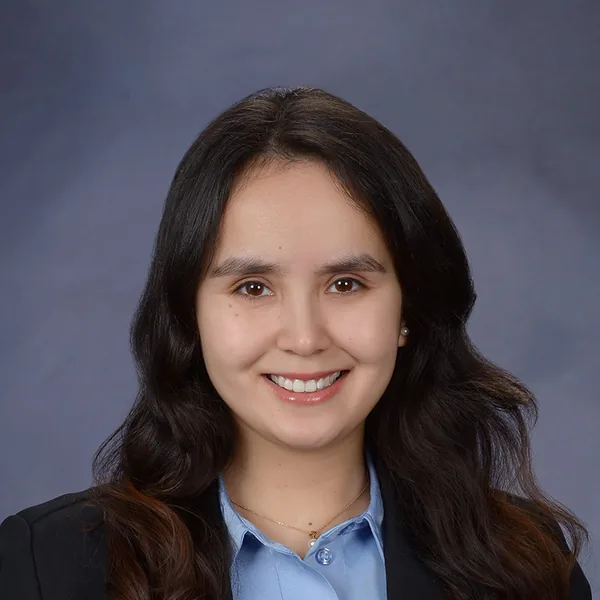
Tamana Ghaznawi
Senior Partner
- B.S.Cornell University
- M.P.H.Cornell University
Leads the healthcare practice and is accountable for every health plan engagement. Lived in Kabul.
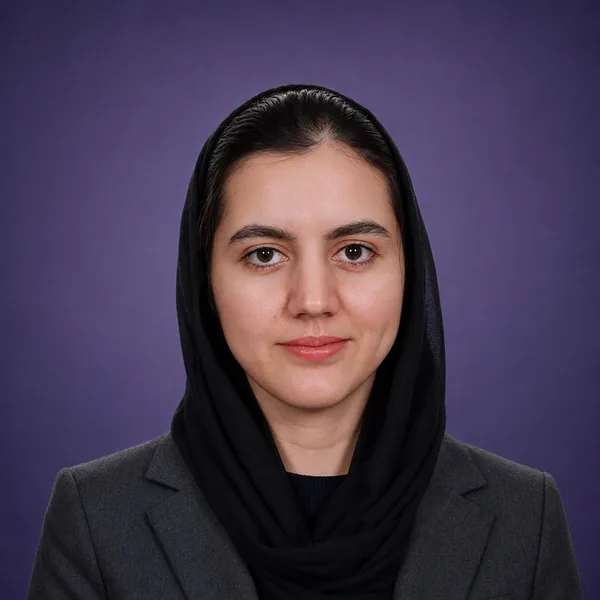
Zeba Haqbani
Senior Partner
- B.Sc.University of British Columbia
Builds the systems behind the work: termbases, translation memory and the record kept for each file. Lived in Kabul.
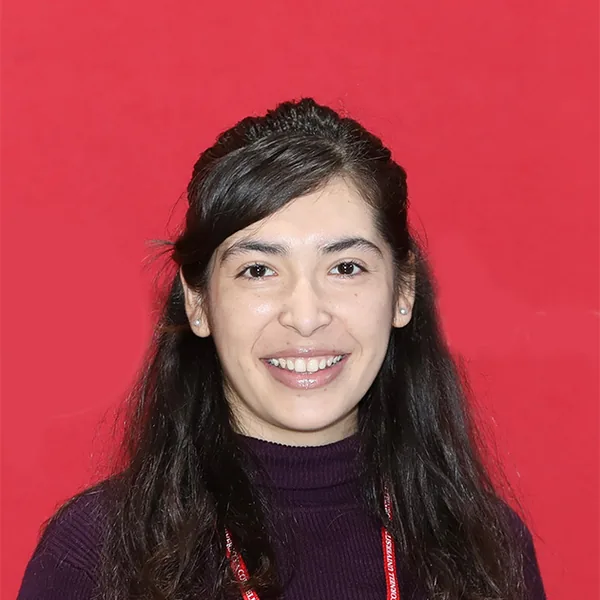
Diana Ayubi
Engagement Manager
- B.A.Cornell University
- Psy.D.West Chester University
Leads the review of behavioral health and trauma-related member materials. Lived in Kabul.
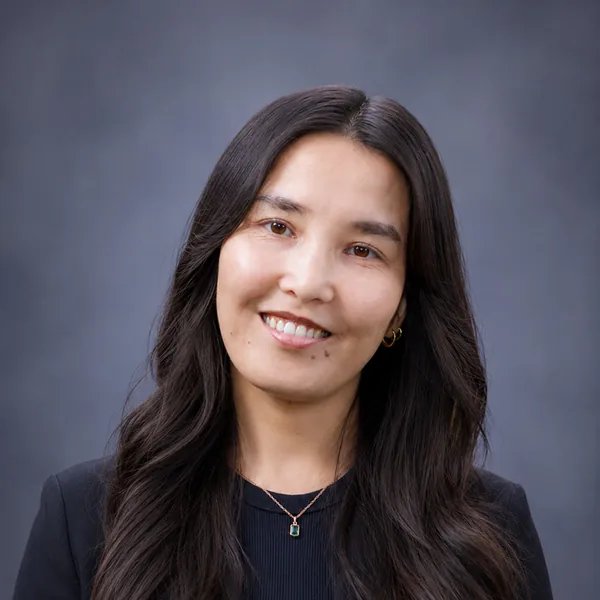
Shukria Sakhi
Engagement Manager
- B.A.Brown University
- M.P.H.Brown University
Public-health trained. Leads engagement delivery across clinical and public-sector programs, including interpreter scheduling standards and encounter records.
- Firm
- Ariana Nexus, founded 2025
- Headquarters
- 1717 Pennsylvania Avenue NW, 10th Floor, Washington, D.C. 20006
- Registration
- SAM.gov active, UEI M2UDMUDFXGL9, CAGE 1Z3A3
Ways to work with us
Plan-year program
Your ANOC, EOC, Summary of Benefits, directories and formulary in Pashto and Dari each year, with a standing-request library ready before October.Notices on demand
Your approved letter templates translated once, so each denial, appeal or termination notice needs only its variable fields translated and reviewed.Language needs review
A fixed-scope review of your member data and service areas that shows which Afghan languages your members need, and in which formats.
Questions health plans ask
Do Medicare Advantage plans have to translate member materials into Pashto or Dari?
Yes, when Pashto or Dari is the primary language of at least 5% of the people in a plan benefit package's service area (42 CFR 422.2267(a)(2)). Once the plan knows a member's primary language, required materials in that language must keep reaching the member. Integrated D-SNPs must also meet their state's Medicaid translation standard.
Which member materials must a Medicaid managed care plan translate?
At a minimum, provider directories, enrollee handbooks, appeal and grievance notices, and denial and termination notices, in every language the state names as prevalent in the plan's service area (42 CFR 438.10(d)(3)). Critical materials also carry taglines, and oral interpretation must be free in every language.
How do we know whether Pashto or Dari is a threshold or prevalent language for our plan?
Start with your own enrollment, call center and interpreter records. Census tables count Dari inside “Persian (incl. Farsi, Dari)” and give Pashto no row of its own, so they undercount both. Our language needs review combines your data with census tables and state lists, by service area.
Is Dari the same as Farsi? Can we send Farsi translations to Afghan members?
No. Dari and Iranian Persian (Farsi) share a script and most grammar, but health vocabulary and phrasing differ, and Afghan members recognize Farsi at once. Send Afghan Dari to Dari readers. We never substitute one for the other.
Are your Pashto and Dari translators certified?
No U.S. certification exam tests translation from English into Pashto or Dari, so we set the standard ourselves: every linguist is assessed in the variety they work in, trained in U.S. health coverage, and checked by a second linguist on every file. Each file you receive comes with a certificate of accuracy.
Does the Section 1557 notice of availability still apply to Medicare Advantage plans?
Yes. CMS's CY 2027 final rule removed the Medicare Advantage rule's own notice paragraph and pointed plans to the same HHS obligation. Under 45 CFR 92.11, covered plans give the notice in English and at least the 15 most common limited-English languages in each state where they operate.
Can you deliver Pashto and Dari ANOC and EOC files in time for September 30 and October 15?
Yes, when English source files lock on schedule. We plan backward from your mail dates, translate and set the files in August and early September, and hand over print-ready Pashto and Dari files alongside your English versions.
How fast can you translate a denial or appeal notice?
Once your approved templates are translated, a single notice needs only its variable fields, such as the reason, the service and the dates, translated and reviewed. For Pashto and Dari that is typically the same business day, which suits expedited decisions.
Can we use machine translation or AI for Pashto and Dari member letters?
Only with human review. Federal rules require a qualified human translator to review machine translation of critical content (45 CFR 92.201(c)(3)), and machine Pashto and Dari often mistranslate coverage terms. We use AI for checks, never for unreviewed release.
What about Afghan members who cannot read Pashto or Dari?
We record audio, short videos and phone scripts in their language, linked from the printed letter by QR code, and provide large print and accessible files. Free oral interpretation in any language remains available to members under Medicaid rules and Section 1557.
Do you match translators by gender and dialect?
Yes. Women translate, review and voice women's health materials, and member testers are matched by gender and variety. Written files use standard Pashto and Afghan Dari that every variety reads; audio is recorded in the variety your members speak.
How do you translate behavioral health materials for Afghan members affected by war?
With trauma-informed wording reviewed by our behavioral health lead. Many Afghan members lived through the Afghan war, displacement and moral trauma, also called moral injury, and stigma shapes how they read mental health benefits. For interpreting in care, see our mental health and trauma-informed interpreting service.
Do the 2026 federal eligibility changes affect our Afghan members?
Some of them. From October 1, 2026, federal Medicaid eligibility for noncitizens narrows to lawful permanent residents and a few other groups, so Afghan humanitarian parolees who have not adjusted status are affected, while Special Immigrant Visa holders, admitted as permanent residents, are not. Medicare enrollees outside the eligible groups lose coverage on January 4, 2027. Termination and renewal notices must still reach members in their language. This is general information, not legal advice.
In Pashto and Dari
Pashto
اریانا نکسس د مېډیکېډ او مېډیکېر اډوانټېج روغتیايي پلانونو لپاره د غړو اسناد، لکه د پوښښ سند، د کلني بدلون خبرتیا او د رد او استیناف لیکونه، په پښتو، دري او ۲۲ نورو افغاني ژبو ژباړي. هر سند زموږ خپل ژباړونکي ژباړي، بل ژباړونکی یې بیا کتنه کوي، او د غړو د پوهېدو لپاره ازمویل کېږي.
Dari
آریانا نکسس اسناد اعضای پلانهای صحی مدیکید و مدیکیر ادونتیج، مانند سند پوشش، اطلاعیهٔ سالانهٔ تغییرات و نامههای رد و استیناف را به پشتو، دری و ۲۲ زبان دیگر افغانستان ترجمه میکند. هر سند را مترجمان خود ما ترجمه میکنند، مترجم دیگری آن را بازبینی میکند و برای فهم اعضا آزمایش میشود.
Related services
Send us your member materials
We sign a nondisclosure agreement and a Business Associate Agreement before you share a single file.