
Patient Document TranslationDischarge Instructions, Consent Forms and Vital Documents — Pashto, Dari and 22 More Afghan Languages
Ariana Nexus translates discharge instructions, informed consent forms and other vital patient documents into Pashto, Dari and 22 more Afghan languages. Each document is translated by a qualified human translator matched to the patient's language, dialect and region, then independently reviewed before it reaches the patient.
For hospitals, clinics, health plans, research teams and public health programs serving Afghan patients and families, including refugees, evacuees and Special Immigrant Visa holders, across the United States.

In short
- What we do
Translate discharge instructions, consent forms and vital documents for Afghan patients.
- Who it is for
Hospitals, clinics, health plans, research teams and public health programs.
- What keeps it safe
Qualified human translators, a second reviewer, and audio for patients who do not read.
At a glance
- Documents
- Discharge instructions, after-visit summaries, informed consent, medication instructions, rights notices, financial assistance documents and patient education
- Languages
- Pashto, Dari and 22 more Afghan languages, delivered written, as recorded audio, or both
- Translated by
- Qualified human translators. Never unreviewed machine output
- Matched to
- Language, dialect and region, clinical subject matter, and translator gender on request
- Quality
- Independent second-linguist review on every document; back-translation for consent forms
- Formats
- Print-ready PDF, editable Word, EHR-ready text, and recorded audio with a QR link
- Compliance
- Built to 45 CFR 92.201. Business Associate Agreement signed before any patient information is shared
- Turnaround
- Same day for urgent Pashto and Dari discharge instructions; most documents in one to three business days
- Delivered by
- Ariana Nexus's own team, from intake to delivery, with no subcontractors
Why patient documents fail Afghan patients
A discharge sheet only protects a patient who can read and understand it. For many Afghan patients, the English page goes home unread, a machine draft reads like Iranian Farsi, or the patient cannot read at all. Each gap returns later as a missed dose, an unsigned form or an unplanned visit.
In short
Unreviewed machine drafts, Iranian wording, low literacy and hard English sources are the four ways patient documents fail Afghan patients.

Machine drafts are not safe on their own
Free translation tools lose meaning in medical instructions, and accuracy falls sharply in the language closest to Dari. Federal rules require a qualified human to review machine translation of critical documents.

Farsi is not Dari
Afghan patients read Afghan Dari. Iranian Persian uses different words for hospital, pharmacy, nurse and instructions, so a Farsi translation reads as foreign at the moment accuracy matters most.

Many patients cannot read the translation
Adult literacy in Afghanistan is low, and lowest among women and older adults. A written translation alone does not reach them, so the spoken version matters as much as the page.

The English source is already too hard
Consent forms are routinely written above the reading level their own institutions set. A faithful translation of a hard sentence is still a hard sentence, so the source needs attention first.
Taira et al., Journal of General Internal Medicine, 2021
UNESCO Institute for Lifelong Learning, 2022
Paasche-Orlow et al., New England Journal of Medicine, 2003
For patients who cannot read the page
In short
Patients who cannot read get a recorded version in their own variety, in a matched voice.
Many Afghan patients, especially older women, never had the chance to learn to read. We record the translated document in the patient's own variety, in a matched voice, and print a QR code on the page so the family can listen at home as often as they need.
- Recorded audio in Pashto, Dari and the spoken Afghan languages, reviewed by a second speaker
- A QR code on the printed page, linked to the recording hosted on your website or patient portal
- A short read-aloud script your interpreters can use when they review the document with the patient
A written translation does not replace an interpreter at discharge. It goes home with the patient after that conversation.

هغه اسناد چې موږ یې ژباړواسنادی که ترجمه میکنیم
Patient documents we translate into Pashto, Dari and 22 more Afghan languages
In short
Any document that explains care, asks for a decision, or affects a patient's rights or costs.
Discharge and care transitions
- Discharge instructions
- After-visit summaries
- Medication lists, dosing schedules and prescription instructions
- Post-operative and wound care instructions
- Follow-up appointment and referral letters
- Home health and care plans
Consent and patient rights
- Informed consent for surgery, anesthesia, procedures and blood transfusion
- Research consent forms and short-form consent documents
- HIPAA authorization forms and Notice of Privacy Practices
- Patient rights and responsibilities
- Advance directives and medical power of attorney
Vital notices, billing and coverage
- Notices of nondiscrimination and language assistance
- Financial assistance policy, application and plain-language summary
- Billing statements and collection notices
- Eligibility, denial and appeal notices from health plans
- Complaint and grievance forms
Clinical and patient education
- Prenatal, postpartum and newborn care
- Pediatric dosing and vaccination information
- Diabetes, hypertension and chronic-care guides
- Behavioral health intake forms, safety plans and care plans, translated with a trauma-informed approach
- Lab result letters and patient portal messages
Records translated into English
- Pashto and Dari medical records, prescriptions and vaccination cards from Afghanistan and Pakistan, translated into English for clinicians, schools and immigration medical exams
ژبېزبانها
Afghan languages we translate: Pashto, Dari and 22 more
Twenty-four languages in five families, following the Ariana 24-Language Atlas. Pashto and Dari are written in their Afghan standards and matched to the patient's spoken variety.
In short
Pashto, Dari and 22 more Afghan languages: written where patients read, recorded where they listen.
Pashto
پښتو
Standard Afghan Pashto on the page; wording and the recording follow Kandahari, central, eastern or Khost varieties.
Written and audio
Dari
دری
Afghan Dari on the page, never Iranian Persian; the recording follows Kabuli, Herati or Hazaragi speech.
Written and audio
The 22 more Afghan languages
Iranian
- Hazaragiهزارگی
- Aimaqایماق
- Balochiبلوچی
- Ormuriاورموری
- Parachiپراچی
- Wakhiوخی
- Shughniشغنی
- Sanglechiسنگلیچی
- Ishkashimiاشکاشمی
- Munjiمنجی
- Yidghaیدغه
Turkic
- Uzbekiاوزبیکی
- Turkmeniترکمنی
- Kyrgyzقرغیزی
Indo-Aryan
- Pashayiپشهیی
- Gawarbatiگواربتی
- Tirahiتیراهی
Nuristani
- Nuristani (Ashkun group)نورستانی (اشکون)
- Katiکتی
- Prasunپارون
- Waigaliوایگلی
Dravidian
- Brahuiبراهویی
Native-script names are conventional renderings. Several of these languages have no standardized written form, which is why we deliver them as recorded spoken translations, reviewed by a second speaker of the same variety, with a written version where the patient reads one.
Afghan Dari is not Iranian Farsi
Matched to the patient, not only to the language
In short
We match language, dialect, region, gender, clinical subject and reading level.
Language and written standard
Pashto and Dari in their Afghan written standards, and Afghan Uzbeki and Turkmeni rather than the standards of neighboring countries.
Dialect and region
Wording and the recorded version follow where the patient is from: Kandahari or central Pashto; Kabuli, Herati or Hazaragi Dari.
Gender
A woman translator and a woman's voice for maternity and women's health documents by default, and for any other document on request.
Clinical subject matter
Clinical documents go to translators with health-science education who know the terms and how U.S. care works, not only the language.
Reading level
Plain wording the patient can use, with medical terms explained the way Afghan families say them.
Continuity
The same team stays on your account, so terms stay consistent across every document you send.
زموږ د کار طریقهروش کار ما
How we translate a patient document
One discharge sheet, from the clinician's shorthand to a reviewed Pashto and Dari version the family can read or hear.
In short
Eight steps, at least two of our people on every document, and a record for your compliance file.
Discharge instructions
English source, as written
Take 1 tab PO BID with food x 7 days
Agreed with your team: Take 1 tablet by mouth twice a day, with food, for 7 days.Pashto
د ۷ ورځو لپاره، هره ورځ دوه ځله یوه ګولۍ له خوړو سره د خولې له لارې وخورئ.
Dari
برای ۷ روز، روزانه دو بار یک تابلیت را همراه با غذا از راه دهن بخورید.
Doses, days and meaning checked by a second linguistFollow-up date, both calendars
مراجعهٔ بعدی: ۷ میزان ۱۴۰۵ (29 September 2026)
Note sent to your team: the patient may be fasting; confirm how to take the dose with food.

Recorded audio in the patient's variety. Certificate of accuracy. Register entry: discharge instructions, Pashto and Afghan Dari, version 1, September 15, 2026.
Step 1 of 8
Secure intake under a BAA
We sign your Business Associate Agreement before any patient information is shared, receive files through a secure channel, and confirm language, variety and deadline.
Step 2 of 8
Risk tiering
Each document is tiered by what depends on it. Consent, discharge and rights documents take the full review path.
Step 3 of 8
Source check
We flag abbreviations, unclear dosing and hard reading level in the English before translation starts, and agree fixes with your team.
Step 4 of 8
Terminology
Your approved terms join our Pashto and Dari clinical glossaries, so drug names, units and procedures read the same way every time.
Step 5 of 8
Translation
A qualified translator matched to the language, dialect and subject matter translates the document.
Step 6 of 8
Independent review
A second linguist checks meaning, completeness, numbers, doses, dates and names against the English. Consent forms are also back-translated and reconciled.
Step 7 of 8
Cultural review and typesetting
Our Cultural Compliance Bureau reviews tone and cultural fit. Right-to-left layout, numerals and dates are set so nothing reverses or breaks.
Step 8 of 8
Delivery and record
You receive print, digital and audio files with a certificate of accuracy, and an entry for your translated-materials list: language, version and date of issue.
What we need from you
- The English file, in its editable form if you have it
- The patient's language, and their region or dialect if you know it
- Your deadline, and whether the patient reads
- Your approved clinical terms, if you keep a list
Review depth follows risk
No tier receives unreviewed machine translation.
Already using machine translation or AI?
When your EHR or an AI tool produces a draft, federal rules require a qualified human translator to review critical documents. We review machine-translated Pashto and Dari line by line, correct them to the Afghan standard, and document the review.
ولې آریانا نکسسچرا آریانا نکسس
What makes Ariana Nexus different for Afghan patient documents
ATA certification, the main U.S. credential for translators, offers no exam for translating English into Pashto or Dari, so we set the standard ourselves. We are a consulting and professional services firm with an Afghan language practice, not a pool of bilinguals.
A firm, not a pool of bilinguals
Our team is led by alumni and scholars of Cornell University, Brown University, the University of Chicago and the University of British Columbia. Translators hold college degrees.
A standard where none exists
We train our own translators and interpreters, and Afghan diaspora interpreters and students beyond our team. Every translator is tested in writing, in the exact variety they translate, against the qualified-translator definition in 45 CFR 92.4.
Afghan by background and by standard
Our people come from the Afghan diaspora these patients belong to. We know which Pashto a family from Kandahar or Khost will read, and we write Afghan Dari, not Iranian Farsi.
One firm, one point of accountability
Every step is done by our own people. We do not subcontract, broker or resell translation.
Built for the compliance file
Certificates of accuracy, review records and translated-materials entries that match what 45 CFR 92.8(d) asks you to keep.
Culture reviewed, not assumed
Our Cultural Compliance Bureau reviews tone, modesty, family roles and religious practice, so instructions about fasting, diet or examinations land as intended.
Nothing routed through Afghanistan
Patient documents are never sent to or processed in Afghanistan. The firm has no operations there, by design.
موږ څوک یوما کی هستیم
The team behind Ariana Nexus patient document translation
Patient document programs are led by the healthcare practice and supported by the firm's systems and data teams.
In short
Led by the healthcare practice, with alumni of Cornell, Brown, the University of Chicago and UBC.
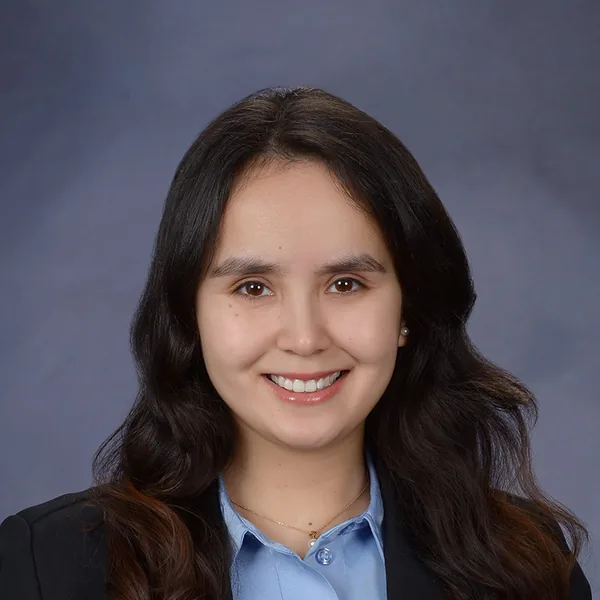
Tamana Ghaznawi
- B.S.Cornell University
- M.P.H.Cornell University
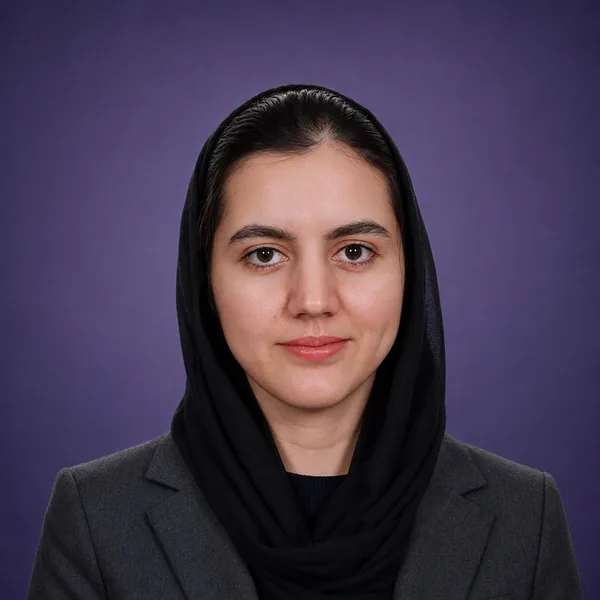
Zeba Haqbani
- B.Sc.University of British Columbia
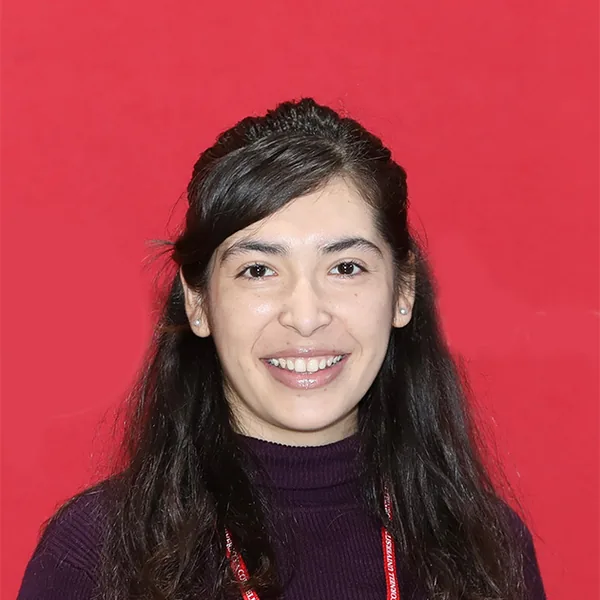
Diana Ayubi
- B.A.Cornell University
- Psy.D.West Chester University
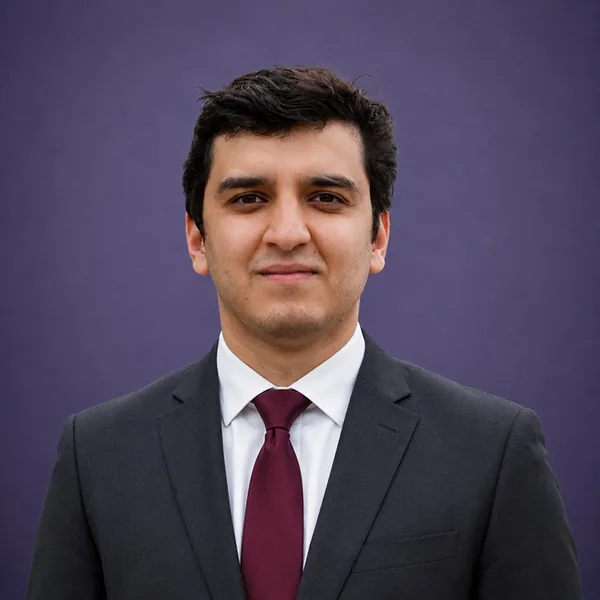
Hussain Ahmad
- M.Eng.Cornell University
- Ph.D.University of Chicago
How our people work
Every document passes through at least two of our people before it reaches a patient: the translator who writes it and the reviewer who checks it against the English. Neither is a volunteer, a family member or a bilingual employee pulled from another job. Both are trained to the same written standard, in the same variety, under the same confidentiality obligations.
Rules this service is built to meet
In short
Built to Section 1557 and to the rules for research consent, financial assistance and health plans.
Status as of September 2026: Executive Order 14224 revoked Executive Order 13166, and several federal agencies have withdrawn their language access guidance. The regulations above remain in force, alongside Title VI and state law. This is general information, not legal advice.
Ways to work with us
In short
One document, a template library, or an annual program.
Single documents and urgent discharge sets
One document or a batch, quoted before work starts, with same-day handling for urgent Pashto and Dari discharge instructions.
Template library
Your most-used discharge, consent and education templates, translated once, kept under version control and updated when the English changes.
Annual document program
An inventory of your patient-facing documents, a risk-tiered translation plan, audio versions, and a maintained translated-materials register for your language access procedures.
Related services
پوښتنېسوالات
Questions providers ask about Pashto and Dari document translation
What is patient document translation?
Patient document translation is the written translation of documents that explain care or affect a patient's rights, such as discharge instructions, consent forms, medication instructions and billing notices. Ariana Nexus translates them into Pashto, Dari and 22 more Afghan languages, with human review and audio versions for patients who do not read.
Do hospitals have to translate discharge instructions into Pashto or Dari?
Under Section 1557 of the Affordable Care Act, covered health programs must take reasonable steps to give patients with limited English proficiency meaningful access, and must use a qualified translator when translation is required (45 CFR 92.201). Whether a given document must be translated depends on how many Pashto or Dari speakers you serve and how much depends on the document. This is general information, not legal advice.
Can we use Google Translate or AI to translate patient instructions into Pashto or Dari?
Not on its own. Federal rules require a qualified human translator to review machine translation of critical or technical documents (45 CFR 92.201(c)(3)). In a 2021 study, Google Translate kept the meaning of only 67.5% of emergency discharge instructions in Farsi, the language closest to Dari that was tested. We review machine drafts and correct them to the Afghan standard.
Is Dari the same as Farsi? Can a Farsi translator translate for Afghan patients?
Dari and Iranian Persian are closely related but differ in everyday and medical vocabulary. An Afghan patient reads شفاخانه for hospital and دواخانه for pharmacy, not the Iranian بیمارستان and داروخانه. We translate into Afghan Dari with translators who grew up with it.
Which documents count as vital documents in a hospital?
Vital documents are the ones a patient needs to receive care, make a decision or protect their rights: consent forms, discharge and medication instructions, notices of rights and language assistance, financial assistance documents, complaint forms, and notices about eligibility or denial of services. We help you inventory and tier them by risk.
How long does it take to translate a consent form into Pashto or Dari?
Most consent forms take one to three business days, including independent review. Back-translation for research consent adds time, and recorded audio adds a day. Urgent Pashto and Dari discharge instructions can be returned the same day.
How do you translate documents for Afghan patients who cannot read?
We record the translated document in the patient's own variety, in a matched voice, and print a QR code on the page that opens the recording. For languages without a common written form, the recording is the translation, reviewed by a second speaker of the same variety.
Which Pashto dialect do you translate into?
We write standard Afghan Pashto that readers across regions recognize, then match wording and the recorded version to the patient's variety, such as Kandahari, central, eastern or Khost Pashto.
Do you provide certified translations and back-translation for IRB consent forms?
Yes. Research consent documents receive translation, independent review and back-translation into English, reconciled line by line, with a signed certificate of accuracy for your IRB file.
Is your medical document translation HIPAA compliant? Do you sign a BAA?
Yes. We sign a Business Associate Agreement before any patient information is shared, transfer files through secure channels, limit access to the assigned team, and never send documents to, or process them in, Afghanistan.
Can you translate Afghan medical records and vaccination cards into English?
Yes. We translate Pashto and Dari medical records, prescriptions and vaccination cards from Afghanistan and Pakistan into English for clinicians, schools and immigration medical exams, with a certificate of accuracy.
Do you translate trauma-related and behavioral health documents for Afghan patients?
Yes. Behavioral health intake forms, safety plans and care plans are translated with a trauma-informed approach that respects experiences of war, displacement and moral injury, and are reviewed by our behavioral health lead.
How much does Pashto or Dari medical document translation cost?
Cost depends on the language, length, review depth, audio needs and turnaround. We quote per word or per document before work starts, and template programs lower the cost of documents you reuse.
Patient document translation in Pashto and Dari
پښتو
د ناروغانو د اسنادو ژباړه
آریانا نکسس د روغتون څخه د رخصتۍ لارښوونې، د رضایت فورمې او نور مهم روغتیايي اسناد په پښتو، دري او د افغانستان په ۲۲ نورو ژبو ژباړي. هره ژباړه د یوه وړ ژباړونکي له خوا چې د ناروغ له ژبې او لهجې سره سمون لري ترسره کېږي، او مخکې له دې چې ناروغ ته ورسېږي بیا کتل کېږي.
دری
ترجمهٔ اسناد مریضان
آریانا نکسس هدایات رخصت شدن از شفاخانه، فورمهای رضایتنامه و سایر اسناد مهم صحی را به پشتو، دری و ۲۲ زبان دیگر افغانستان ترجمه میکند. هر ترجمه توسط یک ترجمان واجد شرایط که با زبان و لهجهٔ مریض هماهنگ است انجام میشود و پیش از رسیدن به دست مریض دوباره بررسی میگردد.
Start a patient document translation
Send your documents under a signed BAA and NDA. We confirm language, variety, review path and delivery date before any work begins.