
Mental Health and Trauma-Informed Interpreting for Afghan Patients — Pashto, Dari, and 22 More Afghan Languages
Ariana Nexus provides trauma-informed mental health interpreters for Afghan patients in Pashto, Dari and 22 more Afghan languages. Every interpreter is a university graduate trained for psychiatric, psychological and trauma-focused sessions, matched to the patient’s dialect, gender and clinical setting, and delivered in-house from Washington, D.C. — on site nationwide and by secure video.
Request an interpreterKey facts
- Languages24 Afghan languages. Pashto and Dari (including Hazaragi) on demand; 22 more by scheduled request.
- ModalitiesOn site nationwide, secure video (VRI) and telephone (OPI).
- MatchingDialect, gender, clinical background, community distance and continuity.
- InterpretersUniversity graduates trained for mental health and trauma-focused sessions; located in the United States.
- ComplianceHIPAA Business Associate Agreement before the first encounter; Section 1557 qualified interpreters; NCIHC code of ethics.
- DeliveryIn-house — no subcontractors; one engagement, one point of accountability. Washington, D.C.
- RecordAn encounter record for every session: language, variety, interpreter ID, modality, connect time, duration.
Key messages for clinicians and administrators
- Pashtoد افغان ناروغانو لپاره د رواني روغتیا او تروما ته پام لرونکي ترجمانان — پښتو، دري او ۲۲ نورې افغاني ژبې
- Dariترجمانان صحت روانی و آگاه از تروما برای مریضان افغان — پشتو، دری و ۲۲ زبان دیگر افغانی
What Afghan patients carry into the room
More than 180,000 Afghans have resettled in the United States since August 2021, joining communities in Northern Virginia, California, Texas and across the country. Many arrived through the evacuation, Special Immigrant Visa and humanitarian parole routes; many are still waiting on immigration decisions, or on family members left behind.
Clinicians see the results: post-traumatic stress, depression and anxiety after decades of the Afghan war; grief and survivor’s guilt after the evacuation; moral injury among former interpreters and soldiers who served alongside U.S. forces; family separation; and the daily strain of status uncertainty, work and language.
Distress is often described through the body — a tight heart, no sleep, pain without a cause — and through faith, family and honor rather than clinical vocabulary. A patient may never say “depression” in Pashto or Dari. An interpreter who knows this hears the disclosure; one who does not records “fine.”

Scope
- 31%pooled prevalence of PTSD among refugees and asylum seekers; depression 32%Blackmore et al., PLOS Medicine, 2020
- 180,000+Afghans resettled in the United States since August 2021 (estimated)U.S. resettlement estimates, 2025
- 83%of 222 interpreters working in mental-health settings reported vicarious trauma; 58% had no training for itCoping with Vicarious Trauma in Mental Health Interpreting (U.S., sign-language interpreters)
What trauma-informed interpreting means in a Pashto or Dari session
Trauma-informed interpreting recognises how trauma shapes disclosure, memory and trust, and adjusts practice so the session does not re-traumatise the patient. In practice it means a pre-session briefing with the clinician, first-person interpreting that carries affect, pauses and repetitions, no omissions or softening, a confidentiality statement the patient can believe, familiarity with the instruments in use, and a debrief afterwards.
Before
A ten-minute briefing with the clinician: purpose, instruments, pace, likely content, seating or screen layout.During
First person, complete, at the clinician’s pace. Silence, repetition and affect are carried, not tidied.After
A debrief to resolve misunderstandings and to support the interpreter; an encounter record for the file.
How we match the interpreter to the Afghan patient
Language and variety
Pashto — Kandahari, Central and Eastern. Dari — Kabuli, Herati and northern varieties. Hazaragi as a variety of Dari. And 21 more Afghan languages.Gender
Female interpreters for female patients whenever requested. Family sessions, seating and mahram considerations are discussed with the clinician beforehand.Clinical background
Degrees in psychology, public health, nursing or medicine for psychiatric and trauma-focused work — the interpreter understands the terms, the instruments and the system.Community distance
Afghan communities are small. Interpreters are drawn from outside the patient’s local network, and the patient may request a change at any time without giving a reason.Continuity
The same interpreter for a course of therapy, so the patient does not retell their history to a stranger each week.
How a session runs, from request to record
Request
The clinic submits language, variety, gender preference, setting, modality and date.Match
An interpreter is assigned within the response window for the language tier, with background checked against the setting.Pre-session briefing
Ten minutes with the clinician: purpose, instruments, pace, likely content, seating or screen layout.The session
First person, complete, at the clinician’s pace. Disclosure and silence are carried, not managed.Debrief
Clinician and interpreter resolve misunderstandings; the interpreter is supported after difficult sessions.Record and continuity
An encounter record is issued and the same interpreter is booked for the next session.
Response windows by language
| Tier | Languages | Response |
|---|---|---|
| TierTier 1 | LanguagesPashto, Dari (including Hazaragi) | ResponseOn demand by video and telephone; scheduled on site nationwide |
| TierTier 2 | LanguagesUzbeki, Turkmeni, Balochi | ResponseSame day by video; scheduled on site |
| TierTier 3 | LanguagesThe remaining 18 languages | ResponseScheduled; the response window is confirmed within one business hour of the request |
Trauma-informed for the interpreter, too
Pashto, Dari and 22 more Afghan languages
Iranian
- PashtoپښتوKandahari, Central, Eastern
- DariدریKabuli, Herati, northern varieties
- HazaragiهزارگیA variety of Dari — Bamyan, Jaghori, Daykundi
- AimaqایماقWestern Afghanistan
- BalochiبلوچیNimroz, Helmand, Kandahar
- OrmuriاورمړيLogar
- ParachiپراچیKapisa and Parwan valleys
Iranian — Pamir
- WakhiوخیWakhan
- ShughniشغنیBadakhshan
- SanglechiسنگلیچیBadakhshan
- IshkashimiاشکاشمیBadakhshan
- MunjiمنجیBadakhshan
- YidghaیدغهBadakhshan (and Chitral)
Turkic
- UzbekiاوزبیکیNorthern Afghanistan
- TurkmeniترکمنیFaryab, Jawzjan, Balkh
- KyrgyzقرغزیWakhan Pamir
Indo-Aryan
- PashayiپشهییLaghman, Kapisa, Nangarhar
- GawarbatiگواربتیKunar
- TirahiتیراهیNangarhar
Nuristani
- Nuristani (Ashkun)اشکونNuristan
- KatiکتیNuristan
- PrasunپارونParun valley, Nuristan
- WaigaliوایگلیNuristan
Dravidian
- BrahuiبراهویSouthern Afghanistan
Who this service is for: Afghan patients in therapy, psychiatry and crisis care
- Outpatient therapy and counseling — CBT, TF-CBT, EMDR, narrative exposure therapy
- Psychiatric evaluation and medication management
- Inpatient psychiatry and partial hospitalization
- Emergency department psychiatric assessment
- Crisis lines and mobile crisis teams
- Telepsychiatry and video therapy
- Refugee health screening (RHS-15) and newcomer intake
- Substance use treatment (42 CFR Part 2 programs)
- Perinatal and maternal mental health
- Child, adolescent and family therapy
- School-based mental health teams
- Veterans Affairs, military-family and Afghan-ally programs
- Torture-survivor programs and asylum psychological evaluations
- Group therapy and psychoeducation
- Community mental health centers and FQHCs
- Case management and care coordination
Compliance for hospitals and behavioral health providers
Section 1557 — 45 CFR 92.201
Qualified interpreters; minors and accompanying adults may not interpret except in emergencies (92.201(e)); video interpreting must meet the four technical conditions (92.201(f)).Every interpreter meets the qualified-interpreter standard; video sessions run on connections that meet 92.201(f).HIPAA Privacy and Security Rules
Protected health information handled by a business associate under a written agreement.A Business Associate Agreement is executed before the first encounter; sessions are not recorded by default; interpreters are located in the United States.42 CFR Part 2
Confidentiality of substance use disorder patient records.Interpreters assigned to Part 2 programs are bound by the program’s consent and redisclosure rules.The Joint Commission PC.02.01.21 and RI.01.01.03; CLAS Standards 5–8
Communication needs met; information given in a manner the patient understands; competent language assistance.Stated as readiness: interpreter competence is assessed in the specific variety claimed and documented per encounter.NCIHC National Code of Ethics and Standards of Practice
Accuracy, confidentiality, impartiality, role boundaries, professional development.Adopted as the interpreter code; where no U.S. certification exists for Afghan languages, the Ariana Nexus seven-part standard applies.
The team behind Afghan mental health interpreting at Ariana Nexus
Ariana Nexus is operated and led by alumni and scholars of leading universities, from the Afghan community — not by bilinguals who happen to be available. The healthcare practice is led by the people below.
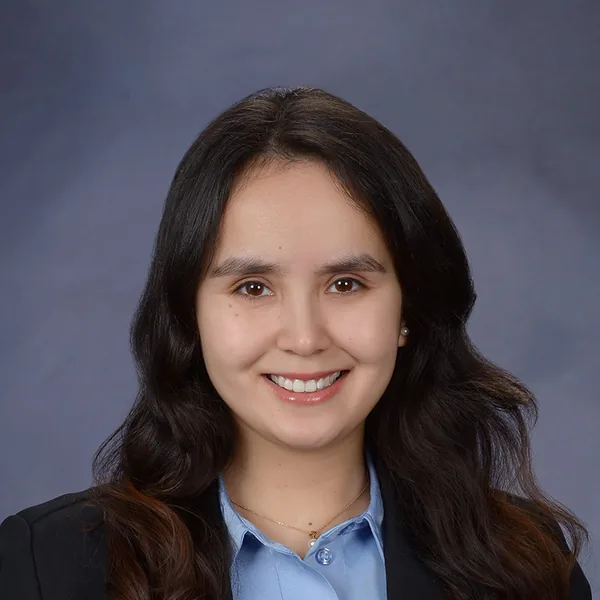
Tamana Ghaznawi
- B.S.Cornell University
- M.P.H.Cornell University
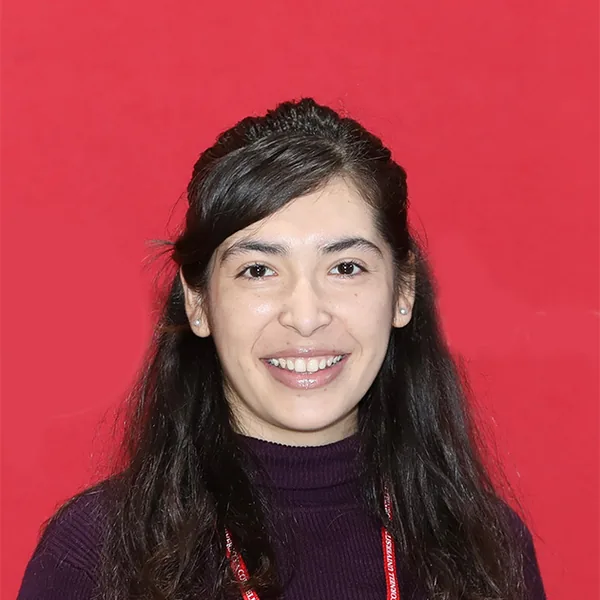
Diana Ayubi
- B.A.Cornell University
- Psy.D.West Chester University
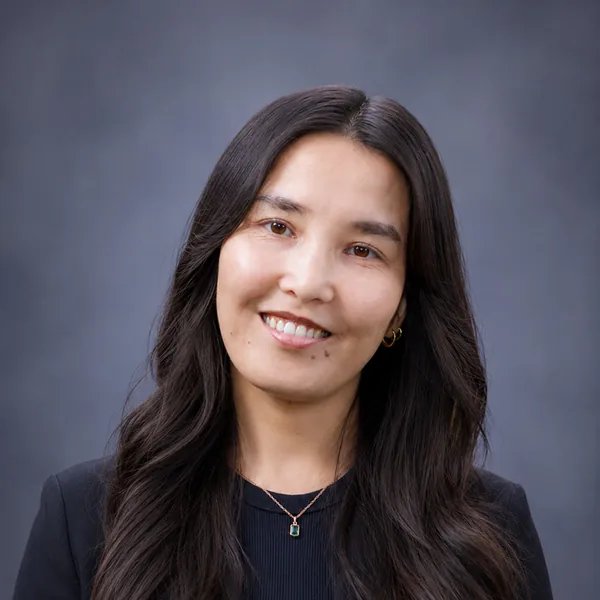
Shukria Sakhi
- B.A.Brown University
- M.P.H.Brown University
Why Ariana Nexus, not a bilingual
Where no certification exists, a firm has to set its own standard — and be able to show it.
No U.S. certification exists for Pashto, Dari or any Afghan language. Ariana Nexus trains its own interpreters — and other Afghan-language interpreters — to a seven-part standard: a degree held; a dual-language assessment in the specific variety claimed; structured medical and mental-health interpreter training; the NCIHC code of ethics; annual HIPAA training; supervised entry; periodic review.
The firm is led by alumni of Cornell, Brown, the University of British Columbia and the University of Chicago, from the Afghan community, working in Pashto and Dari as native speakers. Every engagement is delivered by our own people — no subcontractors, no brokered specialists — one engagement, one point of accountability.
Ariana Nexus is an institutional partner, not a clinical provider. We interpret, advise on Afghan cultural context and train staff; diagnosis, treatment and crisis response remain with your licensed clinicians. Nothing — no data, document or inquiry — is routed through channels controlled by the de facto authorities in Afghanistan.
- A degree held
- Dual-language assessment in the specific variety claimed
- Structured medical and mental-health interpreter training
- NCIHC code of ethics
- Annual HIPAA training
- Supervised entry
- Periodic review