Afghan Patient Cultural Competency Training for Healthcare Staff

Role-based training that prepares hospital and clinic teams to care for Afghan patients and families, from Pashto and Dari interpreter use to gender preferences, faith, family decisions and war trauma. Built and taught by public health and psychology professionals from the Afghan community.

For hospitals, health systems, community health centers and behavioral health programs across the United States. Covers Pashto, Dari and 22 more Afghan languages.

Six scenarios, one for each unit

  • ED
    Emergency department
    Modules 03 and 05
  • L&D
    Labor and delivery
    Modules 03 and 04
  • REG
    Registration desk
    Module 02
  • ONC
    Oncology family meeting
    Module 05
  • PC
    Primary care
    Modules 06 and 08
  • BH
    Behavioral health intake
    Module 07

Simulation scenarios from your own units

Each scenario is rewritten from your unit's real workflow before the session, then played in Pashto or Dari with a live interpreter.

  • Emergency department

    The situation

    A Pashto-speaking grandmother with chest pain; her son insists he will interpret.

    What learners practice

    • Book a Pashto interpreter by dialect
    • Keep relatives in a support role
    • Check pain and history through the interpreter

    Modules 03 and 05

  • Labor and delivery

    The situation

    A Dari-speaking mother asks for a female team at 2 a.m. with one male resident on shift.

    What learners practice

    • Ask about gender preferences early
    • Use a female interpreter by phone
    • Escalate staffing and document the plan

    Modules 03 and 04

  • Registration desk

    The situation

    Three relatives share a family name and a January 1 birthday.

    What learners practice

    • Confirm additional identifiers
    • Record Solar Hijri dates correctly
    • Prevent a duplicate record

    Module 02

  • Oncology family meeting

    The situation

    Adult children ask the team not to tell their father he has cancer.

    What learners practice

    • Ask the patient how he wants news shared
    • Hold the family meeting
    • Document informed consent

    Module 05

  • Primary care

    The situation

    A patient with diabetes plans to fast through Ramadan.

    What learners practice

    • Ask about fasting without judgment
    • Review dose timing and warning signs
    • Agree when to break the fast

    Modules 06 and 08

  • Behavioral health intake

    The situation

    A former interpreter for U.S. forces reports sleeplessness, guilt and chest pain.

    What learners practice

    • Recognize moral injury and PTSD
    • Use trauma-informed screening language
    • Refer without stigma

    Module 07

Brief, simulate, debrief

  1. Brief

    Learners receive the scenario, the unit's real workflow and the goal of the exercise.
  2. Simulate

    Afghan community members trained as standardized patients play the encounter in Pashto or Dari with a live interpreter.
  3. Debrief

    Facilitators follow the PEARLS sequence: reactions, description, analysis and summary.

Safety comes first

Scenarios that touch war trauma use a trauma-informed debrief, and staff who are themselves Afghan can step out of any scenario at any time.
Three colleagues reviewing documents at a meeting table

Key facts

What it is
Cultural competency training focused on Afghan patients, for everyone who registers, treats, counsels or bills them.
Who it is for
Hospitals, health systems, community health centers, refugee health clinics, behavioral health, home health, pharmacies, and medical and nursing programs.
Formats
Leadership briefing, front-desk session, clinical workshop, full-day intensive with simulation, interpreter track, train-the-trainer, and e-learning for your LMS.
Delivery
On-site nationwide from our Washington, D.C. office, or live online.
Languages
Pashto, Dari and 22 more Afghan languages, including how to request the right dialect and interpreter gender.
Records
Dated completion records that support your Section 1557 training documentation under 45 CFR 92.9.

Why Afghan patients need training of their own

Most cultural competency courses group Afghan patients with every Muslim, Middle Eastern or refugee population. The result shows up on the unit: a Farsi interpreter sent for a Dari speaker, a male interpreter for a woman who then says little, a nod recorded as consent, and three relatives registered with the same January 1 birthday.

Much of the Afghan-specific guidance in circulation was written in 2021 for evacuees in temporary welcome centers. Your patients in 2026 are resettled families, Special Immigrant Visa holders, long-established Afghan American households and aging parents, many carrying trauma from the Afghan war, family separation and uncertainty about their legal status.

190,000+

Afghans resettled in the United States through Operation Allies Welcome and Enduring Welcome, per the U.S. Department of State (reported November 2025).

11,110

Afghan evacuee records carried January 1 as the date of birth, the placeholder used when the real date is unknown (DHS Office of Inspector General, 2022).

3 years

Minimum time covered health programs must keep staff training completion records under 45 CFR 92.9(c).

What your staff will learn

Eight modules, each built around situations your teams already face. Depth is set by role, so registration staff and physicians spend their time on what their work demands.

  1. Module 01

    Who Afghan patients are in 2026

    Arrival pathways from evacuation to Special Immigrant Visas, the wider Afghan diaspora, regional and ethnic diversity, and why 2021-era guidance now misleads.
    Describe the patient in front of them without relying on stereotypes.

    30 minutes live, foundation level

  2. Module 02

    Names, dates of birth and patient identification

    Single and family names, January 1 birthdates, Solar Hijri dates and the tazkira, and how registration prevents duplicate records and wrong-patient errors.
    Register and match Afghan patients safely.

    30 minutes live, foundation level

  3. Module 03

    Working with Pashto and Dari interpreters

    Booking a Pashto interpreter or Dari interpreter by dialect and gender, why Dari is not Farsi, why relatives and children should not interpret, and the teach-back method.
    Book the right interpreter and confirm understanding.

    45 minutes live, core level

  4. Module 04

    Gender, modesty and the physical exam

    Gender-concordant care, chaperones, draping and exam sequence, male relatives in the room, and how to ask about preferences before an emergency.
    Plan an exam the patient will accept.

    30 minutes live, core level

  5. Module 05

    Family decisions, serious news and informed consent

    Family-centered decision-making, the role of elders, requests to withhold a diagnosis, and consent that is informed rather than assumed.
    Run a family meeting that protects the patient's rights.

    45 minutes live, core level

  6. Module 06

    Faith, Ramadan fasting and medications

    Fasting and illness exemptions, prayer times, halal and pork-derived products, and end-of-life and burial practices.
    Adjust care plans around religious practice.

    30 minutes live, core level

  7. Module 07

    War trauma, moral injury and mental health

    Four decades of war in Afghanistan, PTSD, grief, family separation, moral injury, physical symptoms of distress, stigma, and trauma-informed screening language.
    Recognize distress and refer without shame.

    45 minutes live, advanced level

  8. Module 08

    Health beliefs, health literacy and follow-up

    Traditional remedies, hot and cold food beliefs, oral tradition and low literacy, missed appointments, and the trust that brings patients back.
    Explain a plan the family can follow at home.

    30 minutes live, core level

Who the training is for

Federal rules define the staff who need training broadly: anyone who interacts with patients, makes decisions about their care or handles their bills, including executive leadership and legal counsel (45 CFR 92.9).

Staff roles

  • Registration, scheduling and call-center staff
  • Physicians, advanced practice providers and residents
  • Nurses, medical assistants and patient care technicians
  • Behavioral health clinicians, social workers and case managers
  • Pharmacists and pharmacy technicians
  • Interpreters, bilingual staff and language services teams
  • Billing, collections and financial counselors
  • Executive leadership, quality, compliance and legal counsel

Care settings

  • Hospitals and health systems
  • Community health centers (FQHCs) and refugee health clinics
  • Behavioral health and substance use programs
  • Home health, hospice and long-term care
  • Retail, hospital and specialty pharmacies
  • Medical schools, nursing programs and residencies
  • Public health departments
  • Health plan care management teams

Training formats and program options

Every program is scoped to your staff, schedule and patient population. Formats can be combined into a single program.

Format
Length
Best for
Group size
Delivery

Leadership briefing

90 minutes
Executives, quality, compliance and legal
Up to 30
On-site or live online

Front-desk and access session

2 hours
Registration, scheduling, call center and billing
Up to 40
On-site or live online

Clinical workshop

Half day, 4 hours
Physicians, nurses, behavioral health and pharmacy
Up to 30
On-site or live online

Intensive with simulation

Full day, 7 hours
Unit teams in emergency, maternity and primary care
Up to 24
On-site

Interpreter and bilingual staff track

Half day, 4 hours
Interpreters and bilingual employees
Up to 20
On-site or live online

Train-the-trainer

2 days
Clinical educators and unit champions
Up to 12
On-site

E-learning modules

8 modules, 15 to 20 minutes each
All staff and new-hire onboarding
Unlimited
Your learning management system

Pashto, Dari and 22 more Afghan languages, matched by dialect and gender

Staff learn to request an interpreter the way the patient actually speaks. Our trainers and co-facilitators are matched the same way.

Language

Pashto, Dari and 22 more Afghan languages. Dari is Afghanistan's own variety of Persian, so staff learn to request Dari, not Farsi.

Dialect and region

Pashto spoken in Kandahar differs from Pashto spoken in Nangarhar or Khost, and Kabuli, Herati and Hazaragi Dari differ too. Staff learn to ask where the patient is from.

Gender

Many Afghan women prefer a female interpreter and care team. Staff learn to ask early and to plan for the moment no woman is available.

Medical education

We do not send bilingual speakers. Our interpreters hold college degrees, and medical assignments go to those whose training is closest to medicine.

The 24 Afghan languages we cover, by family

Iranian

13 languages
  • Pashto
  • Dari
  • Hazaragi (a variety of Dari)
  • Aimaq
  • Balochi
  • Ormuri
  • Parachi
  • Wakhi
  • Shughni
  • Sanglechi
  • Ishkashimi
  • Munji
  • Yidgha

Wakhi, Shughni, Sanglechi, Ishkashimi, Munji and Yidgha form the Pamir group.

Turkic

3 languages
  • Uzbeki
  • Turkmeni
  • Kyrgyz

Indo-Aryan

3 languages
  • Pashayi
  • Gawarbati
  • Tirahi

Nuristani

4 languages
  • Nuristani (Ashkun group)
  • Kati
  • Prasun
  • Waigali

Dravidian

1 language
  • Brahui

Why Dari is not Farsi: everyday clinical words

English
Pashto
Dari (Afghanistan)
Persian (Iran)

Hospital

روغتون
شفاخانه
بیمارستان

Doctor

ډاکټر
داکتر
پزشک

Medicine

درمل
دوا
دارو

Injection

پیچکاري
پیچکاری
تزریق

Everyday clinical words differ between Afghanistan's Dari and the Persian of Iran. Terms shown for training; reviewed by native speakers.

What staff learn to say first

Welcome

ښه راغلاست

Pashto, sha raghlast

خوش آمدید

Dari, khosh amadid

How we deliver the training

  1. Step 1

    Scope

    A 30-minute call to learn your units, staff mix, patient volumes and the problems you already see.
  2. Step 2

    Review

    Under NDA and with your permission, we review interpreter request logs, registration fields and patient complaints to find where Afghan patients fall through.
  3. Step 3

    Build

    We write scenarios from your own units and set module depth for each role. Every Pashto and Dari term is checked by native speakers.
  4. Step 4

    Teach

    Live sessions led by our team, on-site or online, built on practice: interpreter drills, exam planning, family meetings and simulation.
  5. Step 5

    Measure and reinforce

    Checks before and after, observed skills, 30-, 60- and 90-day refreshers, and completion records your compliance team can file.

How we measure whether the training worked

A review of 19 systematic reviews found moderate evidence that cultural competency training improves clinician outcomes and patients' access to care, weaker evidence for patient health outcomes, and heavy reliance on self-report (Truong, Paradies and Priest, 2014). We design around that gap: we measure what staff do, not only what they say they learned.

  • Knowledge and confidence

    Short checks before and after every session.
  • Observed skills

    Simulation and role-play scored against a written checklist.
  • Interpreter requests

    Share of requests that name language, dialect and interpreter gender.
  • Registration quality

    Afghan patient records with complete name and date-of-birth fields.
  • Completion records

    Dated records for every participant, ready for your 45 CFR 92.9 files.

Standards and rules this training supports

Instrument
What it asks of you
How the training helps
Train relevant employees on your civil rights policies and procedures, including language access, and keep completion records for at least three years.
Role-based sessions aligned to your own language access procedures, with dated completion records.
Educate and train governance, leadership and workforce regularly on CLAS practices and resources (Standard 4), and ensure interpreters are competent through training and certification, when available (Standard 7).
A leadership briefing, workforce sessions on a schedule you set, and an interpreter track for languages with no certification exam.
Since January 1, 2026, 14 National Performance Goals replace the National Patient Safety Goals, including right patient, right care; patient rights; and excellent health outcomes for all.
Safe identification of Afghan names and dates, and care plans that fit the patient.

State continuing-education rules

Several states require cultural competency, implicit bias or health equity education; Washington, for example, requires two hours every four years.
During scoping we state what our program can and cannot count toward.

This page explains how training supports compliance programs. It is not legal advice.

Why Ariana Nexus

Why Ariana Nexus for Afghan cultural competency training

Most cultural training is written about Afghan patients. Ours is written and taught by people from the Afghan community who studied public health, psychology and technology at Cornell, Brown, West Chester University and the University of British Columbia.

  • From the community, not about it

    Our trainers grew up with the languages, faith and family life your patients describe, and three of the four lived in Kabul.
  • Health professionals, not bilinguals

    Training in public health, psychology and technology stands behind every session. We never send a bilingual speaker to teach clinical care.
  • Where no certification exists, we set the standard

    No U.S. certification exam tests medical interpreting in Pashto or Dari. We train and assess our own interpreters, train Afghan interpreters beyond our own bench, and teach your staff what qualified looks like.
  • Built on your own units

    Scenarios come from your emergency department, maternity unit or clinic, not from a stock video.
  • Measured on behavior

    We score what staff do in practice and hand you dated completion records.
  • One accountable team

    Every session is designed and taught by our own healthcare practice under partner-level oversight. Nothing is a resold course.

How Ariana Nexus training differs from a typical course

Point of comparison
Typical cultural competency course
Ariana Nexus

Focus

Many cultures in one hour
Afghan patients only, in depth

Currency

Often written for the 2021 evacuation
Current to 2026

Taught by

Generalist trainers
Public health and psychology professionals from the Afghan community

Languages

“Farsi” as a catch-all
Pashto, Dari and 22 more, by dialect and gender

Practice

Slides and a quiz
Drills, family meetings and simulation

Proof

An attendance sheet
Observed skills, 90-day follow-up and completion records

The team that leads, designs and teaches the training

Every program runs under partner-level oversight. Our healthcare practice designs and teaches each session, and every trainer is from the Afghan community, with university training in public health, psychology or technology.

Program oversight

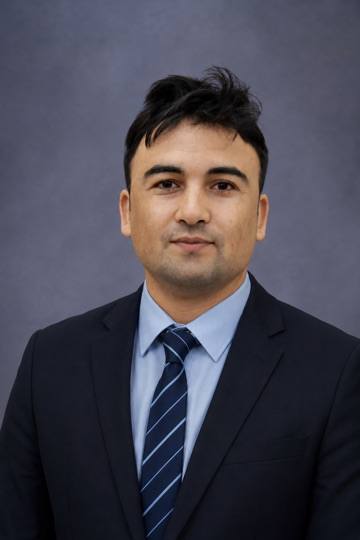
Hassan Ukasha

Hassan Ukasha

Managing Partner
, Ariana Nexus
  • B.S.
    Cornell University
  • M.P.H.
    Cornell University

Oversees the firm's operations and this program. He is accountable for its standard: who teaches, how interpreters qualify, how your data is protected and what your completion records show.

Trainers

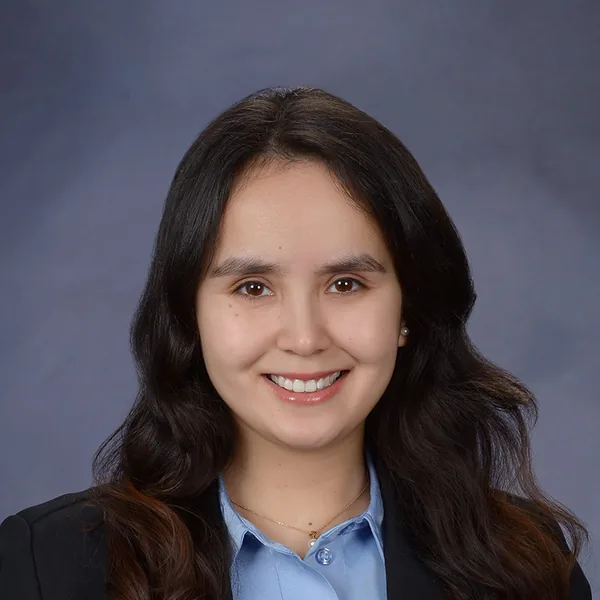
Tamana Ghaznawi

Tamana Ghaznawi

Senior Partner
, Ariana Nexus
  • B.S.
    Cornell University
  • M.P.H.
    Cornell University
Leads the firm's healthcare practice and oversees curriculum and clinical accuracy. Lived in Kabul.
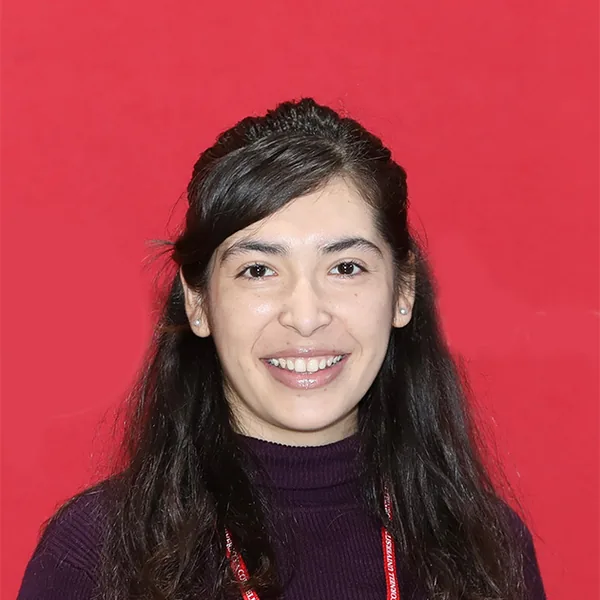
Diana Ayubi

Diana Ayubi

Engagement Manager
, Ariana Nexus
  • B.A.
    Cornell University
  • Psy.D.
    West Chester University
Architects the firm's mental health programs and leads the modules on war trauma and moral injury. Lived in Kabul.
Shukria Sakhi

Shukria Sakhi

Engagement Manager
, Ariana Nexus
  • B.S.
    Brown University
  • M.P.H.
    Brown University
Manages training engagements from scoping through completion records.
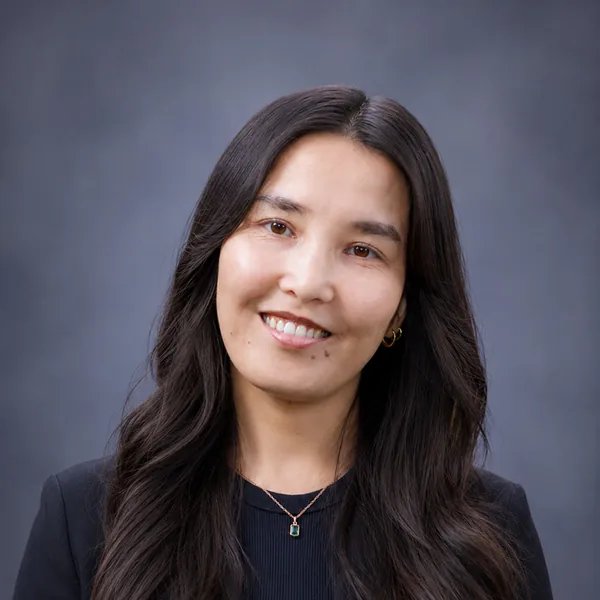
Zeba Haqbani

Zeba Haqbani

Senior Partner
, Ariana Nexus
  • B.Sc.
    University of British Columbia
Builds the firm's systems and learning platforms, including e-learning packages and completion records. Lived in Kabul.

Every Pashto and Dari term in our materials is reviewed by the firm's Cultural Compliance Bureau.

What your organization receives

  • Live sessions led by our team, on-site or online
  • A participant workbook and the pocket Afghan Patient Readiness Card
  • A registration quick reference for Afghan names, January 1 birthdates and Solar Hijri dates
  • An interpreter request script that names language, dialect and gender in one sentence
  • E-learning modules packaged for your learning management system
  • Dated completion records and a findings summary for leadership

Questions about Afghan patient cultural competency training

What is Afghan patient cultural competency training?

It is training that prepares healthcare staff to care for Afghan patients and families, including Afghan refugees, evacuees and Special Immigrant Visa holders, safely and respectfully. Ariana Nexus covers who Afghan patients are today, working with Pashto and Dari interpreters, gender and modesty, family decision-making, faith and fasting, war trauma and moral injury, and patient identification, with depth set by each staff role.

Which staff should take the training?

Anyone who registers, treats, counsels or bills Afghan patients. Section 1557 regulations (45 CFR 92.9) define relevant employees broadly: staff who interact with patients or make decisions about their care or their bills, including executive leadership and legal counsel. We set the depth of each module by role.

How long does the training take, and can it be online?

Formats run from a 90-minute leadership briefing to a full-day intensive with simulation, plus a two-day train-the-trainer program and e-learning modules of 15 to 20 minutes. Most sessions can be delivered live online; the simulation intensive and train-the-trainer program are on-site.

What languages do Afghan patients speak?

Pashto and Dari are Afghanistan's two official languages and the most common among Afghan patients in the United States. Ariana Nexus covers 24 Afghan languages, including Uzbeki, Turkmeni, Balochi, Pashayi, the Nuristani languages and the Pamir languages. Hazaragi, spoken by many Hazara patients, is a variety of Dari with its own vocabulary and pronunciation.

Is Dari the same as Farsi?

No. Dari is Afghanistan's variety of Persian, and Farsi usually means the Persian of Iran. They are closely related, but everyday medical words differ: a hospital is shafakhana in Dari and bimarestan in Iranian Persian. Many Afghan patients understand an Iranian interpreter only partly and may not say so, so request a Dari interpreter by name.

Should an Afghan woman be offered a female doctor or interpreter?

Ask her, early and in private where possible. Many Afghan women prefer a female interpreter and care team, especially for obstetric and gynecological care, and some accept a male interpreter by phone when he cannot see them. Agree a plan in advance for emergencies when no woman is available.

Why do so many Afghan patients have a January 1 birthday?

Many Afghans do not know their exact date of birth, and older Afghan identity cards often recorded an age rather than a date, using the Solar Hijri calendar. When the date is unknown, January 1 is commonly assigned; a 2022 federal audit counted 11,110 Afghan evacuee records with that date. Registration staff should confirm additional identifiers to avoid duplicate records and wrong-patient errors.

Is it Afghan or Afghani?

Afghan. The people and the culture are Afghan; the afghani is Afghanistan's currency. Calling a person Afghani is a common mistake that patients notice, and getting it right is one of the simplest ways to build trust.

What is moral injury, and why does it matter for Afghan patients?

Moral injury, sometimes called moral trauma, is lasting distress after events that violate a person's deepest moral beliefs, such as being unable to protect family or leaving people behind. Research with refugee communities, including Afghans, links it to PTSD and depression beyond the effect of trauma exposure alone. Clinicians who recognize it ask better questions and refer with care.

How should staff approach Ramadan fasting and medications?

Ask whether the patient is fasting and plan with them. Islamic teaching exempts people who are ill, yet many patients still fast. Clinicians can review dose timing, discuss when fasting is unsafe, and check for pork-derived ingredients such as some gelatin capsules. The training covers the conversation, not religious rulings.

Does this training help with Section 1557 compliance?

It supports it. Section 1557 regulations (45 CFR 92.9) require covered entities to train relevant employees on their civil rights policies and procedures, including language access, and to keep completion records for at least three years. Our sessions align to your own procedures and produce dated records. This is not legal advice; your counsel should confirm the fit.

Does the training count for CME, CE or state cultural competency requirements?

Every participant receives a certificate of completion. Accredited CME or CE credit, and credit toward state requirements such as Washington's health equity rule, depends on accreditation and state approval. During scoping we tell you exactly what our program can and cannot count toward.

How is this different from free online courses about Afghan patients?

Free resources are a useful start, and many were written for the 2021 evacuation. Our program is current, taught live by public health and psychology professionals from the Afghan community, built on scenarios from your own units, measured on what staff do, and documented for your compliance files.

Who oversees the training program?

Hassan Ukasha, Managing Partner of Ariana Nexus, oversees the firm's operations and this program. Tamana Ghaznawi, Senior Partner, leads the healthcare practice that designs and teaches it, with Diana Ayubi, Shukria Sakhi and Zeba Haqbani.

Can you train our interpreters and bilingual staff?

Yes. The interpreter and bilingual staff track covers medical terminology in Pashto and Dari, dialect differences, gender protocols, trauma-informed interpreting and the limits of the interpreter's role. Each participant is assessed against our written standard.

Is there a U.S. certification for Pashto or Dari medical interpreters?

No. The two national certification bodies test interpreting skill in only a few languages: Spanish, Arabic and Mandarin at CCHI, and Spanish, Cantonese, Mandarin, Russian, Korean and Vietnamese at NBCMI. Pashto and Dari interpreters can earn credentials based on English-only exams, which do not test their Pashto or Dari. Ariana Nexus trains and assesses interpreters against its own written standard, including the interpreters and bilingual staff health systems already employ.

Request an Afghan patient training proposal

We sign your NDA before we review any internal data.