Eligibility screening and Medicaid applications
We screen each patient against your state’s rules, gather the documents, and complete the application with the family in Pashto or Dari — online, by phone or on paper — then follow it to a decision.
Afghan patient navigators and community health workers who help your patients and members apply for Medicaid, keep coverage at every renewal, and use the benefits they already have. Matched to each family’s language, dialect and gender, for hospitals, health plans, community health centers and public agencies.

Ariana Nexus runs Medicaid eligibility and benefits navigation programs in Pashto and Dari. Our patient navigators and community health workers screen Afghan patients for coverage, complete applications and renewals with them, explain every notice in their own dialect, and connect them to the care their plan covers. Institutions contract the program; families never pay.
Coverage rarely ends on a quiet day. These are the moments our navigators are built for.


Most coverage is not lost at the eligibility line. It is lost in the mail: a renewal packet in English, a request for documents a family cannot read, a deadline that passes before anyone at home understands it. At the end of the 2023–24 unwinding, nearly seven in ten people removed from Medicaid had lost coverage for procedural reasons.
For Afghan patients the gap is wider. Many families were displaced by the war in Afghanistan and arrived after the 2021 evacuation; their immigration statuses are now treated differently under the 2025 law, and six-month renewals and work reporting begin in 2027. An interpreter carries the words. A navigator carries the case to a decision.
The 2025 reconciliation law — Public Law 119-21, known as H.R. 1, the One Big Beautiful Bill Act, and in CMS guidance as the Working Families Tax Cut legislation — changes who qualifies for coverage and how often people must prove it. A separate immigration rule changes how families weigh that coverage. The dates below are federal; states add their own rules and timelines.
Before October 1, our navigators check every family’s status and renewal date, confirm who stays eligible, including green card holders and covered children, and start the next coverage path for everyone who does not.
Six lines of work, delivered as one program by one team.
Screen uninsured Afghan patients in the emergency department, at admission and before discharge, and reduce uncompensated care.
Keep Afghan members enrolled through renewals and work reporting, and help them use primary care before the emergency room.
Add Pashto- and Dari-speaking enrollment and outreach capacity without building a new team.
Extend your duty to help people apply and renew, in person, by phone and online, to Pashto and Dari speakers.
Give caseworkers a health-coverage partner who speaks the family’s dialect.
A bilingual employee can translate a renewal letter. A navigator makes sure the family is still covered next month.
A Dari speaker from Herat and a Dari speaker from Kabul use different words for the same form. We match the family, not just the language.
Many Afghan families carry the weight of the war in Afghanistan, the 2021 evacuation and years of separation — what clinicians call trauma, grief and moral injury, sometimes described as moral trauma, and what families rarely name. Medicaid covers mental health care, but a family has to know that, trust it, and find a provider who speaks their language. Our navigators explain behavioral health benefits without stigma and connect patients to Pashto- and Dari-speaking care, working alongside our trauma-informed interpreters where none exists.

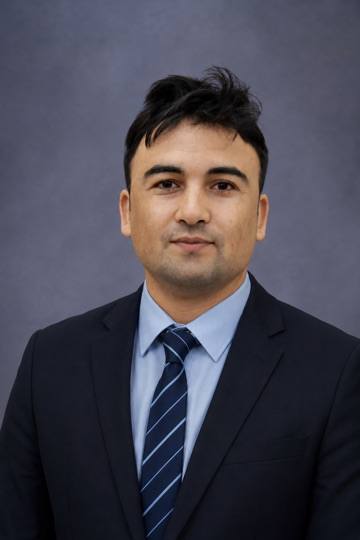
Ariana Nexus is a consulting and professional services firm in Washington, D.C. Its Managing Partner oversees the firm’s operations and every program; its healthcare practice designs and delivers each one.
Program oversight
Healthcare practice
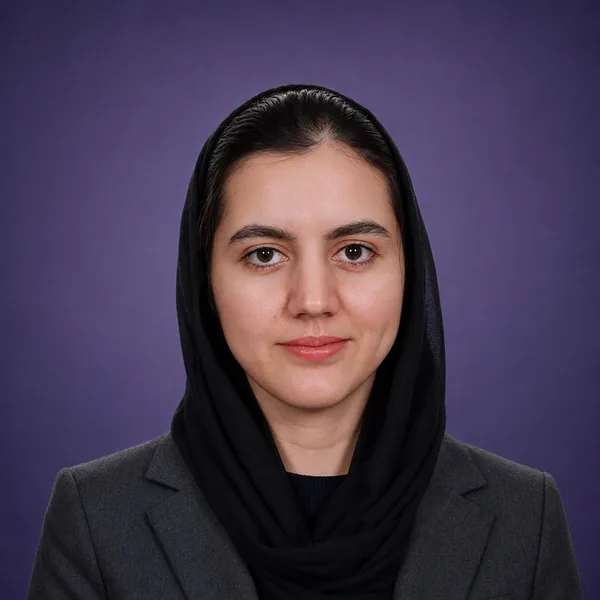
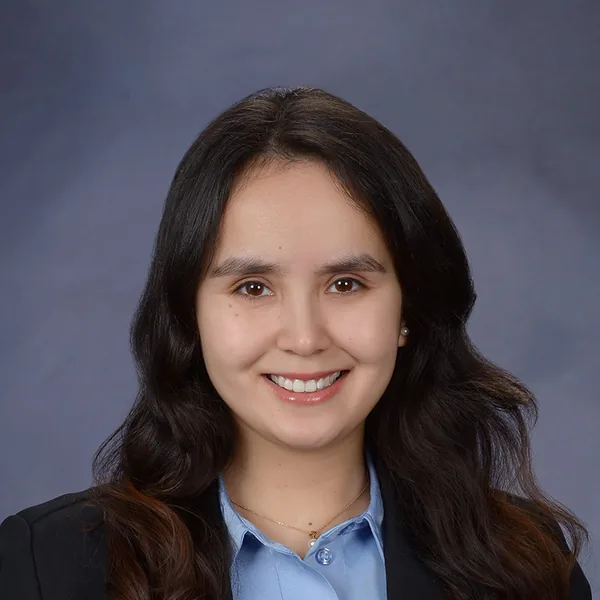
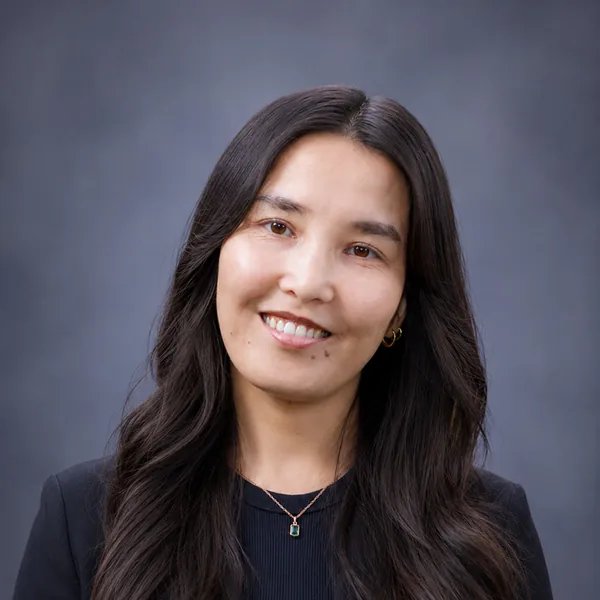
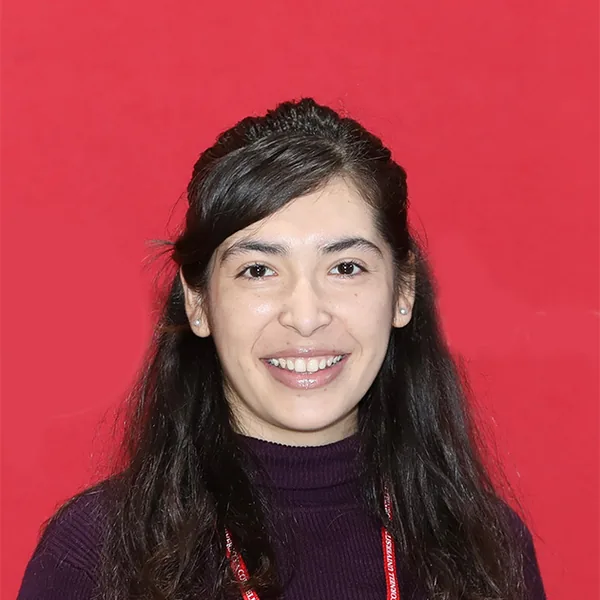
Program leaders are supported by Pashto- and Dari-speaking navigators and community health workers from the Afghan community: college graduates, assessed in their own dialect, trained in Medicaid, and supervised by the healthcare practice.
| Rule | What it requires | How we meet it |
|---|---|---|
| Rule42 CFR 435.908 | What it requiresState Medicaid agencies must help people apply and renew in person, by phone and online, including people with limited English proficiency. Certified assisters may not take payment from applicants. | How we meet itThat help is delivered in Pashto and Dari, and families are never charged. |
| Rule45 CFR 92.201 (Section 1557) | What it requiresCovered health programs must offer qualified interpreters and translators, free of charge, to people with limited English proficiency. | How we meet itNavigators work in the family’s language; our interpreters cover 22 more Afghan languages. |
| RuleP.L. 119-21, § 71109 | What it requiresFrom October 1, 2026, full federal Medicaid and CHIP are limited to green card holders and a few other groups. | How we meet itEvery case is checked for status, other bases of eligibility and the next coverage path. |
| RuleP.L. 119-21, §§ 71107 and 71119 | What it requiresSix-month renewals and 80 hours a month of community engagement for most expansion adults from January 1, 2027. | How we meet itRenewal calendars, exemption screening and reporting help are built into the workflow. |
| RuleHIPAA, 45 CFR 164.504(e) | What it requiresBusiness associates must sign an agreement before handling protected health information. | How we meet itBAA signed before the first case; nothing recorded by default. |
More of this work is fundable than most teams expect. Confirm each path with your billing and compliance leads.
Our navigation programs run inside hospitals, clinics and health plans. Ask your clinic whether it offers Pashto or Dari navigation. To apply now, contact your state Medicaid agency or find free local help at localhelp.healthcare.gov, and ask for a free Pashto or Dari interpreter. In a mental health crisis, call or text 988. In an emergency, call 911.
How do I get Medicaid? · My Medicaid was stopped. What do I do? · Medicaid renewal form
| English | دری | پښتو |
|---|---|---|
| EnglishMedicaid | دریمدیکید | پښتومیډیکېډ |
| EnglishRenewal | دریتمدید | پښتوتمدید |
| EnglishEligibility | دریواجد شرایط بودن | پښتووړتیا |
| EnglishHealth insurance | دریبیمهٔ صحی | پښتوروغتیايي بیمه |
| EnglishNotice from the state | دریاطلاعیه | پښتوخبرتیا |
| EnglishPatient navigator | دریرهنمای بیمار | پښتود ناروغ لارښود |
| EnglishCommunity health worker | دریکارکن صحی جامعه | پښتوټولنیز روغتیايي کارکوونکی |
| EnglishInterpreter | دریترجمان | پښتوترجمان |
Answers reflect federal rules as written. States add their own rules; eligibility decisions are made by state Medicaid agencies.
A Medicaid navigator helps people apply for Medicaid, answer state requests, renew on time and use their benefits. Ariana Nexus navigators do this in Pashto and Dari for Afghan patients, inside hospitals, health plans, community health centers and public agencies.
A patient navigator guides a patient through coverage and care: applications, renewals, notices and appointments. A community health worker does some of the same work but mainly in the community, through home visits, health education and screening for needs like food or housing. Many programs use both.
Yes. Ariana Nexus provides Pashto- and Dari-speaking navigators and community health workers, matched by dialect, home region and gender, with interpreter support in 22 more Afghan languages.
Only some. From October 1, 2026, full federal Medicaid is limited to green card holders, Cuban and Haitian entrants and COFA citizens, plus lawfully residing children and pregnant people in states that cover them. Afghan refugees, asylees and parolees without a green card lose federal eligibility, and states must check other bases for coverage and send notice first. Afghans who hold a green card after arriving as refugees or Special Immigrant Visa holders, and many evacuees paroled after 2021, are generally exempt from the five-year waiting period and can stay eligible if they meet the other rules. Some states also fund their own coverage.
It depends on the case, and navigators do not give immigration legal advice. From September 18, 2026, officers deciding many family- and employment-based green card applications may consider a wider range of benefits, including Medicaid. Refugees, asylees and Afghan Special Immigrant Visa holders are exempt from the public charge test by law, and green card holders applying for citizenship are not tested. We connect families to the legal help your program designates before anyone drops coverage.
For most adults in the Medicaid expansion group, renewals move to every six months starting with renewals on or after January 1, 2027, and many adults aged 19 to 64 must show 80 hours a month of work, school, training or community service unless exempt. States may start earlier, and some already have.
The hospital, health plan, health center or agency that contracts the program. Families are never charged for application or renewal help.
Yes. We check state-funded programs, emergency Medicaid, hospital financial assistance and sliding-fee clinics, and keep status questions moving with the legal help your program designates. Navigators do not give immigration legal advice.
Yes. Families can ask for a woman or a man, and we match the variety they speak at home, such as Kandahari or Central Pashto, or Kabuli, Herati or Hazaragi Dari.
No U.S. credential tests Pashto or Dari for health navigation or medical interpreting, so Ariana Nexus sets the standard: we assess every navigator in the variety they claim, train them on Medicaid and your state’s rules, and train Afghan diaspora interpreters and students beyond our own team. Where your state certifies community health workers or application counselors, we build the program to that requirement.
Both. Navigators can be embedded in your emergency department, clinics or member services, work by phone and video, or combine the two.
We sign a business associate agreement before any patient information is shared, record nothing by default, and never route documents through channels controlled by the de facto authorities in Afghanistan.
An engagement manager from our healthcare practice runs day-to-day delivery, a senior partner signs off the program design, and Hassan Ukasha, Managing Partner, oversees operations and every program. Your leadership has a partner-level point of accountability from the first day.
In many states, yes. More than half of state Medicaid programs pay for community health worker services in some form, and Medicare pays for community health integration and principal illness navigation under a billing practitioner.
No. Ariana Nexus is a private consulting and professional services firm. Eligibility decisions are made by state Medicaid agencies.
Tell us your population, your state and your timeline. We sign your NDA and BAA before any patient information is shared.
Request a scoping callSAM.gov registered. UEI M2UDMUDFXGL9. CAGE 1Z3A3.