
Section 1557 Language Access Compliance Consulting for Health Systems Serving Afghan Patients
We assess, rebuild and document your language access program against Section 1557 and 45 CFR Part 92. Then we close the gaps Afghan patients fall through, with interpreters in Pashto, Dari and 22 more Afghan languages matched by dialect, gender and clinical education.
Where language access programs fail Afghan patients, room by room
A program can pass a document review and still fail the Afghan patient in the room. These are the gaps we test for first. Each department carries its own Section 1557 duty.
- 1.01
Registration and front desk
45 CFR 92.8
Language field set to Farsi for a Dari speaker; no variety or gender preference captured. - 1.02
Emergency department
45 CFR 92.201(e)
A son interprets at triage because the phone line is slow. - 1.03
Call center and scheduling
45 CFR 92.11
The recorded menu offers no Pashto or Dari option. - 2.01
Maternity and women’s health
45 CFR 92.201
A male interpreter joins a prenatal visit and the history goes quiet. - 2.02
Imaging and procedures
45 CFR 92.201
Consent is explained through untested bilingual staff. - 2.03
Behavioral health
45 CFR 92.201
Suicide screening runs through whichever interpreter is free. - 3.01
Pharmacy
45 CFR 92.201(c)(3)
Medication labels machine-translated with no qualified review. - 3.02
Discharge and care transitions
45 CFR 92.201(c)(3)
Discharge instructions arrive in English or unreviewed Dari. - 3.03
Billing and financial counseling
45 CFR 92.11
Cost letters carry no notice of free language help. - D.01
Patient portal and telehealth
45 CFR 92.210
Chatbots and portals never tested in Pashto or Dari.
Gold marks show where staff request a qualified interpreter. The digital wing covers the patient portal and telehealth.
What is Section 1557 language access compliance?
Section 1557 of the Affordable Care Act (42 U.S.C. 18116) prohibits national origin discrimination in federally funded health programs. Its regulation, 45 CFR Part 92, requires free, accurate and timely language assistance through qualified interpreters and translators. Covered entities must also post notices of that help in at least 15 languages, keep written procedures, train staff and, with 15 or more employees, name a Section 1557 Coordinator.
Is Section 1557 language access still required in 2026?
Yes. On June 2, 2026, HHS published notice that a federal court had vacated the 2024 rule’s gender-identity provisions and that the rest of the rule remains in force, including every language access requirement in 45 CFR Part 92.
Executive Order 14224, signed March 1, 2025, made English the official language of the United States and revoked Executive Order 13166. The Department of Justice then rescinded its 2002 guidance on limited English proficiency. Neither step amends Section 1557, Title VI of the Civil Rights Act or the Part 92 regulation.
Accreditors and states add their own layer. The Joint Commission’s National Performance Goals, in effect for hospitals since January 1, 2026, tie language access to equity and patient rights, and state hospital rules such as California Health and Safety Code § 1259 and New York’s 10 NYCRR 405.7 set duties of their own.
Section 1557 language access requirements at a glance
| Requirement | What it requires | Citation | Status |
|---|---|---|---|
Requirement Section 1557 Coordinator | What it requires Designate at least one coordinator to handle grievances, records, language access procedures and staff training. Applies to entities with 15 or more employees. | Citation 45 CFR 92.7 | Status In force since November 2, 2024 |
Requirement Notice of nondiscrimination | What it requires Post and provide a notice that you do not discriminate, that language help is free, and how to ask for it or file a grievance. | Citation 45 CFR 92.10 | Status In force since November 2, 2024 |
Requirement Written language access procedures | What it requires Document how staff identify a patient’s language, reach qualified interpreters and translators, which bilingual staff are qualified, and which translated materials exist. | Citation 45 CFR 92.8 | Status In force since July 5, 2025 |
Requirement Staff training | What it requires Train relevant employees on those procedures and document that they completed it. | Citation 45 CFR 92.9 | Status Required once procedures are in place, and for new staff |
Requirement Notice of availability | What it requires Tell the public, in English and at least the 15 languages most common among people with limited English proficiency in your state, that free language help exists: on-site, online and with significant communications. | Citation 45 CFR 92.11 | Status In force since July 5, 2025 |
Requirement Qualified interpreters and translators | What it requires Provide free, accurate and timely help through qualified interpreters and translators. Never require patients to bring their own, and limit reliance on accompanying adults and children. | Citation 45 CFR 92.201 | Status In force since July 5, 2024 |
Requirement Machine translation review | What it requires Have a qualified human translator review machine translation when the text is critical to rights, benefits or access, when accuracy is essential, or when it is complex or technical. | Citation 45 CFR 92.201(c)(3) | Status In force since July 5, 2024 |
Requirement Decision support tools and AI | What it requires Identify patient care decision support tools that use race, color, national origin, sex, age or disability, and make reasonable efforts to reduce the risk of discrimination. | Citation 45 CFR 92.210 | Status In force since May 1, 2025 |
Also relevant: Title VI of the Civil Rights Act of 1964, the Joint Commission’s National Performance Goals and state hospital rules. The assessment maps all of them.
How the rules changed
- The 2024 Section 1557 final rule takes effect (89 FR 37522).
- Executive Order 14224 revokes Executive Order 13166.
- Notice of availability and written procedures required.
- A federal court vacates the gender-identity provisions (Tennessee v. Kennedy).
- Joint Commission National Performance Goals take effect for hospitals.
- HHS notice: the rest of the 2024 rule remains in force.
Why Afghan patients need a language access plan of their own
- 56%of Afghan immigrants ages 5 and over speak English less than “very well,” compared with 46% of all immigrants.Migration Policy Institute, 2022 American Community Survey data
- 65%of Afghan immigrants had public health coverage in 2022, so their care usually runs through programs that receive federal funds.Migration Policy Institute, 2022 American Community Survey data
- 49.1% vs 29.5%of reported adverse events caused physical harm for patients with limited English proficiency (LEP), compared with English-speaking patients.Divi et al., International Journal for Quality in Health Care, 2007
Home languages of Afghan immigrants in the United States
What our Section 1557 language access consulting covers
Language access assessment
A documented review of your program against 45 CFR Part 92, Title VI, state rules and accreditation goals, with every gap ranked by patient risk and regulatory exposure.Language access plan and procedures
The procedures 45 CFR 92.8 requires, written so front-line staff can follow them: identifying language and variety, reaching an interpreter, and what never to do.Notices, taglines and vital documents
Your notice of availability and nondiscrimination notice checked against your state list and your own patient data, plus a register of vital documents and the languages each one needs.Interpreter and bilingual staff standards
Proficiency testing for dual-role staff, qualification terms for vendors, and a request process that captures dialect and gender for Afghan languages.Staff training
Role-based training for registration, nursing, physicians and call centers, with completion records that meet 45 CFR 92.9.Machine translation and AI review
Review procedures for machine translation under 45 CFR 92.201(c)(3), and language testing of chatbots, patient portals and decision support tools under 45 CFR 92.210.Vendor and contract review
Interpreter and translation contracts checked for qualification terms, dialect and gender request fields, data handling and encounter records.Complaint and investigation readiness
Grievance procedures and evidence files organized so your team and your counsel can answer an OCR complaint quickly and completely.Afghan patient access
Where the assessment finds an Afghan-language gap, our own bench closes it: Pashto, Dari and 22 more languages, on-site nationwide or by video, plus translated documents.
How a Section 1557 language access engagement works
From the first data request to a program that runs every quarter.
Week 1
Scope
We agree on sites, services and the data we need: registration language fields, interpreter logs, notices, procedures, vendor contracts and complaints.Weeks 2 to 4
Assess
Document review, walk-throughs of registration, emergency, maternity, pharmacy and discharge, and test calls in Pashto and Dari.Weeks 4 to 6
Design
Procedures, notice set, vital document register, training plan, and a review procedure for machine translation and AI tools.Weeks 6 to 12
Implement
Training delivered, documents translated, EHR language fields corrected, vendor terms updated and Afghan-language coverage live.Every quarter
Sustain
Encounter-record audits, complaint trends, notice refresh and a report your board can read in five minutes.
What you receive
Gap assessment report
Every finding tied to a citation, a risk rating and an owner.Language access plan
The whole program in one document: languages, modalities, roles and escalation.Procedure set under 45 CFR 92.8
Step-by-step procedures for registration, clinical and call center staff.Notice and tagline package
Notice of availability and nondiscrimination notice, with the language list justified by data.Vital document register
Which documents are vital, which languages each needs, and when each was translated.Training curriculum and records
Role-based modules with completion tracking for 45 CFR 92.9.Machine translation and AI procedure
When machine output needs human review, and how AI tools are tested in Afghan languages.Quarterly compliance report
Encounter data, complaints and open actions, ready for your board.
How we match an interpreter to an Afghan patient
Language and variety
Pashto or Dari is not enough. We match the variety the patient speaks, and record it.Region
Word choice follows where a patient grew up, so we match region as well as language.Gender
A woman interpreter for a woman patient whenever she asks, requested once and kept on file.Clinical education
Every interpreter holds a degree. For medical work we assign those whose studies sit closest to medicine.Cultural and religious literacy
Interpreters who understand faith, family roles and modesty, and who raise a cultural misunderstanding without taking over the conversation.Community distance
On request, an interpreter from outside the patient’s local community, for visits where privacy decides what gets said.Trauma-informed practice
Training for war-related trauma, moral injury and grief, so difficult conversations stay accurate.
The interpreter standard every assignment meets
- A completed degree
- A two-way language assessment in the specific variety claimed
- Structured medical interpreter training
- The NCIHC code of ethics for interpreters in health care
- HIPAA training every year
- Supervised entry into clinical work
- Periodic performance review
Afghan languages we cover: Pashto, Dari and 22 more
Twenty-four languages across five language families. Pashto and Dari reach most Afghan patients; the other twenty-two are where interpreter coverage is hardest to find.
Iranian 13
- Pashto
- Dari
- Hazaragi (a variety of Dari)
- Aimaq
- Balochi
- Ormuri
- Parachi
- Wakhi
- Shughni
- Sanglechi
- Ishkashimi
- Munji
- Yidgha
Turkic 3
- Uzbeki
- Turkmeni
- Kyrgyz
Indo-Aryan 3
- Pashayi
- Gawarbati
- Tirahi
Nuristani 4
- Nuristani (Ashkun group)
- Kati
- Prasun
- Waigali
Dravidian 1
- Brahui
Bilingual is not qualified: how interpreter options compare
| Family member or friend | Bilingual staff, untested | General interpreting vendor | Ariana Nexus | |
|---|---|---|---|---|
| Meets the Section 1557 definition of a qualified interpreter | Family member or friend No | Bilingual staff, untested Only after testing | General interpreting vendor Varies by vendor | Ariana Nexus Yes |
| Tested in the patient’s variety, such as Dari rather than Iranian Persian | Family member or friend No | Bilingual staff, untested No | General interpreting vendor Varies by vendor | Ariana Nexus Yes |
| Woman interpreter on request | Family member or friend Not a real choice | Bilingual staff, untested Depends on staffing | General interpreting vendor Varies by vendor | Ariana Nexus Yes, kept on file |
| Degree-level education, close to medicine for clinical work | Family member or friend No | Bilingual staff, untested Varies | General interpreting vendor Varies by vendor | Ariana Nexus Yes |
| Interpreter ethics and annual HIPAA training | Family member or friend No | Bilingual staff, untested HIPAA only | General interpreting vendor Varies by vendor | Ariana Nexus Yes |
| Business associate agreement before the first encounter | Family member or friend Not applicable | Bilingual staff, untested Not applicable | General interpreting vendor Varies by vendor | Ariana Nexus Yes |
| Encounter record: language, variety, interpreter, modality and time | Family member or friend No | Bilingual staff, untested Not usually | General interpreting vendor Varies by vendor | Ariana Nexus Yes |
Afghan war trauma, moral injury and trauma-informed interpreting
Many Afghan patients came to the United States after the fall of Kabul in 2021, among them about 76,000 people evacuated under Operation Allies Welcome, while others arrived on Special Immigrant Visas or after years of displacement. War-related trauma, moral injury (sometimes called moral trauma: the lasting harm of taking part in, failing to prevent or witnessing acts that violate deeply held moral beliefs) and separation from family shape how they describe pain, sleep, mood and fear.
That makes language access a safety question. A clinician who asks the right questions through the wrong interpreter can still miss suicide risk or a history of violence. Our reviews check how behavioral health, emergency and end-of-life services request interpreters, and our interpreters are trained to carry distress accurately, without softening it.
Mental health and trauma-informed interpreting for Afghan patients

Why Ariana Nexus for Section 1557 and Afghan patients
Compliance and delivery in one team
We write the procedures and we staff the Afghan-language encounters they govern. Every part is produced by our own people: one engagement, one point of accountability.Where no certification exists, we set the standard
No national exam tests Pashto or Dari medical interpreting. We assess interpreters in the specific variety, train our own bench, and train Afghan diaspora interpreters and students.Scholars, not just bilinguals
Our team comes from the Afghan community and studied public health, psychology, computer science and engineering at Cornell, Brown, the University of Chicago, the University of British Columbia and Otto-von-Guericke University Magdeburg.Every encounter documented
A business associate agreement before the first encounter, no recording by default, U.S.-located interpreters on U.S. assignments, and a record of language, variety, interpreter, modality, connect time and duration.Tested for the AI era
Our AI Data Factory evaluates machine translation and AI tools in Afghan languages, so your 45 CFR 92.201(c)(3) and 92.210 reviews rest on evidence.Nothing routed through Afghanistan
We do not route documents, data or inquiries through channels controlled by the de facto authorities in Afghanistan, and we have no operations there.
Human Intelligence Collective
Interpreters, linguists and cultural authorities, matched by variety, gender and education.AI Data Factory
Language data and evaluation for machine translation, chatbots and clinical AI in Afghan languages.Cultural Compliance Bureau
Terminology standards and cultural review before anything reaches a patient.
The team behind this service
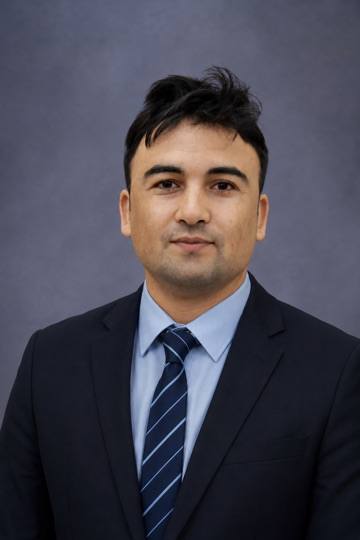
Section 1557 engagements are overseen by Managing Partner Hassan Ukasha and led by partners and engagement managers trained in public health, psychology and data systems. The team comes from the Afghan community and studied at leading universities, so the people assessing your program understand both the regulation and the patient.
Executive oversight
- B.S.Cornell University
- M.P.H.Cornell University
Hassan Ukasha
Managing Partner
Oversees Ariana Nexus operations and the Section 1557 language access program. As executive sponsor on every engagement, he is the escalation point for your leadership team.
Grew up in Herat.
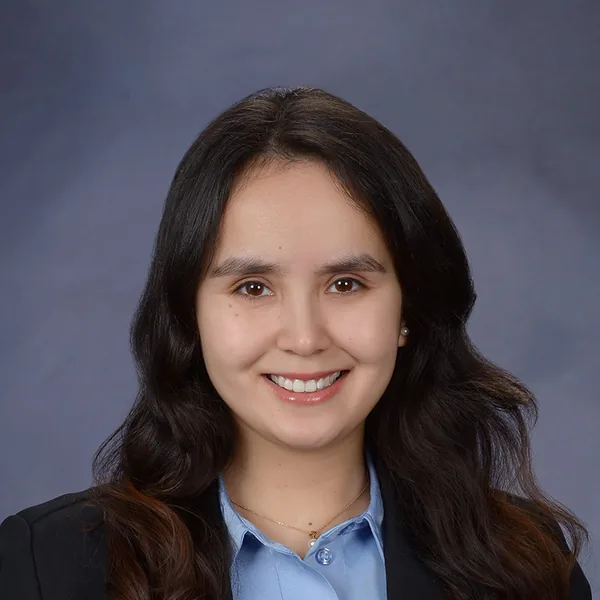
- B.S.Cornell University
- M.P.H.Cornell University
Tamana Ghaznawi
Senior Partner
Lived in Kabul.
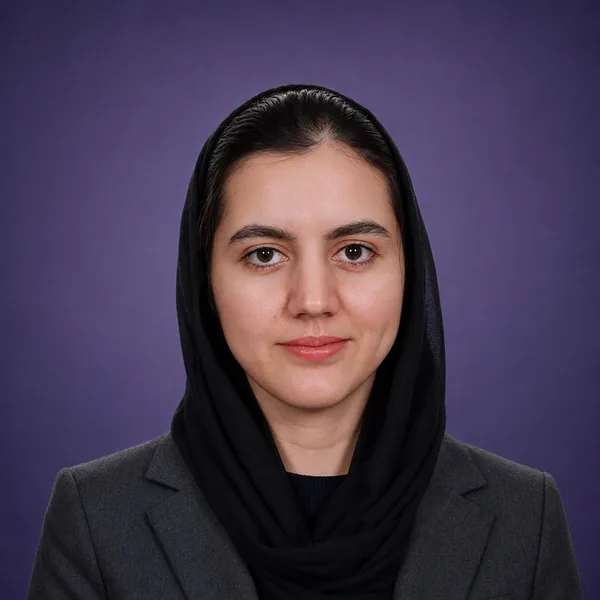
- B.Sc.University of British Columbia
Zeba Haqbani
Senior Partner
Lived in Kabul.
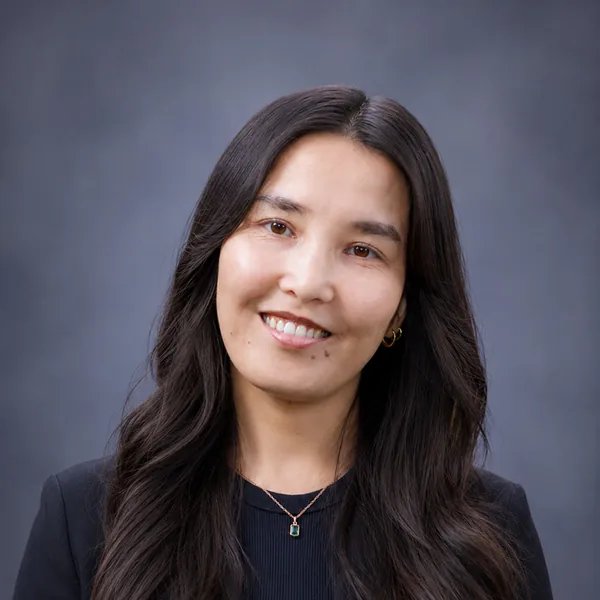
- B.S.Brown University
- M.P.H.Brown University
Shukria Sakhi
Engagement Manager

- B.A.Cornell University
- Psy.D.West Chester University
Diana Ayubi
Engagement Manager
Lived in Kabul.
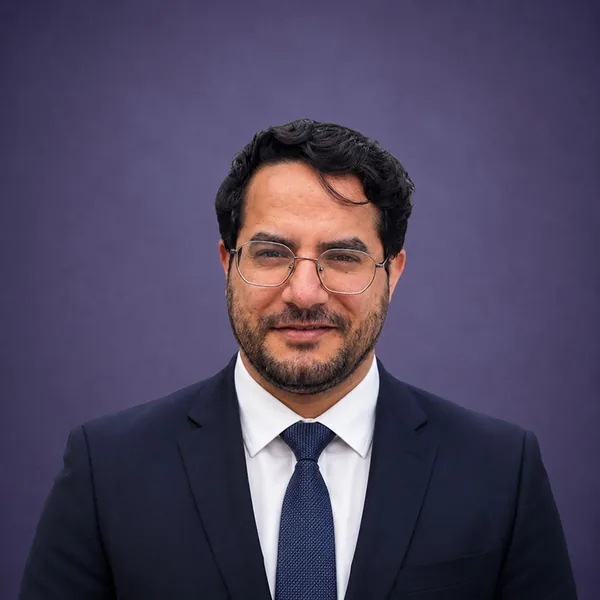
- B.A.Milli University
- M.Sc.Otto-von-Guericke University Magdeburg
Wasil Peroz
Principal
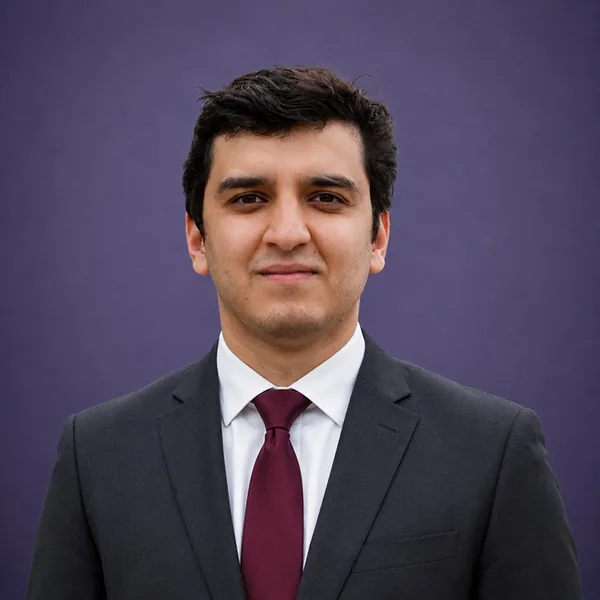
- M.Eng.Cornell University
- Ph.D.University of Chicago
Hussain Ahmad
Analyst
Who this service is for
Built for the people who carry language access inside a health system, and for the organizations that serve the Afghan diaspora.
Organizations
- Health systems and hospitals
- Community health centers and FQHCs
- Medicaid and Medicare Advantage health plans
- Behavioral health providers
- Telehealth and digital health companies
- Refugee health clinics
- Academic medical centers and research programs
Roles
- Section 1557 Coordinators
- Compliance and privacy officers
- Directors of language services
- Patient experience and patient relations leaders
- Chief nursing and chief medical officers
- Risk managers and general counsel
- Digital health and information technology leaders
This service in Pashto and Dari
د افغان ناروغانو لپاره ژبنی لاسرسی
آریانا نکسس له روغتونونو او روغتیايي سیستمونو سره مرسته کوي چې د ۱۵۵۷ مادې د ژبني لاسرسي اړتیاوې پوره کړي. موږ افغان ناروغانو ته په پښتو، دري او ۲۲ نورو افغاني ژبو کې وړ او روزل شوي ژباړونکي ورکوو، چې د ناروغ له لهجې او جنسیت سره سم ټاکل کېږي.
دسترسی زبانی برای مریضان افغان
آریانا نکسس به شفاخانهها و سیستمهای صحی کمک میکند تا الزامات دسترسی زبانی مادهٔ ۱۵۵۷ را رعایت کنند. ما برای مریضان افغان ترجمانان واجد شرایط و آموزشدیده را به پشتو، دری و ۲۲ زبان دیگر افغانستان فراهم میکنیم که مطابق به لهجه و جنسیت مریض انتخاب میشوند.
Section 1557 language access: frequently asked questions
Is Section 1557 language access still enforced in 2026?
Yes. HHS confirmed on June 2, 2026 that a federal court vacated only the 2024 rule’s gender-identity provisions. The language access requirements in 45 CFR Part 92, including qualified interpreters, notices, written procedures and staff training, remain in force.
Does Executive Order 14224 end our language access obligations?
No. Executive Order 14224 made English the official language and revoked Executive Order 13166, which directed federal agencies’ language access work, and the Department of Justice rescinded its 2002 guidance. None of that amends Section 1557, Title VI or 45 CFR Part 92, which still apply to federally funded health programs.
Who needs a Section 1557 Coordinator?
Any covered entity with 15 or more employees must designate at least one Section 1557 Coordinator. The coordinator handles grievances, keeps records, coordinates language access procedures and oversees staff training.
Can bilingual staff interpret for patients under Section 1557?
Only if they meet the regulation’s definition of a qualified interpreter: proficient in both languages, able to interpret accurately and impartially using medical vocabulary, and bound by interpreter ethics. Test and train dual-role staff before they interpret, and record who is qualified.
Can a patient’s family member or child interpret?
Not as a routine practice. You may not require a patient to bring an interpreter. An accompanying adult may interpret only in an emergency when no qualified interpreter is immediately available, or when the patient specifically asks, the adult agrees, both are documented and it is appropriate. A minor child may interpret only in such an emergency.
Can we use Google Translate or AI to translate discharge instructions into Pashto or Dari?
Only with review. When machine-translated text is critical to a patient’s rights, benefits or access, when accuracy is essential, or when the content is complex or technical, 45 CFR 92.201(c)(3) requires review by a qualified human translator. Discharge instructions and consent forms meet that test.
Which languages must our notice of availability include?
English and at least the 15 languages most commonly spoken by people with limited English proficiency in the state or states where you operate. Check that list against your own patient data as well, because Pashto and Dari speakers can be hidden inside broad Census categories.
Is Dari the same as Farsi?
Both are Persian, but Dari is the variety spoken in Afghanistan. Vocabulary and pronunciation differ: a hospital is a shafakhana in Dari and a bimarestan in Iranian Persian. Request Dari by name and ask your vendor to confirm the interpreter’s variety.
Do Afghan patients need a female interpreter?
Many Afghan women prefer one, especially for reproductive, maternity and mental health care, and some will not speak openly without one. Ask once, record the preference and honor it every time. We provide women interpreters on request.
Is there a certification for Pashto or Dari medical interpreters?
Not for Pashto or Dari. The national healthcare interpreter certifications test interpreting performance only in a small set of other languages, and language-neutral credentials test knowledge rather than skill in Pashto or Dari. Health systems have to verify quality themselves. Ariana Nexus assesses every interpreter in the specific variety, trains its own bench, and trains Afghan diaspora interpreters and students.
How long does a Section 1557 language access assessment take?
A single-hospital assessment is planned at three to four weeks from data request to report. Multi-hospital systems are scoped site by site, and implementation is planned over six to twelve weeks.
Do you work with health systems outside Washington, D.C.?
Yes. We work with health systems nationwide, combining on-site walk-throughs with remote document review, and we provide Afghan-language interpreters on-site across the country or by video.
Is this legal advice?
No. Ariana Nexus is a consulting firm, not a law firm. We assess and build language access programs and work alongside your counsel, who advises on legal questions.
Request a written Section 1557 language access review
Send us your notices, procedures and patient language data. We return a written review of where your program stands against 45 CFR Part 92 and where Afghan patients fall through, at no cost to health systems.
Ariana Nexus, 1717 Pennsylvania Avenue NW, 10th Floor, Washington, D.C. 20006