AI and Machine Translation Quality Review for Patient Communications — Pashto, Dari, and 22 More Afghan Languages
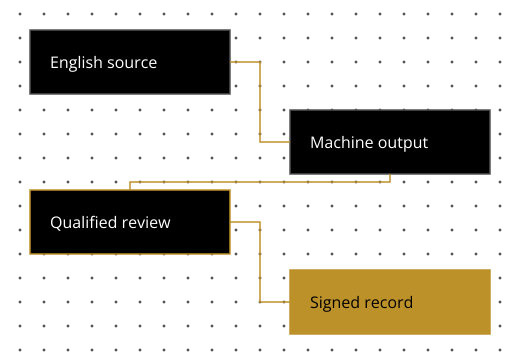
Before a machine-translated discharge instruction, portal message or chatbot reply reaches an Afghan patient, a qualified human translator from Ariana Nexus reviews it, scores every error by severity, corrects it and signs the record.
For health programs covered by Section 1557, federal rules already require this review for critical patient text. We make it fast, measurable and specific to Afghan Pashto, Dari and every language Afghan patients speak.
At a glance
What it is
Qualified human review of Pashto, Dari and other Afghan-language text produced by machine translation or generative AI, before it reaches patients.
Who it’s for
Hospitals and health systems, language services and patient experience teams, digital health and EHR teams, health plans, and companies building patient-facing AI.
What we review
Discharge instructions, medication directions, portal messages, reminders, forms, patient education, and chatbot and virtual assistant replies.
Languages
Pashto, Dari and 22 more Afghan languages, with reviewers matched by dialect, region and gender.
Method
Every error typed and scored as critical, major or minor, aligned with ISO 5060:2024 and the MQM framework.
Legal basis
Section 1557 of the Affordable Care Act, 45 CFR 92.201(c)(3).
You receive
Corrected text, a findings log, a signed review record and an error profile of your tool.
Delivery
In-house reviewers only, with a business associate agreement signed before any patient text is shared.
Why AI translation fails Afghan patients
Translation engines learn from text that already exists online, and little of it is Afghan. Most Persian text online is Iranian, much of the Pashto online comes from Pakistan and is not medical, and several Afghan languages are rarely written at all. The output still reads fluently, which is the danger: a patient cannot tell a fluent error from a correct instruction.
Failure mode
Dari that reads as Iranian Persian
Engines trained mostly on Iranian text write بیمارستان for hospital and پزشک for doctor. Afghan patients say شفاخانه and داکتر. The instruction is understood less and trusted less.
Our control: variety check against an afghan dari term base
شفاخانهبیمارستانHospital, as Afghan patients write it, and as engines often return it.
Failure mode
Pashto with the wrong gender and region
Pashto adjectives and verbs agree with gender, and engines default to masculine forms. They also drift toward vocabulary common in Pakistan, such as هسپتال where Afghan readers expect روغتون.
Our control: reviewer matched to patient gender and region; agreement checked
روغتونهسپتالHospital in Afghan Pashto, and the form common in Pakistan-sourced text.
Failure mode
Doses, numbers and negations
Small words carry the risk: a dropped “do not,” a dose written with the wrong numeral or decimal mark, “twice a day” turned into “every two days.” These errors read fluently and are the hardest for a patient to catch.
موتر نرانیدرانندگی کنید“Do not drive,” and the engine output that dropped the “not.”
Failure mode
Words patients actually use
Engines copy the register of the English source. Literacy varies widely among Afghan adults, and many patients read plain, spoken-style Pashto or Dari more easily than formal written language. Review checks that the words are the ones a patient uses.
Our control: plain-language review by a reviewer from the patient’s region
بعد از نانبعد از غذا“After meals,” in plain Afghan Dari and in formal Iranian phrasing.
Failure mode
War, trauma and mental health
Terms for grief, fear and the moral trauma of the Afghan war carry weight that a literal engine flattens or makes clinical. A badly translated screening question can shame a patient into silence.
Our control: trauma-informed wording review
Wording on grief and trauma is reviewed by a reviewer trained for it, not shown here.
Failure mode
Right-to-left text that breaks
Templates reverse numbers, split letter joins, drop Pashto letters such as ټ, ځ and ښ, and leave English fragments mid-sentence. We review the message as the patient will see it, not only the text file.
Our control: review of the rendered message in your own template
ټ ځ ښPashto letters that templates and fonts often drop.
What we review
Any patient-facing text in an Afghan language that a machine or an AI model produced, reviewed against its English source and in the form the patient will actually see.
Discharge instructions and after-visit summaries
Medication directions and pharmacy labels
Patient portal messages and secure chat
Appointment reminders and text messages
Consent, financial and registration forms
Patient education and website pages
Chatbot, virtual assistant and AI agent replies
Scripts for AI voice and phone systems
Who uses this service
Hospitals and health systems serving Afghan patients
Language services and interpreter services departments
Patient experience, digital health and portal teams
EHR, patient messaging and health AI companies
Health plans and public health departments
Clinics and resettlement health programs serving the Afghan diaspora
What the evidence shows
67.5%
of emergency department instructions machine-translated into Persian (Farsi) were accurate, the closest published measure for Dari.
94%
for Spanish in the same 2021 study of Google Translate. The gap follows the language, not the tool.
3
conditions under 45 CFR 92.201(c)(3) in which machine translation must be reviewed by a qualified human translator.
Persian (Farsi) and Afghan Dari are related but not the same variety. A tool measured on Iranian-style Persian has not been measured on the Dari your patients read.
Google Translate accuracy for emergency department instructions, by language
Spanish94%
Tagalog90%
Korean82.5%
Chinese81.7%
Persian (Farsi)67.5%
Armenian55%
Share of translated discharge statements judged accurate by native-speaker reviewers; 400 statements across seven languages, six of which are shown. Source: Taira et al., Journal of General Internal Medicine, 2021.
What a review record holds
Every item leaves a record your auditors can read, tied to the reviewer who signed it.
Review recordDari specimen
Item
Discharge instruction
Produced by
The machine translation tool named at intake
Language and variety
Dari, Kabul
Reviewer
Qualified translator matched by variety and region
Second check
Second linguist, for the critical finding
Findings
1 critical, 1 major, 2 minor
Decision
Blocked, corrected, released
Signed
Reviewer and second linguist, with date
CriticalMajorMinor
What you receive
Corrected text, ready to publish in the patient’s language and variety
A findings log listing every error with its category, severity and correction
A signed review record: reviewer, variety, date and decision for each item
An error profile of the tool that produced the text, by language
Glossary entries and style rules your team and your tool can reuse
Back-translation into English on request
What a review finds
Two constructed examples of the errors we see most often. Pashto first, then Dari.
Pashto: a follow-up question and instruction for a woman patient from Kandahar
English sourceAre you feeling tired? Take this medicine and come back to the hospital next week.
−
Machine output
آیا تاسو ستړي1 یاست؟ دا دوائي4واخلئ2 او راتلونکې اونۍ missing word5هسپتال3 ته راشئ.
+
After review
آیا تاسو ستړې1 یاست؟ دا درمل4 وخورئ2 او راتلونکې اونۍ بېرته5 روغتون3 ته راشئ.
No.
Severity
Error type
What changed
No.1
SeverityMajor
Error typeLinguistic conventions
What changedستړي is masculine; the patient is a woman. Corrected to ستړې.
No.2
SeverityMajor
Error typeAccuracy
What changedواخلئ can read as “buy.” Corrected to وخورئ, to take by mouth.
No.3
SeverityMajor
Error typeLocale conventions
What changedهسپتال is common in Pakistan. Afghan readers expect روغتون.
No.4
SeverityMinor
Error typeLocale conventions
What changedدوائي replaced with the Afghan درمل.
No.5
SeverityMinor
Error typeAccuracy
What changed“Come back” lost “back.” بېرته restored.
DecisionCorrected, then released.
Dari: a discharge instruction for a patient from Kabul
English sourceTake one tablet twice a day after meals. Do not drive after taking this medicine. If you have chest pain, go to the hospital right away.
−
Machine output
روزی دو بار بعد از غذا4 یک قرص3مصرف کنید4. پس از مصرف این دارو3رانندگی کنید1. در صورت درد سینه فوراً به بیمارستان2 بروید.
+
After review
روزانه دو بار بعد از نان4 یک تابلیت3 بخورید4. بعد از خوردن این دوا3 موتر نرانید1. اگر سینهتان درد کرد، فوراً به شفاخانه2 بروید.
No.
Severity
Error type
What changed
No.1
SeverityCritical
Error typeAccuracy
What changed“Do not” was dropped: the output tells the patient to drive. Corrected to موتر نرانید.
No.2
SeverityMajor
Error typeLocale conventions
What changedبیمارستان is Iranian. Afghan patients say شفاخانه.
No.3
SeverityMinor
Error typeLocale conventions
What changedقرص and دارو replaced with the Afghan تابلیت and دوا.
No.4
SeverityMinor
Error typeAudience appropriateness
What changedFormal Iranian phrasing such as مصرف کنید rewritten in plain Afghan Dari: بخورید.
DecisionBlocked, corrected, checked by a second linguist, then released.
How a review works
Six steps, the same for every item, so a result in Pashto can be compared with a result in Dari or Uzbeki.
Stage 1
Intake and triage
We log the content type, the tool that produced it and the patient audience, then set the route: full review, sampled review or human translation.
Stage 2
Source check
We read the English first. Unclear abbreviations and instructions that are wrong in English are flagged before the translation is judged.
Stage 3
Matched review
A qualified translator matched to the language, variety, region and patient gender reviews the output line by line against the source.
Stage 4
Severity scoring
Each error is typed, such as accuracy, terminology or locale, and scored critical, major or minor, following ISO 5060:2024 and MQM.
Stage 5
Correction and second check
The reviewer corrects the text. Anything scored critical is checked again by a second linguist before release.
Stage 6
Signed record and feedback
You receive the signed record. Recurring errors become glossary entries and rules for your tool, so the next output starts better.
How we score errors
Severity
What it means
What happens
SeverityCritical
What it meansCould cause harm or reverse a clinical or legal meaning: a dose, a warning or a “do not” lost.
What happensBlocked until corrected and checked by a second linguist.
SeverityMajor
What it meansChanges meaning or would confuse a patient, such as an Iranian term an Afghan reader does not use.
What happensCorrected before release.
SeverityMinor
What it meansUnderstood, but unnatural, inconsistent or in the wrong register.
What happensCorrected and logged as feedback for your tool.
When machine translation is the right tool, and when it is not
Machine draft with our review
Pashto or Dari text from a tool you already use
Portal messages, reminders and general education
Volume that would otherwise wait for translation
Human translation instead
Medication directions and consent forms
Machine drafts that need more than correction
Uzbeki, Turkmeni and Balochi content
No machine translation
Hazaragi and the 18 smaller Afghan languages, most with no reliable engine
Patients who read little: use recorded audio or an interpreter
Clinical answers no reviewer can check before a patient relies on them
The review federal rules already require
Section 1557 of the Affordable Care Act and its 2024 rule draw the line for AI translation in health care. When a covered entity uses machine translation for text that is critical to a patient’s rights, benefits or meaningful access, where accuracy is essential, or where the source is complex, non-literal or technical, a qualified human translator must review the translation. Discharge instructions, medication directions and consent forms meet at least one of those conditions.
Instrument
What it requires
How our review answers it
Instrument45 CFR 92.201(c)(3)
What it requiresA qualified human translator must review machine translation of critical, accuracy-essential or technical text.
How our review answers itA qualified translator reviews each item and signs the record.
Instrument45 CFR 92.4
What it requiresDefines machine translation and the qualified translator: translator ethics and confidentiality, proven proficiency in written English and the other language, and accurate use of specialized terms.
How our review answers itReviewers are graduates assessed in the exact variety they review, trained in medical terminology and bound by confidentiality.
InstrumentHHS Office for Civil Rights, Dear Colleague Letter (December 2024)
What it requiresIn an emergency, review may follow use, but as soon as practicable, and patients should be told a machine translation may contain errors.
How our review answers itUrgent review after emergency use, with the correction and its timing documented.
InstrumentCalifornia Health and Safety Code § 1339.75 (AB 3030)
What it requiresGenerative AI communications about a patient’s clinical information need a disclaimer and instructions for reaching a person, unless a licensed or certified health care provider reads and reviews them.
How our review answers itWe review the language, including the disclaimer. The clinical review that lifts the disclaimer duty stays with your licensed provider.
InstrumentISO 5060:2024
What it requiresInternational guidance for evaluating translation output with error types and severity levels.
How our review answers itFindings are typed and weighted, so quality is measured rather than asserted.
InstrumentHIPAA, 45 CFR Parts 160 and 164
What it requiresA vendor handling protected health information needs a business associate agreement.
How our review answers itA business associate agreement is signed before any patient text is shared.
Where no certification exists, we set the standard.
No U.S. certification exam tests translation from English into Pashto or Dari, so buyers are left to take a vendor’s word. Ariana Nexus answers with a written reviewer standard, reviewers who meet it and a signed record for every item.
Graduates, not bilinguals
We won’t send you a bilingual. Every reviewer holds a college degree and has passed an assessment in the exact variety they review.
A seven-part reviewer standard
Degree held, assessment in the variety claimed, structured medical training, NCIHC ethics, annual HIPAA training, supervised entry and periodic review.
From the communities we serve
Our reviewers come from the Afghan diaspora and know how patients from each region speak and read.
In-house from intake to signature
No subcontractors and no brokered freelancers: one engagement, one point of accountability.
Honest about what AI cannot do
Where no engine produces usable text in a language, we say so and recommend human translation or audio.
Outside the de facto authorities’ channels
Nothing we handle is routed through channels controlled by the de facto authorities in Afghanistan.
We also train Afghan diaspora interpreters and students in medical language, so the bench grows with the need.
Machine translation alone, a bilingual check, or a qualified review
What matters
Machine translation alone
Bilingual staff check
Ariana Nexus review
What mattersMeets the qualified human review condition in 45 CFR 92.201(c)(3)
Machine translation aloneNo
Bilingual staff checkOnly if the person is a qualified translator
Ariana Nexus reviewYes, by a qualified translator
What mattersAfghan Dari rather than Iranian Persian
Machine translation aloneNot reliable
Bilingual staff checkDepends on the person
Ariana Nexus reviewMatched variety, checked
What mattersDialect, region and gender
Machine translation aloneNot considered
Bilingual staff checkRarely checked
Ariana Nexus reviewMatched and recorded
What mattersErrors scored by severity
Machine translation aloneNo
Bilingual staff checkNo
Ariana Nexus reviewYes, aligned with ISO 5060:2024
What mattersSigned record for audits
Machine translation aloneNo
Bilingual staff checkRarely
Ariana Nexus reviewFor every item
What mattersFeedback that improves your tool
Machine translation aloneNo
Bilingual staff checkNo
Ariana Nexus reviewError profile and glossary
Matched to the patient, not only the language
Language and exact variety
Afghan Dari, not Iranian Persian. Hazaragi, a variety of Dari, when your patients speak it. Pashto by region, from Kandahar to Nangarhar.
City and region
Reviewers are matched to where your patients come from, because a word common in Herat can be unfamiliar in Khost.
Gender
Materials for women are reviewed in the forms a woman is addressed in, and women reviewers are assigned where the subject calls for it.
Education close to medicine
Every reviewer is a college graduate. Clinical content goes to reviewers whose degrees are in or near the health sciences.
The team that reviews your content
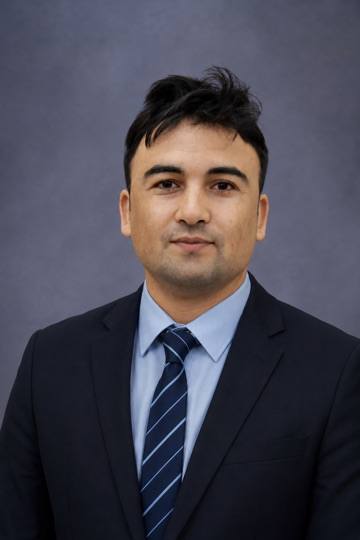
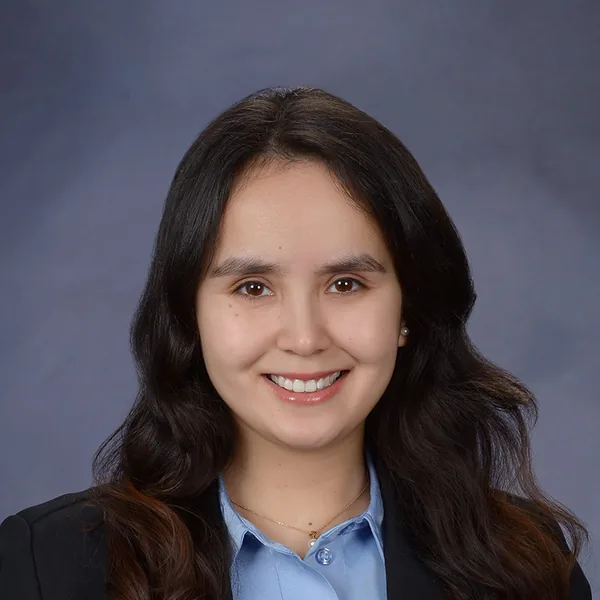
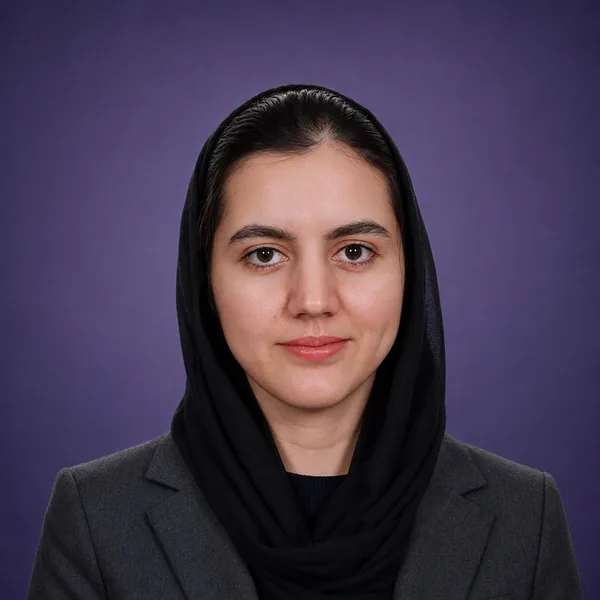
The program is overseen by Hassan Ukasha, Managing Partner, and delivered by partners and managers educated at Cornell, Brown, the University of Chicago and the University of British Columbia. The reviewers they lead are Afghan college graduates, not bilingual volunteers.
Program oversight
Hassan Ukasha
Managing Partner
B.S.
Cornell University
M.P.H.
Cornell University
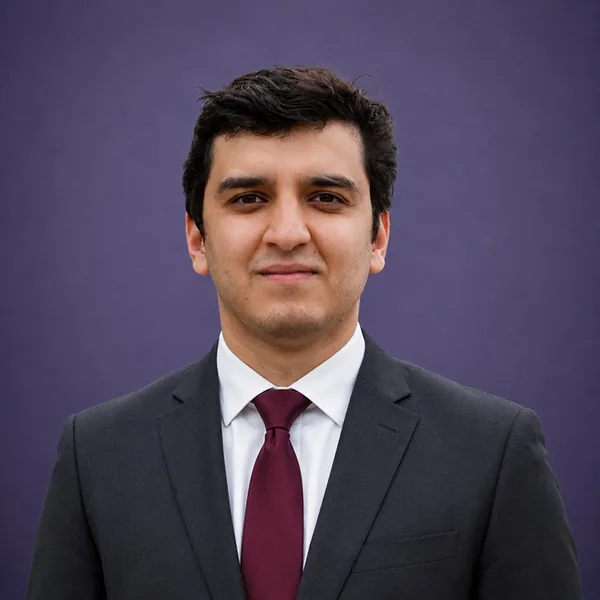
Oversees the firm’s operations and the AI translation review program, including engagement governance, the reviewer standard and data protection. Grew up in Herat.
Tamana Ghaznawi
Senior Partner
B.S.
Cornell University
M.P.H.
Cornell University
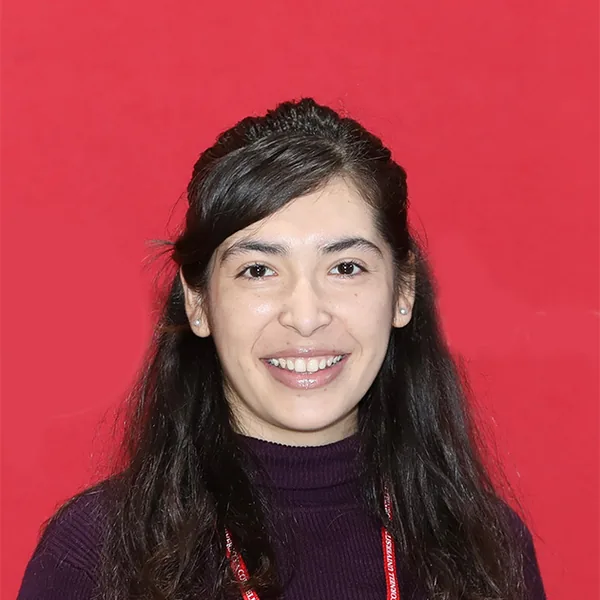
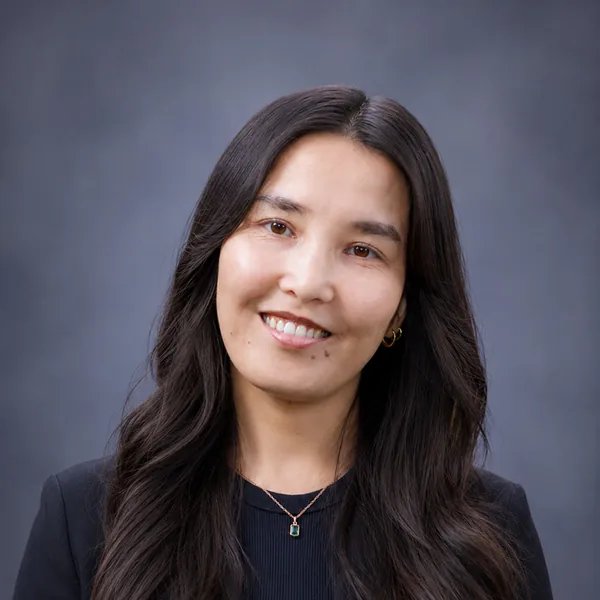
Leads the healthcare practice and is accountable for the clinical review standard and how findings reach health systems. Lived in Kabul.
Zeba Haqbani
Senior Partner
B.Sc.
University of British Columbia
Builds and runs the firm’s institutional systems and AI platforms, including the secure review environment and the scoring records. Lived in Kabul.
Diana Ayubi
Engagement Manager
B.A.
Cornell University
Psy.D.
West Chester University
Architects the firm’s mental health programs and reviews wording on trauma, grief and mental health. Lived in Kabul.
Shukria Sakhi
Engagement Manager
B.S.
Brown University
M.P.H.
Brown University
Manages review engagements and checks that corrected materials read at the patient’s health literacy level.
Hussain Ahmad
Analyst
M.Eng.
Cornell University
Ph.D.
University of Chicago
Works on AI and data engineering, analyzing tool output and error patterns by language and turning findings into feedback for your tool.
All 24 Afghan languages we review
We review written output in all 24 languages and say plainly when machine translation is not a sound option. Several of these languages are rarely written, so the right answer may be a human translation or a recorded message rather than an engine. For Hazaragi speakers, we review Afghan Dari for Hazaragi readers or record the message in Hazaragi.
پښتوPashtoIranian. South and east; spoken nationwideMachine translation: widely offered
دریDariIranian. Nationwide; Kabul, Herat, Mazar-i-SharifMachine translation: often returned as iranian persian
هزارگیHazaragi (a variety of Dari)Iranian. Central highlandsMachine translation: not offered as its own variety
ایماقیAimaqIranian. West: Ghor, Badghis, HeratMachine translation: no reliable engine
اورمړیOrmuriIranian. LogarMachine translation: no reliable engine
پراچیParachiIranian. Panjshir and Kapisa valleysMachine translation: no reliable engine
وخیWakhiIranian. Wakhan, BadakhshanMachine translation: no reliable engine
شغنیShughniIranian. Shughnan, BadakhshanMachine translation: no reliable engine
سنگلیچیSanglechiIranian. Sanglech valley, BadakhshanMachine translation: no reliable engine
اشکاشمیIshkashimiIranian. Ishkashim, BadakhshanMachine translation: no reliable engine
منجیMunjiIranian. Munjan valley, BadakhshanMachine translation: no reliable engine
یدغهYidghaIranian. Munjan border regionMachine translation: no reliable engine
ازبکیUzbekiTurkic. North: Balkh, Jowzjan, FaryabMachine translation: offered in another script
ترکمنیTurkmeniTurkic. Northwest: Jowzjan, FaryabMachine translation: offered in another script
قرغزیKyrgyzTurkic. Little Pamir, WakhanMachine translation: offered in another script
پشهییPashayiIndo-Aryan. Laghman, Kunar, NangarharMachine translation: no reliable engine
گواربتیGawarbatiIndo-Aryan. Lower Kunar valleyMachine translation: no reliable engine
تیراهیTirahiIndo-Aryan. Nangarhar, a few villagesMachine translation: no reliable engine
اشکونNuristani (Ashkun)Nuristani. Southwest NuristanMachine translation: no reliable engine
کتیKatiNuristani. Nuristan, Bashgal valleyMachine translation: no reliable engine
پارونPrasunNuristani. Nuristan, Parun valleyMachine translation: no reliable engine
وایگلیWaigaliNuristani. Nuristan, Waigal valleyMachine translation: no reliable engine
براهوییBrahuiDravidian. South: Helmand, Nimroz, KandaharMachine translation: no reliable engine
Regions are indicative and used for matching; they are not a census. Names are shown in Arabic script as commonly written; several smaller languages have no standardized spelling. Engine coverage changes often. We check the specific tool you use at intake.
In Pashto and Dari
پښتو
د ناروغانو لپاره هر هغه متن چې ماشین یا مصنوعي ځیرکتیا ژباړلی وي، مخکې له دې چې ناروغ ته ورسېږي، زموږ وړ ژباړونکي یې کره کوي، تېروتنې یې سموي او لاسلیک یې کوي. موږ پښتو، دري او نورې ۲۲ افغاني ژبې بیا کتو او ژباړونکي د ژبې، لهجې، سیمې او جنسیت له مخې برابروو.
دری
هر متنی که ماشین یا هوش مصنوعی برای مریضان ترجمه کرده باشد، پیش از رسیدن به مریض توسط ترجمانان واجد شرایط ما بررسی، اصلاح و امضا میشود. ما پشتو، دری و ۲۲ زبان دیگر افغانستان را بررسی میکنیم و ترجمان را از نگاه زبان، لهجه، منطقه و جنسیت با مریض برابر میسازیم.
The words engines get wrong
Everyday health words, as Afghan patients read them and as engines often return them.
Pashto
English
Afghan Pashto
Common in Pakistan-sourced text
EnglishHospital
Afghan Pashtoروغتون
Common in Pakistan-sourced textهسپتال
EnglishMedicine
Afghan Pashtoدرمل
Common in Pakistan-sourced textدوائي
Dari
English
Afghan Dari
Iranian Persian, as engines return it
EnglishHospital
Afghan Dariشفاخانه
Iranian Persian, as engines return itبیمارستان
EnglishDoctor
Afghan Dariداکتر
Iranian Persian, as engines return itپزشک
EnglishMedicine
Afghan Dariدوا
Iranian Persian, as engines return itدارو
EnglishPharmacy
Afghan Dariدواخانه
Iranian Persian, as engines return itداروخانه
EnglishInjection
Afghan Dariپیچکاری
Iranian Persian, as engines return itتزریق
EnglishNurse
Afghan Dariنرس
Iranian Persian, as engines return itپرستار
Ways to engage
One time
Spot audit
A scored sample of your machine-translated content, with an error profile by language and content type. Useful before you scale an AI tool or after a complaint.
Per release
Full review before release
Every item reviewed, corrected and signed before a patient sees it, with urgent review when machine translation had to be used in an emergency.
Monthly
Ongoing assurance
Scheduled sampling of live AI output, trend reporting and glossary upkeep for portals, chatbots and messaging programs.
As needed
Human translation
When machine output is not worth correcting, or no engine is sound for the language, we translate from scratch.
How patient data stays protected
A business associate agreement is signed before any patient text is shared.
Reviewers never paste patient text into public AI tools.
We ask only for the text the review needs.
We do not use your content to train AI models.
Terms used on this page
Machine translation
Automated, text-based translation produced without a qualified human translator. The Section 1557 rule defines it at 45 CFR 92.4.
Qualified human translator
A translator who follows translator ethics, including confidentiality, has shown written proficiency in English and the other language, and translates accurately with the terms the text needs.
Machine translation post-editing (MTPE)
Correcting machine output until it reads correctly. A quality review adds scoring and a signed record.
Linguistic quality assurance (LQA)
A structured check of translated content against defined error types and severity levels.
MQM
Multidimensional Quality Metrics, a shared typology of translation error types used to score quality.
Severity level
The weight of an error, critical, major or minor, based on its effect on the reader.
Afghan Dari
The variety of Persian spoken and written in Afghanistan, distinct in everyday vocabulary from Iranian Persian (Farsi).
Hazaragi
A variety of Dari spoken by Hazara communities, treated as its own language for matching.
Questions health systems ask
Is Google Translate accurate enough for Dari or Pashto patient instructions?
Not on its own. In a 2021 study of emergency department instructions, Google Translate was 94% accurate for Spanish but 67.5% for Persian (Farsi), the closest published measure for Dari. Afghan Dari differs from Iranian Persian in everyday health words, so the output needs review by a qualified human translator before a patient relies on it.
Does Section 1557 allow machine translation of patient documents?
It allows the tool, not unreviewed output. Under 45 CFR 92.201(c)(3), if a covered entity uses machine translation for text that is critical to a patient’s rights, benefits or meaningful access, where accuracy is essential, or where the language is complex, non-literal or technical, a qualified human translator must review the translation.
Who counts as a qualified human translator?
The Section 1557 rule, at 45 CFR 92.4, describes a qualified translator as someone who follows translator ethics, including confidentiality, has shown proficiency in written English and the other language, and translates accurately and impartially with the specialized terms the text needs. Our reviewers are assessed in the exact variety they review and trained in medical terminology.
Can we use ChatGPT or another AI model to translate discharge instructions into Pashto or Dari?
You can use it to draft. We treat translation by AI models as machine translation, because it is automated, text-based translation, so critical patient text still needs review by a qualified human translator. AI models also write fluent text that hides errors and can change meaning between runs, so each output needs its own review.
Is Dari the same as Farsi?
They are closely related varieties of Persian, but not the same in daily use. Afghan Dari uses different words for many health terms, such as شفاخانه for hospital and داکتر for doctor, where Iranian Persian uses بیمارستان and پزشک. Tools trained mostly on Iranian text tend to produce the Iranian forms.
What is machine translation post-editing, and how is a quality review different?
Post-editing (MTPE) corrects machine output until it reads well. A quality review also measures it: every error is categorized and scored by severity, and the result is signed and recorded. You learn how good the tool is, not only what the corrected text says.
How do you score translation quality?
We follow ISO 5060:2024, the international guidance for evaluating translation output, and the MQM error typology. Each error is typed, such as accuracy, terminology or locale, and weighted as critical, major or minor. Critical errors block release until they are corrected and checked again.
Which Afghan languages can machine translation handle?
Pashto is widely offered. Dari is offered by some tools but often returned as Iranian Persian. Uzbeki, Turkmeni and Kyrgyz are usually produced in another script, while Afghan communities write them in Arabic script. Most other Afghan languages have no reliable engine, and several are rarely written; for those we recommend human translation or recorded audio.
Do you match reviewers by dialect and gender?
Yes. We match the language, the exact variety, the city or region your patients come from, and the reviewer’s gender where the subject calls for it. Clinical content goes to reviewers with degrees close to medicine.
How do you protect patient information during a review?
A business associate agreement is signed before any patient text is shared. Reviewers work only in approved systems, never paste patient text into public AI tools, and handle only the text the review needs.
Does the executive order making English the official language change our obligations?
Executive Order 14224, signed in March 2025, designates English as the official language but does not require agencies or health programs to stop offering services in other languages. Section 1557 and its language access rule, including the machine translation review requirement, remain in effect.
Does California’s AB 3030 apply to AI-translated patient messages?
AB 3030 requires California health facilities, clinics and physician offices that use generative AI for communications about a patient’s clinical information to include a disclaimer and instructions for reaching a person, unless a licensed or certified health care provider reads and reviews the message. Our language review does not replace that clinical review, but it makes sure the message and the disclaimer are right in Pashto or Dari.
Is there a U.S. certification for Pashto or Dari translators?
No U.S. certification exam tests translation from English into Pashto or Dari. That is why we publish our own reviewer standard: a degree, an assessment in the exact variety, medical training, ethics and HIPAA training, supervised entry and periodic review.