Race, Ethnicity and Language (REaL) Data and Health Outcomes Analytics for Afghan Patient Populations

Most health systems cannot say how many Afghan patients they serve, which language each one speaks, or how their care turns out. Ariana Nexus builds the race, ethnicity and language data that makes Afghan patients visible, in Pashto, Dari and 22 more Afghan languages, and the outcomes analytics that shows where their care is falling short.

A consulting engagement delivered entirely by our own people, from the registration desk to the board report.

Reviewed by Tamana Ghaznawi, M.P.H., Senior Partner

Figure 1

The Afghan diaspora in the United States

Afghan immigrants living in the United States, 2010 and 2022

Source: Migration Policy Institute, analysis of American Community Survey data.

Key findings on Afghan patient data

  1. Federal standards disagree on Afghan patients: SPD 15 lists Afghan under Asian, while the CDC code set carried by EHR interfaces codes “Afghanistani” as White.

  2. Language fields fail quietly. Across 13 primary care clinics, one in five patients recorded as English-speaking chose a Spanish-language survey.

  3. Pashto and Dari each need their own entry, and dialect, interpreter need and interpreter gender each need their own field.

  4. Health plans can stratify 22 HEDIS measures by race and ethnicity in 2026, and readmission penalties now count Medicare Advantage patients.

Two numbers every quality team should know

1 in 5

patients recorded as English-speaking in the EHR chose a Spanish-language survey, across 13 primary care clinics.

Klinger et al., Journal of General Internal Medicine, 2015

22

HEDIS measures can be stratified by race and ethnicity in measurement year 2026.

National Committee for Quality Assurance

Explained

What is REaL data and health outcomes analytics for Afghan patients?

It is the work of recording each Afghan patient’s self-identified origin, preferred language, dialect and interpreter needs correctly, mapping those fields to federal and industry standards, and reporting quality, safety and cost measures for Afghan patients as their own group. The result is a patient population you can count, reach and improve care for, instead of one averaged into a larger category.

Table 1

One Afghan patient, two federal answers

The same patient can be counted as Asian in one system and White in another, depending on which federal standard the software follows.

One Afghan patient, two federal answers
SourceCategory assignedHow Afghan appears
OMB SPD 15, the 2024 federal standardAsian“Afghan” is a listed example of another Asian group
CDC Race and Ethnicity Code Set, carried by EHR interfacesWhite“Afghanistani,” under Middle Eastern or North African
SEER cancer registry coding manual, 2026White (code 01)“Afghanistani”
The patientTheir own answer“Afghan,” plus any other group they select

We record what the patient says, Afghan, and map it to every standard your reports need, so the same patient counts the same way everywhere.

Sources: Federal Register, Mar. 29, 2024 (FR Doc. 2024-06469); CDC National Center for Health Statistics, Race Code List, Appendix E; National Cancer Institute, SEER Program Coding and Staging Manual 2026, Appendix D.

A lift lobby in stone and bronze leading to a lit, empty reception desk
Registration is where Afghan patients are counted, or lost.

Why Afghan patients are hard to find in hospital data

Afghan patients are in almost every large U.S. health system, yet most records hide them. Few registration screens offer Afghan as an answer, Dari is often filed as Farsi, Pashto may be missing from the language list, and no field shows whether a Pashto speaker from Kandahar was matched with an interpreter who speaks her dialect.

Counted two different ways

Federal standards list Afghan under Asian, while the CDC code set used by many EHR interfaces codes “Afghanistani” as White.

Dari filed as Farsi

Dari and Iranian Persian share a script but not a clinical vocabulary, and a single pick-list entry hides the difference.

Pashto missing from the list

When Pashto is not an option, staff choose Other, and the patient drops out of every language report.

No dialect, gender or interpreter field

Preferred language alone does not show who needs an interpreter, in which dialect, or whether a woman asked for a female interpreter.

The wrong words on the form

Afghani is a currency and Afghanistani is not a word Afghans use; the wrong term at the front desk costs trust before care begins.

Averaged into a larger group

Rolled into Asian or Middle Eastern, Afghan results are averaged away, so a gap in prenatal care or diabetes control never shows.

Figure 2

Health outcomes we measure for Afghan patients

Access

3 measures

  • Missed appointments
  • Time to first visit
  • Patient portal activation

Hospital care

3 measures

  • 30-day readmissions
  • Emergency department return visits
  • Length of stay

Prevention

3 measures

  • Cancer screening
  • Childhood immunizations
  • Hepatitis B and tuberculosis follow-up

Mothers and children

3 measures

  • First-trimester prenatal care
  • Postpartum visits
  • Well-child visits

Chronic disease

3 measures

  • Blood pressure control
  • HbA1c control
  • Medication refills

Behavioral health

2 measures

  • Depression and PTSD screening and follow-up
  • War-related trauma and moral injury

Language access

3 measures

  • Interpreter use at admission and discharge
  • Time to interpreter
  • Dialect and gender match rate

Experience

3 measures

  • Complaints and grievances
  • Patient experience by language
  • Trust in care

Table 2

The Afghan patient data standard

Seven fields turn an unseen population into one you can report on. Each is asked of every patient and answered by the patient, never inferred.

The Afghan patient data standard
FieldWhat the patient can answerStandardWhy it matters
Self-identified originAfghan, plus any other group the patient selectsSPD 15 detailed category; CDC code crosswalkCounts Afghan patients the same way in every report
Preferred spoken languagePashto, Dari or one of 22 more Afghan languagesBCP 47 language code (ps, prs)Separates Pashto from Dari and both from Farsi
Preferred written languagePashto, Dari, English, or spoken onlyBCP 47 language codeMany patients read a different language than they speak
Dialect or varietyKandahari or central Pashto; Kabuli, Herati or Hazaragi DariAriana Nexus value setDrives interpreter matching and comprehension
Interpreter neededYes, no or declinedUS Core Interpreter Needed (LOINC 54588-9)Shows who needs support, not only who speaks another language
Interpreter gender preferenceFemale, male or no preferenceAriana Nexus value setRecorded as the patient’s choice, not assumed
Country of birthAfghanistan or any other countryISO 3166 country codeUsed only to confirm a cohort, never to label a patient

Figure 3

Which Afghan patient data fields each report needs

A field that is missing at registration cannot be recovered in the report. This map shows which fields each report depends on, so the fix starts at the right desk.

Which Afghan patient data fields each report needs
FieldHEDIS stratificationReadmissions by languageCommunity health needs assessmentInterpreter demand forecastResearch cohort
Self-identified originRequiredRequiredRequiredNot usedRequired
Preferred spoken languageSupportsRequiredRequiredRequiredRequired
Preferred written languageNot usedSupportsSupportsNot usedSupports
Dialect or varietyNot usedSupportsSupportsRequiredSupports
Interpreter neededSupportsRequiredSupportsRequiredSupports
Interpreter gender preferenceNot usedSupportsNot usedRequiredNot used
Country of birthNot usedNot usedSupportsNot usedSupports

Reports not listed under a field do not use it.

Ariana Nexus field map. Required: the report cannot be produced for Afghan patients without the field. Supports: the field sharpens the report.

What we do, from the registration desk to the board report

REaL data readiness assessment

We audit registration screens, language lists, interfaces and reports to find where Afghan patients are lost, then score completeness and accuracy.

DeliverableReadiness scorecard

Afghan patient data standard

Self-identified origin, spoken and written language, dialect, interpreter need and interpreter-gender preference, mapped to SPD 15, CDC codes and FHIR US Core.

DeliverableValue sets and crosswalks

Registration scripts and staff training

Plain scripts for asking every patient, in English, Pashto, Dari and other Afghan languages, with short training for registration and scheduling teams.

DeliverableScripts and training module

Record correction and patient identification

We find Afghan patients already in your records from interpreter logs, language fields and country of birth, and correct a record only after the patient confirms.

DeliverableConfirmed patient cohort

Outcomes analytics and stratification

Readmissions, emergency visits, missed appointments, screening, prenatal care and chronic disease control, reported for Afghan patients by language and dialect.

DeliverableStratified outcomes report

Language access analytics

Interpreter demand by language, dialect, gender and hour, wait times, video versus in-person use, and how interpreter use tracks with outcomes.

DeliverableDemand forecast

Dashboards and reporting

Built for quality committees, community health needs assessments, accreditation and payer contracts, in the reporting tools you already run.

DeliverableLive dashboard

Patient and community insight

Interviews and listening sessions in Pashto, Dari and other Afghan languages explain why the numbers look the way they do.

DeliverableFindings brief

Figure 4

Where your organization stands: the Afghan patient data maturity model

The readiness assessment places each organization on this scale and shows the work between one stage and the next.

  1. Stage 0

    Invisible

    Afghan is not an answer, Dari is filed as Farsi, and no field records interpreter need.
  2. Stage 1

    Counted

    Afghan origin, Pashto and Dari are recorded as separate answers, asked of every patient.
  3. Stage 2

    Matched

    Dialect, interpreter need and gender preference are recorded and used to schedule interpreters.
  4. Stage 3

    Measured

    Quality, safety and access measures are reported for Afghan patients by language and dialect.
  5. Stage 4

    Improving

    Findings drive action plans, are tested with patients and staff, and are refreshed every quarter.

Why health systems are fixing Afghan patient data now

  1. Federal standards changed

    SPD 15 now uses one combined question, adds a Middle Eastern or North African category and expects detailed answers. Federal collections must comply by September 28, 2029.
  2. Health plans report by race and ethnicity

    NCQA allows 22 HEDIS measures to be stratified by race and ethnicity in 2026, and plans carry those expectations into their provider networks.
  3. Readmission penalties widened

    CMS now counts Medicare Advantage patients in its readmission measures, so every avoidable readmission, including those tied to language at discharge, weighs more.
  4. EHR standards added an interpreter flag

    HL7 FHIR US Core carries an Interpreter Needed flag next to race, ethnicity and preferred language, so the field staff skip is now part of the national standard.
  5. Community health needs assessments come due

    Tax-exempt hospitals repeat the assessment every three years, and a community that cannot be counted cannot be planned for.

Who this service is for

Hospitals and health systems

Quality, population health, language services and community benefit teams.

Community health centers

Health centers and refugee clinics that report outcomes to funders and boards.

Health plans

Medicaid and Medicare Advantage plans stratifying HEDIS measures and planning member outreach.

Public health departments

Refugee health programs for Afghan families, disease surveillance and community health assessments.

Researchers

Academic medical centers building Afghan cohorts, survey instruments and recruitment plans.

Health technology and AI teams

Evaluation data that shows whether a tool works for Pashto and Dari speakers.

How an engagement runs

  1. Weeks 1 to 3

    Assess

    Staff interviews, registration walk-throughs and a data extract show where Afghan patients are lost.

    You receiveReadiness scorecard and fix list

  2. Weeks 3 to 6

    Standardize

    We design the Afghan fields, value sets and crosswalks, and write configuration requests for your EHR team.

    You receiveAfghan patient data standard

  3. Weeks 5 to 10

    Collect

    Scripts and training go live, and existing records are corrected with patient confirmation.

    You receiveTrained staff and a confirmed cohort

  4. Weeks 8 to 14

    Analyze

    We stratify outcomes and language access, then test the findings with patients and front-line staff.

    You receiveOutcomes report and dashboard

  5. Week 12 onward

    Sustain

    An action plan, a quarterly refresh and data quality checks keep the numbers trustworthy.

    You receiveAction plan and quarterly review

Ways to engage

Data readiness assessment

About three weeks, fixed fee

Find where Afghan patients disappear in your data and what it takes to fix it.

Full program

12 to 16 weeks

Data standard, training, record correction and a first stratified outcomes report.

Managed analytics

Quarterly

Refreshed outcomes, language access analytics and data quality monitoring.

Research partnership

Scoped per study

Cohort definition, Pashto and Dari instruments, and recruitment support.

Not just bilingual: the five-point match behind every field and finding

A bilingual speaker can translate a word. Our people are matched to your patients on five points, and the same five points become fields in your data, so you can see which patients were matched and which were not.

  1. Language

    Pashto, Dari or one of 22 more Afghan languages, never Farsi by default.
  2. Dialect and region

    Kandahari or central Pashto; Kabuli, Herati or Hazaragi Dari; and the province a patient comes from.
  3. Gender

    Female interviewers, reviewers and interpreters for patients who ask for them, recorded as a preference.
  4. Clinical education

    College graduates with health science training who know the clinical terms in both languages.
  5. Health system fluency

    People who understand U.S. hospitals, insurance and consent, so they explain the system as well as the words.

Why Dari is not Farsi at the bedside

Afghan Dari and Iranian Persian share a script, not a clinical vocabulary. Pashto is a separate language altogether.

Why Dari is not Farsi at the bedside
EnglishIranian PersianDariPashto
Hospitalبیمارستانشفاخانهروغتون
Doctorدکترداکترډاکټر
Nurseپرستارنرسنرس
Pharmacyداروخانهدواخانهدرملتون
Medicineدارودوادرمل

Common usage shown; native-language reviewers confirm the terms for each engagement.

The question, asked the same way to every patient

We ask every patient these questions so that everyone receives the right care.

Pashto

موږ دا پوښتنې له هر ناروغ څخه کوو، ترڅو هر چا ته سمه پاملرنه وشي.

Dari

ما این سوال‌ها را از هر مریض می‌پرسیم تا همه مراقبت درست دریافت کنند.

Native-language reviewers confirm every script before registration staff use it.

The 24 Afghan languages we record, analyze and staff

Pashto and Dari are the most common. We record every language to the dialect, and we list Hazaragi as a variety of Dari that patients and interpreters treat as its own match.

Iranian languages

  • Pashtoپښتو
  • Dariدری
  • HazaragiهزارگیVariety of Dari
  • Aimaqایماقی
  • Balochiبلوچی
  • Ormuriاورمړي
  • Parachiپراچی
  • WakhiوخیPamir
  • ShughniشغنیPamir
  • SanglechiسنگلیچیPamir
  • IshkashimiاشکاشمیPamir
  • MunjiمنجیPamir
  • YidghaیدغهPamir

Turkic languages

  • Uzbekiاوزبیکی
  • Turkmeniترکمنی
  • Kyrgyzقرغزی

Indo-Aryan languages

  • Pashayiپشه‌یی
  • Gawarbatiگواربتی
  • Tirahiتیراهی

Nuristani languages

  • Nuristani (Ashkun group)اشکون
  • Katiکتی
  • Prasunپارون
  • Waigaliوایگلی

Dravidian languages

  • Brahuiبراهویی

Why Ariana Nexus for Afghan patient data

Most analytics firms can build a dashboard. Few can hear the difference between Kandahari and central Pashto, or read an interpreter log and see which dialect went unmatched. We do both, in one team.

No U.S. certification tests any Afghan language, so we set the standard

The national medical interpreter certifications test bilingual skill in only a handful of languages, and no Afghan language is among them. We train and assess our own interpreters and reviewers, and we train Afghan diaspora interpreters and students beyond our bench.

Our standardA college degree, assessment in the exact dialect, structured medical interpreter training, NCIHC ethics, annual HIPAA training, supervised entry and periodic review.

Public health and data training, not a language vendor

Our people hold public health, psychology and engineering degrees from Cornell, Brown, the University of Chicago and the University of British Columbia, and they come from the Afghan community they analyze.

We read the data in the patient’s language

Native speakers of Pashto, Dari and other Afghan languages review every field, script and finding, so a dialect error is caught before it becomes a statistic.

Matched on five points, never just bilingual

Every interviewer, reviewer and interpreter is matched on language, dialect and region, gender, clinical education and knowledge of the U.S. health system.

Every part produced by our own people

One engagement and one point of accountability, with no subcontractors and no brokered specialists.

Where no standard exists, we write it

No national standard exists for recording Afghan dialects or interpreter-gender preference. We wrote one, and we train your staff to use it.

Privacy as a design rule

A business associate agreement before any data moves, no immigration questions, and no data or inquiry routed through channels controlled by the de facto authorities in Afghanistan.

The team behind this service

Alumni and scholars of leading universities who come from the Afghan community and work in public health, psychology, data engineering and AI.

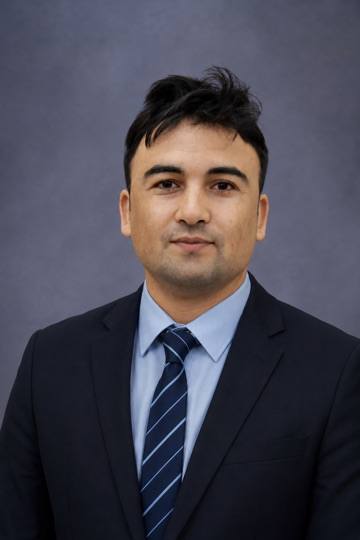
Portrait of Hassan Ukasha

Hassan Ukasha

Managing Partner

  • B.S.
    Cornell University
  • M.P.H.
    Cornell University

Grew up in Herat

Oversees the firm’s operations and this program, with executive accountability for data governance, delivery quality and client outcomes on every engagement.
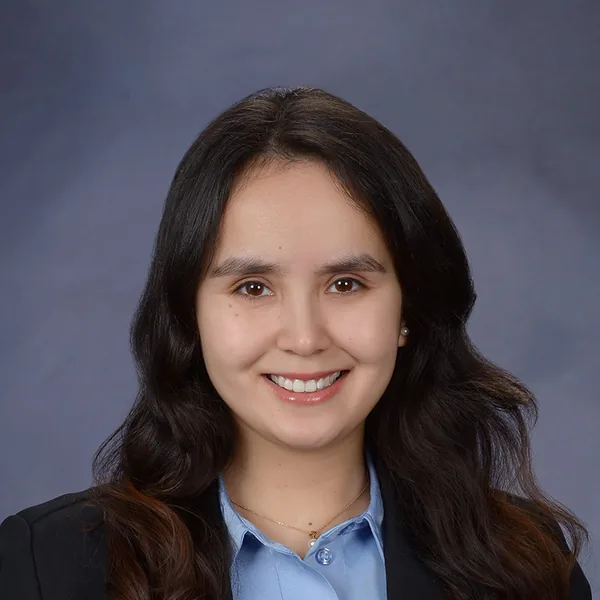
Portrait of Tamana Ghaznawi

Tamana Ghaznawi

Senior Partner

  • B.S.
    Cornell University
  • M.P.H.
    Cornell University

Lived in Kabul

Leads the healthcare practice and sets the clinical and public health questions every analysis must answer.
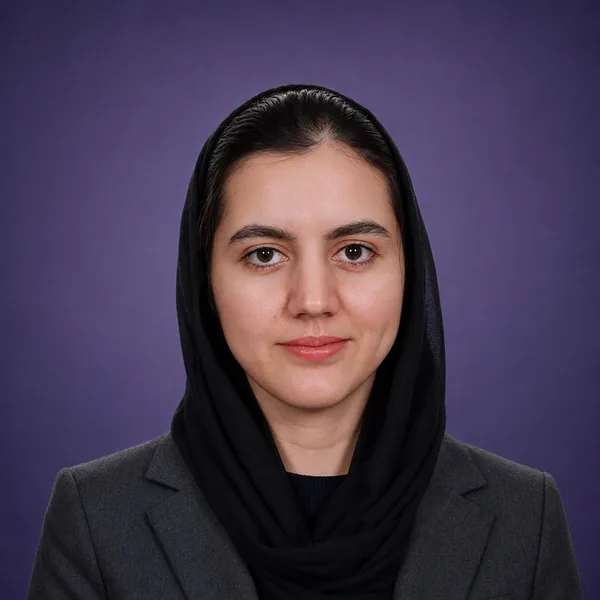
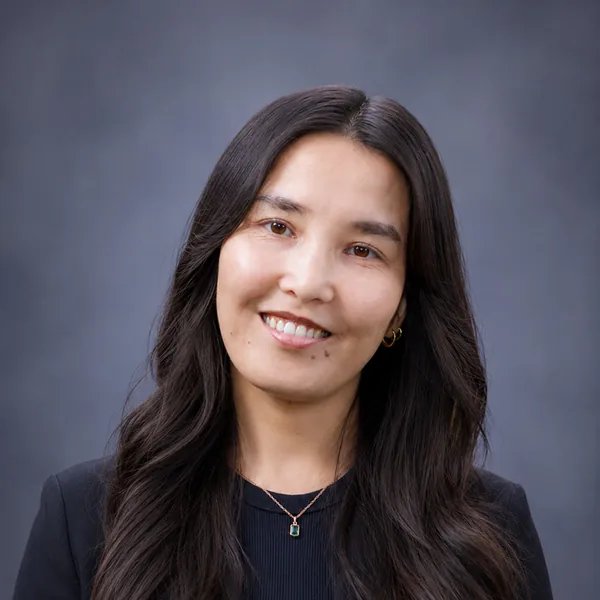
Portrait of Zeba Haqbani

Zeba Haqbani

Senior Partner

  • B.Sc.
    University of British Columbia

Lived in Kabul

Builds the institutional systems, technology and AI platforms that analytics engagements run on.
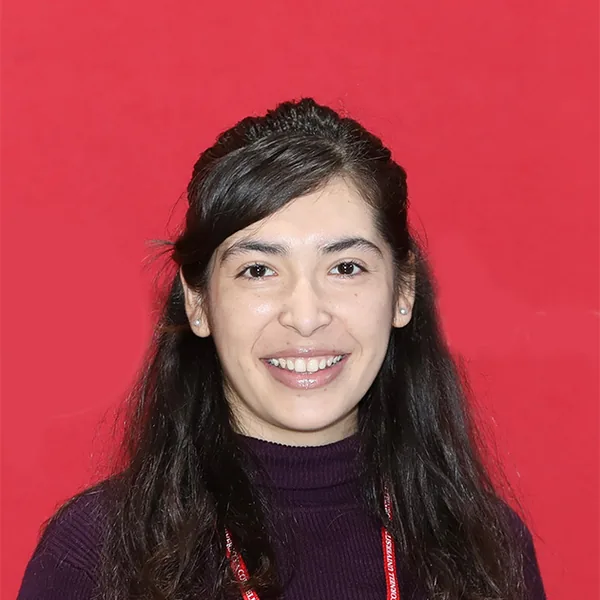
Portrait of Shukria Sakhi

Shukria Sakhi

Engagement Manager

  • B.S.
    Brown University
  • M.P.H.
    Brown University
Runs engagements day to day, from data requests and measure definitions to the reporting calendar.
Portrait of Diana Ayubi

Diana Ayubi

Engagement Manager

  • B.A.
    Cornell University
  • Psy.D.
    West Chester University

Lived in Kabul

Leads behavioral health measures, including depression and trauma screening, follow-up and patient-reported outcomes.
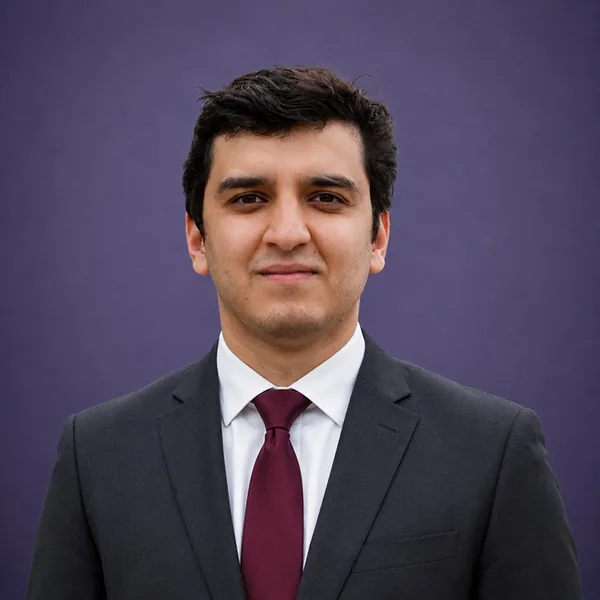
Portrait of Hussain Ahmad

Hussain Ahmad

Analyst

  • M.Eng.
    Cornell University
  • Ph.D.
    University of Chicago
Builds the data pipelines, code crosswalks and models behind each outcomes report.

Every engagement is staffed with a senior partner, an engagement manager, a data engineer and native-language reviewers matched to your patients’ languages.

Table 3

Standards we map Afghan patient data to

Standards we map Afghan patient data to
StandardWhat it setsHow we apply it
OMB SPD 15 (2024)One combined race and ethnicity question, a Middle Eastern or North African category and detailed categories by default. Federal information collections must comply by September 28, 2029.Afghan offered as a detailed answer and stored exactly as the patient gives it.
CDC Race and Ethnicity Code SetDetailed codes carried by EHR interfaces; lists “Afghanistani” under White, Middle Eastern or North African.A documented crosswalk, so Afghan patients roll up the same way in every report.
USCDI and HL7 FHIR US CoreRace, ethnicity, preferred language and an Interpreter Needed flag (LOINC 54588-9).Pashto (ps) and Dari (prs) coded separately, with dialect and interpreter-gender preference in local fields.
NCQA HEDIS stratification22 measures can be stratified by race and ethnicity in measurement year 2026, including the Middle Eastern or North African category.Afghan members reported inside the required categories and as a detailed group for internal action.
CMS Hospital Readmissions Reduction ProgramFrom the FY 2027 program, the six readmission measures include Medicare Advantage patients.Readmissions stratified by language, dialect and interpreter use at discharge.
IRS §501(r) and HIPAATax-exempt hospitals assess community health needs every three years; de-identification follows 45 CFR 164.514.An Afghan community profile for the assessment, with small numbers suppressed in every published table.

What we will not do with patient data

  • We never ask about or record immigration status.

  • We never guess a patient’s ethnicity from a name or photograph. Any statistical estimate stays aggregate, labeled and out of the patient record.

  • We do not publish breakdowns by Afghan ethnic group, such as Pashtun, Tajik, Hazara or Uzbek, that could expose patients; language and dialect carry the clinical signal.

  • We do not route data or inquiries through channels controlled by the de facto authorities in Afghanistan.

  • We work alongside your counsel, privacy officer and accreditor, never in place of them.

Questions about Afghan patient data

What is REaL data in healthcare?

REaL stands for race, ethnicity and language. It is the self-reported information hospitals, clinics and health plans collect so they can report quality, safety and access for each patient group. For Afghan patients, REaL data should include self-identified origin (Afghan), preferred spoken and written language, dialect, and whether the patient needs an interpreter.

Are Afghan patients Asian, Middle Eastern or White in hospital records?

It depends on the standard, which is why Afghan patients are hard to count. The 2024 federal standard, SPD 15, lists Afghan as an example under Asian, while the CDC code set used by many EHR interfaces codes “Afghanistani” as White, under Middle Eastern or North African. Ask patients to self-identify, record Afghan as a detailed answer, and keep every category the patient selects.

Is Dari the same as Farsi?

No. Dari and Iranian Persian (Farsi) are closely related forms of Persian, but everyday and clinical words differ: an Afghan patient says shafakhana for hospital and dawa for medicine. Record Dari as its own language, and match Afghan patients with Dari interpreters rather than Farsi interpreters.

What languages do Afghan patients speak?

Pashto and Dari are the most common. Afghan patients may also speak Uzbeki, Turkmeni, Balochi, Pashayi, one of the Nuristani languages, a Pamir language such as Wakhi or Shughni, or Hazaragi, a variety of Dari. Ariana Nexus works in 24 Afghan languages and records each one to the dialect.

How do you find Afghan patients who are already in our records?

We combine signals you already hold, such as language fields, interpreter request logs and country of birth, into a candidate list, then confirm with each patient at the next visit. We do not guess ethnicity from names, and no record is changed without the patient’s confirmation.

Which health outcomes do you measure for Afghan patients?

Readmissions, emergency department return visits, missed appointments, preventive screening, prenatal and postpartum care, blood pressure and diabetes control, depression and trauma screening with follow-up, interpreter use and wait times, and patient experience, each reported by language and dialect where the numbers allow.

Can you analyze war-related trauma and moral injury among Afghan patients?

Yes, with the right consent and governance. We analyze screening and follow-up for depression, post-traumatic stress and moral injury, which many families and clinicians call moral trauma, among patients who lived through the war in Afghanistan, and we pair the numbers with interviews in Pashto, Dari and other Afghan languages so care teams understand what the scores mean.

Do you ask patients about immigration status?

No. Immigration status is not part of REaL data, no analysis we run needs it, and asking about it keeps Afghan patients away from care. We advise every client not to collect it for this purpose.

Is this work HIPAA compliant?

We sign a business associate agreement before any patient data is shared, use the minimum data necessary, work inside your environment wherever possible, and release findings only as de-identified tables with small numbers suppressed.

Which EHR and reporting systems do you work with?

Our data standard is system-neutral and maps to HL7 FHIR US Core. We prepare configuration requests for Epic, Oracle Health, MEDITECH and athenahealth teams, and we build reporting in Microsoft Power BI, Tableau or your EHR’s own reporting tools.

How long does an engagement take, and what does it cost?

A data readiness assessment takes about three weeks at a fixed fee. A full program runs 12 to 16 weeks and is priced by the number of facilities, data sources and languages in scope. You receive a written scope and a fixed price before work begins.

Does this support HEDIS, accreditation and our community health needs assessment?

Yes. Outputs are built to support NCQA race and ethnicity stratification, hospital readmission and quality reporting, The Joint Commission’s National Performance Goals, and the community health needs assessment that tax-exempt hospitals complete every three years.

Is there a Pashto or Dari medical interpreter certification in the United States?

Not one that tests the language. The bilingual exams from CCHI cover Spanish, Arabic and Mandarin, and those from NBCMI cover Spanish, Mandarin, Cantonese, Russian, Korean and Vietnamese. A Pashto or Dari interpreter can earn only a credential that never tests Pashto or Dari, so we assess every interpreter in the exact dialect and train to our own standard, for our team and for the Afghan diaspora interpreters we train.

Make Afghan patients visible in your data

Confidential from the first conversation. We sign your NDA, and a business associate agreement before any patient data is shared.

Request a data readiness assessment