Community Health Needs Assessment (CHNA) and Patient Research with Afghan Communities Pashto, Dari and 22 More Afghan Languages

Ariana Nexus designs and runs community health needs assessments, patient experience studies and community-based research with Afghan communities across the United States. Researchers are matched to each participant’s language, dialect and gender, and every step, from survey translation to the final report, is done by our own team.

For nonprofit hospitals, health departments, community health centers, universities and health plans that need Afghan patients’ needs recorded in their own words, and documented to the standard their reviewers expect.

The solution, layer by layer
  1. InsightAI Data Factory
  2. DataAI Data Factory
  3. LanguageCultural Compliance Bureau
  4. Field researchHuman Intelligence Collective
  5. Community accessHuman Intelligence Collective
Each layer is described below.

What changes for your assessment

Afghan voices on the record

Needs described by Afghan residents themselves, not inferred from broad categories.

A record your reviewers can follow

Who was consulted, how, when and in which language, ready for your report.

Participation that feels safe

Matched researchers, clear consent and no questions without purpose.

Priorities the community recognizes

Needs ranked by the people who live with them.
Service
Community health needs assessments (CHNA), community health assessments (CHA) and patient research
Who takes part
Afghan patients, families and community leaders, from recent evacuees and Special Immigrant Visa holders to long-settled families
Languages
Pashto, Dari and 22 more Afghan languages, matched to each participant’s dialect
Methods
Surveys, focus groups, key informant interviews, patient journey interviews, community forums and public data analysis
Requirements served
IRS Section 501(r)(3), National CLAS Standards, HRSA and PHAB needs assessments, and IRB-reviewed research
Delivered by
Researchers trained at Cornell, Brown, the University of Chicago and the University of British Columbia
Where
Across the United States, from our office in Washington, D.C.

What is a community health needs assessment (CHNA)?

A community health needs assessment is a study of a community’s health needs, built from public data and direct input from residents, that a health organization uses to set priorities. Nonprofit hospitals must complete one every three years under Internal Revenue Code Section 501(r)(3), and adopt an implementation strategy for the needs it identifies.

IRS rules require input from members of medically underserved, low-income and minority populations, and they count people with limited English proficiency as medically underserved. In many service areas, that includes Afghan patients who speak Pashto or Dari.

Patient research goes one step further: interviews, focus groups and surveys about how people experience care, used to fix access, communication and follow-up.

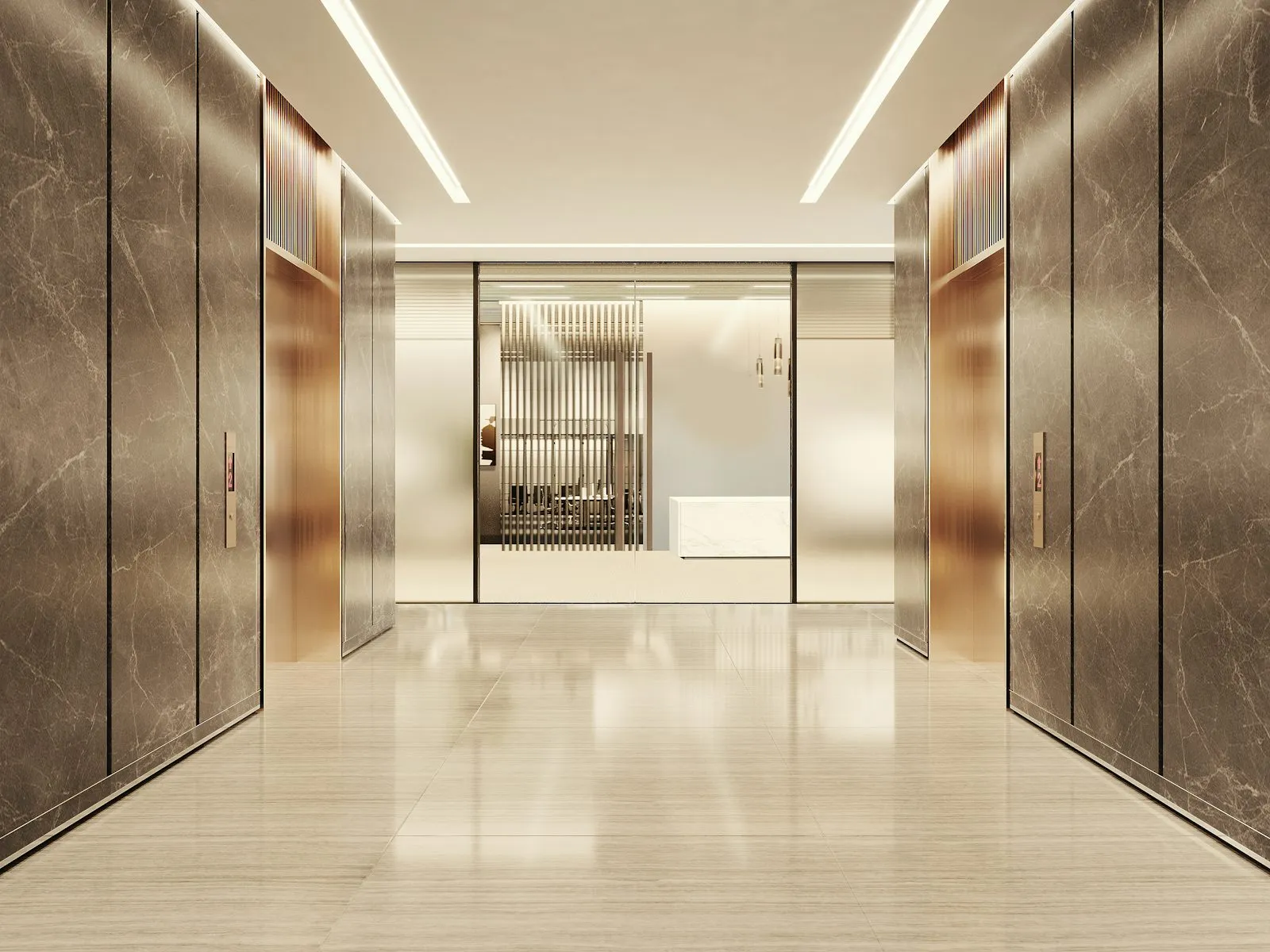
A lift lobby in stone and bronze leading to a lit, empty reception desk
195,000
Afghan immigrants living in the United States in 2022, up from about 54,000 in 2010
76,000
Afghans who arrived through Operation Allies Welcome in 2021
39%
Afghan immigrants living in poverty in 2022

How the solution is built

Five layers, each owned by one part of the firm, with the same governance running through all of them.

  1. AI Data Factory

    Insight

    Mixed-methods analysis, community prioritization and reporting built for your requirement.
    • Analysis
    • Prioritization
    • Reporting
  2. AI Data Factory

    Data

    Access-controlled U.S. storage, de-identification and bilingual codebooks.
    • De-identification
    • Codebooks
    • Access control
  3. Cultural Compliance Bureau

    Language

    Team translation, cognitive testing, in-house transcription and translation, and cultural review.
    • Pashto
    • Dari
    • 22 more languages
  4. Human Intelligence Collective

    Field research

    Researchers matched by gender, language and dialect run surveys, focus groups and interviews.
    • Surveys
    • Focus groups
    • Interviews
  5. Human Intelligence Collective

    Community access

    Community partners, faith and community leaders, an Afghan advisory group and recruitment channels.
    • Advisory group
    • Trusted messengers
    • Referral chains
Layers are listed from the findings you receive down to the community access everything rests on.

Why Afghan patients are missing from most health assessments

Most assessments rely on data and survey methods that were never built to find Afghan residents.

There is no Afghan box on the form

Federal race and ethnicity standards name no Afghan category, and the Census Bureau’s standard language table counts Dari inside “Persian (incl. Farsi, Dari)” and Pashto inside “Other Indo-European languages.” Afghan residents scatter across broad groups.

Standard surveys do not reach them

Mailed, online and English-first questionnaires reach few Afghan households. Low trust, limited literacy, gender norms and worry about how answers will be used keep many people from responding, especially recent arrivals.

The most serious needs sit behind silence

Trauma from the Afghan war, moral injury and stigma around mental health are rarely disclosed to a stranger. They surface with a trained researcher of the same gender who speaks the participant’s own dialect.

The community is changing quickly

About 76,000 Afghans arrived through the 2021 evacuation. From October 1, 2026, federal Medicaid eligibility narrows to permanent residents and a few other groups, a change that reaches many Afghan newcomers. An assessment from before these changes may not describe your community today.

How an Afghan patient disappears in standard data

Where
What the system offers
What happens to an Afghan patient
WhereRace and ethnicity
What the system offersSeven minimum categories under OMB’s revised SPD 15; none of the listed examples is Afghan
What happens to an Afghan patientRecorded as Asian, Middle Eastern or North African, White or other, depending on the form and the person
WhereLanguage
What the system offersCensus tables group Dari with Persian and Pashto with other Indo-European languages
What happens to an Afghan patientDari speakers are often matched to Farsi resources, and Pashto speakers fall into “other”
WhereCountry of birth
What the system offersOften not captured in health records
What happens to an Afghan patientRecent arrivals cannot be told apart from long-settled families
WhereSurvey response
What the system offersMailed, online and English-first questionnaires
What happens to an Afghan patientToo few responses to report Afghan-specific needs
Without primary data collected in Pashto and Dari, an assessment cannot say what Afghan residents need.
Sources: OMB Statistical Policy Directive No. 15, 2024 revision; U.S. Census Bureau, American Community Survey table B16001.

Who this service is for

Each organization answers to a different reviewer. The work is shaped to that requirement.

IRS Section 501(r)(3)

Nonprofit hospitals and health systems

Afghan-community input and a documented consultation record for your three-year CHNA and implementation strategy.
Typical layers: Community access, Field research, Language, Data, Insight
PHAB accreditation

State and local health departments

Afghan-community data for your community health assessment (CHA) and community health improvement plan (CHIP).
Typical layers: Community access, Field research, Language, Data, Insight
HRSA Health Center Program

Community health centers and refugee clinics

Needs data for your service area and newcomer programs, refreshed at least every three years.
Typical layers: Community access, Field research, Data
IRB review under the Common Rule

Universities and research teams

Recruitment, Pashto and Dari instruments and consent, gender-matched interviewers and fieldwork for approved studies.
Typical layers: Field research, Language, Data
National CLAS Standards

Health plans and Medicaid managed care

Member research and population assessments that show what Afghan members need and how they use care.
Typical layers: Field research, Language, Insight
Grant and program evidence

Foundations and community organizations

Community listening, needs data and program evaluation with Afghan families.
Typical layers: Community access, Field research, Insight

Community health needs assessment and patient research services

Commission a full Afghan-community assessment, or only the parts your current study is missing.

Afghan community health surveys

Questionnaires in Pashto and Dari, fielded in person, by phone or online, with a sampling plan built for a community no standard list captures.
You receive: Weighted tables, charts and a clean data file

Focus groups in Pashto and Dari

Separate groups for women and men, by language and dialect, led by moderators of the same gender, with note-takers and full transcripts.
You receive: Transcripts, translated summaries and themes

Key informant interviews

Structured conversations with community and faith leaders, Afghan clinicians, interpreters and resettlement staff, the representatives a 501(r) assessment must hear from.
You receive: Interview summaries and a consultation record

Patient experience and journey interviews

In-depth interviews with Afghan patients and families about access, communication, trust and follow-up, mapped to the moments where care breaks down.
You receive: Journey maps and prioritized fixes

Secondary data analysis

Census, language, arrival and service data reorganized so Afghan residents appear as a population rather than inside broad categories.
You receive: An Afghan population profile for your service area

Survey translation and cognitive testing

Pashto and Dari versions of the assessment’s questionnaires and discussion guides, translated by a team and tested in cognitive interviews with Afghan respondents before fieldwork.
You receive: Tested questionnaires and a translation record

Community prioritization forums

Sessions where Afghan residents review findings and rank needs, using the criteria your report will describe.
You receive: Ranked priorities with a documented method

Implementation support and report-back

Evidence for your implementation strategy, and a plain-language summary in Pashto and Dari returned to the people who took part.
You receive: Recommendations and a community summary

How we deliver an Afghan-community health needs assessment

Six stages, set to your assessment cycle and review deadlines.

Illustrative 16-week plan for one service area
StageWeeks 1 to 16
ScopeWeeks 1 to 2
DesignWeeks 2 to 4
EngageWeeks 3 to 6
CollectWeeks 6 to 11
AnalyzeWeeks 10 to 14
Report and returnWeeks 14 to 16
Durations are illustrative. Your schedule is set at scoping.
  1. Stage 1

    Scope

    We confirm your requirement (501(r), accreditation, grant or IRB) with your service area, questions and deadline.
  2. Stage 2

    Design

    We build the sampling plan, instruments, consent language and data protection plan, then translate and test them in Pashto and Dari.
  3. Stage 3

    Engage

    We open the work with Afghan community organizations and faith and community leaders, and form a community advisory group.
  4. Stage 4

    Collect

    Matched researchers run surveys, focus groups and interviews, with oral consent where literacy requires it and a distress protocol in every session.
  5. Stage 5

    Analyze

    We transcribe and translate in-house, code in both languages and combine the results with public data.
  6. Stage 6

    Report and return

    You receive the report, methods record and data files. Findings return to the community in Pashto and Dari, and we support your implementation strategy.
Timelines are set at scoping and follow your assessment cycle and review approvals.

Matched to every participant: language, dialect, gender and training

Answers change with who is asking. We set the match before fieldwork instead of improvising it.

Language and dialect

Kandahari, Central or Eastern Pashto; Kabuli, Herati or Hazaragi Dari. Participants hear their own variety, and Dari is never replaced by Iranian Persian.

Gender

Women interview women and men interview men. Women’s groups are led by women and held where participants feel comfortable.

Region and background

Where it shapes the answers, we match the region of Afghanistan a participant comes from and an urban or rural background.

Education and health knowledge

Field researchers hold university degrees, and health studies are staffed by researchers trained in public health, psychology or the health sciences who know the terms and the U.S. health system.

Research training

Every researcher completes human-subjects research training and our trauma-informed interviewing standard before fieldwork.

We do not send bilingual volunteers or untrained interpreters into research.

Research in Pashto, Dari and 22 more Afghan languages

Twenty-four languages in five families, following the Ariana 24-Language Atlas. Most interviews run in Pashto and Dari; the smaller languages are staffed by arrangement and planned into your timeline.

  • Iranian13
  • Nuristani4
  • Turkic3
  • Indo-Aryan3
  • Dravidian1
Languages by family, from the Ariana 24-Language Atlas.

Iranian

13 languages
  • Pashtoپښتو
  • Dariدری
  • Hazaragivariety of Dariهزارگی
  • Aimaqایماق
  • Balochiبلوچی
  • Ormuriاورموری
  • Parachiپراچی
  • Wakhiوخی
  • Shughniشغنی
  • Sanglechiسنگلیچی
  • Ishkashimiاشکاشمی
  • Munjiمنجی
  • Yidghaیدغه

Turkic

3 languages
  • Uzbekiاوزبیکی
  • Turkmeniترکمنی
  • Kyrgyzقرغیزی

Indo-Aryan

3 languages
  • Pashayiپشه‌یی
  • Gawarbatiگواربتی
  • Tirahiتیراهی

Nuristani

4 languages
  • Nuristani (Ashkun group)اشکون
  • Katiکتی
  • Prasunپارون
  • Waigaliوایگلی

Dravidian

1 language
  • Brahuiبراهویی
Native-script names are conventional renderings. Hazaragi is a variety of Dari, staffed as its own interviewer pool.

How we protect participants and their data

Consent people understand

Written or oral consent in Pashto or Dari, in plain language, as the Common Rule requires for research participants.

No status questions without need

We do not ask about immigration status unless a study cannot answer its question without it, and participants are told before they agree.

Trauma-informed sessions

Participants control what they share. A psychologist-reviewed distress protocol and referral pathway, including the 988 Suicide & Crisis Lifeline, is part of every session.

Data kept in the United States

Study data is stored in access-controlled U.S. systems, de-identified before analysis, and kept or destroyed on your protocol’s schedule.

HIPAA and confidentiality

A business associate agreement is signed when protected health information is involved, and protocols are designed to fit a Certificate of Confidentiality.

A firm boundary

No documents, data or inquiries are routed through channels controlled by the de facto authorities in Afghanistan, and no fieldwork takes place there.

Requirements this service supports

Requirement
What it asks for
How this service supports it
RequirementIRS Section 501(r)(3)26 CFR 1.501(r)-3
What it asks forA CHNA every three years that takes into account input from members of medically underserved, low-income and minority populations, described in a public report
How this service supports itAfghan-community input and a consultation record your report can cite
RequirementNational CLAS StandardsStandard 12, revised June 2025
What it asks forRegular assessments of community health assets and needs, used to plan services that respond to the cultural and linguistic needs of the service area
How this service supports itAfghan assets and needs data by language and dialect
RequirementHRSA Health Center ProgramCompliance Manual, Chapter 3
What it asks forA needs assessment of the current or proposed population, completed or updated at least once every three years
How this service supports itAfghan newcomer needs data for your service area
RequirementPHAB accreditationStandards and Measures, Version 2022
What it asks forA community health assessment and improvement plan, developed collaboratively and dated within the last five years
How this service supports itAfghan-community evidence for your CHA and CHIP
RequirementCommon Rule45 CFR 46.116
What it asks forInformed consent given in language understandable to the participant
How this service supports itPashto and Dari consent, written or oral, with translation records
RequirementCertificates of Confidentiality42 U.S.C. 241(d)
What it asks forProtection of identifiable, sensitive research information from compelled disclosure in covered studies
How this service supports itProtocols and consent language designed to fit a certificate

The team behind this service

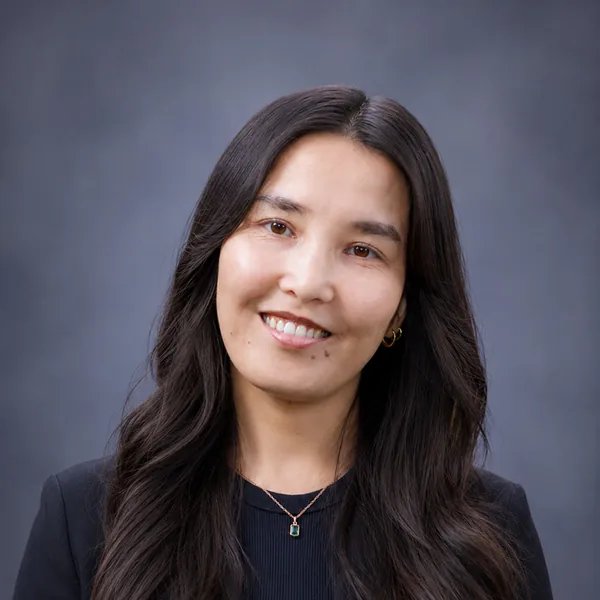
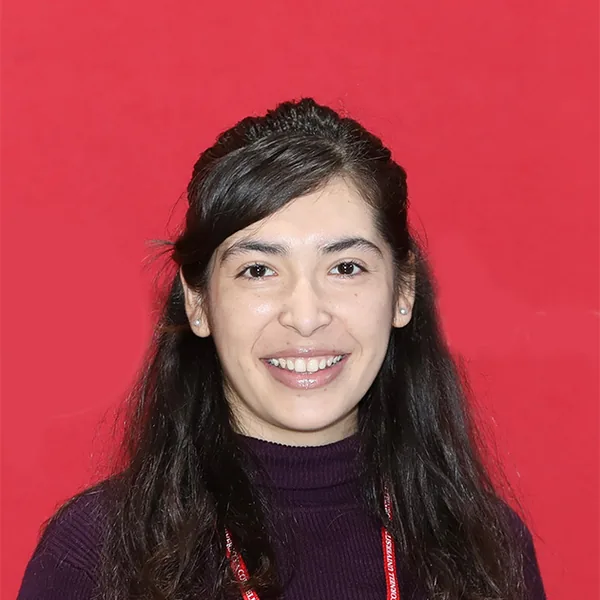
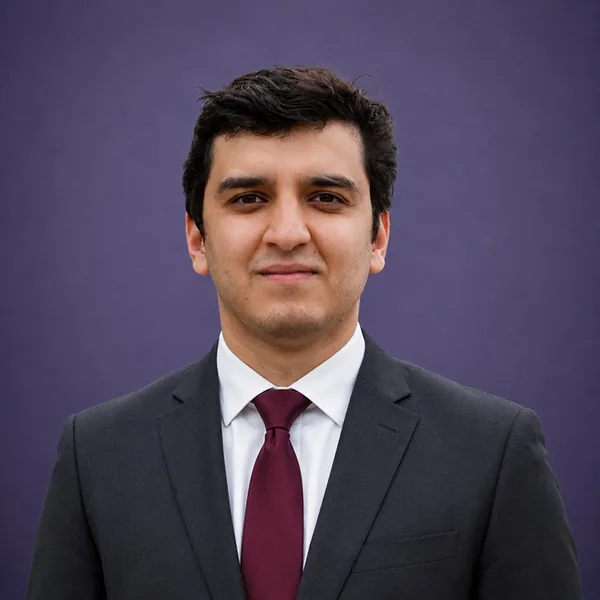
The program is overseen by Hassan Ukasha, Managing Partner, and delivered by partners and managers who trained in public health, psychology, engineering and computer science at Cornell, Brown, the University of Chicago and the University of British Columbia. The researchers they lead speak each participant’s language and dialect and know these communities from the inside.

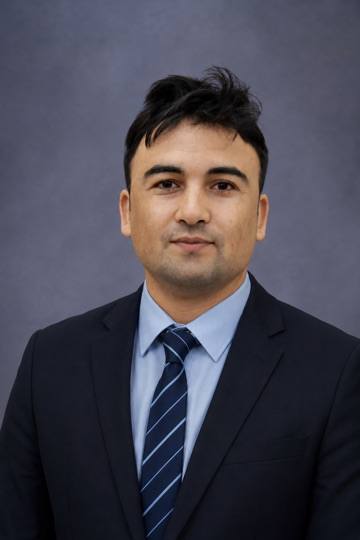
Portrait of Hassan Ukasha
Program oversight

Hassan Ukasha

Managing Partner
  • B.S.
    Cornell University
  • M.P.H.
    Cornell University

Oversees the firm’s operations and the Afghan community health research program, including engagement governance, research ethics, participant safety and data protection. Grew up in Herat.

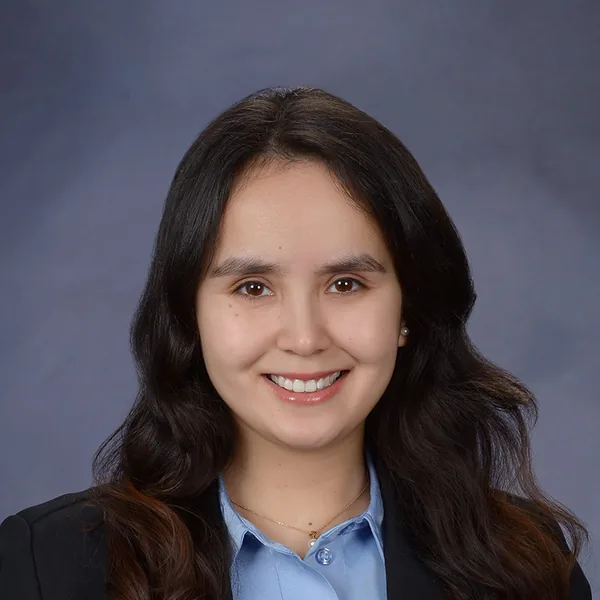
Portrait of Tamana Ghaznawi

Tamana Ghaznawi

Senior Partner
  • B.S.
    Cornell University
  • M.P.H.
    Cornell University
Leads the healthcare practice and sets the research standard for every Afghan community health assessment.
Lived in Kabul
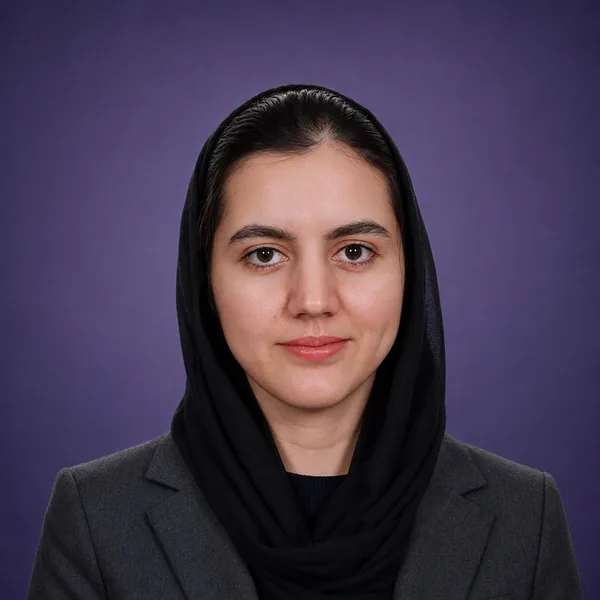
Portrait of Zeba Haqbani

Zeba Haqbani

Senior Partner
  • B.Sc.
    University of British Columbia
Builds the secure data systems and research platforms that hold, process and protect study data.
Lived in Kabul
Portrait of Shukria Sakhi

Shukria Sakhi

Engagement Manager
  • B.S.
    Brown University
  • M.P.H.
    Brown University
Runs assessment design, fieldwork schedules and reporting from scoping to the final report.
Portrait of Diana Ayubi

Diana Ayubi

Engagement Manager
  • B.A.
    Cornell University
  • Psy.D.
    West Chester University
Designs trauma-informed interview guides and the distress protocol that protects participants.
Lived in Kabul
Portrait of Hussain Ahmad

Hussain Ahmad

Analyst
  • M.Eng.
    Cornell University
  • Ph.D.
    University of Chicago
Leads sampling design, quantitative analysis and the integration of survey and public data.

How the team delivers

The Managing Partner oversees the program, a Senior Partner leads every engagement and an Engagement Manager runs it day to day. Field researchers are matched to each participant, and the same team reviews every transcript, translation and finding before it reaches you.

Why this team is different

Research vendors often hire bilingual field staff project by project. Our researchers are university-trained, speak the participant’s language and dialect, and know the U.S. health system, so they can ask the follow-up question an interpreter would not and notice what goes unsaid.

Why Ariana Nexus for Afghan community health research

Where no certification exists, we set the standard.

No national certification exam tests medical interpreting in Pashto or Dari. The U.S. healthcare interpreter certifications test bilingual skills in only a handful of languages and assess every other language in English alone. So Ariana Nexus sets the standard: our researchers and interpreters are trained and assessed against our written standard before they work with a participant, and we also train Afghan diaspora interpreters beyond our own team.

No standard list of Afghan residents exists to sample from, and most forms have no Afghan option. We build the path to the community for each assessment, and document every step so your reviewers can follow it.

How we are different

Researchers, not bilingual staff

University-trained researchers who speak Pashto, Dari and the participant’s dialect, so the person asking a question can also design it, probe it and analyze the answer.

Matched to every participant

Language, dialect, gender, region and, where it matters, education are set before fieldwork, not improvised in the room.

Every step in-house

Design, translation, recruitment, fieldwork, transcription, analysis and reporting are produced by our own people: one engagement, one point of accountability.

Built to your requirement

Outputs map to what your reviewer checks: the 501(r) consultation record, CLAS Standard 12, accreditation evidence or your IRB protocol.

Safety before data

Trauma-informed sessions, a distress protocol, no immigration-status questions without need and notice, and nothing routed through channels controlled by the de facto authorities in Afghanistan.

Findings return to the community

Afghan residents review and rank the findings, and receive a plain-language summary in Pashto and Dari.

How we deliver

Human Intelligence Collective

The researchers, moderators and interviewers who work with participants

AI Data Factory

The secure systems that store and organize study data; every machine-assisted output is reviewed by a researcher

Cultural Compliance Bureau

The review of every Pashto and Dari instrument, consent form and community summary

What you receive

  • Afghan-community findings, formatted to drop into your CHNA or community health assessment
  • A methods and consultation record: who gave input, how, when and in which language, the detail IRS rules ask your report to describe
  • Pashto and Dari instruments, consent materials and translation records
  • De-identified data files with a bilingual codebook
  • English translations of transcripts, with originals handled on your protocol’s schedule
  • Community-ranked priorities and recommendations for your implementation strategy
  • A plain-language summary in Pashto and Dari for the people who took part
پښتود ټولنې د روغتیايي اړتیاوو ارزونه او د ناروغانو څېړنهد افغان ټولنو روغتیايي اړتیاوې، د هغوی په خپله ژبه او لهجه.
دریارزیابی نیازمندی‌های صحی جامعه و تحقیقات بیماراننیازمندی‌های صحی جوامع افغان، به زبان و لهجهٔ خودشان.
The health needs of Afghan communities, in their own language and dialect.

Questions about Afghan community health research

How do we include Afghan patients in our community health needs assessment?

Add an Afghan-community module to your CHNA: a survey, focus groups and key informant interviews in Pashto and Dari, run by gender-matched researchers, with a consultation record your report can cite. We fit the module to your cycle and to the framework your current consultant uses.

Can you run focus groups with Afghan women?

Yes. Women’s groups are moderated by women researchers in the participants’ own language and dialect, at times and places the women choose. Men are present only if participants want them there.

Is Dari the same as Farsi for a survey?

No. Dari and Iranian Persian (Farsi) share a written base but differ in vocabulary, health terms and forms of address. A Farsi questionnaire can read as foreign to Afghan respondents and change what they think a question means, so we translate into Afghan Dari and test it with Afghan speakers.

How do you recruit Afghan participants for health research?

Through Afghan community organizations, faith and community leaders, resettlement networks, clinics and referral chains, with eligibility screening in the participant’s language. We report recruitment by channel so your IRB and your readers can see how the sample was built.

How do you ask about war trauma or moral injury without causing harm?

Interview guides are trauma-informed and reviewed by a clinically trained psychologist. Participants decide what they share, researchers follow a distress protocol, and support and referral are always available. Moral injury, sometimes called moral trauma, is explored only when a study needs it, and we never diagnose or treat.

Will participants be asked about immigration status?

Not unless a study cannot answer its question without it. Participants are told what we collect, why and who will see it before they agree, and data is de-identified before analysis.

Do you work with our IRB?

Yes. We prepare protocol sections, recruitment scripts and Pashto and Dari consent materials, and we answer IRB questions about translation, consent and participant safety.

Can you translate and test the survey for our assessment?

Yes. Our team translates your community survey into Pashto and Dari, tests it in cognitive interviews with Afghan respondents and documents every decision for your methods section. Patient-reported outcome and screening instruments that need formal linguistic validation are handled by our separate linguistic validation service.

How long does an Afghan-community assessment take?

It depends on your cycle, geography, sample and review approvals. We set the schedule at scoping so the Afghan findings arrive before your report and implementation strategy are due.

Why not use our regular interpreters for research?

Interpreters carry what is said. Research also needs someone who can design questions, probe, notice what is left unsaid and keep consistent records. Our researchers do both, in the participant’s language.

Which Afghan communities do you work with?

Afghan patients and families across the United States, part of the wider Afghan diaspora: recent evacuees, Special Immigrant Visa holders, refugees and long-settled families, including the large communities in the Washington, D.C. region, California and Texas.

What do we receive at the end?

A findings report ready for your CHNA or community health assessment, a methods and consultation record, tested instruments, de-identified data with a codebook, community-ranked priorities and a plain-language summary in Pashto and Dari.

Reviewed by Tamana Ghaznawi, M.P.H., Senior Partner. Last reviewed September 16, 2026.

Plan your Afghan community health needs assessment

Tell us your cycle, service area and questions. Scoping conversations are confidential, and we sign your NDA on request.