Pashto and Dari Content Moderation and Policy Localization for Platforms
Ariana Nexus provides Pashto and Dari content moderation and trust and safety policy localization for social platforms, messaging apps, marketplaces and AI labs. We rewrite your community guidelines and enforcement rules for Afghan context, build the lexicons, review high-risk and ambiguous content, calibrate your moderators, and test your classifiers and LLM moderation against the same rules.
Pashto and Dari in Perso-Arabic script and Romanized form, mixed with Urdu, Iranian Persian and English, in text, images, audio and video — from Afghanistan, Pakistan and the Afghan diaspora.
- Cornell University
- University of Chicago
- University of British Columbia
- Otto-von-Guericke University Magdeburg
Pashto and Dari content moderation at a glance
- Languages
- Pashto (Southern and Northern varieties, in Afghanistan and Pakistan) and Dari (Kabuli, Herati and Hazaragi, a variety of Dari)
- Scripts and forms
- Perso-Arabic script, Romanized Pashto and Dari, keyboard variants, and code-switching with Urdu, Iranian Persian (Farsi) and English
- Content types
- Text and comments, images and memes, audio and voice notes, video and livestream clips
- Harm areas
- 12 Afghan-context harm areas, from violent extremism and hate speech to scams, doxxing and graphic war footage
- Services
- Policy localization, lexicons, expert review and escalations, moderator calibration, classifier and LLM evaluation, crisis surge support
- Regulations mapped
- EU Digital Services Act, EU Terrorist Content Online Regulation, UK Online Safety Act, U.S. TAKE IT DOWN Act, Australia’s Online Safety Act
- Delivery
- In-house team led from Washington, D.C., working inside your tools or a secure environment you control; no subcontractors
- Engagement
- Scoped after a confidential review of your policies and queues; no per-item pricing
Why Pashto and Dari content moderation fails on most platforms
Most platforms moderate Pashto and Dari with rules written in English, classifiers trained on other languages and reviewers hired for fluency rather than judgment. The result fails in both directions: harmful content stays up, and news, documentation and criticism come down.
Automated detection that does not cover Pashto or Dari
Over-removal of news, documentation and criticism
Evasion that exploits script and dialect
Regulators now ask about language
What our Pashto and Dari content moderation service includes
Six service lines, built into one program around your own policies.
Trust and safety policy localization
- Localized enforcement guidelines in Pashto and Dari
- Definitions and worked examples for each policy
- Known-questions log
- Notice, statement-of-reasons and appeal templates
Lexicons and coded-language glossaries
- Pashto and Dari lexicon with variants
- Normalization rules for script and keyboard variants
- Monthly change log
- Emerging-term alerts
Expert review and escalations
- Tier-2 and tier-3 review
- Appeals and overturn review
- Newsworthiness and documentation decisions
- Decision records with policy citations
Moderator calibration and quality assurance
- Golden sets for each harm area
- Calibration sessions
- Blind QA sampling
- Agreement reporting
Classifier and LLM moderation evaluation
- Labeled evaluation sets
- Error analysis by dialect and script
- LLM policy-prompt testing
- Retest after each model change
Crisis response and surge support
- Crisis guidance within hours
- Surge review capacity
- Emerging-narrative briefings
- Post-incident review
Afghan-context harms we moderate in Pashto and Dari
A gold top rule marks harms that are critical by default. Final tiers are set with you.
Violent extremism and terrorist content
Maps to dangerous organizations; terrorism
Ethnic and sectarian hate speech
Maps to hate speech
Gender-based abuse
Maps to harassment; intimate image abuse
Threats and incitement
Maps to violence and incitement
Doxxing and privacy exposure
Maps to privacy; doxxing
Graphic violence and war footage
Maps to violent and graphic content
Misinformation and scams
Maps to fraud; misinformation
Human smuggling and trafficking
Maps to human exploitation
Child safety
Maps to child sexual exploitation
Drugs, weapons and regulated goods
Maps to regulated goods
Suicide and self-harm
Maps to suicide and self-injury
Coordinated inauthentic behavior
Maps to platform manipulation
Pashto and Dari dialects, scripts and formats we cover
Pashto on the right, Dari on the left, wherever they sit side by side.
Pashto
پښتوDari
دریWhy Pashto and Dari need their own lexicons
Eleven letters of the Pashto alphabet that standard Persian and Arabic keyboards do not carry, with their Unicode code points. Text typed without them arrives in variant spellings.
| Pair | Letters and code points | Where it comes from |
|---|---|---|
| PairPashto gaf and Persian gaf | Letters and code pointsګU+06ABandگU+06AF | Where it comes fromPashto typed on a Persian keyboard |
| PairPashto ṭe and Urdu ṭe, two encodings | Letters and code pointsټU+067CandٹU+0679 | Where it comes fromPashto typed on an Urdu keyboard in Pakistan |
| PairPersian ye and Arabic ye | Letters and code pointsیU+06CCandيU+064A | Where it comes fromKeyboard variants in Dari; different letters in Pashto |
| PairPersian kaf and Arabic kaf | Letters and code pointsکU+06A9andكU+0643 | Where it comes fromArabic keyboards and copied text |
| PairTwo forms of the digit four | Letters and code points۴U+06F4and٤U+0664 | Where it comes fromDigit variants slip phone numbers past filters |
Normalization has to know which language it is reading: in Dari, ی and ي are keyboard variants of one letter; in Pashto they are different letters and must not be merged.
- Pashto
- Pakhto
- Pukhto
- Pushtu
One word, four common Latin spellings. Southern speakers say Pashto; northern speakers say Pakhto.
The zero-width non-joiner (U+200C) belongs inside many Dari words. It is invisible, and it is also used to split a banned term so a filter no longer matches it.
په پښتو او دري ژبو کې د منځپانګې څارنه
نظارت بر محتوا به زبانهای پشتو و دری
Content moderation in Pashto and Dari
How we deliver Pashto and Dari moderation and policy localization
- 01Weeks 1–3
Review your policies, queues and risks
We read your policies, tooling and a sample of Pashto and Dari decisions, map them to the 12 harm areas and your regulatory duties, and measure where decisions go wrong today.Output: Baseline error sample and gap log
- 02Weeks 3–6
Localize the policy
Enforcement guidelines, definitions, examples and edge cases are rewritten for Afghan context in Pashto and Dari, then reviewed by our legal and linguistic leads before release.Output: Localized enforcement guidelines
- 03Weeks 4–7
Build the lexicon and golden sets
Lexicons with script, keyboard and Romanized variants, and labeled golden sets for each harm area, language and dialect.Output: Versioned lexicon and golden sets
- 04Weeks 6–8
Calibrate the reviewers
Training and calibration for your in-house or vendor moderators until agreement on the golden sets meets the target we set with you.Output: Calibration record
- 05Ongoing
Review, escalate and report
Expert review of high-severity and ambiguous content, appeals and crisis surges, with a written rationale for every critical decision.Output: Decision records and monthly quality report
- 06Monthly
Measure and update
Monthly measurement of accuracy, agreement, appeal overturns and classifier precision and recall; lexicon and policy updates as language and events change.Output: Monthly report and change logs
How we measure moderation quality
Reported monthly by harm area, language, script and dialect.
What we report every month
Decision accuracy
correct / reviewed
Share of decisions that match the localized policy on blind golden-set items.Reviewer agreement
κ · α
Inter-rater agreement (Cohen’s kappa or Krippendorff’s alpha) by harm area and language.Appeal overturn rate
overturned / appealed
How often appealed decisions are reversed, and why.Classifier precision and recall
TP / (TP+FP) · TP / (TP+FN)
By harm area, language, script and dialect, so a model that works for Dari but not Pashto shows up.Time to action
t(action) − t(receipt)
By severity tier, against the targets in your contract.Lexicon change
Δ terms / month
New and retired terms each month, with the events that produced them.
Severity tiers and response targets
| Tier | What it covers | Response target |
|---|---|---|
| TierT1 Critical | What it coversCredible threats, terrorist content, child safety, intimate image abuse, doxxing of people at risk | Response targetAction within 1 hour of receipt |
| TierT2 High | What it coversHate speech, graphic violence, scams, smuggling, regulated goods | Response targetAction within 4 hours |
| TierT3 Standard | What it coversRoutine policy review and appeals | Response targetAction within 1 business day |
How fast each obligation makes you act
EU TCO removal order
Our tier-2 target
TAKE IT DOWN Act request
DSA risk assessment cycle
Logarithmic scale, one hour to one year. Gold marks our tier-2 target.
Regulations this work supports: DSA, TCO, Online Safety Act and TAKE IT DOWN Act
| Regulation | Jurisdiction | What it requires | Where Pashto and Dari come in | Status |
|---|---|---|---|---|
| RegulationDigital Services Act7 | JurisdictionEuropean Union | What it requiresNotice and action, statements of reasons and internal appeals; for very large platforms, annual systemic risk assessments that account for regional and linguistic aspects (Article 34) and moderator reporting by official EU language (Article 42). | Where Pashto and Dari come inPashto and Dari risk inputs, localized statements of reasons and appeal texts, and capacity evidence for languages Article 42 does not break out. | StatusAll platforms since 17 February 2024; very large platforms since August 2023 |
| RegulationTerrorist Content Online Regulation (EU) 2021/7848 | JurisdictionEuropean Union | What it requiresRemove or disable terrorist content within one hour of a removal order. | Where Pashto and Dari come inPashto and Dari identification of designated-group propaganda and one-hour escalation paths. | StatusApplies since 7 June 2022 |
| RegulationOnline Safety Act 20239 | JurisdictionUnited Kingdom | What it requiresIllegal harms risk assessments and duties to remove illegal content quickly; children’s safety duties. | Where Pashto and Dari come inPashto and Dari inputs to illegal harms risk assessments; review of terrorism, threats and intimate image abuse. | StatusIllegal content duties since 17 March 2025 |
| RegulationTAKE IT DOWN Act (Pub. L. 119-12)10 | JurisdictionUnited States | What it requiresRemove non-consensual intimate images, including AI-generated ones, within 48 hours of a valid request. | Where Pashto and Dari come inPashto and Dari request handling and victim-aware review. | StatusFTC enforcement since 19 May 2026 |
| RegulationOnline Safety Act 202111 | JurisdictionAustralia | What it requiresBasic Online Safety Expectations and removal notices from the eSafety Commissioner. | Where Pashto and Dari come inPashto and Dari review for Australia’s Afghan communities. | StatusIn force since January 2022 |
We work alongside your counsel and do not give legal advice. Regulatory dates on this page are reviewed every quarter.
Who uses our Pashto and Dari trust and safety services
Social media and video platforms
Messaging and voice apps
Generative AI labs
Marketplaces, classifieds and payments
Gaming, dating and community platforms
Trust and safety outsourcing vendors
Where platforms bring us in
Illustrative engagement types, not client case studies.
Before a DSA risk assessment
Calibrating a vendor’s Pashto and Dari seats
Before an LLM moderation launch
During a communications blackout
The team behind our Pashto and Dari trust and safety work
The people accountable for this work are scholars and alumni of Cornell University, the University of Chicago, the University of British Columbia and Otto-von-Guericke University Magdeburg who come from the Afghan community. They write the policy your moderators apply, measure the results, and answer for every critical decision.

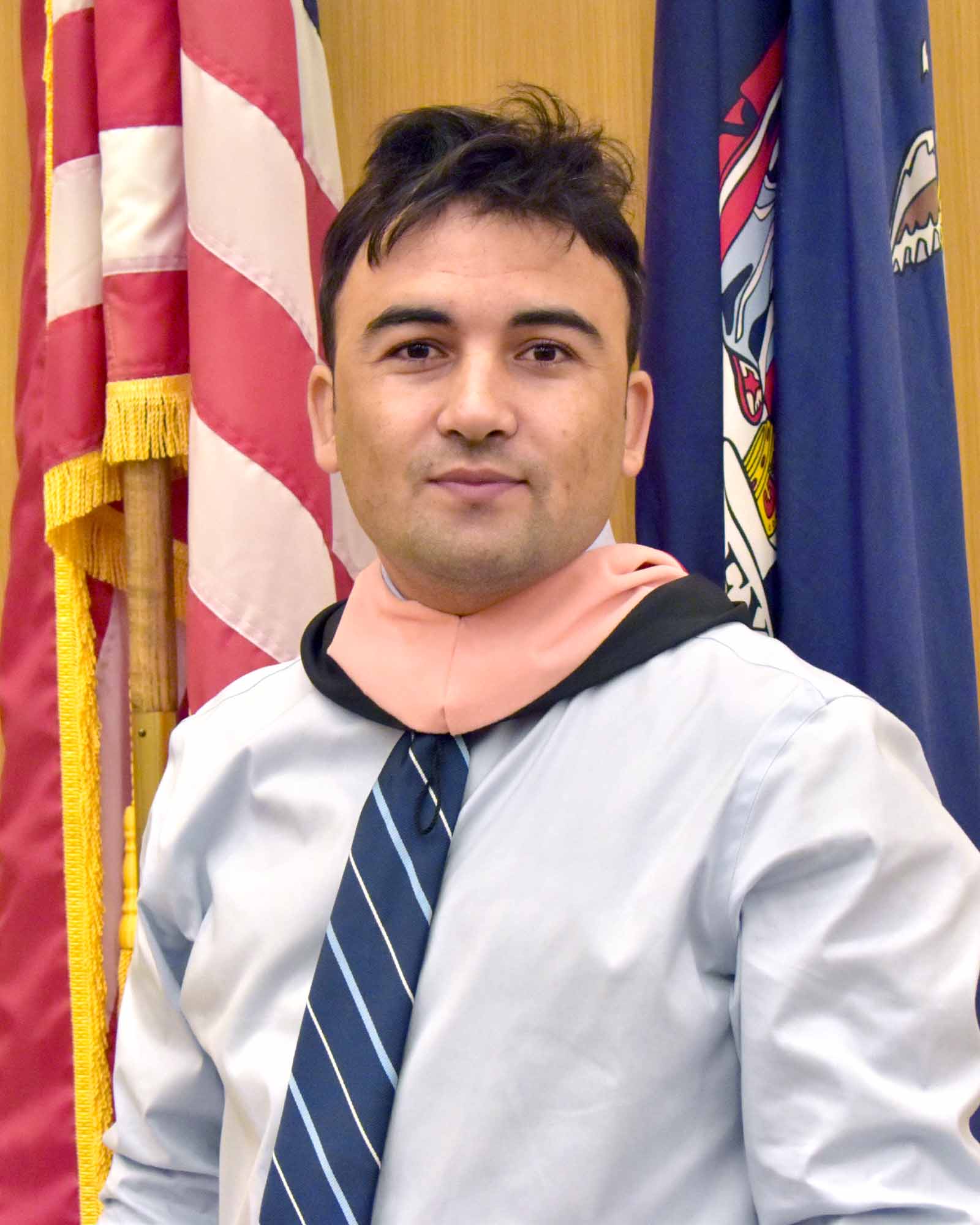
Hassan Ukasha
Managing Partner, Ariana Nexus
- B.S.Cornell University
- M.P.H.Cornell University
Languages: Pashto and Dari (native); English, Urdu and Hindi; Arabic (working).

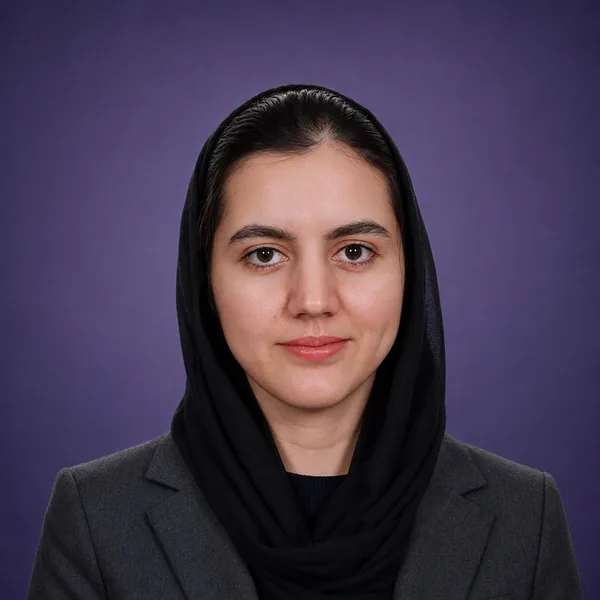
Zeba Haqbani
Senior Partner
- B.Sc.University of British Columbia

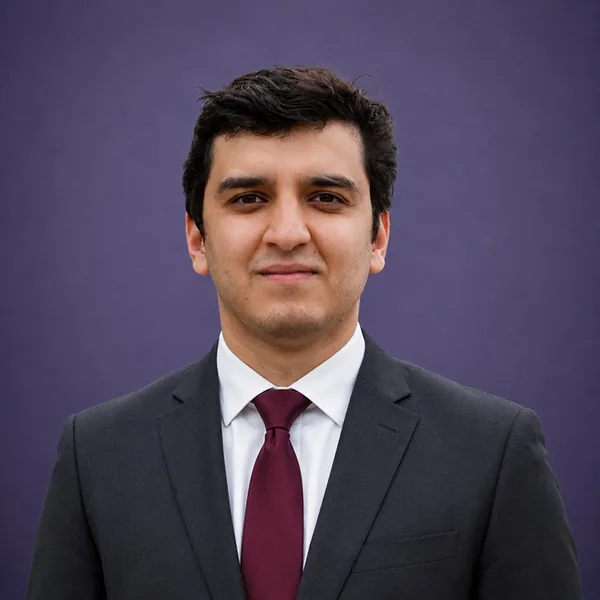
Hussain Ahmad
Principal
- M.Eng.Cornell University
- Ph.D.University of Chicago

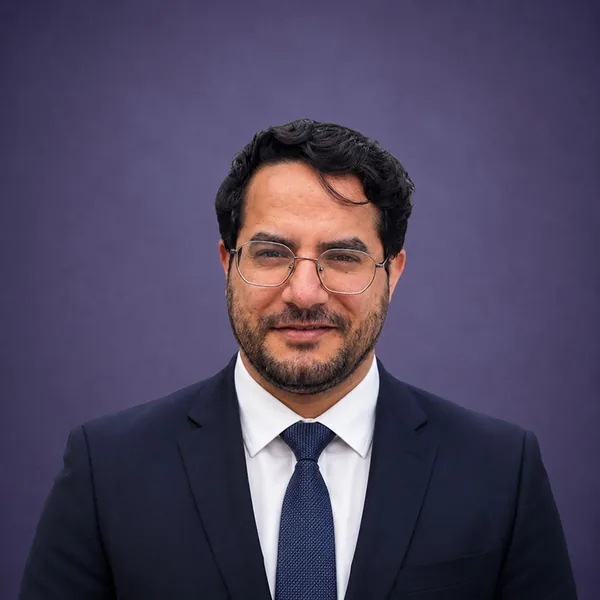
Wasil Peroz
Principal
- B.A.Milli University
- M.Sc.Otto-von-Guericke University Magdeburg

Maryam Safi
Principal
- B.A.Cornell University
Who owns what on your program
| Person | Owns on your program | Signs off |
|---|---|---|
| PersonHassan Ukasha | Owns on your programScope, review standard and executive escalation | Signs offEvery localized policy before release |
| PersonZeba Haqbani | Owns on your programSecure review environment, tool integration and data flow | Signs offEnvironment access and the deletion record at close |
| PersonHussain Ahmad | Owns on your programGolden sets, sampling plans, and classifier and LLM moderation evaluation | Signs offEach evaluation report |
| PersonWasil Peroz | Owns on your programRegulatory mapping and designated-entity rules | Signs offDangerous-organization guidance before release |
| PersonMaryam Safi | Owns on your programPashto and Dari lexicons, worked examples and the gap log | Signs offEach monthly lexicon release |
Security, privacy and reviewer wellbeing
NDA first
Your environment
No retention
No training use
Reviewer location
European work
Diana Ayubi, Psy.D., Engagement Manager, sets and reviews the reviewer wellbeing protocol: exposure limits, rotation off graphic queues, and scheduled debriefs. Reviewers who come from the communities in Afghan war footage face a higher risk of trauma and moral injury, and the protocol is built for that risk.
Why Ariana Nexus for Pashto and Dari content moderation
No certification exists for Pashto or Dari trust and safety work in the United States.
We wrote the review standard, we train our reviewers and your vendors’ moderators to it, and every client sees it.
Scholars, not a pool of bilinguals
Policy before queue
Both kinds of error count
Built for AI moderation
One accountable team
Care for the reviewers
How our approach compares
| Criterion | Machine translation and generic classifiers | Outsourced bilingual seats | Ariana Nexus |
|---|---|---|---|
| Pashto and Dari policy | Machine translation and generic classifiersWord-for-word translation of English rules | Outsourced bilingual seatsThe vendor’s generic guidelines | Ariana NexusEnforcement rules rewritten for Afghan context, with examples and edge cases |
| Coded language and script variants | Machine translation and generic classifiersMissed unless spelled as trained | Outsourced bilingual seatsDepends on the individual moderator | Ariana NexusVersioned lexicon with Romanized and keyboard variants, updated monthly |
| Taliban-related news and criticism | Machine translation and generic classifiersOver-removal is common | Outsourced bilingual seatsInconsistent | Ariana NexusDesignated-entity guidance with tested news and condemnation rules |
| What gets measured | Machine translation and generic classifiersAggregate accuracy | Outsourced bilingual seatsHandle time and volume | Ariana NexusPrecision, recall and agreement by harm, language, script and dialect |
| Regulatory evidence | Machine translation and generic classifiersNone | Outsourced bilingual seatsLimited | Ariana NexusInputs for DSA, TCO, Online Safety Act and TAKE IT DOWN duties |
| Reviewer wellbeing | Machine translation and generic classifiersNot applicable | Outsourced bilingual seatsVaries by vendor | Ariana NexusClinical protocol with exposure limits and debriefs |

Pashto and Dari content moderation: frequently asked questions
What is Pashto and Dari content moderation?
It is the review of user-generated content written or spoken in Pashto and Dari against a platform’s rules: removing, labeling, restricting or keeping posts, comments, images, audio and video. Done well, it uses rules localized for Afghan context, lexicons that cover script and dialect variants, and reviewers who read the languages as first languages.
What is policy localization in trust and safety?
Policy localization adapts a platform’s community guidelines and internal enforcement rules to a language and culture. It goes beyond translation: definitions, examples, edge cases and exceptions are rewritten so a Pashto or Dari reviewer, or a model, reaches the decision the policy intends.
Can AI moderate Pashto and Dari content accurately?
Not on its own today. Automated classifiers and large language models perform best in English and lose accuracy in low-resource languages, especially with dialect, slang, Romanized text and audio. We measure your models against a localized policy and design the human review that covers what they miss.
Is Dari the same as Farsi?
Dari and Iranian Persian (Farsi) are closely related but not interchangeable for moderation. Vocabulary, slang, political references and spelling conventions differ, and a reviewer trained on Iranian content will misread Afghan context. We moderate Afghanistan Dari, including Hazaragi, a variety of Dari, and read Farsi where it is mixed into Dari content.
How do you handle Taliban-related content?
We apply your dangerous organizations or designated-entity policy with Afghan-context guidance that separates praise, support and representation from news reporting, neutral discussion and condemnation. Two Oversight Board cases involving posts about the Taliban and girls’ education show how often the second group is removed by mistake.
Do you moderate Romanized Pashto and Pashto from Pakistan?
Yes. Our Pashto content moderation covers Pashto in Perso-Arabic script and in Latin letters, Southern and Northern varieties, and usage in Khyber Pakhtunkhwa, Balochistan and Karachi as well as Afghanistan, including code-switching with Urdu and English.
Can you provide Pashto and Dari moderators for our queues?
We staff expert review for high-severity, ambiguous and appealed Pashto and Dari content, and we calibrate the in-house or outsourced moderators who handle volume. We do not sell per-item seats; engagements are scoped after a confidential review of your policies and queues.
Which regulations does this work support?
The EU Digital Services Act, including risk assessments that must account for linguistic aspects; the EU Terrorist Content Online Regulation’s one-hour removal duty; the UK Online Safety Act’s illegal harms duties; the U.S. TAKE IT DOWN Act’s 48-hour removal rule; and Australia’s Online Safety Act. We work alongside your counsel and do not give legal advice.
How do you protect moderator wellbeing?
Our protocol, set by a clinical psychologist, limits exposure to graphic content, rotates reviewers off the hardest queues and schedules debriefs. Many reviewers come from the communities shown in Afghan war and violence footage, which raises the risk of trauma and moral injury; the protocol is designed for that risk.
How do you protect our data and our users’ data?
We sign your NDA before we see anything, work inside your moderation tools or a secure environment you control, keep no copies of user content after review, provide a written deletion record at close, and never use client content to train models.
Do you cover other Afghan languages?
Content in Uzbeki, Turkmeni, Balochi, Pashayi and the other Afghan languages we work in can be read on request, with response times set by language. This service is scoped to Pashto and Dari, where platform volume and risk are highest.
Where is Ariana Nexus based, and how do we start?
Ariana Nexus is headquartered in Washington, D.C. Engagements start with a confidential briefing and a review of your policies and a sample of your Pashto and Dari queues. We sign your NDA first.
Are you hiring Pashto and Dari content reviewers?
We recruit reviewers directly and train them to our standard. Reviewers looking for work can apply through Ariana Nexus careers.
Pashto and Dari trust and safety terms, defined
Terms as we use them in policies, lexicons and reports.
- Content moderation
- Reviewing user-generated content against a platform’s rules and deciding whether to keep, label, restrict or remove it.
- Policy localization
- Adapting community guidelines and enforcement rules to a language and culture, including definitions, examples, edge cases and exceptions.
- Enforcement guidelines
- The internal rules reviewers apply, with definitions, examples and edge cases; more detailed than public community guidelines.
- Lexicon
- A maintained list of slurs, coded terms and variants for a language, with context notes, used by reviewers and detection systems.
- Golden set
- A labeled set of examples with agreed correct decisions, used to calibrate reviewers and measure accuracy.
- Inter-rater agreement
- A statistic, such as Cohen’s kappa or Krippendorff’s alpha, that measures how consistently different reviewers reach the same decision.
- Designated entity
- An organization or person restricted by a platform’s dangerous organizations policy, such as a group on a terrorism list.
- Statement of reasons
- The explanation a platform gives a user when it restricts their content, required under Article 17 of the Digital Services Act.
- Tarana
- A chanted, unaccompanied song in Pashto; the Taliban use taranas as a propaganda format.
- Romanized Pashto
- Pashto written in Latin letters, with no standard spelling.
- Zero-width non-joiner
- An invisible Unicode character (U+200C) used inside Persian-script words; it can also be used to split a banned term.
- Hazaragi
- A variety of Dari spoken by Hazaras.
- Moral injury
- Psychological harm that can follow exposure to acts that violate a person’s moral beliefs; a recognized risk in content review work.

Request a confidential briefing on your Pashto and Dari moderation
We sign your NDA before we see a single policy or queue item.
Request a confidential briefing