Pashto and Dari Interpreters for USCIS Asylum, Green Card and Naturalization Interviews

د پناه غوښتنې، ګرین کارډ او تابعیت د مرکو لپاره پښتو او دري ترجمانان
ترجمانان پشتو و دری برای مصاحبه‌های پناهندگی، گرین کارت و تابعیت

Trained, conflict-screened interpreters for affirmative asylum, green card and citizenship interviews in Pashto, Dari and 22 more Afghan languages — matched to the applicant’s exact variety and region, briefed with counsel, and delivered in person nationwide by one accountable firm.

  • 24
    Afghan languages
    Pashto, Dari, Hazaragi (a variety of Dari) and 21 more
  • 3
    USCIS interview types
    Asylum, green card and citizenship
  • Nationwide
    In person
    At USCIS asylum offices and field offices
  • One firm
    Accountable
    Our own interpreters, no subcontractors

Do you need an interpreter for a USCIS interview?

لنډیز
خلاصه

If you cannot proceed in English, yes — and at an affirmative asylum interview you must bring your own. USCIS does not provide interpreters at asylum interviews, except for sign language. The interpreter must be at least 18, fluent in English and your language, and must not be your attorney, a witness in your case, or a representative of your country’s government. At green card and citizenship interviews you may bring an interpreter, and you both sign Form G-1256 in front of the officer. Ariana Nexus provides trained Pashto, Dari and Afghan-language interpreters who meet these requirements, matched to your dialect and region.

What changed for USCIS interviews in 2026

Four changes this year raise the cost of an interpreter who is late, unqualified or disqualified on the day. Each is verified against its primary source.

Attorneys must attend in person

USCIS ended remote participation by attorneys and accredited representatives in field office interviews and in affirmative asylum and NACARA 203 interviews, except in limited circumstances. Counsel, applicant and interpreter are now in the same room, so preparation has to happen before the interview day.

Some asylum cases can be referred without an interview

A DHS interim final rule lets USCIS refer certain affirmative asylum cases to immigration court without an interview; USCIS still interviews before it grants or denies. DHS cites an affirmative asylum backlog of more than 1.4 million cases at the end of fiscal year 2025.

Court order on USCIS hold policies

After a federal court in Rhode Island vacated USCIS hold policies for nationals of listed countries, including Afghanistan, on June 5, 2026, the First Circuit stayed only the re-review of approved benefits. The holds themselves remain vacated while the appeal continues.

Rescheduling an asylum interview now requires exceptional circumstances

USCIS stopped issuing Failure to Appear warning notices, requires exceptional circumstances to reschedule, and requires all evidence 14 calendar days before the interview. An interpreter who does not appear, or is disqualified on the day, now puts the interview itself at risk.

Last verified September 22, 2026. Summary only, not legal advice — confirm with counsel before relying on it.

Interpreters for every USCIS interview an Afghan applicant faces

Three interviews, two kinds of USCIS office, different interpreter rules. We staff all three in person.

Asylum interview interpreters (Form I-589)

USCIS asylum office
Who it is for
Afghans applying for asylum affirmatively — including Operation Allies Welcome parolees — and the spouses and children included in the application.
USCIS rule
You must bring your own interpreter. USCIS provides none, except for sign language, and a USCIS contract interpreter may monitor your interpreter by telephone.
What we add
A named interpreter plus a standby backup, a case glossary built with counsel, and a preparation session on dates, names and places.

Green card interview interpreters (Form I-485)

USCIS field office
Who it is for
Adjustment of status based on an Afghan Special Immigrant Visa (Form I-360), asylee status or marriage (Form I-130), and removal of conditions (Form I-751) when USCIS schedules an interview.
USCIS rule
Bring your own interpreter if you need one. You and the interpreter sign Form G-1256 in front of the officer; your attorney or a witness cannot interpret.
What we add
An interpreter briefed on the names, dates and places in the file, rendering them exactly as they appear in the forms and certified translations.

Citizenship interview interpreters (Form N-400)

USCIS field office
Who it is for
Applicants who may take the civics test in their own language — the 50/20 and 55/15 exemptions and 65/20 special consideration — or who have a medical disability exception (Form N-648).
USCIS rule
Only applicants exempt from the English requirement may use an interpreter; everyone else interviews in English. The 2025 civics test applies to applications filed on or after October 20, 2025.
What we add
Interpreters fluent in U.S. civics and government vocabulary in Pashto and Dari, consistent from the interview to the civics questions.
Also covered: asylum office and field office re-interviews, preparation sessions with counsel, and sight translation of Afghan documents during preparation. Written translations of tazkiras, marriage certificates and diplomas are a separate service.

USCIS interpreter rules at a glance

د ترجمان شرطونه
شرایط ترجمان
USCIS interpreter rules at a glance
RuleAsylum office (Form I-589)Field office (Forms I-485 and N-400)
Does USCIS provide an interpreter?Asylum office (Form I-589)No. You bring your own, except for sign language.Field office (Forms I-485 and N-400)No. You may bring your own if you need one.
Who can interpretAsylum office (Form I-589)Someone at least 18, fluent in English and your language, and competent to interpret.Field office (Forms I-485 and N-400)Someone fluent in English and your language who can interpret competently and neutrally.
Who cannot interpretAsylum office (Form I-589)Your attorney or accredited representative; a witness testifying for you; a representative or employee of your country’s government; under USCIS guidance, a person whose own asylum case is pending and not yet interviewed.Field office (Forms I-485 and N-400)Your attorney or representative, or a witness in your case. The officer may disqualify any interpreter.
What the interpreter signsAsylum office (Form I-589)An oath at the interview to interpret fully and accurately.Field office (Forms I-485 and N-400)Form G-1256, signed with you in front of the officer — not in advance.
MonitoringAsylum office (Form I-589)A USCIS contract interpreter may monitor by telephone and flag errors.Field office (Forms I-485 and N-400)The officer assesses the interpretation in the room.
If the interpreter is missing or disqualifiedAsylum office (Form I-589)Without good cause, USCIS may treat it as a failure to appear; rescheduling requires exceptional circumstances since August 21, 2026.Field office (Forms I-485 and N-400)The interview may be rescheduled, delaying the case.
Counsel attendanceAsylum office (Form I-589)In person since May 18, 2026, except in limited circumstances.Field office (Forms I-485 and N-400)In person since May 18, 2026, except in limited circumstances.

Sources: 8 CFR 208.9(g); USCIS affirmative asylum interview guidance; Form G-1256; USCIS Field Offices alert of May 18, 2026. Summary only, not legal advice.

Where interpreted USCIS interviews go wrong — and the control for each

Officers weigh consistency between the application, the documents and the testimony. In our assessment, six points carry most of the interpreting risk in Afghan interviews.

  1. Dates and the Solar Hijri calendar

    What goes wrong
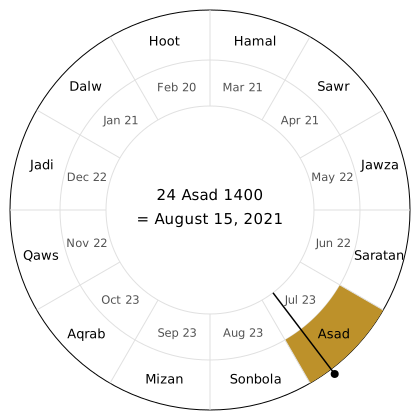
    Afghan documents and memories run on the Solar Hijri calendar. 24 Asad 1400 is August 15, 2021 — not August 24. One misread month shifts every date in the account.
    Our control
    Every date is converted before the interview, checked against the documents with counsel, and rendered in both calendars when it matters.
  2. Names, places and transliteration

    What goes wrong
    One Afghan name can be spelled a dozen ways in English. Districts, villages and tribal names are easy to mishear and hard to correct once on the record.
    Our control
    A case glossary fixes the spelling of every person, place and organization in the file, agreed with counsel before the interview.
  3. Dialect and variety

    What goes wrong
    Afghan Dari is not Iranian Persian (Farsi), and Pashto differs markedly between regions. A mismatched interpreter answers the question they understood.
    Our control
    Interpreters are assigned by variety and region and confirmed in a short language check with the applicant before the interview.
  4. Afghan institutions and terms

    What goes wrong
    Former government bodies (NDS, ANA, ANP), district offices, night letters (shabnama) and titles used since August 2021 carry the claim. Approximations weaken it.
    Our control
    A term sheet built from the file and agreed with counsel, used consistently by the same interpreter from preparation to interview.
  5. Omission, summary and softening

    What goes wrong
    Untrained interpreters summarize long answers, skip repetition, explain instead of interpreting, or soften what was said. On the record it reads as inconsistency.
    Our control
    First-person consecutive interpreting of everything said — including hesitations and self-corrections — with note-taking for long answers.
  6. Trauma, gender and dignity

    What goes wrong
    Testimony about war, detention, violence or gender-based harm can collapse when the interpreter is the wrong gender, a community acquaintance, or visibly uncomfortable.
    Our control
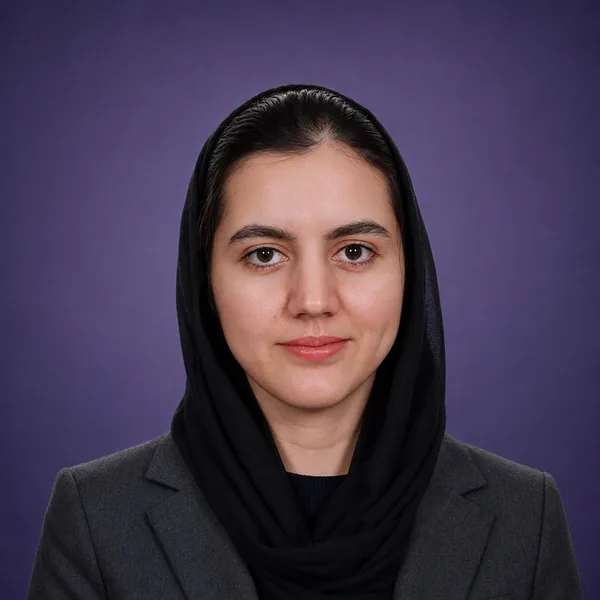
    Interpreter gender on request, conflict screening against community ties, and trauma-informed protocols set by Diana Ayubi, Psy.D.
Illustrative exampleOne sentence, two errors
به تاریخ ۲۴ اسد ۱۴۰۰ از وظیفه‌ام در ولسوالی فرار کردم
Unchecked rendering

“On August 24, 2021, I ran away from my job in the district.”

Accurate rendering

“On August 15, 2021 (24 Asad 1400), I fled my post at the district government office.”

The unchecked rendering shifts the date by nine days and turns fleeing a government post into leaving a job. Illustrative example, not from a client matter.

Dial of the twelve Solar Hijri months, Hamal to Hoot, each with its typical Gregorian start date; Asad is highlighted and 24 Asad 1400 is marked as August 15, 2021.
The twelve Solar Hijri months with their typical Gregorian start dates. 24 Asad 1400 is August 15, 2021, the day Kabul fell, not August 24.

How we staff a USCIS interview, from notice to interview day

زموږ کړنلاره
روش کار ما
  1. Send the interview notice

    Counsel or the applicant sends the interview notice and the language, variety and region the applicant speaks. We confirm the date, office and interview type.
  2. Conflict and variety screening

    We screen for family, community, political and professional ties to the applicant or the events in the claim, and confirm the interpreter is never counsel, never a witness, and never a representative or employee of the applicant’s government.
  3. Named interpreter and standby backup

    You receive the interpreter’s name before the interview day. For asylum interviews, a second interpreter is held on standby.
  4. Counsel briefing and case glossary

    With counsel, we build a glossary of the names, places, dates and terms in the file, so the record is rendered consistently.
  5. Preparation session

    Optional: a session with counsel and the applicant, with the interpreter who will attend. The interpreter interprets; counsel prepares.
  6. Interview day

    The interpreter arrives early, takes the oath or signs Form G-1256 before the officer, and interprets consecutively in the first person — everything said, nothing added.
  7. Debrief and follow-up

    A short record for counsel: attendance, duration, and any interpreting issue raised by the officer or monitor. The same interpreter is available for a re-interview.

The Ariana Nexus legal interpreter standard

Seven requirements every interpreter meets before a USCIS assignment.

  1. A university degree

    Every interpreter holds a college degree.
  2. Assessed in the exact variety

    A dual-language assessment in the specific Pashto, Dari or Afghan-language variety claimed — never self-reported bilingualism.
  3. Trained for legal settings

    Consecutive technique, note-taking, sight translation, and asylum office and field office procedure.
  4. Ethics aligned with NAJIT

    Accuracy, impartiality, confidentiality and professional boundaries, modeled on the NAJIT Code of Ethics and Professional Responsibilities.
  5. Confidential and secure

    Written confidentiality that mirrors 8 CFR 208.6; no recording by default; nothing routed through channels controlled by the de facto authorities in Afghanistan.
  6. Supervised entry

    New legal interpreters shadow and are observed before interpreting a USCIS interview alone.
  7. Periodic review

    Performance reviewed after assignments and re-assessed periodically.

No federal certification exists for Pashto or Dari interpreters. We set the standard.

ولې موږ
چرا ما

The federal court interpreter certification exam is offered only in Spanish, and USCIS does not certify interpreters. For Afghan languages, the standard is whatever the provider sets. Ours is written, assessed and enforced in-house — and we train Afghan-language interpreters beyond our own bench to meet it.

  • Scholars, not bilinguals

    Every interpreter is a university graduate, trained and assessed for legal settings. We won’t send a bilingual.
  • Matched to the person

    Language, exact variety and region, and interpreter gender on request — confirmed with the applicant before the interview.
  • Conflict-screened

    Screened against family, community and political ties before assignment. Never counsel, never a witness.
  • One firm, accountable

    Every interpreter is our own. No subcontractors, no brokered freelancers: one point of accountability from booking to interview day.
  • Built for the record

    Case glossaries, Solar Hijri date conversion and first-person consecutive interpreting keep testimony consistent with the file.
  • Confidential by design

    No recording by default, U.S.-located interpreters on U.S. assignments, no offices or operations in Afghanistan — protecting applicants and families still there.
Ariana Nexus is not a law firm and does not give legal advice. Our interpreters interpret; counsel advises. Applicants without an attorney can find free legal help through the EOIR list of pro bono legal service providers and the Department of Justice roster of recognized organizations and accredited representatives.

A relative, a freelance interpreter, or Ariana Nexus

A relative, a freelance interpreter, or Ariana Nexus
ConsiderationRelative or friendFreelance or general agencyAriana Nexus
Meets USCIS minimumsRelative or friendSometimes; a relative who testifies cannot interpretFreelance or general agencyUsuallyAriana NexusScreened before every assignment
Trained for legal and asylum settingsRelative or friendRarelyFreelance or general agencyVaries by individualAriana NexusRequired
Matched to variety and regionRelative or friendBy chanceFreelance or general agencyOften booked as “Farsi” or general PashtoAriana NexusAssigned by variety, region and gender
Conflict screeningRelative or friendNot independentFreelance or general agencyRarely documentedAriana NexusDocumented before assignment
Case glossary and date conversionRelative or friendNoFreelance or general agencyRarelyAriana NexusStandard on asylum engagements
Backup if the interpreter cannot attendRelative or friendNoneFreelance or general agencyDepends on availabilityAriana NexusStandby interpreter for asylum interviews
ConfidentialityRelative or friendInformal, with community exposureFreelance or general agencyContract-dependentAriana NexusWritten; mirrors 8 CFR 208.6; no recording
AccountabilityRelative or friendNoneFreelance or general agencyOften subcontractedAriana NexusOne firm, in-house, named interpreter

Our assessment of typical arrangements, not of any named provider.

Pashto, Dari and 22 more Afghan languages for USCIS interviews

ژبې
زبان‌ها

Most Afghan applicants interview in Pashto or Dari, but many give their clearest account in a first language that is neither. We staff 24 Afghan languages. Pashto and Dari are staffed nationwide; for the smaller languages, availability is confirmed at intake.

  • پښتو
    Pashto
    Iranian
    Nationwide; southern, eastern and northern varieties
  • دری
    Dari
    Iranian
    Nationwide; Afghanistan’s lingua franca
  • هزارگی
    Hazaragi (a variety of Dari)
    Iranian
    Central highlands (Hazarajat)
  • ایماقی
    Aimaq
    Iranian
    Western and northwestern provinces
  • بلوچی
    Balochi
    Iranian
    Southwest: Nimroz and Helmand
  • اورمړي
    Ormuri
    Iranian
    Baraki Barak, Logar
  • پراچی
    Parachi
    Iranian
    Valleys north of Kabul
  • واخی
    Wakhi
    Iranian
    Wakhan Corridor, Badakhshan
  • شغنی
    Shughni
    Iranian
    Shughnan, Badakhshan
  • سنگلیچی
    Sanglechi
    Iranian
    Zebak and Sanglech, Badakhshan
  • اشکاشمی
    Ishkashimi
    Iranian
    Ishkashim, Badakhshan
  • منجی
    Munji
    Iranian
    Munjan valley, Badakhshan
  • یدغه
    Yidgha
    Iranian
    Close relative of Munji, border valleys
  • اوزبیکی
    Uzbeki
    Turkic
    Northern provinces
  • ترکمنی
    Turkmeni
    Turkic
    Northwestern border provinces
  • قرغزی
    Kyrgyz
    Turkic
    Little Pamir, Wakhan
  • پشه‌یی
    Pashayi
    Indo-Aryan
    Laghman, Kunar and Nangarhar
  • گوربتی
    Gawarbati
    Indo-Aryan
    Kunar River valley
  • تیراهی
    Tirahi
    Indo-Aryan
    A few villages in Nangarhar
  • اشکون
    Nuristani (Ashkun group)
    Nuristani
    Southern Nuristan
  • کتی
    Kati
    Nuristani
    Northern and western Nuristan
  • پارون
    Prasun
    Nuristani
    Parun valley, central Nuristan
  • وایگلی
    Waigali
    Nuristani
    Waygal valley, Nuristan
  • براهوی
    Brahui
    Dravidian
    Southwest border areas

In person at USCIS asylum offices and field offices nationwide

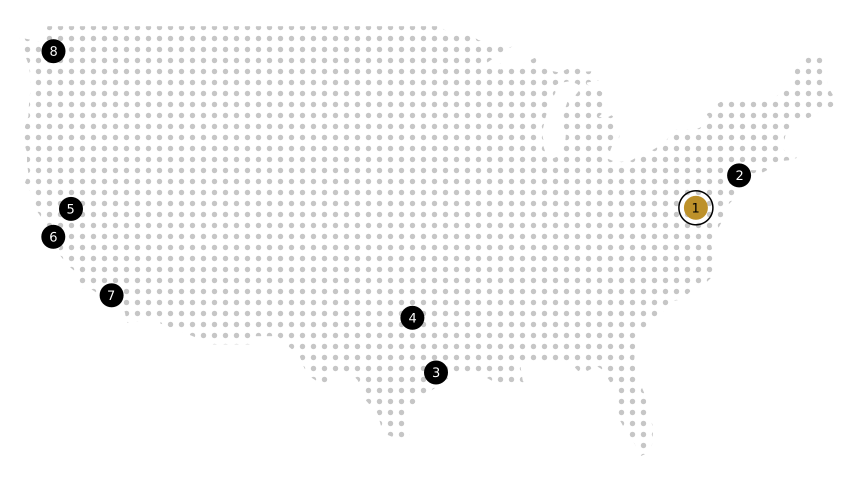
USCIS interviews happen in person, and so do we. Our interpreters travel to asylum offices and field offices across the United States, serving Afghan diaspora communities wherever the interview is scheduled.

Dot map of the contiguous United States marking eight metros with large Afghan communities; Washington, D.C. is marked as the Ariana Nexus office.
  1. Washington, D.C. (Ariana Nexus office)
  2. New York
  3. Houston
  4. Dallas–Fort Worth
  5. Sacramento
  6. San Francisco Bay Area
  7. Los Angeles
  8. Seattle

Marked: metros with large Afghan communities. Coverage is nationwide; only Washington, D.C. is an office.

Who books USCIS interview interpreters with us

  • Immigration attorneys and law firms

    Solo practitioners, immigration boutiques and Big Law pro bono programs representing Afghan clients at asylum, green card and citizenship interviews.
  • Legal service organizations and clinics

    Nonprofit legal service providers, DOJ-recognized organizations and law school clinics that need a dependable Pashto and Dari bench across many cases.
  • Afghan applicants and families

    Individuals preparing for their own interview, with or without an attorney, who need an interpreter USCIS will accept and who understands their region and dialect.
  • Resettlement and community organizations

    Case managers supporting Afghan parolees, SIV holders and asylum seekers through their USCIS interviews.

Three ways to engage

  1. Single interview

    One interview, one named interpreter, with a pre-interview briefing. Suited to individual applicants and one-off matters.
  2. Case engagement

    Every interpreted step in one case — preparation sessions, sight translation, the interview and any re-interview — with the same interpreter throughout.
  3. Institutional panel

    A standing Pashto and Dari bench for legal service organizations, clinics and firms with recurring Afghan cases: agreed terms, named leads and scheduling priority.

Fees are quoted in writing after intake, based on interview type, office location, language and variety, and expected length.

The team behind our USCIS interview interpreting

زموږ ټیم
تیم ما

Our USCIS interview interpreting is led by alumni and scholars of Cornell University, the University of Chicago, the University of British Columbia and Otto von Guericke University Magdeburg who come from the Afghan community — not a roster of freelance bilinguals. These are the people accountable for this service.

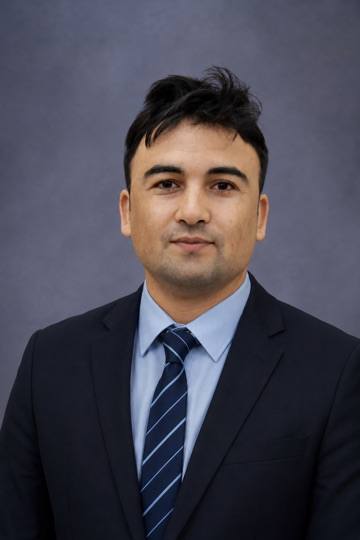
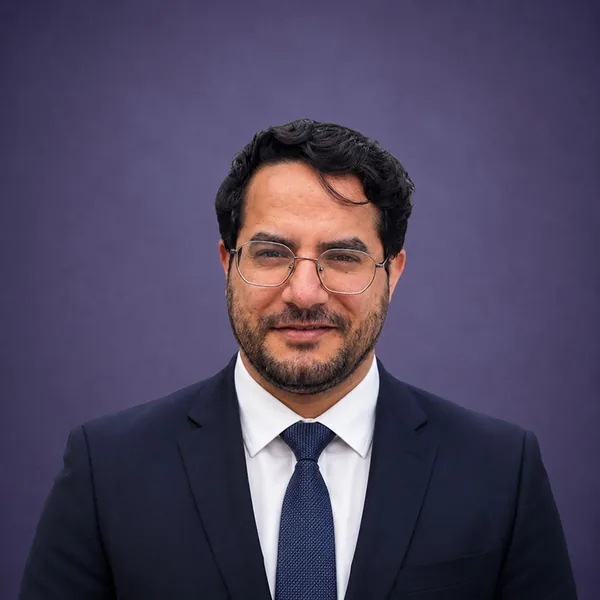
Hassan Ukasha, Managing Partner, Ariana Nexus
Program oversight

Hassan Ukasha

Managing Partner

Hassan Ukasha is the Managing Partner of Ariana Nexus in Washington, D.C. He oversees the firm’s operations and holds executive accountability for this program: the standard every interpreter is trained and assessed against, the conflict and confidentiality commitments on this page, and the terms each engagement runs on. He is the partner accountable to every client.

  • B.S., Cornell University
  • M.P.H., Cornell University

Languages: Pashto, Dari; English, Urdu, Hindi; working Arabic.

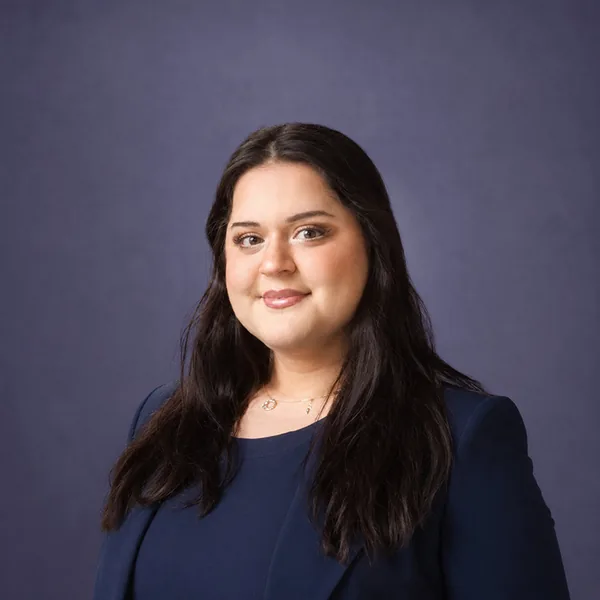
Zeba Haqbani

Zeba Haqbani

Senior Partner
Conflict records, qualification records and secure case files
  • B.Sc.
    ,
    University of British Columbia
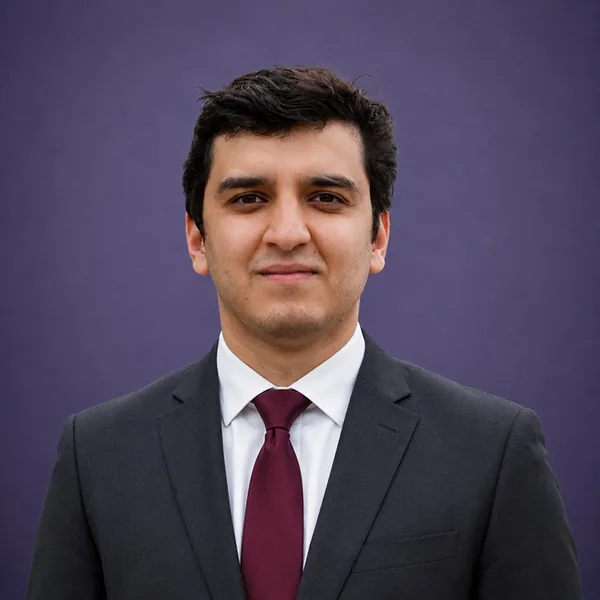
Wasil Peroz

Wasil Peroz

Principal
Legal terminology standards and matter preparation
  • B.A.
    ,
    Milli University
  • M.Sc.
    ,
    Otto-von-Guericke University Magdeburg
Maryam Safi

Maryam Safi

Principal
Interpreter assessment, assignments and engagement scheduling
  • B.A.
    ,
    Cornell University
Hussain Ahmad

Hussain Ahmad

Principal
Remote-testimony platforms, glossaries and machine-transcript review
  • M.Eng.
    ,
    Cornell University
  • Ph.D.
    ,
    University of Chicago
Behind them: a bench of university-educated interpreters assessed in Pashto, Dari, Hazaragi and the other Afghan languages they interpret — each one an Ariana Nexus interpreter, never a subcontractor.
Marble-and-glass office lobby with a corridor leading to a reception area.

USCIS interview interpreter questions, answered

پوښتنې او ځوابونه
پرسش‌ها و پاسخ‌ها

Does USCIS provide an interpreter for an asylum interview?

No. For affirmative asylum interviews, USCIS requires applicants who cannot proceed in English to bring their own interpreter and does not provide one, except for sign language interpreters for applicants who are deaf or hard of hearing. USCIS may use a contract interpreter by telephone to monitor your interpreter’s accuracy. If you do not bring a competent interpreter without good cause, USCIS may treat it as a failure to appear.

Do I need to bring my own interpreter to a green card or citizenship interview?

If you need one, yes. USCIS field offices expect applicants to bring their own interpreter to green card (adjustment of status) and citizenship (naturalization) interviews, and you and your interpreter sign Form G-1256 in front of the officer. For citizenship, you may use an interpreter only if you qualify for an exemption from the English requirement, such as 50/20 or 55/15, or a medical disability exception; otherwise the interview is conducted in English.

Who cannot be my interpreter at a USCIS interview?

At an asylum interview, your interpreter must be at least 18 and fluent in English and your language, and cannot be your attorney or accredited representative, a witness testifying on your behalf, or a representative or employee of your country’s government. USCIS guidance also excludes anyone whose own asylum application is pending and not yet interviewed. At field office interviews, your attorney or a witness in your case cannot interpret, and the officer may disqualify an interpreter who is not competent or neutral.

Can a family member or friend interpret at my USCIS interview?

Sometimes, if they meet USCIS requirements and are not a witness in your case. But relatives and friends often summarize long answers, soften painful testimony or know people in the account, and many cannot render Solar Hijri dates and legal terms accurately. If they are disqualified on the day, the interview can be lost. A trained, independent interpreter reduces those risks.

Is Dari the same as Farsi for a USCIS interview?

No. Afghan Dari and Iranian Persian (Farsi) are closely related but differ in vocabulary, pronunciation and everyday terms, including words for offices, places and family relationships that matter in testimony. An interpreter who speaks Iranian Persian may misunderstand an Afghan applicant or be misunderstood. Book a Dari interpreter from Afghanistan, or a Hazaragi interpreter if that is the applicant’s variety.

Can I request a female interpreter?

Yes. You choose the interpreter you bring, and we assign a woman interpreter on request, which is common when testimony involves gender-based harm. We confirm the interpreter’s name before the interview so you know who will attend.

What happens if the interpreter doesn’t show up to the asylum interview?

USCIS may treat the absence of a competent interpreter as a failure to appear unless there is good cause, and since August 21, 2026 an asylum interview can be rescheduled only for exceptional circumstances. That is why we assign a named interpreter and hold a standby interpreter for every asylum interview.

Can the interpreter attend by phone or video?

Plan for in-person attendance. USCIS sets how each interview is conducted, and since May 18, 2026 it has required attorneys and accredited representatives to attend field office and asylum interviews in person except in limited circumstances. Our interpreters attend in person nationwide; preparation sessions with counsel can take place by video.

Can I use Google Translate or an AI app instead of an interpreter?

No. USCIS requires a competent interpreter: a person fluent in English and your language who can take an oath or sign Form G-1256. Translation apps and AI tools cannot do that, and they often mishandle Afghan names, Solar Hijri dates, Pashto and Dari dialects, and trauma testimony. We do not use machine translation to interpret interviews.

How much does a Pashto or Dari interpreter for a USCIS interview cost?

Fees depend on the interview type, the office location, the language and variety, the expected length, and whether preparation sessions are included. We quote in writing after a short intake, before anything is booked.

How early should I book an interpreter for a USCIS interview?

As soon as the interview notice arrives. Asylum evidence is now due 14 calendar days before the interview, and preparation with counsel should happen before then. Early booking also secures the right variety and interpreter gender, and matters most for the smaller Afghan languages.

Is my information kept confidential?

Yes. Asylum information is confidential under 8 CFR 208.6, and our interpreters work under written confidentiality obligations that mirror it. We do not record interviews or preparation sessions by default, U.S. assignments are staffed by interpreters located in the United States, and nothing is routed through channels controlled by the de facto authorities in Afghanistan.

Are USCIS holds still affecting Afghan applicants?

As of September 22, 2026: USCIS placed holds on pending benefit requests for nationals of listed countries, including Afghanistan, in December 2025 and expanded the list in January 2026. A federal court in Rhode Island vacated the hold policies on June 5, 2026, and on August 14, 2026 the First Circuit stayed only the policy of re-reviewing approved benefits, so the holds remain vacated while litigation continues. Rules can change quickly; check USCIS alerts and ask your attorney how this affects your case.

Do you provide interpreters for immigration court?

Immigration courts provide their own interpreters for hearings, and USCIS uses government contract interpreters for credible fear and reasonable fear interviews. We support the work around those proceedings: attorney-client meetings, preparation of declarations, sight translation, and certified translation of Afghan documents.

Do I need a certified interpreter for a USCIS interview?

No. USCIS does not certify interpreters, and no federal certification exists for Pashto or Dari: the federal court interpreter certification exam is offered only in Spanish. What USCIS requires is an interpreter who is competent and neutral. We go further: every Ariana Nexus interpreter holds a university degree, is assessed in the exact variety they interpret, is trained for legal settings and follows a written code of ethics — and we train Afghan-language interpreters beyond our own bench to the same standard.

Key terms for USCIS interviews

Affirmative asylum
An asylum application filed with USCIS by a person not in removal proceedings, decided after an interview at a USCIS asylum office.
Form I-589
Application for Asylum and for Withholding of Removal.
Form I-485
Application to Register Permanent Residence or Adjust Status: the green card application filed from inside the United States.
Form N-400
Application for Naturalization: the U.S. citizenship application.
Form G-1256
Declaration for Interpreted USCIS Interview, signed by the applicant and interpreter before the officer at field office interviews.
Consecutive interpretation
Interpreting after the speaker pauses, in the first person, rendering everything said — the mode used at USCIS interviews.
Solar Hijri calendar
Afghanistan’s official calendar. The year begins at the March equinox (1 Hamal); 24 Asad 1400 is August 15, 2021.
Tazkira
The Afghan national identity document, issued on paper and as the electronic e-tazkira.
Night letter (shabnama)
A threatening letter, typically delivered at night, often submitted as evidence in Afghan asylum claims.
Special Immigrant Visa (SIV)
The U.S. visa program for Afghans employed by or on behalf of the U.S. government in Afghanistan, and a common basis for green card applications.
Operation Allies Welcome
The 2021 U.S. operation that resettled Afghan evacuees, many admitted on humanitarian parole.

Sources and review

Last reviewed September 22, 2026 by Wasil Peroz, Principal. Policy statements verified against primary sources on the same date.
  1. 8 CFR 208.9, procedure for interview before an asylum officer eCFR
  2. 8 CFR 208.6, disclosure to third parties eCFR
  3. Preparing for your affirmative asylum interview USCIS
  4. Asylum: evidence and rescheduling updates of August 21, 2026 USCIS
  5. Form G-1256, Declaration for Interpreted USCIS Interview USCIS
  6. Exceptions and accommodations for naturalization USCIS
  7. Field offices: in-person attendance alert of May 18, 2026 USCIS
  8. Affirmative Asylum Referrals Without Interview, FR Doc. 2026-15190 Federal Register
  9. Court order on hold policies USCIS
  10. Opinion and order, No. 26-1703, August 14, 2026 U.S. Court of Appeals for the First Circuit
  11. Field alert: processing alerts for affirmative asylum filings, August 28, 2026 CLINIC

This page explains USCIS interpreter requirements and our service. It is not legal advice, and Ariana Nexus is not a law firm. Rules change; confirm with an attorney or accredited representative before relying on any statement here.

Book a Pashto or Dari interpreter for your USCIS interview

Send the interview notice and the applicant’s language and variety. Everything you share is held in confidence.

Request an interpreter

Or call (202) 771-0224.