Certified Pashto and Dari Translation of Afghan Documents for USCIS and Courts
Ariana Nexus translates Afghan tazkira, marriage certificates (nikah khat), passports, diplomas and court records from Pashto and Dari into English, certified for USCIS, immigration courts and U.S. courts. Every document is translated by a native Afghan legal linguist, checked line by line by a second, and signed.
- Two linguists on every page
- One name key for the whole file
- Encrypted from intake to deletion
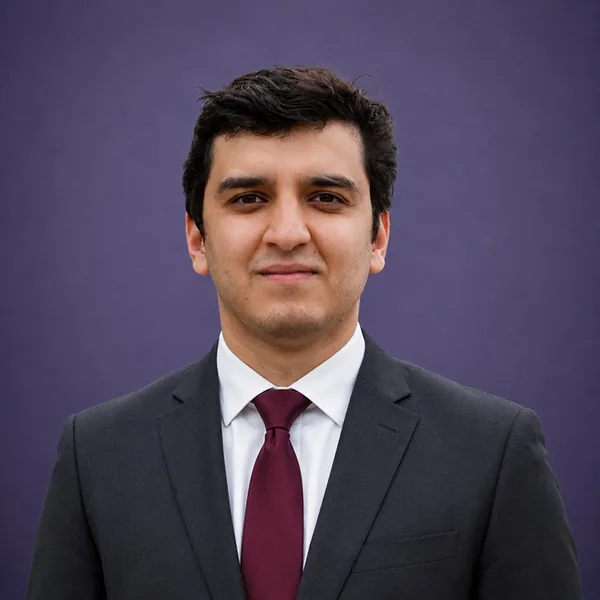
Reviewed by Wasil Peroz, Principal. Last reviewed September 23, 2026. AN·SVC·2026·LRJ·CT
- TazkiraCertified
- Nikah khatIn review
- Passport stampsIn translation
- Se-parcha transcriptReceived
- 09:12 Four pages counted, all legible
- 10:05 Name key agreed with counsel
- 15:40 Tazkira certified and delivered
What you receive, by where you are filing
Requirements change, and some courts and evaluators set their own. Your attorney or the receiving office has the final word on format.
USCIS
Rule8 CFR 103.2(b)(3)
What it asks for- Certified translation of every page
- Signed certification under 8 CFR 103.2(b)(3)
- Solar Hijri dates with Gregorian equivalents
- One name key across the whole file
Immigration courts (EOIR)
Rule8 CFR 1003.33
What it asks for- Certification with the linguist’s printed name, under 8 CFR 1003.33
- Exhibit-ready pagination matched to the source
- Linguist declaration or testimony support where required
National Visa Center and U.S. consulates
RuleState Department document instructions
What it asks for- Certified translation of every non-English document
- Consistency memo checking dates across passport, tazkira and other records
- Copies formatted for upload
What is a certified translation of an Afghan document?
A certified translation is a complete English translation of a foreign-language document, accompanied by the translator’s signed statement that the translation is complete and accurate and that the translator is competent to translate from Pashto or Dari into English. USCIS requires one for every foreign-language document under 8 CFR 103.2(b)(3), and immigration courts require a similar certification under 8 CFR 1003.33. In the United States, “certified” refers to that signed statement, not to a government license: USCIS does not certify translators.
- Languages
- Pashto, Dari and 22 more Afghan languages into English; also into 12 other languages for use abroad
- Documents
- Tazkira and e-tazkira, nikah khat, divorce records, passports, diplomas, transcripts, court records, deeds and SIV letters
- Prepared for
- USCIS, immigration courts (EOIR), the National Visa Center and U.S. consulates, state and federal courts, universities
- Standard
- Signed certification meeting 8 CFR 103.2(b)(3) and 8 CFR 1003.33
- Review
- Two linguists on every page: a translator and an independent reviewer
- Delivery
- Certified PDF; notarized copies and signed hard copies on request
- Turnaround
- 2 business days standard; next business day priority; same day for hearing and interview deadlines
- Where
- Washington, D.C., serving clients across the United States online
How we deliver a certified translation
- Received
Secure intake
You upload scans or clear phone photos through an encrypted link. We confirm receipt, list every page and flag anything unreadable before work starts. - Keyed
Name and date key
We agree the English spelling of every name and the handling of every date with you or your attorney, using the passport, I-94 or prior filings as the reference. - Translated
Translation by a native legal linguist
A native Pashto or Dari linguist trained in Afghan civil and court documents translates the whole document, mirroring its layout so an officer can match it line by line. - Reviewed
Independent second review
A second linguist checks every line against the original, including names, numbers, dates, seals and omissions, before anything is signed. - Certified
Certification
The translation is signed with a certification of completeness, accuracy and competence under 8 CFR 103.2(b)(3), dated, and paginated against the source. - Delivered
Delivery and consistency check
You receive a certified PDF within the agreed turnaround. For family and multi-document files, a consistency memo lists any name or date that differs between documents, so counsel sees it before an officer does.
What you receive
- A complete English translation of every page, mirroring the original layout
- A signed certification of accuracy and competence under 8 CFR 103.2(b)(3), with the linguist’s printed name, signature, date and contact details
- Solar Hijri dates with their Gregorian equivalents in brackets
- Bracketed descriptions of every seal, stamp, signature and handwritten entry
- One name and date key applied across every document in your file
- A consistency memo for family and multi-document files
- Notarized copies and signed hard copies by courier, on request
- A certifying linguist who stays reachable if an officer or a court has a question
Turnaround
Up to five pages, from the time the name and date key is agreed
For filings and responses with a near deadline
By arrangement, for hearings, interviews and re-interviews
Family files and pro bono batches, scheduled before work begins
Why Afghan documents need an Afghan document specialist
Afghan civil documents follow conventions that general translation services often miss. Dates are written in the Solar Hijri calendar with Afghan month names. Older paper tazkiras record a person’s age in a given year instead of a date of birth. Names have no fixed English spelling. Marriage certificates carry two dates. The e-tazkira prints only part of its content in English. Seals, stamps and handwritten clerk entries carry legal weight.
Age instead of a date of birth
Name spelling
Two dates on a marriage certificate
Partial English on the e-tazkira
Seals, stamps and handwriting
Documents issued after August 2021
Damaged, faded or photographed originals
Since late 2025, filings by Afghan nationals have faced adjudication holds, a federal lawsuit and a court-permitted re-review of benefits approved since 2021. The rules have changed month to month. What has not changed: every document in an Afghan applicant’s file may be read against every other, so each translation has to agree with the rest.
- USCIS holds pending benefit requests for nationals of travel-ban countries, including Afghanistan, and orders a re-review of approvals since January 20, 2021.
- The hold expands to the countries added by Presidential Proclamation 10998.
- A federal court in Rhode Island vacates the hold and re-review policies in Dorcas v. USCIS.
- USCIS says it will comply and resumes processing; the government appeals to the First Circuit.
- The First Circuit lets the re-review of previously approved benefits continue during the appeal.
- Parwana
- Parvana
- Perwana
- Parwanah
- Parvaneh
The consistency memo: every document in the file, compared
For family and multi-document files, counsel receives a memo that sets every name and date side by side, so a difference is found before an officer finds it. The memo reports; it never changes a translation.
Illustrative. The memo reports differences; it never resolves them by changing a translation.
The Afghan calendar: Solar Hijri months in Pashto and Dari
Convert an Afghan date
Lunar Hijri dates on religious documents are converted by a linguist, not by a formula. This tool is a convenience; the certified translation is the record.
Afghan documents we translate for USCIS and courts
Other Afghan documents we translate
The table covers the documents we translate most often. We also translate every other record an Afghan family, attorney or court may need, including documents issued to Afghans in Pakistan, Iran and Türkiye, and digital evidence.
Identity and civil status
- Birth certificates and birth registration records
- Death certificates and burial permits
- Family registration records
- Citizenship certificates
- Name-change records
- Guardianship and adoption documents
- Age assessment records
- UNHCR registration documents
- Proof of Registration (PoR) cards from Pakistan
- Amayesh cards from Iran
- Residence permits from Pakistan, Iran and Türkiye
Marriage, divorce and family
- Marriage contracts (nikah nama)
- Mahr (dower) agreements
- Divorce decrees and khula documents
- Custody and guardianship orders
- Family court judgments
- Relationship affidavits
Immigration and travel
- Visas and residence stamps
- Entry and exit stamps
- Travel documents and laissez-passers
- Refugee travel documents
- Consular and embassy letters
- Ministry of Foreign Affairs attestation and legalization stamps
Education and professional
- School report cards and attendance certificates
- Madrasa certificates
- University transcripts and degree certificates
- Kankor results
- Letters of enrollment
- Professional licenses: medical, engineering, legal and teaching
- Training and course certificates
Employment, military and SIV
- Employment verification letters
- Contracts and salary slips
- Termination and resignation letters
- Recommendation and reference letters
- Military and police service records
- Security force ID cards
- Awards, commendations and letters of appreciation
Legal, court and police
- Court judgments and decisions
- Summons and warrants
- Police reports and complaints
- Criminal record certificates (police clearance)
- Prosecution and detention records
- Prison release documents
- Threat letters and night letters (shabnama)
- Witness statements and affidavits
- Jirga and shura decisions
- Notarial deeds
Property, business and finance
- Property deeds (qabala) and land records
- Rental and lease agreements
- Bank statements and account letters
- Tax records
- Business licenses and company registrations
- Invoices, receipts and trade documents
- Wills and inheritance documents
Medical and health
- Medical records and hospital discharge summaries
- Vaccination cards
- Disability certificates
- Medical and forensic injury reports
- Prescriptions and laboratory results
Digital and electronic evidence
- WhatsApp, Telegram, Signal and Facebook Messenger chats
- Text messages and emails
- Social media posts and comments
- Screenshots and scanned documents
- Voice notes and audio recordings, transcribed and translated
- Video recordings and transcripts
- Websites and online news articles
- Digital IDs and e-government records
Personal and community
- Personal letters and diaries
- Handwritten notes
- Photographs with captions or writing
- Letters from community elders and mosques
- Newspaper and magazine articles
If your document is not listed, it is still in scope: if it is written or recorded in Pashto, Dari or another Afghan language, we translate it. For contracts, evidence sets and discovery productions in litigation, see Legal Document and Discovery Translation for Law Firms.

Specimen: a tazkira and its certification
Certification of Translation
Ariana Nexus, 1717 Pennsylvania Avenue NW, 10th Floor, Washington, D.C. 20006. (202) 771-0224
- 1DateSolar Hijri date kept as written, with the Gregorian equivalent in brackets.
- 2AgeThe card records an age in a year, not a date of birth. Nothing is computed or added.
- 3NameSpelling follows the name and date key agreed with counsel, taken from the I-94.
- 4SealEvery seal, stamp and signature is described in brackets with its wording.
Languages: Pashto, Dari and 22 more Afghan languages
Most Afghan official documents are issued in Pashto, Dari or both. Letters, statements, recordings and older records can be in any of Afghanistan’s languages, so we translate from all 24 that Ariana Nexus covers: into English for USCIS and U.S. courts, and into twelve other languages for use abroad.
Translated from
- Pashto
- Dari
- Hazaragi (a variety of Dari)
- Aimaq
- Balochi
- Ormuri
- Parachi
- Wakhi
- Shughni
- Sanglechi
- Ishkashimi
- Munji
- Yidgha
- Uzbeki
- Turkmeni
- Kyrgyz
- Pashayi
- Gawarbati
- Tirahi
- Nuristani (Ashkun group)
- Kati
- Prasun
- Waigali
- Brahui
24 languages, grouped by language family. Pashto and Dari are the languages of Afghan official documents.
Translated into
- French
- German
- Spanish
- Italian
- Portuguese
- Hebrew
- Arabic
- Turkish
- Russian
- Chinese
- Hindi
- Urdu
- Certified translations for USCIS, immigration courts and U.S. courts are always into English.
- Many countries accept only translations made or sworn by translators they appoint, for example Germany, France, Spain and Italy. Tell us where the document will be filed and we confirm what that authority accepts before you order.
- For the smallest Afghan languages, turnaround is quoted per document.
Why Ariana Nexus for certified Pashto and Dari translation
There is no U.S. certification for Pashto or Dari translators. USCIS certifies no translators, and no national certification exam covers these languages. So Ariana Nexus sets the standard in writing, trains and qualifies its own linguists to it, and puts two of them on every page.
A firm, not a marketplace
Native Afghan legal linguists
Two linguists on every page
Built for the whole case file
Led by scholars, not only bilinguals
One accountable program
How the options compare
The team behind certified translation at Ariana Nexus
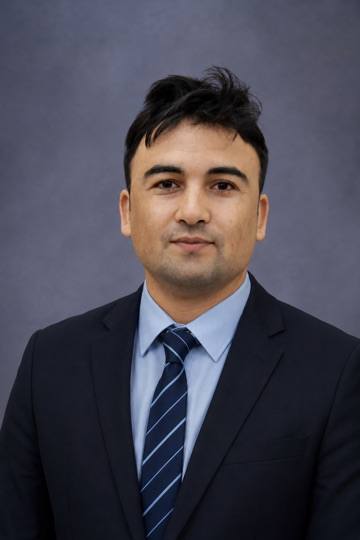
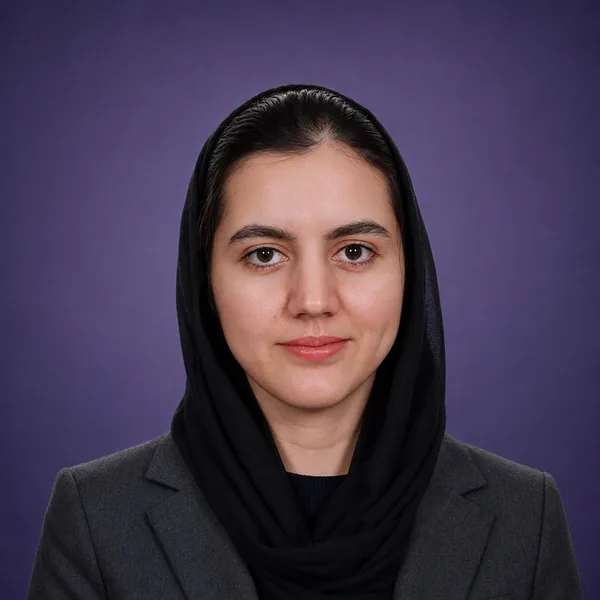
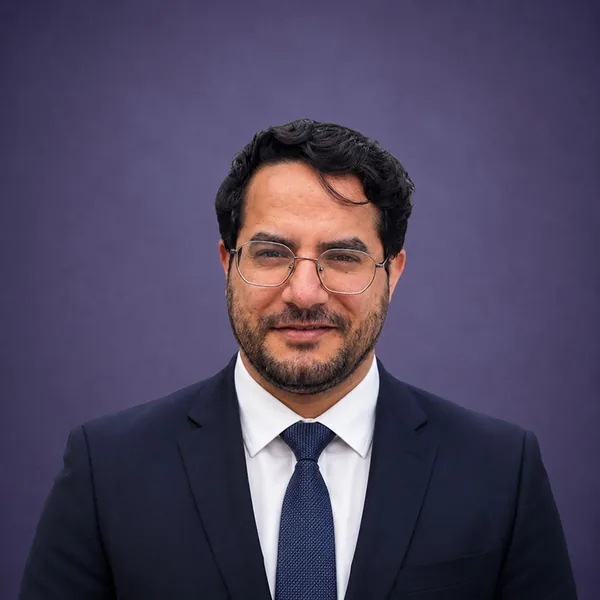
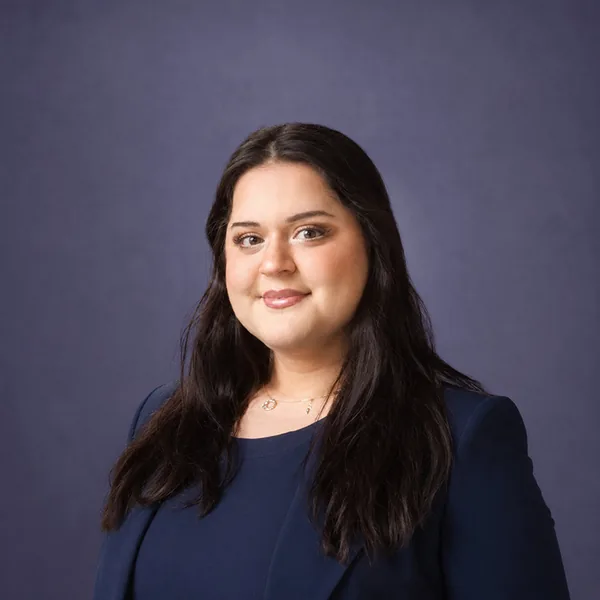
Certified translation is legal work, and the people accountable for it here are alumni and scholars of Cornell University, the University of Chicago and the University of British Columbia who come from the Afghan community and know how these documents are written. Our native linguists translate and review; the leadership below owns the standard they work to.

Hassan Ukasha
- B.S. Cornell University
- M.P.H. Cornell University
Languages: Pashto and Dari (native); English, Urdu, Hindi; Arabic (working)

- B.Sc.University of British Columbia
Zeba Haqbani

- B.A.Milli University
- M.Sc.Otto-von-Guericke University Magdeburg
Wasil Peroz

- B.A.Cornell University
Maryam Safi

- M.Eng.Cornell University
- Ph.D.University of Chicago
Hussain Ahmad

Confidentiality and data security for Afghan families
A tazkira carries a national ID number, family names, place of origin, ethnicity and religion, and many of our clients have relatives still in Afghanistan. Handling that information carefully is part of the work, not an add-on.
Encrypted intake and delivery
Need-to-know access
No public AI or machine translation
Written deletion schedule
NDA before transfer
What this service does not do
- We do not obtain, replace or verify documents in Afghanistan, and we do not route any request through the de facto authorities.
- We do not authenticate or legalize the original document. A certified translation attests to the translation, not to the source.
- We do not change, correct or improve what a document says, including dates, ages and spellings.
- We do not give legal advice. Format and filing questions go to your attorney.
- We do not use machine translation as a substitute for a linguist.
For law firms, legal aid organizations and agencies
Immigration attorneys and law firms
Pro bono counsel and legal aid organizations
Afghan families and individuals
Courts, agencies and resettlement programs
Universities and credential evaluators
One matter, one file
Batches and case files
Agreements
Exhibit-ready files
Declarations and testimony
We quote a fixed fee per document before any work begins, based on page count, legibility, turnaround and whether a consistency review is needed. Law firms, legal aid organizations and agencies can request matter or volume terms.
Frequently asked questions about certified Afghan document translation
What is a certified translation for USCIS?
A certified translation is a complete English translation of a foreign-language document, accompanied by the translator’s signed statement that the translation is complete and accurate and that the translator is competent to translate from Pashto or Dari into English. USCIS requires one for every foreign-language document under 8 CFR 103.2(b)(3), and immigration courts require a similar certification under 8 CFR 1003.33. In the United States, “certified” refers to that signed statement, not to a government license: USCIS does not certify translators.
Are your translators certified?
In the United States, a certified translation means the translator’s signed statement of accuracy and competence. USCIS does not certify translators, and no U.S. certification exists for Pashto or Dari translation, so Ariana Nexus sets its own written standard, trains and qualifies its linguists to it, and has a second linguist review every page.
Can I translate my own documents for USCIS?
USCIS requires the translator to certify competence and accuracy, and a translator may be contacted if an officer has questions. Applicants and relatives are generally advised not to translate their own documents. Your attorney will advise on your case.
Does a certified translation for USCIS need to be notarized?
No. USCIS asks for the translator’s certification, not a notary. Some courts, universities and foreign authorities do ask for notarization, which we arrange on request.
How do you translate a tazkira that shows an age instead of a date of birth?
We translate the entry exactly as written, for example “fourteen years in 1388,” and give the Gregorian span of that year in brackets. We never compute or insert a date of birth; where counsel needs it, a translator’s note explains the entry.
My e-tazkira already has English on it. Do I still need a certified translation?
Yes. The e-tazkira prints only some fields in English. Others, including the father’s and grandfather’s names, appear in Pashto or Dari only, and every foreign-language word on a document submitted to USCIS needs a certified translation.
Do I need to translate my Afghan passport?
The data page of an Afghan passport already carries English, and attorneys often file it without translation. Stamps, visas, endorsements and handwritten notes in Pashto or Dari are different; we translate the pages your attorney or the receiving office asks for and flag every page that carries non-English text.
How do you convert Afghan Solar Hijri dates?
We keep the date as written and add the Gregorian equivalent in brackets, for example 15 Jawza 1402 [June 5, 2023]. Afghan documents use zodiac month names; dates in the lunar Islamic calendar, common on religious documents, are converted by a linguist and noted.
My name is spelled differently on different documents. What happens?
We agree one English spelling with you or your attorney, usually the spelling on your passport, I-94 or earlier filings, and apply it to every document. We never change what the original says; where documents disagree, the consistency memo shows counsel exactly where.
Can you translate documents issued by the Taliban after August 2021?
Yes. We translate them exactly as they read, including the issuing authority’s name and seals, without altering, omitting or commenting on them. Whether a receiving agency accepts a document is its decision.
Can Afghan documents be apostilled?
No. Afghanistan is not a party to the Hague Apostille Convention, so Afghan documents are legalized through consular channels instead. We translate documents; we do not legalize them or contact Afghan authorities.
Which languages do you translate from?
Pashto, Dari and 22 more Afghan languages, into English for USCIS and U.S. courts and into French, German, Spanish, Italian, Portuguese, Hebrew, Arabic, Turkish, Russian, Chinese, Hindi and Urdu for use abroad. Afghan official documents are issued in Pashto, Dari or both, and a document that mixes the two is translated under a single certification. Dari is Afghan Persian, sometimes searched for as Farsi; we translate it as Afghan Dari.
How long does a certified translation take?
Standard delivery is two business days for up to five pages, priority is the next business day, and hearing or interview deadlines can be met the same day by arrangement. Family files and batches run on a written schedule agreed before work begins.
How do you protect my documents and my family’s information?
Documents move through encrypted links, only the linguists on your file can open them, they never enter public AI or machine-translation tools, and source files are deleted on a written schedule after delivery.
Is USCIS processing Afghan applications right now?
As of September 2026: a federal court vacated USCIS’s nationality-based holds in June 2026 (Dorcas International Institute of Rhode Island v. USCIS), and in August 2026 the appeals court allowed the re-review of previously approved benefits to continue during the appeal. Policies are changing quickly, so ask your attorney about your case. We translate; we do not give legal advice.
Do you work with law firms and legal aid organizations?
Yes. We work by matter, with one intake, one glossary and one invoice per matter number, written schedules for batches, and mutual NDAs and master services agreements on request.
What does a certified translation cost?
We quote a fixed fee per document before any work begins, based on page count, legibility, turnaround and whether a consistency review is needed. Law firms, legal aid organizations and agencies can request matter or volume terms.
Afghan document terms, related services and sources
- Tazkira تذکره
- Afghanistan’s national identity document, issued on paper and later as the electronic e-tazkira; often used in place of a birth certificate.
- e-Tazkira تذکرهٔ الکترونیکی
- The electronic national ID card, which prints some fields in English and others in Pashto or Dari only.
- Nikah khat نکاحخط
- An Afghan marriage certificate recording the marriage contract; it carries a contract date and an issue date.
- Talaq nama طلاقنامه
- An Afghan divorce document.
- Shahadatnama شهادتنامه
- A school-leaving certificate, usually awarded at grade 12.
- Se-parcha سهپارچه
- The transcript of grades 10 to 12.
- Kankor کانکور
- Afghanistan’s national university entrance examination.
- Qabala قباله
- A property deed.
- Solar Hijri calendar
- Afghanistan’s official calendar; the year begins at the spring equinox, and Afghan documents use zodiac month names.
- Certified translation
- A complete translation with the translator’s signed statement of accuracy and competence.
- Notarized translation
- A certified translation whose signature a notary public has witnessed; the notary does not check the translation.
- Legalization
- Official authentication of a document’s seal and signature. Afghanistan is not a party to the Hague Apostille Convention, so Afghan documents cannot be apostilled.
Related services
- Pashto and Dari Interpreters for USCIS Asylum, Green Card and Naturalization InterviewsSpoken interpretation at USCIS interviews. This page covers the documents you file.
- Legal Document and Discovery Translation for Law Firms — Pashto, Dari and 22 More Afghan LanguagesContracts, evidence and discovery productions for litigation. This page covers personal identity, civil and academic records.
- Court and Deposition Interpreters — Pashto, Dari and 22 More Afghan LanguagesHearings and depositions. This page covers written documents.
- Afghan Identity Document Verification for KYC and IDV VendorsWhether a tazkira or passport is genuine. This page translates it; that service examines it.
Sources
- 8 CFR 103.2(b)(3), Translations (USCIS)
- 8 CFR 1003.33, Translation of documents (Immigration courts)
- U.S. Department of State, The Steps of the Afghan SIV Process
- U.S. Department of State, Visa Reciprocity and Civil Documents by Country
- Immigration Legal Services for Afghan Arrivals (HHS), Tazkira Translation Tips
- Dorcas International Institute of Rhode Island v. USCIS, No. 1:26-cv-00132 (D.R.I. June 5, 2026); appeal No. 26-1703 (1st Cir.)
- UNHCR, Legal Identity and Civil Documentation in Afghanistan (May 2024)
Start a certified translation request
Tell us which documents you have, where they will be filed and your deadline. We confirm the page count, the name and date key and a fixed fee before any work begins.
Start a requestA mutual NDA is available before you share any document.