Expert Witness on Afghan Civil Documents and Identity RecordsTazkira, Nikah Khat, Passports and Birth Certificates

Independent expert analysis of Afghan tazkiras, e-Tazkiras, nikah khats, passports and birth certificates: what each document is, who issued it, and what it can and cannot prove. Declarations, reports and testimony for immigration courts, USCIS, federal and state courts, and tribunals abroad.

24 Afghan languages
Translated into English and 12 world languages

Afghan civil documents: the facts that decide cases

What does an Afghan document expert witness do?

An Afghan document expert witness examines Afghan civil and identity records, such as the paper tazkira, the e-Tazkira, the nikah khat, the passport and the birth certificate, against the issuing practice of their authority, era, language and calendar. The expert then gives the court an independent written opinion, and testimony where needed, on what the document shows and where its limits are.

Afghan documents are questioned in U.S. and international proceedings for reasons that often have nothing to do with fraud. Four decades of war and seven changes of administration left civil registration incomplete: fewer than half of Afghan children under five have a registered birth. The tazkira often records an age estimated at the time of issue rather than a date of birth. One person's documents can carry dates in three calendars and a name in half a dozen Latin spellings. For Afghan people now building lives across North America and Europe, these papers are often the only record of who they are.

Since August 2021, documents have been issued by the de facto authorities in Kabul, by missions abroad still using the former Republic's name, and by Taliban-aligned missions. No Afghan consulate has operated in the United States since March 2022. A decision-maker without that context can read ordinary practice as a red flag, or miss a real one. An expert opinion puts the document back in its true context.

Afghan documents we examine: tazkira, e-Tazkira, nikah khat, passports and birth certificates

Plate A

Paper tazkira

تذکره
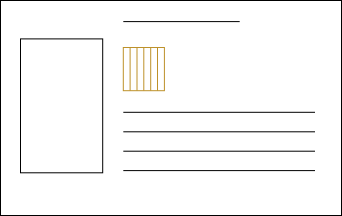
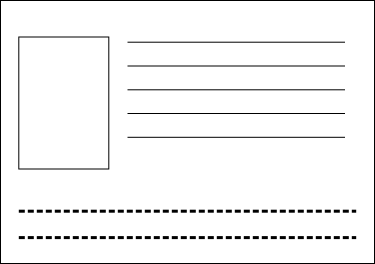
Schematic of the paper tazkira layout, not a reproduction
Schematic

Afghanistan's legacy national identity document, issued on paper before 2018 and still in circulation.

Issued by
Population Registration Department of the Ministry of Interior; the Afghanistan Central Civil Registration Authority for tazkiras issued before 2019.
Format
Usually an A4 sheet with a photograph; older booklet formats also circulate. Entries are completed by hand.
Can prove
Identity, the paternal line (father's and grandfather's names), place of origin and nationality.
Limits
Age is usually recorded as an estimate in the year of issue, not as a date of birth.
Questions
No date of birth, only an age; clerk handwriting and entries that vary; copies reissued years later.

Plate B

e-Tazkira

تذکره الکترونیکیبرېښنايي تذکره
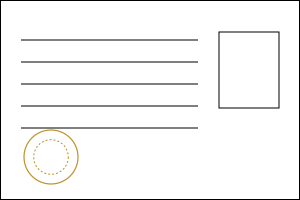
Schematic of the e-tazkira layout, not a reproduction
Schematic

The chip-based national ID card issued since 2018 and still issued after August 2021.

Issued by
National Statistics and Information Authority (NSIA), after an online application and biometric enrollment.
Format
Business-card size with a microchip and a photograph; children under seven are exempt from biometrics.
Can prove
Identity with a national ID number and a recorded date of birth.
Limits
The date of birth may have been carried over from an earlier estimate on a paper tazkira.
Questions
Date of birth carried from a paper estimate; issued by the de facto authorities after 2021; data that differs from the paper tazkira.
Plate C

Nikah khat

نکاح‌خطنکاح خط
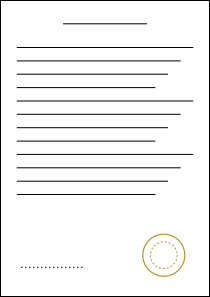
Schematic of the nikah khat layout, not a reproduction
Schematic

The Afghan marriage certificate, issued through the courts and certified by the Supreme Court.

Issued by
Primary, conduct or family courts, with certification by the Supreme Court; replacement certificates from Afghan missions abroad.
Format
A green booklet with photographs of the bride, the groom and two witnesses. A court form, the Sharaie Waseqa Khat, carries five witnesses.
Can prove
A registered marriage, the parties, the witnesses and the dates.
Limits
Many marriages were performed religiously and registered years later, so the contract date and the issue date often differ.
Questions
Marriage registered long after the nikah; replacement certificate issued abroad; contract date versus issue date.
Plate D

Afghan passport

پاسپورتپاسپورټ
Schematic of the afghan passport layout, not a reproduction
Schematic

The travel document issued by the Ministry of Interior's Passport Directorate, machine-readable since March 2013.

Issued by
Passport Directorate in Kabul and provincial passport offices; some missions abroad issue passports, extensions and travel documents.
Format
Bluish-green cover for regular passports. Some mission-issued passports carry no chip; extensions are stickers inside the book.
Can prove
Identity and nationality for travel, with a Gregorian date of birth.
Limits
The date of birth is often taken from the tazkira; passports issued after 2021 still name the Islamic Republic.
Questions
Date of birth that differs from the tazkira; issued after august 2021; mission-issued book without a chip.
Plate E

Birth certificate

کارت تولدد زېږون سند
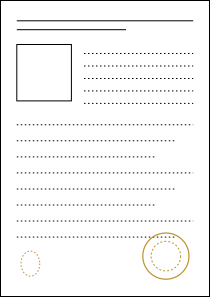
Schematic of the birth certificate layout, not a reproduction
Schematic

Supplemental evidence of birth. Most Afghans never had one, and it is not the primary identity document.

Issued by
Clinics and hospitals, the NSIA, and Afghan missions abroad.
Format
A yellow card from a clinic or hospital, a yellow one-page NSIA document with a photograph, or a white one-page mission certificate.
Can prove
A recorded birth, parentage and the date and place of birth.
Limits
Absence is normal: only 47.8% of children under five have a registered birth.
Questions
No birth certificate exists; late registration; certificate issued abroad after 2021.
Plate F

Related civil and court records

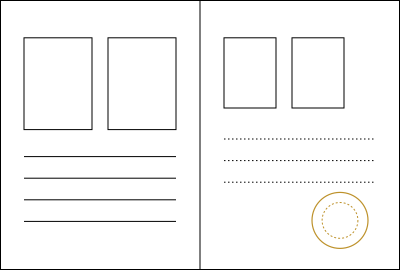
Schematic of the related civil and court records layout, not a reproduction
Schematic

Death certificates, divorce certificates and guardianship orders that decide family, inheritance and custody questions.

Issued by
The NSIA, hospitals and courts; the Supreme Court for divorce certificates; family courts for guardianship.
Format
Sanad Wafat (death), Talaq Khat (divorce) and Sanad-e-Sarparasti (guardianship). Adoption certificates do not exist in Afghan law.
Can prove
Deaths, divorces and guardianship as the courts and registries recorded them.
Limits
Hand-written divorce letters are not legally recognized in Afghanistan.
Questions
Heirship and probate; divorce recorded only by letter; guardianship in place of adoption.

Fewer than half of Afghan births are registered

A missing birth certificate is what Afghan civil registration normally produces. It is not evidence against the person who lacks one.

  • Urban65.5%
  • Rural42.7%
  • Richest fifth68.4%
  • Poorest fifth32.0%

Share of children under five whose birth is registered. Source: UNICEF and NSIA, Afghanistan Multiple Indicator Cluster Survey 2022–23.

Ring chart: 47.8 percent of Afghan children under five have a registered birth

47.8%

registered

How we examine an Afghan document

  • I

    Issuing authority and era

    Is the stated issuer the right body for the date: the Population Registration Department, the NSIA, a court, a hospital or a mission, under the administration in power at the time?
  • II

    Document type and format

    Does the format match the type and period: an A4 tazkira, a booklet, a chip card, a green nikah khat booklet, a yellow birth card, a machine-readable passport?
  • III

    Seals, stamps and signatures

    Are office names, titles, wording and placement consistent with the issuing office's practice for that period?
  • IV

    Script and language

    Pashto and Dari read in the original script: terminology, spelling, clerk handwriting, and entries translated or transliterated later.
  • V

    Calendar and dates

    Solar Hijri, lunar Hijri and Gregorian dates reconciled. Ages estimated at issue converted into birth-year ranges.
  • VI

    Names and transliteration

    Given name, father's and grandfather's names, tribal and honorific names, and their Latin spellings across every document.
  • VII

    Registration references

    Registration and ID numbers read for internal consistency with the document's type and era.
  • VIII

    Cross-document consistency

    The tazkira read against the passport, nikah khat, birth certificate and U.S. immigration records. Differences practice explains are explained; the rest are isolated.
  • IX

    Provenance and custody

    How, when and by whom the document was obtained: originals, certified copies, replacements, and documents collected by relatives after departure.
  • X

    Country context

    Issuance practice as it actually operated in that province and period, including the disruption after August 2021.
We publish what we examine, never the specific markers we look for. An expert's method should be open to the court; a forger's checklist should not exist.
Our opinions address Afghan issuing practice, format, language, calendar and consistency. Laboratory analysis of ink, paper, printing and chip data is a separate forensic discipline; when a question needs it, the report says so.

How we state our conclusions

  1. Consistent

    The document is consistent with genuine issuance for its stated type, authority and date.
  2. Consistent, with explained variation

    Features depart from the usual pattern in ways documented practice explains.
  3. Inconclusive

    The material provided cannot support a conclusion either way. The report states what would.
  4. Not consistent

    Features cannot be reconciled with issuance practice for the stated type, authority and date.
  5. Outside scope

    The question needs laboratory analysis or information no document examination can supply.

Every finding is tied to the evidence behind it, and every report states its limits.

Three ways to instruct us

01

Rapid Document Assessment

Consulting, non-testifying
A privileged first read for counsel.
What the documents are, how they fit together, where they are strong, where they will be challenged, and whether a written opinion would help. Delivered to counsel orally or as a short memorandum, and structured so it can stay privileged where the forum allows.
  • Document inventory and era check
  • Preliminary date and name reconciliation
  • Risk notes for counsel
  • Recommendation on next steps
02

Written Expert Opinion

Rule 702-ready
A signed opinion the court can rely on.
A declaration or report, signed by a U.S.-based Ariana Nexus expert, stating the documents examined, the method, the findings on a defined conclusion scale, and the limits of the opinion. Formatted for the forum: a declaration under 28 U.S.C. § 1746 or a sworn affidavit, Rule 26 and Rule 16 disclosures, or a CPR Part 35 report.
  • Certified translations as exhibits
  • Calendar and name reconciliation table
  • Annotated document images
  • Expert CV and disclosures
03

Expert Testimony and Trial Support

Deposition, hearing and trial
The expert who signed the opinion testifies to it.
Testimony at deposition, in immigration court, at hearing or at trial, in person or remotely where the forum permits, with preparation sessions for counsel and responses to opposing experts and government laboratory reports.
  • Preparation with counsel
  • Demonstrative exhibits
  • Rebuttal of opposing reports
  • Concurrent evidence where used

The rules our declarations and reports are written to

United States
  • Federal Rule of Evidence 702

    Expert opinion must rest on sufficient facts and reliable methods, reliably applied. Amended December 1, 2023.
  • Federal Rules of Evidence 901 and 902(3)

    Authentication, including foreign public documents and the good-cause route when final certification cannot be obtained.
  • Fed. R. Civ. P. 26(a)(2)(B) and Fed. R. Crim. P. 16

    What a testifying expert's report and disclosures must contain.
  • 8 C.F.R. §§ 287.6 and 1287.6

    Authentication of foreign official records in immigration proceedings. Federal appeals courts have held it is not the only route.
  • 8 C.F.R. § 103.2(b)(2) and (b)(3)

    Secondary evidence when primary records do not exist, and certified English translations.
  • 8 C.F.R. §§ 208.6 and 1208.6

    Confidentiality of asylum applications.
  • 28 U.S.C. § 1746

    Unsworn declarations under penalty of perjury.
Other jurisdictions
  • England and Wales

    CPR Part 35 and Practice Direction 35; the tribunal's practice direction on expert evidence; Tanveer Ahmed [2002] UKIAT 00439 on reliance on documents.
  • Canada

    Immigration and Refugee Protection Act, s. 106, and Refugee Protection Division Rules, rule 11, on identity documents.
  • Australia

    Evidence Act 1995 (Cth), s. 79, and the Federal Court's Expert Evidence Practice Note.
  • Germany

    Expert evidence under §§ 402 ff. ZPO, applied in administrative courts through § 98 VwGO.
  • Apostille Convention

    Afghanistan is not a party, so Afghan documents cannot carry an apostille.

Technology, AI and chain of custody

Every opinion is formed and signed by a named human expert. Software supports the work, including high-resolution imaging, text recognition, calendar conversion and secure matter storage, and every tool that touches the evidence is named in the report. No part of an opinion is generated by AI, and client documents are never used to train any model.

Proposed Federal Rule of Evidence 707 would hold machine-generated evidence to the Rule 702 standard. It was returned for further study in June 2026. Our practice already meets the principle.

In asylum matters, contacting the authorities of the country a person fled can breach the confidentiality 8 C.F.R. § 208.6 requires and put relatives at risk. We never do it.

  • Encrypted transfer

    Documents arrive by encrypted transfer into an access-controlled matter workspace.
  • Chain of custody

    Originals are logged on receipt, handled under a written custody record and returned by tracked courier.
  • Your retention rules

    Retention and destruction follow counsel's instructions and any protective order.
  • No channel into Afghanistan

    No document, name or inquiry is ever routed through the authorities in Afghanistan or anyone acting for them.

Why counsel instruct Ariana Nexus

No certification exists for Afghan civil-document examination. We built the method we are cross-examined on: published dimensions, stated limits and a defined conclusion scale, carried out by scholars rather than bilinguals.

  • Read in the original

    Pashto and Dari are read in the original script by native readers, not through someone else's translation.
  • Every era, every calendar

    Seven administrations, three calendars and two tazkira formats. Each document is read against the system that issued it.
  • Scholars, not bilinguals

    The team studied at Cornell University, the University of Chicago, the University of British Columbia and Otto-von-Guericke University Magdeburg.
  • Independent by design

    Our duty is to the court. We report what the evidence shows, including when it does not help the party that instructed us.
  • No channel into Afghanistan

    No document, name or inquiry is routed through the de facto authorities, which protects confidentiality and families.
  • One accountable team

    Every part is produced by our own people: one engagement, one point of accountability. The U.S.-based expert who examines the documents signs the opinion and testifies to it.

How we deliver

  1. 01

    Conflict check

    Send the parties' names and the forum. We clear conflicts before we see any document.
  2. 02

    Scoping call

    Counsel walks us through the matter, the deadlines and the questions. We confirm which tier fits.
  3. 03

    Engagement and secure transfer

    Written engagement terms, encrypted transfer and a custody record for originals.
  4. 04

    Rapid Document Assessment

    A privileged first read for counsel, orally or as a short memorandum.
  5. 05

    Written Expert Opinion

    Declaration or report with translations, reconciliation tables and CV.
  6. 06

    Testimony

    Deposition, hearing or trial, in person or remotely where the forum permits.

The team behind every opinion

Afghan document questions sit where Afghan civil law, Pashto and Dari script, three calendars and forty years of changing administrations meet. The people who answer them studied at Cornell University, the University of Chicago, the University of British Columbia and Otto-von-Guericke University Magdeburg, and read these documents in their own languages.

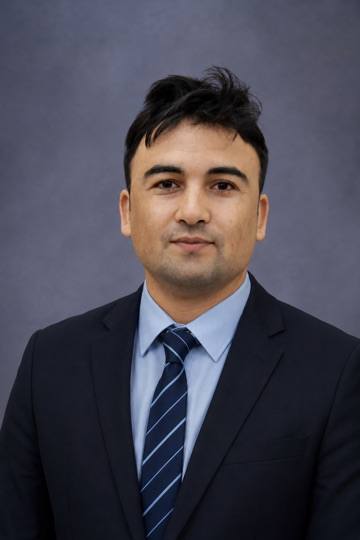
Hassan Ukasha, Managing Partner, Ariana Nexus
Program oversight

Hassan Ukasha

Managing Partner
Oversees the firm's operations and this program: engagement acceptance, conflict clearance and the independence standard every opinion is held to. Grew up in Herat. Leads Ariana Nexus from Washington, D.C.
B.S. Cornell University
M.P.H. Cornell University
Languages: Pashto, Dari, English, Urdu, Hindi; Arabic (working)
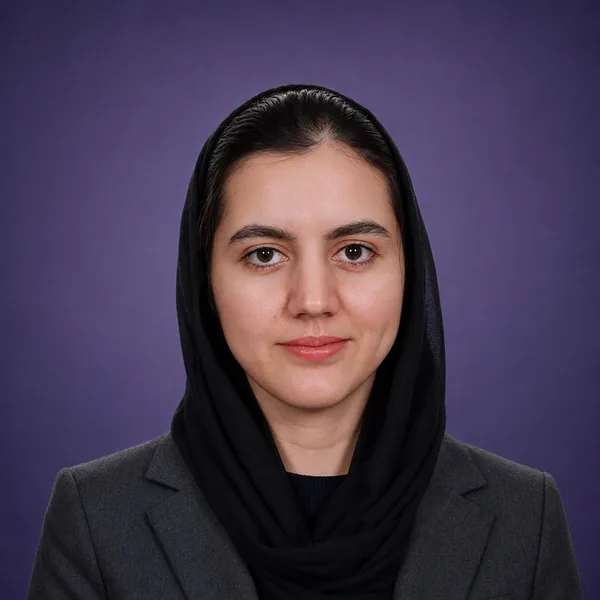
Zeba Haqbani, Senior Partner, Ariana Nexus

Zeba Haqbani

Senior Partner
B.Sc.
University of British Columbia
Builds the secure systems every matter runs on: encrypted intake, matter workspaces and the audit trail behind chain of custody. Lived in Kabul.
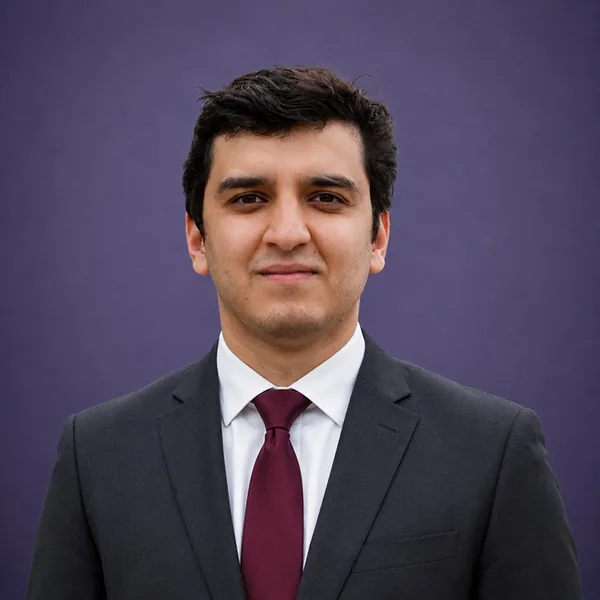
Hussain Ahmad, Principal, Ariana Nexus

Hussain Ahmad

Principal
M.Eng.
Cornell University
Ph.D.
University of Chicago
Leads imaging and data work: high-resolution capture, calendar and date reconciliation, and the disclosed tools behind every exhibit.
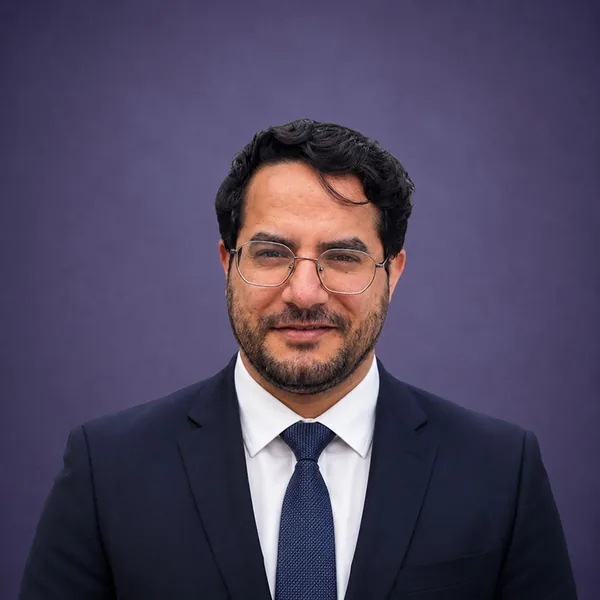
Wasil Peroz, Principal, Ariana Nexus

Wasil Peroz

Principal
B.A.
Milli University
M.Sc.
Otto-von-Guericke University Magdeburg
Institutional law: the Afghan civil, family and administrative frameworks that decide which office could issue which document, and when.
Maryam Safi, Principal, Ariana Nexus

Maryam Safi

Principal
B.A.
Cornell University
Runs engagements end to end: scoping with counsel, document chronologies, reconciliation schedules and hearing preparation.

Every opinion is written and signed by a named, U.S.-based Ariana Nexus expert, whose CV, publications and prior testimony are disclosed as the forum requires.

Photograph of a symmetrical architectural ceiling structure in black and white

Documents in Pashto and Dari. People in 24 languages.

Afghan civil documents are written in Pashto and Dari, and the people behind them speak all 24 Afghan languages: Pashto, Dari and 22 more. We translate from every one of them into English for courts and agencies in the United States, and into French, German, Spanish, Italian, Hebrew, Arabic, Hindi, Urdu, Portuguese, Chinese, Russian and Turkish for counsel and courts serving the Afghan diaspora abroad.

24 Afghan languages we translate from

Iranian (13)
  • Pashtoپښتو
  • Dariدری
  • Hazaragiهزارگیa variety of Dari
  • Aimaqایماق
  • Balochiبلوچی
  • Ormuriاورمړي
  • Parachiپراچی
  • Wakhiوخی
  • Shughniشغنی
  • Sanglechiسنگلیچی
  • Ishkashimiاشکاشمی
  • Munjiمنجی
  • Yidghaیدغه
Turkic (3)
  • Uzbekiاوزبیکی
  • Turkmeniترکمنی
  • Kyrgyzقرغیزی
Indo-Aryan (3)
  • Pashayiپشه‌یی
  • Gawarbatiگواربتی
  • Tirahiتیراهی
Nuristani (4)
  • Nuristani (Ashkun group)اشکونی
  • Katiکتی
  • Prasunپارون
  • Waigaliوایگلی
Dravidian (1)
  • Brahuiبراهوی

English and 12 world languages we translate into

  • FrenchFrançais
  • GermanDeutsch
  • SpanishEspañol
  • ItalianItaliano
  • Hebrewעברית
  • Urduاردو
  • Arabicالعربية
  • Hindiहिन्दी
  • PortuguesePortuguês
  • Chinese中文
  • RussianРусский
  • TurkishTürkçe

What this service does not do

  • We do not contact issuing authorities in Afghanistan, or anyone acting for them, about a client's documents.
  • We do not obtain, replace, issue or correct documents.
  • We do not give legal advice or advocate for a party. Our duty is to the court or tribunal.
  • We do not sell an outcome. Fees are never contingent on the result.
  • We do not publish the specific markers we use to detect altered documents.
  • We do not present laboratory findings on ink, paper or chip data as our own.
  • We do not let software form an opinion.

For identity verification at platform scale rather than in court, see our Afghan identity document verification service for KYC vendors.

Questions attorneys ask about Afghan documents

What is a tazkira?

The tazkira, also spelled tazkera or taskera, is Afghanistan's national identity document. Paper tazkiras were issued before 2018; since 2018 the chip-based e-Tazkira has been issued, and it still is. The U.S. Department of State treats the tazkira and the passport as the primary Afghan identity documents.

Can a tazkira be used instead of a birth certificate for USCIS?

The State Department describes the tazkira as the principal Afghan record of identity and a quasi-birth record, and treats the birth certificate as supplemental. Where a birth certificate is requested and none exists, USCIS rules allow secondary evidence. An expert declaration can explain why no birth certificate exists and what the tazkira shows. Your attorney decides what to file.

Why does my tazkira show an age instead of a date of birth?

Paper tazkiras usually record the holder's age in the year the document was issued, and that age is usually an estimate because birth records were seldom available. Converting it into a birth year gives a range of about two years, not a date, which is why a later document with an exact date can appear to conflict. We reconcile the two and show the arithmetic.

Why do so many Afghans have January 1 as their birthday?

When only a year or an estimated age is known, record systems often fill the missing day and month with a default, commonly 1 January in Gregorian records or 1 Hamal in the Solar Hijri calendar. A default date is not evidence of fraud, and an expert report can say so.

How do you convert an Afghan Solar Hijri date to the Gregorian calendar?

The Solar Hijri year begins at the March equinox, so each Afghan year spans two Gregorian years: 1370 runs from March 1991 to March 1992. Month names differ between Dari (Hamal, Sawr, Jawza) and Pashto (Wray, Ghwayay, Ghbargolay), and correspondence issued since 2022 may use the lunar Hijri calendar instead. Our reports include a table that reconciles every date.

What is a nikah khat?

The nikah khat, also spelled nekah khat, is the Afghan marriage certificate: a green booklet with photographs of the bride, the groom and two witnesses, issued through the courts and certified by the Supreme Court. A second court form, the Sharaie Waseqa Khat, carries five witnesses. Many marriages were registered years after the religious ceremony, so the contract date and the issue date often differ.

Can you examine Afghan documents issued after the Taliban takeover in August 2021?

Yes. Since August 2021, documents have been issued by the de facto authorities in Kabul, by missions abroad still using the former Republic's name, and by Taliban-aligned missions. We examine them and state what they are consistent with. How much weight a court gives them, given that the United States does not recognize the Taliban as Afghanistan's government, is a legal question for the court.

Why does a new Afghan passport still say Islamic Republic of Afghanistan?

According to the State Department, passports issued after the August 2021 takeover continue to name the Islamic Republic of Afghanistan as the issuing authority. On its own, that wording is not a sign of forgery.

Do you contact the Afghan authorities to verify a document?

No. We never route a document, a name or an inquiry through the authorities in Afghanistan or anyone acting for them. In asylum matters that protects the confidentiality 8 C.F.R. § 208.6 requires, and the safety of relatives still in Afghanistan.

Can your expert testify in immigration court?

Yes. The U.S.-based expert who signed the opinion testifies to it, in person or by telephone or video where the immigration judge permits. Our experts also testify at deposition, hearing and trial in federal and state courts.

Can you respond to a government forensic laboratory report on an Afghan document?

Yes. We review the report's method and findings against Afghan issuing practice and state, on our conclusion scale, where we agree and where we do not.

Do you work on cases outside the United States?

Yes. We prepare opinions for courts and tribunals in the United Kingdom, Canada, Germany, Australia and elsewhere, in the format each forum requires. We translate from all 24 Afghan languages into English, French, German, Spanish, Italian, Hebrew, Arabic, Hindi, Urdu, Portuguese, Chinese, Russian and Turkish.

Is Ariana Nexus a law firm?

No. Ariana Nexus is a consulting and professional services firm. We provide independent expert evidence; we do not give legal advice or represent parties.

How do we start?

Request a conflict check with the parties' names and the forum. Once conflicts are cleared we schedule a scoping call, confirm the tier and send written engagement terms. Certified translations are included in written opinions; for translation alone, see our certified translation service.

Colophon

Written and reviewed by Ariana Nexus in Washington, D.C. Last reviewed September 2026; next scheduled review December 2026.

How to cite this page
Ariana Nexus. Expert Witness on Afghan Civil Documents and Identity Records. Washington, D.C.: Ariana Nexus, 2026. https://ariananexus.com/services/expert-witness-on-afghan-civil-documents-and-identity-records-tazkira-nikah-khat-passports-and-birth-certificates Last reviewed September 2026.
Sources
  1. U.S. Department of State, U.S. Visa: Reciprocity and Civil Documents by Country, Afghanistan
  2. UNICEF and NSIA, Afghanistan Multiple Indicator Cluster Survey 2022–23
  3. Voice of America, Afghan Diplomatic Missions in US Close, March 15, 2022
  4. Hasht-e Subh Daily, lunar Hijri calendar for government communications, March 26, 2022
  5. HCCH, status table of the Apostille Convention

Request a conflict check

Send the parties' names and the forum. Expert CVs and engagement terms follow the conflict check. Engagements are scoped per matter under a written engagement letter.

Request a conflict check