P-01
Former army, police, and intelligence personnel (ANDSF and NDS)
Political opinion, including imputed, Particular social group, Torture risk (CAT)
Does the declared amnesty hold in practice, and how are former members identified and located?
Independent, source-verified expert reports and testimony on current conditions in Afghanistan, tied to your client's profile and written for immigration judges, asylum officers, and tribunals. Researched in Pashto and Dari as well as English, and signed by a named Ariana Nexus expert.
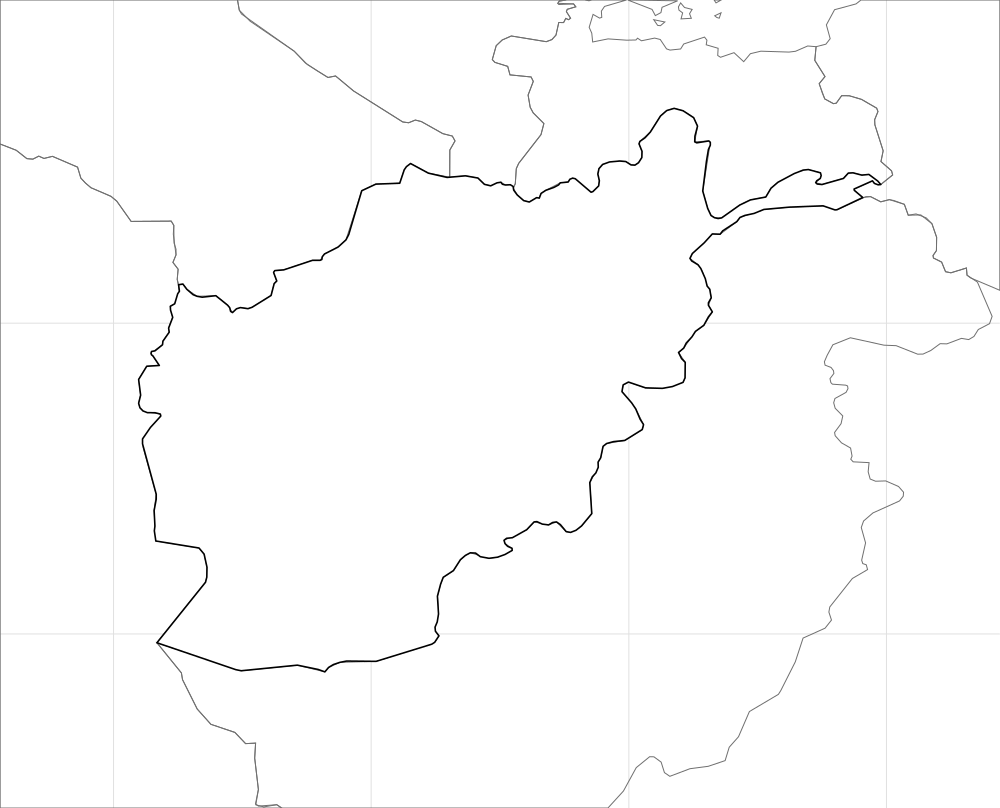
An Afghanistan country conditions expert report is written expert evidence that explains how current conditions in Afghanistan bear on one person's risk of harm if returned. It answers the questions an adjudicator has to decide: who is at risk from the Taliban and other actors and why, whether protection or safe relocation exists, and how likely harm is. Every opinion is grounded in cited, current sources. Counsel file it with an asylum, withholding of removal, or Convention Against Torture (CAT) application, a motion to reopen, or an appeal.
The twenty-year Afghan war ended in August 2021 with the collapse of the Republic and the Taliban's return to power. Afghan refugees, Afghan evacuees (many of whom reached the United States through Operation Allies Welcome), and other Afghan people seeking protection now come before courts and tribunals across the Afghan diaspora in North America, Europe, and Australia. Afghans were the largest nationality among asylum applicants in the EU+ in 2025.
Seventeen profiles that recur in Afghan asylum, withholding, and CAT cases, catalogued by the protected grounds they most often engage. Every report is written to the individual; the index shows where the analysis starts.
Showing 17 of 17 profiles
Since August 2021, risk in most Afghan cases turns on targeted persecution and legal restrictions rather than generalized armed conflict. That shift puts the weight of a case on individualized, sourced country evidence.
The U.S. State Department's 2024 Country Reports on Human Rights Practices, released in August 2025, were substantially shortened, and several categories adjudicators relied on were removed or condensed. Judges and asylum officers still rely on them, so gaps in the official record have to be filled with independent, sourced evidence.
Sources: UNAMA, human rights violations against former government officials and armed force members, 15 August 2021 to 30 June 2023 (August 2023); UN Women, Five years after the Taliban takeover (August 2026); OHCHR, Afghanistan's human rights situation continues to deteriorate (March 2026); EUAA, Country Guidance: Afghanistan (June 2026); AILA, on the State Department's 2024 human rights reports (December 2025).
Illustrative. Courts apply legal standards, not percentages. Our experts state likelihood in calibrated, consistent language and leave the legal conclusion to the adjudicator.
No license or certification exists for country conditions experts. Courts weigh an expert on qualifications, method, and sources, so we publish our method and put every source in the record.
Framework agreements are available for law firm pro bono programs and legal service organizations with recurring Afghan dockets: one intake channel, reserved capacity, and one report standard across every matter.
| Forum | Relief | Standard | What we deliver |
|---|---|---|---|
Forum U.S. immigration courts (EOIR) | Relief Asylum, withholding of removal, CAT; motions to reopen | Standard Reasonable possibility; more likely than not | What we deliver Declaration under 28 U.S.C. § 1746 and the CV for the witness list, filed by default 15 days before a non-detained hearing; testimony by video, telephone, or in person |
Forum USCIS asylum offices | Relief Affirmative asylum | Standard Reasonable possibility | What we deliver Declaration or country evidence brief with an indexed source appendix for the interview file |
Forum Board of Immigration Appeals and U.S. courts of appeals | Relief Appeals; motions to reopen | Standard Review on the administrative record | What we deliver Changed-conditions declarations for motions to reopen; evidence built into the record at the immigration court stage, because courts of appeals review the record |
Forum UK First-tier and Upper Tribunal (IAC) | Relief Refugee Convention, Article 3 ECHR, humanitarian protection | Standard Reasonable degree of likelihood; real risk | What we deliver Expert report with a statement of truth and a declaration of the expert's duty to the tribunal, engaging country guidance and Home Office CPIN |
Forum Immigration and Refugee Board of Canada | Relief Sections 96 and 97 IRPA; PRRA | Standard Serious possibility; more likely than not | What we deliver Expert report with qualifications, disclosed within IRB deadlines |
Forum EU+ asylum authorities and courts | Relief Refugee status and subsidiary protection | Standard Well-founded fear; real risk of serious harm | What we deliver Expert opinion engaging the EUAA Country Guidance: Afghanistan (June 2026), with certified translation into the court's language |
Forum Australia: Home Affairs and the Administrative Review Tribunal | Relief Protection visas | Standard Real chance; real risk | What we deliver Expert report addressing DFAT country information and the applicant's profile |
Aligned with the EUAA country of origin information methodology, the Berkeley Protocol on Digital Open Source Investigations for social media and imagery, and calibrated likelihood language drawn from intelligence analytic standards.
The people behind this service are alumni and scholars of Cornell University, the University of Chicago, the University of British Columbia, and Otto-von-Guericke University Magdeburg. They work in Pashto and Dari as well as English, and they know Afghanistan's institutions, law, and communities from the inside. They research, write, review, and testify; they are not bilingual contractors.
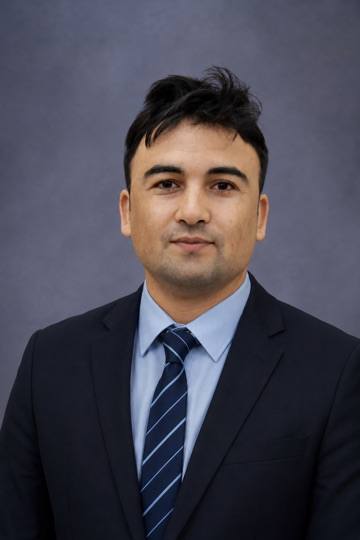
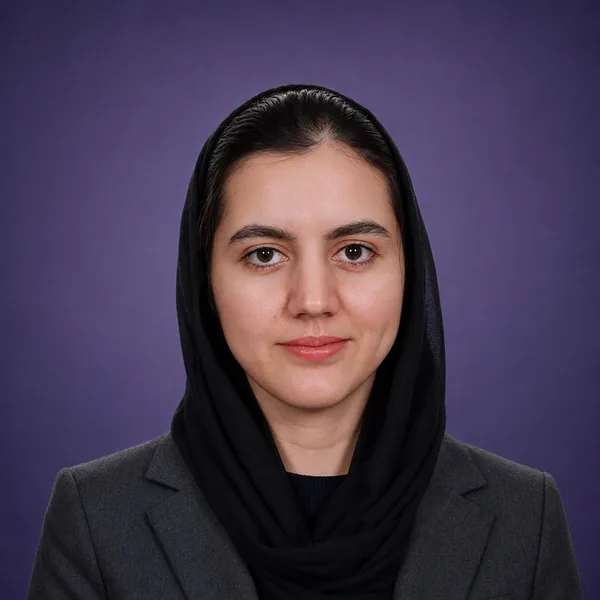
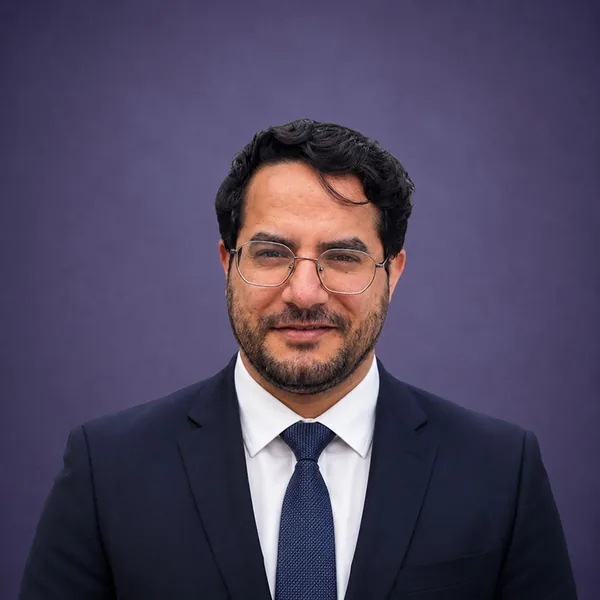
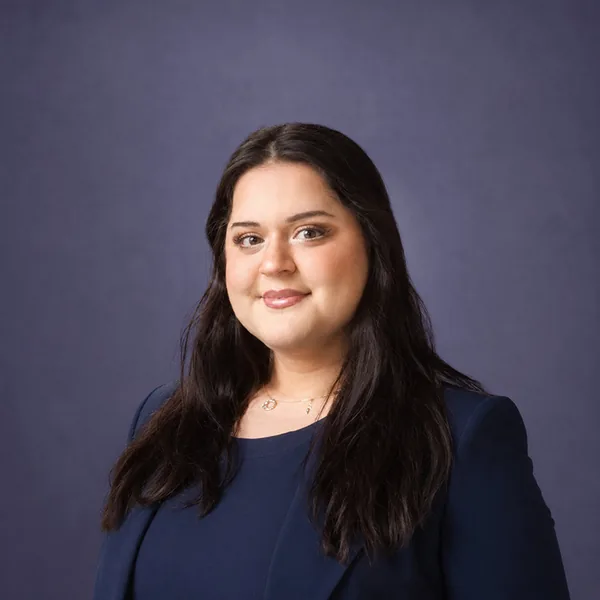
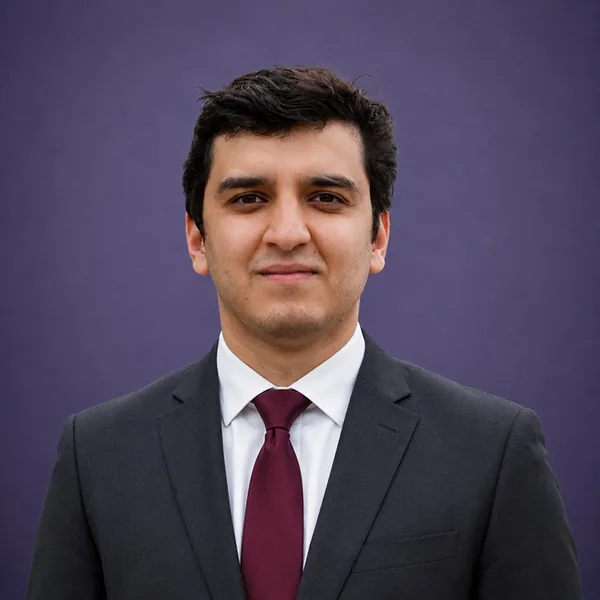
Every report names its expert of record, and that expert's CV, publications, and testimony list are disclosed with the report.
Pashto and Dari, and the Afghan minority languages listed below by family. Reports and certified translations are delivered in English and in the language of your court or tribunal.
Regional sources are read in the original where a case turns on them: Urdu for Pakistan, Russian for Central Asia, Turkish for Türkiye, Arabic for religious and legal texts, Hindi for India, and Chinese for China.

It is written expert evidence, a report or a declaration, that explains with cited sources how current conditions in Afghanistan affect one person's risk of harm on return. It addresses who is targeted and why, whether protection or safe relocation exists, and how likely harm is. Counsel file it with an asylum, withholding of removal, or CAT application, a motion to reopen, or an appeal.
Not every case, but it often decides close ones. Background reports describe the country in general. An expert report connects conditions to your client's profile, answers the adjudicator's questions directly, and can be tested through testimony. It matters most where the government disputes risk, relocation, or nexus, or where official reporting has gaps.
Asylum requires a well-founded fear: a reasonable possibility of persecution on account of a protected ground, and the Supreme Court has said even a one-in-ten chance can be enough. Withholding of removal requires that persecution be more likely than not. CAT protection requires that torture by, or with the acquiescence of, a public official be more likely than not, with no protected ground. Withholding and CAT remain available when asylum is barred, for example by the one-year filing deadline.
Yes. Immigration judges can allow remote testimony on motion, and our experts testify by video, telephone, or in person after preparing with counsel. The expert's CV goes with the witness list, which is due with other filings: by default 15 days before a non-detained individual hearing unless the judge sets a different date.
We set the schedule at intake by working backward from your filing deadline, including expedited schedules for detained dockets. Give us the hearing date and any court-ordered deadline in your first message. The earlier we receive the record, the more of it the report can address.
Primary sources first: Taliban decrees and official statements, gazette notices, and local reporting in Pashto and Dari. These are corroborated with UNAMA and OHCHR reporting, the UN Special Rapporteur, EUAA and UK Home Office country information, U.S. State Department reports, UNHCR guidance, and established research and human rights organizations. Every source is dated, pin-cited, and archived.
Yes. Relocation analysis looks at the reach of the de facto authorities and their intelligence services, identity checks at checkpoints and in cities, family and tribal networks, access to housing, work, and services, and, for women, mahram and movement restrictions. It addresses both whether relocation would be safe and whether it would be reasonable.
Yes. Holding no religion, leaving Islam, and secular views engage the religion ground, and often an imputed political opinion. UNHCR's guidelines on religion-based claims treat non-belief and atheistic beliefs as part of religion, say claimants should not be expected to hide their views to stay safe, including when relocation is considered, and note the value of independent country experts. Our reports address how apostasy and blasphemy accusations arise and are pursued, how non-belief is discovered, including through social media, family, and informants, and what follows.
Yes. A changed-conditions declaration compares conditions at the time of the prior hearing with conditions now, dates each material change, and explains why the evidence was not available earlier. That is the showing a motion to reopen on changed country conditions requires.
We place documents in context, including their format, language, and dating conventions and how they fit known practice, and we provide certified translations. Formal examination of whether a document is genuine is a separate service: our expert witness service on Afghan civil documents and identity records.
Yes. Reports follow each forum's expert-evidence practice, including the statement of truth and declaration of duty used in UK tribunals, IRB disclosure deadlines in Canada, and certified translation for European courts. They engage directly with the EUAA Country Guidance: Afghanistan (June 2026) and UK Home Office Country Policy and Information Notes where these apply.
Asylum information is handled consistent with 8 C.F.R. §§ 208.6 and 1208.6: encrypted intake, access limited to the named team, no case information shared with anyone in Afghanistan, and nothing routed through channels controlled by the de facto authorities. Please do not put your client's name or A-Number in a web form; we open a secure channel after the conflict check.
Each engagement has a fixed fee, agreed in a letter of instruction before work begins and based on the questions, the record, and the timeline. Testimony and supplemental declarations are scoped separately. Fees are never contingent on the outcome, because an independent expert cannot have a stake in the result.
Attorneys, DOJ-accredited representatives, legal service organizations, law school clinics, and pro bono counsel in the United States; solicitors and barristers in the UK; and counsel in Canada, Europe, and Australia. Ariana Nexus is not a law firm and does not give legal advice. If you do not have a lawyer, start with EOIR's List of Pro Bono Legal Service Providers or a local legal aid organization.
Our country conditions experts do not diagnose or assess anyone's mental health. Where trauma, moral injury, or memory affects testimony, we coordinate with the psychological evaluator counsel retains, so the country evidence and the clinical evidence are consistent and each stays within its own field. Every file is handled in a trauma-informed way.
No. No generative AI drafts any opinion. We use technology to monitor Pashto and Dari sources and to archive web evidence, every citation is checked by a person against the source before it enters a report, and client material is never used to train AI models.
This page covers country conditions: risk, protection, relocation, and likelihood. Whether a particular Afghan document is genuine belongs to our civil documents expert witness service.
Start with a conflict check. Send the forum, the relief sought, and the hearing or filing date, not your client's name or A-Number. We reply within one business day.
If you are seeking asylum without a lawyer, start with EOIR's List of Pro Bono Legal Service Providers or a local legal aid organization.
Do not include your client's name or A-Number in any web form. We open a secure channel after the conflict check.