Document Unavailability and Secondary Evidence Reports for Afghan Cases

When an Afghan birth certificate, Tazkira, marriage certificate or police certificate does not exist or cannot be obtained, we write the signed expert report that explains why — and weighs the secondary evidence and affidavits offered in its place — for USCIS, immigration courts, consulates and tribunals.

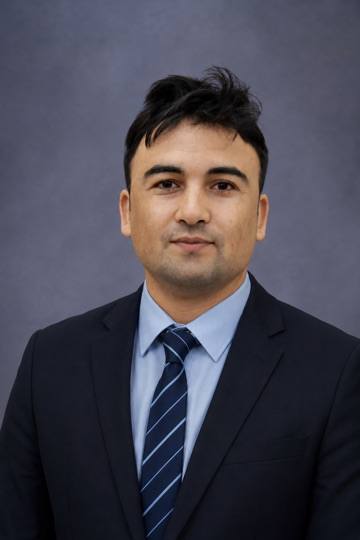
Last reviewed 23 September 2026. Reviewed by Hassan Ukasha, Managing Partner.

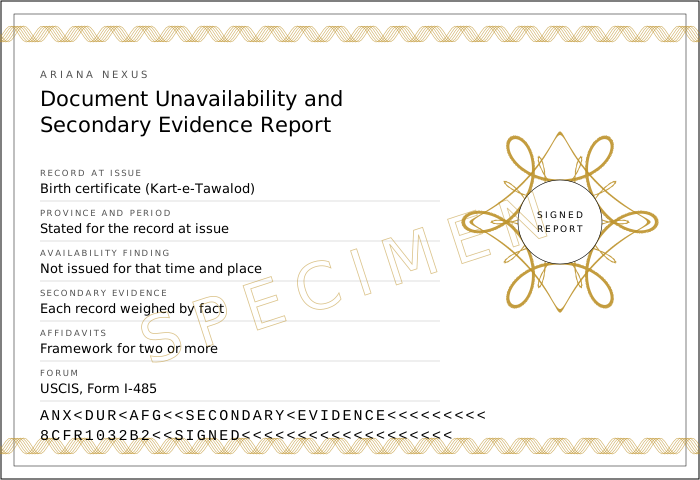
Specimen cover of an Ariana Nexus document unavailability report (illustration)
Specimen cover, for illustration. Every report is prepared for a single matter and signed by its named author.

What is a document unavailability and secondary evidence report?

A document unavailability and secondary evidence report is a signed expert report that establishes why a required Afghan civil document — a birth certificate, Tazkira, Nikah Khat or police certificate — does not exist or cannot reasonably be obtained, and assesses the secondary evidence and affidavits submitted in its place.

Immigration attorneys file it with USCIS, the immigration courts, the National Visa Center and U.S. consulates, and with tribunals in the United Kingdom, Canada, Germany and across the European Union. It is written to the rule that applies when primary documents are unavailable — in the United States, 8 CFR 103.2(b)(2).

Particulars of the service

Used for
USCIS benefit requests (Forms I-130, I-485, I-589, I-730, I-360 and N-400), RFE and NOID responses, immigration court, NVC and consular processing, and UK, Canadian, German and EU proceedings
U.S. standard
8 CFR 103.2(b)(2): the primary document, then secondary evidence, then two or more affidavits — read with the State Department’s Reciprocity Schedule for Afghanistan
Deliverable
A signed report or declaration with an exhibit index, certified translations, an affidavit framework and the author’s CV
Source languages
Pashto, Dari and 21 more Afghan languages, and records issued in Pakistan and Iran
Report languages
English, and on request French, German, Spanish, Italian, Portuguese, Hebrew, Arabic, Urdu, Hindi, Chinese, Russian or Turkish
Instructed by
Immigration attorneys, accredited representatives, legal aid organizations and law school clinics, resettlement agencies, courts and government bodies
Boundary
No requests through the de facto authorities in Afghanistan. No document procurement. Not legal advice.

Why Afghan birth certificates and civil records are so often unavailable

Adjudicators apply one evidentiary rulebook to every country. Afghan records do not behave like most countries’ records, and a file that does not explain the difference reads as a gap rather than a fact.

Most births were never registered

In UNICEF’s 2022–23 national survey, 47.8% of Afghan children under five had their birth registered — from 94.4% in Bamyan to 6.3% in Uruzgan. The State Department notes that the age on a Tazkira is usually an estimate because birth records are seldom available.

The Tazkira is the working birth record

The Tazkira is Afghanistan’s principal identity document and serves as a quasi-birth record. It records age in the year of issue, which is why many Afghan applicants hold year-only birthdates, often entered in U.S. systems as 1 January.

Records depend on province and period

Civil registration has differed by province and decade through four decades of war. What exists for one district and year may not exist for another — the exact question the regulation asks: whether similar records for the time and place are available.

August 2021 changed who issues documents

Documents inside Afghanistan are now issued by offices under the de facto authorities. The United States does not recognize the Taliban or any other entity as the Government of Afghanistan, and the State Department notes that procedures change with great frequency.

Evacuation left files thin

More than 76,000 Afghan nationals arrived through Operation Allies Welcome, many carrying one document or none. Others left records behind, destroyed them for safety, or hold papers issued in Pakistan or Iran.

Asking can put relatives at risk

A request usually requires a relative to appear in person, with the family’s Tazkiras, at an office controlled by the de facto authorities. For families of former government staff, soldiers, journalists and people who worked with U.S. or allied forces, the request itself can be dangerous.

Registration differs more than fifteen-fold between provinces. The regulation asks about the time and the place; so does every report.

Birth registration of children under five, by province
  1. Bamyan
    94.4%
  2. Kabul
    92.3%
  3. Khost
    81.0%
  4. Panjshir
    76.8%
  5. Sar-e Pul
    67.7%
  6. Kunar
    67.0%
  7. Maidan Wardak
    63.7%
  8. Faryab
    61.3%
  9. Baghlan
    59.2%
  10. Nangarhar
    55.9%
  11. Kapisa
    55.0%
  12. Paktia
    53.7%
  13. Parwan
    52.1%
  14. Daykundi
    51.7%
  15. Afghanistan (national)
    47.8%
  16. Laghman
    47.2%
  17. Samangan
    44.6%
  18. Logar
    44.5%
  19. Balkh
    43.4%
  20. Kunduz
    42.1%
  21. Zabul
    39.8%
  22. Farah
    38.6%
  23. Jawzjan
    38.1%
  24. Helmand
    37.5%
  25. Nimruz
    37.5%
  26. Takhar
    36.8%
  27. Nuristan
    30.4%
  28. Paktika
    29.8%
  29. Ghor
    26.6%
  30. Badakhshan
    25.8%
  31. Herat
    23.4%
  32. Badghis
    23.4%
  33. Kandahar
    22.0%
  34. Ghazni
    21.2%
  35. Uruzgan
    6.3%

Source: UNICEF and NSIA, Afghanistan Multiple Indicator Cluster Survey 2022–23. National figure 47.8%.

What USCIS and immigration courts require when a document is unavailable

U.S. rules set a sequence. The report is organized around it, so an officer or an immigration judge can see each step satisfied on the page.

Tier I

Primary document

The civil record the form requires — a birth or marriage certificate issued by the appropriate authority.
Tier II

Secondary evidence

If the primary document does not exist or cannot be obtained, the applicant must show this and submit secondary evidence pertinent to the facts at issue, such as school or religious records.
Tier III

Two or more affidavits

If secondary evidence is also unavailable, both gaps must be shown and two or more affidavits submitted by people who are not parties and have direct personal knowledge of the event.

Proving that a record is unavailable

Where a record does not exist, the regulation calls for a statement on government letterhead giving the reason and whether similar records for the time and place are available. It is not required where the State Department’s Foreign Affairs Manual shows the document generally does not exist, and an applicant who cannot obtain the statement may show repeated good-faith attempts. The report answers each element: the reason, the time and place, the attempts, and why a request to the issuing office cannot safely be made.

8 CFR 103.2(b)(2)(i)–(ii)

Corroboration in asylum and removal cases

In asylum and removal proceedings, an immigration judge may require corroborating evidence unless the applicant does not have it and cannot reasonably obtain it. The report documents, item by item, why specific corroboration is not reasonably available.

INA § 208(b)(1)(B)(ii); INA § 240(c)(4)(B)

Certified translation of every exhibit

Every foreign-language exhibit carries a full English translation certified as complete and accurate, with the translator’s certification of competence.

8 CFR 103.2(b)(3)

Response windows

An RFE response period cannot exceed twelve weeks and a NOID thirty days, and extensions are not granted.

8 CFR 103.2(b)(8)(iv)

The same method, written to each forum’s rules

One method, six formats.

United States

Forum
USCIS, the Executive Office for Immigration Review, the National Visa Center and consulates, and federal and state courts
Governing rule
8 CFR 103.2(b)(2); INA §§ 208(b)(1)(B)(ii) and 240(c)(4)(B); 28 U.S.C. § 1746
What the report supplies
An unsworn declaration under penalty of perjury, the three-tier analysis, and certified translations of every exhibit.

United Kingdom

Forum
The Home Office, the First-tier Tribunal (Immigration and Asylum Chamber) and the Upper Tribunal
Governing rule
The Tribunal’s Practice Direction on expert evidence; since November 2024, expert reports of no more than 20 pages unless the Tribunal permits more
What the report supplies
An expert report with a statement of truth and a declaration of the expert’s duty to the Tribunal, written to the page limit.

Canada

Forum
Immigration, Refugees and Citizenship Canada and the Refugee Protection Division of the Immigration and Refugee Board
Governing rule
IRPA s. 106 and Refugee Protection Division Rules, rule 11: a claimant without acceptable documents must explain why, and what steps were taken to obtain them
What the report supplies
The explanation and the record of steps, documented and sourced.

Germany

Forum
BAMF, Ausländerbehörden, Standesämter and the courts
Governing rule
Afghan public documents cannot currently be legalized and are accepted at the authority’s discretion (§ 438 ZPO); § 9(2) PStG allows other documents and, failing those, affidavits in lieu of oath
What the report supplies
A German-language edition written for the deciding authority.

European Union

Forum
National asylum and migration authorities such as OFPRA, IND and Migrationsverket
Governing rule
The benefit-of-the-doubt standard in EU asylum law: statements documents cannot support need no confirmation where the applicant made a genuine effort and explained what is missing
What the report supplies
That explanation, in the deciding authority’s language.

Australia

Forum
The Department of Home Affairs and the Administrative Review Tribunal
Governing rule
Identity and relationship findings for humanitarian and family visas
What the report supplies
A report structured around the identity and relationship findings the decision-maker must make.

Afghan civil documents: what exists, who issues it, and what replaces it

Ten documents decide most Afghan cases. For each, the State Department’s published status, the reason it is so often out of reach, and the records we assess in its place.

Document
What it proves
Issued by
Reciprocity Schedule status
Why it is often out of reach
What we assess instead
AFG-D01
Birth certificate
د زېښېدو سند
کارت تولد
Pashto: Da Zegedo Sanad. Dari: Kart-e-Tawalod
Date and place of birth; parentage
Clinics and hospitals; NSIA; Afghan diplomatic missions
Available; not required for immigrant visas
Issued only for births at a registered clinic or hospital; home births and older births were rarely registered
Tazkira, NSIA birth registration document, school and vaccination records, affidavits
AFG-D02
Tazkira or e-Tazkira
تذکره
National identity document, also spelled Tazkera
Identity and citizenship; used as a quasi-birth record
ACCRA (before 2019); Population Registration Department; NSIA (after 2018)
Available; required with the passport for immigrant visas
Age is recorded as an estimate; new issuance requires the father’s Tazkira and in-person biometrics at offices under the de facto authorities
Earlier paper Tazkiras, family members’ Tazkiras, passport, school records
AFG-D03
Marriage certificate
نکاح‌خط
Nikah Khat or Sharaie Waseqa Khat
Marriage, its date and its witnesses
Primary, Conduct and Family Courts, certified by the Supreme Court; Afghan diplomatic missions
Available
Many marriages were solemnized by religious nikah and never registered with a court; registration requires the couple and witnesses before a judge
Nikah attestations, witness affidavits, wedding photographs and invitations, children’s records, joint residence
AFG-D04
Divorce certificate
طلاق‌خط
Talaq Khat
Dissolution of a prior marriage
Family Court; Supreme Court
Available
Hand-written divorce letters are not legally recognized; court records must be requested in person
Court papers held by the family, witness affidavits, explanation of the procedure followed
AFG-D05
Death certificate
د مړینې سند
سند وفات
Pashto: Da Mrene Sanad. Dari: Sanad-e-Wafat
Death of a parent or spouse
NSIA; Population Registration Department; hospitals; courts
Available
Requires a relative, the area representative and two witnesses in person; difficult to obtain outside major cities
Hospital and burial records, news reports, witness affidavits
AFG-D06
Guardianship order
سرپرستي خط
سند سرپرستی
Adoption does not exist in Afghan law
Custody of a child
Family Court
Guardianship available; adoption unavailable
Guardianship requires the guardians, witnesses and the area representative to appear in person
Family court papers, affidavits, explanation of the guardianship practice
AFG-D07
Police certificate
عدم مسئولیت
Adam-e-Masooliyat
Absence of a criminal record
Ministry of Interior, Criminal Investigation Division
Partially available; not required for immigrant visas
Available only for limited periods, and only through the Ministry of Interior under the de facto authorities
An unavailability explanation; police certificates from later countries of residence
AFG-D08
Military service records
Former Afghan National Army and Police
Service in the former Afghan security forces
Former Ministries of Defense and Interior
Unavailable
Records of the former security forces are not accessible
Service ID cards, training certificates, letters from U.S. or coalition units, photographs
AFG-D09
Passport
Machine-readable since 2013
Identity and nationality
Passport Directorate, Ministry of Interior; Afghan diplomatic missions
Available; required for immigrant visas
Requires an attested Tazkira and in-person biometrics; many evacuees left with an expired passport or none
Tazkira, expired passports, U.S. arrival and parole records
AFG-D10
School and university records
شهادت‌نامه
Shahadatnama, Kankor results, transcripts
Identity, date of birth and education
Ministry of Education; universities
Not listed in the schedule
Requests are made in person at offices now under the de facto authorities
Certificates held by the family, teacher and classmate attestations

Status as published in the U.S. Department of State’s Reciprocity Schedule for Afghanistan, read on 23 September 2026. The schedule notes that procedures change with great frequency; every report restates the status on the day it is signed.

Secondary evidence for Afghan applicants: what each record can prove

An adjudicator does not ask whether a file is thick. It asks whether each fact at issue is carried by something reliable. The report maps every record to the facts it records.

  • Records the fact directly
  • Records it indirectly or approximately
  • Context only
Record
Identity
Date of birth
Family relationship
Marriage
Residence and service
Tazkira (paper or e-Tazkira)
Records the fact directly
Records it indirectly or approximately
Records the fact directly
Parents’ and siblings’ Tazkiras
Context only
Not relevant
Records it indirectly or approximately
Context only
Records it indirectly or approximately
Afghan passport, including expired
Records the fact directly
Records it indirectly or approximately
Not relevant
Not relevant
Records it indirectly or approximately
NSIA birth registration document or hospital birth card
Records it indirectly or approximately
Records the fact directly
Not relevant
Records it indirectly or approximately
School records, Shahadatnama and Kankor results
Records the fact directly
Records it indirectly or approximately
Not relevant
Records it indirectly or approximately
Vaccination and clinic records
Records it indirectly or approximately
Not relevant
Context only
Nikah attestations and wedding records
Context only
Not relevant
Not relevant
Records it indirectly or approximately
Context only
Refugee records from Pakistan or Iran (PoR card, Afghan Citizen Card, Amayesh card, UNHCR)
Records the fact directly
Records it indirectly or approximately
Records the fact directly
U.S. government records (I-94, parole documents, Chief of Mission approval)
Records the fact directly
Records it indirectly or approximately
Context only
Records the fact directly
Employment, military and coalition records
Records it indirectly or approximately
Not relevant
Not relevant
Not relevant
Records the fact directly
Photographs, letters and community records
Context only
Not relevant
Records it indirectly or approximately
Context only
Affidavits from non-parties with direct knowledge
Records it indirectly or approximately
DNA test results, where counsel chooses that route
Not relevant
Not relevant
Records the fact directly
Not relevant
Not relevant

A general guide to what each type of record records. The weight of a particular record depends on when and where it was issued, its condition and its consistency with the rest of the file — which is what the report assesses.

Where the report is filed

The same finding travels across forms, forums and countries. These are the matters we are instructed on most.

USCIS

Form I-130 petitions for Afghan relatives

Parent–child, sibling and marriage relationships where the birth or marriage record was never issued.
USCIS

Form I-485 adjustment of status

Afghan parolees, asylees and Special Immigrant Visa applicants answering RFEs and RFIEs for a birth certificate.
Immigration court

Form I-589 asylum and immigration court

Identity and corroboration where the evidence is not reasonably available to the applicant.
USCIS

Form I-730 follow-to-join petitions

Spouses and children of asylees and refugees whose marriage and birth records are missing.
NVC and consulates

Special Immigrant Visas and the NVC

DS-260 civil-document requirements, Chief of Mission packages and employer verification that can no longer be obtained.
USCIS

Form N-400 naturalization

Differences in names, ages and marital history across Afghan, Pakistani, Iranian and U.S. records.
USCIS

RFE, NOID and motion responses

Targeted supplemental reports delivered within the response window.
Courts

State and federal courts

Age, identity and marriage validity in criminal, family, probate and name-change matters.
International

United Kingdom

Home Office applications, refugee family reunion and First-tier Tribunal appeals.
International

Canada

IRCC applications and Refugee Protection Division hearings.
International

Germany and the European Union

BAMF, Standesämter, Ausländerbehörden, family reunification and national asylum authorities.
International

Australia and elsewhere

The Department of Home Affairs, the Administrative Review Tribunal and other national authorities.

What the report contains

Ten parts, in the order an adjudicator reads them. Nothing is asserted without a source on the page.

  1. Instructions and questions

    Who instructed us, the forum, the deadline and the exact questions the report answers.
  2. Author and independence

    The author’s qualifications and languages, with a declaration of independence and of the duty owed to the court, tribunal or officer.
  3. The record at issue

    The document, the fact it would prove, and who issued it for that province and period.
  4. Availability determination

    Whether the record was normally issued for that time and place, whether it can be obtained today, and why not.
  5. Attempts and risk

    The requests the family made, or why none could safely be made, recorded without exposing relatives.
  6. Secondary evidence register

    Every substitute record: what it is, who issued it, when, and what it records.
  7. Consistency analysis

    Names across scripts and spellings, Solar Hijri and Gregorian dates, and estimated ages reconciled line by line.
  8. Affidavit framework

    Who is eligible to attest, what each affidavit must cover, and how it is translated and certified.
  9. Conclusions

    Findings stated in the terms of the governing standard, including what the evidence does not show.
  10. Exhibits and sources

    Indexed exhibits, certified translations, the sources relied on and the author’s CV.

Formatted to the forum: a U.S. declaration under 28 U.S.C. § 1746, a UK expert report with a statement of truth, and translated editions for German, French and other proceedings.

How we deliver a document unavailability report

One engagement, one team and one point of accountability, from the notice to the testimony.

  1. STEP 01

    Instruction and conflicts

    Counsel sends the notice — an RFE, a NOID or a court order — or the filing plan. We confirm the questions, the forum and the deadline in writing, clear conflicts and sign the engagement.
  2. STEP 02

    Document inventory

    Every record the client holds is scanned, logged and read in its original language and script — Pashto, Dari or any of 21 more Afghan languages, and records issued in Pakistan and Iran.
  3. STEP 03

    Availability determination

    For each missing record: was it normally issued for that time and place, can it be obtained today, through which channel and at what risk. Sources are cited on the page.
  4. STEP 04

    Secondary evidence assessment

    Each substitute is weighed against the fact at issue. Dates are converted from the Solar Hijri calendar and names are mapped across scripts and spellings.
  5. STEP 05

    Affidavit framework

    We identify who can attest — people who are not parties and have direct personal knowledge — and what each affidavit must cover, then translate and certify. We never script testimony.
  6. STEP 06

    Review and signature

    A second reader checks every assertion against its source before the named author signs. The CV and exhibit index are attached.
  7. STEP 07

    Filing support and testimony

    Supplemental declarations for later RFEs, and testimony by telephone, video or in person where the court or tribunal permits.

Three ways to engage

Every engagement begins with a written scope.

Before anything is filed

Document Availability Assessment

A written assessment for counsel: what exists, what does not, what can still be obtained, and the strongest evidentiary route. Prepared at counsel’s direction; non-testifying.
  • Inventory of every record the client holds
  • Availability finding for each missing document
  • Recommended evidence route

For filing

Unavailability and Secondary Evidence Report

The signed report or declaration, with the exhibit index, certified translations and the affidavit framework.
  • Signed report or declaration
  • Certified translations of every exhibit
  • Affidavit framework
  • Author’s CV

Through decision

Testimony and Continuing Support

Supplemental declarations for later RFEs and NOIDs, and testimony before immigration judges, courts and tribunals.
  • Supplemental declarations
  • Testimony by telephone, video or in person
  • Preparation sessions with counsel
Each engagement is scoped and priced in writing before work begins. Matters with an RFE or NOID window or a detained docket are scheduled first.

How we deliver, and how we are different

Why Ariana Nexus: how we deliver, and how we are different

No U.S. certification exam exists for Pashto or Dari translation, and no credential exists for Afghan civil-records expertise. So we set the standard ourselves and train our linguists and analysts to it. An adjudicator weighs the method on the face of the report — so we put ours there, in full.

We read the record as it was written

Pashto, Dari and 21 more Afghan languages, in the original script and calendar. Nothing reaches our analysis through someone else’s translation.

Scholars, not bilinguals

Reports are researched and written by alumni and scholars of Cornell University, the University of Chicago, the University of British Columbia and Otto von Guericke University Magdeburg.

Absence is our discipline

Proving that a record does not exist is different from translating one that does. Every report answers the regulation’s own questions: the reason, the time and place, and the attempts.

One firm, one point of accountability

Translation, analysis, the report and testimony are produced by our own people. No subcontractors and no brokered experts.

Our duty is to the adjudicator

We report what the evidence supports and what it does not. Independence is declared on every report.

Nothing routed through Afghanistan

We never send requests, documents or data through channels controlled by the de facto authorities, and we never ask relatives to approach them for us.

The team behind Ariana Nexus document unavailability reports

Afghan document cases are delivered by a team from the Afghan community — alumni and scholars of leading universities who understand how Afghan records were issued across provinces and periods, and who are trained to explain that to a U.S. or European adjudicator.

Most document reports are written either by translators or by generalist country experts. Ours are written by people who read the originals in their own languages and write to the standard the adjudicator applies. Every report is signed by a named author, and the author’s CV is filed with it.

Portrait of Hassan Ukasha

Hassan Ukasha

Managing Partner
. Firm operations and program oversight
Oversees Ariana Nexus operations and is accountable for this program’s standards: conflicts cleared before instruction, independence declared on every report, and a second reader’s review before any report is signed. Grew up in Herat.
  • B.S., Cornell University
  • M.P.H., Cornell University

Languages: Pashto and Dari (native); English, Urdu and Hindi; working Arabic

Portrait of Zeba Haqbani

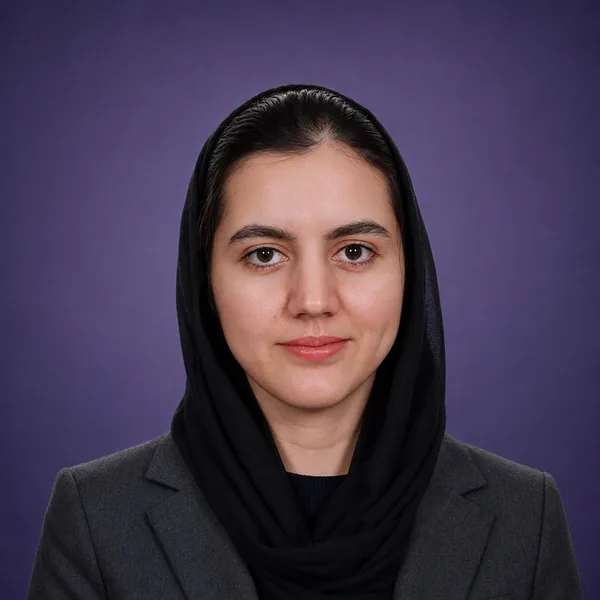
Zeba Haqbani

Senior Partner
. Evidence systems and secure case files
Builds the firm’s institutional systems and the secure case-file platform every report runs on. Lived in Kabul.
  • B.Sc., University of British Columbia
Portrait of Hussain Ahmad

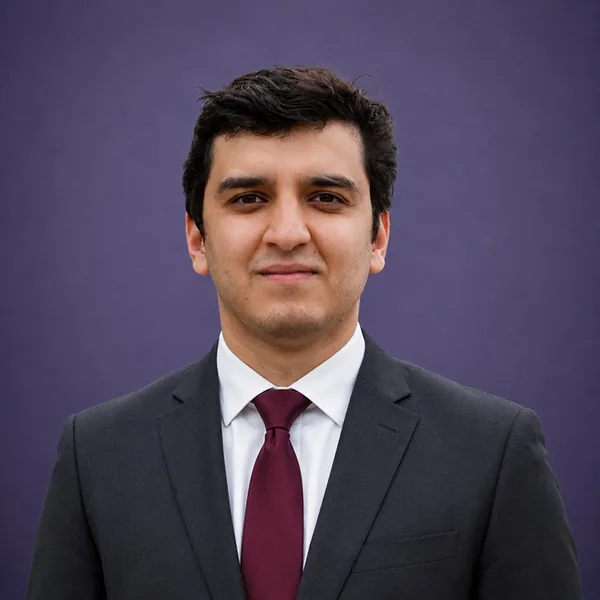
Hussain Ahmad

Principal
. Records analysis
Reconciles dates, names and ages across Afghan, Pakistani, Iranian and U.S. records.
  • M.Eng., Cornell University
  • Ph.D., University of Chicago
Portrait of Wasil Peroz

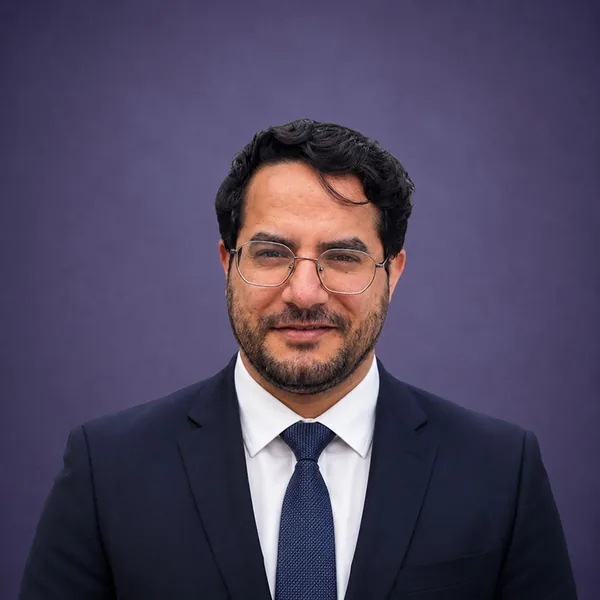
Wasil Peroz

Principal
. Legal and institutional frameworks
Maps each report to the rules of its forum, across U.S. and European proceedings.
  • B.A., Milli University
  • M.Sc., Otto von Guericke University Magdeburg
Portrait of Maryam Safi

Maryam Safi

Principal
. Engagement delivery
Runs matters from instruction to filing and prepares the affidavit frameworks.
  • B.A., Cornell University
Black-and-white photograph of two modern building façades against a dark sky, seen from below

Pashto, Dari and 21 more Afghan languages — and 13 report languages

We read Afghan records in the language and script they were written in, including records issued in Pakistan and Iran, and deliver reports in English and 12 further languages for courts and authorities outside the United States.

Iranian 12

  • Pashto
  • Dari
  • Aimaq
  • Balochi
  • Ormuri
  • Parachi
  • Wakhi
  • Shughni
  • Sanglechi
  • Ishkashimi
  • Munji
  • Yidgha

Turkic 3

  • Uzbeki
  • Turkmeni
  • Kyrgyz

Indo-Aryan 3

  • Pashayi
  • Gawarbati
  • Tirahi

Nuristani 4

  • Nuristani (Ashkun group)
  • Kati
  • Prasun
  • Waigali

Dravidian 1

  • Brahui

Report languages

  • English
  • French
  • German
  • Spanish
  • Italian
  • Portuguese
  • Hebrew
  • Arabic
  • Urdu
  • Hindi
  • Chinese
  • Russian
  • Turkish

This service in your language

Pashto — پښتو

کله چې د زېښېدو سند، تذکره یا نکاح خط شتون ونه لري یا ترلاسه نه شي، موږ د USCIS، محکمو او قونسلګریو لپاره د اسنادو د نشتوالي او ثانوي شواهدو کارپوهنیز راپور چمتو کوو.

Dari — دری

وقتی سند تولد، تذکره یا نکاح‌خط وجود ندارد یا قابل دریافت نیست، ما برای USCIS، محاکم و قونسلگری‌ها گزارش کارشناسی عدم دسترسی به اسناد و شواهد ثانوی تهیه می‌کنیم.

German — Deutsch

Wenn afghanische Geburtsurkunden, Tazkiras oder Heiratsurkunden (Nikah Khat) nicht existieren oder nicht beschafft werden können, erstellen wir Gutachten zur Nichtverfügbarkeit von Urkunden und zu sekundären Beweismitteln – für BAMF, Standesämter, Ausländerbehörden und Gerichte.

French — Français

Lorsqu’un acte de naissance, une tazkira ou un acte de mariage (nikah khat) afghan n’existe pas ou ne peut être obtenu, nous établissons un rapport d’expertise sur l’indisponibilité des documents et les preuves secondaires, pour l’OFPRA, les juridictions et les consulats.

Turkish — Türkçe

Afgan doğum belgesi, tezkire veya nikâh belgesi (Nikah Khat) mevcut değilse ya da temin edilemiyorsa, göç idareleri, mahkemeler ve konsolosluklar için belge yokluğu ve ikincil deliller hakkında uzman raporu hazırlıyoruz.

Urdu — اردو

جب افغان پیدائشی سرٹیفکیٹ، تذکرہ یا نکاح نامہ موجود نہ ہو یا حاصل نہ کیا جا سکے، تو ہم امیگریشن حکام، عدالتوں اور قونصل خانوں کے لیے دستاویزات کی عدم دستیابی اور ثانوی شواہد پر ماہرانہ رپورٹ تیار کرتے ہیں۔

What this service does not do

  • We do not obtain, buy or procure documents from Afghanistan.
  • We do not send requests or data through the de facto authorities.
  • We do not create or reconstruct civil records. The report explains an absence; it does not replace a document.
  • We do not authenticate documents that exist — that is our expert witness service.
  • We do not script affidavits or coach witnesses.
  • We do not give legal advice or predict outcomes. We work at the direction of counsel.

Confidentiality

Files arrive by encrypted transfer, are held only for the life of the engagement and are destroyed on written instruction. Relatives inside Afghanistan are not named in a report unless counsel directs it. UK GDPR and GDPR terms apply to UK and European engagements.

Questions attorneys ask about Afghan document unavailability

What is secondary evidence for USCIS?

Secondary evidence is any record, other than the required civil document, that proves the same fact — for a birth, school, religious or hospital records. Under 8 CFR 103.2(b)(2)(i), USCIS accepts it after the applicant shows that the primary document does not exist or cannot be obtained.

What does USCIS require when an Afghan birth certificate is not available?

The applicant must show that the birth certificate does not exist or cannot be obtained, submit secondary evidence of the birth, and — if that is also unavailable — submit two or more affidavits from people who are not parties and have direct personal knowledge. For Afghanistan, the State Department’s Reciprocity Schedule notes that the Tazkira serves as a quasi-birth record and that its age is usually an estimate because birth records are seldom available.

Is a Tazkira accepted instead of a birth certificate?

For immigrant visas, the State Department requires the Tazkira and passport and does not require a birth certificate. USCIS may still request a birth record in petitions and adjustment cases. Our report explains the Tazkira’s role, why a separate birth certificate usually never existed, and what else proves the date and place of birth.

Can Afghans obtain a birth certificate, Tazkira or Nikah Khat from Afghanistan today?

Some documents are still issued, but inside Afghanistan they come from offices under the de facto authorities and generally require in-person attendance and biometrics. The United States does not recognize the Taliban as the Government of Afghanistan. Whether a particular request is possible — and whether it is safe for relatives — is assessed case by case in the report.

Are Afghan documents issued after August 2021 accepted?

They continue to be submitted, and the State Department’s schedule describes them while noting that the United States does not recognize the Taliban as a government. The weight a particular document receives is for the adjudicator. The report states what each document is, who issued it, when and under what procedure, so that it can be weighed correctly.

Who can sign an affidavit of birth for an Afghan applicant?

The regulation calls for two or more affidavits from people who are not parties and have direct personal knowledge of the event — typically older relatives or neighbors present at or near the time of the birth. We set out what each affidavit must cover and certify the translations. We do not script what affiants say.

How do you handle Afghan dates of birth and 1 January birthdates?

Afghan records are dated in the Solar Hijri calendar, and many Tazkiras record only an estimated age. We convert every date, show the conversion, and explain year-only and 1 January entries in U.S. records, so an age difference is not mistaken for an inconsistency.

Is this the same as a country conditions report?

No. A country conditions report addresses risk and persecution. This report addresses records: whether a specific document existed, whether it can be obtained, and what proves the same fact instead. The two are often filed together.

How is this different from certified translation or document authentication?

Certified translation renders a document that exists. Our expert witness service gives an opinion on whether an existing Afghan document is consistent with how such documents were issued. This service covers the document that does not exist or cannot be obtained.

Can the report’s author testify in immigration court or before a tribunal?

Yes. The author is available to testify by telephone, video or in person where the immigration judge, court or tribunal permits, and to sign supplemental declarations.

Do you contact offices in Afghanistan?

No. We do not route requests, documents or data through channels controlled by the de facto authorities, and we do not ask relatives to approach those offices for us. Where a family has made attempts, we document them as the family reports them.

How quickly can a report be delivered?

Timelines are set at intake against the filing deadline. An RFE response period cannot exceed twelve weeks and a NOID thirty days, so matters with a response window or a detained docket are scheduled first.

Which languages and countries do you cover?

We read records in Pashto, Dari and 21 more Afghan languages, and records issued in Pakistan and Iran. Reports are written in English and, on request, in French, German, Spanish, Italian, Portuguese, Hebrew, Arabic, Urdu, Hindi, Chinese, Russian or Turkish, for proceedings in the United States, the United Kingdom, Canada, Germany, the rest of the European Union, Australia and elsewhere.

Do you work with individuals, or only with attorneys?

Most reports are commissioned by attorneys, accredited representatives, legal aid organizations, courts and agencies. Individuals can contact us directly; where a filing is involved, we work alongside their attorney or accredited representative. We do not give legal advice.

How have the 2025–2026 changes in Afghan case processing affected document evidence?

Since late 2025, Afghan benefit requests have faced adjudication holds, re-reviews and litigation. On 5 June 2026 a federal court vacated several of those USCIS policies, and the government’s appeal is pending in the First Circuit. Files are being read more closely and more than once, and a missing record that is explained, sourced and signed holds up better on a second reading. Current as of September 2026.

Related Legal, Regulatory, and Justice services

Sources

  1. 8 CFR 103.2, Submission and adjudication of benefit requests (eCFR, current to 21 September 2026)
  2. U.S. Department of State, U.S. Visa: Reciprocity and Civil Documents by Country — Afghanistan
  3. UNICEF and NSIA, Afghanistan Multiple Indicator Cluster Survey 2022–23, Summary Findings Report (2023)
  4. U.S. Department of Homeland Security, Operation Allies Welcome release, 19 February 2022
  5. 8 U.S.C. § 1158 (INA § 208), asylum
  6. 8 U.S.C. § 1229a (INA § 240), removal proceedings
  7. 28 U.S.C. § 1746, unsworn declarations under penalty of perjury
  8. Practice Direction of the Immigration and Asylum Chamber of the First-tier Tribunal, 1 November 2024
  9. Personenstandsgesetz § 9, Beurkundungsgrundlagen
  10. Immigration and Refugee Protection Act, s. 106
  11. Dorcas International Institute of Rhode Island v. USCIS, No. 1:26-cv-00132 (D.R.I.); appeal No. 26-1703 (1st Cir.)

Send us the notice or the filing plan

Counsel receive a written scope — the questions, the forum, the deadline and the fee — before any work begins.

Or call (202) 771-0224
1717 Pennsylvania Avenue NW, 10th Floor, Washington, D.C. 20006