Sanctions and OFAC Compliance Consulting for Afghanistan-Related Transactions, Nonprofits and Remittances

We help nonprofits, remittance providers, banks and companies keep Afghanistan-related payments lawful, and prove it. We map your exposure under U.S., UN, EU, UK and Canadian sanctions, apply the right OFAC general licenses, screen Afghan names in Pashto and Dari, and build the records your bank, auditor and regulator will ask for.

Reviewed September 23, 2026 by Wasil Peroz, Principal. Next review December 2026.

The five questions
  • Parties
  • Authorities
  • Channels
  • Purpose
  • Proof
Six regimes
  • OFAC
  • FinCEN
  • UN 1988
  • EU
  • UK
  • Canada

د افغانستان پورې اړوندو معاملو، غیرانتفاعي مؤسسو او حوالو لپاره د بندیزونو او OFAC د مقرراتو د رعایت مشوره

Pashto

مشاوره در زمینهٔ تحریم‌ها و رعایت مقررات OFAC برای معاملات مرتبط با افغانستان، مؤسسات غیرانتفاعی و حواله‌ها

Dari

What is sanctions and OFAC compliance consulting for Afghanistan?

Sanctions and OFAC compliance consulting for Afghanistan is advisory work that helps an organization send, receive or process Afghanistan-related funds without breaching U.S. or international sanctions. It covers sanctions risk assessment, general license analysis, screening of Afghan names, partner due diligence, controls for remittances and humanitarian programs, training, and the records that prove compliance for 10 years.

  • No embargo. Afghanistan is not under comprehensive U.S. sanctions. The Taliban are designated a Specially Designated Global Terrorist; the Haqqani Network is designated an SDGT and a Foreign Terrorist Organization. [3][8]

  • Seven licenses. OFAC General Licenses 14 through 20 authorize humanitarian work, exports of food and medicine, personal remittances, NGO activity and most transactions with governing institutions in Afghanistan, each subject to conditions. [1][7]

  • Fees and permits. General License 20 authorizes paying taxes, fees, import duties, permits, licenses and public utility services to governing institutions in Afghanistan, but not payments that relate to luxury items or services. [9]

  • Ten-year records. Records of every transaction subject to OFAC jurisdiction must be kept for 10 years, matching the 10-year statute of limitations enacted in April 2024. [10]

  • De-risking. Treasury's 2023 De-risking Strategy found that small and mid-size money services businesses, nonprofits working in high-risk jurisdictions and small foreign banks face account closures most acutely. [14]

  • A live list. The UN 1988 Taliban sanctions list is actively maintained: the Security Council renewed its monitoring team in February 2026, and the committee amended 22 entries on March 10, 2026 and more through August 27, 2026. [16][17][18]

The five questions every Afghanistan-related payment has to answer

After August 2021, Afghanistan's central bank reserves were frozen and its banks struggled to function, so families and aid organizations leaned more heavily on cash and hawala, the channels banks and regulators examine most closely.

For Afghan Americans and the wider Afghan diaspora in Canada, the United Kingdom, Germany, the Netherlands, Sweden, Türkiye and Australia, sending support home is ordinary family life. For the nonprofits, remittance companies and banks that carry those payments, every transfer has to answer the same five questions.

Parties

Who is being paid, and who owns or controls them?

Screen every party against the SDN and UN 1988 lists in original script and transliteration, and apply OFAC's 50 Percent Rule to ownership.
Authorities

Does any part of the payment reach a governing institution?

Taxes, fees, import duties, permits, licenses and utilities are authorized under General License 20; payments that relate to luxury items or services are not.
Channels

Which channel carries it: bank, money transmitter, hawala or cash?

Use registered money services businesses, document cash shipments and know the settlement route. A route that touches Iran brings in a comprehensively sanctioned country.
Purpose

What is the payment for, and which license covers it?

Match each activity to General Licenses 14 to 20, UN Security Council Resolution 2615 and the EU, UK or Canadian humanitarian exception that applies to you.
Proof

Can you prove all of it for 10 years?

Keep the source documents, their translations, the screening results and the license relied on for at least 10 years.

Five sanctions regimes and one AML law, side by side

United States: OFAC

Instrument
E.O. 13224; 31 CFR parts 594 and 597; SDN List
Humanitarian mechanism
General Licenses 14 to 20, self-executing
In practice
Taliban designated SDGT; Haqqani Network SDGT and FTO; 50 Percent Rule; 10-year records.
What we do
License reliance memos, screening against the SDN List in Pashto and Dari, and records designed to last 10 years.

United States: FinCEN

Instrument
Bank Secrecy Act; 31 CFR Chapter X
Humanitarian mechanism
Not a sanctions regime
In practice
Money services businesses, including hawala operators, register, run AML programs and file reports.
What we do
BSA/AML programs, MSB registration readiness and Afghanistan-corridor monitoring rules.

United Nations: 1988 Committee

Instrument
Resolutions 1988 (2011), 2255 (2015) and 2816 (2026)
Humanitarian mechanism
Resolution 2615 (2021) humanitarian exemption
In practice
Asset freeze, travel ban and arms embargo on 1988 List entries.
What we do
Screening against the 1988 List, original-script names included, and tracking every amendment.

OFAC general licenses for Afghanistan, and what each one needs in your file

GL 14

Authorizing Humanitarian Activities in Afghanistan

Humanitarian assistance and activities that support basic human needs in Afghanistan by the U.S. Government, NGOs, certain international organizations and those acting for them.
Conditions. No financial transfers to the Taliban, the Haqqani Network or entities they own 50 percent or more, other than taxes, fees, import duties, permits, licenses and public utility services.
In your file: Program purpose tied to basic human needs, partner screening and a payment-basis log.
September 24, 2021
GL 15

Agricultural Commodities, Medicine and Medical Devices

Exports and reexports to Afghanistan of agricultural commodities, medicine, medical devices, replacement parts and components, and software updates.
Conditions. The license's own conditions apply, and it does not authorize debits to blocked accounts.
In your file: Consignee and end-user screening, product classification, and shipping and payment records.
September 24, 2021
GL 16

Noncommercial, Personal Remittances to Afghanistan

Transfers of noncommercial, personal remittances to Afghanistan, including through Afghan banks, that may involve the Taliban or entities they own.
Conditions. Charitable donations to an organization and money to run a business, including a family business, are not personal remittances.
In your file: Sender and recipient screening, channel registration and the purpose of funds.
December 10, 2021
GL 17

Official Business of the U.S. Government

The official business of the U.S. Government in Afghanistan by its employees, grantees and contractors.
Conditions. Limited to official U.S. Government business.
In your file: Award documents, grantee or contractor status and payment records.
December 22, 2021
GL 18

Certain International Organizations and Entities

Official activities of the international organizations and entities named in the license, and of their employees, grantees and contractors.
Conditions. Only organizations listed in the license qualify.
In your file: Evidence of the organization's status and of the subgrant or contract chain.
December 22, 2021
GL 19

Nongovernmental Organizations' Activities

NGO activities in Afghanistan, including humanitarian projects, education, non-commercial development and civil society work.
Conditions. Transfers to blocked persons stay limited to taxes, fees, import duties, permits, licenses and public utility services.
In your file: Project scope mapped to the license categories, partner due diligence and diversion controls.
December 22, 2021
GL 20

Transactions Involving Afghanistan or Governing Institutions

All transactions involving Afghanistan or governing institutions in Afghanistan otherwise prohibited under 31 CFR parts 594 and 597 and E.O. 13224, subject to its paragraph (b).
Conditions. Payments to institutions led by blocked individuals are limited to taxes, fees, import duties, permits, licenses and utilities, and may not relate to luxury items or services.
In your file: A reliance memo, translated permits and receipts, and an approval for each payment to a governing institution.
February 25, 2022
General licenses are self-executing: if an activity falls within one, no application is needed (OFAC FAQ 963). U.S. persons may rely on the broader General License 20 where appropriate (OFAC FAQ 996). None of them authorizes debiting a blocked account.

Who needs Afghanistan sanctions compliance support

Humanitarian NGOs and INGOs

Programs in Afghanistan that pay local partners, landlords, staff, suppliers and governing institutions under General Licenses 14, 19 and 20.

Afghan diaspora nonprofits

Charities and community and faith-based organizations in the United States, Canada, the United Kingdom and Europe funding relief, education or health work in Afghanistan.

Money services businesses and remittance companies

Money transmitters, hawala operators and fintechs serving the Afghanistan corridor that need BSA/AML controls, agent oversight and sanctions screening.

Banks, credit unions and payment companies

Institutions banking Afghanistan-related customers that need a documented, risk-based basis to onboard, keep or exit them.

Foundations, donors and grantmakers

Funders who must show that grants for Afghanistan reach intended beneficiaries and not blocked persons.

Law firms and in-house counsel

Counsel who need Afghanistan subject-matter expertise, Pashto and Dari document review and transaction lookbacks behind an opinion or a disclosure.

Importers, exporters and logistics companies

Trade in Afghan saffron, dried fruit, carpets and marble, and shipments of food, medicine and medical devices under General License 15.

Universities, researchers and technology companies

Organizations paying researchers, freelancers, translators or AI data contributors in Afghanistan.

Our sanctions and OFAC compliance services for Afghanistan

Afghanistan sanctions risk assessment

An enterprise-wide or program-level assessment of where U.S., UN, EU, UK and Canadian sanctions touch your Afghanistan activity: parties, authorities, channels, purpose and records.
Risk assessment and regime map

OFAC compliance program design

Policies, procedures and governance built on the five components of OFAC's Framework for Compliance Commitments: management commitment, risk assessment, internal controls, testing and auditing, and training.
Sanctions compliance manual

General license analysis and license requests

We map each Afghanistan activity to General Licenses 14 to 20 and the OFAC FAQs, document the reliance decision, and prepare specific license requests with your counsel where no general license reaches.
License reliance memos

Sanctions screening in Pashto and Dari

Configuration review and tuning for Afghan names against the SDN, UN 1988, UK and EU lists: original-script matching, transliteration variants, AI-assisted matching tested against real name patterns, and alert adjudication.
Screening calibration report

Partner and counterparty due diligence

Vetting of implementing partners, vendors, landlords, hawala operators and contractors: ownership under the 50 Percent Rule, control by governing institutions, and adverse media in Pashto and Dari.
Due diligence files

Remittance and MSB compliance

BSA/AML programs, FinCEN MSB registration readiness, agent oversight and Afghanistan-corridor transaction monitoring for money transmitters and hawala operators.
AML program and monitoring rules

Nonprofit and humanitarian program compliance

Diversion controls, payments to governing institutions, cash shipments and donor reporting for programs relying on General Licenses 14, 19 and 20 and UN Security Council Resolution 2615.
Program compliance plan

Bank account access and de-risking response

A bank-ready compliance file for Afghan diaspora nonprofits and money services businesses, and support answering a bank's request for information or an account exit notice.
Bank due diligence pack

Lookbacks and voluntary self-disclosure support

Transaction lookbacks, original-language document review and root-cause analysis for counsel preparing a voluntary self-disclosure to OFAC.
Lookback findings and evidence binder

Training in English, Pashto and Dari

Role-based training for boards, compliance and finance teams, field staff and remittance agents, with attendance and assessment records.
Training records

Regulatory monitoring

Standing alerts on OFAC general licenses and FAQs, UN 1988 list amendments, and EU, UK and Canadian changes that affect your Afghanistan activity.
Monthly regulatory brief

Afghanistan sanctions: a chronology

  1. The U.S. war in Afghanistan ends and the Taliban take control of the country.
  2. OFAC issues General Licenses 14 and 15.
  3. General License 16 authorizes personal remittances.
  4. General Licenses 17, 18 and 19; the Security Council adopts Resolution 2615.
  5. Executive Order 14064 protects certain Da Afghanistan Bank property in the United States.
  6. General License 20 authorizes transactions involving Afghanistan or its governing institutions.
  7. Resolution 2664 sets a standing humanitarian exemption across UN asset freezes.
  8. Treasury publishes its first De-risking Strategy.
  9. Canada's Bill C-41 creates a humanitarian exception and an authorization regime.
  10. The statute of limitations for sanctions violations extends from 5 to 10 years.
  11. OFAC's 10-year recordkeeping rule takes effect.
  12. Resolution 2816 renews the 1988 monitoring team to February 2027.
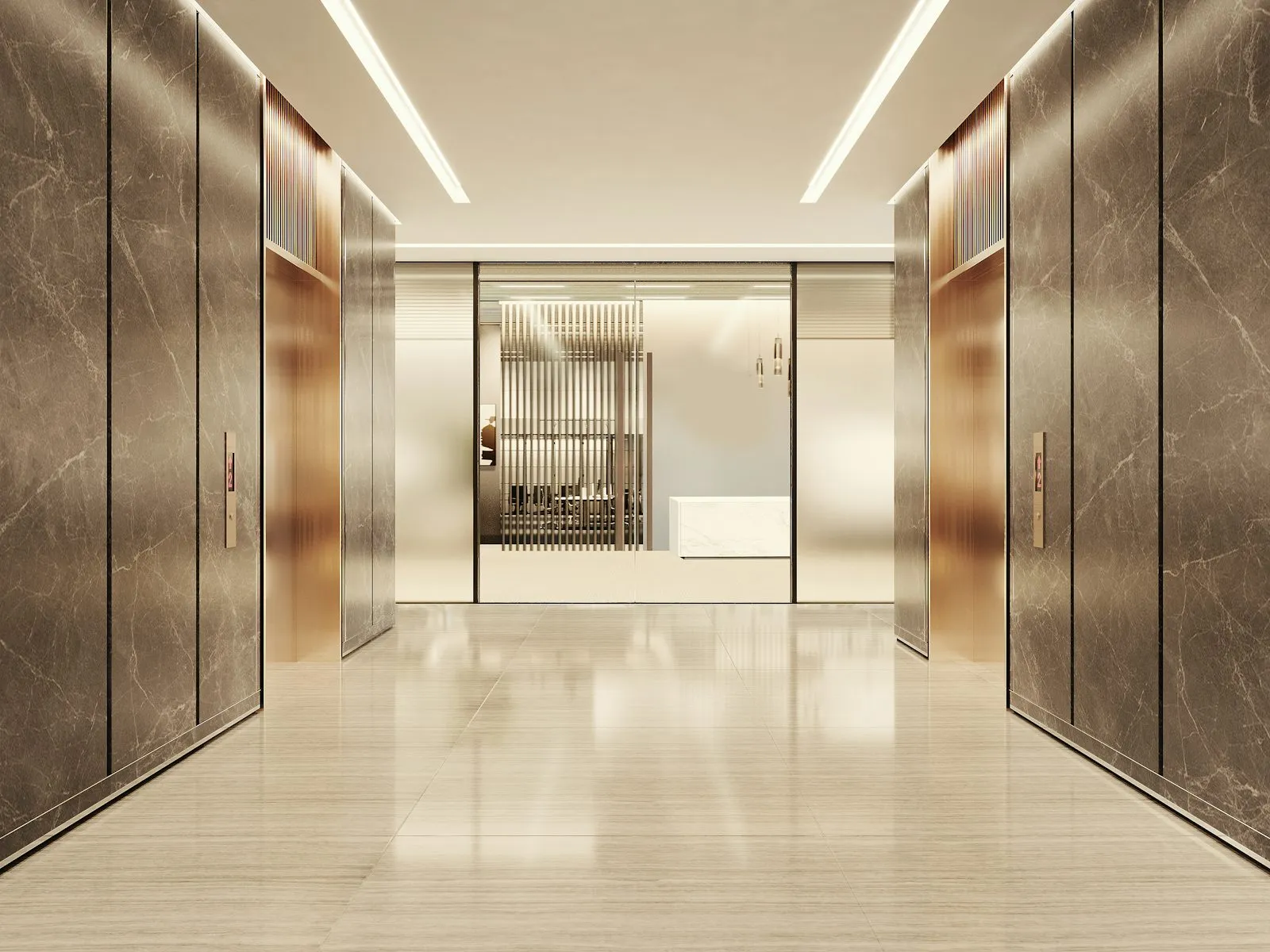
Photograph of a marble-clad office lobby corridor with bronze elevator doors and a reception desk at the far end

Why organizations choose Ariana Nexus for Afghanistan sanctions compliance

Most sanctions advisers know the rules. Far fewer can read the evidence. Our work starts where Afghanistan's documents, names and payment channels meet U.S. and international law.

Evidence read in the original language

Permits, invoices, contracts, hawala ledgers and letters from governing institutions are written in Pashto and Dari. We read them in the original and tie every conclusion to the document it rests on.

Names screened the way they are written

Afghan names carry patronymics, titles and many Latin spellings, and many Afghans use no fixed family name. We screen in Arabic script and transliteration, so true matches surface and ordinary Afghans are not flagged.

How Afghanistan works after 2021

We know which institutions the de facto authorities run, how fees and permits are levied, and how banks and hawala operators settle, because our people come from the Afghan community.

Files built for your bank, funder and auditor

We write for the people who will test your decision: the correspondent bank, the donor, the auditor and, if it comes to it, OFAC. Reliance memos, screening evidence and translations sit in one file, kept for 10 years.

Boundaries that protect you

No office or operations in Afghanistan. Nothing routed through channels controlled by the de facto authorities. Beneficiary data kept to the minimum and protected. Alongside your counsel, never in place of them.

One firm, one point of accountability

Every part of the work is done by Ariana Nexus people: analysts, linguists, translators and systems engineers. No subcontractors and no brokered specialists.

What we do not do

  • We are a consulting firm, not a law firm. We do not give legal opinions or file with OFAC on your behalf; we work alongside your counsel, and counsel can engage us directly.
  • We do not move, hold or transmit money.
  • We have no office or operations in Afghanistan and do not route documents, data or inquiries through channels controlled by the de facto authorities.
  • We decline any matter whose purpose is to evade sanctions.
  • There is no OFAC certification. We design, document and test controls; we do not certify them.

How we deliver sanctions compliance for Afghanistan-related work

  1. 01

    Scope and exposure mapping

    We map your Afghanistan activity against the five questions and every regime that applies to you: OFAC, FinCEN, the UN, the EU, the UK and Canada.
    Output: Exposure map and regime matrix
  2. 02

    Evidence review in the original language

    Our Pashto and Dari reviewers read the permits, invoices, contracts, ledgers and correspondence your decisions rest on, and translate what the file needs.
    Output: Evidence register
  3. 03

    Controls design

    Policies, license reliance memos, screening settings, due diligence standards and escalation paths, written for the way your organization actually operates.
    Output: Compliance manual and procedures
  4. 04

    Implementation and training

    We implement with your team and train boards, finance staff, field teams and agents in English, Pashto and Dari.
    Output: Training records
  5. 05

    Testing, monitoring and review

    Independent testing, lookbacks and regulatory monitoring, with a scheduled annual review of the whole program.
    Output: Testing report

Risk assessment

A fixed-scope assessment of your Afghanistan exposure, with a prioritized remediation plan.

Program build

Design and implementation of a sanctions and AML program fitted to your Afghanistan activity.

Standing advisory

Ongoing screening support, partner due diligence and regulatory monitoring under one engagement.

Matter support

Lookbacks, investigations and voluntary self-disclosure support alongside your counsel, including urgent matters.
Every engagement is scoped after a confidential consultation and led by a named engagement lead.

The team behind Afghanistan sanctions compliance at Ariana Nexus

Sanctions work on Afghanistan fails in the details: a name spelled three ways, a permit written in Pashto, a fee paid to the wrong office. Our team is led by alumni and scholars of Cornell University, the University of Chicago, the University of British Columbia and Otto von Guericke University Magdeburg, people from the Afghan community who read those details in the original language and write them up to the standard a regulator, bank or court expects.

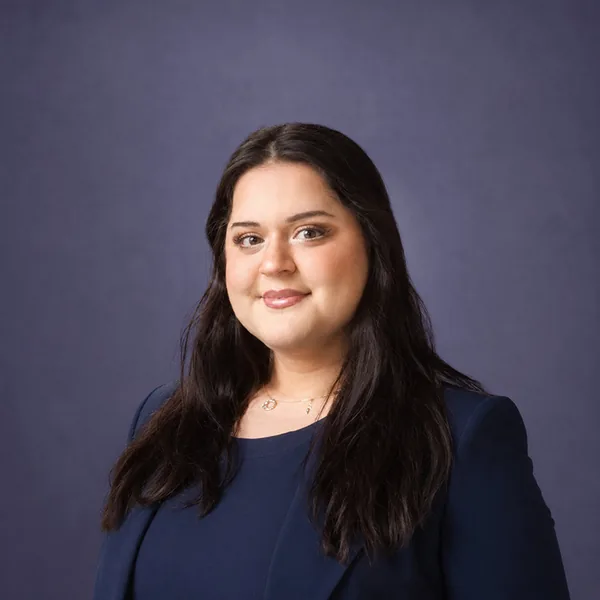
Portrait of Hassan Ukasha
Program oversight

Hassan Ukasha

Managing Partner
  • B.S., Cornell University
  • M.P.H., Cornell University

Oversees the firm's operations and the sanctions and OFAC compliance program from Washington, D.C., with final accountability for the quality of every engagement.

Languages: Pashto, Dari, English, Urdu and Hindi; working proficiency in Arabic
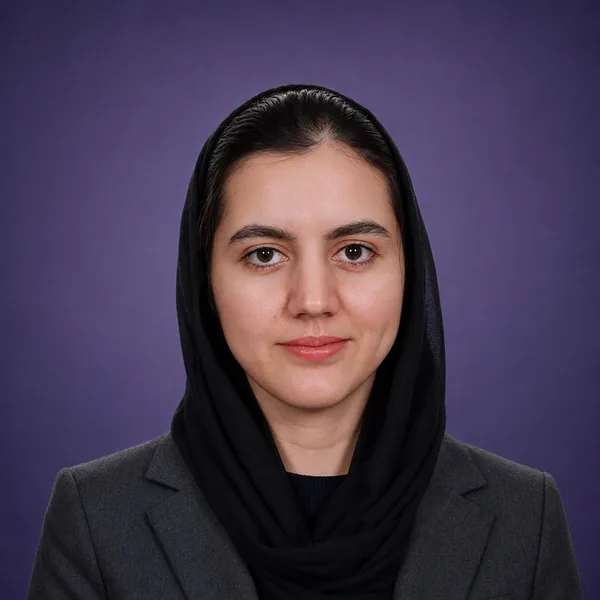
Portrait of Zeba Haqbani

Zeba Haqbani

Senior Partner

B.Sc., University of British Columbia

Builds the compliance systems and screening platforms behind the program.
Lived in Kabul
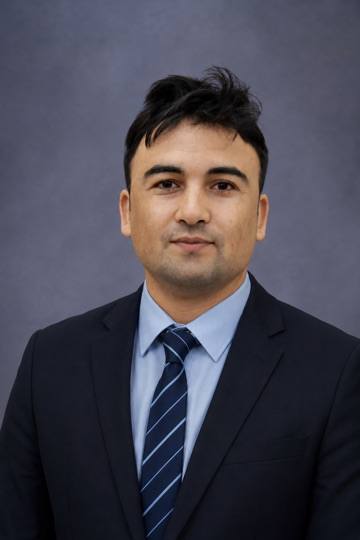
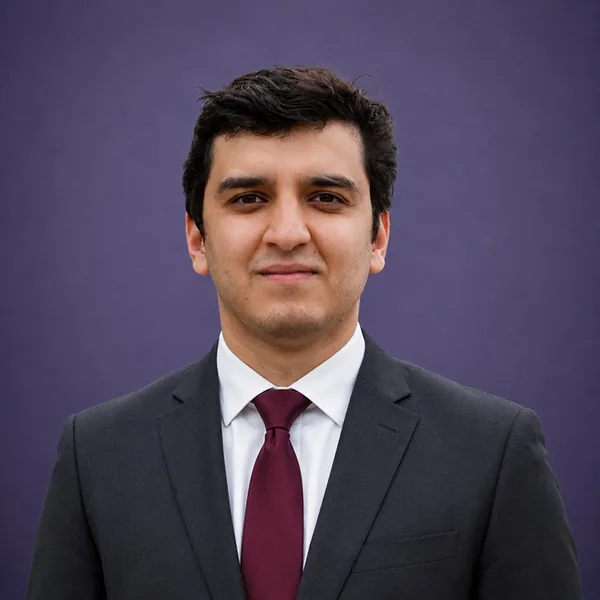
Portrait of Wasil Peroz

Wasil Peroz

Principal

B.A., Milli University

M.Sc., Otto von Guericke University Magdeburg

Leads regulatory analysis across U.S., UN, EU, UK and Canadian sanctions regimes.
Portrait of Maryam Safi

Maryam Safi

Principal

B.A., Cornell University

Leads partner due diligence and client delivery for nonprofits and remittance providers.
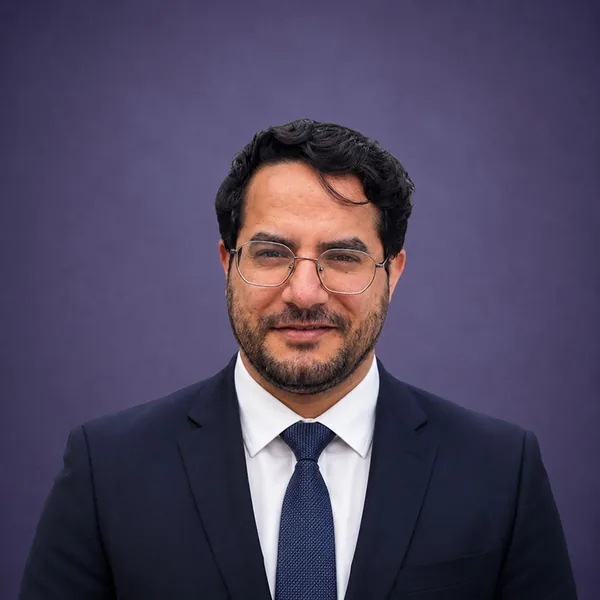
Portrait of Hussain Ahmad

Hussain Ahmad

Principal

M.Eng., Cornell University

Ph.D., University of Chicago

Leads screening analytics, name matching and AI-assisted review.
Behind them: Pashto and Dari document reviewers, sanctions analysts and translators, all Ariana Nexus people. We do not subcontract.

Languages we work in

We work from all 24 Afghan languages, led by Pashto and Dari, into English, and into French, German, Spanish, Italian, Hebrew, Arabic, Hindi, Urdu, Portuguese, Chinese, Russian and Turkish. Sanctions files are read by banks, regulators and auditors in many countries, so we translate the evidence into the language its reviewer works in.

Iranian12
  • Pashto پښتو
  • Dari دری
  • Aimaq
  • Balochi
  • Ormuri
  • Parachi
  • Wakhi
  • Shughni
  • Sanglechi
  • Ishkashimi
  • Munji
  • Yidgha
Turkic3
  • Uzbeki
  • Turkmeni
  • Kyrgyz
Indo-Aryan3
  • Pashayi
  • Gawarbati
  • Tirahi
Nuristani4
  • Nuristani (Ashkun group)
  • Kati
  • Prasun
  • Waigali
Dravidian1
  • Brahui
  • English
  • French
  • German
  • Spanish
  • Italian
  • Hebrew
  • Arabic
  • Hindi
  • Urdu
  • Portuguese
  • Chinese
  • Russian
  • Turkish

Afghanistan sanctions and OFAC compliance: frequently asked questions

Answers cite OFAC FAQs and regulations by number.

Is Afghanistan under U.S. sanctions in 2026?

Afghanistan is not subject to comprehensive U.S. sanctions. OFAC's sanctions target listed persons: the Taliban are designated as a Specially Designated Global Terrorist, and the Haqqani Network as both an SDGT and a Foreign Terrorist Organization. Transactions that do not involve blocked persons or their property are not prohibited, and General Licenses 14 through 20 authorize much of the rest, subject to conditions (OFAC FAQs 951 and 997).

Is it legal to send money to family in Afghanistan from the United States?

Yes. Sending noncommercial, personal remittances to family in Afghanistan is not prohibited as long as no blocked person is involved (OFAC FAQ 949). General License 16 also authorizes transfers through Afghan banks that may involve Taliban-controlled entities. Use a registered money transmitter, and note that charitable donations to an organization and money to run a business, including a family business, are not personal remittances.

Can a nonprofit pay taxes, fees or permit costs to Taliban-run ministries?

Yes, within limits. General License 20 authorizes payments of taxes, fees, import duties, permits, licenses and public utility services to governing institutions in Afghanistan, including institutions led by blocked individuals, provided the payments do not relate to luxury items or services. We recommend logging each payment with the translated source document, the legal basis and the approval.

Which OFAC general license applies to our work in Afghanistan?

It depends on who you are and what you do. GL 14 covers humanitarian activity, GL 15 exports of food and medicine, GL 16 personal remittances, GL 17 U.S. Government business, GL 18 certain international organizations, GL 19 NGO activities, and GL 20 transactions involving Afghanistan or its governing institutions. OFAC allows reliance on the broader GL 20 where appropriate (FAQ 996). We document which license each activity relies on and why.

Do we need to apply for an OFAC license to work in Afghanistan?

Usually not. OFAC general licenses are self-executing: if your activity falls within one, you can proceed without applying (OFAC FAQ 963). A specific license is needed for activity no general license covers, such as dealings with blocked persons beyond the licensed payments. OFAC says it prioritizes humanitarian license requests. We prepare the application materials with your counsel.

Is hawala legal in the United States?

Hawala is legal when the operator complies with the law. Under the Bank Secrecy Act, a hawala operator that transfers money as a business is a money services business: it must register with FinCEN, run an anti-money laundering program, keep records, file required reports and hold state licenses where required. Operating an unlicensed money transmitting business is a federal crime (18 U.S.C. 1960).

Why did our bank close our account after we sent money to Afghanistan?

Most often because of de-risking: banks exiting whole categories of customers they judge costly to monitor. Treasury's 2023 De-risking Strategy found profitability to be the primary driver and named small money services businesses and nonprofits working in high-risk jurisdictions among those most affected. What helps is a documented, risk-based program a bank can underwrite: license reliance memos, partner due diligence, screening evidence and translated records.

How do you screen Afghan names against the SDN and UN 1988 lists?

We screen in both the original Arabic script and Latin transliteration. Afghan names carry patronymics, titles and many spellings, and the UN 1988 List records original-script names alongside Latin ones. We test your screening settings against real Afghan name patterns, reduce false positives on ordinary Afghans, and have Pashto and Dari reviewers adjudicate close matches.

How long must we keep OFAC records?

At least 10 years. Since March 2025, 31 CFR 501.601 requires a full and accurate record of each transaction subject to OFAC jurisdiction, available for 10 years, in line with the 10-year statute of limitations enacted in April 2024. OFAC has said a shorter retention rule elsewhere, such as EU data-deletion requirements, does not excuse compliance.

What is OFAC's 50 Percent Rule and why does it matter in Afghanistan?

Under the 50 Percent Rule, an entity owned 50 percent or more, directly or indirectly, individually or in the aggregate, by blocked persons is itself blocked, even if it is not listed. In Afghanistan, ownership is often informal and recorded in Pashto or Dari, so we trace ownership and control through the original documents before a partner or vendor is paid.

What should we do if we think we violated sanctions?

Stop the activity, preserve the records and involve counsel. OFAC's Economic Sanctions Enforcement Guidelines treat voluntary self-disclosure as a significant mitigating factor that halves the base penalty amount. We support counsel with transaction lookbacks, original-language document review and root-cause analysis, so the disclosure is complete and accurate.

Does Ariana Nexus give legal advice or file with OFAC for us?

No. Ariana Nexus is a consulting firm, not a law firm. We do not give legal opinions or make filings to OFAC on a client's behalf. We work alongside your counsel, and counsel can engage us directly so our analysis supports their advice.

Do you work inside Afghanistan?

No. Ariana Nexus has no office or operations in Afghanistan, and we do not route documents, data or inquiries through channels controlled by the de facto authorities. Our work is led from Washington, D.C., using documents and data our clients hold or lawfully obtain.

Do EU, UK and Canadian sanctions on Afghanistan differ from U.S. rules?

Yes. The EU applies the UN 1988 List through Regulation 753/2011, with a humanitarian exemption added in 2022. The UK applies the Afghanistan (Sanctions) (EU Exit) Regulations 2020, with a humanitarian exception in regulation 25A, and has designated individual Taliban members rather than the Taliban as an entity. Canada relies on a Criminal Code humanitarian exception and an authorization regime run by Public Safety Canada. We map every regime that applies to you.

Which languages do you work in?

All 24 Afghan languages, led by Pashto and Dari, plus English, French, German, Spanish, Italian, Hebrew, Arabic, Hindi, Urdu, Portuguese, Chinese, Russian and Turkish. Sanctions files are read by banks, regulators and auditors in many countries, so we translate the evidence into the language its reviewer works in.

Sources

  1. 1
  2. 2
  3. 3
  4. 4
  5. 5
  6. 6
  7. 7
  8. 8
  9. 9
  10. 10
  11. 11
    OFAC, A Framework for OFAC Compliance Commitments, May 2019
  12. 12
    OFAC, Economic Sanctions Enforcement Guidelines, 31 CFR part 501, Appendix A
  13. 13
  14. 14
  15. 15
  16. 16
  17. 17
  18. 18
  19. 19
  20. 20
  21. 21

Talk to our sanctions team

Tell us what you need to move, fund or process, and where it goes. We will tell you which rules apply and what your file needs.

Blocked or rejected payment, frozen funds or a bank exit notice? Say so in your first message; urgent matters are reviewed first.

Procurement teams can send RFPs and due diligence questionnaires through the same form.

Request a confidential consultation

1717 Pennsylvania Avenue NW, 10th Floor, Washington, D.C. 20006
(202) 771-0224