
Emergency Alert and Public Health Message Translation in Pashto, Dari and 22 More Afghan Languages
Rapid-response translation of evacuation orders, shelter-in-place and boil-water notices, heat and smoke warnings, and outbreak and vaccination messages. On standby, Pashto and Dari text comes back within 30 minutes, day or night, independently reviewed and sized for every channel, with recorded audio within 60.
Who translates emergency alerts into Pashto and Dari?
Ariana Nexus, a consulting and professional services firm in Washington, D.C., translates emergency alerts and public health messages into Pashto, Dari and 22 more Afghan languages for emergency management agencies, public health departments, water utilities and other public bodies in the United States, Canada, the United Kingdom and Europe. Agencies on a standby agreement receive Pashto and Dari text within 30 minutes, 24 hours a day, independently reviewed by a second linguist, with recorded audio within 60 minutes.
- Service
- Emergency alert and public health message translation
- Languages
- Pashto and Dari 24/7; 22 more Afghan languages by tier
- Alert turnaround
- 30 minutes for up to 360 characters, on standby
- Audio
- Within 60 minutes, in female and male voices
- Review
- Translated by one linguist, independently reviewed by a second
- Formats
- Channel-sized text, web copy, audio, social cards and print
- Readiness
- A pre-translated Pashto and Dari message library
- Security
- U.S.-based linguists for U.S. government work; no public AI tools
- Registration
- SAM.gov active · UEI M2UDMUDFXGL9 · CAGE 1Z3A3
Response levels: how fast Pashto and Dari come back
Three response levels by urgency, and a library that makes the most urgent messages instant.
Guidance
Advisory
Imminent threat
Library messages
Can emergency alerts be sent in Pashto or Dari?
Not through the national alert systems alone. Wireless Emergency Alerts carry free text in English and Spanish only, and none of the systems below carries Pashto or Dari. The words have to reach Afghan people another way, and that is the work.
Checked September 2026. Full sources are listed at the end of this page.
What reaches Pashto and Dari speakers instead
- 01
A link inside the alert
Wireless Emergency Alerts can carry a link. Point it to a Pashto and Dari page with the full message and audio. - 02
Your own channels
Send Pashto and Dari text, voice calls and WhatsApp voice notes through your mass notification system. - 03
Trusted messengers
Give community leaders, faith leaders and Afghan community organizations a short script to pass on the same hour. - 04
A library built in advance
Approved Pashto and Dari messages with fill-in fields, ready to send in seconds.
Emergency alerts and public health messages we translate
Imminent threats
- Evacuation orders and “leave now” warnings
- Shelter-in-place orders
- Flash flood, tornado, hurricane and storm surge warnings
- Wildfire warnings
- Hazardous materials releases
- 911 outages
Public health
- Outbreak notices, such as measles, tuberculosis and foodborne illness
- Vaccination and clinic announcements
- Heat and cold advisories
- Wildfire smoke and air quality alerts
- Carbon monoxide and generator safety
Water and utilities
- Boil-water and do-not-drink notices
- Water quality notices
- Power outage and restoration updates
Response and recovery
- Shelter and cooling center locations
- Disaster assistance and recovery center information
- Family reunification notices
- Re-entry and road closure notices
Rumor control and the all-clear
- Rumor control and corrections
- The all-clear
- Test messages and drills, labeled as tests
Who uses Pashto and Dari rapid response
County and city emergency management
Alert originators, emergency operations centers and 911 centers.Public information officers
PIOs and joint information centers that publish in several languages at once.Public health departments
Outbreak, vaccination, heat, smoke and clinic messages.Water utilities
Tier 1 drinking water notices, due within 24 hours.State and federal agencies
Disaster assistance, recovery and public safety programs, and their prime contractors.Schools, hospitals and resettlement agencies
Institutions that must reach Afghan families quickly.Public bodies abroad
Civil protection, local authorities and public health units in Canada, the UK, Germany and the EU.
How 24/7 rapid response translation works
The fastest translation is the one done before the emergency. Most of the work happens in advance, so the 30 minutes in an emergency go to checking, not guessing.
Before the emergency
- T–30 days
Hazards and communities
We review your hazard plan, past alerts and where Afghan residents live in your area. - T–21 days
Glossary and style sheet
Terms such as shelter in place, boil water and evacuation zone are fixed once in Pashto and Dari and approved by our Cultural Compliance Bureau. - T–14 days
Pre-translated message library
Your most likely alerts, with fill-in fields for time, place and route, in Pashto and Dari text and recorded audio. - T–7 days
Channel test
We test Pashto and Dari on your alerting platform, SMS gateway, website and social accounts. - T–1 day
Roster and drill
Named duty linguists, a 24/7 activation line and a joint exercise with your team.
During the emergency
- T+0
You send the message
Call the activation line or upload the text in English or in any of our working languages. - T+10 min
A duty linguist confirms
You get a named contact and a delivery time. - T+20 min
Translate and review
One linguist translates; a second reviews independently against your glossary. Pashto and Dari run in parallel. - T+25 min
Fit and render
We check length for each channel and test that Pashto and Dari letters display correctly. - T+30 min
Delivered
Pashto and Dari text for each channel, with a translation record. - T+60 min
Audio
Native Pashto and Dari voices, female and male, for calls, radio and WhatsApp.
After the emergency
- T+24 h
Back-translation audit
For high-stakes messages, an independent linguist translates the Pashto and Dari back into English. - T+72 h
Community check
Where you want it, Afghan community reviewers confirm the message was understood. - T+7 days
After-action record
Times, translators and reviewers for every message, ready for your after-action report. - Next season
Library update
New terms and messages go into your library.
Response times
For agencies on a standby agreement, 24 hours a day, every day of the year. Longer documents are scheduled with you.
One alert in English, Pashto and Dari
An order without a direction
Five elements, every time
- SourceWho is speakingYour agency’s name, first
- HazardWhat is happeningFlash flood
- LocationWhereThis area
- TimeUntil whenUntil 9 p.m.
- GuidanceWhat to doMove to higher ground now
The five elements of an effective public warning: source, hazard, location, time and guidance (Mileti and Sorensen; DHS START, 2014). Every Pashto and Dari message keeps all five.
County Emergency Management: Flash flood warning for this area until 9 p.m. Move to higher ground now.
- English 102 characters · 1 text message (GSM-7)
- Pashto 119 characters · 2 text messages (UCS-2)
- Dari 104 characters · 2 text messages (UCS-2)
City Water Department: Boil water notice for Zone B until further notice. Boil tap water for one minute before drinking or cooking.
- English 131 characters · 1 text message (GSM-7)
- Pashto 123 characters · 2 text messages (UCS-2)
- Dari 116 characters · 2 text messages (UCS-2)
County Public Health: Extreme heat warning for this area until 8 p.m. It will feel like 110 degrees. Stay in a cool place and drink plenty of water.
- English 148 characters · 1 text message (GSM-7)
- Pashto 197 characters · 3 text messages (UCS-2)
- Dari 170 characters · 3 text messages (UCS-2)
Decisions a machine does not make
Translation sized for every alerting channel
Each channel has its own limits. We write Pashto and Dari to fit them, so nothing is cut off mid-sentence.


Pashto, Dari and 22 more Afghan languages, by response time
Pashto translation and Dari translation run 24/7 at every response time. Alerts go out in the language residents think in: we match the language, the variety and, for audio, the voice.
24/7 at every level
- Pashtoپښتو
- Dariدری
Within 4 hours
- Uzbekiاوزبیکی
- Turkmeniترکمنی
- Balochiبلوچی
- Pashayi
- Aimaq
Audio-first, by arrangement
- Ormuri
- Parachi
- Wakhi
- Shughni
- Sanglechi
- Ishkashimi
- Munji
- Yidgha
- Kyrgyz
- Gawarbati
- Tirahi
- Nuristani (Ashkun group)
- Kati
- Prasun
- Waigali
- Tregami
- Brahui
Afghan Dari is not Iranian Farsi
Dari and Iranian Persian share a script, but everyday words differ, and residents notice. The standard Census language table counts Dari under “Persian,” so Farsi is easy to order by mistake. We translate into Afghan Dari.
Working languages
- English
- FrançaisFrench
- DeutschGerman
- EspañolSpanish
- ItalianoItalian
- עבריתHebrew
- اردوUrdu
- العربيةArabic
- हिन्दीHindi
- PortuguêsPortuguese
- 中文Chinese
- РусскийRussian
- TürkçeTurkish
The Afghan residents your alerts need to reach
The Afghan diaspora in the United States grew quickly after the 2021 evacuation, and many residents are still learning English.
Source: Migration Policy Institute, 2023 American Community Survey
Source: Migration Policy Institute, 2022 American Community Survey
Source: Taira et al., Journal of General Internal Medicine, 2021
Where Afghan-born residents live
Afghan communities outside the United States
Sources: Destatis; EUAA; IRCC; UK Home Office (see below)
For public bodies in Canada, the United Kingdom, Germany and the EU
National alert systems in these countries don’t carry Pashto or Dari either, and their Afghan communities are large. We work from English, French and German source text and handle personal data on GDPR and UK GDPR terms.
- Germany449,780Afghan nationals living in Germany at the end of 2025
- European Union+117,000asylum applications by Afghans in 2025
Source: European Union Agency for Asylum
- Canada55,195Afghan arrivals in Canada, August 2021 to November 2024
- United Kingdom39,058people resettled through the UK’s Afghan schemes, 2021 to June 2026
Why Ariana Nexus for Pashto and Dari emergency messages
The American Translators Association offers no certification exam in Pashto or Dari. So we wrote the standard we work to, hold every linguist to it and train Afghan-language linguists beyond our own bench.
- 01
Two linguists on every message, day or night
One translates and a second reviews independently against your glossary. No Pashto or Dari message leaves on one person’s judgment. - 02
Afghan Dari, not Iranian Farsi
Residents notice one wrong word: کلکین or پنجره for window, موتر or ماشین for car. We write Pashto in your community’s variety and the Dari your residents speak. - 03
Audio for residents who listen
In Afghanistan, 37% of adults can read (UNESCO, 2021). Every alert can come with a recorded voice message in female and male voices, for phone calls, radio and WhatsApp. - 04
Ready before the emergency
Your library holds approved Pashto and Dari messages with fill-in fields, so the most likely alerts are ready to send in seconds. - 05
Public health training behind the words
Our leaders hold public health degrees, including an M.P.H. in infectious diseases. We write to CDC’s crisis communication principles: be first, be right, be credible, express empathy, promote action and show respect. - 06
Trauma-informed wording
Many Afghan residents lived through the Afghan war, and some carry war trauma or moral injury. Loud signals and vague orders can cause fear, so we write calm, specific actions and label every test as a test. - 07
Honest about each channel
Wireless Emergency Alerts cannot carry Pashto or Dari today. We say so, then build the route that reaches people: a link, a voice message, a trusted messenger. - 08
One firm, one point of accountability
Our own linguists, voice talent and reviewers, never a subcontractor’s. One named lead answers for every message.
Eight checks before any message leaves
- 1MeaningThe protective action says exactly what your officials decided.
- 2TermsEvery key term matches your approved glossary.
- 3VarietyThe Pashto your community speaks, and Afghan Dari.
- 4NumbersTimes said as morning, evening or night; Fahrenheit carries Celsius.
- 5NamesStreets, zones and shelters stay in English letters, as on the signs.
- 6LengthIt fits the channel: 360 characters, 70-character text messages, short audio.
- 7RenderingPashto letters such as ځ, څ, ښ and ټ display where you publish.
- 8ToneCalm, direct and trauma-informed, with the source named first.
AI and machine translation in Pashto and Dari
AI can speed up a draft. It cannot yet be trusted alone with Pashto or Dari when lives depend on the wording.
What the research shows
In a 2021 study of emergency department instructions, Google Translate kept the meaning of 94% of Spanish sentences but 67.5% of Farsi sentences, and it reversed the right-to-left layout. Pashto and Dari have even less training data.How we use AI
Only in controlled tools, never public ones, and your text is never used to train a model. A second qualified linguist independently reviews every message.Reviewing your platform
If your alerting platform translates automatically, we review its Pashto and Dari output and fix your templates before an emergency.What the law already says
For health programs covered by Section 1557, machine translation of critical content must be reviewed by a qualified human translator (45 CFR 92.201).
The team behind Pashto and Dari rapid response
Ariana Nexus is led by alumni and scholars of Cornell University, Brown University, the University of Chicago, the University of British Columbia and Otto von Guericke University Magdeburg, with public health training at the center of this service. Every linguist is a college graduate, assessed in the variety they translate. No message is ever handed to an untrained bilingual speaker.
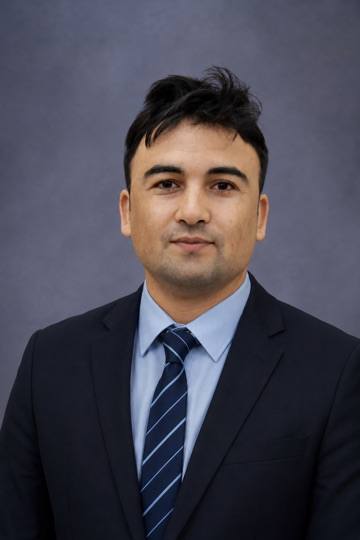
Hassan Ukasha
- B.S.Cornell University
- M.P.H.Cornell University
Languages: Pashto, Dari, English, Urdu, Hindi; working Arabic
Delivery team
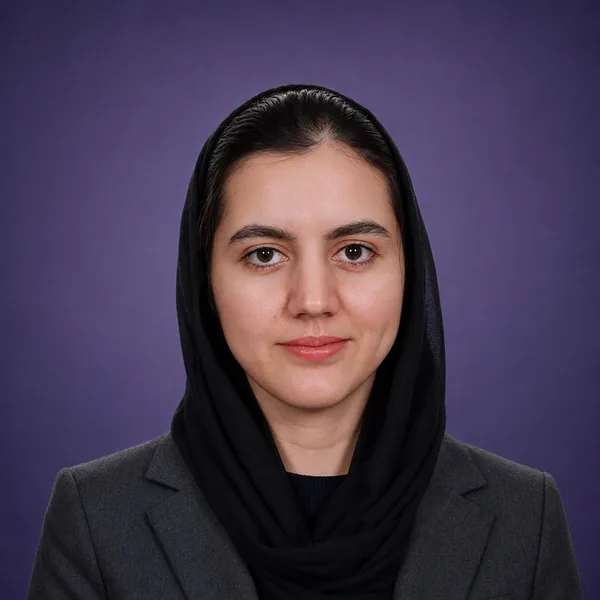
Zeba Haqbani
- B.Sc.University of British Columbia
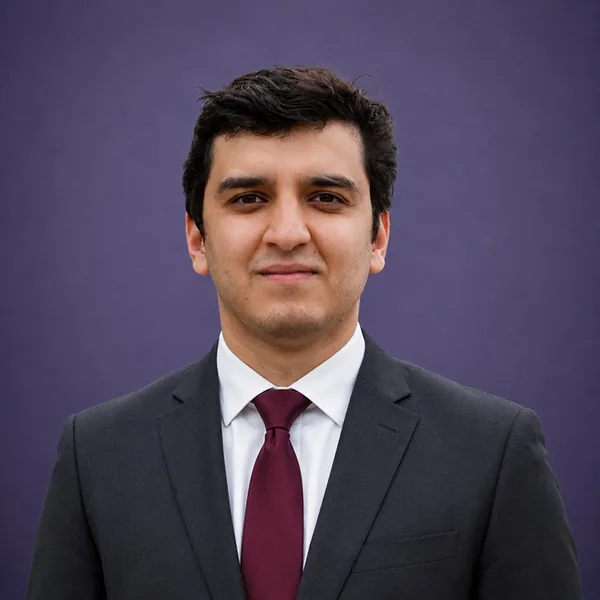
Hussain Ahmad
- M.Eng.Cornell University
- Ph.D.University of Chicago
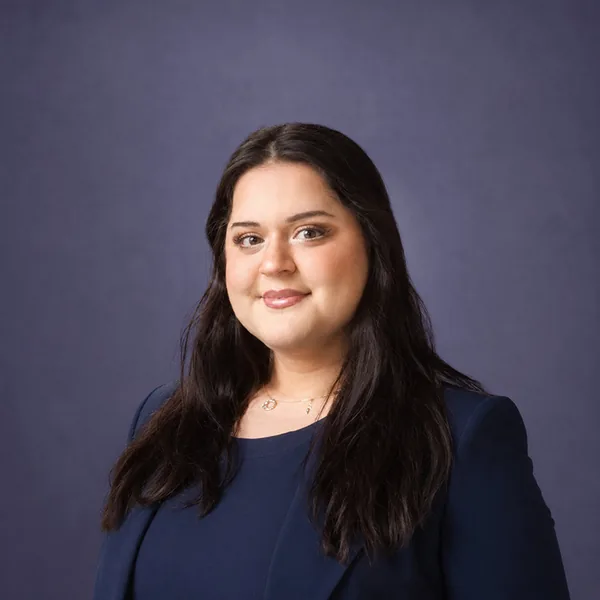
Maryam Safi
- B.A.Cornell University
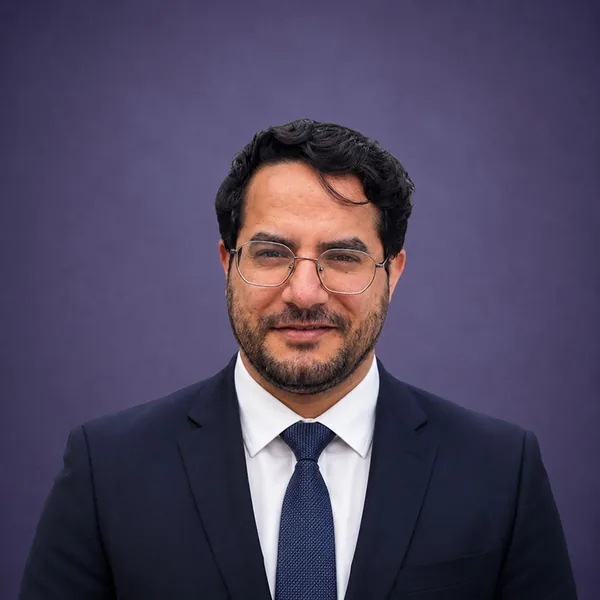
Wasil Peroz
- B.A.Milli University
- M.Sc.Otto-von-Guericke University Magdeburg
Public health and trauma-informed review

Tamana Ghaznawi
- B.S.Cornell University
- M.P.H.Cornell University

Shukria Sakhi
- B.S.Brown University
- M.P.H.Brown University

Diana Ayubi
- B.A.Cornell University
- Psy.D.West Chester University
The rapid-response bench
24/7 duty managers
Take your call, confirm scope and timing, and own delivery.Pashto and Dari translators
College graduates, assessed in the variety they translate.Independent reviewers
A second linguist on every message.Voice talent
Native Pashto and Dari speakers, female and male, recording to broadcast quality.Uzbeki, Turkmeni, Balochi, Pashayi and Aimaq linguists
Text and audio within four hours.Cultural Compliance Bureau
Approves every glossary, template and recorded script for dialect, register and cultural fit before it enters your library.Rendering and channel QA
Tests Pashto and Dari on your platforms before an emergency.

Security, confidentiality and records
Our own linguists
Named Ariana Nexus linguists, never a subcontractor’s. U.S.-based linguists for U.S. government work.
Confidential until release
Embargoed alerts and press releases stay with the named team under a nondisclosure agreement.
No public AI tools
Your text never goes into public translation or AI tools and is never used to train a model.Encrypted transfer
Secure upload and encrypted delivery, with access limited to the named team.
A record for every message
Who translated, who reviewed, when and what changed: ready for audits, after-action reports and public records requests.Accessible deliverables
Web copy tagged ps and prs, right-to-left, built to WCAG 2.2 AA.
No routing through Afghanistan
Nothing passes through channels controlled by the de facto authorities in Afghanistan.
- SAM.gov
- Active
- UEI
- M2UDMUDFXGL9
- CAGE
- 1Z3A3
- NAICS
- 541930, translation and interpretation
Language access rules for emergency and public health messages in 2026
Reference only, current as of September 2026. Not legal advice; your counsel decides what applies.
What this service does not do
- We don’t send alerts. You remain the alert originator; we deliver the words, files and audio.
- We don’t change what your officials decide. We translate the protective action, and we can suggest plainer English.
- We don’t publish unreviewed machine translation.
- We don’t claim a channel carries what it can’t. Wireless Emergency Alerts do not carry Pashto or Dari today.
- We don’t route anything through Afghanistan or through channels controlled by the de facto authorities.
Emergency alert translation: questions agencies ask
Can emergency alerts be sent in Pashto or Dari?
Not through Wireless Emergency Alerts today. WEA carries free text only in English and Spanish, and the FCC’s new templates, due by June 12, 2028, cover 13 languages, including Spanish, and American Sign Language, but not Pashto or Dari. You can still reach Pashto and Dari speakers: send the English or Spanish alert with a link to a Pashto and Dari page, and push the same message by text, voice call, social media, radio and trusted community messengers. We write and record each version.
How fast can you translate an emergency alert into Pashto and Dari?
For agencies on a standby agreement, Pashto and Dari text for an alert of up to 360 characters comes back within 30 minutes, 24 hours a day, independently reviewed by a second linguist. Recorded audio follows within 60 minutes. Messages from your pre-translated library are ready in seconds, and public health guidance of up to 1,500 words comes back within 24 hours.
What languages do Wireless Emergency Alerts support?
Today, English and Spanish. By June 12, 2028, phones will also hold FCC templates for 18 alert types in the 13 most common languages after English: Spanish, Chinese, Tagalog, Vietnamese, Arabic, French, Korean, Russian, Haitian Creole, German, Hindi, Portuguese and Italian, plus American Sign Language. A phone set to any other language, including Pashto or Dari, shows the alert in English.
How do we reach Pashto and Dari speakers if WEA can’t carry the language?
Use every channel the alert can travel on. Add a short link to a Pashto and Dari page in your WEA, which supports embedded links. Send Pashto and Dari text through your mass notification system, record voice messages for phone calls and WhatsApp, post to social media, give radio stations a script and brief community messengers. We deliver each format sized for its channel.
Do you record audio versions of emergency and public health messages?
Yes. Native Pashto and Dari speakers record every library message and, on activation, new alerts within 60 minutes. Female and male voices are available, and Dari can be recorded in the Kabuli, Herati, Hazaragi or Badakhshi dialect on request. Audio matters: in Afghanistan, 37% of adults can read (UNESCO, 2021), so a voice message reaches people a text cannot.
Is Dari the same as Farsi for public messages?
No. Dari and Iranian Persian, or Farsi, share a script, but everyday words differ, and residents notice. An Afghan reader expects کلکین for window and موتر for car; a Farsi translation writes پنجره and ماشین. The standard Census language table counts Dari under “Persian,” so Farsi is easy to buy by mistake. We translate into Afghan Dari.
Should Afghan residents get alerts in Pashto, Dari or both?
Usually both. Afghan immigrants report Pashto (32%), Dari (26%) and Persian (27%) as their home language, according to the Migration Policy Institute. Many read one language but speak the other, and some read neither, so we recommend Pashto and Dari text plus audio. We can help you size need in your area from Census microdata, since the standard Census language table does not show Pashto or Dari on its own.
Is machine translation or AI accurate enough for Pashto and Dari emergency messages?
Not on its own. In a 2021 study of emergency department instructions, Google Translate kept the meaning of 94% of Spanish sentences but only 67.5% of Farsi sentences, and it reversed the right-to-left layout. Pashto and Dari have less training data still. We use AI only in controlled tools, never public ones, and a second qualified linguist independently reviews every message. We also review machine-translated Pashto and Dari from your alerting platform.
How do pre-translated emergency message templates work?
We translate, review and record your most likely messages in advance, starting from the FCC’s 18 alert types and adding boil-water, heat, smoke, outbreak and shelter-in-place notices. Each has fill-in fields for time, place and route. When an emergency comes, your team fills in the fields and sends, and we confirm the fill-ins within 15 minutes.
How many characters fit in a Pashto or Dari text message?
Seventy per single text message. Pashto and Dari use Arabic script, which phones send in UCS-2 encoding, so one message holds 70 characters instead of 160 in English, and longer messages split into 67-character segments. We write Pashto and Dari to fit your limits and test that letters such as ځ, څ and ښ display correctly.
Do boil water notices have to be translated?
Not always in full, but often in part. Under EPA’s Public Notification Rule, when a large proportion of a water system’s consumers don’t speak English, as the state determines, the notice must carry information in their language about its importance, or say where to get a translated copy or help (40 CFR 141.205). Tier 1 notices, such as boil-water notices after an E. coli violation, are due within 24 hours. We keep Pashto and Dari boil-water templates ready.
Is language access still required after Executive Order 14224?
In many cases, yes. Executive Order 14224 revoked Executive Order 13166 in 2025 but does not require agencies to stop services in other languages. Title VI still bars national-origin discrimination in federally funded programs, the Stafford Act bars discrimination in disaster assistance on the basis of English proficiency, and California, Washington and the District of Columbia set their own thresholds. This is not legal advice.
How do you write alerts for Afghan residents who lived through war?
Calmly and specifically. Many Afghan residents lived through the Afghan war, and some carry war trauma or moral injury, sometimes called moral trauma. Germany’s federal civil protection office notes that warning sirens can frighten people who have lived through war, as well as some older people and children. We lead with the action, name the source, avoid military language and label every test as a test.
Which Afghan languages do you cover, and how fast?
Pashto and Dari at every response time, 24 hours a day. Uzbeki, Turkmeni, Balochi, Pashayi and Aimaq within four hours, in text and audio. The other 17 Afghan languages, including Wakhi, Shughni, Kyrgyz and Brahui, are delivered audio-first by arrangement, because many are rarely written.
Do you work with public bodies in Canada, the UK, Germany and the EU?
Yes. Canada’s Alert Ready, the UK’s Emergency Alerts and Germany’s NINA app do not carry Pashto or Dari, and Afghan communities there are large: 449,780 Afghan nationals lived in Germany at the end of 2025. We work from English, French and German source text and handle personal data on GDPR and UK GDPR terms.
How do we set up 24/7 rapid response before an emergency?
Through a standby agreement. We review your hazards and communities, fix your glossary, build and record your message library, test your channels, and put named on-call linguists and a 24/7 activation line on your roster. Agencies can start with a purchase order for the readiness work and a joint exercise.
Related government services
Interpreters for Government Agencies and Public Services
On site, video and phone interpreting in Pashto, Dari and 22 more Afghan languages.View service
Translation of Government Notices, Forms, Websites and Voter Guides
Planned translation of vital documents. This page covers the messages that can’t wait.View servicePatient Document Translation
Discharge instructions, consent forms and vital documents for health systems.View service
Sources
- FCC, Multilingual Wireless Emergency Alerts; Third Report and Order FCC 23-88; compliance date notice, January 2026
- 47 CFR 10.430, 10.441 and 10.480 (WEA length, links and Spanish)
- FEMA, IPAWS Messaging Guidance, 2022
- Alert Ready, emergency alert languages
- GOV.UK, Emergency Alerts
- BBK, NINA warning app and national warning day
- 3GPP TS 23.038, alphabets and language-specific information (GSM 7-bit and UCS-2)
- EPA Public Notification Rule, 40 CFR 141.202 and 141.205
- Stafford Act § 308, 42 U.S.C. 5151
- Executive Order 14224, March 1, 2025
- DHS rescission of Title VI language access guidance, July 14, 2026
- DHS START, Comprehensive Testing of Imminent Threat Public Messages for Mobile Devices, 2014
- CDC, Crisis and Emergency Risk Communication (CERC)
- American Translators Association, certification languages
- Migration Policy Institute, Afghan Immigrants in the United States, 2024
- Migration Policy Institute, Immigrants from Asia in the United States, 2025
- U.S. Census Bureau, language categories in ACS table B16001
- UNESCO Institute for Statistics via World Bank, adult literacy, Afghanistan, 2021
- Taira et al., Journal of General Internal Medicine, 2021
- Destatis; EUAA; IRCC; UK Home Office (international figures)
- California Gov. Code § 7299.7; Washington RCW 38.52.070; D.C. Code § 2-1933
- United Nations, Early Warnings for All
Set up Pashto and Dari rapid response before the next emergency
A standby agreement puts your glossary, message library, recorded audio and a named on-call team in place before you need them.
Main line (202) 771-0224 · 1717 Pennsylvania Avenue NW, 10th Floor, Washington, D.C. 20006