Translation of Government Notices, Forms, Websites and Voter Guides — Pashto, Dari and 22 More Afghan Languages

Afghanistan Dari, never Farsi. Pashto written by native Pashto speakers. Every notice, form, web page and voter guide is reviewed by a second linguist, typeset right to left and tested for accessibility before your residents read it.

Built for language access coordinators, election officials, communications directors, emergency managers, benefits and public health programs, and prime contractors who need Afghan residents to understand a notice, complete a form, use a website and cast a ballot.
  • 195,000
    Afghan immigrants in the United States, up from about 54,000 in 2010

    Migration Policy Institute, 2022 ACS data

  • 56%
    of Afghan immigrants speak English less than “very well”

    Migration Policy Institute, 2022 ACS data

  • 37%
    adult literacy in Afghanistan — 23% for women

    UNESCO Institute for Statistics via World Bank, 2021

  • 0
    Pashto ballots are designated in three California counties for 2026–2029. Dari ballots: none.

    California Secretary of State, CCROV #25176

Section C · Scope

Government translation services in Pashto and Dari

Ariana Nexus translates government notices, forms, websites and voter guides into Pashto, Dari and 22 more Afghan languages for federal, state and local agencies, election offices and public bodies in the United States, Canada, the United Kingdom, Europe and Australia. Native Afghan translators write in the Pashto your residents speak and in Afghanistan Dari — never Iranian Farsi. A second linguist reviews every text before we typeset it right to left, test it for accessibility and sign it off.

Black-and-white institutional building façade with tall narrow windows against a dark sky

Government notices

Notices that carry a deadline, a right or a risk.
  • Public and hearing notices
  • Eligibility, benefit and renewal notices
  • Notices of action and appeal rights
  • Rights and responsibilities statements
  • Tax, fee and utility notices
  • Public health advisories
  • Emergency alerts and evacuation orders
  • Resettlement and case-management letters

Forms and applications

Forms residents can actually complete.
  • Applications and intake forms
  • Fillable, tagged PDF forms
  • Consent and authorization forms
  • Surveys and questionnaires
  • Instructions, checklists and cover letters
  • Name, address and date fields set for Afghan records

Websites and digital services

Right-to-left pages that work — and pass accessibility.
  • Web pages and service portals
  • Content in Drupal, WordPress and other CMSs
  • Online forms and service flows
  • Chatbots and virtual assistants
  • SMS, email and phone (IVR) scripts
  • Mobile apps and the PDFs they link to

Voter guides and election materials

Election text translated faithfully, on the election calendar.
  • Voter information guides and pamphlets
  • Sample ballots and ballot measure text
  • Voter registration forms and instructions
  • Vote-by-mail instructions and envelopes
  • Polling place signs and notices
  • Candidate statements, translated verbatim
  • Audio versions for voters who cannot read
Audio and video versions of any of these, recorded by native Pashto and Dari voice talent.

Requirements

Requirements matrix for Pashto and Dari translation

The requirements agencies write into Pashto and Dari translation solicitations, and how we meet each one.

Requirement
Ariana Nexus response
Evidence you receive
Requirement
Native-speaking translators
Ariana Nexus response
Meets
Afghan translators, native in Pashto or Dari, matched to your residents’ variety
Evidence you receive
Named translator on the certificate
Requirement
Independent review
Ariana Nexus response
Meets
Second linguist on every text; third read on ballot and legal text (ISO 17100 process)
Evidence you receive
Review record
Requirement
Afghanistan Dari, not Farsi
Ariana Nexus response
Meets
Afghan vocabulary, calendar and phrasing; Iranian terms flagged and replaced
Evidence you receive
Glossary and style notes
Requirement
Certified translation
Ariana Nexus response
Meets
Signed certificate of translation accuracy
Evidence you receive
Certificate with every delivery
Requirement
Desktop publishing
Ariana Nexus response
Meets
Right-to-left typesetting in InDesign, Word and PDF
Evidence you receive
Print-ready files
Requirement
Accessibility
Ariana Nexus response
Meets
WCAG 2.1 AA web pages, Section 508, tagged PDF/UA
Evidence you receive
Accessibility test report
Requirement
Website translation
Ariana Nexus response
Meets
CMS or file-based (XLIFF, JSON, HTML) with right-to-left QA
Evidence you receive
Tested pages and change log
Requirement
Audio versions
Ariana Nexus response
Meets
Native Pashto and Dari voice talent, with transcripts
Evidence you receive
Audio files and transcripts
Requirement
Turnaround
Ariana Nexus response
Meets
Same day for emergency messages; 3–5 business days for notices
Evidence you receive
Agreed service levels
Requirement
Terminology control
Ariana Nexus response
Meets
Agency glossary and translation memory, owned by you
Evidence you receive
TBX and TMX files
Requirement
Data security
Ariana Nexus response
Meets
NDA, named personnel, encrypted transfer, deletion record
Evidence you receive
Deletion record on request
Requirement
No offshore routing
Ariana Nexus response
Meets
Nothing routed through Afghanistan or its de facto authorities
Evidence you receive
Written confirmation
Requirement
Neutrality for election materials
Ariana Nexus response
Meets
Verbatim translation; conflicts disclosed before work starts
Evidence you receive
Neutrality statement
Requirement
Community review
Ariana Nexus response
Meets
Afghan residents confirm understanding of public-facing text
Evidence you receive
Readability summary
Requirement
Qualified staff
Ariana Nexus response
Meets
Team educated at Cornell, Brown, the University of Chicago and UBC
Evidence you receive
Key personnel list

Exhibit 1

Dari is not Farsi: translate into Afghanistan Dari

Dari (Afghan Persian) and Iranian Persian (Farsi) share a grammar, not the vocabulary of public life. Government words, calendar months and phrasing differ, and a Farsi text reads as foreign to Afghan residents.

Many Afghans call their language “Farsi” in conversation — they still read Afghanistan Dari. Pashto is a separate language written with 44 letters, several of which Persian fonts and keyboards do not have. We also match the variety: Pashto readers differ between southern (Kandahar) and northern varieties, and Dari readers include speakers of the Hazaragi dialect.
English
Iranian Persian (Farsi)
Afghanistan Dari
Pashto
English
Form
Iranian Persian (Farsi)
فرم
Afghanistan Dari
فورم
Pashto
فورمه
English
Municipality
Iranian Persian (Farsi)
شهرداری
Afghanistan Dari
شاروالی
Pashto
ښاروالۍ
English
Province
Iranian Persian (Farsi)
استان
Afghanistan Dari
ولایت
Pashto
ولایت
English
Hospital
Iranian Persian (Farsi)
بیمارستان
Afghanistan Dari
شفاخانه
Pashto
روغتون
English
Passport
Iranian Persian (Farsi)
گذرنامه
Afghanistan Dari
پاسپورت
Pashto
پاسپورټ
English
Public holiday
Iranian Persian (Farsi)
تعطیل رسمی
Afghanistan Dari
رخصتی عمومی
Pashto
عمومي رخصتي
English
University
Iranian Persian (Farsi)
دانشگاه
Afghanistan Dari
پوهنتون
Pashto
پوهنتون
English
Street
Iranian Persian (Farsi)
خیابان
Afghanistan Dari
سرک
Pashto
سړک
English
Yes / No on a ballot
Iranian Persian (Farsi)
بله / خیر
Afghanistan Dari
بلی / نخیر
Pashto
هو / نه
English
First month of the solar year
Iranian Persian (Farsi)
فروردین
Afghanistan Dari
حمل
Pashto
وری

Examples. Usage varies by region and generation; our reviewers check each term against your readers.

  • ټ
  • ډ
  • ړ
  • ڼ
  • ښ
  • ږ
  • څ
  • ځ
  • ګ
  • ې
  • ۍ
  • ئ
Letters of the Pashto alphabet that standard Persian text does not use. A Farsi-only font or keyboard drops them; we check every Pashto file for them.

The same date, three calendars

  • Gregorian

    21 March 2026

  • Pashto

    1 Wray 1405

    ۱ وری ۱۴۰۵
  • Afghanistan Dari

    1 Hamal 1405

    ۱ حمل ۱۴۰۵
  • Iran

    1 Farvardin 1405

    ۱ فروردین ۱۴۰۵
Afghan documents and many older residents count dates in the solar Hijri calendar with Afghan month names. We write the Gregorian date first and add the Afghan date where it helps.

Exhibit 2

Afghan languages are missing from the lists government uses

Federal and state language lists rarely name Pashto or Dari. When a list is silent, Afghan residents are often handed Farsi — or nothing.

List or rule
What it covers
Pashto
Dari
List or rule
Wireless Emergency Alerts (FCC 23-88)
What it covers
13 languages plus English and ASL, required by June 12, 2028
Pashto
Not included
Dari
Not included
List or rule
Voting Rights Act, Section 203 determinations
What it covers
331 jurisdictions and 3 states (December 8, 2021)
Pashto
Not covered
Dari
Not covered
List or rule
California facsimile ballots, 2026–2029
What it covers
Languages spoken by 3% of voting-age residents, by county
Pashto
Sacramento, San Joaquin and Ventura counties
Dari
No county — Farsi in Los Angeles, Orange and Santa Clara
List or rule
New York State language access law
What it covers
The 12 most common languages statewide
Pashto
Not included
Dari
Not included
List or rule
U.S. Election Assistance Commission glossaries
What it covers
Voting terms in 20 languages
Pashto
Not included
Dari
Not included
List or rule
American Community Survey language tables
What it covers
The data most language access plans start from
Pashto
Counted under “Other Indo-European languages”
Dari
Counted inside “Persian (incl. Farsi, Dari)”

If your plan starts from these lists, Afghan residents are invisible in it. We start from your residents.

Sources: FCC 23-88 (88 FR 86824); 86 FR 69611; California Secretary of State CCROV #25176 (Dec. 24, 2025); N.Y. Executive Law § 202-a; U.S. Election Assistance Commission; U.S. Census Bureau, 2016 ACS language user note. Checked September 26, 2026.

Section F · Deliveries

Deliveries, performance and turnaround

Seven steps, the same on a one-page notice and a 60-page voter guide.

How we translate a government notice, form, website or voter guide

  1. 01

    Confirm the readers

    Which language, which Pashto or Dari variety, what reading level, and whether residents need a spoken version.
  2. 02

    Fix the terms

    Your agency and election terms set in Pashto and Dari before translation starts, so “notice of action” or “provisional ballot” reads the same everywhere.
  3. 03

    Translate

    A native Afghan translator with subject knowledge writes plain, faithful text — never word-for-word.
  4. 04

    Review independently

    A second linguist checks every sentence against the English. Ballot and legal text get a third read.
  5. 05

    Set it right to left

    Right-to-left typesetting with the correct fonts, numerals, dates and name spellings; lang and dir tags on web content.
  6. 06

    Test it

    Accessibility (WCAG 2.1 AA, Section 508, PDF/UA), links, form fields and screen readers — and a readability check with Afghan residents for public-facing material.
  7. 07

    Sign off and hand over

    Our Cultural Compliance Bureau signs off. You receive the files, a certificate of accuracy, the review record, and your glossary and translation memory to keep.

What you receive with every project

  • F.1

    Translated files in your formats

    Print-ready and tagged PDF (PDF/UA), InDesign, Word, HTML, XLIFF or JSON.
  • F.2

    Certificate of translation accuracy

    Signed, naming the translator and the reviewer.
  • F.3

    Review record

    Who translated, who reviewed, what changed and why.
  • F.4

    Glossary and translation memory

    Yours to keep, in TBX and TMX. No lock-in.
  • F.5

    Accessibility test report

    For web pages and PDFs: WCAG 2.1 AA, Section 508 and PDF/UA.
  • F.6

    Audio and video versions

    Native Pashto and Dari voices, with transcripts, where ordered.
  • F.7

    Names and places sheet

    How each Afghan name and place is spelled, so records match.

Turnaround and service levels

Material
Typical turnaround
Review
Material
Emergency and public-safety messages, up to 250 words
Typical turnaround
Same day, around the clock during an activation
Review
Two linguists
Material
Notices and letters, up to 2,000 words
Typical turnaround
3–5 business days
Review
Two linguists
Material
Forms and applications
Typical turnaround
5–7 business days, including form testing
Review
Two linguists and a form test
Material
Websites and portals
Typical turnaround
Phased by section; first release in 2–4 weeks
Review
Two linguists, right-to-left and accessibility QA
Material
Voter guides and election materials
Typical turnaround
Scheduled back from your print and mail dates
Review
Three reads and a community readability review

Typical times for a first project. Programs run on agreed service levels.

Section H · Special requirements

Security, confidentiality and data handling

  • NDA before any file moves; access limited to named personnel
  • Encrypted transfer and storage on multi-factor-protected systems
  • No public machine translation of your content; never used to train AI
  • Nothing routed through Afghanistan or through channels controlled by its de facto authorities
  • Retention you set; deletion on request, with a written record
  • GDPR and UK GDPR terms for European public bodies

AI assists. People translate.

We use AI inside our own secure environment for terminology and consistency checks — never to publish unreviewed text. Every sentence your residents read is written or fully post-edited by a qualified translator (ISO 18587) and reviewed by a second linguist.
The rules are moving the same way: Virginia now presumes election materials translated solely by an automated service insufficient (Va. Code § 24.2-128), and federal health rules require a qualified human translator to review machine translation of critical documents (45 CFR 92.201).
Your Pashto and Dari glossary and translation memory also help your chatbot, site search and AI assistants answer residents in correct Afghan language — and we test those answers before residents see them.

Our neutrality commitment for election materials

  • We translate what the source says — no summarizing, softening or rewording of ballot measures or candidate statements.
  • Terms come from an election glossary your office approves.
  • Ballot text gets a third read against the English.
  • Conflicts of interest are disclosed before work starts.
  • Afghan community readers confirm understanding — the consultation 28 CFR 55.19 asks election offices to show.
37
of 100
adults in Afghanistan can read
23
of 100
women in Afghanistan can read
UNESCO Institute for Statistics via World Bank, 2021 (total 37.3%, women 22.6%)

Written and spoken: reach residents who cannot read the notice

A written notice alone does not reach every Afghan resident. We record Pashto and Dari audio versions with native voice talent, add short videos for web and social channels, and deliver spoken versions for languages that are mainly spoken — the same approach federal Section 203 rules take for unwritten languages, where “only oral assistance and publicity are required” (28 CFR 55.12).

Section I · Laws and standards

Language access laws and standards this work is built around

United States — federal

Title VI of the Civil Rights Act of 1964
Recipients of federal funds keep “a continuing obligation to comply with Title VI” (U.S. Department of Justice, March 2025).
Executive Order 14224 (March 1, 2025)
Revoked Executive Order 13166, and states that agency heads “are not required to amend, remove, or otherwise stop production of documents” in languages other than English.
Voting Rights Act, Sections 203 and 208
Section 203 covers 331 jurisdictions and 3 states (December 8, 2021); the next determinations are due in late 2026. Section 208 lets a voter who cannot read or write bring a person of their choice.
28 CFR Part 55
Translated election materials must be “clear, complete and accurate,” and the Justice Department considers whether the language minority community was consulted.
ADA Title II web rule (28 CFR Part 35, subpart H)
WCAG 2.1 AA for state and local government websites; compliance now April 26, 2027 for 50,000 or more residents and April 26, 2028 for smaller governments, after an April 2026 extension that is being challenged in court.
Section 508 (36 CFR Part 1194)
WCAG 2.0 AA for federal agencies’ web content and electronic documents.
Wireless Emergency Alerts (FCC 23-88)
13 languages plus English and ASL by June 12, 2028 — Pashto and Dari not included.

State and local

D.C. Language Access Act of 2004 (D.C. Code § 2-1933)
Vital documents in any language spoken by 3% or 500 of the people served, whichever is less.
Virginia Voting Rights Act (Va. Code § 24.2-128)
Election translations “of an equal quality,” at the same time as English; machine-only translations presumed insufficient (as amended July 1, 2026).
Maryland (State Government § 10-1103)
Vital documents where a limited-English population is 3% of the area a local office serves.
California Elections Code § 14201
Facsimile ballots at 3% of voting-age residents; Pashto designated in Sacramento, San Joaquin and Ventura counties for 2026–2029.
New York Executive Law § 202-a
Vital documents in the 12 most common languages statewide.

International

European Union — Directive (EU) 2016/2102 and EN 301 549
Accessible public-sector websites and apps; the European Accessibility Act applies from June 28, 2025. GDPR governs personal data.
United Kingdom — Public Sector Bodies Accessibility Regulations 2018
Accessible public-sector websites and apps; UK GDPR governs personal data.

Standards

Translation
ISO 17100:2015 translation services · ISO 18587:2017 post-editing of machine translation · ISO 5060:2024 evaluation of translation output
Plain language and accessibility
ISO 24495-1:2023 plain language · ISO 14289-1 (PDF/UA) · WCAG 2.1 and 2.2

We build to these rules. We are not a law firm, and this is not legal advice — your counsel decides what your agency must translate. Checked September 26, 2026.

Key personnel

The team behind our government translation work

Ariana Nexus is led by alumni and scholars of Cornell, Brown, the University of Chicago, the University of British Columbia and Otto-von-Guericke University Magdeburg — Afghan by background, trained in public health, law, engineering and computer science. Not a pool of bilingual freelancers: one accountable team.

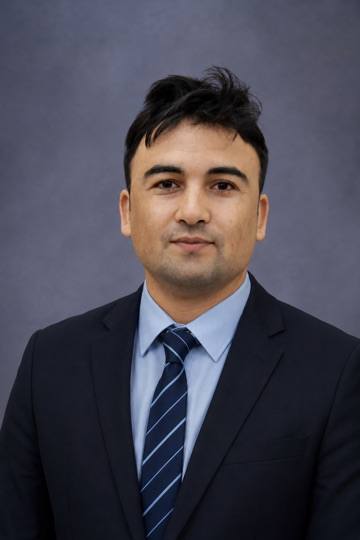
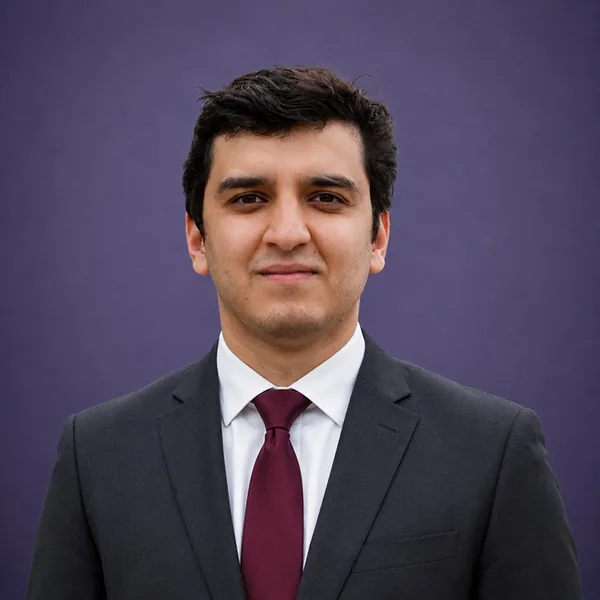
Hassan Ukasha, Managing Partner, Ariana Nexus

Program oversight

Hassan Ukasha

Managing Partner
  • B.S.
    Cornell University
  • M.P.H.
    Cornell University
Oversees Ariana Nexus operations and directs the government translation program: the quality standard, the security controls and the delivery commitments behind every engagement. He is the accountable executive and point of escalation for agencies, election offices and prime contractors.

Grew up in Herat · LinkedIn · ORCID · Google Scholar

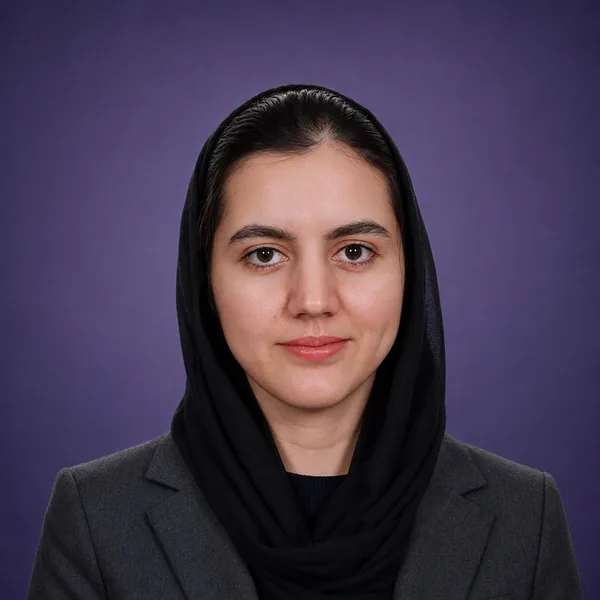
Zeba Haqbani

Zeba Haqbani

Senior Partner
·
Web platforms and secure systems
  • B.Sc.
    University of British Columbia
Leads website and portal translation, right-to-left engineering and the secure systems your files move through. Lived in Kabul.
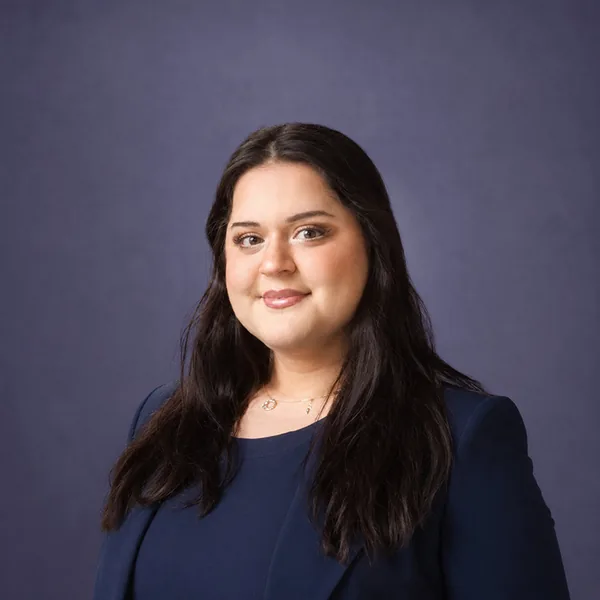
Maryam Safi

Maryam Safi

Principal
·
Election and civic materials
  • B.A.
    Cornell University
Leads voter guide and public notice work: neutrality checks, ballot-text reads and community readability reviews.
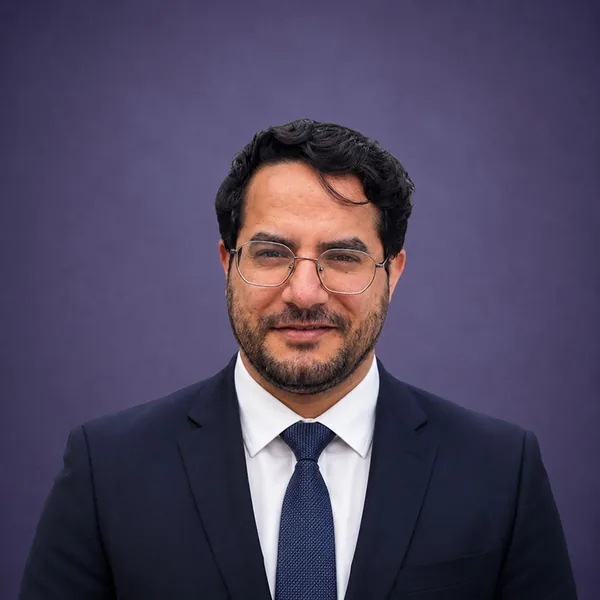
Wasil Peroz

Wasil Peroz

Principal
·
Legal and regulatory review
  • B.A.
    Milli University
  • M.Sc.
    Otto-von-Guericke University Magdeburg
Reviews legal notices, rights language and citations, and leads work for European public bodies.
Hussain Ahmad

Hussain Ahmad

Analyst
·
Language data and quality engineering
  • M.Eng.
    Cornell University
  • Ph.D.
    University of Chicago
Builds the glossaries, translation memory and automated checks for terminology, numerals, dates and accessibility.

Cultural Compliance Bureau

Signs off every translation for accuracy, dialect and cultural fit before it is released.
Notices about status changes, benefits and emergencies reach families still carrying Afghan war trauma and moral trauma. Diana Ayubi, Psy.D., reviews the wording of sensitive notices so they inform without alarming.

The language bench

  • Native Pashto translators
  • Native Dari translators
  • Dialect reviewers for regional Pashto and the Hazaragi dialect of Dari
  • Uzbeki and Turkmeni reviewers
  • Legal and election terminologists
  • Right-to-left typesetters
  • Accessibility testers
  • Pashto and Dari voice talent

Named to clients under NDA.

Section M · Evaluation strengths

Why agencies choose Ariana Nexus for Pashto and Dari translation

  1. 01

    Afghanistan Dari, never Farsi

    Our translators are Afghan. They write the Pashto and Dari that Afghan people speak, in Afghanistan and across the Afghan diaspora, matched to your residents — including regional Pashto and the Hazaragi dialect of Dari.
  2. 02

    Scholars, not bilinguals

    Speaking two languages is not a qualification. Our team includes alumni of Cornell, Brown, the University of Chicago, the University of British Columbia and Otto-von-Guericke University Magdeburg, trained in public health, law, engineering and computer science.
  3. 03

    Trained and tested to our own written standard

    No U.S. certification exists for Pashto or Dari translation — the American Translators Association tests neither. We train and test our own translators to a written standard and hold every text to it.
  4. 04

    One firm, one point of accountability

    Every part of the work is done by our own people. No subcontractors, no brokered freelancers, no hand-offs you cannot see.
  5. 05

    Neutral and faithful, for public trust

    We translate what the source says — never summarize, soften or editorialize. Conflicts are disclosed before work starts, and Afghan residents confirm the text is understood.
  6. 06

    Secure, and never routed through Afghanistan

    Files stay with named personnel under NDA. We do not route documents, data or inquiries through channels controlled by the de facto authorities in Afghanistan.
Where no certification exists, we set the standard

Attachment · Languages

24 Afghan languages — and 12 more

We work between Pashto, Dari and 22 more Afghan languages and English — and French, German, Spanish, Italian, Portuguese, Russian, Turkish, Arabic, Urdu, Hindi, Hebrew and Chinese — for public bodies in North America, Europe and beyond.

Iranian · 12

  • Pashto
    پښتو
  • Dari
    دری
  • Aimaq
  • Balochi
  • Ormuri
  • Parachi
  • Wakhi
  • Shughni
  • Sanglechi
  • Ishkashimi
  • Munji
  • Yidgha

Turkic · 3

  • Uzbeki
  • Turkmeni
  • Kyrgyz

Indo-Aryan · 3

  • Pashayi
  • Gawarbati
  • Tirahi

Nuristani · 5

  • Nuristani (Ashkun)
  • Kati
  • Prasun
  • Waigali
  • Tregami

Dravidian · 1

  • Brahui

Dari includes the Hazaragi dialect. Afghanistan’s 2004 Constitution made Pashto and Dari the official languages, with Uzbeki, Turkmeni, Pashayi, Nuristani, Balochi and the Pamiri languages official where most people speak them. For languages that are mainly spoken, we deliver audio and spoken versions.

English and 12 more

  • English
    English
  • French
    Français
  • German
    Deutsch
  • Spanish
    Español
  • Italian
    Italiano
  • Portuguese
    Português
  • Russian
    Русский
  • Turkish
    Türkçe
  • Arabic
    العربية
  • Urdu
    اردو
  • Hindi
    हिन्दी
  • Hebrew
    עברית
  • Chinese
    中文

The same service, in your language

  • د دولتي ادارو د خبرتیاوو، فورمو، ویب پاڼو او د رایه ورکوونکو د لارښود ژباړه — پښتو، دري او ۲۲ نورې افغاني ژبې
  • ترجمهٔ اعلامیه‌ها، فورمه‌ها، ویب‌سایت‌ها و رهنمای رأی‌دهندگان برای ادارات دولتی — پشتو، دری و ۲۲ زبان دیگر افغانی
  • Traduction d’avis administratifs, de formulaires, de sites web et de guides électoraux en pachto, en dari et dans 22 autres langues afghanes
  • Übersetzung von Behördenschreiben, Formularen, Websites und Wahlinformationen ins Paschtu, Dari und 22 weitere afghanische Sprachen
  • Traducción de avisos oficiales, formularios, sitios web y guías electorales al pastún, al darí y a otras 22 lenguas afganas
  • Traduzione di avvisi pubblici, moduli, siti web e guide elettorali in pashtu, dari e altre 22 lingue afghane
  • Tradução de avisos oficiais, formulários, sites e guias eleitorais para pashto, dari e outras 22 línguas afegãs
  • Перевод официальных уведомлений, форм, сайтов и руководств для избирателей на пушту, дари и ещё 22 афганских языка
  • Resmî duyuruların, formların, web sitelerinin ve seçmen rehberlerinin Peştuca, Darice ve 22 Afgan diline çevirisi
  • ترجمة الإشعارات الحكومية والنماذج والمواقع الإلكترونية وأدلة الناخبين إلى البشتو والدارية و٢٢ لغة أفغانية أخرى
  • سرکاری نوٹسز، فارمز، ویب سائٹس اور ووٹر گائیڈز کا پشتو، دری اور ۲۲ دیگر افغان زبانوں میں ترجمہ
  • सरकारी सूचनाओं, फ़ॉर्मों, वेबसाइटों और मतदाता गाइडों का पश्तो, दारी और 22 अन्य अफ़ग़ान भाषाओं में अनुवाद
  • תרגום הודעות ממשלתיות, טפסים, אתרי אינטרנט ומדריכים לבוחר לפשטו, לדארי ול־22 שפות אפגניות נוספות
  • 将政府通知、表格、网站和选民指南翻译成普什图语、达里语及另外22种阿富汗语言

Questions and answers

Questions about Pashto and Dari government translation

What is the difference between Dari and Farsi, and do we need a separate translation?

Yes, you need Afghanistan Dari. Dari (Afghan Persian) and Iranian Persian (Farsi) share grammar but differ in the vocabulary of public life — form, province, municipality, hospital, passport — and in calendar month names. A Farsi translation reads as foreign to many Afghan residents. Because many Afghans call their language “Farsi” in conversation, ask where a resident is from before choosing the language.

Should we translate into Pashto, Dari or both?

Usually both. Among Afghan immigrants in the United States, 32% speak Pashto, 26% Dari and 27% report Persian (Farsi), a name many Afghans use for Dari (Migration Policy Institute, 2022 data). Local numbers vary, so we check your service data and community partners before recommending one language or both.

Is Pashto or Dari a covered language under the Voting Rights Act?

Not today. The last Section 203 determinations, published December 8, 2021, cover 331 jurisdictions and three states, none of them for an Afghan language; the next round is due in late 2026. California already designates Pashto facsimile ballots in Sacramento, San Joaquin and Ventura counties for 2026–2029, and the Virginia Voting Rights Act sets its own language thresholds.

How fast can you translate an emergency notice into Pashto and Dari?

Short public-safety messages — evacuation, shelter in place, boil water, extreme heat, air quality — are translated and reviewed the same day, around the clock during an activation. Better still, we build a pre-approved Pashto and Dari message library, with audio, before the next emergency. Wireless Emergency Alerts will support 13 languages by June 2028; Pashto and Dari are not among them.

How much does it cost to translate a voter guide or government form into Pashto and Dari?

It depends on length, format, turnaround and review level. Once we have seen the files, we quote a fixed price for each deliverable, with translation, review, typesetting, testing and the certificate included. Websites and voter guides are priced as programs, and later updates cost less because they draw on your translation memory.

Do you provide certified translations for government agencies?

Yes. Every delivery includes a signed certificate of translation accuracy naming the translator and the reviewer. No U.S. certification exists for Pashto or Dari — the American Translators Association tests neither language — so we certify against our own written standard and document the review.

Can you translate our website and keep the Pashto and Dari pages up to date?

Yes. We translate in your content management system or from exported files (XLIFF, JSON or HTML), set right-to-left templates with correct lang and dir attributes, and test navigation, forms and search in Pashto and Dari. When your English pages change, we update only what changed, from your translation memory.

Will the translated website and PDFs meet WCAG 2.1 AA and Section 508?

Yes. We deliver web pages to WCAG 2.1 AA — the standard in the ADA Title II rule, now due April 26, 2027 for governments serving 50,000 or more people — and federal content to Section 508. PDFs are tagged to PDF/UA with the right reading order and language tags for right-to-left text, and tested with screen readers.

Do you use machine translation or AI?

We never publish machine translation. AI supports terminology and consistency checks inside our own environment; every sentence is written or fully post-edited by a qualified translator and reviewed by a second linguist. Virginia presumes machine-only election translations insufficient, and federal health rules require human review of machine translation for critical documents.

How do you protect confidential and personal information?

Files move under NDA over encrypted channels and stay with named personnel. Your content is never put into public translation tools or used to train AI, and nothing is routed through Afghanistan or through channels controlled by its de facto authorities. You set the retention period; we delete on request and give you a written record.

What if many of our Afghan residents cannot read?

Adult literacy in Afghanistan is about 37%, and about 23% for women (UNESCO, 2021). We record Pashto and Dari audio versions of notices and voter guides with native voice talent, add short videos for web and social channels, and provide spoken versions in languages that are mainly spoken.

Is Hazaragi a separate language?

No. Hazaragi is a dialect of Dari. We match Hazaragi-speaking readers with dialect reviewers and, where it helps understanding, record spoken versions in the Hazaragi dialect. Some agencies — in Australia, for example — list it separately; we work to your list and your residents.

Does Executive Order 14224 mean agencies no longer need to translate?

No. The order revoked Executive Order 13166 but states that agency heads “are not required to amend, remove, or otherwise stop production of documents” in languages other than English. Statutes such as the Voting Rights Act, and state and local laws such as the D.C. Language Access Act, still apply. Your counsel decides what your agency must translate.

Can you work as a subcontractor to a prime contractor?

Yes. Ariana Nexus is registered in SAM.gov (UEI M2UDMUDFXGL9, CAGE 1Z3A3), including NAICS 541930, Translation and Interpretation Services, and teams with prime contractors as the Afghan-language partner on federal, state and local work.

Do you work with governments outside the United States?

Yes. We work with public bodies in Canada, the United Kingdom, the European Union and Australia, between Pashto, Dari and English, French, German, Spanish, Italian, Portuguese, Russian, Turkish, Arabic, Urdu, Hindi, Hebrew and Chinese. For European clients we work under GDPR and UK GDPR terms and to EN 301 549 accessibility requirements.

How do you keep translated voter guides neutral and accurate?

We translate what the source says — no summarizing, softening or rewording of ballot measures or candidate statements. Ballot text gets a third read, terms come from an approved election glossary, and conflicts are disclosed before work starts. Afghan community readers then check understanding — the consultation the Justice Department looks for under Section 203 (28 CFR 55.19).

Sources (22) · Last reviewed September 26, 2026. Regulatory facts checked September 26, 2026.
  1. Migration Policy Institute, “Afghan Immigrants in the United States” (February 15, 2024)
  2. World Bank / UNESCO Institute for Statistics, adult literacy rate, Afghanistan (2021)
  3. California Secretary of State, CCROV #25176, language requirements 2026–2029 (December 24, 2025)
  4. FCC, Wireless Emergency Alerts, Third Report and Order, FCC 23-88 (88 FR 86824)
  5. U.S. Census Bureau, Voting Rights Act Section 203 determinations (86 FR 69611)
  6. Executive Order 14224 (90 FR 11363)
  7. U.S. Department of Justice, rescission of LEP guidance (90 FR 15721)
  8. U.S. Department of Justice, ADA Title II compliance date extension (91 FR 20902)
  9. 28 CFR 55.12 and 55.19
  10. D.C. Code § 2-1933
  11. Code of Virginia § 24.2-128
  12. U.S. Census Bureau, 2016 ACS language user note
  13. U.S. Election Assistance Commission, language access resources
  14. American Translators Association, guide to ATA certification
  15. U.K. Ministry of Defence, oral statement on Afghan data breach (July 15, 2025)
  16. Constitution of Afghanistan (2004), Article 16, Constitute Project
  17. Destatis, foreign population by citizenship
  18. U.K. Home Office, safe and legal humanitarian routes, year ending June 2026
  19. IRCC, key figures for Afghan resettlement
  20. Australian Department of Home Affairs, Afghanistan country profile
  21. UNHCR, Global Trends 2025
  22. U.S. Department of Homeland Security, Operation Allies Welcome report

Request a proposal

Send the notice, form, web pages or voter guide you need in Pashto and Dari, with your deadline. We reply within one business day with a scope and a fixed-price proposal.

Have an RFP, RFQ or statement of work? Send it through the same form.

SAM.gov registered · UEI M2UDMUDFXGL9 · CAGE 1Z3A3 · NAICS 541930

1717 Pennsylvania Avenue NW, 10th Floor, Washington, D.C. 20006 · (202) 771-0224