Afghanistan Cultural Awareness and Regional Familiarization Training for Defense, Diplomatic and Intelligence Personnel

Pre-deployment, pre-posting and analyst training on Afghanistan as it is today: its people, Pashto and Dari, how decisions are made under the Taliban de facto authorities, and the region around it. Taught by Afghan scholars. Unclassified, from open sources.

Capability Statement

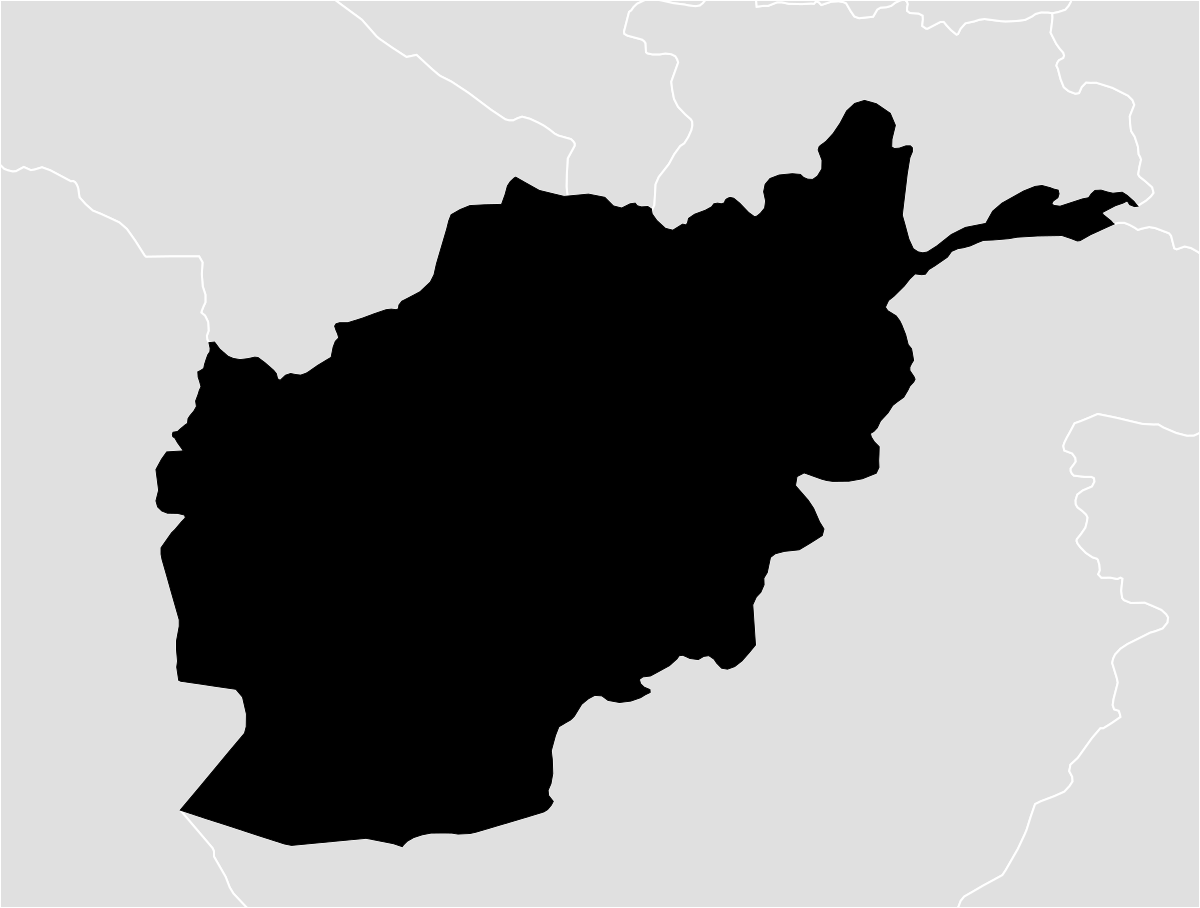
Principal border crossings

  • 1
    Torkham (Pakistan)
  • 2
    Chaman–Spin Boldak (Pakistan)
  • 3
    Islam Qala (Iran)
  • 4
    Torghundi (Turkmenistan)
  • 5
    Hairatan–Termez (Uzbekistan)
  • 6
    Sher Khan Bandar (Tajikistan)
Map of Afghanistan and its six neighbors with principal border crossings
Afghanistan, its six neighbors and principal border crossings. Boundaries: Natural Earth 1:50m. The Afghanistan–Pakistan border follows the Durand Line.

What is Afghanistan cultural awareness and regional familiarization training?

It is structured training that prepares defense, diplomatic and intelligence personnel to work on Afghanistan or in its region. It covers the Afghan people and their languages, how authority and decisions work, religion and gender norms, the neighboring states, and what has changed since August 2021. Ariana Nexus delivers it as briefings, courses, analyst intensives and exercises, taught by Afghan scholars.

Formats
Principal briefings, 3- and 5-day courses, analyst intensives, role-player exercises, train-the-trainer and distributed modules
For
Defense, diplomatic and intelligence personnel, UN, EU and NATO staff, and contractors
Classification
Unclassified, built from open sources; no CUI needed
Languages
English instruction with Pashto and Dari throughout; 24 Afghan and 13 working languages
Delivery
Washington, D.C., at your location, or live online; allied and partner organizations abroad by arrangement
Reviewed
Baseline reviewed monthly; last reviewed 26 September 2026
Contracting
SAM.gov active · UEI M2UDMUDFXGL9 · CAGE 1Z3A3

Six neighbors, one region

5,987 km
of land border. Pakistan alone accounts for 2,670 km, along the Durand Line, agreed in 1893, which Pakistan and most states treat as the international border and no Afghan government has formally accepted. Border lengths: CIA World Factbook, 2020 data, via IndexMundi (Factbook discontinued February 2026).

Who shapes Afghanistan now: the regional actors

Each entry is dated, and each is taught from sources in that actor’s own language.

Pakistan

Border clashes in October 2025 ended in a ceasefire mediated by Qatar and Türkiye; in February 2026 Pakistan’s defense minister declared “open war”. About one million Afghans returned from Pakistan in 2025.
In the course: The Durand Line, Pashtun communities on both sides, the TTP, trade and returns.
  • Urdu
  • Pashto

Iran

About 1.9 million Afghans returned or were deported from Iran in 2025.
In the course: Returns, water from the Helmand River, and the shared Persian language.
  • Persian

Central Asia

Uzbekistan, Turkmenistan and Tajikistan share 2,305 km of border with Afghanistan.
In the course: Trade through Termez and Hairatan, rail and pipeline plans, and the Qosh Tepa canal.
  • Uzbeki
  • Turkmeni
  • Russian

China

China accepted a Taliban-appointed ambassador in January 2024 and hosted Pakistan–Afghanistan talks in Urumqi in April 2026.
In the course: Mining, the 91 km border in the Wakhan Corridor, and security concerns.
  • Chinese

Russia

Russia became the first state to formally recognize the Taliban government on 3 July 2025.
In the course: What recognition does and does not change.
  • Russian

India

India restored its Kabul mission to embassy status on 21 October 2025.
In the course: Trade routes, aid and the India–Pakistan dimension.
  • Hindi

Qatar and the Gulf

Doha hosts the U.S. Afghanistan Affairs Unit and the UN-led Doha process, and co-mediated the October 2025 ceasefire.
In the course: Mediation, hosting and the Gulf’s commercial ties.
  • Arabic

Türkiye

Türkiye co-mediated the October 2025 Istanbul talks between Pakistan and Afghanistan.
In the course: Diplomatic channels and the Afghan diaspora in Türkiye.
  • Turkish

United Nations

Resolution 2822 (15 June 2026) extended UNAMA to 17 June 2027 and ordered a strategic review.
In the course: UNAMA, the 1988 sanctions regime and humanitarian coordination.
  • English
  • French

Crossings and corridors your people will hear about

  • Torkham
  • Chaman–Spin Boldak
  • Islam Qala
  • Hairatan–Termez
  • Sher Khan Bandar
  • Torghundi
  • The Wakhan Corridor
  • TAPI pipeline (Afghan section under construction)
  • Trans-Afghan railway (planned)

What twenty years taught

“The U.S. government did not understand the Afghan context and therefore failed to tailor its efforts accordingly.”
SIGAR, What We Need to Learn: Lessons from Twenty Years of Afghanistan Reconstruction, August 2021, Lesson 6. Read the report
SIGAR found that the United States imposed formal rule of law on a country that settled 80 to 90 percent of its disputes through informal means. SIGAR, What We Need to Learn (SIGAR-21-46-LL), August 2021
The Afghanistan War Commission published its third interim report on 20 August 2026; its final report is expected in August 2027. Afghanistan War Commission, interim report, August 2026

Who Afghanistan cultural awareness training is for

Defense: Afghanistan pre-deployment and security cooperation training

Units and staffs with Central Command region missions, defense attaché and security cooperation offices in neighboring capitals, special operations and civil affairs language, regional expertise and culture (LREC) requirements, and professional military education.
  • Explain how authority works in Afghanistan now, from Kandahar to the district
  • Read the Pakistan–Afghanistan conflict and its effect on the region
  • Run a first meeting and work through a Pashto or Dari interpreter
  • Recognize how the Afghan war (2001–2021) shapes how Afghans read foreign uniforms

Diplomatic: Afghanistan country briefings for diplomats and international staff

Foreign ministries and embassies, staff covering Afghanistan from Doha and neighboring capitals, special envoys, and UN, EU and NATO personnel.
  • Engage the Taliban de facto authorities without conferring recognition
  • Handle protocol, hospitality and the pace of negotiation
  • Plan for Afghan women’s participation under current restrictions
  • Frame humanitarian access, consular and detention questions

Intelligence: Afghanistan analyst training in Pashto and Dari context

All-source and open-source analysts, counterterrorism and watch officers, and law enforcement intelligence units.
  • Read Afghan names, titles, dates and places correctly across Pashto, Dari and English
  • Explain how the de facto authorities make and publish decisions
  • Place ISKP, TTP and al-Qaida reporting in local context
  • Judge machine-translated Pashto and Dari sources before relying on them

Contractors and primes

Program managers and linguist supervisors staffing Afghanistan-related programs.

Allied and multinational cohorts

NATO allies, EU missions and partner governments, with materials in 13 working languages.

What the course covers: ten modules

Hours shown for the 5-day course (30 hours). The 3-day course keeps all ten modules at shorter length (18 hours). The moral injury segment of module 09 is set by Diana Ayubi, Psy.D.

01

Afghanistan since August 2021: who governs and how

Explain who governs, how decisions travel from Kandahar to the provinces, and what has changed since August 2021.
3 h
02

Afghan people, languages and names

Recognize Afghanistan’s peoples and languages, and read Afghan names, titles and dates correctly.
3 h
03

Authority, kinship and decision-making

Identify who can say yes, who must be consulted, and how agreements are made and kept.
4 h
04

Islam in Afghan public and private life

Engage religious practice and religious leaders respectfully and accurately.
2 h
05

Gender, family and honor

Work appropriately with Afghan women and men, including under current restrictions.
3 h
06

The region: Pakistan, Iran, Central Asia, China, Russia, India, the Gulf and Türkiye

Place any Afghanistan question in its regional context.
4 h
07

Engagement and negotiation with Afghan counterparts

Run a first meeting, a negotiation and a follow-up.
4 h
08

Working through Pashto and Dari interpreters

Brief, position and work through an interpreter without losing meaning or trust.
3 h
09

The Afghan war and its legacy

Understand how 2001–2021 shapes how Afghans read foreign personnel today, and recognize moral injury.
2 h
10

Information environment, AI and personal safety

Read Pashto and Dari media critically, use machine translation safely, and protect the Afghans you work with.
2 h

Pashto and Dari for the first meeting

May you not be tired (a courtesy to anyone who has travelled or worked)
Pashto
ستړي مه شئ
stari ma shai
Dari
مانده نباشید
manda nabashid
How are you? (formal)
Pashto
تاسو څنګه یاست؟
taso tsenga yast?
Dari
شما چطور هستید؟
shuma chetor hastid?
Thank you
Pashto
مننه
manana
Dari
تشکر
tashakor
Excuse me; I am sorry
Pashto
بښنه غواړم
bakhana ghwaram
Dari
ببخشید
bebakhshid
Goodbye
Pashto
په مخه مو ښه
pa makha mo kha
Dari
خدا حافظ
khuda hafiz
Survival courtesy only: familiarization, not fluency. Pronunciation varies by region; instructors teach the forms used where your personnel will work.

Why Ariana Nexus for Afghanistan cultural awareness training

What makes this course different from the Afghanistan training most personnel received before 2021.

01

Afghans teaching Afghanistan

Every instructor, subject-matter expert and role player is Afghan and university-educated, teaching in their own field. They are scholars and practitioners, not bilingual contractors reading a script.
Led by alumni of Cornell, the University of Chicago, the University of British Columbia and Otto-von-Guericke University Magdeburg
02

Current to the month, and reviewed

The course is rebuilt from current open sources, not recycled from the ISAF years. The baseline is reviewed monthly, every cohort’s reader carries its review date, and the Cultural Compliance Bureau checks every scenario, phrase and case for accuracy and for stereotype.
Last reviewed 26 September 2026
03

The region, in the region’s languages

The regional module is taught from sources read in Urdu, Russian, Chinese, Arabic, Turkish and Hindi, alongside Pashto, Dari and 22 more Afghan languages.
37 languages: 24 Afghan and 13 working
04

Both sides of the interpreter relationship

We supply and train Pashto and Dari interpreters. No U.S. court or medical interpreter certification exam tests Pashto or Dari, so we train our own interpreters and interpreters from the Afghan diaspora. The course teaches your people the other half: how to brief, seat and work through one.
Module 08
05

Measured, not just delivered

Participants are assessed before and after the course against the Interagency Language Roundtable’s descriptions of intercultural competence. The commander or chief of mission receives an after-action report within ten business days.
Pre- and post-course assessment
06

Unclassified, principled and safe

Built from open sources. No collection, targeting or influence work, no operations in Afghanistan, and nothing routed through channels controlled by the de facto authorities.

Formats: briefings, courses, analyst intensives and exercises

Principal briefing

Length
2 to 4 hours
Group
1 to 6 people
Where
In person or video
For
Ambassadors, envoys, general and flag officers, senior executives
Includes
A principal’s reader and a follow-up call

Pre-deployment and pre-posting course

Length
3 or 5 days (18 or 30 hours)
Group
Up to 24
Where
Washington, D.C., your location, or live online
For
Units, staffs, embassy teams, and UN, EU and NATO personnel
Includes
All ten modules, exercises, assessment and records

Analyst intensive

Length
5 days or 10 half-days
Group
Up to 16
Where
In person or live online
For
Intelligence, counterterrorism and law enforcement analysts
Includes
Names and transliteration lab, source literacy and machine-translation checks

Engagement exercise with Afghan role players

Length
1 or 2 days
Group
Up to 24
Where
In person
For
Teams preparing for meetings and negotiations
Includes
Gender-matched role players speaking Pashto and Dari, interpreters and an after-action review

Train-the-trainer

Length
3 days
Group
Up to 12 faculty
Where
In person
For
Service culture centers, military schools and diplomatic academies
Includes
Licensed course materials with a refresh cycle

Distributed modules

Length
Self-paced, with a live session
Group
Any size
Where
Your learning management system
For
Large or dispersed workforces
Includes
SCORM 2004 and xAPI packages, Section 508 conformant

How we deliver Afghanistan training, from request to reach-back

  1. 01

    Scoping call

    A named engagement lead confirms the mission, audience, dates, classification level and languages.
    Within 1 business day
  2. 02

    Course plan

    A written plan with learning objectives, modules, hours, exercises and assessment, reviewed with your training officer or desk.
    5 to 10 business days
  3. 03

    Reader and field card

    Each participant receives a dated reader and a pocket field card five days before the course.
    5 days before
  4. 04

    Delivery

    Afghan instructors and role players deliver the course in person or live online, with Pashto and Dari throughout.
    1 to 5 days
  5. 05

    Assessment and after-action report

    Pre- and post-course results, what worked, gaps and recommended follow-on training, delivered to the commander or chief of mission.
    Within 10 business days
  6. 06

    Reach-back

    Instructors answer participants’ questions for 90 days, and material changes in Afghanistan trigger a written update.
    90 days

The team behind this course

Afghan scholars and practitioners, not bilingual contractors. The people who design, teach and review this course studied at leading universities and teach in their own fields.

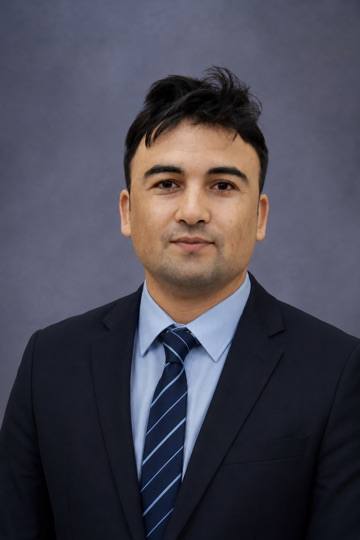
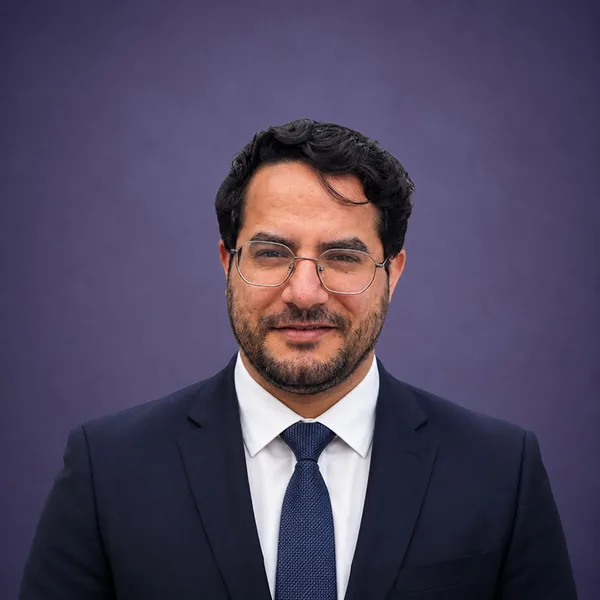
Hassan Ukasha
Program oversight

Hassan Ukasha

Managing Partner, Ariana Nexus
Oversees Ariana Nexus’s operations and this program as its accountable executive: course standards, instructor selection and vetting, and the final review of every after-action report. He is the escalation point on every engagement.
  • B.S.
    ,
    Cornell University
  • M.P.H.
    ,
    Cornell University
Grew up in Herat. Languages: Pashto and Dari; English, Urdu and Hindi; working Arabic
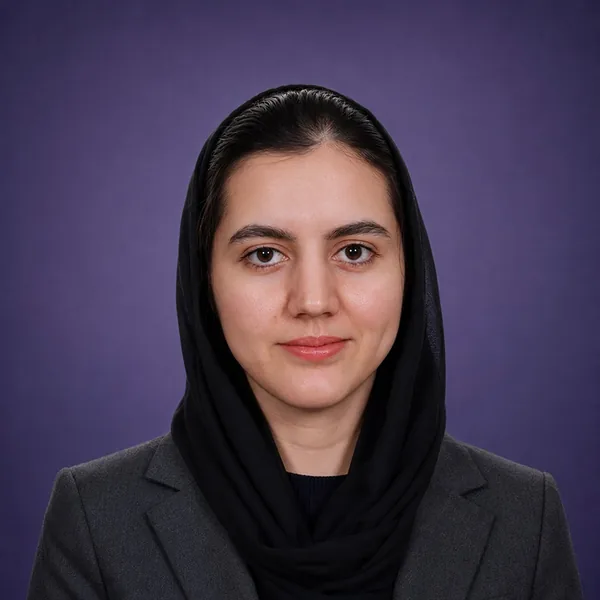
Zeba Haqbani

Zeba Haqbani

Senior Partner
  • B.Sc.
    ,
    University of British Columbia
Builds the course platform, the distributed modules and the assessment system.
Lived in Kabul.
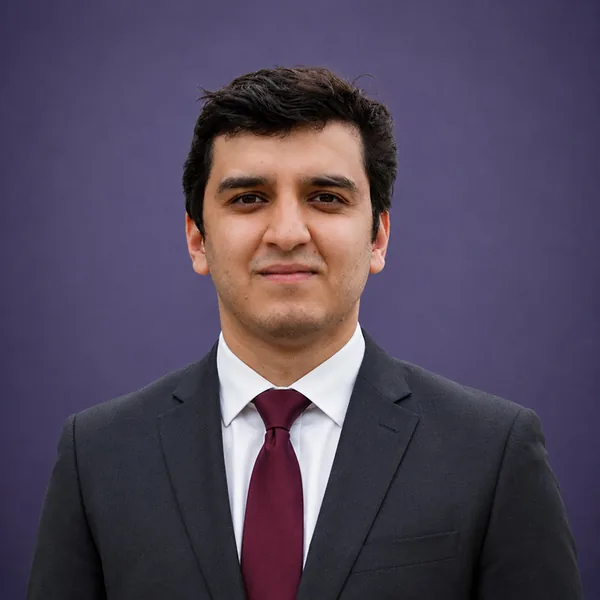
Hussain Ahmad

Hussain Ahmad

Analyst
  • M.Eng.
    ,
    Cornell University
  • Ph.D.
    ,
    University of Chicago
Leads the analyst intensive’s methods: names and transliteration, source verification and machine-translation checks.
Wasil Peroz

Wasil Peroz

Principal
  • B.A.
    ,
    Milli University
  • M.Sc.
    ,
    Otto-von-Guericke University Magdeburg
Leads the governance segment: how the de facto authorities’ decrees and courts work, and the international legal picture, from sanctions to the ICC.
Maryam Safi

Maryam Safi

Principal
  • B.A.
    ,
    Cornell University
Leads the engagement and gender segments and the role-player exercises.

Language and culture bench

Afghan instructors, subject-matter experts and gender-matched role players in Pashto and Dari, and in the other Afghan languages by arrangement, U.S.-based wherever a contract requires it. Role players with family in Afghanistan may work under a professional name; the firm holds their identity and vetting records.

Cultural Compliance Bureau

Reviews every scenario, phrase, script and case study before it is taught, for accuracy and for stereotype.
Three colleagues in business attire reviewing charts and documents together at a meeting table

Security, compliance and classification

AreaStatusDetail
Area
Classification
Status
In place
Detail
Unclassified and built from open sources. Your cleared staff add classified context in a separate session. No CUI is needed to deliver the course.
Area
Instructors
Status
In place
Detail
Background-checked, and U.S.-based wherever a contract requires it. Where a contract requires cleared instructors, the sponsoring agency or a cleared prime contractor sponsors the clearances.
Area
No operations in Afghanistan
Status
In place
Detail
No office or operations in Afghanistan, and nothing routed through channels controlled by the de facto authorities.
Area
Participant data
Status
In place
Detail
Only names, roles and assessment results are kept, encrypted, and deleted on request.
Area
European clients
Status
In place
Detail
Article 28 data processing terms under the GDPR and UK GDPR, with Standard Contractual Clauses and the UK Addendum for transfers to the United States.
Area
Accessibility
Status
In place
Detail
Course materials and modules built to WCAG 2.2 AA and Section 508.
Area
Security frameworks
Status
Aligned
Detail
Zero Trust architecture aligned to NIST SP 800-207, and the NIST Cybersecurity Framework 2.0.
Area
NIST SP 800-171 and CMMC Level 2
Status
Roadmap
Detail
On the assurance roadmap, with CMMC Level 2 targeted. Level 2 applies where CUI is handled, and the course content carries none. Rosters and after-action reports are Federal Contract Information, handled to the FAR 52.204-21 basic safeguarding requirements.

Contracting

SAM.gov
Active registration
UEI
M2UDMUDFXGL9
CAGE
1Z3A3
NAICS
541611 (primary) · 611430 · 541930
Briefings and short courses priced at or below the $15,000 micro-purchase threshold (FAR 2.101, since 1 October 2025) can often be paid by government purchase card. Lower limits apply to services under the Service Contract Labor Standards, and higher card limits can apply to commercial training bought on an SF-182. Larger programs run on a purchase order or task order, or under your prime contractor.

What shapes the scope

  • Format and number of days
  • Cohort size and number of cohorts
  • Audiences combined in one course
  • Languages beyond Pashto and Dari
  • Role players and exercises
  • Travel
  • Licensing of distributed modules

What this service does not do

  1. 01
    No intelligence collection, source work or mapping of people or networks. We teach; we do not collect.
  2. 02
    No targeting, influence or psychological operations design.
  3. 03
    No office or operations in Afghanistan, and nothing routed through channels controlled by the de facto authorities.
  4. 04
    No classified material held by Ariana Nexus. Your cleared staff add classified context.
  5. 05
    Not a substitute for security training such as HEAT, FACT or UN SSAFE, or for legal advice on sanctions.
  6. 06
    No advocacy. We describe the de facto authorities and Afghan society accurately, and we do not lobby for or against any party.
  7. 07
    Not clinical care. The moral injury segment is awareness and referral. Veterans Crisis Line: dial 988, then press 1; allied cohorts receive their national equivalents.

The region’s languages, and all 24 Afghan languages

Instruction is in English, with Pashto and Dari throughout. Specialist segments and materials are available in all 24 Afghan languages, with role players in the smaller languages by arrangement, and materials and interpreted sessions in 13 working languages.

24 Afghan languages

Iranian
12
  • Pashto
  • Dari
  • Aimaq
  • Balochi
  • Ormuri
  • Parachi
  • Wakhi
  • Shughni
  • Sanglechi
  • Ishkashimi
  • Munji
  • Yidgha
Turkic
3
  • Uzbeki
  • Turkmeni
  • Kyrgyz
Indo-Aryan
3
  • Pashayi
  • Gawarbati
  • Tirahi
Nuristani
5
  • Nuristani (Ashkun group)
  • Kati
  • Prasun
  • Waigali
  • Tregami
Dravidian
1
  • Brahui

13 working languages

Instruction
  • English
The region’s languages
  • Urdu
  • Russian
  • Chinese
  • Arabic
  • Turkish
  • Hindi
For allied cohorts
  • French
  • German
  • Spanish
  • Italian
  • Portuguese
  • Hebrew
Dari materials are in Afghanistan Dari, not Iranian Persian, and instructors and role players are matched to Dari’s regional dialects, such as Kabuli, Herati, Hazaragi and Badakhshi.

This service, as allied ministries and militaries search for it

  • Pashto
    د دفاع، ډیپلوماسۍ او استخباراتو کارکوونکو لپاره د افغانستان د کلتوري او سیمه‌ییزې پېژندنې روزنه
  • Dari
    آموزش آشنایی فرهنگی و منطقوی با افغانستان برای کارمندان دفاعی، دیپلوماتیک و استخباراتی
  • German
    Interkulturelles Training und Länderkunde Afghanistan für Streitkräfte, Diplomatie und Nachrichtendienste
  • French
    Formation interculturelle et connaissance de l’Afghanistan pour les forces armées, la diplomatie et le renseignement
  • Spanish
    Formación intercultural y conocimiento regional de Afganistán para defensa, diplomacia e inteligencia
  • Italian
    Formazione interculturale e conoscenza regionale dell’Afghanistan per difesa, diplomazia e intelligence
  • Portuguese
    Formação intercultural e conhecimento regional do Afeganistão para defesa, diplomacia e inteligência
  • Turkish
    Savunma, diplomasi ve istihbarat personeli için Afganistan kültürel farkındalık ve bölge eğitimi
  • Russian
    Межкультурная подготовка и страноведение Афганистана для военных, дипломатов и аналитиков
  • Chinese
    面向国防、外交与情报人员的阿富汗跨文化与国情培训
  • Arabic
    تدريب على الوعي الثقافي والإقليمي بأفغانستان لأفراد الدفاع والدبلوماسية والاستخبارات
  • Urdu
    دفاع، سفارت کاری اور انٹیلی جنس عملے کے لیے افغانستان کی ثقافتی اور علاقائی آگاہی کی تربیت
  • Hindi
    रक्षा, राजनयिक और खुफ़िया कर्मियों के लिए अफ़ग़ानिस्तान सांस्कृतिक और क्षेत्रीय जागरूकता प्रशिक्षण
  • Hebrew
    הכשרה תרבותית ואזורית על אפגניסטן לאנשי ביטחון, דיפלומטיה ומודיעין

Afghanistan cultural awareness training: frequently asked questions

What is Afghanistan cultural awareness training?

Afghanistan cultural awareness training prepares people to work on Afghanistan or with Afghans without avoidable mistakes. Ariana Nexus’s course goes further than awareness: it covers who governs and how decisions are made since August 2021, the Afghan people and their languages, religion and gender norms, the neighboring states, and practical skills such as running a first meeting and working through a Pashto or Dari interpreter.

Who is this training for?

Defense personnel preparing for Central Command region, attaché or security cooperation roles; diplomats and international staff working on Afghanistan, including UN, EU and NATO personnel; intelligence, counterterrorism and law enforcement analysts; and contractors staffing Afghanistan-related programs. Courses can be built for one audience or combine them.

How is this different from the Afghanistan pre-deployment training used during the war?

Much of the Afghanistan training material still in circulation dates from the counterinsurgency years. It describes a government, an army and a foreign military presence that no longer exist, and SIGAR’s 2021 lessons report found that the U.S. government did not understand the Afghan context. This course starts from Afghanistan as it is now, under the Taliban de facto authorities and inside a changed region, and its baseline is reviewed every month.

How long is an Afghanistan pre-deployment or pre-posting course?

A principal briefing takes 2 to 4 hours. The standard course runs 3 days (18 hours) or 5 days (30 hours). The analyst intensive runs 5 days or 10 half-days, and engagement exercises with Afghan role players run 1 or 2 days. Distributed modules can run in your learning management system for large or dispersed workforces.

Is the training classified?

No. The course is unclassified and built entirely from open sources, so it can be taught to mixed and multinational audiences. Where your mission needs classified context, your own cleared staff add it in a separate session. Instructors are background-checked, and U.S.-based wherever a contract requires it; where a contract requires cleared instructors, the sponsoring agency or a cleared prime contractor sponsors the clearances.

Will participants learn Pashto or Dari?

They will learn to greet, thank and take leave in both languages, recognize the scripts, and read Afghan names correctly. That is familiarization, not fluency: the Foreign Service Institute plans 44 weeks of full-time study for professional proficiency in Pashto or Dari. For language training or interpreters, we can build a follow-on program.

Is Dari the same as Farsi?

Dari and Iranian Persian (Farsi) are two standards of the same language and are largely mutually intelligible, but vocabulary, pronunciation and official terms differ, and Afghans notice when Iranian Persian is used. Ariana Nexus teaches and translates in Afghanistan Dari and matches instructors to Dari’s regional dialects, such as Kabuli, Herati, Hazaragi and Badakhshi.

Does the course cover the Taliban and how to engage the de facto authorities?

Yes. The course explains the Taliban’s leadership structure, how decrees are made and published, and how international actors engage the de facto authorities without conferring recognition. It is factual and non-partisan: we describe the authorities and Afghan society as they are, from open sources, and we do not advocate for any party.

Does the course cover Pakistan, Iran, Central Asia and China?

Yes. A full module covers Afghanistan’s six neighbors and the wider region: the Durand Line and the 2025–2026 Pakistan–Afghanistan conflict, returns from Iran and Pakistan, Central Asian trade and water, China and the Wakhan Corridor, Russia’s recognition, India’s embassy, and the mediation roles of Qatar and Türkiye.

What is Pashtunwali?

Pashtunwali is the customary code of conduct of the Pashtun people of Afghanistan and Pakistan. Its core ideas include melmastia (hospitality), nanawatai (sanctuary for those who ask), badal (redress) and nang (honor). The course teaches it as the social logic behind decisions and obligations, not as a caricature, alongside jirgas, shuras and the Islamic and state rules that also shape behavior.

Who teaches the course?

Afghan scholars and practitioners from Ariana Nexus, led by alumni of Cornell University, the University of Chicago, the University of British Columbia and Otto-von-Guericke University Magdeburg, with gender-matched Afghan role players from our language and culture bench. The firm’s Cultural Compliance Bureau reviews every scenario, phrase and case study before it is taught.

Can you train NATO, UN, EU or other allied cohorts, and in languages other than English?

Yes. Instruction is in English with Pashto and Dari throughout. Materials and interpreted sessions are available in French, German, Spanish, Italian, Portuguese, Turkish, Russian, Chinese, Arabic, Urdu, Hindi and Hebrew. Allied and partner governments can contract directly, and European clients receive GDPR or UK GDPR data processing terms, with Standard Contractual Clauses for transfers to the United States.

How do you measure what participants learned?

Participants complete an assessment before and after the course, scored by Afghan instructors against criteria drawn from the Interagency Language Roundtable’s descriptions of intercultural competence. The commander or chief of mission receives an after-action report within ten business days, with results by module, gaps and recommended follow-on training.

How does the course address moral injury and the legacy of the Afghan war?

Moral injury, sometimes called moral trauma, is a recognized concern among personnel who served in Afghanistan and the Afghan interpreters and others who worked alongside them. The legacy module covers how the war, the 2021 evacuation and the Special Immigrant Visa program are remembered, drawing on the Afghanistan War Commission’s interim reports; its moral injury segment is set by Diana Ayubi, Psy.D. It is awareness and referral, not therapy. Veterans can reach the Veterans Crisis Line by dialing 988 and pressing 1; allied cohorts receive their national equivalents.

Does the course cover AI, machine translation and disinformation in Pashto and Dari?

Yes. Module 10 covers the Pashto and Dari media environment, propaganda and disinformation, AI-generated content, and where machine translation fails in both languages: a September 2025 evaluation found that safety guardrails working in English failed to activate in Pashto. It also covers digital duty of care, meaning how to protect the Afghans your personnel work with.

How do we contract with Ariana Nexus, and does it operate in Afghanistan?

Ariana Nexus is registered in SAM.gov (UEI M2UDMUDFXGL9, CAGE 1Z3A3). Briefings and short courses often fall under the $15,000 micro-purchase threshold; larger programs use a purchase order or task order, or run under a prime contractor. The firm has no office or operations in Afghanistan and routes nothing through channels controlled by the de facto authorities.

Request an Afghanistan course plan.

Tell us the mission, the audience and the dates. A named engagement lead replies within one business day.

We sign your non-disclosure agreement before scoping.

Request a course plan