





School and entrance
Grade 12 Graduation Certificate
Shahadatnama · شهادتنامه
Ministry of Education
Confirms completion of grade 12; usually issued in Pashto, Dari and English.
We help registrars, licensing boards and credential evaluators verify Afghan transcripts, diplomas and degrees when the issuing university or ministry cannot, or should not, be contacted.
Pashto and Dari specialists read each record, convert its Solar Hijri dates, test it against how it was issued and corroborate it through safe channels. You receive an evaluator-ready findings report. The decision stays yours.

Specimen · illustrative layout, not an official format · personal details redacted
Features checked on a Shahadatnama


Decades of the Afghan war, displacement and the 2021 collapse left many graduates with records they cannot re-request, or can request only through Afghanistan's de facto authorities.
Primary-source verification depends on the issuer answering. For Afghan records that channel has largely closed, and reopening it can put applicants and their families at risk.
Source: 8am.media
Source: wes.org
Source: hcch.net, netherlandsworldwide.nl
Source: rukhshana.com, afintl.com
Source: pajhwok.com, rferl.org, kabulnow.com
Meanwhile the need across the Afghan diaspora is large: 449,780 Afghan nationals live in Germany, 55,195 Afghans arrived in Canada between August 2021 and November 2024, and 39,058 were resettled in the United Kingdom by June 2026.
We compare every feature with genuine issuance for that institution and year. Reports describe diplomas sold without study at some private universities, so we also test whether the program, licence and study timeline are plausible.


Source: 8am.media, keu.edu.af
Afghan records follow a 6–3–3 school system, a national entrance exam and a 0–100 university grading scale. We know what each document should look like for its issuer and year.
School and entrance
Ministry of Education

School and entrance
Ministry of Education

School and entrance
National Examination Authority

Post-secondary and university
Teacher training and technical-vocational institutes
Post-secondary and university
University, faculty records office

Post-secondary and university
Public or private university

Post-secondary and university
Medical faculty or university

Post-secondary and university
Public or private university
After August 2021
De facto ministries and universities

After August 2021
De facto education authorities

After August 2021
Private universities

After August 2021
Ministries of Education, Higher Education and Foreign Affairs

Records Afghans earned abroad
Pakistani boards and universities
Records Afghans earned abroad
Iranian schools and universities
Records Afghans earned abroad
Indian and Turkish universities
Records Afghans earned abroad
Russian and Central Asian universities
Ten parts, delivered by our own people as one engagement. You choose the depth each file needs.


Boards rely on documents sent by the issuer. When an Afghan issuer cannot send them, the file needs evidence a board can defend.


Source: ecfmg.org, trumerit.org, nabp.pharmacy, ncees.org, gmc-uk.org
Eight steps, each logged. Most files need the first five and the seventh.

Every file ends in one of five outcomes, each with the evidence behind it.


Signed PDF for your file; structured CSV or JSON for your student information system; a W3C Verifiable Credential on request.

Afghan records need Afghan expertise. We are scholars of the system these records come from.
Why Ariana Nexus


How we deliver


How we're different


No U.S. certification exists for Pashto or Dari document specialists. So we train and test our own, and we offer training for evaluator teams that work with Afghan files.
Applicant records are student records, and for Afghan applicants they can also be safety records. We handle them as both.
34 CFR 99.31(a)(1)(i)(B)
Articles 28 and 9
PIPEDA · provincial laws · APP 8

Named reviewers only
Your schedule
Firm compliance line

Human review

SAM.gov registered
Source: ecfr.gov, ico.org.uk
Scholars of the Afghan education system, not a pool of bilinguals. Our people studied in Afghan schools and universities, then at Cornell University, the University of Chicago, the University of British Columbia and Otto-von-Guericke University Magdeburg. Many of them have held these records themselves.
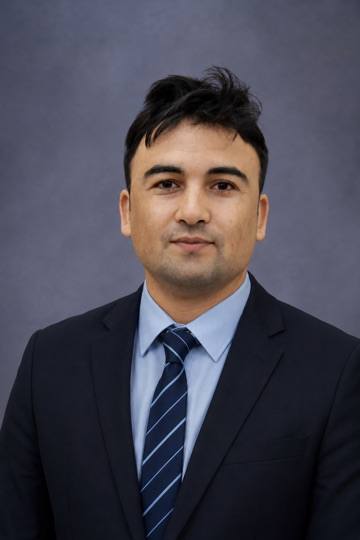
Firm operations and program direction
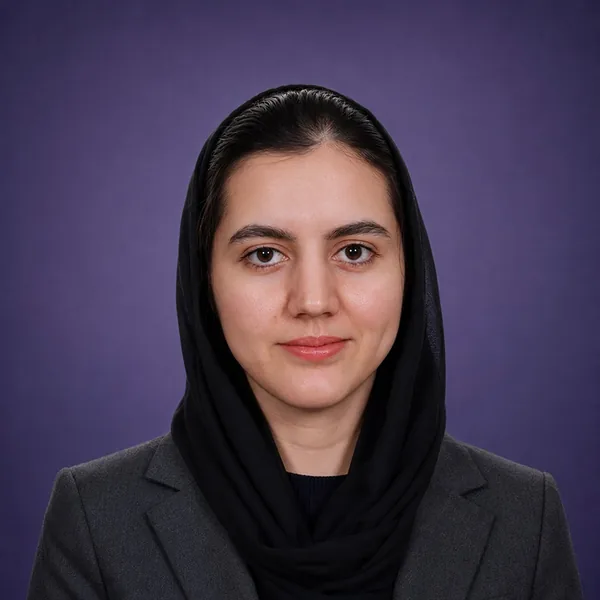
Systems and AI
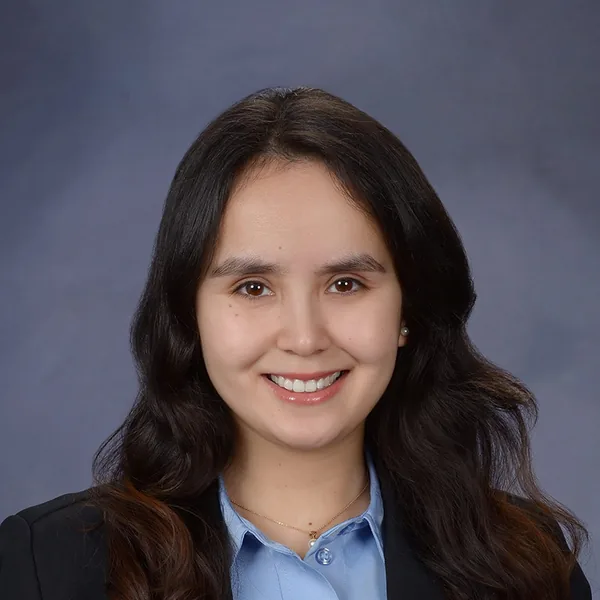
Health-profession licensing
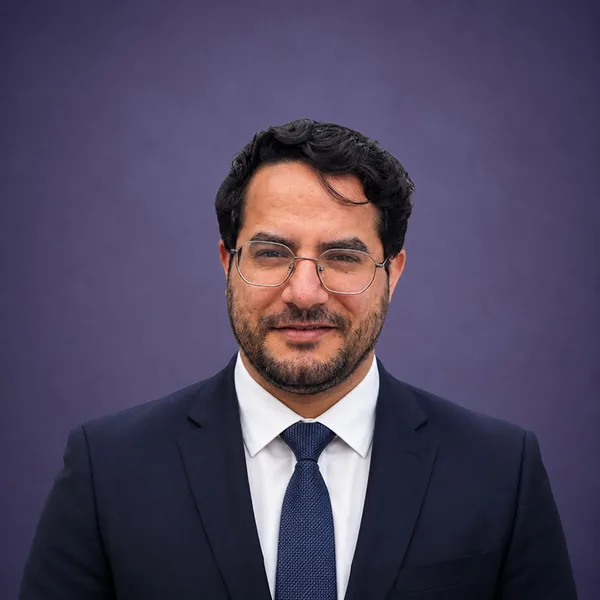
Institutional law and recognition
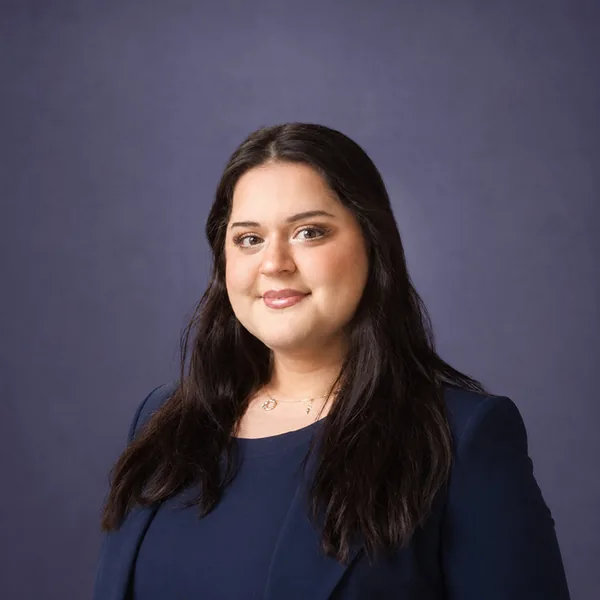
University engagements
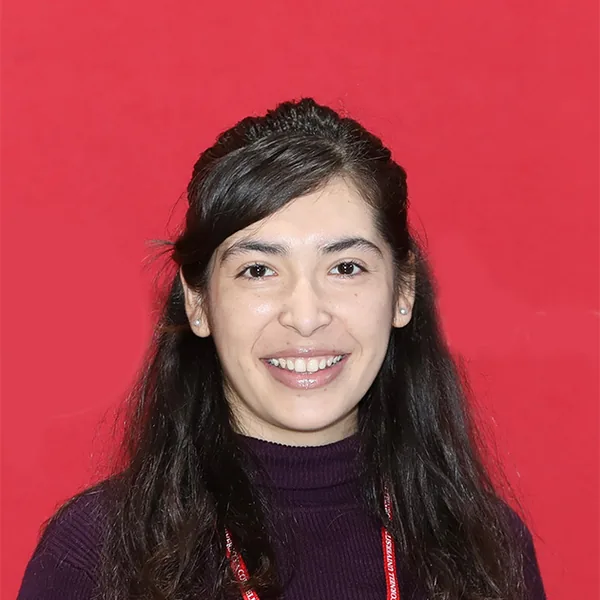
Trauma-informed interviews
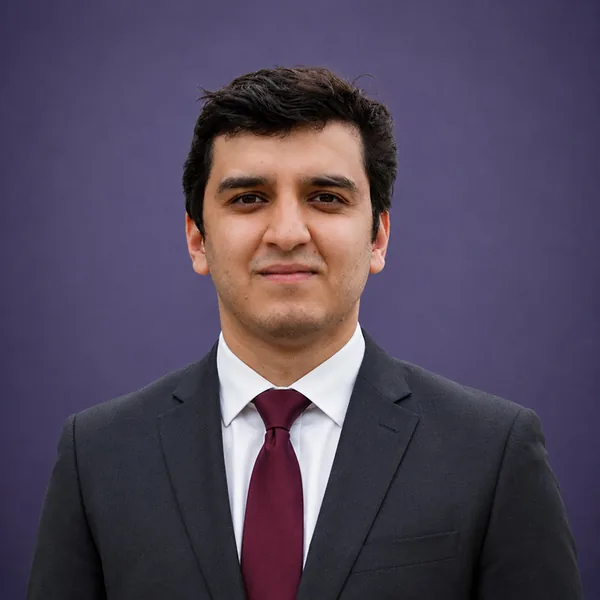
Data and AI engineering
Afghan academic records are issued in Pashto, Dari and English. We read records Afghans earned abroad in Urdu, Russian, Turkish, Hindi and Arabic, read Iranian school records through our Dari specialists, and interview applicants in all 24 Afghan languages.
Pashto interviews are matched by variety, including Kandahari, Nangarhari and others; Dari interviews by dialect, including Kabuli, Herati, Hazaragi and other Dari dialects.
Findings reports in English, and on request in French, German, Spanish, Italian, Portuguese, Swedish, Turkish, Arabic, Urdu, Hindi, Chinese, Russian or Hebrew.
From our Washington, D.C. headquarters we support institutions in every U.S. state, and in Canada, Europe and Australia depending on the type and scale of the engagement: wherever Afghan people now study, train and work.
We build the verification around the record instead of the issuer. Specialists read the document in Pashto or Dari, convert its dates, test it against how that institution issued records in that year, check the institution's licence status and corroborate it, with the applicant's consent, through sources outside Afghanistan's de facto authorities. You receive a graded findings report with the evidence behind it.
In May 2026 the ministry was reported to have suspended verification for foreign universities and told public universities not to answer foreign emails. Even where a channel reopens, we do not route requests through the de facto authorities, because contact can expose applicants and their families. We corroborate through safer, consented routes instead.
Since September 2021, World Education Services has said it cannot verify Afghan academic documents. Its Gateway Program evaluates documents supplied by displaced applicants in the United States and Canada and marks those reports as not authenticated. Our findings report can sit alongside an evaluation like that and add authenticity evidence the evaluation does not include.
The Shahadatnama (شهادتنامه) is Afghanistan's Grade 12 Graduation Certificate, issued by the Ministry of Education, usually in Pashto, Dari and English. Se-Parcha (سه پارچه) is the record of marks for grades 10, 11 and 12 that accompanies it. We check that the two agree with each other, with the school calendar and with the applicant's other records.
No. A Kankor result records a university entrance-exam score and placement from the National Examination Authority. It shows that an applicant sat the exam and where they were placed, not that they completed grade 12. Completion is shown by the Grade 12 Graduation Certificate. We verify both and reconcile their names and dates.
Add 621 to the Solar Hijri year for dates from 1 Hamal to 31 December (10 or 11 Jadi), and 622 for dates from 1 January to the end of Hut. Afghan documents use the Pashto month names Wray to Kab or the Dari names Hamal to Hut, not Iranian month names, and some documents issued since 2022 also carry Lunar Hijri dates.
Recognition is your institution's or board's decision under your own rules. What we do is test documents issued after August 2021 against post-2021 issuance: new letterheads, in-country printing since March 2024, Lunar Hijri dates, madrasa degree equivalents and private universities whose licences were later suspended or revoked. Your decision is then made on evidence.
That is common, especially for women: universities have been closed to women since 20 December 2022, and some women graduates report being refused their own certificates. We assemble a documented secondary-evidence file and, where useful, run a structured academic interview in the applicant's language, the kind of assessment the Lisbon Recognition Convention asks its parties to offer refugees whose qualifications cannot be documented.
We compare every feature with genuine issuance for that institution and year: letterhead, seals, signatures, numbering, grading legend, credit totals and arithmetic. We also look for signs of editing or generation, and screen for diploma mills, which U.S. law defines as sellers of degrees requiring little or no coursework. Reports describe diplomas sold without study at some private universities, so we test whether the program, licence and study timeline are plausible.
Yes, under the right contract. U.S. colleges and universities can designate us a school official under 34 CFR 99.31(a)(1)(i)(B), provided their annual FERPA notice includes contractors as school officials; that keeps us under your direct control and bound by 99.33(a). European and UK clients engage us under GDPR Article 28 processor terms; Canadian clients under PIPEDA or provincial privacy law; Australian clients under the Australian Privacy Principles.
No. We assess authenticity and consistency and document the evidence. Credential evaluators determine comparability, and your institution or board makes the decision. Our findings report is built to sit inside a NACES or AICE member's evaluation, an ENIC-NARIC statement of comparability or a licensing board's file.
No. Afghanistan is not a party to the Hague Apostille Convention, so documents are legalised through the issuing ministry and the Ministry of Foreign Affairs, followed by a consular step. Legalisation confirms stamps and signatures, not the content of a record, which is why stamped documents still need verification.
Document review typically takes 5 to 7 business days per file. Corroboration usually adds 10 to 20 business days depending on the sources involved, and interviews are scheduled with the applicant. Rush review and cohort terms are available for admissions cycles and scholarship programs.
When the record is genuine and needs a certified English translation.
For immigration and court matters where records cannot be obtained.
Testimony on tazkira, passports and civil records.
Identity documents, name transliteration and interview interpreting for agencies.
Admissions, student services and Title IX language access.
Preparing staff to support Afghan students and scholars.
Tell us what you have received and what you need to decide. A partner replies within one business day, under a confidentiality agreement if you need one.

