
Pashto and Dari Interpreting and Translation for Universities: Admissions, Student Services and Title IX
Certified translation of Afghan academic records, interpreters for students and families, and a Title IX hearing protocol — in Pashto, Dari and 22 more Afghan languages, delivered by our own people under FERPA terms.
Spoken-language interpreting on site in all 50 states, by video and by phone. Canada, Europe and Australia by engagement.
- Fall term
- Spring term
- Summer
- Title IX, conduct and critical incidents: any day of the year

- NovemberEarly applicationsCertified translations of Afghan records, with a consistency review.
- JanuaryRegular applicationsTranslations for the main application season, and applicant calls.
- MarchAdmission decisionsCalls with admitted students and their families.
- MayDeposits and commencementFamily interpreting at decision calls and ceremonies.
- AugustArrival and orientationInternational student services, housing and family sessions.
- October 1Clery Annual Security ReportRights, options and services notices in Pashto and Dari.
What is university interpreting and translation in Pashto and Dari?
It is language support for three parts of a university. Admissions offices need certified English translations of Afghan academic records. Student services need interpreters when students and families meet financial aid, housing, counseling or conduct staff. Title IX offices need a neutral, conflict-checked interpreter from intake to live hearing. Ariana Nexus provides all three in Pashto, Dari and 22 more Afghan languages.
- LanguagesPashto, Dari and 22 more Afghan languages, plus 13 others, into and out of English
- Matched byLanguage, variety and gender, on request
- FormatsOn site in all 50 states, by video and by phone; on-demand video for Pashto and Dari
- RecordsFERPA school-official terms, no redisclosure, no recording
- Title IXA hearing protocol written to 34 CFR 106.45, the 2020 rule in force
- DocumentsCertified, word-for-word translations with a consistency review
The university year in Pashto and Dari
Admissions, student services and Title IX, arranged the way your offices meet them.
Admissions: Afghan transcripts, diplomas and applicant interviews

Certified translation of Afghan academic records
The 12th Grade Graduation Certificate (Shahadatnama), grade 10–12 transcripts, Kankor entrance-exam results, university transcripts and degree certificates, and the tazkira or e-Tazkira — word for word, every stamp and handwritten note included, with a signed certificate of accuracy.
Consistency review for your evaluator
Names checked across documents, Solar Hijri dates converted to the Gregorian calendar, the 100-point grading scale noted, and any line printed only in Pashto or Dari flagged, so questions surface before the file reaches committee.
Applicant and family interpreting
Admissions interviews, financial-aid calls, admitted-student days and new-student orientation, by phone, by video or on site.
Admissions content for Afghan families
Web pages, letters, emails and financial-aid explainers translated into Pashto and Dari and reviewed by our Cultural Compliance Bureau.
Arrival: international students, housing and families

International student and scholar services
Advising appointments and orientation. Our interpreters interpret; immigration questions stay with your advisers and counsel.
Financial aid, bursar and registrar
Aid packages, satisfactory academic progress, payment plans and holds, explained in the student’s own language.
Housing and residence life
Roommate mediation, room changes and incident follow-up.
Family orientation and commencement
Parent sessions, family weekends and ceremonies.
Student services: interpreters for students and families across campus

Counseling and health services
Gender-matched, trauma-informed interpreters for sessions that may touch the Afghan war, the 2021 evacuation and moral injury, sometimes called moral trauma.
Disability services and advising
Accommodation meetings and academic advising.
Student conduct
Conduct meetings, hearings and appeals, interpreted in the first person.
Dean of students and critical incidents
Calls to families in the United States or abroad when a student is hospitalized or in crisis. FERPA consent still decides what is shared.
Title IX: interpreters and translators for investigations and live hearings

Intake and supportive measures
Meetings with complainants and respondents, with a gender-matched interpreter on request.
Investigation interviews
Complainants, respondents and witnesses, interpreted consecutively in the first person.Notices, evidence and reports
Notices of allegations, messages and voice notes in Pashto or Dari, investigative reports and written determinations, delivered inside the rule’s 10-day review windows.
Live hearings
In person, virtual or in separate rooms, with each cross-examination question held until the decision-maker rules on relevance.Informal resolution and appeals
Facilitated resolution meetings and appeal proceedings.
Clery Act and VAWA notifications
The written explanation of rights and options, and notices of available services, translated for students who need them in Pashto or Dari.Faculty and staff matters
Employee complaints and investigations.
How we interpret a Title IX live hearing
Seven rules our interpreters follow in every hearing, written to the 2020 regulations at 34 CFR 106.45.
Check for conflicts
Before we confirm an interpreter, we check the parties, their families and the witnesses against the interpreter’s own ties. In a small community, someone may know someone.Match the person
Gender-matched on request and variety-matched always: the interpreter speaks the party’s Pashto, or the party’s dialect of Dari.Prepare the glossary
Your policy’s terms — complainant, respondent, supportive measures, standard of evidence — agreed in Pashto and Dari before the hearing.Interpret everything, in the first person
Consecutive for testimony, complete and unedited: no summaries, no side conversations, no advice.Hold for relevance
We render a cross-examination question only after the decision-maker rules it relevant, as 34 CFR 106.45(b)(6)(i) requires before any answer.Work where the party is
In a separate-room hearing the interpreter sits with the party or joins the same video link, so everyone sees and hears the answer in real time.Leave you the record
You keep the recording or transcript the rule requires; we do not record. On request, a second qualified reviewer checks the interpreted record before an appeal.
“…a language interpreter, may accompany a party to the hearing without violating § 106.71(a) because such a person’s presence at the hearing is required by law and/or necessary to conduct the hearing.”
Where the Title IX rules stand
How an engagement runs

Scope
A call with your admissions, student-services or Title IX lead. We read your Title IX, conduct and language-access policies first.Terms
FERPA school-official terms, a GDPR Article 28 agreement for European and U.K. universities, a business associate agreement where HIPAA applies, and your security questionnaire, including the HECVAT.Glossary
Your offices’ terms agreed in Pashto and Dari and reviewed by our Cultural Compliance Bureau.Roster
Named interpreters and translators, matched by language, variety and gender, and checked for conflicts matter by matter.Delivery
On site, by video or by phone; documents with a signed certificate of translation.Records and review
An assignment record for every session — language, variety, interpreter ID, format and time — and a review with your office each term.
What we do not do
 We do not evaluate credentials or make admissions decisions.
- We do not request records from, or route files through, Afghanistan’s de facto authorities.
- We do not give immigration, legal or clinical advice. Our interpreters interpret.
- We do not act as an advisor or support person in a Title IX process, and we do not record.
- We do not put machine translation into a student record without review by a qualified human translator.
- We do not recruit students or act as an education agent. If a file belongs to a student mentored through Ariana Nexus Academy, we say so before we start, and colleagues with no Academy role handle it.
Why Ariana Nexus
How we deliver, and how we are different: a consulting firm built by Afghan scholars, not a directory of bilinguals.
Scholars, not bilinguals
From the community, checked for conflicts
Fluent in Afghan records
Trauma-informed where it matters
Our own people, one point of accountability
We set the standard where none exists
Security and compliance
The rules your office answers to, and what each one means for the interpreters and translators we send.
- August 14, 2020The 2020 Title IX regulations take effectUnited States
- January 9, 2025The 2024 Title IX rule is vacated; the 2020 rule is enforcedUnited States
- April 15, 2025Justice Department rescinds its 2002 language-access guidance; Title VI obligations continueUnited States
- August 1, 2025Condition E6 on harassment and sexual misconduct in forceEngland
- January 1, 2026Universities must meet the Higher Education Code to Prevent and Respond to Gender-based ViolenceAustralia
- September 29, 2026The 2020 Title IX regulations are restored to the Code of Federal Regulations (91 FR 61308)United States
- October 1, every yearClery Act Annual Security Report dueUnited States
- April 26, 2027ADA Title II web accessibility deadline for large public entitiesUnited States
| Rule | Reference | What it means for the work |
|---|---|---|
Rule FERPA | Reference 34 CFR 99.31(a)(1)(i)(B) · 99.33(a) | What it means for the work We work as your school official: a service your staff would otherwise perform, under your direct control over education records, with no redisclosure. |
Rule Title IX | Reference 34 CFR Part 106, 2020 rule · 106.45(b)(6)(i) · 106.71 | What it means for the work A live-hearing protocol with a relevance hold, separate-room practice and confidential identities. |
Rule Clery Act and VAWA | Reference 34 CFR 668.46(b)(11) · 668.46(k) | What it means for the work Written rights, options and services translated; proceedings interpreted to a prompt, fair and impartial standard. |
Rule Title VI | Reference 42 U.S.C. 2000d | What it means for the work National-origin discrimination remains prohibited. The Justice Department’s April 2025 notice rescinding its language-access guidance states that denying language assistance can be evidence of discrimination under certain circumstances. |
Rule ADA Title II and Section 504 | Reference 28 CFR Part 35, Subpart H · WCAG 2.1 AA | What it means for the work Translated documents for your website delivered accessible, ahead of the April 26, 2027 compliance date for large public entities. |
Rule HIPAA | Reference 45 CFR 160.103 | What it means for the work Most campus counseling records are FERPA treatment records, not protected health information; where your health center is a covered entity, we sign a business associate agreement. |
Rule GDPR and UK GDPR | Reference Articles 9 and 28 | What it means for the work Processor terms for universities in Europe and the United Kingdom; Title IX and counseling data handled as special-category data. |
Rule Outside the United States | Reference OfS condition E6 · Australia’s gender-based violence code · Ontario and British Columbia | What it means for the work We align interpreting and translation to the rules your university reports to in England, Australia and Canada. |
Rule Refugee qualifications | Reference Lisbon Recognition Convention, Art. VII · UNESCO Global Convention · Council of Europe EQPR | What it means for the work Where documents are missing, evaluators may assess by interview. We interpret those interviews and translate the documents that exist. |
Security
 Encrypted storage and transfer
- Access limited to the assigned team
- No recording by default
- Interpreters on U.S. assignments located in the United States
- Files destroyed on your schedule, confirmed in writing
- No data path to Afghanistan’s de facto authorities
Procurement
- SAM.gov active · UEI M2UDMUDFXGL9 · CAGE 1Z3A3
- NAICS 541930, translation and interpretation
- Headquarters in Washington, D.C.; registered vendor in 37 states; work in all 50
- W-9 and supplier onboarding documents on request
- Purchase order, card or term agreement
- Canada, Europe and Australia by engagement
The people who deliver this service
Ariana Nexus is led and operated by alumni and scholars of Cornell, Brown, the University of Chicago, the University of British Columbia and other universities — people who have sat on the other side of the admissions offices and student services they now support.
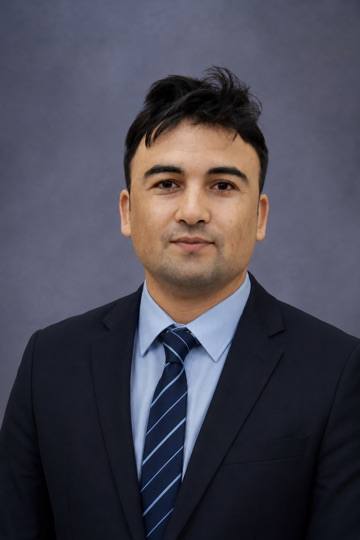
Hassan Ukasha
Hassan oversees Ariana Nexus’s operations and this university program. He is the executive sponsor on every engagement: he sets the conflict-check, confidentiality and quality standards our interpreters and translators work to, and he is your escalation point at any stage, from the first admissions file to a Title IX appeal.
- B.S.Cornell University
- M.P.H.Cornell University
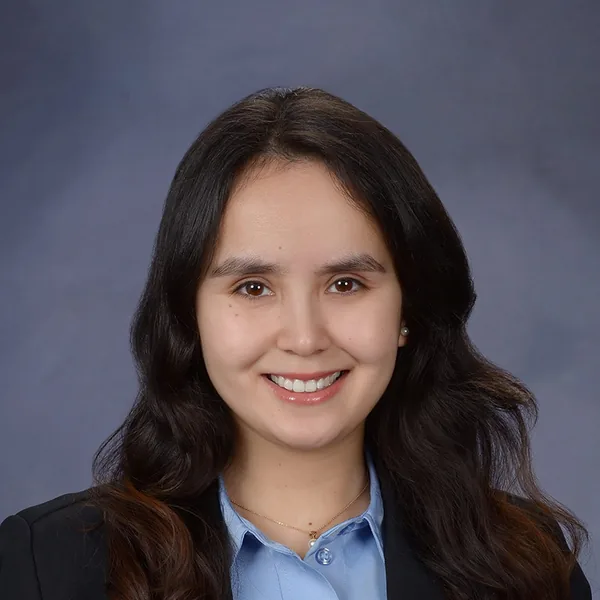
Tamana Ghaznawi
- B.S.Cornell University
- M.P.H.Cornell University
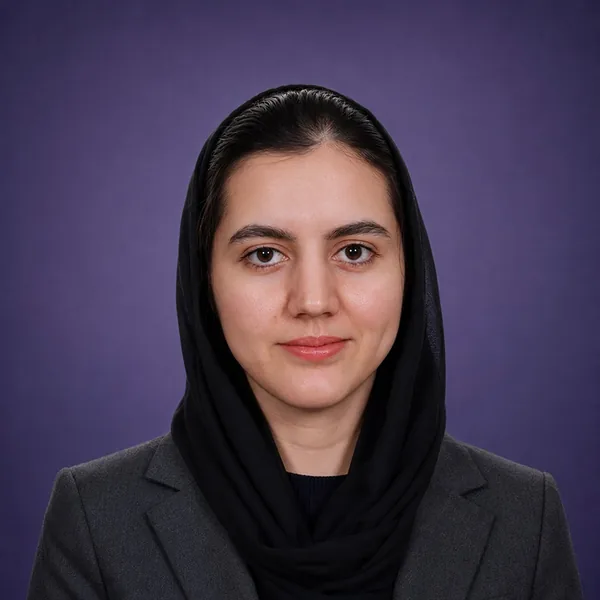
Zeba Haqbani
- B.Sc.University of British Columbia
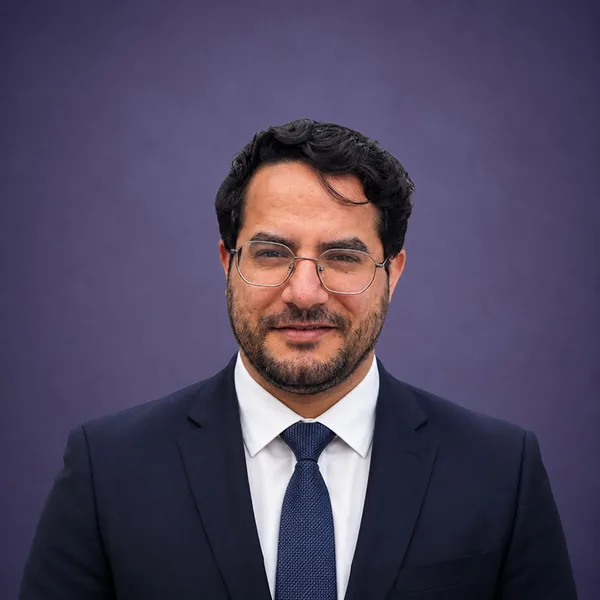
Wasil Peroz
- B.A.Milli University
- M.Sc.Otto-von-Guericke University Magdeburg
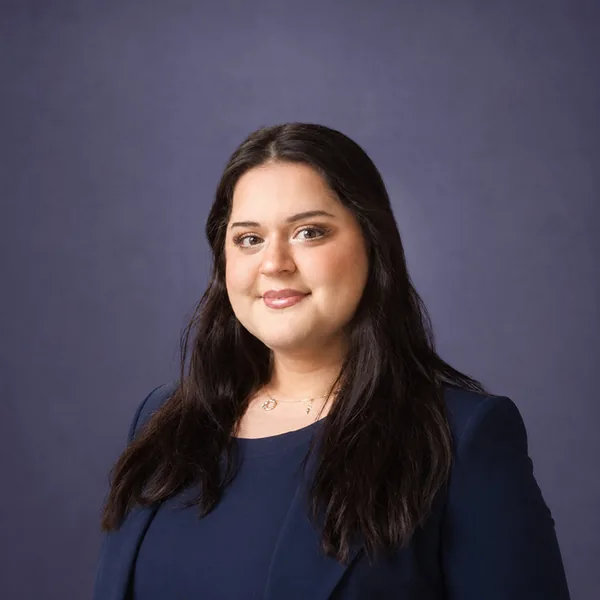
Maryam Safi
- B.A.Cornell University
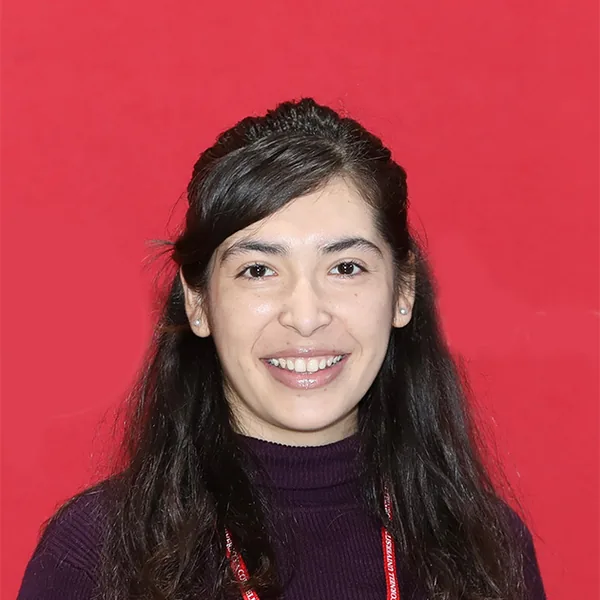
Diana Ayubi
- B.A.Cornell University
- Psy.D.West Chester University
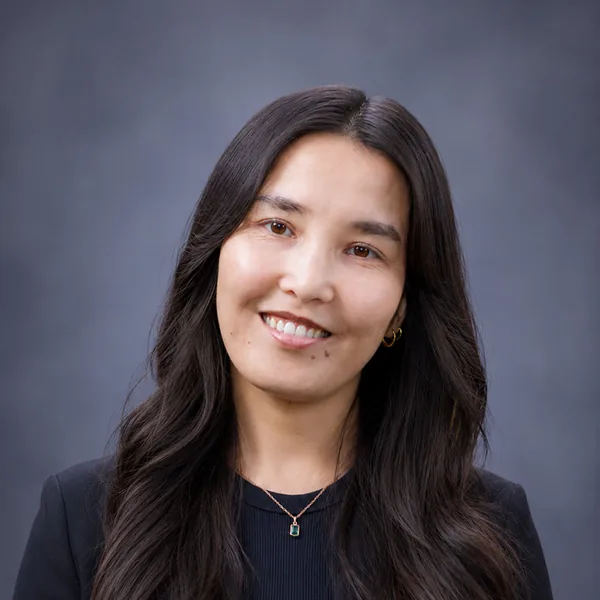
Shukria Sakhi
- B.S.Brown University
- M.P.H.Brown University
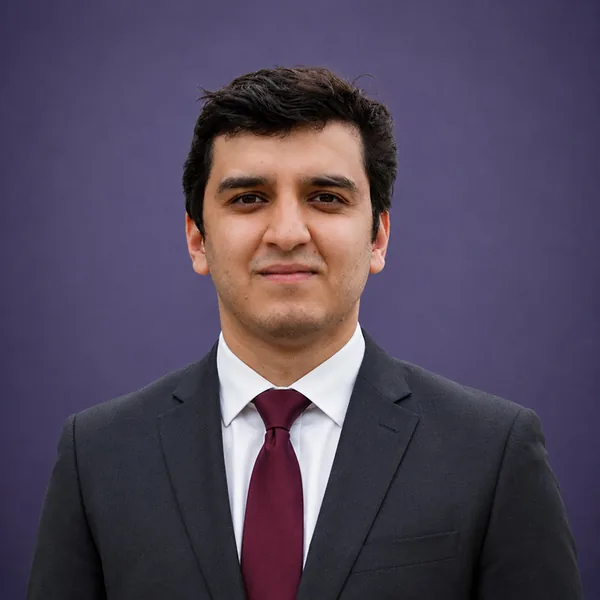
Hussain Ahmad
- M.Eng.Cornell University
- Ph.D.University of Chicago
Cultural Compliance Bureau
The interpreter bench
Pashto, Dari and 22 more Afghan languages
We match the variety, not just the language: southern and northern Pashto; Afghan Dari, not Iranian Persian, including the Kabuli, Herati and Hazaragi dialects; and Afghan Turkmeni, not the standard Turkmen of Turkmenistan.
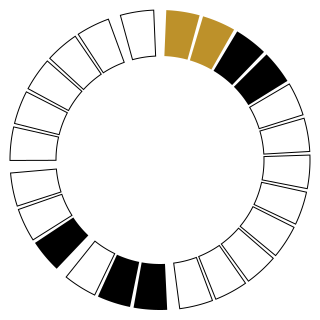
Iranian · 12
- Pashtoپښتو
- Dariدری
- Aimaqایماق
- Balochiبلوچی
- Ormuriارمړي
- Parachiپراچی
- Wakhiوخی
- Shughniشغنی
- Sanglechiسنگلیچی
- Ishkashimiاشکاشمی
- Munjiمنجی
- Yidghaیدغه
Turkic · 3
- Uzbekiازبیکی
- Turkmeniترکمنی
- Kyrgyzقرغیزی
Indo-Aryan · 3
- Pashayiپشهیی
- Gawarbatiگواربتی
- Tirahiتیراهی
Nuristani · 5
- Nuristani (Ashkun group)نورستانی
- Katiکتی
- Prasunپارون
- Waigaliویگلی
- Tregamiتریگامی
Dravidian · 1
- Brahuiبراهوی
- On demand: Pashto, DariVideo and phone on demand; on site with 24 hours’ notice.
- Scheduled: Aimaq, Balochi, Uzbeki, Turkmeni, PashayiVideo and phone the same or next business day; on site with 48 hours’ notice.
- By arrangement: the other 17 languagesWe confirm availability, variety and timing before you book, usually within two business days.
Thirteen more languages
This service in Pashto and Dari
This service in 13 more languages
- FrenchInterprétation et traduction pour les universités en pachto et en dari : admissions, services aux étudiants et Title IX
- GermanDolmetschen und Übersetzen für Hochschulen auf Paschtu und Dari: Zulassung, Studierendenservice und Title IX
- SpanishInterpretación y traducción para universidades en pastún y dari: admisiones, servicios estudiantiles y Title IX
- ItalianInterpretariato e traduzione per le università in pashto e dari: ammissioni, servizi agli studenti e Title IX
- PortugueseInterpretação e tradução para universidades em pashto e dari: admissões, serviços ao estudante e Title IX
- SwedishTolkning och översättning för universitet på pashto och dari: antagning, studentservice och Title IX
- TurkishÜniversiteler için Peştuca ve Darice sözlü ve yazılı çeviri: kabul, öğrenci hizmetleri ve Title IX
- RussianУстный и письменный перевод для университетов на пушту и дари: приём, студенческие службы и Title IX
- Chinese面向大学的普什图语和达里语口译与笔译:招生、学生服务与 Title IX
- Arabicالترجمة الفورية والتحريرية للجامعات باللغتين البشتوية والدارية: القبول وخدمات الطلاب وTitle IX
- Urduیونیورسٹیوں کے لیے پشتو اور دری میں ترجمانی اور ترجمہ: داخلے، طلبہ کی خدمات اور Title IX
- Hindiविश्वविद्यालयों के लिए पश्तो और दरी में मौखिक और लिखित अनुवाद: प्रवेश, छात्र सेवाएँ और Title IX
- Hebrewתרגום בעל פה ובכתב לאוניברסיטאות בפשטו ובדארי: קבלה, שירותי סטודנטים ו‑Title IX
Afghan students in U.S. higher education
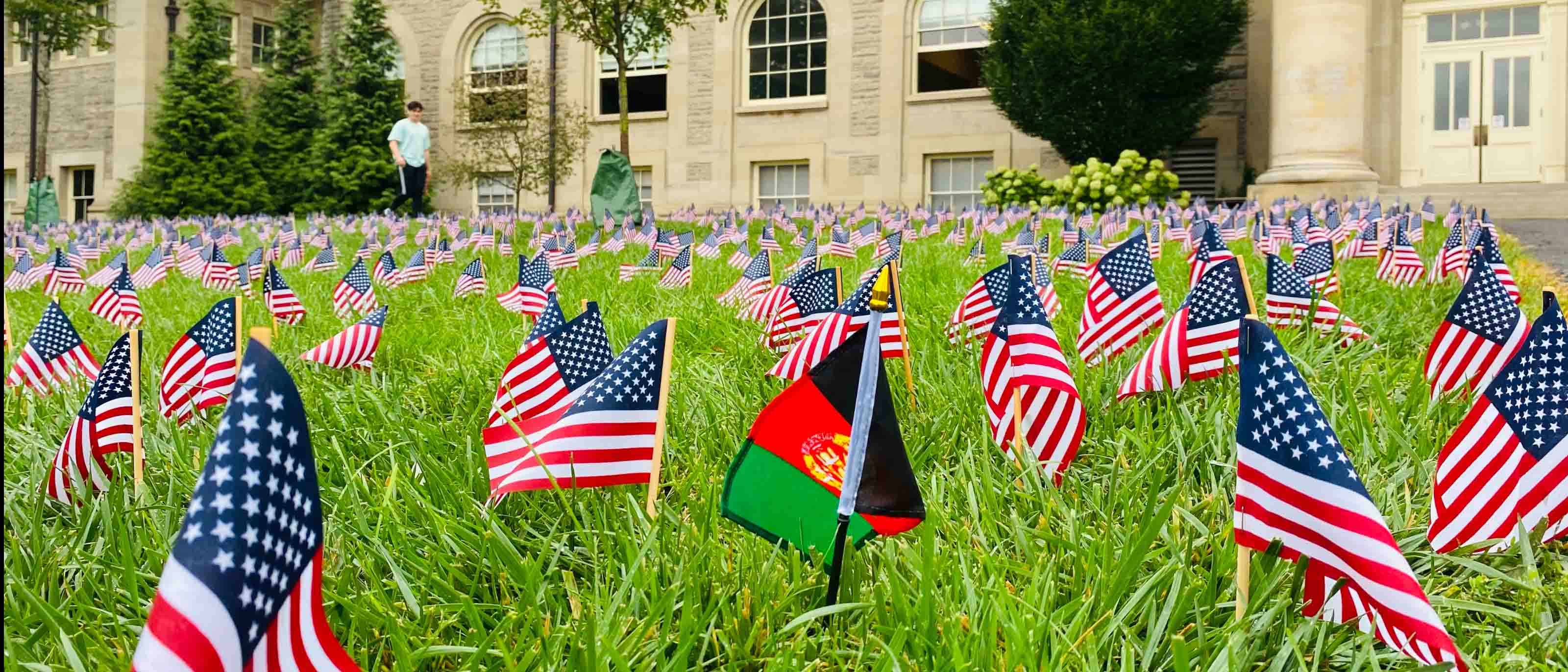
Since June 2025, presidential proclamations have suspended U.S. entry for Afghan nationals, including on student visas, so most Afghan applicants you see today are already in the United States.
Students from Afghanistan on U.S. student visas, by academic year
| Year | Students |
|---|---|
| 2017/18 | 476 |
| 2018/19 | 418 |
| 2019/20 | 422 |
| 2020/21 | 354 |
| 2021/22 | 420 |
| 2022/23 | 682 |
| 2023/24 | 702 |
| 2024/25 | 712 |
- 233,938People born in Afghanistan living in the United States in 2024.U.S. Census Bureau, American Community Survey 2024 1-year estimate, table B05006
- 56%of Afghans in the U.S. age 5 and older speak English less than “very well,” against 46% of all immigrants.Migration Policy Institute, Afghan Immigrants in the United States (February 2024), 2022 data
- 2.4 millionAfghan girls excluded from secondary school in 2026. Women have been barred from Afghan universities since December 20, 2022.UNESCO, August 11, 2026 statement; UNESCO Afghanistan education emergency page
Sources and notes
- 34 CFR 106.45 (2020 text) and 106.71
- Title IX final rule preamble, 85 FR 30026 (May 19, 2020)
- Recodification of Title IX Rules, 91 FR 61308 (September 29, 2026)
- U.S. Department of Education: enforcement of the 2020 Title IX rule
- 34 CFR Part 99 (FERPA)
- 34 CFR 668.46 (Clery Act)
- Justice Department notice rescinding 2002 LEP guidance, 90 FR 15721 (April 15, 2025)
- ADA Title II web rule compliance-date extension, 91 FR 20902 (April 20, 2026)
- IIE Open Doors 2025, Afghanistan fact sheet
- Migration Policy Institute: Afghan Immigrants in the United States
- UNESCO: five years on, the right to education for Afghan girls and women
- WES Gateway Program
- Council of Europe: European Qualifications Passport for Refugees
- U.S. Department of State: consular notification, Afghanistan
Questions universities ask
Reviewed October 4, 2026 by Ariana Nexus. Regulatory references are checked each term.
Will universities accept certified translations of Afghan transcripts and diplomas?
Most U.S. universities and credential evaluators ask for a complete, word-for-word English translation of every document not issued in English, with a translator’s signed statement of accuracy. That is what we deliver, stamps and handwritten notes included. Acceptance is always the decision of your institution or evaluator, and where a jurisdiction requires a sworn translator, as Germany’s uni-assist does, we tell you at intake.
What is a Shahadatnama, and how do you translate it?
The Shahadatnama is Afghanistan’s 12th Grade Graduation Certificate, formerly called the Baccalaureate, issued by the Ministry of Education at the end of grades 10 to 12. Many are printed in English, Pashto and Dari. We translate every line that appears only in Pashto or Dari, including seals, and convert Solar Hijri dates to the Gregorian calendar.
What if an Afghan applicant cannot get documents sent from Afghanistan?
There has been no Afghan embassy or consulate in the United States since 2022, and we never request records from Afghanistan’s de facto authorities. We translate the documents the applicant holds and flag what an evaluator is likely to ask. Routes built for missing documents include the WES Gateway Program in the United States and Canada and the Council of Europe’s European Qualifications Passport for Refugees.
Does WES evaluate credentials from Afghanistan?
Yes. World Education Services evaluates Afghan credentials, requires exact, word-for-word translations by a professional translator, and runs a Gateway Program for displaced applicants in the United States and Canada, with Afghanistan on its eligible list. We translate for WES and other evaluators; we do not evaluate.
Can a friend or family member interpret in a Title IX interview?
It is not good practice. A relative or friend may be a witness, may know the other party, and cannot offer the confidentiality 34 CFR 106.71 requires. Some universities now write this into policy: a qualified interpreter offered at no cost, a friend or relative only if the person asks after that offer, the choice documented, and overruled where confidentiality or a conflict is at stake.
How does interpreting work in a Title IX live hearing with separate rooms?
Under the 2020 rule, either party can ask to sit in a separate room, with technology that lets everyone see and hear the person answering in real time. Our interpreter works in the party’s room or on the same video link, interprets consecutively in the first person, and renders each cross-examination question only after the decision-maker rules it relevant.
Is the 2020 Title IX rule still in force?
Yes. A federal court vacated the 2024 Title IX rule on January 9, 2025, and on September 29, 2026 the Department of Education restored the 2020 regulations to 34 CFR Part 106 (91 FR 61308). Our hearing protocol is written to that text of 34 CFR 106.45, including the relevance ruling the decision-maker makes before any cross-examination question is answered.
Are your interpreters and translators bound by FERPA?
Yes, by contract. We work as a school official under 34 CFR 99.31(a)(1)(i)(B): we perform a service your staff would otherwise perform, under your direct control over education records, and we are bound by the no-redisclosure rule in 34 CFR 99.33(a).
Can counseling sessions be interpreted confidentially in Pashto or Dari?
Yes. Counseling assignments go to gender-matched interpreters trained in a trauma-informed protocol set by Diana Ayubi, Psy.D., for sessions that may touch the Afghan war, the 2021 evacuation or moral injury. At most universities counseling records are FERPA treatment records rather than HIPAA records; where your health center is a HIPAA covered entity, we sign a business associate agreement.
Can international student services book a Pashto or Dari interpreter on short notice?
Yes. Pashto and Dari are available by video and phone on demand, and on site with 24 hours’ notice. Uzbeki, Turkmeni, Balochi, Pashayi and Aimaq are scheduled the same or next business day. Our interpreters interpret; immigration questions stay with your advisers and counsel.
Do you interpret for student conduct hearings and calls to families?
Yes: conduct meetings, hearings and appeals, and critical-incident calls to families in the United States or abroad. FERPA consent still decides what may be shared with a parent. The interpreter changes the language, not the rules.
Why not use Google Translate or AI for Pashto or Dari?
Machine translation is useful for a first look at a text, not for a record. Engines still make meaning-changing errors in Pashto and Dari that a non-speaker cannot see, and some return Iranian Persian where Afghan Dari was needed. Nothing we deliver into a student record, a notice or a hearing is machine output without review by a qualified human translator.
Which Afghan languages do you cover besides Pashto and Dari?
Twenty-two more: Uzbeki, Turkmeni, Balochi, Pashayi, Aimaq, Kyrgyz, Brahui, Ormuri, Parachi, Wakhi, Shughni, Sanglechi, Ishkashimi, Munji, Yidgha, Gawarbati, Tirahi, Nuristani (Ashkun group), Kati, Prasun, Waigali and Tregami. We also work in French, German, Spanish, Italian, Hebrew, Arabic, Hindi, Urdu, Portuguese, Chinese, Russian, Turkish and Swedish.
Will you sign our data security addendum and complete a HECVAT?
Yes. We sign FERPA and data security addenda, a GDPR Article 28 processor agreement for universities in Europe and the United Kingdom, and a business associate agreement where HIPAA applies. We complete your security questionnaire, including the HECVAT, during onboarding.
How can a university buy from Ariana Nexus?
By purchase order or card for single assignments, or by a term or annual agreement for admissions, counseling and Title IX work. Ariana Nexus is active in SAM.gov (UEI M2UDMUDFXGL9, CAGE 1Z3A3), is registered as a vendor in 37 states, and works across all 50.
Do you work with universities outside the United States?
Yes, in Canada, the United Kingdom, Europe and Australia, depending on the type and scale of the work. We align to the rules each university reports to: condition E6 of the Office for Students in England, Australia’s Higher Education Code to Prevent and Respond to Gender-based Violence, Ontario’s and British Columbia’s sexual violence policy laws, and the GDPR.
Related services
- Education and Research
School Interpreters for IEP Meetings, Enrollment and Parent-Teacher Conferences in Pashto, Dari and 22 More Afghan Languages
For K-12 families and schools. - Education and Research
IEP, Parent Notice and School Document Translation in Pashto, Dari and 22 More Afghan Languages
For K-12 documents. - Education and Research
Survey and Research Instrument Translation and Validation in Pashto and Dari (IRB and Back-Translation Ready)
Translation, adaptation and validation of surveys, scales and consent forms for IRB-approved research. - Education and Research
Certified Transcript, Diploma and Academic Record Translation
Certified translation of Afghan transcripts, diplomas, Shahadatnama, Se-Parcha and Kankor results from Pashto and Dari for WES, USCIS, IRCC and universities. - Education and Research
Cultural training for teachers and school staff
Afghan cultural competency training for every adult in the school: enrollment, interrupted schooling, families, trauma-informed practice and interpreters. - Education and Research
English Learner Program Compliance Review
An independent review of your English learner program against Title VI, the EEOA, Title III and state law, with Afghan-specific checks and family interviews in Pashto and Dari. - Healthcare and Life Sciences
Mental Health and Trauma-Informed Interpreting for Afghan Patients
For hospitals and clinics; campus counseling is covered on this page. - Legal, Regulatory, and Justice
Certified Pashto and Dari Translation of Afghan Documents for USCIS and Courts
For immigration and court filings; admissions records are covered here. - Legal, Regulatory, and Justice
Forensic Transcription and Translation of Pashto and Dari Audio, Video, and Chat Evidence
For litigation evidence; Title IX evidence is covered here.
Plan Pashto and Dari coverage for your campus
Tell us which offices need coverage. We sign your FERPA terms or nondisclosure agreement before you share anything.
Request a proposal