- Home
- Services
- Government and Public Sector
- Afghanistan Third-Party Monitoring, Evaluation and Remote Surveys
Afghanistan Third-Party Monitoring, Evaluation and Remote Surveys
Program monitoring, evaluation and research for Afghanistan, designed, run and quality-assured from outside the country, in Pashto, Dari and 22 more Afghan languages.
For donors, UN agencies, development banks and implementing partners who need evidence that holds up to an audit, a board and an inspector general.
How we verify without field visits- Every record encrypted
- Every identity separated
- Every access logged
- Nothing stored in Afghanistan
Data protection controls, layer by layer
What protects a respondent’s answers at each step, and the evidence you can ask to see.
Collection
Identity
Access
Analysis
Delivery
Retention
Jurisdiction
What is third-party monitoring for Afghanistan programs?
Third-party monitoring (TPM) is independent verification, by an organization that neither funds nor implements a program, that assistance reached the people it was meant for, in the quantity and quality reported, without diversion or interference. In Afghanistan, where most donors have had no staff in the country since 2021, it is how programs stay accountable.
Monitoring
Evaluation
Research
What “from outside the country” means
Our interviewers, analysts and systems work outside Afghanistan. Respondents are reached by phone, voice message and text; delivery is verified through call-backs, records, geotagged evidence and satellite imagery. Nothing we collect is stored in Afghanistan, and nothing is shared with the de facto authorities.
Afghanistan monitoring, evaluation and research services
Five services, used alone or together, each built for evidence gathered from outside the country.
Third-party monitoring (TPM) design“Can we defend this program to our board?”


- Monitoring frameworks and verification protocols
- Risk-based sampling of sites, partners and beneficiaries
- Red-flag definitions and escalation rules for diversion, interference, exclusion and safety
- Terms of reference for field monitoring providers, and oversight of their data
Remote surveys and phone interviews“Did people receive what was reported?”


- Baseline, midline and endline surveys
- Post-distribution monitoring (PDM) and beneficiary verification calls
- Household, market and returnee panels
- Afghan diaspora surveys in Europe and North America
Data quality assurance and audits“Can we trust the numbers we are given?”


- Back-checks, audio audits and paradata review
- Daily high-frequency checks and fabrication detection
- Data quality assessments on validity, integrity, precision, reliability and timeliness
- Reconciliation of partner-reported figures against independent evidence
Program evaluation“Did it work, and why?”


- Theory-based designs and contribution analysis
- Rapid, real-time and learning reviews
- Evaluability assessments before an evaluation is commissioned
- Management responses and recommendation tracking
Research and analysis“What should we fund next?”


- Needs assessments and baseline studies
- Gender and inclusion analysis, including women-only samples
- Thematic coding of community feedback in Pashto and Dari
- Secondary analysis of national survey data such as MICS
How we verify Afghanistan programs without field visits
No single remote source is enough. Every finding is built from independent evidence streams and graded by how many of them agree.
The two-stream rule
We call a finding verified only when two independent evidence streams agree, for example a beneficiary call-back and the partner’s distribution record. One stream makes a finding partially verified. Anything we cannot reach remotely is reported as not verifiable, never guessed.
- Verified. Two or more independent streams agree.
- Partially verified. One stream supports the finding.
- Not verifiable remotely. Needs field evidence. We specify what, and how to check it.
Phone, voice and text surveys
Key informant interviews
Records and partner data
Geotagged photos and metadata
Satellite imagery
What remote methods cannot verify
The quality of concrete under a road surface, the contents of a sealed medicine box, or cash counted behind a closed door. When a question needs eyes on the ground, we say so in the design and specify how field evidence should be collected, checked and sent to us for review.
Seven data quality checks between the phone call and your dataset
Every record passes the same seven checks, and every check leaves evidence you can inspect.
Translated and tested
Every instrument is translated, independently back-translated and tested in cognitive interviews before fieldwork.Evidence: Translation memory and cognitive-test notesInterviewer certified
No interviewer makes a live call until they pass the certification for that instrument.Evidence: Certification record for each interviewerSafe to talk
A safety and consent check comes before question one, every time.Evidence: Consent and safety flag on every recordParadata captured
Timestamps, durations, skips and call attempts are recorded for every interview.Evidence: Paradata fileChecked daily
High-frequency checks flag outliers, logic breaks, duplicates, speeding and interviewer effects within 24 hours.Evidence: Daily high-frequency check reportBack-checked
At least 10 percent of completed interviews, and every flagged one, are re-contacted by a second interviewer.Evidence: Back-check logAudited and weighted
Consented recordings are audited, samples are weighted for phone coverage, and response rates are reported to AAPOR Standard Definitions.Evidence: Audio audit sheet, weights and AAPOR outcome rates
You receive the clean dataset with its codebook, paradata, back-check log and a methods note that states every limitation.
Respondent safety, data protection and sanctions compliance
In Afghanistan, a careless survey can put a respondent at risk. Safety is designed in before the first call.
Do no harm
Trauma-informed interviewing
Sanctions screening
Independence
The standards this work is built around
- OECD DAC evaluation criteria2019
- UNEG Norms and Standards for Evaluation2016
- UNEG Ethical Guidelines for Evaluation2020
- ALNAP Evaluation of Humanitarian Action guide2016
- Core Humanitarian Standard2024
- IASC Operational Guidance on Data Responsibility2023
- ICRC Handbook on Data Protection in Humanitarian Action3rd ed., 2024
- ISO 20252 survey research service requirements2026
- AAPOR Standard Definitions10th ed., 2023
- ICC/ESOMAR International Code2016
- GDPR and UK GDPREU 2016/679
- OFAC Afghanistan-related general licenses; UN Security Council resolutions 2615 and 26642021–2022
- SAM.govActive
- UEIM2UDMUDFXGL9
- CAGE1Z3A3
- State vendor registrations37 U.S. states
- HeadquartersWashington, D.C.
Why Afghanistan programs are monitored remotely now
Remote monitoring is no longer the fallback. For most programs, it is the monitoring.
Most donors have had no staff in Afghanistan since August 2021. Afghan women were barred from working for NGOs in December 2022 and for the UN in April 2023, and in September 2025 women UN staff were stopped from entering UN compounds. Humanitarian funding received fell from $3.27 billion in 2022 to $0.99 billion in 2025, and every remaining dollar faces harder questions about where it went.14
Humanitarian funding received for Afghanistan
Why Ariana Nexus for Afghanistan monitoring and evaluation
No certification exists for Pashto or Dari survey translation, or for remote interviewing in Afghan languages. We wrote the standard we work to, and every interviewer is trained and tested on it before their first call.
Built for remote
Women interview women
Language to the dialect
Scholars, not bilinguals
Independent by structure
Auditable end to end
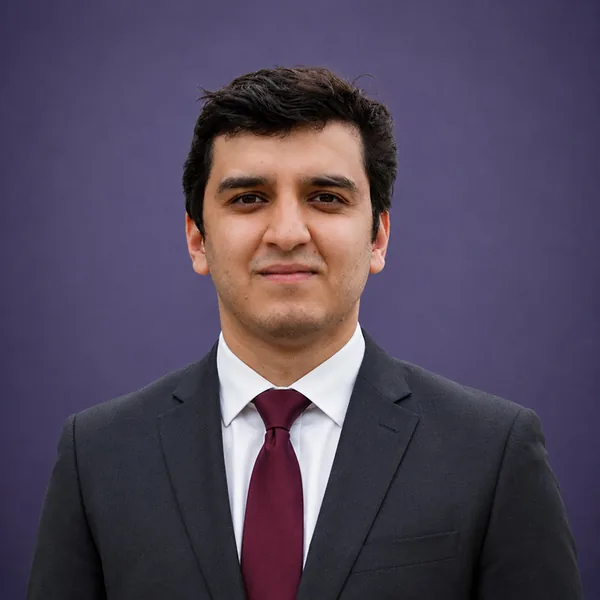
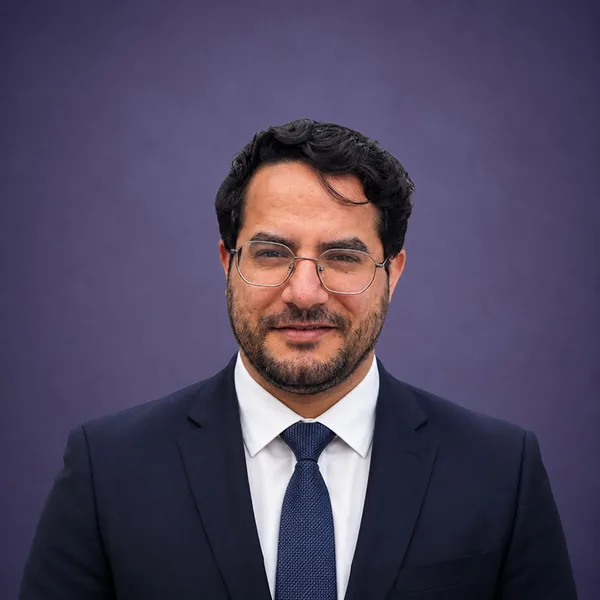
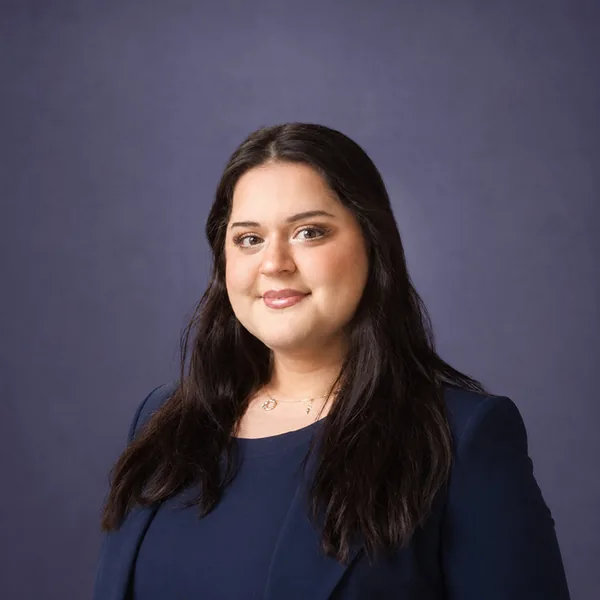
The team behind Afghanistan monitoring and evaluation
Monitoring, evaluation and research at Ariana Nexus is led by scholars who studied at Cornell University, the University of Chicago, the University of British Columbia and Otto-von-Guericke University Magdeburg, and delivered with native speakers of every language we survey in. Many of us come from the Afghan communities we survey.

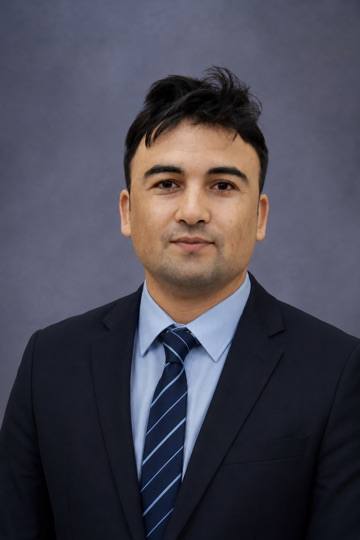
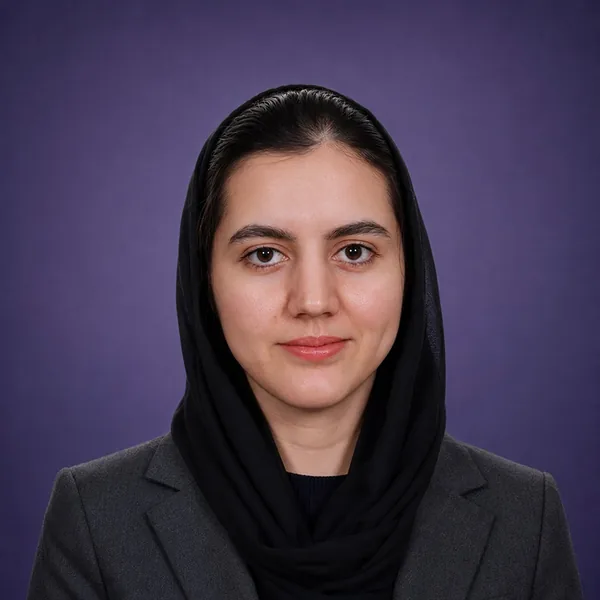
Hassan Ukasha
- B.S., Cornell University
- M.P.H., Cornell University
- Languages: Pashto, Dari, English, Urdu, Hindi; working Arabic

Zeba Haqbani
- B.Sc.,University of British Columbia

Hussain Ahmad
- M.Eng.,Cornell University
- Ph.D.,University of Chicago

Wasil Peroz
- B.A.,Milli University
- M.Sc.,Otto-von-Guericke University Magdeburg

Maryam Safi
- B.A.,Cornell University
Cultural Compliance Bureau
Language bench
How this team is different
Most remote monitoring is handed to call centers and enumerator pools. Ours is not. The people who design your instruments train the interviewers, read the paradata and sign the report.
Surveys in Pashto, Dari and 22 more Afghan languages, reports in yours
We interview in the language a respondent thinks in, matched to dialect and region, and report in the language your headquarters reads.
Reporting and briefing languages
Iranian
- Pashto
- Dari
- Aimaq
- Balochi
- Ormuri
- Parachi
- Wakhi
- Shughni
- Sanglechi
- Ishkashimi
- Munji
- Yidgha
Turkic
- Uzbeki
- Turkmeni
- Kyrgyz
Indo-Aryan
- Pashayi
- Gawarbati
- Tirahi
Nuristani
- Nuristani (Ashkun group)
- Kati
- Prasun
- Waigali
- Tregami
Dravidian
- Brahui
Who we work with
- Donor governments and development agenciesEvidence for ministers, parliaments and auditors.
- UN agencies and pooled fundsVerification across partners, provinces and clusters.
- Development banks and trust fundsIndependent assurance on grants delivered through third parties.
- Implementing partners and NGOsCredible results reporting when staff movement is restricted.
- Foundations and philanthropiesProof that grants reached Afghan people as intended.
- Inspectors general, audit and evaluation officesData quality audits and independent evaluation.
- Universities, research institutes and think tanksSurvey fieldwork and analysis in Afghan languages.
What you receive
- Within 24 hoursRed-flag alerts for confirmed diversion, interference, exclusion or safety incidents, each with its evidence grade.
- WeeklyA data quality bulletin while fieldwork runs.
- MonthlyA monitoring report and dashboard update.
- Every roundThe clean dataset, codebook, paradata, back-check log and methods note.
- Every evaluationA report with executive summary, technical annex and management-response template.
- At closeA community summary in Pashto and Dari, and a written data destruction record.
Ways to engage
- Design · Typically 4–8 weeksMonitoring framework, verification protocol, sampling plan and terms of reference.
- Collect · Rounds of 2–6 weeksRemote surveys, call-backs and interviews, as a single round or continuously.
- Assure · Monthly or quarterlyIndependent data quality assurance of partner or field-monitor data.
- Evaluate · Typically 8–16 weeksMid-term, final and ex-post evaluations and research studies.
Headquartered in Washington, D.C. We work across all 50 U.S. states, are registered as a vendor in 37 of them, and take on projects in Canada and Europe depending on their type and scale.
Afghanistan third-party monitoring: frequently asked questions
What is third-party monitoring in Afghanistan?


Third-party monitoring (TPM) is independent verification, by an organization that neither funds nor implements a program, that assistance reached the intended people in the reported quantity and quality, without diversion or interference. Since 2021, most donors working in Afghanistan have relied on it because their own staff cannot travel there. The World Bank describes the monitoring of the Afghanistan Resilience Trust Fund as its largest third-party monitoring program.
Can Afghanistan programs be monitored credibly from outside the country?


Yes, for most questions donors ask: whether people received assistance, how much, when, whether anyone demanded a fee, and whether women were reached. We verify these through beneficiary call-backs, phone surveys, key informant interviews, partner records, geotagged evidence and satellite imagery, and call a finding verified only when two independent streams agree. Where a question needs eyes on the ground, such as construction quality, we say so and specify the field evidence required.
How do you reach women respondents in Afghanistan?


Women are interviewed by women. Our female interviewers work outside Afghanistan, are matched to the respondent’s language and dialect, and follow a protocol that confirms it is safe to talk before any question is asked. It matters: in September 2025, UNHCR said it could not interview the 52 percent of returnees who are women without female staff.
How do you protect respondents and their data?


Every engagement starts with a do-no-harm review. Interviews begin with a safety and consent check, respondents can stop at any time, and sensitive topics run only after a written risk review. Data is encrypted in transit and at rest, identities are stored apart from answers, access is role-based, and a written destruction record closes every engagement. Nothing is stored in Afghanistan or shared with the de facto authorities.
How do you detect fabricated or low-quality survey data?


Seven checks run between the call and the dataset. Paradata records each interview’s timing and path; daily high-frequency checks flag outliers, logic breaks, duplicates, speeding and interviewer effects; a second interviewer back-checks at least 10 percent of completed interviews and every flagged one; and consented recordings are audited. Response rates are reported to AAPOR Standard Definitions, and every limitation is stated in the methods note.
What happens during an internet or phone shutdown in Afghanistan?


Each engagement has a written continuity plan, and the 48-hour nationwide telecommunications shutdown of September 2025 showed why. Fieldwork pauses safely, call schedules and quotas are rebuilt when networks return, and records and satellite imagery continue to be analyzed. We report any gap in coverage rather than filling it with estimates.
Which languages do you survey and report in?


We interview in Pashto, Dari and 22 more Afghan languages, including Uzbeki, Turkmeni, Balochi, Pashayi, the Nuristani languages and the Pamir languages, matched to the respondent’s dialect and region. We report in English and, on request, in French, German, Spanish, Italian, Portuguese, Arabic, Turkish, Russian, Chinese, Urdu, Hindi and Hebrew.
How do you handle sanctions on Afghanistan?


Partners, vendors and payment channels are screened against the OFAC, UN 1988 Committee, EU and UK sanctions lists before work begins, and respondent incentives move only through channels cleared in the engagement’s sanctions review. We have no office or staff in Afghanistan and never share data with, request data from, or store data on systems controlled by the de facto authorities. We are not a law firm; your counsel keeps the final word.
Do you use AI in monitoring and evaluation?


Yes, for speed, never for judgment. AI helps flag unusual interviews, transcribe and translate open-ended Pashto and Dari answers, and draft thematic codes, and a trained analyst reviews every output before it counts. Client and respondent data never enter public AI tools and are never used to train models.
Which evaluation standards do you follow?


Evaluations are designed against the OECD DAC criteria of relevance, coherence, effectiveness, efficiency, impact and sustainability, and built around the UNEG Norms and Standards and Ethical Guidelines, ALNAP guidance on humanitarian evaluation and the Core Humanitarian Standard. Survey work follows ISO 20252:2026, AAPOR Standard Definitions and the ICC/ESOMAR Code; data handling follows the IASC data responsibility guidance and the ICRC Handbook on Data Protection in Humanitarian Action.
Can you audit data collected by another monitoring provider or implementing partner?


Yes. Independent data quality assurance is one of our core services. We re-contact a sample of respondents, test datasets for fabrication and inconsistency, reconcile reported figures against independent evidence, and grade the data on validity, integrity, precision, reliability and timeliness. You receive every finding with the evidence behind it.
How does an engagement start?


With a conversation about the program, the questions your donors or board need answered, and the deadline. We then send a written feasibility note that states what can be verified remotely, what cannot, and at what confidence. We work under direct contracts, long-term agreements and framework call-offs, and every engagement is delivered in-house with one point of accountability.
Scope a remote monitoring engagement
Tell us the program, the questions your donors or board need answered, and the deadline. We reply with a written feasibility note: what can be verified remotely, what cannot, and at what confidence.
Sources
- 1OCHA Financial Tracking Service, Afghanistan coordinated plans 2022–2025. fts.unocha.org
- 2UN News, “Afghanistan in crisis: Drought, malnutrition and a worsening humanitarian situation,” June 22, 2026. news.un.org
- 3SIGAR 23-30-AR, Emergency Food Assistance to Afghanistan, August 2023. www.govinfo.gov
- 4UN News, “Afghanistan: New restrictions on women nationals working for UN, put aid efforts at risk,” September 11, 2025. news.un.org
- 5World Bank, Afghanistan Welfare Monitoring Survey, Round 3, October 2023. thedocs.worldbank.org
- 6World Bank, Afghanistan Welfare Monitoring Survey, Round 2 brief, August 2022. thedocs.worldbank.org
- 7United Nations in Afghanistan, Returnees Overview, February 19, 2026. afghanistan.un.org
- 8Lead Inspector General, Operation Enduring Sentinel quarterly report, April–June 2025, published August 26, 2025. oig.usaid.gov
- 9Human Rights Watch, World Report 2026: Afghanistan. www.hrw.org
- 10United Nations in Afghanistan, statement of December 24, 2022. afghanistan.un.org
- 11Al Jazeera, April 4, 2023. www.aljazeera.com
- 12Al Jazeera, December 30, 2024. www.aljazeera.com
- 13ISO 20252:2026, Market, opinion and social research, including insights and data analytics. www.iso.org
- 14ICRC, Handbook on Data Protection in Humanitarian Action, 3rd edition, 2024. www.icrc.org
- 15AAPOR, Standard Definitions, 10th edition, 2023. aapor.org
- 16U.S. Treasury OFAC, Afghanistan-related sanctions and general licenses. ofac.treasury.gov
- 17Defense One, December 3, 2025, on SIGAR’s final report and January 31 closure. www.defenseone.com
- 18World Bank, Afghanistan Resilience Trust Fund overview. www.wb-artf.org
- 19OECD, Evaluation criteria (DAC Network on Development Evaluation, 2019). www.oecd.org