Open-Source Research (OSINT), Media Monitoring and Disinformation Analysis in Pashto, Dari and 22 More Afghan Languages

Native Pashto and Dari analysts watch Afghan television, radio, news sites, Telegram, Facebook, YouTube and X, verify what matters, and tell your team in plain English what is being said, who is saying it, whether it is true and whether it is spreading. Every source is graded, and every judgment is stated with its confidence.

Operating model

Three layers behind Pashto and Dari OSINT and media monitoring

Open-source research (OSINT) is research built only from publicly available information. Media monitoring is the daily watch of television, radio, print, online and social media. Disinformation analysis identifies content that is deliberately false or manipulated, who is behind it and how far it has spread. Ariana Nexus delivers all three in Pashto, Dari and 22 more Afghan languages, reported in English.

AI Data Factory

Capture · transcribe · triage
  • Captures and hashes every item
  • Transcribes Pashto and Dari audio
  • Sorts, clusters and flags re-posts

Human Intelligence Collective

Read · verify · write
  • Two analysts read each item in the original
  • Verification: geolocation, chronolocation, reverse search
  • Writes the finding with grades and confidence

Cultural Compliance Bureau

Review · sign off
  • Religious, ethnic, tribal and gender terms
  • Personal safety of anyone named or shown
  • Sign-off before release
Delivered to
Your team, in English, with the evidence attached.
Media types

Television, radio, voice notes, video and text, in Pashto and Dari

Most of Afghanistan is offline, so monitoring cannot stop at social media. Every media type has a machine step and a human step.

Media
Examples
Machine step
Human step
Output
Media
Text
Examples
News sites, posts, decrees, statements and comments
Machine step
Capture, hash, language ID, triage
Human step
Native read, verification, grading
Output
Summary items, translations
Media
Audio
Examples
Radio, speeches, broadcast sermons, taranas, voice notes
Machine step
Speech-to-text, speaker segments
Human step
Native listening, dialect and accent cues
Output
Time-coded transcripts and gists
Media
Video
Examples
TV bulletins, YouTube, Telegram and TikTok clips
Machine step
Keyframes, reverse search, metadata
Human step
Geolocation, chronolocation, context
Output
Verification notes, gists
Media
Images
Examples
Photos, screenshots, documents and posters
Machine step
Reverse search, text extraction
Human step
Script, spelling and date reading
Output
Labels with evidence
Media
Broadcast schedules
Examples
Evening bulletins, talk shows and religious programs
Machine step
Recording and indexing
Human step
Priority listening by requirement
Output
Broadcast log and gists
Source: DataReportal, Digital 2026: Afghanistan: 25.5% of Afghans used the internet at the end of 2025; social media user identities equaled 11.3% of the population.
Source geography

Where Pashto and Dari information about Afghanistan comes from

Inside the country, independent reporting has thinned. Outside it, exile newsrooms, diaspora channels and regional media now carry much of what is said to and about the Afghan people in Pashto and Dari. Monitoring that covers only social media, or only one side of the border, misses most of the story.

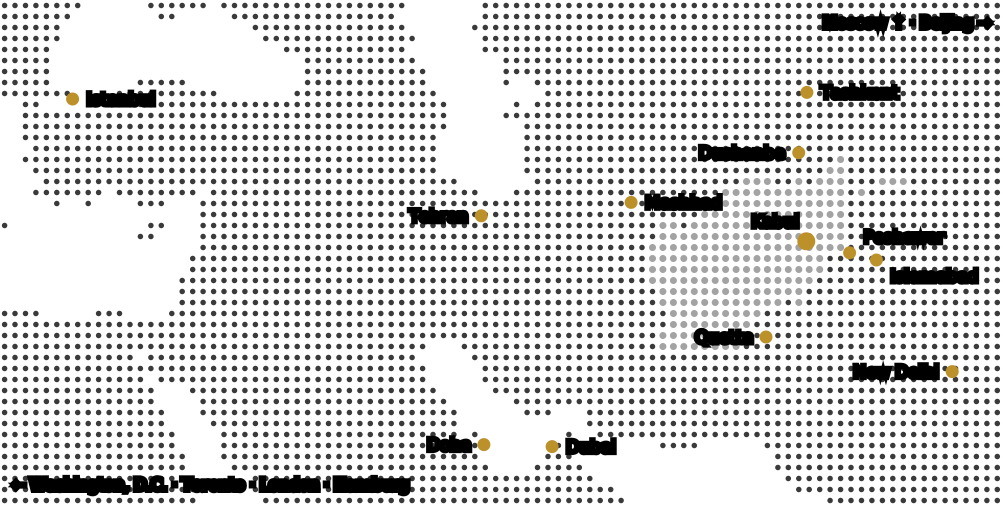
Dot map of Afghanistan and its region. Gold dots mark indicative hubs of Pashto and Dari media: Kabul, Peshawar, Islamabad, Quetta, Tehran, Mashhad, Dushanbe, Tashkent, Istanbul, Doha, Dubai and New Delhi, with Washington, D.C., Toronto, London, Hamburg, Moscow and Beijing beyond the map.Dot map of Afghanistan and its region. Gold dots mark indicative hubs of Pashto and Dari media: Kabul, Peshawar, Islamabad, Quetta, Tehran, Mashhad, Dushanbe, Tashkent, Istanbul, Doha, Dubai and New Delhi, with Washington, D.C., Toronto, London, Hamburg, Moscow and Beijing beyond the map.
Indicative hubs for Afghan-language media, diaspora and regional coverage. Boundaries and names are indicative and imply no position on any border or territory.

Hubs we cover

  • Kabul
  • Peshawar
  • Islamabad
  • Quetta
  • Tehran
  • Mashhad
  • Dushanbe
  • Tashkent
  • Istanbul
  • Doha
  • Dubai
  • New Delhi
  • Washington, D.C.
  • Toronto
  • London
  • Hamburg
  • Moscow
  • Beijing
Services

Open-source research, media monitoring and disinformation analysis services

Open-source research (OSINT)

Answers to a defined question about an organization, a network, an event, a place or a policy, built only from publicly available information in Pashto, Dari and other Afghan languages, with geolocation of images and video, name matching for public figures, organizations and places, and translation of decrees.

Media monitoring

Afghan television, radio, newspapers, news sites, and social and messaging platforms, watched daily in Pashto and Dari, with the exile, regional and international media that report on Afghanistan. Delivered as a morning summary in English, flash alerts and weekly synopses.

Disinformation analysis

False or manipulated content, foreign propaganda and coordinated influence operations in Afghan languages: the narrative, who is behind it and with what confidence, how far it has spread, and options for an accurate public response.

Scam and rumor tracking for public programs

For health, emergency-management and human-services agencies: fake visa and “program” offers and benefit scams aimed at the Afghan diaspora, and false health and emergency claims, tracked in aggregate through social listening across public Pashto and Dari channels, with accurate messages for the agency to publish.

Broadcast, audio and video gisting

Transcription, translation and gisting of TV bulletins, radio programs, speeches, broadcast sermons, taranas (chanted verse) and voice notes, time-coded to the second.

Crisis surge cell

Round-the-clock monitoring during earthquakes, border clashes, internet shutdowns, evacuations or attacks, stood up on 24 hours’ notice.

Data feeds and dashboards

Structured exports in CSV and JSON, STIX 2.1 on request, and a secure dashboard for your analysts.

Briefings and analyst training

Live briefings for decision-makers, and training in Afghan-language open-source research for your analysts.
Products and tempo

Products, delivery times and flash-alert priorities

Product
What it is
When
Format
Product
Morning media summary
What it is
The last 24 hours of Afghan media in English, organized by theme. Every item is sourced, graded and linked to a preserved capture.
When
Before 7:00 a.m. your time in the Americas, at an agreed hour in Europe; 365 days a year
Format
Email, PDF and dashboard
Product
Flash alert
What it is
A significant development, false claim or fast-spreading narrative: what we know, what we don’t, and what to watch.
When
As events break, by the priority you set
Format
Email or secure message
Product
Weekly narrative synopsis
What it is
Themes, narratives and actors over seven days, with trends and any change in our judgments.
When
Weekly
Format
PDF and 30-minute briefing
Product
Information environment assessment
What it is
A structured assessment of the Pashto- and Dari-language information environment for your region, program or question, with key judgments.
When
Monthly or quarterly
Format
PDF and briefing
Product
Research report
What it is
The answer to your question, with a sourcing annex and the preserved captures behind it.
When
By the agreed deadline
Format
PDF and evidence package
Product
Source register
What it is
A graded list of the outlets, channels and public accounts that matter for your requirement.
When
Reviewed monthly
Format
Spreadsheet
Product
Translation and gist
What it is
A full translation or a gist of a broadcast, speech, decree, document or voice note.
When
Same day for priority items
Format
Word, PDF and time-coded transcript
Product
Data export
What it is
Structured records for your own systems.
When
Daily or on demand
Format
CSV and JSON; STIX 2.1 on request

Flash alerts, by priority

Priority
What it covers
When you hear
Priority
Priority 1
What it covers
Threat to life or safety, major attack, disaster or shutdown
When you hear
As soon as confirmed, around the clock
Priority
Priority 2
What it covers
Significant development or fast-spreading false claim
When you hear
Within the working day
Priority
Priority 3
What it covers
Relevant but not urgent
When you hear
In the next morning summary
Why Ariana Nexus

Why Ariana Nexus for Afghan-language monitoring

Native analysts read every word we report

A native Pashto or Dari analyst reads every item in the original before it reaches you. AI speech-to-text and machine translation speed up triage. They never decide what is reported.

Afghan context that tools miss

Pashto dialects (southern, eastern and northern) and Dari dialects (Kabuli, Herati, Hazaragi and northern); Romanized spellings; code-switching with Urdu and Iranian Persian; religious vocabulary; taranas; and Solar Hijri dates. September 27, 2026, is 5 Mizan 1405. Miss the conversion and an event moves by weeks or years.

Tradecraft government analysts recognize

ICD 203 likelihood language, Admiralty source grades, Berkeley Protocol evidence handling and DISARM coding, so our products drop into your workflow without reformatting.

Scholars, not bilinguals

The work is led by alumni and scholars of Cornell University, the University of Chicago and the University of British Columbia, with native Pashto and Dari analysts on every desk.

Boundaries in writing

Public sources only. Foreign influence operations, militant propaganda and fraud, never lawful speech. Analysts outside Afghanistan, and nothing routed through the de facto authorities.

One firm, one point of accountability

Our own analysts, never another agency’s, with a named partner accountable for every engagement.

There is no U.S. certification for Pashto or Dari open-source analysts. So we set the standard: we train and assess our own analysts against a written standard, in the specific language variety each one works in, and hold every product to it.

Our wider team includes alumni of Cornell, Harvard, Brown, the University of British Columbia, NYU and Columbia.

How the approaches compare

What matters
Machine-translation dashboards
General OSINT vendor with contract translators
Ariana Nexus
What matters
Who reads the original
Machine-translation dashboards
Software
General OSINT vendor with contract translators
A contract translator; the analyst reads English
Ariana Nexus
A native Pashto or Dari analyst, who also writes the finding
What matters
TV, radio and voice notes
Machine-translation dashboards
Mostly text
General OSINT vendor with contract translators
Varies
Ariana Nexus
Transcribed, translated and gisted
What matters
Dialects, Romanized script, Solar Hijri dates
Machine-translation dashboards
Often missed
General OSINT vendor with contract translators
Depends on the translator
Ariana Nexus
Built into the method
What matters
Source grades and confidence
Machine-translation dashboards
Automated scores
General OSINT vendor with contract translators
Varies
Ariana Nexus
Admiralty grades and ICD 203 language on every judgment
What matters
Evidence preserved
Machine-translation dashboards
Links that can disappear
General OSINT vendor with contract translators
Varies
Ariana Nexus
Captured, hashed and dated in UTC and the source calendar
What matters
Free-speech and privacy boundaries
Machine-translation dashboards
Rarely stated
General OSINT vendor with contract translators
Varies
Ariana Nexus
In writing, in every engagement
What matters
Cultural and safety review
Machine-translation dashboards
None
General OSINT vendor with contract translators
Rare
Ariana Nexus
Cultural Compliance Bureau sign-off before release
Languages

Pashto, Dari and 22 more Afghan languages

All 24 Afghan languages, in three service levels, and 12 more languages in which Afghanistan is reported. Everything is delivered in English.

Pashto
پښتو
Daily
Dari
دری
Daily
Aimaq
Scheduled
Balochi
بلوچی
Scheduled
Ormuri
On request
Parachi
On request
Wakhi
On request
Shughni
On request
Sanglechi
On request
Ishkashimi
On request
Munji
On request
Yidgha
On request
Uzbeki
اوزبیکی
Scheduled
Turkmeni
ترکمنی
Scheduled
Kyrgyz
On request
Pashayi
پشه‌یی
Scheduled
Gawarbati
On request
Tirahi
On request
Nuristani (Ashkun group)
On request
Kati
On request
Prasun
On request
Waigali
On request
Tregami
On request
Brahui
On request

Twelve more working languages

  • Urdu
    Pakistani media and officials on Afghanistan and the border
  • Arabic
    Gulf and Middle Eastern coverage, and religious and militant sources
  • Russian
    Russian state media and Central Asian outlets
  • Chinese
    Chinese state and commercial media
  • Turkish
    Turkish media and Afghan communities in Türkiye
  • Hindi
    Indian media coverage
  • Hebrew
    Israeli media on regional security
  • French
    French and francophone media, and Afghan communities in France
  • German
    German media, and Afghan communities in Germany and Austria
  • Italian
    Italian media and Afghan communities in Italy
  • Spanish
    Spanish and Latin American media on Afghan migration
  • Portuguese
    Brazilian and Portuguese media, including Afghan arrivals in Brazil
Dari analysts also read Iranian Persian sources. Native-script names are shown where a standard written form is in common use.
د رسنیو څارنه او د ناسمو معلوماتو شننه
Pashto
نظارت بر رسانه‌ها و تحلیل معلومات نادرست
Dari
Team

The team, layer by layer

A firm led by alumni and scholars of leading universities, with native analysts assessed in the language variety they work in. Not bilinguals: researchers.

Program oversight
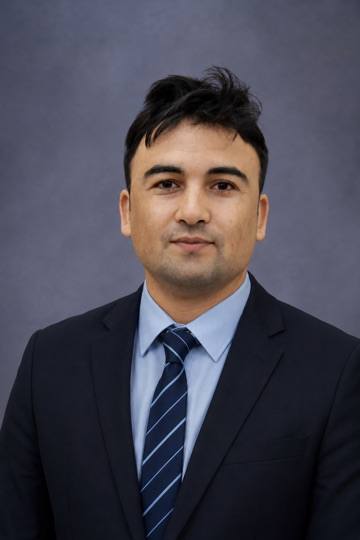
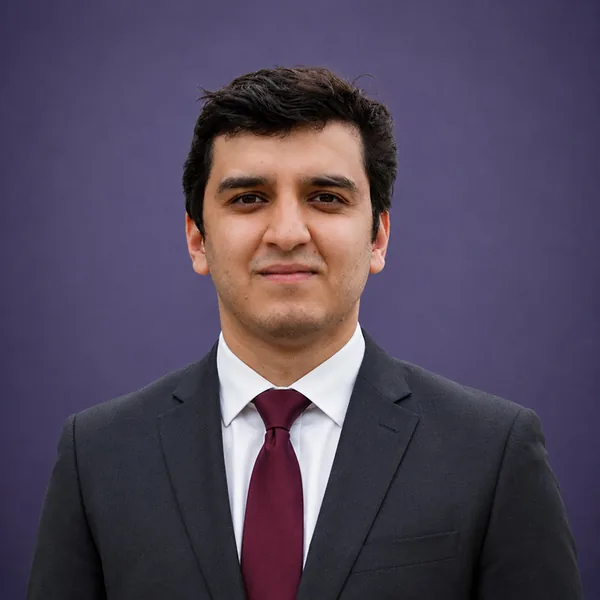
Hassan Ukasha

Hassan Ukasha

Managing Partner
, Ariana Nexus
B.S. Cornell University
M.P.H. Cornell University
Oversees the firm’s operations and this program, with executive accountability for scope, independence, boundaries and delivery on every engagement. His public-health training shapes the firm’s work on health misinformation and rumor tracking.
Languages: Pashto, Dari, English, Urdu, Hindi; working Arabic. LinkedIn · ORCID · Google Scholar
AI Data Factory
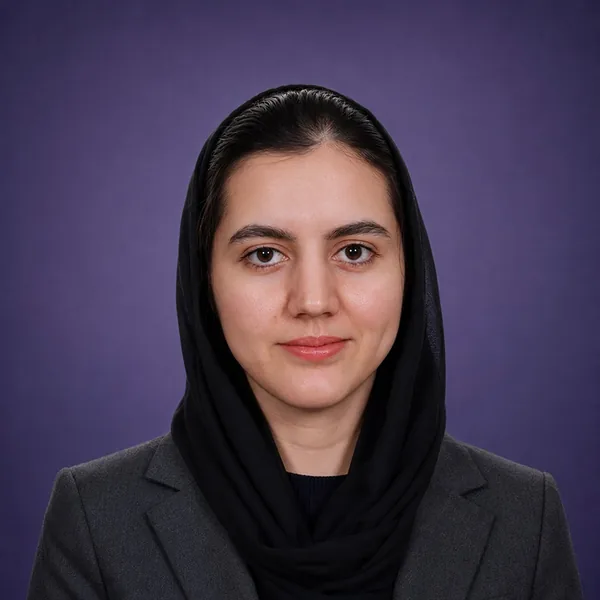
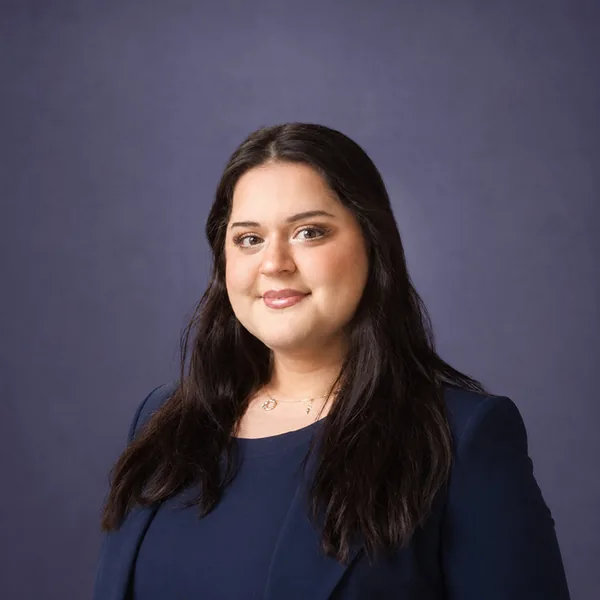
Zeba Haqbani

Zeba Haqbani

Senior Partner
 · Monitoring systems and AI platforms
B.Sc. University of British Columbia
Builds the collection, triage and delivery systems: capture and hashing, AI-assisted speech-to-text and translation triage, dashboards and secure data feeds.
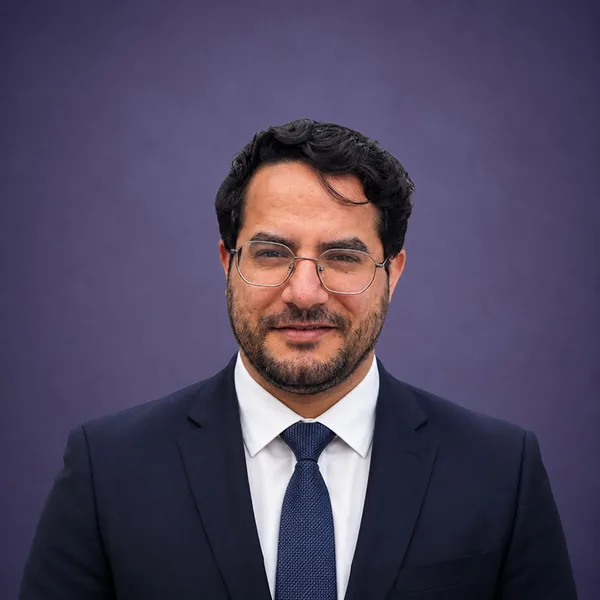
Hussain Ahmad

Hussain Ahmad

Analyst
 · Data science and network analysis
M.Eng. Cornell University
Ph.D. University of Chicago
Leads coordination and network analysis, matches Afghan names across Pashto, Dari and Latin spellings, and leads AI safety and quality testing of speech-to-text and translation tools for Pashto and Dari.
Human Intelligence Collective
Maryam Safi

Maryam Safi

Principal
 · Analytic standards and reporting
B.A. Cornell University
Reviews every assessment against the firm’s analytic standards for sourcing, confidence, alternatives and clarity, and leads client briefings.
Compliance and European engagements
Wasil Peroz

Wasil Peroz

Principal
 · Compliance review and European engagements
B.A. Milli University
M.Sc. Otto von Guericke University Magdeburg
Reviews collection plans against applicable rules and each client’s requirements, reads decrees and legal texts in the original, and leads work for European clients under GDPR.

Pashto desk

Southern, eastern and northern Pashto; Afghan and Pakistani Pashto media; taranas and voice notes.

Dari desk

Kabuli, Herati, Hazaragi and northern dialects of Dari; Iranian Persian sources read alongside.

Afghan languages desk

Uzbeki, Turkmeni, Balochi, Pashayi and Aimaq on a set schedule; the smaller languages on request.

Regional media desk

Urdu, Arabic, Russian, Chinese, Turkish and Hindi coverage of Afghanistan.

Verification cell

Geolocation, chronolocation, reverse search and media forensics.

Data and AI engineering

Capture, hashing, speech-to-text, translation triage and secure delivery.

Cultural Compliance Bureau

Second review of religious, ethnic, tribal and gender terms, and a safety review of anything that could expose a person, before any product is released.
The analysts on our monitoring desks are not named on this page, for their safety. Named leaders answer for every product, and analyst credentials are shared with clients under NDA. Analysts who review graphic or violent material work under a well-being protocol set and reviewed by Diana Ayubi, Psy.D., with limits on exposure and scheduled debriefs. Years of images from the Afghan war can leave vicarious trauma and moral injury (sometimes called moral trauma), and we plan for it.
Black-and-white view of layered concrete balconies and glass walls inside a multi-storey atrium.
Boundaries and security

Boundaries, security and compliance

  1. 01
    We work only from publicly available information. No hacking, no purchased personal data and no access to private groups under false pretenses.
  2. 02
    We do not interact with, befriend or deceive the people we study.
  3. 03
    We study narratives, networks and foreign information operations, not the lawful speech of Afghan communities, U.S. persons or anyone else.
  4. 04
    We do not ask platforms to remove lawful speech. We never post, comment or message on platforms under any identity; clients publish responses in their own name.
  5. 05
    We do not build profiles of private individuals. Personal data is minimized, and the names of private people are removed from deliverables.
  6. 06
    Our analysts work outside Afghanistan, and nothing is routed through channels controlled by the de facto authorities.
  7. 07
    We never publish, share or sell your requirements or our findings without your written permission.
We scope work for U.S. public bodies to respect the First Amendment and, for federal clients, Executive Order 14149. We analyze foreign propaganda, militant messaging and fraud, and never help anyone suppress constitutionally protected speech. This describes our practice, not legal advice; each client confirms its own legal authority.
Area
Commitment
Area
Analysts
Commitment
U.S.-located analysts for U.S. government work. U.S.-citizen, clearable analysts where a clearance is required.
Area
Controlled information
Commitment
NIST SP 800-171 controls being implemented, with a CMMC Level 2 assessment in preparation. We accept Controlled Unclassified Information only where the contract and our assessment status allow.
Area
Data
Commitment
Encrypted in transit and at rest, multi-factor authentication, least-privilege access, every access logged.
Area
Research infrastructure
Commitment
Managed, non-attributable research infrastructure protects your inquiry and our analysts. It only views public content and never interacts.
Area
AI and your data
Commitment
Client material is never used to train AI models. At the end, we hand over the evidence package, then return or delete the rest as the contract directs, and confirm it in writing.
Area
Confidentiality
Commitment
Your NDA is signed before you share a requirement, and a conflicts check runs on every engagement.
Area
Europe
Commitment
GDPR and UK GDPR terms for European engagements; data processed in the U.S. or the EU by agreement.
Area
Registration
Commitment
SAM.gov active · UEI M2UDMUDFXGL9 · CAGE 1Z3A3 · Registered as a vendor in 37 states.
Clients and engagement

Who we serve in government and the public sector

  • Federal defense, intelligence and diplomatic teams

    Pashto and Dari open-source research, media summaries and threat-narrative analysis, unclassified, delivered to your standards directly or under a prime contractor.
  • State and local public health, emergency management and human services

    Scam and fraud tracking in public Pashto and Dari channels, aggregate social listening on false health and emergency claims aimed at the Afghan diaspora, and accurate messages for the agency to publish.
  • International organizations and humanitarian agencies

    Media monitoring and social listening for programs in and around Afghanistan, with duty-of-care monitoring for staff and partners.
  • Allied governments and research institutions

    Foreign information manipulation (FIMI) analysis for European, UK and Canadian teams, and evidence-grade open-source research for oversight, accountability and academic work.
  • Baseline

    A four-week information environment baseline: source register, narrative map and a first assessment.
  • Subscription

    Morning summary, flash alerts and weekly synopsis on an annual term, with option years.
  • Fixed-scope research

    A defined question, a fixed price and a fixed deadline.
  • Surge

    A crisis cell for days or weeks, stood up on 24 hours’ notice.
  • Under a prime

    Pashto and Dari open-source work as a subcontractor on your contract.

Priced by scope, languages and tempo, never per article or per alert.

Questions

Questions about Afghan media monitoring and OSINT

What is Pashto and Dari media monitoring?

Pashto and Dari media monitoring is the daily watch of Afghan television, radio, newspapers, news sites and social and messaging platforms in Afghanistan’s two official languages, reported in English. Ariana Nexus analysts read and listen in the original, grade each source, verify what matters and deliver a morning summary by theme, with flash alerts when something significant breaks.

What is OSINT, and how is your open-source research different?

OSINT, or open-source intelligence, is intelligence produced from publicly available information to answer a specific requirement. Ariana Nexus is not an intelligence agency: we conduct open-source research to the same discipline, using only public sources, preserving every item as evidence and stating each judgment with its likelihood and confidence. The difference is that native Pashto and Dari analysts do the research in the original languages.

Which Afghan media, platforms and channels do you monitor?

We agree a source register with each client. It typically covers national and provincial TV and radio, including TOLOnews, Shamshad and the state broadcaster RTA; international Pashto and Dari services such as BBC Pashto, BBC Persian and Radio Azadi; exile newsrooms such as Afghanistan International, Amu TV and Hasht-e Subh; official channels of the de facto authorities; and public Telegram channels, Facebook pages, YouTube, X, TikTok and Instagram accounts.

When do we receive the daily Afghan media summary?

Before 7:00 a.m. in your time zone across the Americas, and at an agreed hour for clients in Europe, 365 days a year. Afghanistan runs eight and a half hours ahead of Washington, D.C., in summer and nine and a half in winter, so its news day is well underway, verified and written up before your working day starts. Flash alerts arrive as events break, by the priority you set.

Can machine translation or AI tools monitor Pashto and Dari on their own?

Not reliably. Pashto and Dari are low-resource languages for AI: speech-to-text and translation tools miss dialect, Romanized spellings, religious and legal vocabulary, sarcasm and coded terms. We use AI to sort and transcribe at speed, but a native analyst reads every item in the original before anything is reported, and we test the tools against our analysts’ readings.

How do you verify videos and images from Afghanistan?

Each item is captured, hashed and dated before analysis, following the Berkeley Protocol on Digital Open Source Investigations. Analysts then test where, when and by whom it was made: reverse image and video search, geolocation against satellite imagery, chronolocation from shadows and weather, metadata, and language cues such as dialect, accent and script. The finding states which tests carried it. A common case is recycled Afghan war footage presented as new.

What is the difference between misinformation, disinformation and propaganda?

Misinformation is false content shared without intent to deceive. Disinformation is false or manipulated content spread deliberately. Propaganda is persuasive messaging from an interested party, and it can be true, false or selective. We label content only after testing it, and we say who is behind a campaign only with a stated confidence level.

Do you monitor Taliban and ISIS-K propaganda?

Yes, for threat and narrative analysis. Analysts monitor the official statements of the de facto authorities (the Taliban) and the public output of armed groups, including Islamic State Khorasan Province (ISKP), in Pashto, Dari and other languages. We never republish or amplify it, graphic material is handled under an analyst-safety protocol, and our products describe content rather than reproduce it.

Do you monitor Afghan communities or individuals in the United States?

No. We do not monitor individuals or lawful speech. We track scams and fraud aimed at the Afghan people and Afghan communities abroad, and report false health and emergency claims in aggregate so agencies can publish accurate information. We never identify or report community members, U.S. persons or anyone else, and we do not build profiles of private individuals. We scope work for U.S. public bodies to respect the First Amendment and, for federal clients, Executive Order 14149.

Which Afghan languages do you cover beyond Pashto and Dari?

All 24 Afghan languages, in three service levels. Pashto and Dari are monitored daily in their main dialects, from Kandahari Pashto to the Kabuli, Herati and Hazaragi dialects of Dari. Uzbeki, Turkmeni, Balochi, Pashayi and Aimaq are covered on a set schedule. The other 17, from Brahui to Wakhi, Tregami and the other Nuristani and Pamir languages, are mostly spoken rather than published, so we cover their audio, video and documents on request.

Do you cover sources about Afghanistan in other languages?

Yes. Afghanistan is reported in Urdu in Pakistan, in Persian in Iran, in Russian across Central Asia, and in Chinese, Hindi, Turkish, Arabic and Hebrew elsewhere in the region. Our analysts also work in French, German, Spanish, Italian and Portuguese for European and Latin American coverage and diaspora sources, and report everything in English.

Can your analysts support programs that require a clearance, or work under a prime contractor?

Yes, with clearable analysts: U.S.-citizen analysts, located in the United States, who can be sponsored for a clearance. We work directly for agencies or as a subcontractor to prime contractors, are implementing NIST SP 800-171 controls with a CMMC Level 2 assessment in preparation, and are registered in SAM.gov (UEI M2UDMUDFXGL9, CAGE 1Z3A3).

How do you protect our requirements, data and analysts?

We sign your NDA before you share a requirement. Research runs from managed, non-attributable infrastructure, so neither your inquiry nor our analysts are exposed. Data is encrypted in transit and at rest, access is logged, client material is never used to train AI models, and at the end we return or delete material as the contract directs and confirm it in writing. Monitoring analysts are not named publicly, for their safety.

How do you express confidence and uncertainty in your reports?

Every source carries an Admiralty grade for reliability and credibility. Every judgment uses the likelihood terms of Intelligence Community Directive 203, from “almost no chance” to “almost certain,” and carries a separate confidence level of high, moderate or low. When the evidence cannot settle a question, the report says so.

How is the service priced, and how do we start?

By scope, languages and tempo, never per article or per alert. Engagements usually start with a scoping call and a four-week baseline: a source register, a narrative map and a first assessment. From there the service runs as a subscription, a fixed-scope research task or a crisis surge cell. We work across all 50 states, in Canada and in Europe.

Request a scoping call

Share the question, the languages and the deadline. A senior member of the team replies within one business day, and we sign your NDA before you send a requirement.

Page reviewed September 2026