Newcomer Program Design and Afghan Family Engagement Consulting for School Districts

Ariana Nexus designs newcomer programs and Afghan family engagement for school districts — enrollment and intake, SIFE screening and grade placement, instruction, family liaisons, communications, staff training and compliance — in Pashto, Dari and 22 more Afghan languages, across all 50 states.

18
services in four groups
4
audiences: students, families, staff, district
24
Afghan languages, plus 13 more
50
states, plus Washington, D.C.
Who it is for
School districts, charter networks, county offices of education, education service agencies and state education agencies
What it covers
Newcomer program design, Afghan family engagement, family liaison programs, staff training, language access, compliance and measurement
Languages
Pashto, Dari and 22 more Afghan languages, plus 13 more languages and English
Where
All 50 states and Washington, D.C.; Canada, Europe and Australia by project
First step
A 6–8 week newcomer program diagnostic
Student data
FERPA-aligned; your data privacy agreement signed before any data moves
In short

What is newcomer program design and Afghan family engagement consulting?

Newcomer program design and Afghan family engagement consulting helps a school district build two things: a program for students in their first one to two years in the country — intake, screening, placement, instruction and transition — and a system that keeps their families informed and involved. Ariana Nexus specializes in Afghan students and families, working in Pashto, Dari and 22 more Afghan languages.
Our program designs follow the five areas of the U.S. Department of Education’s Newcomer Toolkit, from welcoming schools to partnerships with families.7
Three adults reviewing charts and documents together at an office meeting table
The toolkit

What we deliver for your district

Eighteen services in four groups. Districts take the whole program or start with the part that is failing first. Filter by who each service is for.
Showing 18 services
A1

Needs assessment and program audit

Enrollment data, current services, staffing and outcomes reviewed; a ranked action plan for leadership.
Serves
Students
Staff lift
Light
Supports
EEOA §1703(f)
A2

Enrollment, intake and welcome center design

Intake protocol, Pashto and Dari forms, home language survey and records checklist — with no immigration-status questions.
Serves
Students
Staff lift
Moderate
Supports
Plyler v. Doe · Title VI
A3

SIFE screening and grade placement

Pashto and Dari literacy and math screening, multiple-measure placement, and credit evaluation of Afghan school and madrasa records.
Serves
Students
Staff lift
Moderate
Supports
Title VI · ESSA §1112(e)
A4

Program model and master schedule

Newcomer center, newcomer classroom, school-within-a-school, extended day or summer bridge — with entry and exit criteria.
Serves
Students
Staff lift
Significant
Supports
EEOA §1703(f)
A5

Instruction and curriculum supports

Newcomer ELD sequence, sheltered content, native-language literacy, bilingual glossaries and materials review.
Serves
Students
Staff lift
Significant
Supports
Title VI · ESSA Title III
B1

Family engagement plan

A district plan aligned to Title I §1116, Title III and the Dual Capacity-Building Framework.
Serves
Families
Staff lift
Moderate
Supports
ESSA §1116 · §3115
B2

Family liaison and cultural broker program

Roles, hiring profiles, training, scripts, ethics, caseloads and supervision for Pashto and Dari family liaisons.
Serves
Families
Staff lift
Moderate
Supports
Title VI
B3

Family orientation and parent academy

How U.S. schools work, in Pashto, Dari and other Afghan languages: attendance, grades, special education rights, technology and safety.
Serves
Families
Staff lift
Moderate
Supports
ESSA §1116
B4

Language access plan and family communications

Translation and interpreting workflows, notice templates, terminology, platform setup (ParentSquare, TalkingPoints, Remind) and AI translation controls.
Serves
Families
Staff lift
Moderate
Supports
Title VI · ESSA §1112(e)
C1

Staff training on Afghan students and families

Culture, languages, interrupted schooling and classroom practice — by role, for every adult a family meets.
Serves
Staff
Staff lift
Moderate
Supports
ESSA §3115
C2

Interpreter and bilingual staff training

School interpreting in Afghan languages for enrollment, conferences and IEP meetings.
Serves
Staff
Staff lift
Moderate
Supports
IDEA 300.322(e)
C3

Trauma-informed practice and referral pathways

Non-clinical school practices, staff and liaison wellbeing, and referral routes to licensed providers.
Serves
Staff
Staff lift
Light
Supports
Title IV-A
D1

Compliance review

Title VI, EEOA, ESSA, IDEA, FERPA, ADA Title II and state law — documentation ready for state monitoring.
Serves
District systems
Staff lift
Light
Supports
Title VI · EEOA · FERPA
D2

Measurement and board reporting

Indicators by language, dashboards, evaluation design and term reports to the board.
Serves
District systems
Staff lift
Light
Supports
EEOA §1703(f)
D3

Funding and grant support

Each component mapped to allowable funds; grant narratives for Title III, Refugee School Impact and foundations.
Serves
District systems
Staff lift
Light
Supports
ESSA Titles I and III
D4

Community partnerships

Agreements with resettlement agencies, Afghan community organizations, mosques and cultural centers, and health providers.
Serves
District systems
Staff lift
Light
Supports
FERPA
D5

Rapid response for mid-year arrivals

Surge intake, placement and family onboarding when a group of Afghan students arrives mid-year.
Serves
District systems
Staff lift
Moderate
Supports
Plyler v. Doe · ESSA §1112(e)
D6

Emergency and crisis family communication

Templates, call trees and rapid Pashto and Dari translation for closures, safety notices and emergencies.
Serves
District systems
Staff lift
Light
Supports
Title VI
Context

Afghan newcomer students and families: what districts are working with

Many Afghan students in U.S. schools arrived between 2021 and 2025 — as Special Immigrant Visa holders, refugees or humanitarian parolees after the war in Afghanistan — and many more were born here into the Afghan diaspora. Four conditions shape what a district has to build.

Girls barred from secondary school in Afghanistan

Each dot is 100,000 girls — 2.4 million in 2026, and the projected rise toward 4 million by 2030.2

Interrupted schooling

Afghan girls have been barred from secondary school since March 2022; UNESCO counts 2.4 million girls kept out in 2026. Girls arriving now may have missed years of formal school.2

Records that don’t map to U.S. grades

Afghan school records use the Solar Hijri calendar, 28 of 34 provinces start the school year in March, and many documents carry a placeholder 1 January birthdate.3,10

Two languages, many varieties

Pashto and Dari are separate languages, and Afghan Dari is not Iranian Farsi. Many families also speak Uzbeki, Turkmeni, Balochi or Pashayi; 56% of Afghan immigrants age 5 and older speak English less than very well.1

Families who withdraw quietly

Afghan parents rarely complain to schools. When communication fails, families stop coming to conferences, attendance drops — and the district learns nothing.
195,000
Afghan immigrants living in the United States, 20221
76,000
Afghans evacuated to the U.S. in 2021 under Operation Allies Welcome1
2.4M
girls barred from secondary school in Afghanistan, 20262
28 of 34
Afghan provinces that start the school year in March3
+4 months
average extra progress when schools engage parents in learning5
57,000+
Afghans welcomed by Canada since August 20214
Strand notes

What districts usually miss with Afghan students and families

1 January is a placeholder, not a birthday.

Many Afghan documents record only a year, and U.S. paperwork often fills in 1 January. Place students by multiple measures, never by the date alone.

Most Afghan school years start in March.

28 of 34 provinces run March to November; 6 warmer provinces run September to June. An October arrival may be mid-year — or just finished a grade.

Dari is not Farsi.

In Afghan Dari a school is a maktab; madrasa usually means a religious school. A Farsi notice can tell parents the wrong thing.

Pashto families often get the wrong language.

Pashto speakers frequently receive Dari, Farsi or Urdu. Record each family’s language and dialect at intake and use it everywhere.

Madrasa records are not a transcript.

Since 2021 many students, especially girls, studied in madrasas. Credit evaluation has to read religious study and formal schooling separately.

A nod is respect, not consent.

A quiet yes often signals respect for the teacher. Confirm understanding with teach-back and a follow-up call in the family’s language.

Mothers need women-led options.

Offer sessions led by female liaisons, at times that fit work and childcare, with voice messages as well as text.

Ramadan, Eid and Nowruz belong on the calendar.

Plan testing, conferences and events around them. Nowruz, the Afghan New Year, falls around 21 March.

Names may not follow first–last order.

Many Afghan people used a single name before arriving, and siblings can carry different surnames. Records matching must allow for it.
Method

How an engagement runs

  1. 1

    Diagnose

    Weeks 1–8

    Data and records review, site visits, staff interviews, family listening sessions in Pashto and Dari, compliance scan.
    Diagnostic report and ranked action plan
  2. 2

    Design

    Weeks 6–16

    Program model, master schedule, intake and placement protocols, family engagement plan, liaison program, language access plan, indicators.
    Program design package
  3. 3

    Launch

    Before your next intake window

    Staff training, liaison onboarding, family orientations, platform setup and a 30-day check.
    A trained team and a running program
  4. 4

    Coach and measure

    School year one

    Monthly coaching, quarterly data reviews and a board report each term.
    Year-one report
  5. 5

    Hand over

    End of year one

    Handover to district owners, refresher training plan, annual review option.
    A program your district runs
Engagements

Ways to work with us

Included
Newcomer Program Diagnostic
6–8 weeks
Program Design and Launch
One semester
Embedded Partnership
One to three school years
Rapid Response
2–4 weeks
Data and records review
Newcomer Program Diagnostic
Included
Program Design and Launch
Included
Embedded Partnership
Not included
Rapid Response
Not included
Family listening sessions in Pashto and Dari
Newcomer Program Diagnostic
Included
Program Design and Launch
Included
Embedded Partnership
Included
Rapid Response
Not included
Compliance scan and ranked action plan
Newcomer Program Diagnostic
Included
Program Design and Launch
Included
Embedded Partnership
Included
Rapid Response
Not included
Program model, schedule, protocols and templates
Newcomer Program Diagnostic
Not included
Program Design and Launch
Included
Embedded Partnership
Not included
Rapid Response
Not included
Family engagement plan and liaison program
Newcomer Program Diagnostic
Not included
Program Design and Launch
Included
Embedded Partnership
Included
Rapid Response
Not included
Staff training
Newcomer Program Diagnostic
Not included
Program Design and Launch
Included
Embedded Partnership
Included
Rapid Response
Not included
Launch support and 30-day check
Newcomer Program Diagnostic
Not included
Program Design and Launch
Included
Embedded Partnership
Not included
Rapid Response
Included
Monthly coaching and liaison supervision support
Newcomer Program Diagnostic
Not included
Program Design and Launch
Not included
Embedded Partnership
Included
Rapid Response
Not included
Quarterly data reviews and board reporting each term
Newcomer Program Diagnostic
Not included
Program Design and Launch
Not included
Embedded Partnership
Included
Rapid Response
Not included
Annual compliance review
Newcomer Program Diagnostic
Not included
Program Design and Launch
Not included
Embedded Partnership
Included
Rapid Response
Not included
Surge intake, placement and family onboarding
Newcomer Program Diagnostic
Not included
Program Design and Launch
Not included
Embedded Partnership
Not included
Rapid Response
Included
Staff briefings
Newcomer Program Diagnostic
Not included
Program Design and Launch
Not included
Embedded Partnership
Included
Rapid Response
Included
Best for
Newcomer Program DiagnosticKnow where your program stands and what to fix first.
Program Design and LaunchBuild or rebuild your newcomer program and family engagement system.
Embedded PartnershipKeep the program strong as enrollment changes.
Rapid ResponseWhen a group of Afghan students arrives mid-year.
Why Ariana Nexus

Why Ariana Nexus for Afghan newcomer programs

Districts need a partner that knows Afghan schools, records and families first-hand and can turn that knowledge into a program their own staff can run.

01

Afghan context, not a generic newcomer template

Our people come from the Afghan community. We read Afghan records, calendars and names correctly and design for the students and families your district actually enrolls.
02

Scholars and consultants, not bilinguals

Program design is led by alumni and scholars of leading universities. Liaison sessions and interpreting are delivered by trained, degree-holding specialists matched by language, dialect, region and gender. We don’t send bilinguals.
03

We train the people who carry the program

There is no U.S. certification for interpreters in Afghan languages. Ariana Nexus trains its own interpreters and other interpreters in Afghan languages — and trains your bilingual staff and family liaisons to the same standard.
04

Compliance reviewed before it reaches your staff

Our Cultural Compliance Bureau maps every protocol, notice and script to Title VI, the EEOA, ESSA, IDEA, FERPA and your state’s rules, and checks every Pashto and Dari line.
05

One team, one point of accountability

Every part is produced by our own people — design, training, translation, interpreting and measurement. No subcontractors and no hand-offs.
06

Built to stay with your district

Every engagement ends with protocols, templates, trained staff and a measurement routine your district owns and runs.

How we deliver

Human Intelligence Collective

Native Pashto and Dari specialists, family liaison trainers, interpreters and cultural advisors, matched by language, dialect, region and gender.

AI Data Factory

Terminology bases, translation memory, machine translation quality checks, intake and family-contact data models and dashboards — human-reviewed, never trained on student data.

Cultural Compliance Bureau

Reviews every protocol, notice and script for accuracy, cultural fit and compliance, and signs off before release.

How we’re different

What districts need
General newcomer consultant
Translation or interpreting vendor
Ariana Nexus
What districts needAfghan languages
General newcomer consultantOften outsourced
Translation or interpreting vendorPashto and Dari, sometimes Farsi
Ariana NexusPashto, Dari and 22 more, matched by dialect and gender
What districts needAfghan records and calendars
General newcomer consultantRarely covered
Translation or interpreting vendorTranslation only
Ariana NexusSolar Hijri dates, tazkira, madrasa records, 1 January birthdates
What districts needFamily engagement design
General newcomer consultantGeneral models
Translation or interpreting vendorNot offered
Ariana NexusAfghan family plan, liaisons and parent academy
What districts needCompliance mapping
General newcomer consultantVaries
Translation or interpreting vendorNot offered
Ariana NexusTitle VI, EEOA, ESSA, IDEA, FERPA and state law
What districts needTraining
General newcomer consultantTeachers only
Translation or interpreting vendorNot offered
Ariana NexusTeachers, front office, counselors, leaders, liaisons and interpreters
What districts needMeasurement
General newcomer consultantVaries
Translation or interpreting vendorVolume reports
Ariana NexusIndicators by language, board report each term
What districts needAccountability
General newcomer consultantSeveral vendors
Translation or interpreting vendorPer assignment
Ariana NexusOne team, no subcontractors
Team

The team behind your newcomer program

Your engagement is led by consultants and scholars educated at Cornell, the University of Chicago, the University of British Columbia and Otto-von-Guericke University Magdeburg — people from the Afghan community who know Afghan schools, records and families first-hand — with native language specialists and our Cultural Compliance Bureau behind every deliverable.
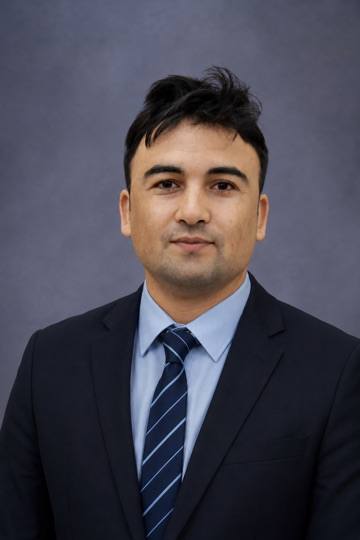
Hassan Ukasha, Managing Partner, Ariana Nexus

Executive oversight

Hassan Ukasha

Managing Partner

  • B.S. Cornell University
  • M.P.H. Cornell University
As Managing Partner, Hassan Ukasha oversees Ariana Nexus operations and holds executive accountability for this program: every district engagement, from the diagnostic and program design to launch, coaching and handover, runs under his oversight, and he signs off on every deliverable before it reaches your district.
He grew up in Herat and leads LAAR, the Ariana Nexus Academy’s university-application mentorship program for Afghan students.
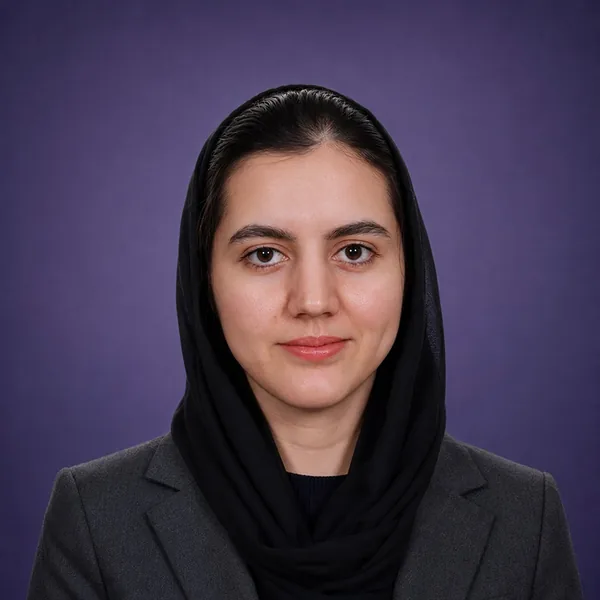
Zeba Haqbani, Senior Partner, Ariana Nexus

Zeba Haqbani

Senior Partner

  • B.Sc. University of British Columbia
Builds the systems behind the program: intake and family-contact data, dashboards and controls on AI translation.
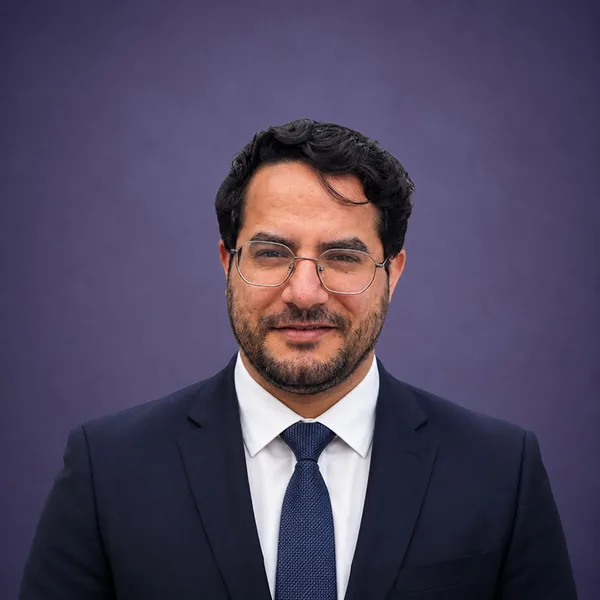
Wasil Peroz, Principal, Ariana Nexus

Wasil Peroz

Principal

  • B.A. Milli University
  • M.Sc. Otto-von-Guericke University Magdeburg
Leads the compliance review with the Cultural Compliance Bureau: Title VI, EEOA, ESSA, IDEA and FERPA.
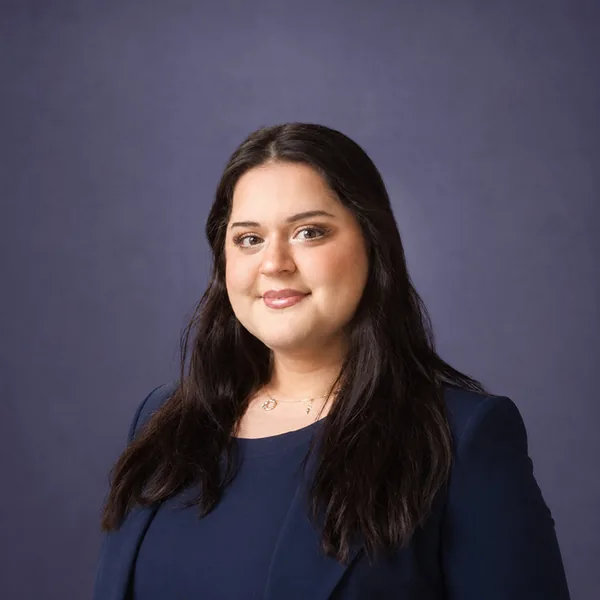
Maryam Safi, Principal, Ariana Nexus

Maryam Safi

Principal

  • B.A. Cornell University
Leads family engagement design: the family plan, the liaison program and the parent academy.
Diana Ayubi, Engagement Manager, Ariana Nexus

Diana Ayubi

Engagement Manager

  • B.A. Cornell University
  • Psy.D. West Chester University
Sets trauma-informed practice standards and wellbeing protocols for students, liaisons and staff, and designs referral pathways.
Hussain Ahmad, Analyst, Ariana Nexus

Hussain Ahmad

Analyst

  • M.Eng. Cornell University
  • Ph.D. University of Chicago
Runs measurement: needs assessment, indicators, evaluation design and board reporting.
Behind the team: Pashto and Dari family liaison trainers and interpreters; specialists in Uzbeki, Turkmeni, Balochi, Pashayi and the Nuristani and Pamir languages; Cultural Compliance Bureau reviewers; and AI Data Factory analysts.
Compliance

Security, privacy and compliance

Every protocol we design is mapped to the rules your district is held to — and every data flow is set up before any student record moves.
Rule
What it requires
What we build
RuleTitle VI of the Civil Rights Act · Lau v. Nichols (1974)
What it requiresMeaningful access to instruction for English learners; long applied to communication with parents who don’t speak English.
What we buildIntake, placement, instruction and communication protocols with documented language access.
RuleEqual Educational Opportunities Act §1703(f) · Castañeda v. Pickard (1981)
What it requiresPrograms based on sound theory, resourced to work and evaluated for results.
What we buildProgram model rationale, staffing plan and evaluation design.
RuleESSA Title I §1112(e)
What it requiresNotice of English learner placement within 30 days of the school year, or 2 weeks for mid-year arrivals, in a language parents can understand where practicable.
What we buildNotice templates and timelines in Pashto, Dari and other Afghan languages.
RuleESSA Title I §1116
What it requiresA parent and family engagement policy; districts receiving over $500,000 reserve at least 1% for family engagement.
What we buildFamily engagement plan and spending map.
RuleESSA Title III §3115
What it requiresParent, family and community engagement activities for English learners; Title III supplements, never supplants, required services.
What we buildActivity plan mapped to allowable Title III uses.
RuleIDEA · 34 CFR 300.322(e) and 300.503(c)
What it requiresInterpreters at IEP meetings and prior written notice in the parent’s native language.
What we buildIEP meeting protocol and interpreter briefings in Afghan languages.
RulePlyler v. Doe (1982)
What it requiresNo denial of enrollment based on immigration status.
What we buildEnrollment forms and scripts that never ask about status.
RuleFERPA · 34 CFR Part 99 · state student privacy laws
What it requiresProtection of student education records.
What we buildData privacy agreement first, minimum-necessary data, access logs.
RuleADA Title II web accessibility rule (WCAG 2.1 AA)
What it requiresAccessible web content, including posted family notices; compliance from April 2027 for larger public entities.
What we buildTranslated documents delivered accessible.
State rules add to these — for example California Education Code §48985, New York’s CR Part 154 and Washington’s RCW 28A.183. In August 2025 the U.S. Department of Education rescinded its 2015 guidance on English learners and parents with limited English. The laws and court decisions above did not change.6
Ariana Nexus provides consulting, not legal advice. We work alongside your counsel.

How we protect students and families

Agreement first

Your data privacy agreement is signed before any student data moves.

Minimum data

Minimum-necessary student data, de-identified for analysis where possible.

Controlled systems

Role-based access, encryption in transit and at rest, and access logs.

No AI training

No student or family data is used to train AI models.

No routing through Afghanistan

Nothing routes through channels controlled by the de facto authorities in Afghanistan.

Checked people

Background checks for anyone working with students, as your state requires.

International terms

GDPR and UK GDPR terms for European work; Canadian privacy law for Canadian work.
Languages

Pashto, Dari and 22 more Afghan languages

Family sessions, orientations, interpreting and documents in all 24 Afghan languages, matched by language, dialect, region and gender — including Dari dialects such as Kabuli, Herati and Hazaragi.
Pashto
ښوونځي ته ښه راغلاست
Dari
به مکتب خوش آمدید

Iranian · 12

  • Pashto
  • Dari
  • Aimaq
  • Balochi
  • Ormuri
  • Parachi
  • Wakhi
  • Shughni
  • Sanglechi
  • Ishkashimi
  • Munji
  • Yidgha

Turkic · 3

  • Uzbeki
  • Turkmeni
  • Kyrgyz

Indo-Aryan · 3

  • Pashayi
  • Gawarbati
  • Tirahi

Nuristani · 5

  • Nuristani (Ashkun group)
  • Kati
  • Prasun
  • Waigali
  • Tregami

Dravidian · 1

  • Brahui

Also in 13 more languages

Staff training and program documents are also delivered in 13 more languages for education authorities outside the United States, and in English.
  • French
  • German
  • Spanish
  • Italian
  • Hebrew
  • Urdu
  • Arabic
  • Hindi
  • Portuguese
  • Chinese
  • Russian
  • Turkish
  • Swedish
Coverage

Serving school districts in all 50 states — and in Canada, Europe and Australia

Ariana Nexus works with school districts and education agencies in every U.S. state and Washington, D.C., on site and remotely. Outside the United States we work with school boards and education authorities depending on the type and scale of the project.

Gold: headquarters, Washington, D.C.

Outside the United States

  • Canada
    Newcomer students and Settlement Workers in Schools (SWIS)
  • United Kingdom
    EAL new arrivals
  • Germany
    Willkommensklassen and Vorbereitungsklassen
  • France
    UPE2A classes for newly arrived students
  • Sweden
    Förberedelseklass for newly arrived students
  • Netherlands
    Internationale schakelklas (ISK)
  • Australia
    Intensive English Centres and EAL/D

All 50 states

  • Alabama
  • Alaska
  • Arizona
  • Arkansas
  • California
  • Colorado
  • Connecticut
  • Delaware
  • Florida
  • Georgia
  • Hawaii
  • Idaho
  • Illinois
  • Indiana
  • Iowa
  • Kansas
  • Kentucky
  • Louisiana
  • Maine
  • Maryland
  • Massachusetts
  • Michigan
  • Minnesota
  • Mississippi
  • Missouri
  • Montana
  • Nebraska
  • Nevada
  • New Hampshire
  • New Jersey
  • New Mexico
  • New York
  • North Carolina
  • North Dakota
  • Ohio
  • Oklahoma
  • Oregon
  • Pennsylvania
  • Rhode Island
  • South Carolina
  • South Dakota
  • Tennessee
  • Texas
  • Utah
  • Vermont
  • Virginia
  • Washington
  • West Virginia
  • Wisconsin
  • Wyoming
  • Washington, D.C.
Questions

Questions districts ask

What is a newcomer program in a school district?

A newcomer program is a short-term program for students who have recently arrived in the country and are new to English, often with interrupted schooling. It usually lasts one to two years and combines English development, adapted content classes, social-emotional support and family orientation before students move into regular classes. Common models are newcomer centers, newcomer classrooms and school-within-a-school programs.

How do schools support Afghan refugee students?

Start with an intake that reads Afghan records correctly, screen for interrupted schooling in Pashto or Dari, and place students by multiple measures rather than age or paperwork alone. Then provide sheltered instruction, native-language support, a trained Pashto or Dari family liaison, staff training on Afghan students and families, and trauma-informed practices with referral pathways to licensed providers.

What is SIFE, and why does it matter for Afghan students?

SIFE means students with interrupted or limited formal education — usually two or more years less schooling than peers. Afghan girls have been barred from secondary school since March 2022, so many girls arriving now have large gaps. Screening in Pashto or Dari shows what a student already knows in her own language, so placement and support match her real needs.

Do Afghan families speak Pashto or Dari?

Both. Pashto and Dari are Afghanistan’s two official languages, and they are separate languages, not dialects of each other. Dari itself has regional varieties such as Kabuli, Herati and Hazaragi. Many families also speak Uzbeki, Turkmeni, Balochi, Pashayi or another Afghan language. Ask each family which language and dialect they prefer and record it in your student information system.

Can we use Farsi translations for Dari-speaking parents?

It is better not to. Dari and Iranian Persian (Farsi) share a script but differ in words that matter in schools. In Afghan Dari a school is a maktab; madrasa usually means a religious school. A Farsi notice can confuse parents or cost trust. Ariana Nexus translates into Afghan Dari and reviews every school term.

Is Google Translate or AI translation acceptable for school notices in Pashto and Dari?

Not on its own for anything important. Machine translation is less reliable in Pashto and Dari than in major languages, and mistakes in dates, consent or special education terms carry real risk. We set rules for when AI is allowed, build approved terminology, and have qualified human reviewers check every vital notice before it reaches families.

What are a district’s legal obligations to communicate with parents who don’t speak English?

Title VI of the Civil Rights Act has long been read to require meaningful communication with parents who don’t speak English about essential school matters, such as enrollment, grades, discipline, special education and program notices. The Equal Educational Opportunities Act requires appropriate action to overcome students’ language barriers, ESSA sets notice timelines for English learner placement, and IDEA requires interpreters at IEP meetings. The 2015 federal guidance was rescinded in August 2025; the laws were not. Ask your counsel about your district.

How can schools engage Afghan mothers?

Offer women-led sessions with a female liaison, in Pashto or Dari, at times that fit family schedules, with childcare and transport where possible. Use voice messages and phone calls as well as text. Meet in familiar places such as the school library or a community center, and keep first meetings about the child, not forms.

How long does it take to design a newcomer program?

Most districts complete a diagnostic in 6 to 8 weeks and design and launch a program within one semester. Districts facing mid-year arrivals can start with a 2- to 4-week rapid response that covers intake, placement and family onboarding while the full design is built.

How is newcomer program and family engagement work funded?

Common sources are the Title I parent and family engagement reservation, Title III (including immigrant student subgrants), Title IV-A, state English learner funds, and the Refugee School Impact program for eligible students through your State Refugee Coordinator. We map each part of the work to an allowable source; Title III must supplement, not replace, services your district must already provide.

Do you work outside the United States?

Yes. We work in all 50 U.S. states and Washington, D.C., and with school boards and education authorities in Canada, Europe and Australia, depending on the type and scale of the project — including newcomer and welcome-class programs such as SWIS in Canada, Willkommensklassen in Germany and Intensive English Centres in Australia. European work runs under GDPR or UK GDPR.

Do you also provide school interpreters and translation?

Yes. The same team provides school interpreters for enrollment, IEP meetings and parent-teacher conferences, and translation of notices, IEPs and school documents in Pashto, Dari and 22 more Afghan languages. Design and delivery stay with one accountable team, with no subcontractors.

Is our student data safe with Ariana Nexus?

Yes. We sign your data privacy agreement before any student data moves, use the minimum data needed, keep it in access-controlled systems, never use it to train AI models, and never route it through channels controlled by the de facto authorities in Afghanistan. Our work follows FERPA and your state’s student privacy law.

Does this service include trauma counseling?

No. We design trauma-informed school practices, train staff and liaisons, and build referral pathways to the licensed providers your district works with. Many families affected by the war in Afghanistan carry grief and war-related trauma, and some adults describe moral injury; those needs belong with licensed clinicians. Our role is to make school safe, predictable and welcoming.

Start with a newcomer program diagnostic

We sign your district’s data privacy agreement before any student data moves.

Request a consultation