Afghan Refugee Case Management and Integration Support for Agencies — Pashto, Dari and 22 More Afghan Languages

Ariana Nexus supports state refugee offices, counties, resettlement agencies and grant-funded programs serving Afghans already in the United States. We add Pashto- and Dari-speaking case managers to your program, review every open case against the 2025–2026 status and benefit changes, and deliver case files and reporting that stand up to monitoring.

Afghan household
Illustrative
  • SNAP and Medicaid office — link we coordinate
  • Clinic and refugee health — link we coordinate
  • Mental-health care — link we coordinate
  • Employer and workforce board — link we coordinate
  • Accredited legal provider — link we coordinate
  • School — strong link
  • Mosque and community — strong link
  • Housing — weak link
  • English classes — weak link
  • Relatives abroad — weak link
Link our case manager coordinates
Strong link
Weak link
An ecomap of one illustrative Afghan household and the systems around it.

One Afghan family, many systems: how we coordinate the plan

Afghan families deal with benefits offices, clinics, schools, employers, landlords and lawyers at once. We run casework on four coordination principles, adapted from Sweden’s coordinated individual plan.

01

Consent first

The family agrees, in its own language, to who may share what, before any referral is made.
02

One lead case manager

One named case manager holds the plan and the relationships, so no system waits on another.
03

One shared plan

Every provider works from the same dated plan, written with the family.
04

Follow-up on a date

Every referral carries a follow-up date, and a missed link is escalated, not assumed.

Dates that change the map, 2025 to 2027

Most Afghans on today’s caseloads arrived after the Taliban takeover of August 2021 — evacuated from Kabul, relocated through Operation Allies Welcome and Enduring Welcome, or admitted as refugees and Special Immigrant Visa holders. Since 2025 they face a dense calendar of status and benefit changes, while the case-management network around them has contracted.

  1. Public Law 119-21 limits SNAP to citizens, green-card holders and a few other groups; USDA applies it at application and each household’s next recertification
    Refugees, asylees and humanitarian parolees without green cards
  2. Temporary Protected Status for Afghanistan ends in July 2025, after a termination notice of 13 May 2025
    Former TPS holders (DHS cited about 11,700)
  3. Proclamation 10998 removes the Afghan Special Immigrant Visa and immediate-relative exceptions from the entry suspension in force for Afghan nationals since 9 June 2025
    Families waiting to reunite with relatives abroad, including Afghan SIV applicants
  4. A federal court vacates USCIS holds on pending cases from travel-ban countries, including Afghanistan, and its pause on asylum decisions; since 14 August 2026 USCIS may re-review approvals for nationals who entered on or after 20 January 2021, which covers most Afghan evacuees
    Pending and recently approved green-card, asylum and citizenship cases
  5. Full federal Medicaid and CHIP limited to citizens, green-card holders (including Afghan SIV holders), Cuban and Haitian entrants and COFA migrants
    Refugees, asylees and Afghan parolees without green cards move to emergency Medicaid, unless the state covers children and pregnant women
  6. Marketplace premium tax credits limited to green-card holders, Cuban and Haitian entrants and COFA migrants
    Parolees, asylees, refugees and former TPS holders without green cards
190,000+
Afghans settled in the United States since August 2021
1 Oct 2026
Full federal Medicaid narrows for refugees, asylees and Afghan parolees

Who we support: agencies serving Afghan families in the United States

We work for the public bodies and programs that carry Afghan caseloads, alongside the Afghan diaspora organizations that already know these families.

State refugee coordinators

State refugee offices and state refugee health programs, including Wilson-Fish and public-private partnership programs

Counties and cities

Human-services, social-services and immigrant-affairs offices with Afghan residents on their rolls

Resettlement agencies

National agencies and local offices running Reception and Placement, Matching Grant, Refugee Cash Assistance and Refugee Support Services programs

Public health

Health departments, refugee health programs and clinics serving Afghan patients

Workforce and schools

Workforce boards, adult-education providers and school-district newcomer programs

Housing and funders

Public housing authorities, foundations and funders supporting Afghan families

The Afghans on your caseload

Special Immigrant Visa (SIV) holders and their families
Humanitarian parolees from Operation Allies Welcome
Asylees and Afghans with pending asylum cases
Refugees admitted since 2021
Former Temporary Protected Status (TPS) holders
U.S.-citizen children in mixed-status families

What our Afghan case management and integration support includes

Six services, delivered together or on their own, inside your program and under your policies.

01

Pashto and Dari case managers for your program

Case managers who share the family’s language, dialect and region join your program and work in your case-management system under your supervision. Bilingual, bicultural women serve on our teams, as 45 CFR 400.156(f) requires to the maximum extent feasible, so Afghan women can be served by a woman.
Intake and needs assessments · family self-sufficiency and employability plans · case notes · warm referrals · case closure
02

Caseload triage for the 2025–2026 status and benefit changes

We review every open Afghan case against the dated changes — SNAP, Medicaid on 1 October 2026, 2027 marketplace credits, the end of TPS, parole expiry and USCIS re-review of approved cases — and sort cases by deadline and risk. Status questions go to your accredited representatives and attorneys; we never give legal advice.
Dated triage register · outreach to families you have lost contact with · renewal and reverification support
03

Afghan intake forms, case plans and client letters in 24 languages

Intake forms, consents, releases of information, rights and grievance notices, case plans and letters, translated and adapted into Pashto, Dari and 22 more Afghan languages, reviewed by our Cultural Compliance Bureau and set up in the system you already use.
Bilingual templates · plain-language client letters · Pashto and Dari fields for your case-management system
04

Trauma-informed, gender-matched practice

Practice built on SAMHSA’s six principles for families shaped by the Afghan war, displacement, family separation and moral injury, sometimes called moral trauma. Safety planning, confidentiality protocols for survivors, warm handoffs to mental-health care and caseload limits that protect your staff.
Practice protocols · supervision guides · staff debriefing
05

ORR compliance, reporting and audit-ready case files

Case files built to the Office of Refugee Resettlement’s rules at 45 CFR Part 400 and to your grant: family self-sufficiency plans for anyone in employment services, employability plans, eligibility and service records, and retention under 2 CFR 200.334. We sample files every month and close gaps before a monitoring visit.
Monthly file-quality score · performance-measure reports · monitoring-visit preparation
06

Integration outcomes data, dashboards and responsible AI

A clean case data model, dashboards by language, county and integration domain, and outcome measures drawn from published instruments such as the IPL-12 integration index, adapted to Pashto and Dari before use. AI runs only in environments you approve, with human review, and is never trained on client data.
Outcomes dashboard · quarterly integration report · data dictionary

Why agencies choose Ariana Nexus for Afghan case management

Where no caseworker speaks the family’s language, Afghan casework runs through an interpreter. Ours runs in the family’s own language, led by people from Afghan communities who hold degrees from leading universities.

How we qualify our case managers

No U.S. credential covers case management delivered in Pashto or Dari. We assess every case manager in the variety they speak and the program rules they work under, and we train our own.

01

Casework in the family’s language

Pashto, Dari and 22 more Afghan languages, matched to dialect, region and gender — not relayed through a third party.
02

Scholars, not ad hoc bilingual help

Our team holds degrees from Cornell University, the University of Chicago and the University of British Columbia, and every case manager is a college graduate.
03

Status-literate by design

Every case manager is briefed on the dated 2025–2026 changes and works to a written referral protocol for legal questions.
04

Reviewed before first use

Our Cultural Compliance Bureau reviews every Pashto and Dari template, form and outreach message before first use, inside your system.
05

One accountable team

Our own people, never another agency’s: one contract, one named lead, one point of accountability.
06

Measured, not described

Monthly file-quality scores and quarterly outcome reports against the measures your grant already carries.

How we deliver: from signed order to monthly reporting

  1. Week 0

    1. Scope and data agreement

    Caseload size, languages and dialects, system access and supervision lines, under a data-sharing agreement that meets 45 CFR 400.27 and, where health information is involved, a business associate agreement.
  2. Weeks 1–2

    2. Read every open file

    Every open Afghan case is read and entered in a dated triage register: benefit renewals, status deadlines, missing documents and safety concerns.
  3. Weeks 2–4

    3. Plan with each family

    Family self-sufficiency and employability plans, consents and releases, written with each family in their own language and dialect.
  4. Ongoing

    4. Deliver and monitor

    Case management in the family’s language, monthly file sampling, dashboard updates and same-day escalation of safety concerns to your supervisor.
  5. Quarterly and at close

    5. Report and hand back

    Outcome reports against your measures, closure letters in the family’s language, and every record left in your system.

Three ways agencies engage us

Embedded case managers

Our Pashto- and Dari-speaking case managers work inside your program, your system and your supervision.
Best for
Agencies with an Afghan caseload and too few staff who speak the family’s language

Managed Afghan caseload

We carry a defined caseload end to end under your policies, your grant rules and your data-sharing agreement.
Best for
Programs that lost a local partner or need surge capacity

Program advisory

Program design, compliance reviews, data and dashboards, and staff training, without direct client services.
Best for
State offices and funders redesigning services for 2026 and 2027

How agencies buy

Purchase orders, task orders, contracts under ORR and state grants, and multi-year service contracts. Registered in SAM.gov: UEI M2UDMUDFXGL9, CAGE 1Z3A3. Based in Washington, D.C.
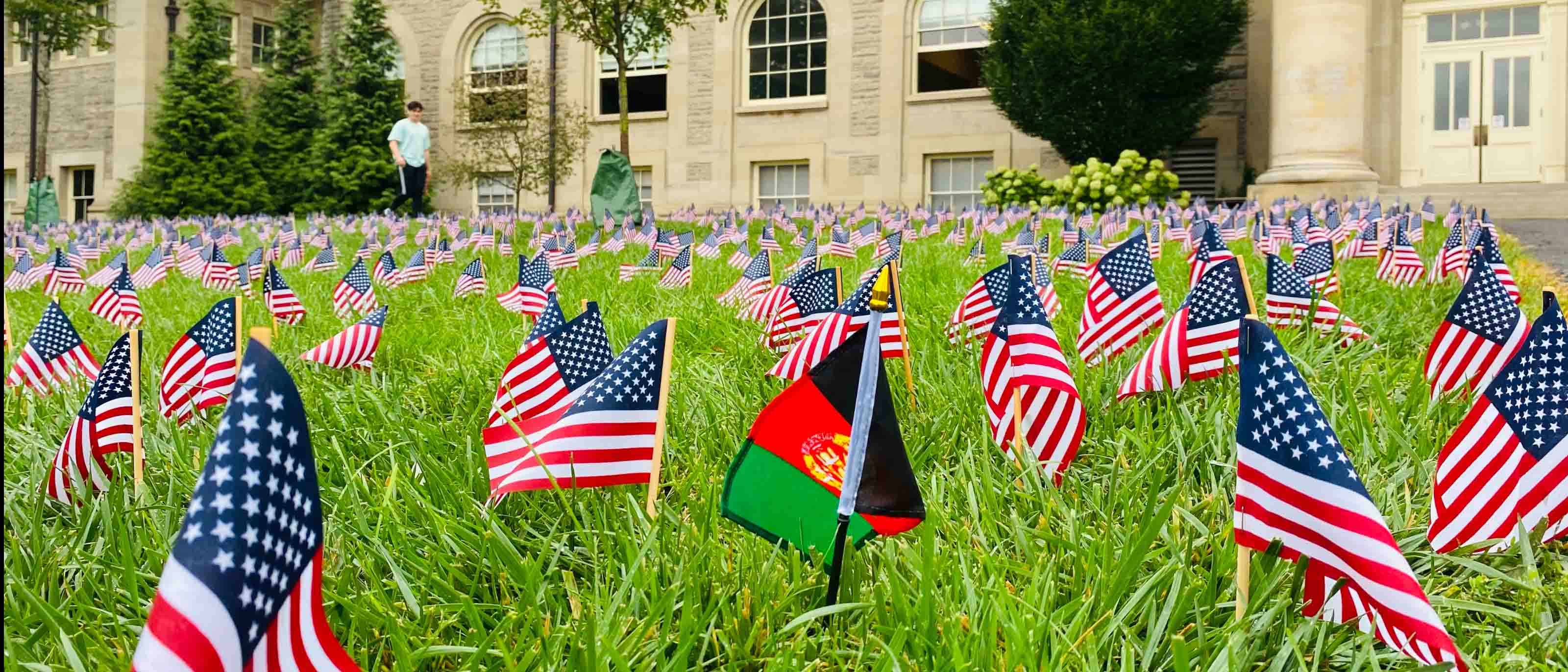
A single Afghanistan flag standing among hundreds of United States flags on the lawn at Cornell University

Security, privacy and compliance for Afghan client data

Client information about Afghan families is sensitive. Every engagement runs to these controls.

Your system, your data

Embedded staff work only inside your case-management system and tenant, with named accounts. We keep no copies.
Evidence you receive: Access list and account log

Confidentiality by rule

Information about refugees is used and shared only as 45 CFR 400.27 and your agreement allow. Survivor information is handled under a written protocol that follows your VAWA, FVPSA and state confidentiality obligations and never discloses a VAWA, T or U filing.
Evidence you receive: Signed data-sharing agreement

Health information

Business associate agreements are signed before any work that touches protected health information.
Evidence you receive: Executed BAA

Access control

Multi-factor authentication, least-privilege access, and access removed on the day an assignment ends.
Evidence you receive: Offboarding record

People

Everyone who touches client data on a U.S. engagement works from the United States, under confidentiality agreements and background checks.
Evidence you receive: Staff roster and attestations

AI safety

No client data trains any model. AI runs only in environments you approve, and a qualified person reviews every AI-assisted draft.
Evidence you receive: AI use register

No channels through Afghanistan’s de facto authorities

We never route documents, data or inquiries through channels controlled by the de facto authorities in Afghanistan.
Evidence you receive: Written compliance line

Federal registration

Registered in SAM.gov (UEI M2UDMUDFXGL9, CAGE 1Z3A3), with controls aligned to NIST SP 800-171.
Evidence you receive: SAM.gov record and NIST SP 800-171 control summary

The rules this work is built around

Instrument
What it governs in this work
INA § 412 (8 U.S.C. 1522) and 45 CFR Part 400
The refugee resettlement program: culturally and linguistically compatible services and bilingual, bicultural women on staff (§ 400.156(e)–(f)), family self-sufficiency plans (§ 400.156(g)), employability plans (§ 400.79), safeguarding information (§ 400.27)
Afghanistan Supplemental Appropriations Act, 2022, § 2502
Afghan humanitarian parolees’ eligibility for ORR benefits and services, as extended by Pub. L. 117-328
Afghan Allies Protection Act of 2009, § 602(b)(8)
Afghan Special Immigrant Visa holders’ eligibility for resettlement assistance, entitlement programs and other benefits available to refugees
Pub. L. 119-21 (2025), §§ 10108, 71109, 71201, 71301, 71302
SNAP, Medicaid and CHIP (from 1 October 2026), Medicare, and marketplace tax credits (under 100% of poverty from 2026; by status from 2027)
Title VI, Civil Rights Act of 1964 (42 U.S.C. 2000d)
National-origin nondiscrimination by recipients of federal funds; Executive Order 13166 was revoked by Executive Order 14224 on 1 March 2025
State and local language-access laws
For example California’s Dymally-Alatorre Bilingual Services Act, New York Executive Law § 202-a and the D.C. Language Access Act of 2004
2 CFR Part 200, adopted by HHS at 2 CFR Part 300
Federal grant administration from 1 October 2025, including three-year record retention (§ 200.334)
8 U.S.C. 1367 and HIPAA
Federal confidentiality for VAWA, T and U applicants’ information, binding on DHS, DOJ and the State Department; HIPAA where case work touches health care
A reference, not legal advice. As of 26 September 2026.

What we do not do

  • We do not give immigration legal advice or represent anyone before USCIS or the immigration courts. Legal questions go to your DOJ-recognized organizations, accredited representatives and attorneys under a written referral protocol.
  • We do not make eligibility decisions. Your agency decides; we prepare, explain and track.
  • We do not share client information beyond your data-sharing agreement.
  • We do not route anything through channels controlled by the de facto authorities in Afghanistan.
  • We do not place volunteers or another agency’s staff in case-management roles.

The team behind our Afghan case management and integration work

Our work is led by people from Afghan communities who studied at leading universities and bring public health, psychology, law, data and systems expertise to every engagement. They are supported by our Cultural Compliance Bureau and a bench of Pashto, Dari and Afghan-language specialists.

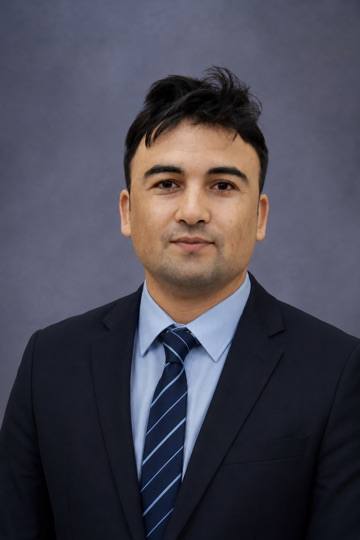
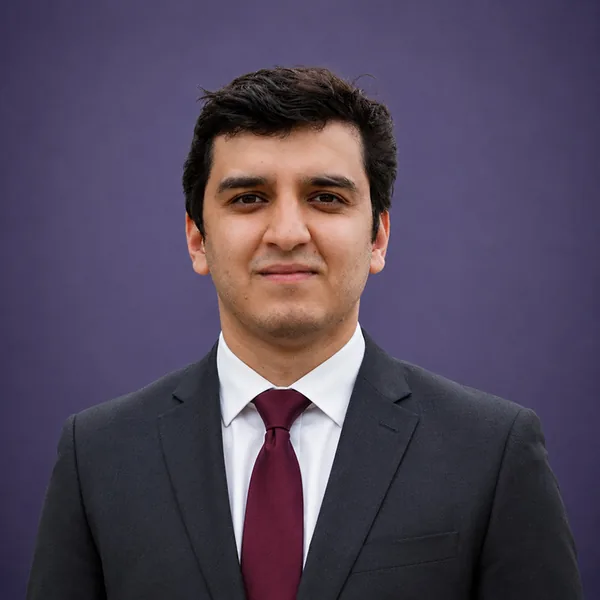
Hassan Ukasha, Managing Partner, Ariana Nexus
Program oversight

Hassan Ukasha

Managing Partner, Ariana Nexus
Washington, D.C.
B.S., Cornell University · M.P.H., Cornell University

Oversees the firm’s operations and every integration and case-management engagement: scope, quality, compliance and the relationship with your leadership.

  • Engagement scope
    Approves scope, staffing and data-sharing terms before work begins.
  • Quality and compliance
    Reviews file-quality scores and compliance findings every month.
  • Escalation
    The single point of escalation for your program leadership.
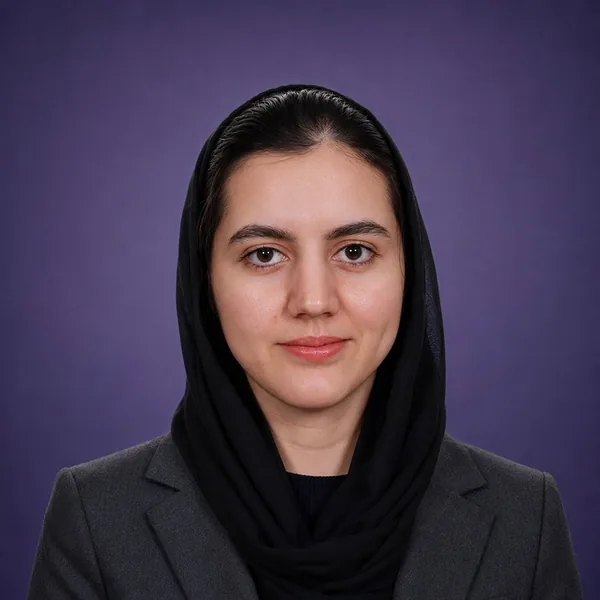
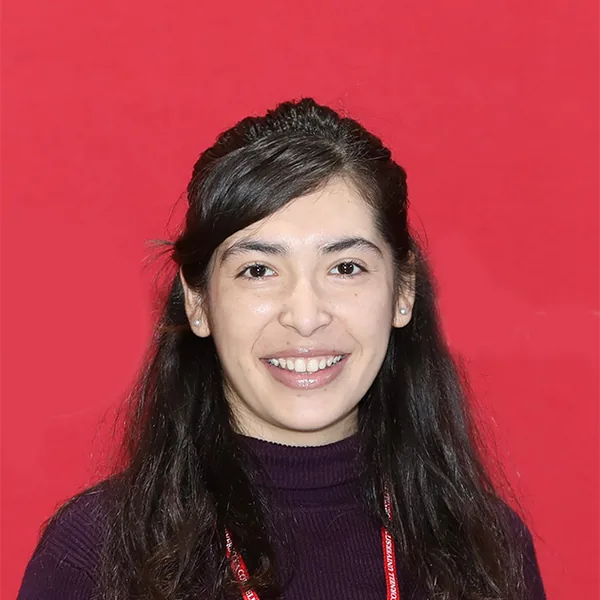
Zeba Haqbani, Senior Partner, Ariana Nexus
Case-management systems

Zeba Haqbani

Senior Partner
B.Sc., The University of British Columbia
Designs the intake forms, case-plan templates and Pashto and Dari fields your program’s system will carry.
Lived in Kabul
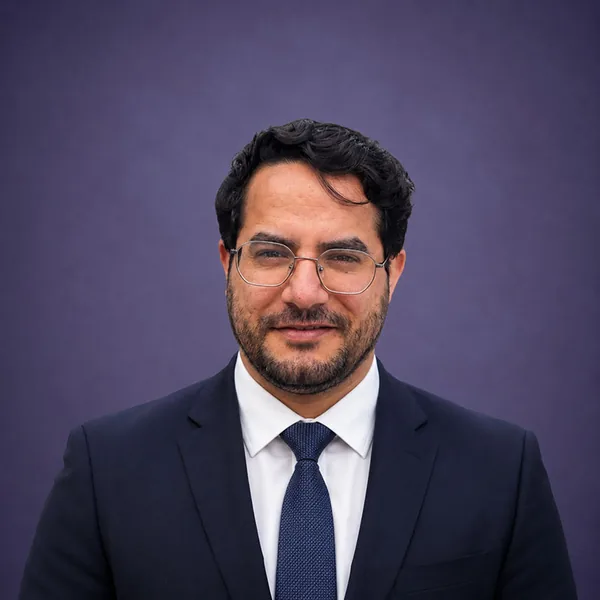
Wasil Peroz, Principal, Ariana Nexus
Status and referral protocols

Wasil Peroz

Principal
B.A., Milli University
M.Sc., Otto von Guericke University Magdeburg
Keeps casework on the right side of the line between case management and legal advice.
Maryam Safi, Principal, Ariana Nexus
Assessment and file quality

Maryam Safi

Principal
B.A., Cornell University
Assesses every case manager in their language variety and samples case files every month.
Hussain Ahmad, Analyst, Ariana Nexus
Outcomes data and responsible AI

Hussain Ahmad

Analyst
M.Eng., Cornell University
Ph.D., The University of Chicago
Builds the data model, dashboards and integration measures, with human review on every AI-assisted step.
Specialist leads for this service
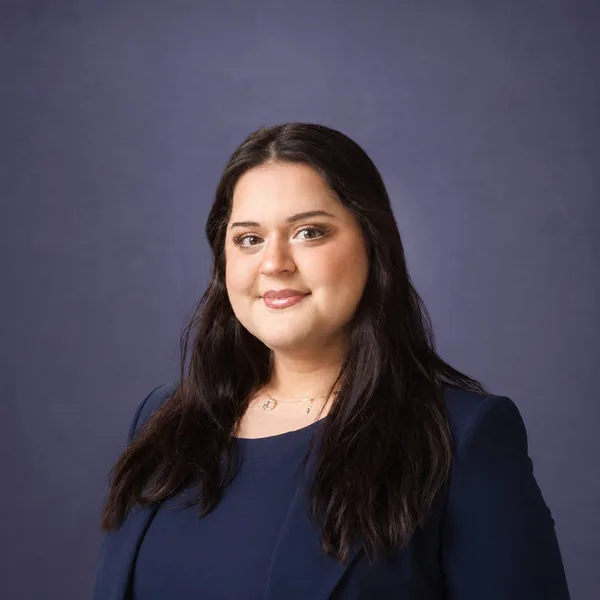
Tamana Ghaznawi, Senior Partner, Ariana Nexus
Health coverage and care

Tamana Ghaznawi

Senior Partner
B.S., Cornell University
M.P.H., Cornell University
Leads health-coverage navigation, the 2026 Medicaid and CHIP changes and warm handoffs to clinical care.
Lived in Kabul
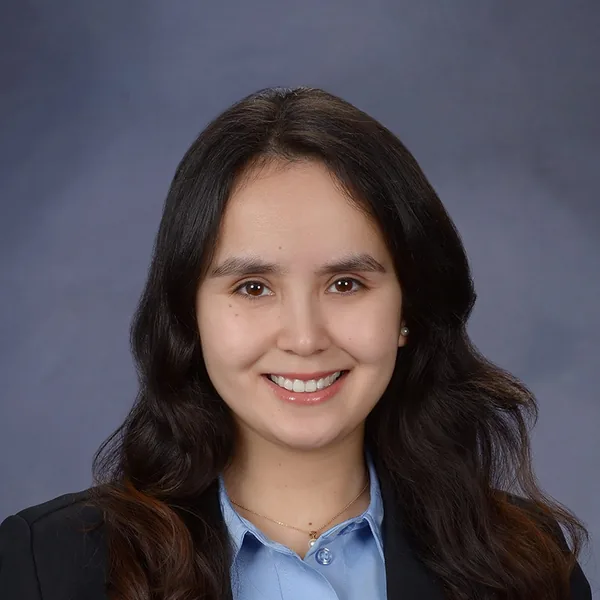
Diana Ayubi, Engagement Manager, Ariana Nexus
Trauma-informed practice

Diana Ayubi

Engagement Manager
B.A., Cornell University
Psy.D., West Chester University
Sets the trauma-informed practice protocols, supervision guides and staff debriefing for each engagement.
Lived in Kabul

What makes this team different: the people who design your program are the people who supervise it, and they read your families’ documents in the original language.

Cultural Compliance Bureau

Reviews every Pashto and Dari client-facing template, form, case-plan template and outreach message before first use, inside your system.

Language and case bench

Pashto and Dari case managers and community navigators, women and men, matched to dialect and region, with specialists in Uzbeki, Turkmeni, Balochi, Pashayi, Nuristani and the other Afghan languages.

Pashto, Dari and 22 more Afghan languages, plus 13 working languages

Case work, documents and outreach in all 24 Afghan languages, matched to dialect, region and gender. Records and reports also in English and 12 working languages for partners in the United States and abroad.

Iranian

12 languages
  • Pashto
  • Dari
  • Aimaq
  • Balochi
  • Ormuri
  • Parachi
  • Wakhi
  • Shughni
  • Sanglechi
  • Ishkashimi
  • Munji
  • Yidgha

Turkic

3 languages
  • Uzbeki
  • Turkmeni
  • Kyrgyz

Indo-Aryan

3 languages
  • Pashayi
  • Gawarbati
  • Tirahi

Nuristani

5 languages
  • Nuristani (Ashkun group)
  • Kati
  • Prasun
  • Waigali
  • Tregami

Dravidian

1 language
  • Brahui

We match the dialect the family speaks at home: the southern, eastern and northern varieties of Pashto, and Dari dialects including Kabuli, Herati and Hazaragi.

Service levels by language

Languages
Service level
Pashto and Dari
Case management at scale, women and men, matched by dialect and region
Uzbeki, Turkmeni, Balochi, Pashayi and Nuristani
Case work by arrangement
The other Afghan languages
A language specialist works alongside the case manager

Working languages for records and reports

English
French
German
Spanish
Italian
Hebrew
Urdu
Arabic
Hindi
Portuguese
Chinese
Russian
Turkish
د کیس مدیریت او د ټولنیز ادغام ملاتړ — ستاسو په خپله ژبه
Pashto
مدیریت کیس و حمایت از ادغام اجتماعی — به زبان خود شما
Dari

Integration agencies outside the United States

The same program support is available by arrangement to integration authorities, municipalities and NGOs serving Afghan families in Canada, the United Kingdom, Germany and the rest of the European Union, under GDPR and UK GDPR terms in Europe and Canadian privacy law in Canada, with records and reports in our working languages.

  • German
    Fallmanagement und Integrationsbegleitung für afghanische Geflüchtete – Paschtu und Dari
  • French
    Accompagnement social et intégration des réfugiés afghans – pachto et dari
  • Spanish
    Gestión de casos e integración de refugiados afganos – pastún y dari
  • Italian
    Presa in carico e integrazione dei rifugiati afghani – pashto e dari
  • Portuguese
    Gestão de casos e integração de refugiados afegãos – pashto e dari
  • Turkish
    Afgan mülteciler için vaka yönetimi ve uyum desteği – Peştuca ve Darice
  • Russian
    Сопровождение и интеграция афганских беженцев – пушту и дари
  • Arabic
    إدارة الحالات ودعم الاندماج للاجئين الأفغان – البشتو والدرية
  • Urdu
    افغان پناہ گزینوں کے لیے کیس مینجمنٹ اور انضمام – پشتو اور دری
  • Hindi
    अफ़ग़ान शरणार्थियों के लिए केस प्रबंधन और एकीकरण सहायता – पश्तो और दरी
  • Hebrew
    ניהול תיקים ושילוב פליטים אפגנים – פשטו ודרי
  • Chinese
    阿富汗难民个案管理与融合支持 – 普什图语和达里语

Questions agencies ask about Afghan case management

Status and dates as of 26 September 2026. General information, not legal advice.

What is Afghan refugee case management?

It is coordinated, one-to-one support that helps Afghan families reach stability and independence: intake and needs assessment, a written plan, referrals to benefits, health care, housing, work and school, follow-up and closure. For Afghans already in the United States in 2026, it also means tracking status and benefit deadlines.

Who is this service for?

State refugee coordinators, county and city human-services offices, resettlement agencies and their local offices, public health departments, workforce and school programs, and funders supporting Afghan families. We strengthen the agency’s program; we are not a resettlement agency.

Can your case managers work inside our case-management system and under our supervision?

Yes. Embedded case managers work in your system, under your supervision and policies, with named accounts you control. Every record stays in your system when the engagement ends.

Do you give immigration legal advice or help with asylum and green-card applications?

No. Case managers identify status deadlines and refer families to your DOJ-recognized organizations, accredited representatives or attorneys under a written referral protocol. We help families gather documents and keep appointments; we do not give legal advice or file applications.

How do the 2025–2026 SNAP and Medicaid changes affect Afghans on our caseload?

Under Public Law 119-21, the One Big Beautiful Bill Act (called the Working Families Tax Cut legislation in CMS guidance), refugees, asylees and humanitarian parolees without green cards lose SNAP under a provision in effect since 4 July 2025, applied at application and each household’s next recertification. Refugees, asylees and Afghan SIV holders with green cards stay eligible without the five-year wait. From 1 October 2026, full federal Medicaid and CHIP are limited to citizens, green-card holders, including Afghan SIV holders, and a few other groups; refugees, asylees and Afghan parolees keep emergency Medicaid, and states using the CHIPRA 214 option may keep covering lawfully residing children and pregnant women. Status as of 26 September 2026.

What happened to Temporary Protected Status for Afghans?

DHS terminated TPS for Afghanistan in a notice published on 13 May 2025, and it ended in July 2025. Former TPS holders need a status review by an attorney or accredited representative, and their benefits and work permits change with it.

Can you match case managers by gender, dialect and region?

Yes. We match the language and dialect the family speaks at home, the region they come from and the gender the family needs, including women case managers for Afghan women. Federal refugee-service rules require bilingual, bicultural women on service staff to the maximum extent feasible (45 CFR 400.156(f)).

Which Afghan languages do you support?

All 24: Pashto, Dari, Uzbeki, Turkmeni, Balochi, Pashayi, Nuristani, Aimaq, Kyrgyz, Brahui and 14 smaller languages, including the Pamir languages. We also match dialects, from the southern, eastern and northern varieties of Pashto to Dari dialects such as Kabuli, Herati and Hazaragi. Records and reports are also available in English and 12 working languages.

How do you protect client information?

Embedded staff work only in your system, with multi-factor authentication and named accounts. We follow 45 CFR 400.27 and your data-sharing agreement, sign business associate agreements where health information is involved, handle survivor information under a written confidentiality protocol that never discloses a VAWA, T or U filing, and remove access the day an assignment ends.

Do you use AI in case management?

Only with safeguards. AI-assisted translation drafts and note summaries run in environments you approve, a qualified person reviews every output, and no client data is used to train any model. Decisions about families are always made by people.

How do your case managers work with war trauma and moral trauma?

They follow SAMHSA’s six principles of a trauma-informed approach, plan for safety first, use gender-matched staff where the family needs it, and hand off to mental-health care with the family’s consent. Supervision and debriefing protect your staff from secondary trauma.

How quickly can you start?

We agree scope and a data-sharing agreement first. Our plan reviews every open case file within two weeks of a signed order and data-sharing agreement, with case managers mobilized by language and caseload.

How do agencies contract with Ariana Nexus?

Through purchase orders, task orders, contracts under ORR and state grants, and multi-year service contracts. Ariana Nexus is registered in SAM.gov (UEI M2UDMUDFXGL9, CAGE 1Z3A3) and based in Washington, D.C.

Is Ariana Nexus a resettlement agency?

No. Ariana Nexus is a consulting and professional services firm. We strengthen the programs of state offices, counties, resettlement agencies and other providers; we do not hold federal reception and placement agreements.

Do you support integration agencies outside the United States?

Yes, by arrangement, for authorities, municipalities and NGOs in Canada, the United Kingdom and the European Union, under GDPR and UK GDPR terms in Europe and Canadian privacy law in Canada, with reports in English, French, German, Spanish, Italian, Portuguese or Turkish.

Related services

Interpreters for Government Agencies and Public Services

Interpreting for appointments, hearings and public services; this page covers the casework around them.
View service

Translation of Government Notices, Forms, Websites and Voter Guides

Public documents at scale; case documents for individual families are covered here.
View service

Afghan Cultural Competency Training for Police, Fire, EMS, 911, and Government Staff

Training for your wider workforce; this page trains and supports the case team.
View service

Title VI Language Access Plan Consulting for State and Local Agencies

Agency-wide language access plans after Executive Order 14224.
View service

Medicaid Eligibility and Benefits Navigation Programs in Pashto and Dari

Navigator programs for health systems and health plans.
View service

Policy Research and Analysis on Afghanistan and the Afghan Diaspora for Government, Think Tanks and Foundations

For commissioned policy research on Afghanistan and the Afghan diaspora.
View service

Cultural training for teachers and school staff

Afghan cultural competency training for every adult in the school: enrollment, interrupted schooling, families, trauma-informed practice and interpreters.
View service

Newcomer Program Design and Afghan Family Engagement

Education and Research · Program design for newcomer students and engagement systems for their families.
View service

Education Bridging Services for Afghan Women Students in Exile

Education and Research · Orientation, academic preparation and records for Afghan women students whose education was cut off.
View service

Tell us about your Afghan caseload.

Share your caseload size, languages and funding source, or send the RFP or notice of funding opportunity. A partner replies within one business day.