Cultural Training for Employers and Supervisors of Afghan Employees

Supervisor, HR and leadership training for companies that employ Afghan staff — refugees, Special Immigrant Visa holders, evacuees and the wider Afghan diaspora. On-site on any shift in all 50 states, live online or in your LMS, with employee materials in Pashto, Dari and 22 more Afghan languages.

What is cultural training for employers of Afghan employees?

Cultural training for employers and supervisors of Afghan employees is workplace training that prepares HR teams, managers and frontline supervisors to hire, onboard, communicate with, accommodate and retain employees from Afghanistan — refugees, Special Immigrant Visa holders, evacuees and the wider Afghan diaspora — with materials in Pashto, Dari and 22 more Afghan languages.

Ariana Nexus is a Washington, D.C. consulting and professional services firm, founded in 2025, that designs and delivers cultural training for employers and supervisors of Afghan employees across all 50 U.S. states, Canada, Europe and Australia.

For
Owners, executives, HR and L&D teams, site and plant managers, frontline supervisors and staffing agencies.
Covers
Communication and feedback, prayer and Ramazan, safety training, trauma-aware supervision, onboarding, retention and work-permit changes.
Formats
On-site on any shift, live online, SCORM and xAPI e-learning, shift-briefing kits and train-the-trainer.
Languages
Training in 14 languages. Employee materials and interpreting in Pashto, Dari and 22 more Afghan languages.
Where
All 50 U.S. states, Canada, Europe and Australia.
Measured
Four levels of measurement and a 90-day report against your baseline.
Delivered by
Ariana Nexus team members only. No subcontracted trainers or interpreters.
Reviewed
Legal content dated and reviewed every quarter. Last reviewed October 2026.
The case for training

Why employers train supervisors of Afghan employees

Afghan employees are won or lost in the first 90 days with a supervisor. Four pressures make that relationship worth training for.

Retention
4% vs 11%
refugee vs overall turnover at manufacturers in the study
In a 2018 study of 26 U.S. employers, 73% reported lower turnover among refugee employees. Gallup puts the cost of replacing an employee at one-half to two times annual salary. (sources 1,2)
Safety
56%
of Afghan immigrants speak English less than “very well”
OSHA requires safety training in a language and vocabulary employees understand. For many Afghan workers, that means Pashto or Dari. (sources 3,4)
Religious accommodation
2023
Groff v. DeJoy raised the bar for refusing an accommodation
Refusing a religious accommodation now requires a substantial burden on the business, and co-worker resentment is not a defense. (source 5)
Work authorization
Oct 30, 2025
work-permit renewals filed from this date no longer extend automatically
Temporary Protected Status for Afghanistan ended in July 2025. HR needs a reverification plan that never singles anyone out. (sources 9,10,7)
Why one session is not enough
A meta-analysis of 260 independent samples found that the attitude effects of diversity training fade while knowledge lasts, and that sustained, skills-based programs work better. This program is skills-based workplace training, reinforced and measured through day 90. (source 11)
Routes

One program, a route for every role

Each role travels its own route through the curriculum. Every route ends at the same place: a 90-day report against your baseline.

  1. Route A: Frontline supervisors

    6 modules · 6 h 30 min
    1. Module 02
      The Afghan workforce today
    2. Module 03
      Communication, respect and feedback
    3. Module 04
      Prayer, Ramazan and Eid at work
    4. Module 05
      Mixed teams and authority
    5. Module 06
      Safety training that is understood
    6. Module 07
      Trauma-aware supervision and moral injury
    7. Day 90
      90-day report
  2. Route B: HR, recruiters and payroll

    4 modules · 4 h
    1. Module 02
      The Afghan workforce today
    2. Module 04
      Prayer, Ramazan and Eid at work
    3. Module 08
      Hiring, onboarding and the first 90 days
    4. Module 09
      Work authorization without document abuse
    5. Day 90
      90-day report
  3. Route C: Owners and executives

    1 module · 45 min
    1. Module 01
      Leaders’ briefing
    2. Day 90
      90-day report
  4. Route D: Co-workers

    1 module · 30 min
    1. Module 10
      Co-worker briefing
    2. Day 90
      90-day report
  5. Route E: Employees who prefer Pashto or Dari

    1 module · 1 h 30 min
    1. Module 11
      Employee orientation in Pashto and Dari
    2. Day 90
      90-day report
  6. Route F: Your L&D team

    1 module · 2 days
    1. Module 12
      Train-the-trainer
    2. Day 90
      90-day report

Routes are assigned to owners and executives; CHROs and HR directors; HR business partners and recruiters; L&D and training managers; plant, site and operations managers; frontline supervisors and team leads; safety and EHS managers; and staffing agencies and franchise operators.
Three colleagues in business attire review printed charts together at a table with coffee cups

Industries where our routes run

  • Warehousing and logistics
  • Manufacturing
  • Food processing and meat packing
  • Hospitals, home care and senior living
  • Hotels, restaurants and food service
  • Retail and grocery
  • Construction and trades
  • Trucking, delivery and fleets
  • Facilities, security and cleaning services
  • Airports and ground handling
  • Technology and professional services
  • Banks and contact centers
Module board

The curriculum: 12 modules, assembled for your workforce

Each program is assembled from these modules after the diagnostic, by role, shift and language.

The curriculum: 12 modules, assembled for your workforce
ModuleTitleCoversLengthAudienceOn routes
Module
01
Title
Leaders’ briefing
Covers
Risk, retention and the decisions only leaders can make: prayer space, Ramazan scheduling, language rules and interpreter budget.
Length
45 min
Audience
Owners, executives, HR leadership
On routes
Route C
Module
02
Title
The Afghan workforce today
Covers
Who your Afghan employees are: immigration statuses, regions, languages, education, and what the Afghan war and the 2021 evacuation meant for Afghan people and their families.
Length
60 min
Audience
Supervisors, HR
On routes
Route ARoute B
Module
03
Title
Communication, respect and feedback
Covers
The indirect “yes,” teach-back, feedback without loss of face, names and forms of address.
Length
90 min
Audience
Supervisors, team leads
On routes
Route A
Module
04
Title
Prayer, Ramazan and Eid at work
Covers
Your accommodation process, prayer breaks and space, fasting and safety, Eid leave, food handling and dress.
Length
75 min
Audience
Supervisors, HR, schedulers
On routes
Route ARoute B
Module
05
Title
Mixed teams and authority
Covers
One standard of conduct for everyone, greetings, and harassment policy applied consistently.
Length
45 min
Audience
Supervisors, all staff
On routes
Route A
Module
06
Title
Safety training that is understood
Covers
OSHA’s language rule, Pashto and Dari safety briefings, pictograms, teach-back, heat and fasting.
Length
60 min
Audience
Safety and EHS leads, supervisors
On routes
Route A
Module
07
Title
Trauma-aware supervision and moral injury
Covers
Recognize distress, respond and refer to your EAP, including on teams where veterans who served in Afghanistan work alongside Afghan colleagues.
Length
60 min
Audience
Supervisors, HR
On routes
Route A
Module
08
Title
Hiring, onboarding and the first 90 days
Covers
Buddy design, underemployed professionals, and stay and exit interviews in Pashto and Dari.
Length
60 min
Audience
HR, recruiters, supervisors
On routes
Route B
Module
09
Title
Work authorization without document abuse
Covers
Form I-9 reverification, EAD renewals after October 2025, the end of TPS for Afghanistan and the IER’s anti-discrimination rules, with your counsel.
Length
45 min
Audience
HR, payroll
On routes
Route B
Module
10
Title
Co-worker briefing
Covers
What to expect, what to ask and what not to ask.
Length
30 min
Audience
Teams receiving Afghan colleagues
On routes
Route D
Module
11
Title
Employee orientation in Pashto and Dari
Covers
Pay, benefits, attendance, safety, workplace rights and how to raise a concern, in their language.
Length
90 min
Audience
Employees who prefer Pashto or Dari
On routes
Route E
Module
12
Title
Train-the-trainer
Covers
Licensed facilitator guides to deliver modules 02–06 and 10 in-house, updated every year.
Length
2 days
Audience
Your L&D team
On routes
Route F
On the floor

Nine situations we train supervisors to handle

Each is taught as a real moment on your floor: what it often means, and what to do next.

“Yes, I understand.”
What it often means
Often said out of respect, not to confirm understanding.
What to do
Check with a demonstration: “Show me how you will do it.”
Silence in a team meeting
What it often means
Deference to the person in charge, not disengagement.
What to do
Ask one to one, and give a written or visual version.
A request to pray during a shift
What it often means
A religious accommodation request under your policy.
What to do
Follow your process. Short breaks and a quiet space are often workable.
Fasting during Ramazan in a physical job
What it often means
A safety and scheduling question, not only a religious one.
What to do
Plan heavy and heat-exposed tasks, breaks and sunset timing in advance.
A greeting without a handshake
What it often means
A sign of respect, often with a hand over the heart.
What to do
Accept the alternative greeting and apply one standard of conduct to everyone.
“FNU” or a January 1 birth date
What it often means
Common in Afghan records, not a red flag.
What to do
Record names and dates exactly as they appear on the employee’s documents, and update them only when corrected documents are presented.
Urgent news from home
What it often means
Earthquakes, deportations from Iran and Pakistan, family in danger.
What to do
Explain leave options clearly and refer to your employee assistance program.
A skilled professional in an entry-level job
What it often means
Underemployment, not a lack of ambition.
What to do
Map skills and create a visible path to the next role.
A work permit about to expire
What it often means
A date to manage, not a reason to doubt the employee.
What to do
Reverify on time, accept any valid document and never single anyone out.
Signage

Signs and safety briefings your whole floor can read

Safety training holds when the signs on the wall say the same thing as the briefing: in Pashto, Dari and English, with pictograms that need no words at all.

Prayer room
Pashto: د لمانځه خونه
Dari: نمازخانه
Interpreter available
Pashto: ژباړونکی شته
Dari: ترجمان موجود است
Safety first
Pashto: خوندیتوب لومړی
Dari: مصئونیت اول
  • Prayer room
  • Interpreter available
  • Safety first
  • Ask your supervisor
  • Information
  • Wellbeing support
  • Ramazan schedule
  • Policies in Pashto and Dari

Signage is designed with each site program and produced through our printing services for Afghan businesses.

An empty office corridor lined with glass-walled rooms and pendant lights
Planning board 2027

Plan Ramazan, Eid and Nowruz 2027 at work

In Pashto and Dari, the month of fasting is Ramazan. Plan schedules, leave and safety with your employees well before these dates.

Expected 2027 dates
ObservanceExpected dateWhat to plan
Observance
Ramazan (Ramadan)
Expected date
About Feb 8 – Mar 9, 2027
What to plan
Fasting from dawn to sunset. Plan shift timing, breaks at sunset and heat-exposed tasks.
Observance
Eid al-Fitr
Expected date
Mar 9 or 10, 2027
What to plan
One of the two main Eids. Expect leave requests and plan coverage early.
Observance
Nowruz, Afghan New Year
Expected date
Mar 21, 2027
What to plan
1 Hamal 1406 on the Afghan calendar. Some employees ask for the day off.
Observance
Eid al-Adha
Expected date
May 16 or 17, 2027
What to plan
The second main Eid, often several days of family visits.
Observance
Ashura
Expected date
Jun 15 or 16, 2027
What to plan
A day of mourning for Shia employees, not a celebration.

Expected dates. Islamic dates depend on moon sighting, and communities may observe a day apart. Dates as expected in October 2026.

Ways in

Formats that fit every shift

On-site, any shift
At your plant, warehouse, store, kitchen or office, including nights and weekends, in all 50 states.
Live online
Microsoft Teams, Zoom or Webex, in 45- to 90-minute blocks.
E-learning for your LMS
SCORM 1.2, SCORM 2004 and xAPI modules of 7 to 12 minutes, with captions and transcripts.
Shift-briefing kits
Ten-minute toolbox talks your supervisors lead at the start of a shift.
Print for the floor
Supervisor field cards, the Ramazan planner and multilingual signage.
Advisory line
Supervisors and HR ask an Ariana Nexus advisor and receive an answer within one business day.
Train-the-trainer
License your L&D team to deliver the core modules in-house.
AI-assisted microlearning
Scenario refreshers drafted with AI inside our enterprise environment and reviewed line by line by facilitators.
An empty conference room with a long wooden table, pink chairs and floor-to-ceiling windows

How a program runs

  1. 1
    Week 0
    Scoping call
    45 minutes with a principal. A written proposal follows within five business days.
  2. 2
    Weeks 1–2
    Workforce diagnostic
    Site visit, supervisor interviews, handbook and policy review, and listening sessions with Afghan employees in Pashto and Dari.
  3. 3
    Weeks 3–4
    Program design
    Modules, languages, shift schedule, measures and baseline agreed in writing.
  4. 4
    Weeks 5–8
    Delivery
    Workshops by shift, co-worker briefings, employee orientation, field cards and toolbox talks.
  5. 5
    Days 30, 60, 90
    Measurement
    Microlearning, supervisor observation, an employee pulse in Pashto and Dari, and the 90-day report.
Engagements

Three ways to engage

Entry

Leadership briefing

Half a day
Owners, executive teams and HR leadership deciding what their workplace needs.
  • Module 01 with a principal
  • Questions from your leadership team
  • A readiness memo with priorities
Multi-site

Enterprise program

Planned site by site
Multi-site and multinational employers.
  • A site program at each site
  • Train-the-trainer licensing
  • LMS packages
  • Policy review by jurisdiction
  • Quarterly refreshers and the advisory line

Programs are priced per program after the scoping call — by sites, shifts, languages and formats, not per seat.

Checkpoints

How results are measured

Four levels, agreed before delivery starts, measured against your own baseline.

1
Same day

Reaction

Session feedback in the participant’s language.
2
Before and after

Learning

A situation-based assessment before and after each module.
3
Days 30 and 60

Behavior

Supervisor observation and an employee pulse in Pashto and Dari.
4
Day 90

Results

90-day retention, early turnover, safety reports, HR cases and accommodation requests.
  • 90-day retention
  • Early turnover
  • Near-miss and incident reports
  • HR cases and accommodation requests

You receive a 90-day report that states what moved and what did not.

What you receive

Workforce diagnostic memo
Findings from the site visit, supervisor interviews and employee listening sessions, with priorities.
Supervisor playbook
Situations, scripts and escalation paths in plain English.
Supervisor field cards
Pocket cards with key phrases in Pashto and Dari.
Shift-briefing kits
Ten-minute toolbox talks for supervisors to lead.
Ramazan and Eid planner 2027
Expected dates, scheduling options and safety checks.
Employee orientation pack
Pay, benefits, attendance, safety and how to raise a concern, in Pashto and Dari.
LMS packages
SCORM and xAPI modules with captions and transcripts.
90-day measurement report
What moved, what did not, and what to do next.
Why Ariana Nexus

Why employers choose Ariana Nexus

One firm that brings together Afghan-community knowledge, scholarship from leading universities, the Afghan languages your workforce speaks and the compliance discipline of a consulting firm.

Taught from inside the community

Our facilitators come from Afghan communities and studied at Cornell University, the University of Chicago, the University of British Columbia and other universities. We do not send generalist trainers or untrained bilingual staff.

Both sides of the floor

Supervisors, co-workers and Afghan employees are each trained, the employees in Pashto or Dari, so every side hears the same expectations.

Built for the law as it stands in 2026

Mixed cohorts, behavior-based content, accommodation after Groff v. DeJoy and the document-abuse rules of 8 U.S.C. 1324b. Legal content is dated and reviewed every quarter.

The languages your workforce speaks

Pashto, Dari and 22 more Afghan languages, matched to dialect, region and gender, plus 14 training languages for managers in Canada, Europe and Australia.

Measured, not assumed

Four levels of measurement and a 90-day report against your baseline.

One firm, one point of accountability

The people who design your program deliver it. No subcontracted trainers or interpreters.

Where no standard exists, we wrote one

No national certification exam in the United States tests interpreting in Pashto or Dari, and no standard exists for Afghan workplace training. Ariana Nexus trains and assesses its own facilitators and interpreters against a written standard, and opens that training to Afghan interpreters across the diaspora.

Comparison

Generic cultural awareness training, compared

A generic course compared with an Ariana Nexus program
DimensionGeneric cultural awareness courseAriana Nexus program
Dimension
Built for
Generic cultural awareness course
Managers working abroad, or diversity in general
Ariana Nexus program
Supervisors and HR teams of Afghan employees, at your sites
Dimension
Content
Generic cultural awareness course
Country facts and etiquette
Ariana Nexus program
Situations from your floor, your policies and your shifts
Dimension
Who is trained
Generic cultural awareness course
Managers only
Ariana Nexus program
Leaders, HR, supervisors, co-workers and Afghan employees
Dimension
Languages
Generic cultural awareness course
English
Ariana Nexus program
14 training languages; Pashto, Dari and 22 more Afghan languages for employees
Dimension
Faculty
Generic cultural awareness course
Generalist trainers
Ariana Nexus program
Afghan-community facilitators who are graduates of leading universities
Dimension
Legal fit
Generic cultural awareness course
Not mapped to employment law
Ariana Nexus program
Mapped to U.S., Canadian, UK, EU and Australian law, reviewed quarterly
Dimension
Format
Generic cultural awareness course
One session
Ariana Nexus program
Diagnostic, modules, reinforcement and 90-day measurement
Dimension
Proof
Generic cultural awareness course
A satisfaction survey
Ariana Nexus program
Four-level measurement against your baseline
Your team

The team that designs and delivers your program

Partners and principals who come from the Afghan community, studied at Cornell University, the University of Chicago, the University of British Columbia and other universities, and work in its languages every day — with facilitators, interpreters and a compliance bureau behind them, all in-house.

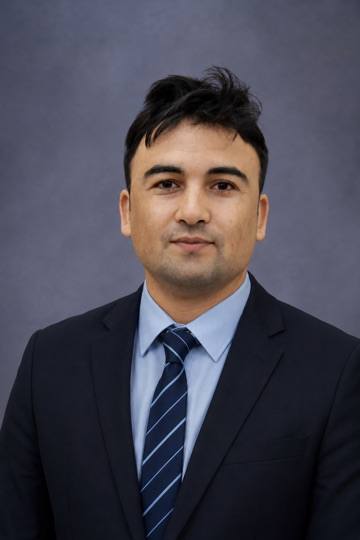
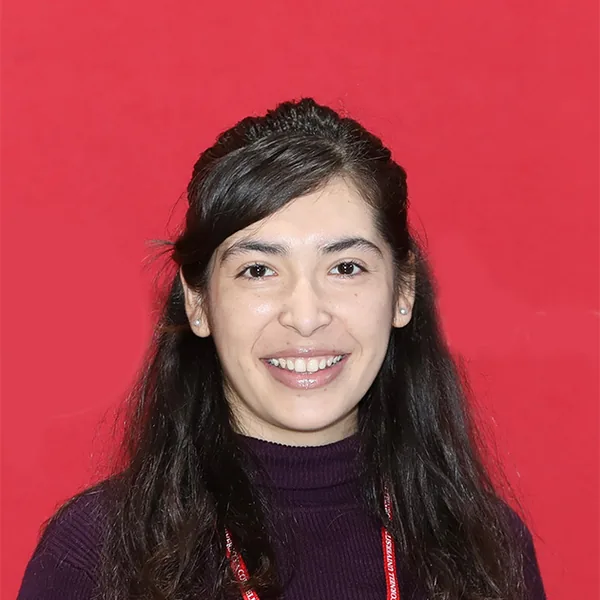
Portrait of Hassan Ukasha
Executive oversight

Hassan Ukasha

Managing Partner

Oversees the firm’s overall operations and this program, from the workforce diagnostic to the 90-day report, and is the executive accountable to your leadership for its quality and delivery.

Education
B.S.
,
Cornell University
M.P.H.
,
Cornell University
Languages
Pashto, Dari, English, Urdu and Hindi; working Arabic
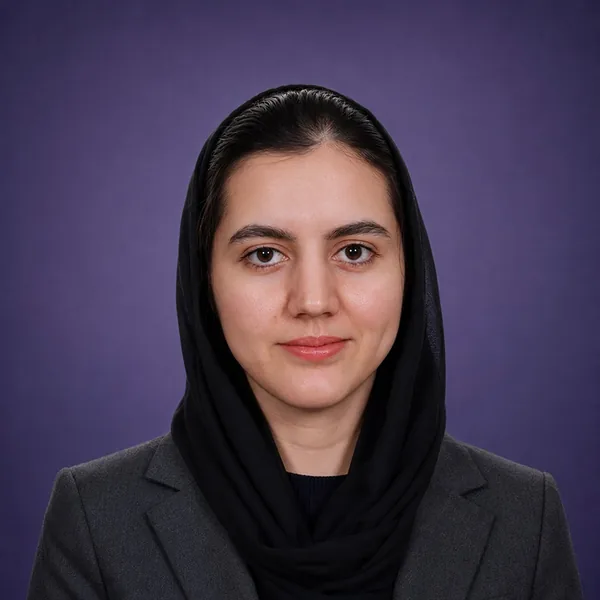
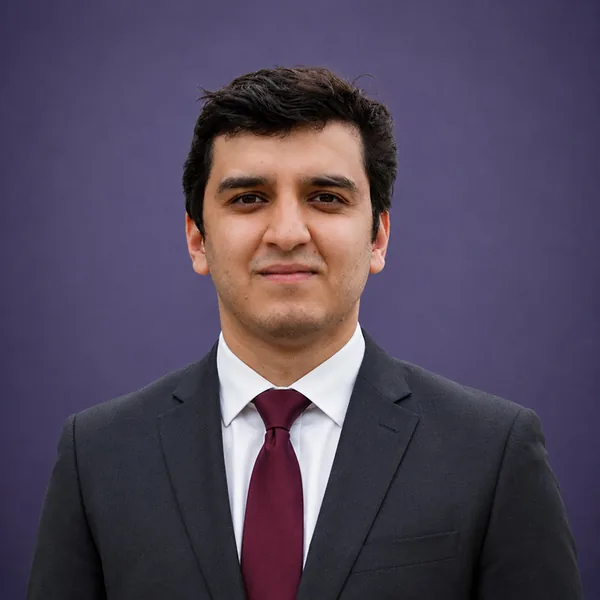
Portrait of Zeba Haqbani
Zeba Haqbani
Senior Partner
B.Sc.
,
University of British Columbia
Leads learning platforms and digital delivery: LMS packages, microlearning, the client vault and data protection.
Lived in Kabul.
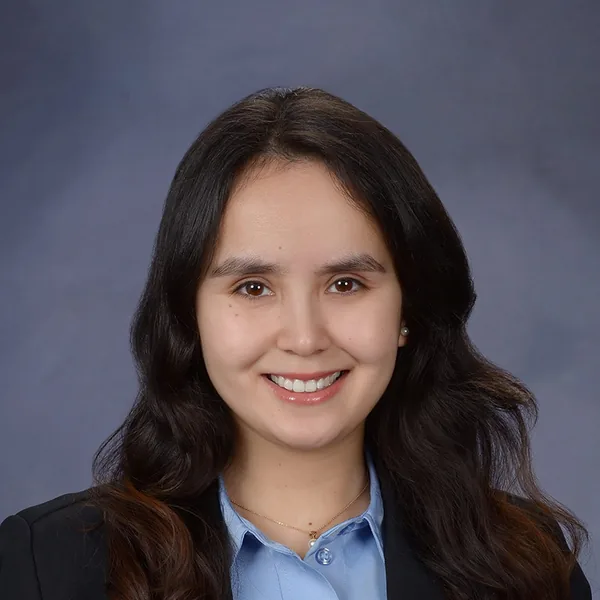
Portrait of Tamana Ghaznawi
Tamana Ghaznawi
Senior Partner
B.S.
,
Cornell University
M.P.H.
,
Cornell University
Leads programs for hospitals, home-care agencies and senior-living employers.
Lived in Kabul.
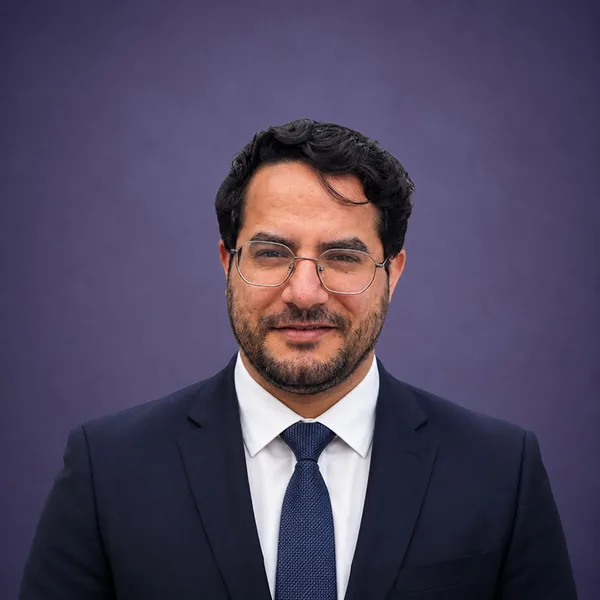
Portrait of Wasil Peroz
Wasil Peroz
Principal
B.A.
,
Milli University
M.Sc.
,
Otto-von-Guericke University Magdeburg
Leads policy review and legal alignment across the United States, Canada, the UK, the EU and Australia, alongside your counsel.
Portrait of Maryam Safi
Maryam Safi
Principal
B.A.
,
Cornell University
Leads measurement: assessments, 30- and 60-day observation, the employee pulse and the 90-day report.
Portrait of Diana Ayubi
Diana Ayubi
Engagement Manager
B.A.
,
Cornell University
Psy.D.
,
West Chester University
Leads trauma-aware supervision content and the wellbeing protocol, and reviews Module 07.
Lived in Kabul.
Portrait of Hussain Ahmad
Hussain Ahmad
Analyst
M.Eng.
,
Cornell University
Ph.D.
,
University of Chicago
Builds the measurement dashboards and analyzes anonymized pulse results.
Cultural Compliance Bureau
Reviews every module, phrase card, translated policy and AI-assisted draft for accuracy, cultural safety and legal alignment before it reaches your floor.
Human Intelligence Collective
Facilitators, interpreters and translators across Pashto, Dari and 22 more Afghan languages, matched by language, dialect, region and gender.
AI Data Factory
Builds LMS packages, microlearning and measurement dashboards, with human review at every step.
Restricted access

How we protect your people’s information

Training touches personnel files, schedules and sensitive conversations. These controls are written into every engagement.

Your client vault

Authorized personnel only
Who gets in
Named users you approve
How they sign in
Multi-factor sign-in
What they see
Role-based access by site and function
What is recorded
Every access, in a log you can request
How it is protected
Encryption in transit and at rest
When it ends
Deletion on your schedule, with a written record
  • We never collect immigration status, religion or national origin
    Training records hold name, role, site, completion and assessment results, nothing more.
  • An anonymous employee pulse
    Employees answer in Pashto or Dari without their names attached, and results are reported in aggregate, never by individual.
  • Retention on your schedule
    Files are deleted when you decide, with a written deletion record.
  • Confidentiality before the first visit
    A mutual NDA before the diagnostic, and a data processing agreement where GDPR, UK GDPR, PIPEDA or Québec’s Law 25 applies.
  • Our people, not subcontractors
    Facilitators, interpreters and translators are Ariana Nexus team members under written confidentiality. U.S. sessions are delivered by U.S.-based staff.
  • AI with human review
    AI tools run only inside our enterprise environment. Your materials and employee data are never used to train AI models, and every AI-assisted draft is reviewed by people.
  • No data path to Afghanistan
    We never route documents, data or inquiries through channels controlled by the de facto authorities in Afghanistan.
  • Accessible by default
    E-learning built to WCAG 2.2 AA, with captions and transcripts in English, Pashto and Dari.
Languages

Training in your managers’ language. Materials in your employees’ language.

Supervisor and HR training runs in English, French, German, Spanish, Italian, Portuguese, Swedish, Turkish, Arabic, Urdu, Hindi, Russian, Chinese and Hebrew. Employee orientations, translated policies, safety briefings and interpreters cover Pashto, Dari and 22 more Afghan languages.

Training languages

  • English
  • French
  • German
  • Spanish
  • Italian
  • Portuguese
  • Swedish
  • Turkish
  • Arabic
  • Urdu
  • Hindi
  • Russian
  • Chinese
  • Hebrew

Pashto materials are matched to southern and northern varieties. Dari materials are written in Afghan Dari, not Iranian Persian, with Kabuli, Herati, Hazaragi and other regional varieties matched on request.

For smaller languages, we confirm the interpreter, dialect and date before you book.

Pashto, Dari and 22 more Afghan languages

Iranian
12
  • Pashto
  • Dari
  • Aimaq
  • Balochi
  • Ormuri
  • Parachi
  • Wakhi
  • Shughni
  • Sanglechi
  • Ishkashimi
  • Munji
  • Yidgha
Turkic
3
  • Uzbeki
  • Turkmeni
  • Kyrgyz
Indo-Aryan
3
  • Pashayi
  • Gawarbati
  • Tirahi
Nuristani
5
  • Nuristani (Ashkun group)
  • Kati
  • Prasun
  • Waigali
  • Tregami
Dravidian
1
  • Brahui
Welcome to the team.
Pashto: ټیم ته ښه راغلاست.
Dari: به تیم خوش آمدید.
Your safety comes first.
Pashto: ستاسو خوندیتوب لومړی دی.
Dari: مصئونیت شما اول است.
Please show me how you will do it.
Pashto: مهرباني وکړئ ما ته وښیئ چې دا به څنګه کوئ.
Dari: لطفاً به من نشان بدهید که این کار را چطور انجام می‌دهید.
If something is unclear, please ask me.
Pashto: که څه روښانه نه وي، له ما وپوښتئ.
Dari: اگر چیزی واضح نیست، از من بپرسید.

Supervisor field card. Lines reviewed by the Cultural Compliance Bureau.

Destinations

Delivered in all 50 states, and in Canada, Europe and Australia

On-site sessions anywhere in the United States, on any shift. Live online sessions everywhere. Programs abroad depend on scope and scale.

  • AlabamaAL
  • AlaskaAK
  • ArizonaAZ
  • ArkansasAR
  • CaliforniaCA
  • ColoradoCO
  • ConnecticutCT
  • DelawareDE
  • FloridaFL
  • GeorgiaGA
  • HawaiiHI
  • IdahoID
  • IllinoisIL
  • IndianaIN
  • IowaIA
  • KansasKS
  • KentuckyKY
  • LouisianaLA
  • MaineME
  • MarylandMD
  • MassachusettsMA
  • MichiganMI
  • MinnesotaMN
  • MississippiMS
  • MissouriMO
  • MontanaMT
  • NebraskaNE
  • NevadaNV
  • New HampshireNH
  • New JerseyNJ
  • New MexicoNM
  • New YorkNY
  • North CarolinaNC
  • North DakotaND
  • OhioOH
  • OklahomaOK
  • OregonOR
  • PennsylvaniaPA
  • Rhode IslandRI
  • South CarolinaSC
  • South DakotaSD
  • TennesseeTN
  • TexasTX
  • UtahUT
  • VermontVT
  • VirginiaVA
  • WashingtonWA
  • West VirginiaWV
  • WisconsinWI
  • WyomingWY
  • District of ColumbiaDC

Outside the United States

  • Canada
  • United Kingdom
  • Germany
  • France
  • the Netherlands
  • Sweden
  • Austria
  • Belgium
  • Denmark
  • Norway
  • Switzerland
  • Ireland
  • Italy
  • Spain
  • Australia
Afghan communities by country: 449,780 Afghan nationals living in Germany (Destatis, December 31, 2025) (source 12); 195,000 Afghan-born residents of the United States (Migration Policy Institute, 2022 data) (source 3); 76,000+ Afghan nationals arrived under Operation Allies Welcome (U.S. Department of Homeland Security, 2022) (source 16); 55,195 Afghans who have arrived in Canada since August 2021 (IRCC, as of November 1, 2024) (source 14); 39,058 people relocated under the UK’s Afghan resettlement schemes (Home Office, to June 30, 2026, provisional) (source 13); 6,700 Afghan humanitarian visas in Australia in 2024–25, the largest nationality (Department of Home Affairs) (source 15).
Headquarters: 1717 Pennsylvania Avenue NW, 10th Floor, Washington, D.C. 20006
Help desk

Questions employers ask

Reviewed October 2026. Training, not legal advice.

What is cultural training for employers of Afghan employees?

It is workplace training that prepares owners, HR teams, managers and frontline supervisors to hire, onboard, supervise, accommodate and retain employees from Afghanistan, including Afghan refugees, Special Immigrant Visa holders, Afghan evacuees, asylees and the wider Afghan diaspora. Ariana Nexus programs combine supervisor workshops, HR modules, a co-worker briefing and an employee orientation in Pashto and Dari, measured over 90 days.

Who should attend: HR, managers, supervisors or co-workers?

Frontline supervisors and team leads first, because they shape an employee’s first 90 days. HR, recruiters and payroll take the policy, accommodation and work-authorization modules. Executives take the 45-minute leaders’ briefing. Co-workers take a 30-minute briefing, and employees who prefer Pashto or Dari receive their orientation in that language, so both sides of the floor hear the same expectations.

What do supervisors most often misread with Afghan employees?

Politeness read as agreement. Many employees say “yes” to show respect, not to confirm understanding, and stay quiet in group meetings out of deference to the person in charge. Supervisors learn to check understanding with a demonstration, give feedback privately and without loss of face, and ask directly, one to one. These are habits of respect, not signs of disengagement.

Do we have to allow prayer breaks or a prayer space?

In the United States, Title VII requires employers to accommodate an employee’s religious practice unless it would cause undue hardship, and since Groff v. DeJoy (2023) that means a substantial burden in the overall context of the business. Co-worker resentment does not count. Title VII covers employers with 15 or more employees, and many state laws reach smaller ones. Short prayer breaks and a quiet space are often workable. We train supervisors to run your accommodation process; decisions stay with HR and counsel.

How should we plan for Ramadan 2027 at work?

Ramazan, as the month is called in Pashto and Dari, is expected to run from about February 8 to March 9, 2027, with Eid al-Fitr on March 9 or 10, depending on moon sighting. Fasting employees do not eat or drink from dawn to sunset. Plan shift timing, breaks at sunset, heavy or heat-exposed tasks and Eid leave with employees in advance, and keep safety rules the same for everyone.

Can an employee decline to shake hands, or to handle pork or alcohol?

Some observant employees prefer not to shake hands with the opposite sex and greet with a hand over the heart instead; it is a sign of respect, not rejection. Requests to avoid handling pork or alcohol are religious accommodation requests and go through the same process as any other. The training gives supervisors the words to respond and one consistent standard to apply.

Should our materials be in Pashto or Dari? Is Dari the same as Farsi?

Pashto and Dari are both official languages of Afghanistan; many employees read one and not the other, and some read neither well. Dari is the Afghan form of Persian and differs from Iranian Farsi in words used every day at work, so Iranian materials often confuse Afghan employees. We ask your employees, then provide Pashto, Dari, audio or pictogram versions as needed.

Does OSHA require safety training in Pashto or Dari?

OSHA requires that required training be presented in a language and vocabulary employees understand. For an employee who does not understand English, that means training in a language they do understand. We deliver safety briefings in Pashto and Dari, with pictograms and teach-back, so understanding is checked rather than assumed.

Can we require English only at work?

The EEOC presumes that a rule requiring English at all times violates Title VII. A rule limited to specific times or tasks, such as safety-critical radio communication, needs a business necessity and clear notice to employees. Our policy review helps you write language rules that protect safety without discouraging employees from speaking Pashto or Dari on their breaks.

What changed for Afghan employees’ work permits in 2025 and 2026?

As of October 2026, Temporary Protected Status for Afghanistan has ended, and Employment Authorization Document renewals filed on or after October 30, 2025 no longer receive an automatic extension. In late November 2025, USCIS also paused decisions on many applications from Afghan nationals, including work-permit applications; in June 2026 a federal court set that hold aside, and the government’s appeal is pending, so processing can still change. HR should track expiration dates, start reverification planning early and reverify on time. Employers may not demand specific or extra documents or single out Afghan employees. This is training, not legal advice.

What should a supervisor never ask an Afghan employee?

A supervisor should not ask about immigration status outside the HR process, about religion, about what an employee saw during the war or the 2021 evacuation, or about family members in Afghanistan unless the employee raises it. The training gives supervisors questions that build trust — about work, skills and schedule — and tells them when to refer to HR or the employee assistance program.

What does trauma-aware supervision mean? Are supervisors expected to counsel?

No. Supervisors are taught to recognize signs of distress, respond calmly and refer to your employee assistance program, not to counsel. Many Afghan employees lived through decades of the Afghan war, the 2021 evacuation and family separation, and some colleagues who served in Afghanistan carry moral injury, sometimes called moral trauma. The module is reviewed by Diana Ayubi, Psy.D.

Is this DEI training? Does it follow the 2025 EEOC guidance?

It is operational training on communication, safety, accommodation, onboarding and retention. Sessions are open to everyone in a role or language group, never separated by national origin, religion, race or sex, and present cultural patterns as things to check, never as assumptions about any individual. Content is reviewed against the EEOC and Department of Justice technical assistance of March 2025.

Can the training run in our LMS, across shifts or outside the United States?

Yes. E-learning modules are delivered as SCORM 1.2, SCORM 2004 or xAPI packages with captions and transcripts. On-site workshops run on any shift, including nights and weekends, in all 50 states. Live online sessions run anywhere, and programs for employers in Canada, Europe and Australia are mapped to local law and delivered in 14 training languages.

How do you measure results?

We measure at four levels: participant reaction, learning through a before-and-after assessment, supervisor behavior at 30 and 60 days, and business results at 90 days — retention, early turnover, safety reports, HR cases and accommodation requests — against your baseline. You receive a 90-day report that states what moved and what did not.

How long does a program take, and how is it priced?

A leadership briefing takes half a day. A site program typically runs eight to twelve weeks from the diagnostic through delivery, with measurement continuing to the 90-day report, and an enterprise program is planned site by site. Programs are priced per program after a scoping call, based on sites, shifts, languages and formats, not per seat.

Who delivers the training?

Ariana Nexus partners, principals and facilitators who come from the Afghan community and studied at Cornell University, the University of Chicago, the University of British Columbia and other universities, with every module reviewed by the firm’s Cultural Compliance Bureau. Every part is delivered by Ariana Nexus team members. We do not subcontract trainers or interpreters.

Can you also translate our handbook and provide interpreters for HR meetings?

Yes. We translate employee handbooks, policies, safety materials and benefits notices into Pashto, Dari and 22 more Afghan languages, and provide interpreters for onboarding, benefits enrollment, investigations and disciplinary meetings. Handbook translation is described on our business document translation service page.

Terms used on this page

Plain-language definitions, reviewed October 2026.

Special Immigrant Visa (SIV)
A U.S. immigrant visa for Afghans who worked for or on behalf of the U.S. government; holders become permanent residents.
Humanitarian parole
Temporary permission to enter and stay in the United States. Afghan parolees whose I-94 shows OAR or PAR may work while their parole is current; most other parolees need an Employment Authorization Document.
Temporary Protected Status (TPS)
A temporary status that ended for Afghanistan in July 2025.
Employment Authorization Document (EAD)
A work permit issued by USCIS; renewals filed on or after October 30, 2025 no longer receive an automatic extension.
Form I-9 reverification
The employer’s update of a Form I-9 when an employee’s work authorization expires; the employee chooses which valid document to show.
Undue hardship
Since Groff v. DeJoy (2023), a burden that is substantial in the overall context of the employer’s business.
Ramazan
The Afghan pronunciation of Ramadan, the month of fasting from dawn to sunset.
Eid al-Fitr and Eid al-Adha
The two main Islamic holidays, each often marked by family visits and leave requests.
Nowruz
The Afghan New Year on 1 Hamal, around March 21.
Moral injury
Lasting distress after acting, witnessing or failing to prevent acts that violate one’s moral beliefs, sometimes called moral trauma.
Teach-back
Asking an employee to show or explain an instruction in their own words to confirm understanding.
Document abuse
Under 8 U.S.C. 1324b, requesting more or different documents than required, or rejecting valid documents, because of citizenship status or national origin.
Connections

Related services

Sources and notes (17)
  1. Fiscal Policy Institute and Tent Partnership for Refugees, “Refugees as Employees: Good Retention, Strong Recruitment,” May 2018. fiscalpolicy.org
  2. Gallup, “This Fixable Problem Costs U.S. Businesses $1 Trillion,” March 13, 2019. www.gallup.com
  3. Migration Policy Institute, “Afghan Immigrants in the United States,” February 2024 (2022 American Community Survey data; state shares from 2018–22 pooled data). www.migrationpolicy.org
  4. OSHA, “Training Standards Policy Statement,” April 28, 2010. www.osha.gov
  5. Groff v. DeJoy, 600 U.S. 447 (2023). www.supremecourt.gov
  6. 29 CFR 1606.7, speak-English-only rules. www.ecfr.gov
  7. U.S. Department of Justice, Immigrant and Employee Rights Section, types of discrimination under 8 U.S.C. 1324b. www.justice.gov
  8. EEOC, “What You Should Know About DEI-Related Discrimination at Work,” March 19, 2025. www.eeoc.gov
  9. Federal Register, “Removal of the Automatic Extension of Employment Authorization Documents,” 90 FR 48799, October 30, 2025. www.govinfo.gov
  10. Federal Register, termination of the designation of Afghanistan for Temporary Protected Status, 90 FR 20309, May 13, 2025. www.govinfo.gov
  11. Bezrukova, K., Spell, C. S., Perry, J. L., and Jehn, K. A., “A meta-analytical integration of over 40 years of research on diversity training evaluation,” Psychological Bulletin 142(11), 2016. doi.org
  12. Destatis, foreign population by citizenship, December 31, 2025. www.destatis.de
  13. UK Home Office, Afghan Resettlement Programme operational data, to June 30, 2026. www.gov.uk
  14. Immigration, Refugees and Citizenship Canada, Afghanistan key figures, final update November 1, 2024. www.canada.ca
  15. Department of Home Affairs, Australia’s Offshore Humanitarian Program 2024–25. www.homeaffairs.gov.au
  16. U.S. Department of Homeland Security, Operation Allies Welcome, February 2022. www.dhs.gov
  17. General Equal Treatment Act (AGG), §12. www.gesetze-im-internet.de

Figures are reported with the date of their source. Training, not legal advice. We work alongside your employment counsel, and legal content is dated and reviewed every quarter.

Next step

Start with a 45-minute scoping call

Tell us your sites, shifts and languages. A principal — not a sales representative — scopes the program with you and sends a written proposal within five business days.

Schedule a scoping call

+1 (202) 771-0224

1717 Pennsylvania Avenue NW, 10th Floor, Washington, D.C. 20006