
Cultural Training for Teachers and School Staff Serving Afghan Students and Families
Professional development for teachers, counselors, administrators and front-office staff who work with students and families from Afghanistan — designed and taught by Afghan scholars and educators, backed by specialists in Pashto, Dari and 22 more Afghan languages. On site, live online or train-the-trainer, in all 50 states, Canada, Europe and Australia.
Reviewed October 2026 by the Cultural Compliance Bureau · Next review January 2027
See formats and how districts work with usWhat is cultural training for teachers serving Afghan students?
Cultural training for teachers serving Afghan students is professional development that prepares school staff to enroll, teach, support and communicate with students and families from Afghanistan. It covers names and records, interrupted schooling, faith and the school calendar, family roles, trauma-informed practice and working with Pashto and Dari interpreters, so newcomers are understood rather than misread.
Key facts
- What it is
- Professional development on Afghan students and families for every adult in a school
- Who takes it
- Teachers, EL and ESL staff, counselors, psychologists, social workers, nurses, special education teams, principals, registrars, family liaisons and support staff
- Formats
- Leadership briefing, whole-staff in-service, role workshops, train-the-trainer and 12 e-learning modules
- Length
- 90 minutes to two days; 7.5 hours of core content
- Taught by
- Afghan scholars and educators, with Pashto and Dari co-facilitators
- Languages
- Taught in English; Pashto, Dari and 22 more Afghan languages for family materials and co-facilitation
- Where
- All 50 states; Canada, Europe and Australia
- Records
- Certificates with contact hours and dated completion records
- Funding
- Commonly Title II-A, Title III-A, Title IV-A, the Title I family engagement reservation or Refugee School Impact
One school day for an Afghan newcomer, and the staff who meet them
An illustrative school day, built from situations schools serving Afghan families meet often. Not a single student’s story.
- 07:45
Transportation and campus safety
Bus stop and arrival
What happens
First week. The student does not know the routine and speaks little English.What prepared staff do
Greet the student by the correct name, use a picture card in Pashto or Dari, and walk them to the front office. - 08:05
Registrars and front office
Front office
What happens
A parent presents a tazkira with a Solar Hijri date and a single name.What prepared staff do
Record the name as written, read the date correctly, never guess an age, and book an interpreter for the intake meeting. - 08:30
Classroom teachers
Homeroom
What happens
The student answers “yes” to every question.What prepared staff do
Check understanding with show-me tasks instead of yes-or-no questions, and pair the student with a same-language buddy. - 10:15
Teachers and EL specialists
Mathematics
What happens
She solves problems quickly but cannot read the word problems. She has been out of school since 2022.What prepared staff do
Assess in her first language, place by skill rather than age, and plan a credit pathway. - 11:20
PE teachers and coaches
Physical education
What happens
It is Ramadan. He is fasting, and the class is running laps.What prepared staff do
Adjust the intensity, offer an alternative, and plan swimming and changing arrangements with the family. - 12:10
Nutrition staff
Lunch
What happens
Nothing on the line is labeled, so the student eats only bread.What prepared staff do
Label pork, offer a halal or vegetarian choice, and keep a quiet space open for students who are fasting. - 13:30
Counselors, psychologists and nurses
Counselor’s office
What happens
Headaches every afternoon. The nurse finds no medical cause.What prepared staff do
Recognize physical signs of distress, respond without probing, and refer to culturally informed support. - 15:05
Coaches and activity staff
Dismissal and activities
What happens
A parent declines an overnight trip in a one-word text.What prepared staff do
Call with an interpreter and explain supervision and alternatives. “No” is often a question about safety. - 18:30
Family liaisons and teachers
Evening call home
What happens
A conference invitation went home in English, and no one replied.What prepared staff do
Send it in Pashto or Dari, call with an interpreter, and offer a time that works for the family.
What changes when school staff are prepared for Afghan students
As the Afghan diaspora has grown since 2021, Afghan children now attend schools in every region of the United States and in Canada, the United Kingdom, Germany, Sweden and Australia. Many arrive after years out of school, speak Pashto or Dari at home and carry records written on calendars staff have not seen before. Prepared staff turn those first weeks into belonging. Unprepared staff misread them — and Afghan families rarely complain. They withdraw quietly, and the school learns nothing.

- 01
Records right on day one
Names, birth dates and grade history entered correctly at enrollment, with Solar Hijri and lunar Hijri dates read correctly. - 02
Placement that fits
Students with interrupted schooling placed by what they know, not by age alone or a test in English. - 03
Families in the room
Conferences and IEP meetings held with a qualified interpreter in the right language, variety and gender. - 04
Fewer wrong referrals
Language difference and trauma responses separated from disability before a special education referral. - 05
Ramadan and Eid planned, not improvised
Fasting, prayer, absences and testing handled with a plan families trust. - 06
Staff who know what to do
Practical routines for every role, and a clear path to help when a situation is beyond the classroom.
What your staff will learn: 12 modules
Twelve modules on Afghan refugee and newcomer students and their families, 7.5 hours of core content, taught live or self-paced. Each district program selects the modules and tracks that fit its staff, and every scenario is rebuilt around the district’s own forms, schools and community partners.
- Module 01
Who Afghan students and families are in 2026
Four decades of war in Afghanistan, the August 2021 evacuation and what came after; Special Immigrant Visa holders, parolees, refugees and asylum seekers; the regional and language diversity of the Afghan people; and which questions not to ask.Foundation · 30 minutes - Module 02
Afghan names, birth dates and school records
Single names and family names, January 1 birth dates, Solar Hijri and lunar Hijri dates, the tazkira, and how to read Afghan school certificates without guessing.Foundation · 30 minutes - Module 03
Pashto, Dari and 22 more Afghan languages
Which language a family actually speaks and reads, why Dari is not Farsi, literacy in the first language, and how to ask the home-language question so the answer is useful.Foundation · 30 minutes - Module 04
Interrupted schooling and grade placement (SLIFE)
Schooling in Afghanistan, the ban on girls’ secondary education since March 2022, placement by evidence, and credit pathways for older students.Core · 45 minutes - Module 05
Family roles, respect and communication
Who decides, who to call, how respect is shown, why “yes” can mean “I heard you,” and how to build trust before you need it.Core · 45 minutes - Module 06
Faith, Ramadan, Eid and the school day
Fasting and testing, prayer, halal meals, modesty in PE and swimming, Eid absences and Nowruz — planned with families before the dates arrive.Core · 30 minutes - Module 07
Gender, adolescence and coeducation
Coeducational classrooms, boys’ disengagement, girls returning after years out of school, and sensitive topics handled in partnership with families.Core · 30 minutes - Module 08
War trauma, moral injury and wellbeing
How trauma shows up in class, physical complaints with no medical cause, when and how to refer, moral injury in families of U.S. allies, and secondary stress in staff.Advanced · 45 minutes - Module 09
Working with Pashto and Dari interpreters
Booking the right language, variety and gender, why children should not interpret for parents, briefing an interpreter, and what to do when none is available.Core · 45 minutes - Module 10
Special education, 504 and assessment without misidentification
Separating language difference and trauma from disability, evaluation in the first language, and IEP meetings families understand.Advanced · 45 minutes - Module 11
Classroom practice that works for Afghan learners
Culturally responsive teaching for Afghan learners: building on oral traditions and prior knowledge, structured talk, scaffolded literacy, assessment accommodations and materials that reflect students’ lives.Core · 45 minutes - Module 12
Privacy, photos, AI translation and online safety
FERPA, why a student’s photo online can endanger relatives in Afghanistan, safe use of AI translation tools, and responding to anti-Muslim bullying.Core · 30 minutes


Training tracks for every adult in the school
Each track is built around the decisions that role makes about Afghan students and families. The left column shows when in the day each role usually meets Afghan students or families.
- 08:30all day
Classroom teachers and paraprofessionals
Classroom practice, placement signals and family contact · Modules 01, 03, 04, 05, 06, 11 - 08:30class periods
EL, ESL and bilingual teachers
Language background, first-language literacy and SLIFE pathways · Modules 03, 04, 09, 11 - 13:30afternoon
Counselors, school psychologists and social workers
Trauma, moral injury, referral and evaluation · Modules 05, 08, 10 - by meetingIEP and 504
Special education teams
IEP and 504 meetings and evaluation in the first language · Modules 03, 09, 10 - all daypolicy and staffing
Principals and district leaders
Policy, staffing, funding and measurement · Modules 01, 05, 12 - 08:05first hour
Registrars, front office and attendance staff
Names, dates, documents and first contact · Modules 02, 03, 09 - 18:30evenings
Family liaisons and community school coordinators
Family partnership, interpreters and community partners · Modules 05, 07, 09 - 13:30health office
School nurses and health office staff
Health forms, fasting, modesty and consent · Modules 02, 06, 08 - 07:45routines
Coaches, PE, transportation and nutrition staff
Meals, prayer, modesty in PE and swimming, and safe routines · Modules 06, 07 - beyond K–12campus and classes
University and adult education staff
Afghan university students, scholars and adult learners · Modules 01, 03, 05, 08
Training formats and program options
Every live format is taught by Afghan scholars and educators. Group sizes are maximums for discussion-based learning; larger groups are split into cohorts.
Who each format is for
- Leadership briefing
- Superintendents’ cabinets, principals, and directors of EL, special education, student services and family engagement
- Whole-staff in-service
- Every adult in the building on a professional development day
- Educator workshop
- Classroom teachers, EL and ESL teachers and paraprofessionals
- Student services workshop
- Counselors, psychologists, social workers, nurses and special education teams
- Front office and enrollment session
- Registrars, front office, attendance and transportation staff
- Family engagement session
- Family liaisons, community school coordinators, bilingual staff and school interpreters
- Train-the-trainer
- Instructional coaches, EL coordinators and district professional learning staff
- E-learning modules
- All staff, new-hire onboarding and mid-year arrivals
How a district engagement works
Typical lead time: four to six weeks from signed scope to first session.
- Week 0–1
Discovery and context review
We learn your Afghan enrollment, languages, roles and goals. If you share de-identified data we use it; we never need student names. - Weeks 1–2
Program design
We select modules, tracks and formats, align them to your PD calendar and teacher-evaluation framework, and prepare funding documentation. - Weeks 2–4
Local adaptation
Scenarios are rebuilt around your forms, schools and community partners. The Cultural Compliance Bureau reviews every scenario and translated line. - Weeks 4–6
Delivery
Afghan scholars and educators teach on site or live online. Pashto and Dari co-facilitators join where families take part. - Days 30, 60 and 90
Measurement
Pre- and post-assessments, 30-, 60- and 90-day practice checks, and the indicators your district chooses. - Day 90
Handover
Completion records, workbooks and staff cards, e-learning packages for your LMS, and a findings summary for leadership.
How we measure whether the training worked
- Level 1
Reaction
Relevance and usefulness ratings after every session. - Level 2
Learning
Pre- and post-assessment of knowledge and confidence across the 12 modules. - Level 3
Behavior
30-, 60- and 90-day practice checks: records, interpreter requests and family contact. - Level 4
Results
District indicators you select: record accuracy, conference attendance with qualified interpreters, chronic absence and referral patterns.
Measured under your data agreement and reported in aggregate. Built on the Kirkpatrick four-level model.
What your district receives
Live sessions
Taught by Afghan scholars and educators, on site or live onlineParticipant workbook
In print and as an accessible PDFEducation Readiness Cards
Pocket references for student readiness, enrollment and records, family engagement and school wellbeingEnrollment quick reference
Afghan names, Solar and lunar Hijri dates, the tazkira and school certificatesInterpreter request script
Language, variety and gender, in one line staff can useSchool-year observance calendar
Ramadan, Eid al-Fitr, Eid al-Adha and Nowruz, with planning notesFamily welcome letters in Pashto and Dari
Reviewed by the Cultural Compliance BureauE-learning packages
SCORM 1.2, SCORM 2004 and xAPI, for your learning management systemCertificates and digital credentials
Contact hours on every certificate; verifiable credentials on the Open Badges 3.0 standardPolicy review and 90-day findings
Enrollment forms, photo consent, PE and dress code, and a findings summary for leadership


Why Ariana Nexus for training your staff
Who delivers the training, how we deliver it, and how it differs from a typical course.
Human Intelligence Collective
Cultural Compliance Bureau
AI Data Factory
- 01
Taught by Afghan scholars, not hired presenters
Faculty are alumni of Cornell, Brown, the University of Chicago and the University of British Columbia who come from the Afghan community. They teach what they have lived and studied, and several mentor Afghan students into universities. - 02
Afghanistan-specific and school-specific
Generic newcomer courses cover many communities in an hour. This program covers one community in the depth school staff need — Afghan names and calendars, Pashto and Dari, Afghan schooling and family life — built around your forms and schools. - 03
Where no certification exists, we set the standard
There is no U.S. certification for Pashto or Dari interpreters. Ariana Nexus trains its own interpreters, and interpreters for other organizations, in Afghan languages — so the module on working with interpreters is taught by the people who set that standard. - 04
Backed by 24 Afghan languages in-house
When the training ends, the same firm provides school interpreters and Pashto and Dari translation, so what staff learn continues in every meeting and notice. - 05
Reviewed by the Cultural Compliance Bureau
Every module, scenario and translated line is reviewed for accuracy, safety and privacy, and the content is re-dated each school year as conditions in Afghanistan and U.S. policy change. - 06
One firm, one point of accountability
Every session, card, letter and module is produced by our own people. No subcontractors and no brokered presenters.
The team that designs and teaches the training
Ariana Nexus is led by Afghan alumni and scholars of Cornell, Brown, the University of Chicago and the University of British Columbia — people from the communities they teach about, several of whom mentor Afghan students into universities through the Ariana Nexus Academy.
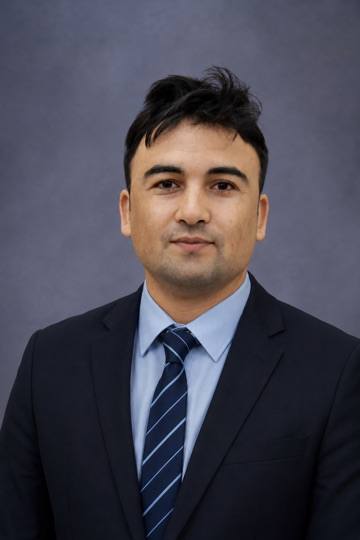
Hassan Ukasha
Languages: Pashto · Dari · English · Urdu · Hindi · Arabic (working)
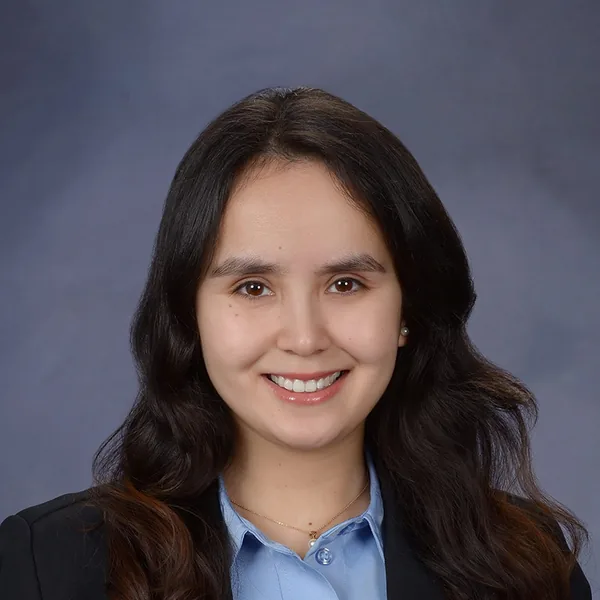
Tamana Ghaznawi
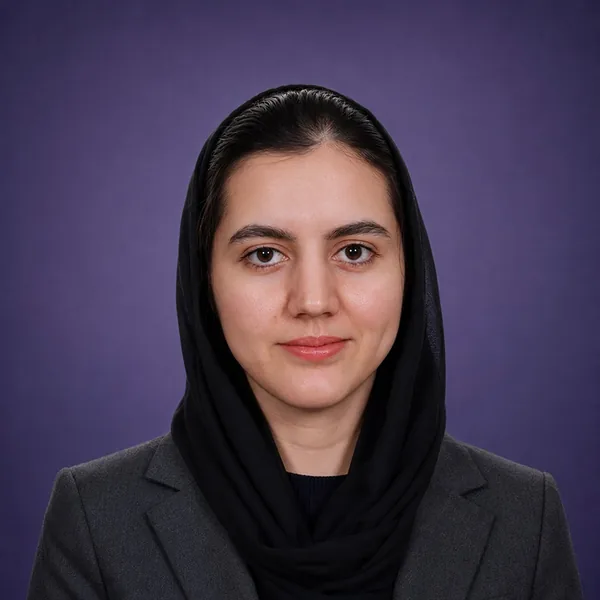
Zeba Haqbani
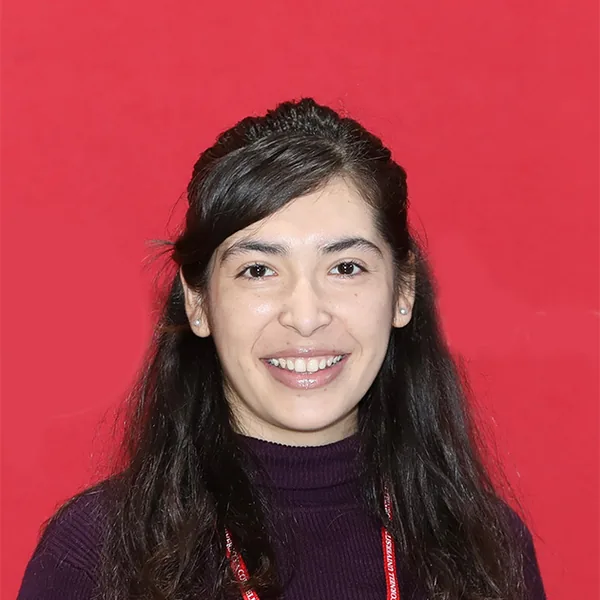
Diana Ayubi
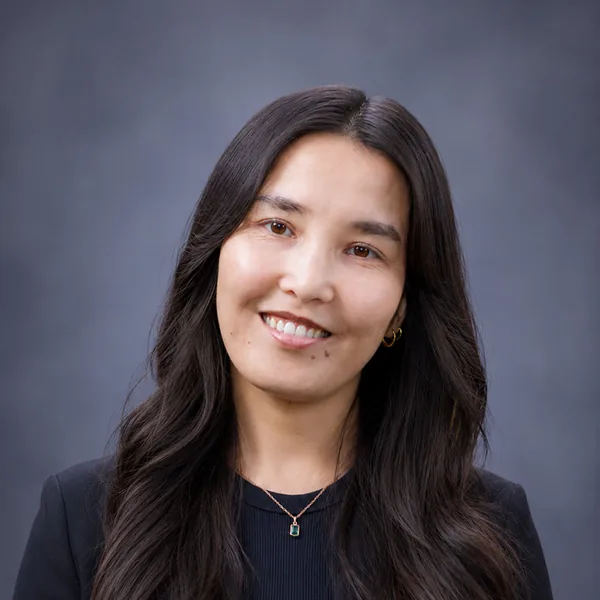
Shukria Sakhi
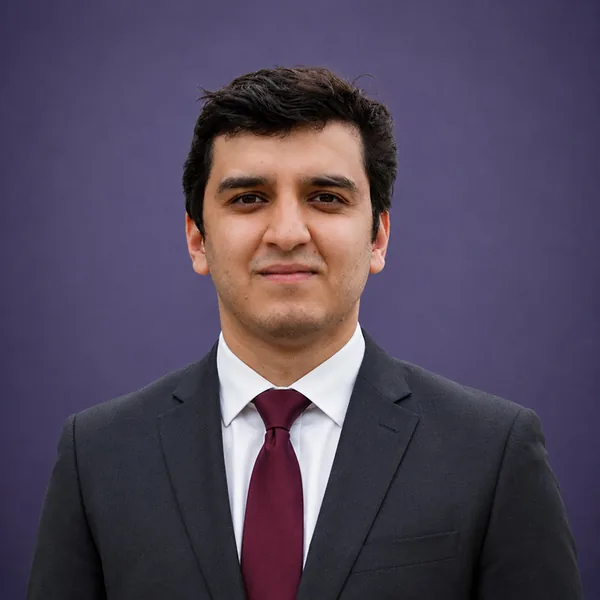
Hussain Ahmad
Pashto and Dari co-facilitators
Language specialists in 24 Afghan languages
Cultural Compliance Bureau
Interpreter trainers
Privacy, safety and compliance
Built for school systems that answer to families, boards and regulators.
FERPA by design
The training never requires student records. Scenarios are de-identified, and any data shared for measurement is handled as a school official under your agreement.Data privacy agreements
We sign district and state data privacy agreements, including the Student Data Privacy Consortium’s National Data Privacy Agreement where your state uses it.Background checks
On-site facilitators complete the background checks and fingerprinting your state and district require.Insurance
General and professional liability coverage, with certificates of insurance on request.Accessible materials
Workbooks, e-learning and family materials meet WCAG 2.1 AA, the standard in the ADA Title II web rule (compliance April 26, 2027 for large public entities and April 26, 2028 for most school districts).Family safety
We never publish images of Afghan students or families without informed consent, and we teach staff why: a photo online can put relatives in Afghanistan at risk.No channels through the de facto authorities
We never route documents, data or inquiries through channels controlled by the de facto authorities in Afghanistan.AI with boundaries
Participant data is never used to train AI models, and machine translation is never used alone for family notices or meetings.


SAM.gov registered · UEI M2UDMUDFXGL9 · CAGE 1Z3A3 · State vendor registrations in 37 states and expanding · Active in all 50 states
Cultural Compliance Bureau standard · Privacy and data sovereignty · Accessibility
Pashto, Dari and 22 more Afghan languages
Training is taught in English. Co-facilitation, family materials and follow-on interpreting are available in all 24 Afghan languages — matched by language, variety and region — and, for schools outside the United States, in 13 more languages.
- IranianPashtoپښتو
- IranianDariدری
- TurkicUzbeki
- TurkicTurkmeni
- IranianBalochi
- Indo-AryanPashayi
- IranianAimaq
- TurkicKyrgyz
- DravidianBrahui
- IranianOrmuri
- IranianParachi
- IranianWakhi
- IranianShughni
- IranianSanglechi
- IranianIshkashimi
- IranianMunji
- IranianYidgha
- Indo-AryanGawarbati
- Indo-AryanTirahi
- NuristaniNuristani (Ashkun group)
- NuristaniKati
- NuristaniPrasun
- NuristaniWaigali
- NuristaniTregami
Pashto varieties
Dari varieties
Where we deliver: all 50 states, Canada, Europe and Australia
On-site training is delivered in every U.S. state, and live online sessions reach any time zone. Outside the United States, we work with school boards, local authorities, newcomer programs and international schools in Canada, Europe and Australia, depending on the scope and scale of the program.
Headquarters: 1717 Pennsylvania Avenue NW, 10th Floor, Washington, D.C. 20006
Canada
United Kingdom
Germany
Austria
Sweden
France
Netherlands
Australia
European engagements run under GDPR and UK GDPR terms.
How schools and districts fund this training
Districts commonly fund staff cultural training from the sources below. Your grants office decides allowability; we supply the scope, agenda, learning outcomes and evaluation plan your application needs.
Title II, Part A
Professional learning for teachers, principals and other school leaders.Title III, Part A
Professional development for staff who serve English learners, and immigrant children and youth subgrants.Title IV, Part A
Safe and healthy students, including training in trauma-informed practice.Title I, Part A
The 1% parent and family engagement reservation, which can fund staff training on family engagement.Refugee School Impact
Office of Refugee Resettlement funds, through your state refugee coordinator, for building school staff capacity.State and local funds
State newcomer, English learner and special education professional learning funds; school board, local authority and trust budgets outside the United States.
Questions about cultural training for teachers of Afghan students
01What is cultural training for teachers serving Afghan students?
It is professional development that prepares school staff to enroll, teach, support and communicate with students and families from Afghanistan. Ariana Nexus covers names and records, interrupted schooling, faith and the school calendar, family roles, trauma-informed practice and working with Pashto and Dari interpreters, in role-specific tracks for every adult in the school.
02Which school staff should take the training?
Everyone who meets Afghan students or families: teachers and paraprofessionals, EL and ESL staff, counselors, psychologists, social workers, nurses, special education teams, principals, registrars and front-office staff, family liaisons, and transportation, nutrition, coaching and activities staff. Each group gets a track built around the decisions it makes.
03How long is the training, and can it be delivered online?
Formats run from a 90-minute leadership briefing to a two-day train-the-trainer program, with a three-hour whole-staff in-service in between and 12 self-paced e-learning modules of 15 to 20 minutes each. Every live format except the whole-staff in-service and train-the-trainer can be delivered live online.
04What languages do Afghan students speak at home?
Most Afghan families speak Pashto or Dari, and many speak both. Others speak Uzbeki, Turkmeni, Balochi, Pashayi, Aimaq or one of the smaller languages of the Pamir and Nuristan regions — 24 Afghan languages in all. Families who speak Dari often write “Farsi” on a home-language survey, so the training shows staff how to ask the question.
05Is Dari the same as Farsi?
No. Dari and Iranian Persian (Farsi) are related, but they differ in vocabulary, pronunciation and everyday school words — Afghans say maktab for school, for example. An Iranian Persian interpreter can confuse an Afghan family in exactly the meetings that matter, so the training teaches staff to request a Dari interpreter by name.
06Is it “Afghan” or “Afghani”?
Afghan. “Afghan” describes the people and anything from Afghanistan; the afghani is the currency. Using the right word in a welcome letter or a classroom tells families the school took the trouble to learn.
07Why do so many Afghan students have January 1 birth dates?
Many Afghans did not have a recorded birth date, so documents — including those issued during the 2021 evacuation — often list January 1. Afghan records also use the Solar Hijri calendar and, since 2022, the lunar Hijri calendar on some official papers. The training shows registrars how to record dates without changing a student’s legal identity or guessing at age.
08How should schools handle Ramadan, Eid and prayer during the school day?
With a plan made with families before Ramadan begins — expected around February 8, 2027 — covering fasting students at lunch and in PE, testing schedules, a quiet space for prayer, and excused absences for Eid al-Fitr (around March 9–10, 2027) and Eid al-Adha (around May 16–17, 2027). Exact dates depend on the sighting of the moon.
09How do we support Afghan girls who missed years of school?
Place them by what they know, not by age alone or an English-only test. Since March 2022, girls in Afghanistan have been barred from secondary school — 2.4 million by UNESCO’s August 2026 count — so many arrive as students with limited or interrupted formal education (SLIFE). The training covers first-language assessment, credit pathways and how to talk with families about returning to school.
10What is moral injury, and why does it matter for Afghan families?
Moral injury, sometimes called moral trauma, is the lasting distress that follows acts, losses or betrayals that violate a person’s deepest beliefs — leaving family behind, or having served alongside U.S. forces during the Afghan war and then fled. Parents may bring it into school meetings as guilt, anger or withdrawal. Staff learn to recognize it, respond without probing and refer to culturally informed support.
11Can a student interpret for their parents at school?
It should be avoided. Children who interpret for parents carry adult information about grades, discipline, health and safety, and families may not hear the full message. The training shows staff how to book a qualified Pashto or Dari interpreter by language, variety and gender, and what to do when none is available.
12Can schools ask Afghan families about immigration status?
Enrollment should not depend on it. Every child in the United States has the right to a free public K–12 education regardless of immigration status (Plyler v. Doe, 1982). The training shows registrars which documents they can accept, including when the McKinney-Vento Act allows immediate enrollment without records.
13Did the 2025–2026 federal changes end schools’ obligations to English learners?
No. In August 2025 the Departments of Education and Justice rescinded their 2015 guidance on English learners, but the obligations come from laws and Supreme Court decisions that remain in force, including Title VI of the Civil Rights Act, the Equal Educational Opportunities Act of 1974 and Lau v. Nichols (1974). Executive Order 14224 did not repeal them. The training is not legal advice; it keeps staff practice aligned with those obligations.
14Can this training be paid for with Title II, Title III or Title IV funds?
Often, yes. Districts commonly use Title II, Part A for professional learning, Title III, Part A for staff who serve English learners, Title IV, Part A for trauma-informed practice, and the Title I parent and family engagement reservation for family-engagement training. Your grants office decides allowability; we supply the scope, agenda, outcomes and evaluation plan it needs.
15How is this different from free webinars about Afghan refugees?
Free webinars give a useful overview of many groups. This is a program for your staff: Afghanistan-specific, built around your forms and community, taught by Afghan scholars and educators, measured before and after, and backed by the same firm’s school interpreters and Pashto and Dari translation.
16Do you train schools outside the United States?
Yes. We work with school boards, local authorities, newcomer programs and international schools in Canada, Europe and Australia — including EAL programs in the United Kingdom, Willkommensklassen and DaZ in Germany, förberedelseklass in Sweden, UPE2A in France and EAL/D programs in Australia — depending on the scope and scale of the program. European engagements run under GDPR and UK GDPR terms.
Related services for schools and Afghan families
This page covers training for schools and school staff. Training for clinicians, first responders and courts has its own page.
School interpreters for IEP meetings, enrollment and parent-teacher conferences
Qualified Pashto, Dari and 22 more Afghan-language interpreters for the meetings this training prepares staff to run.IEP, parent notice and school document translation
IEPs, notices and family letters translated into Pashto, Dari and 22 more Afghan languages.Certified translation of Afghan documents
Tazkira, school certificates and other records translated for enrollment and official use.Afghan refugee case management and integration support
For the agencies that work alongside schools with newly arrived families.Afghan patient cultural competency training for healthcare staff
The healthcare counterpart of this program, for clinicians and health systems.Afghan cultural competency training for police, fire, EMS, 911 and government staff
The public-safety and government counterpart of this program.Cultural training for employers and supervisors of Afghan employees
Supervisor, HR and leadership training for companies that employ Afghan staff, with employee materials in Pashto, Dari and 22 more Afghan languages.
Sources
- 1.UNESCO statement on girls’ education in Afghanistan, August 11, 2026, as reported by Al Jazeera
- 2.Migration Policy Institute, “Afghan Immigrants in the United States” (2022 data)
- 3.Immigration, Refugees and Citizenship Canada, “Immigration Responses to Recent Crises — Afghanistan,” June 9, 2025
- 4.Chalkbeat, rescission of the 2015 English learner guidance, August 20, 2025
- 5.AASA, Department of Justice extension of ADA Title II web accessibility compliance dates, April 2026
- 6.Office of Refugee Resettlement, Refugee School Impact Program
- 7.U.S. Department of Education, Keeping the Promise: education resources for Afghan arrivals
Request a training proposal for your schools
Tell us your district or school, the staff you want to reach and your timeline. The education team replies within one business day with a scoped proposal and funding documentation.

Or call (202) 771-0224 · Washington, D.C.