Seat 01
Faculty and teaching assistants
Seminars, grading, advising, academic integrity and office hours.
Core modules
- M02
- M03
- M04
- M06
Also recommended
- M08
- M10
Recommended format
Faculty workshop, then LMS e-learning for those who miss it
Training for faculty, international student and scholar services, residence life, counseling and advising teams who support Afghan students and scholars. Delivered on campus or online by Afghan scholars who studied at Cornell, Brown, the University of Chicago and the University of British Columbia, with Pashto and Dari expertise.
Reviewed by the Cultural Compliance Bureau · Updated October 2026 · Reviewed each term
Around one table
10 modules · 11 role tracks · 24 Afghan languages
Ariana Nexus provides cultural training for university faculty and student-affairs staff who teach, advise and support Afghan students and scholars. Each program covers Afghan culture and languages, classroom communication, academic integrity, trauma-informed and strengths-based support, safety and privacy, status and documents, and language access, tailored to each role on campus and to your institution's policies.

Much of the guidance campuses still use was written in the fall of 2021. Since then, Afghan women have been barred from university, the United States has suspended most new visas for Afghan nationals, and many Afghan students now enroll through routes that never reach the international office.
Exhibit 1
Afghan international students in the U.S., 2017/18 to 2024/25
Student and exchange visas only. 67.3% study at doctoral universities. Gold marks 2024/25.
Dated changes, August 2021 to August 2026
Dates as of October 2026. The program is re-reviewed each term. Much of the guidance still in use dates from the October 2021 ACE, IIE and APLU resource kit.
Afghan students rarely file complaints. They stop coming to office hours, drop a course or leave, and the institution learns why only afterward, if at all.
Each role receives its own track. Modules marked core are required for that role.
Core modules
Also recommended
Recommended format
Core modules
Also recommended
Recommended format
Core modules
Also recommended
Recommended format
Core modules
Also recommended
Recommended format
Core modules
Also recommended
Recommended format
Core modules
Also recommended
Recommended format
Core modules
Also recommended
Recommended format
Core modules
Also recommended
Recommended format
Core modules
Also recommended
Recommended format
Core modules
Also recommended
Recommended format
Core modules
Also recommended
Recommended format
Every participant takes the modules their role needs. Each module runs 30 to 75 minutes and is reviewed each term.
Each gold mark is 15 minutes of session time.
A sample from the program. Each signal is a possibility, not a rule.
Discussion prompt
What it often means
What to do
Discussion prompt
What it often means
What to do
Discussion prompt
What it often means
What to do
Discussion prompt
What it often means
What to do
Discussion prompt
What it often means
What to do
Discussion prompt
What it often means
What to do
Discussion prompt
What it often means
What to do
Discussion prompt
What it often means
What to do
Afghan students differ by region, language, ethnicity, faith, family and class. The training teaches staff to ask, not assume.
Programs are scoped and priced per engagement after a scoping call. You receive a written proposal with learning outcomes, formats, timeline and fees before any commitment.
Engagement
Recommended starting point
Engagement
Every format runs on campus, live online or blended, and can be timed for new-faculty orientation, resident assistant training, professional development days or the start of term.


30 minutes
2 to 3 weeks
1 to 2 weeks
On your calendar
60 to 90 days
Each term
You receive evidence, not a sign-in sheet. No student is ever identified in any report.
No accredited curriculum prepares faculty and staff for Afghan students and scholars. Ariana Nexus built its program on frameworks your institution already reports against, including SAMHSA's trauma-informed principles, the ACPA/NASPA competencies, NAFSA's professional competencies and UDL 3.0, and on the experience of a team from the Afghan community who studied at universities in the United States, Canada and Germany. Where no U.S. certification exists for Afghan-language interpreters, we train those too.


Harvard
Yale
Princeton
Cornell
Dartmouth
the University of Chicago
Johns Hopkins
Duke
NYU
Arizona State
Utah Tech
the University of British Columbia
Saarland University
and many other universities. About Ariana Nexus Academy
Frameworks the program aligns to
Your faculty and staff are trained by Afghan scholars, not by generalists and not by bilinguals. Every member of the team is from the Afghan community and studied at the universities on their card; several now mentor Afghan students applying to those same universities.
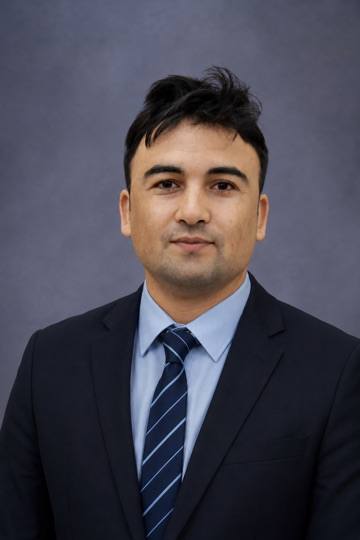
Program oversight
Oversees the firm's operations and this program. Grew up in Herat. Leads LAAR, Ariana Nexus Academy's mentoring program for Afghan students applying to universities worldwide.
Languages on record: Pashto, Dari, English, Urdu, Hindi; working Arabic.
Faculty and student-affairs delivery
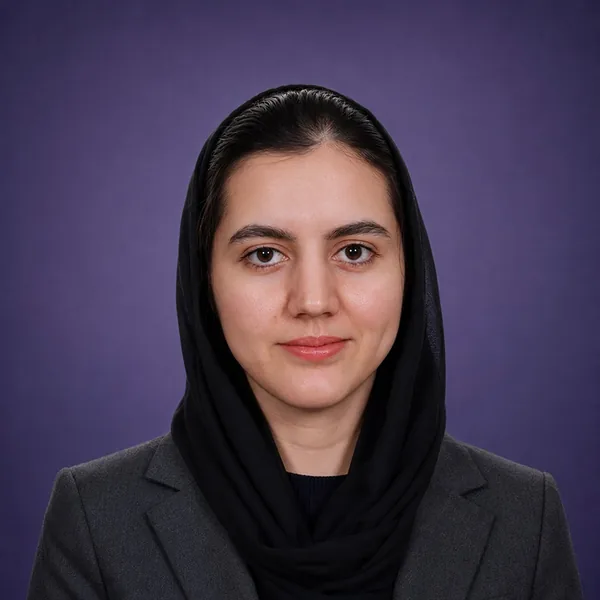
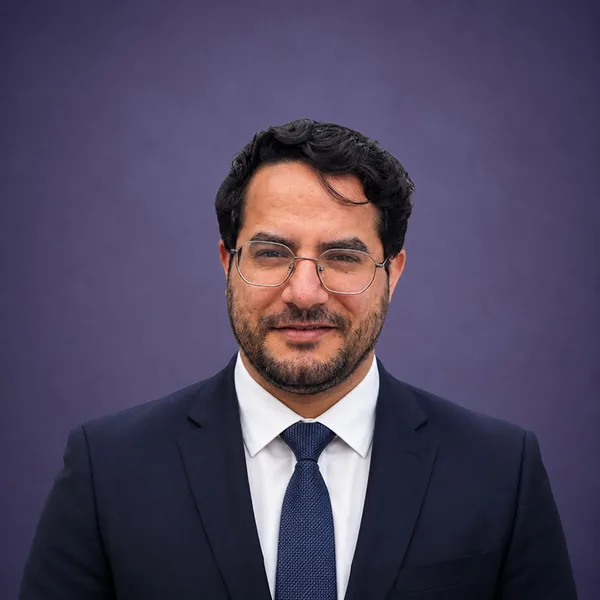
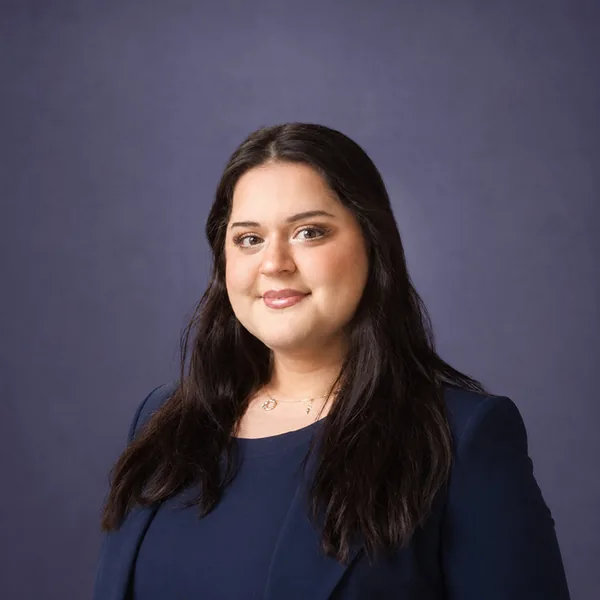
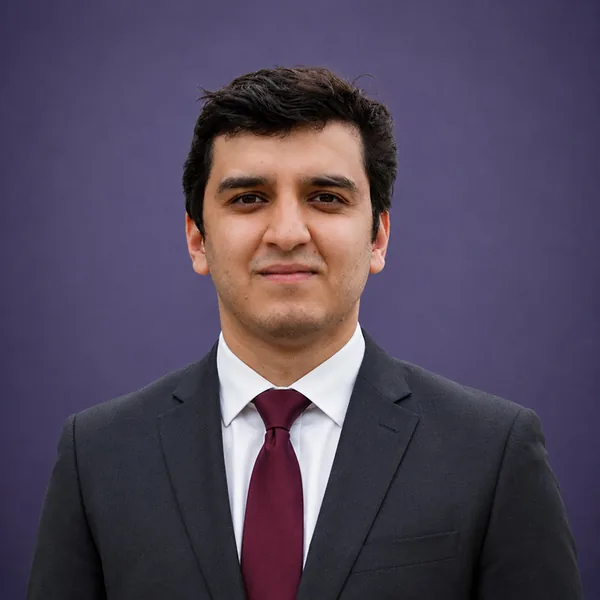
Wellbeing, trauma-informed practice and cultural compliance
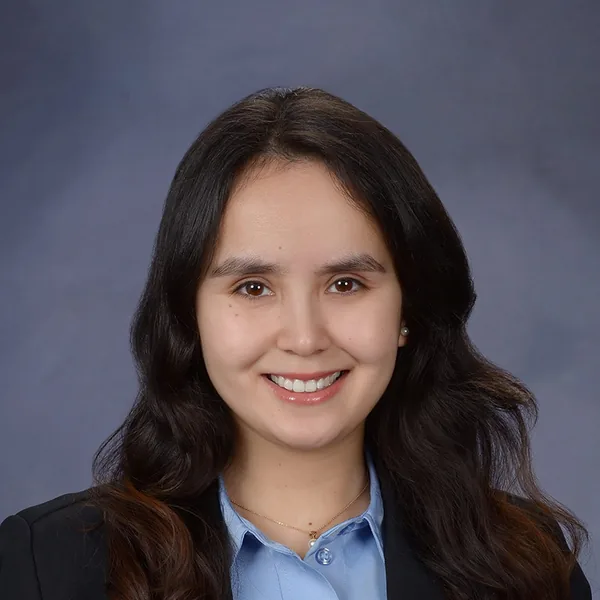
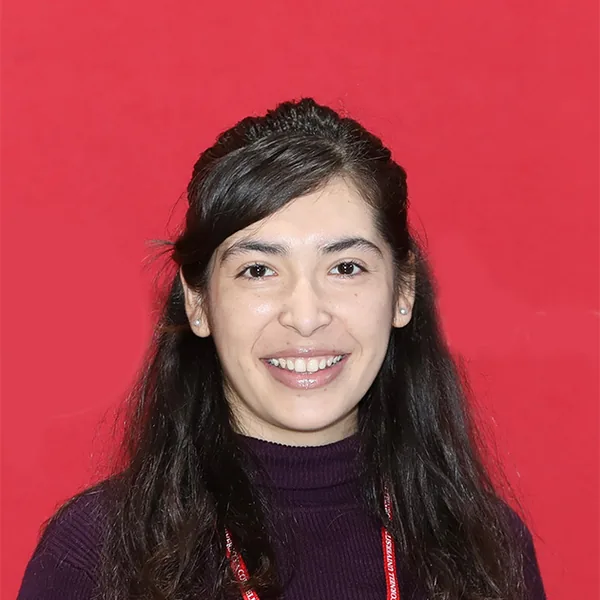
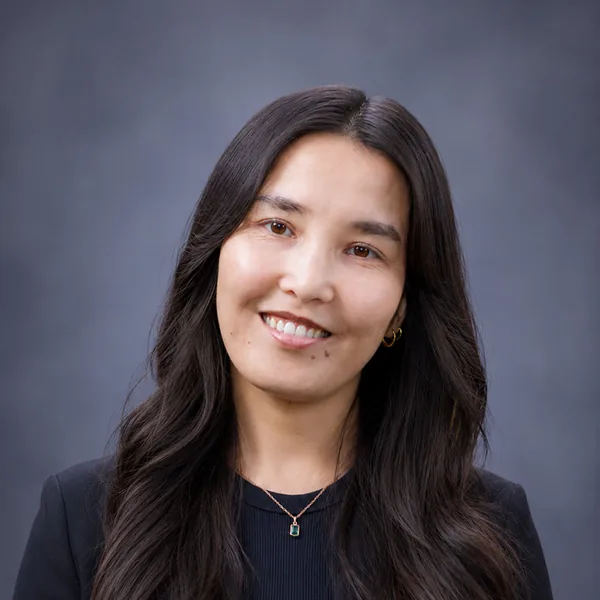
Behind the named team: language specialists across 24 Afghan languages, Cultural Compliance Bureau reviewers, and Afghan alumni, scholars and current students from Ariana Nexus Academy's network, who join sessions as co-facilitators and speakers, always with consent.


Training about Afghan students must protect Afghan students first. These commitments apply to every engagement.


Every commitment is documented in the Evidence index.
Sessions run in English with Pashto and Dari expertise. Participant materials, family letters and student companion sessions are available in all 24 Afghan languages and 13 international languages.
Pamir languages
Pashto
Dari
13 international languages, plus English
Ariana Nexus works from Washington, D.C., and delivers on campus in all 50 states and Washington, D.C., or live online. Institutions in Canada, the United Kingdom and Europe, and Australia engage us depending on the type and scale of the program.
Top host states for Afghan international students (Open Doors 2025): New York, Virginia, Massachusetts, Texas and Pennsylvania.
Program names belong to their owners. Ariana Nexus is independent of them.
All 50 states and Washington, D.C.: Alabama · Alaska · Arizona · Arkansas · California · Colorado · Connecticut · Delaware · Florida · Georgia · Hawaii · Idaho · Illinois · Indiana · Iowa · Kansas · Kentucky · Louisiana · Maine · Maryland · Massachusetts · Michigan · Minnesota · Mississippi · Missouri · Montana · Nebraska · Nevada · New Hampshire · New Jersey · New Mexico · New York · North Carolina · North Dakota · Ohio · Oklahoma · Oregon · Pennsylvania · Rhode Island · South Carolina · South Dakota · Tennessee · Texas · Utah · Vermont · Virginia · Washington · West Virginia · Wisconsin · Wyoming · Washington, D.C.
Ten modules: Afghanistan and the pathways to your campus; communication and classroom expectations; academic integrity and writing; trauma-informed, strengths-based support; Afghan women in higher education; safety and privacy; status, documents and money; faith, food and the academic calendar; language access and AI translation tools; and campus climate, Title VI and belonging. Each role receives the modules it needs.
All three, in role-based groups. Faculty and teaching assistants focus on the classroom, advising and academic integrity. International student and scholar services focus on status, documents and safety. Student affairs, residence life and counseling focus on wellbeing, belonging and referral. Leadership receives a 90-minute briefing.
Formats range from a 90-minute executive briefing and a 3-hour faculty workshop to a 1-day student-affairs intensive and term-long role tracks. Every format runs on campus, live online or blended, and core modules are available as LMS e-learning for Canvas, Blackboard, D2L Brightspace and Moodle.
General intercultural training rarely covers what Afghan students face now: the bans on women's education, visa and travel restrictions, family members at risk, missing documents and 24 languages. This program is built specifically for Afghan students and scholars, delivered by Afghan scholars, reviewed by the Cultural Compliance Bureau and updated each term.
Ariana Nexus's own team: Afghan scholars who studied at Cornell, Brown, the University of Chicago, the University of British Columbia and Otto-von-Guericke University Magdeburg, with a doctor of psychology leading the wellbeing modules. Hassan Ukasha, Managing Partner, oversees the program. Language specialists and Academy alumni join as co-facilitators.
Yes. Module 4 covers grief, family separation, survivor guilt and moral injury, sometimes called moral trauma: how distress shows up, how to respond using SAMHSA's trauma-informed principles, and how to make a warm referral. It prepares staff to support and refer, not to counsel, and it treats students as scholars with strengths rather than as victims.
Staff learn the landscape, from student and exchange visas, parole and Special Immigrant Visas to refugee status, asylum and the U.S. entry restrictions in force since 2025, and, just as important, what they should not advise on. The module ends with clear referral routes to your designated school officials and immigration counsel. It is not legal advice.
Training uses composite, de-identified cases. No names, photos or identifying details of Afghan students appear in any material, student voice is included only with informed consent, and nothing is routed through channels controlled by the de facto authorities in Afghanistan. When a consultation needs student information, we work as a school official under FERPA through your contract.
Yes. Department chairs, principal investigators and research offices hosting scholars through Scholars at Risk, the IIE Scholar Rescue Fund, Cara or the Philipp Schwartz Initiative receive a dedicated track: onboarding, lab and teaching culture, safety and publicity, family and status pressures, and career pathways after the fellowship.
Yes. We deliver in all 50 states and Washington, D.C., and work with institutions in Canada, the United Kingdom and Europe, and Australia, depending on the type and scale of the program. Materials are available in French, German, Swedish and other languages, and we follow GDPR, UK GDPR, PIPEDA and Australia's Privacy Act.
Most speak Pashto, Dari or both, and many also speak Uzbeki, Turkmeni, Balochi, Pashayi, a Nuristani language or a Pamir language. We support all 24 Afghan languages, Pashto, Dari and 22 more, including Dari's regional dialects, plus 13 international languages from French to Chinese.
Yes. Materials are built to WCAG 2.1 AA with captions and transcripts, delivered as SCORM 1.2, SCORM 2004 or xAPI packages, and provided as accessible PDFs. Public institutions preparing for the ADA Title II web rule, which applies to large public entities from April 27, 2027, can request an Accessibility Conformance Report.
On all four Kirkpatrick levels: participant ratings, pre- and post-assessment by module, a 60-to-90-day follow-up on practice, and institutional indicators you choose, such as retention or early-alert response times. You receive a written report for leadership, and no student is ever identified in it.
Yes, with consent. Afghan alumni and current students from Ariana Nexus Academy's network can join sessions as speakers, and we run companion sessions for Afghan students in Pashto, Dari and English on academic expectations, integrity and campus services.
With a 30-minute scoping call with a senior partner. Within five business days you receive a written proposal with learning outcomes, formats, timeline and fees. Programs are priced per engagement after scoping, and most institutions schedule the first session four to six weeks out, ahead of orientation or the start of term.
Pashto and Dari interpreting and translation for universities
Transcript, diploma and academic record translation
Survey and research instrument translation and validation
School interpreters for IEP meetings
Afghan patient cultural competency training
Cultural training for attorneys, judges and court staff
Afghan cultural competency training for public safety
Ariana Nexus Academy
Sources
