
Policy Research and Analysis on Afghanistan and the Afghan Diaspora for Government, Think Tanks and Foundations
Independent research on Afghanistan, Afghan refugees and the Afghan diaspora, carried out in Pashto, Dari and 22 more Afghan languages by scholars from the Afghan community, and written for the people who decide policy, funding and programs.
Capability Statement
The numbers that frame Afghanistan and Afghan diaspora research
What is Afghanistan and Afghan diaspora policy research?
Ariana Nexus is a Washington, D.C. consulting firm that researches Afghanistan and the Afghan diaspora for government agencies, think tanks and foundations. Our researchers interview, survey and read sources in Pashto, Dari and 22 more Afghan languages, then deliver policy analysis as briefs, rapid-response memos, diaspora surveys, datasets and full reports, with the sources, method and confidence behind every finding.
د افغانستان او بهرمېشتو افغانانو په اړه د پالیسۍ څېړنه او شننه
پژوهش و تحلیل پالیسی دربارهٔ افغانستان و افغانهای مقیم خارج
- LanguagesPashto, Dari and 22 more Afghan languages. Reports in English and 12 more languages.
- Who commissionsFederal, state and local government, legislatures, think tanks, foundations and international organizations.
- FormatsRapid-response memos, policy briefs, research reports, diaspora surveys and datasets, evaluations and briefings.
- TurnaroundMemo in 72 hours. Brief in two to three weeks. Study or survey in six to twelve weeks.
- ReachActive in all 50 states and registered as a vendor in 37. Canada and Europe by project type and scale.
- SafeguardNo documents, data or inquiries routed through channels controlled by the de facto authorities in Afghanistan.
- RegistrationSAM.gov active. UEI M2UDMUDFXGL9. CAGE 1Z3A3.
Across the corridor: what we research
Inside Afghanistan
- AF-04
Women, girls and human rights
The education ban, restrictions on work and movement, gender persecution and accountability, and what donors can fund safely. - AF-05
Governance and international engagement
How the Taliban govern, recognition and engagement, the UN mission, sanctions and the Doha process. - AF-06
Humanitarian aid, economy and remittances
Aid cuts, food security, drought and disasters, the banking system, hawala and remittances, the opium ban and livelihoods.
Across the region
- AF-03
Returns from Iran and Pakistan
Mass returns and deportations, reintegration inside Afghanistan, protection risks and onward migration. - AF-07
Security and the region
The Pakistan–Afghanistan conflict, ISKP, Iran, Central Asia and China, and what they mean for U.S. and European interests.
Across the diaspora
- AF-01
Afghan evacuees, refugees and resettlement
How Afghans resettled since 2021 are doing: work, income, housing, health, English and legal status, for SIV holders, parolees, asylum seekers and refugees. - AF-02
U.S. and European policy toward Afghans
Entry suspensions, the end of TPS, asylum and benefit holds, SIV processing, admission programs and deportations, and what they mean for families and communities. - AF-08
The Afghan war and its legacy
Lessons learned, moral injury and Afghan moral trauma among veterans, interpreters and Afghan allies, and the record of the war. - AF-09
Language, media and AI
The Pashto and Dari information space, disinformation, and how AI and machine translation perform in Afghan languages for public services.
Federal agencies
Offices across State, Homeland Security, Health and Human Services, Defense and Veterans Affairs that need evidence on Afghanistan and on Afghans in the United States.Congress and state legislatures
Members and committee staff who need a hearing memo, a briefing or testimony support on a deadline.State and local government
State refugee coordinators, governors' offices, cities and counties with Afghan residents to serve and plan for.Think tanks and policy institutes
Programs in Washington, London, Berlin, Brussels and Ottawa that need primary data in Afghan languages, field access or a co-author.Foundations and philanthropy
Grantmakers funding Afghan women and girls, education, resettlement and human rights, for strategy, landscape reviews and evaluation.International organizations
UN agencies, development banks, EU institutions and international NGOs that need diaspora evidence or an independent evaluation.
What Ariana Nexus delivers
Rapid-response policy memo
Three to five pages within 72 hours of a development: what happened, what it means for your mandate, and your options.Policy brief
One policy question answered in six to twelve pages, with findings, options and recommendations, ready for internal use or public release.Commissioned research report
A full study with method, data annex and citations, peer reviewed by a scholar outside the project team before delivery.Afghan diaspora survey and dataset
Sampling plan, questionnaire in Pashto, Dari and the languages your sample needs, fieldwork, weighted results, codebook and a de-identified dataset.Interviews and focus groups
Key informant interviews and focus groups in the respondent's own language, dialect and region, with women interviewed by women.Program evaluation
Evaluations of resettlement, integration, education and humanitarian programs against the OECD-DAC criteria, with findings a board can act on.Landscape and stakeholder mapping
Who is who across Afghan diaspora organizations, service providers, donors and regional actors, and how they connect.Briefings, testimony support and roundtables
Expert briefings for leadership, preparation for congressional or parliamentary testimony, and closed-door roundtables under the Chatham House Rule.
Six stations from your question to a briefing
- Station 01
Scope the question
We start from the decision the research must inform: the question, the audience, the deadline and whether you will publish.You receive: A one-page scope within three business days - Station 02
Design and protect
Method, sample and instruments in Pashto, Dari and the languages needed. The Cultural Compliance Bureau reviews every instrument; consent and risk review come before any fieldwork.You receive: Research design, instruments and risk review - Station 03
Collect in the respondent's language
Native-speaking researchers run interviews, surveys and focus groups, matched for language, dialect, region and gender. Open sources in Pashto and Dari and public datasets complete the picture.You receive: Fieldwork log and data-quality checks - Station 04
Analyze and test
Every judgment is tagged with its sources and a stated confidence level. Alternative explanations are tested, and a scholar outside the project team reviews the draft.You receive: Draft findings with sources and confidence - Station 05
Deliver and brief
The memo, brief or report, with a methods note and data annex, followed by a briefing for your leadership in Washington, D.C., at your office or online.You receive: Final deliverable and leadership briefing - Station 06
Publish or protect
If you publish, we prepare citation-ready files and Pashto and Dari summaries for the community. If you do not, distribution stays restricted and data is destroyed on schedule.You receive: Publication files or a destruction record
Reach across the corridor, from Kandahar to California
No professional certification exists for research interviewers in Afghan languages. Ariana Nexus sets that standard itself: we train our own interviewers in consent, safeguarding and Afghan-language interviewing, and hold every study to it.
- 24Afghan languages, from Pashto and Dari to Tregami and Brahui
- 50States where we are active
- 37States where we are registered as a vendor
- 13Reporting languages: English and 12 more, for Canada and Europe
- 01
Research in the respondent's language
Our researchers conduct interviews in Pashto, Dari and 22 more Afghan languages themselves, matched for dialect, region and gender. Nothing important is lost through a third-party interpreter. - 02
Scholars, not bilinguals
The team holds degrees from Cornell, Brown, the University of Chicago, the University of British Columbia and other leading universities. Speaking the language is where our standard starts, not where it ends. - 03
Trusted access to the community
We come from the Afghan community we study. Afghan people speak more openly with researchers who share their language and history, and that changes what the evidence shows. - 04
Independent and nonpartisan
We do not lobby or take institutional positions. You decide the question and whether to publish; you do not decide the findings. Every report states who paid for it. - 05
Security built into the method
No office in Afghanistan, no data routed through channels controlled by the de facto authorities, and respondent identities removed at the point of collection. - 06
One firm, one point of accountability
Design, fieldwork, analysis and writing are done by our own researchers, never another firm's, under one engagement lead from first call to final briefing.
How we protect respondents, sources and your data
No routing through the de facto authorities
No documents, data or inquiries pass through channels controlled by the de facto authorities in Afghanistan.No presence inside Afghanistan
We keep no office or staff in Afghanistan, by design. Research with people inside the country is remote, voluntary and based on informed consent.Identities removed at collection
Names never enter transcripts or datasets. Respondents are coded, and the key is held separately under restricted access.Human-subjects protections
Consent in the respondent's language and risk review before fieldwork, modeled on the Common Rule (45 CFR 46). Independent IRB review is arranged when a funder requires it.Encrypted, access-controlled storage
Research data stays in encrypted, access-controlled storage in the United States. European data is handled under GDPR and UK GDPR.Federal survey rules planned in
For surveys sponsored by a federal agency, Paperwork Reduction Act clearance is built into the schedule from the first week.NDA first, no model training
We sign your NDA before any material is shared, and your data is never used to train AI models.Destruction on schedule
Audio and working files are destroyed on a written schedule, with a record you can keep.
Standards applied to every finding
- 01
Sources and confidence on every judgment
Each judgment names its sources and states high, moderate or low confidence. - 02
Facts, assumptions and judgments kept apart
You can see what we know, what we assume and what we conclude. - 03
Alternative explanations tested
Competing explanations are examined before a finding is written. - 04
Independent peer review
A scholar outside the project team reviews every report before delivery. - 05
No invented figures or anecdotes
Every number is sourced and dated. Corrections are made openly. - 06
Quotations checked in the original
Pashto and Dari quotations are verified by a second native speaker in the Cultural Compliance Bureau. - 07
Findings are not for sale
You decide what to publish, never what the findings say. - 08
Methods note and data annex
Every deliverable shows how the work was done and where it falls short.
How we state likelihood
- Almost no chance1–5%
- Very unlikely5–20%
- Unlikely20–45%
- Roughly even chance45–55%
- Likely55–80%
- Very likely80–95%
- Almost certain95–99%
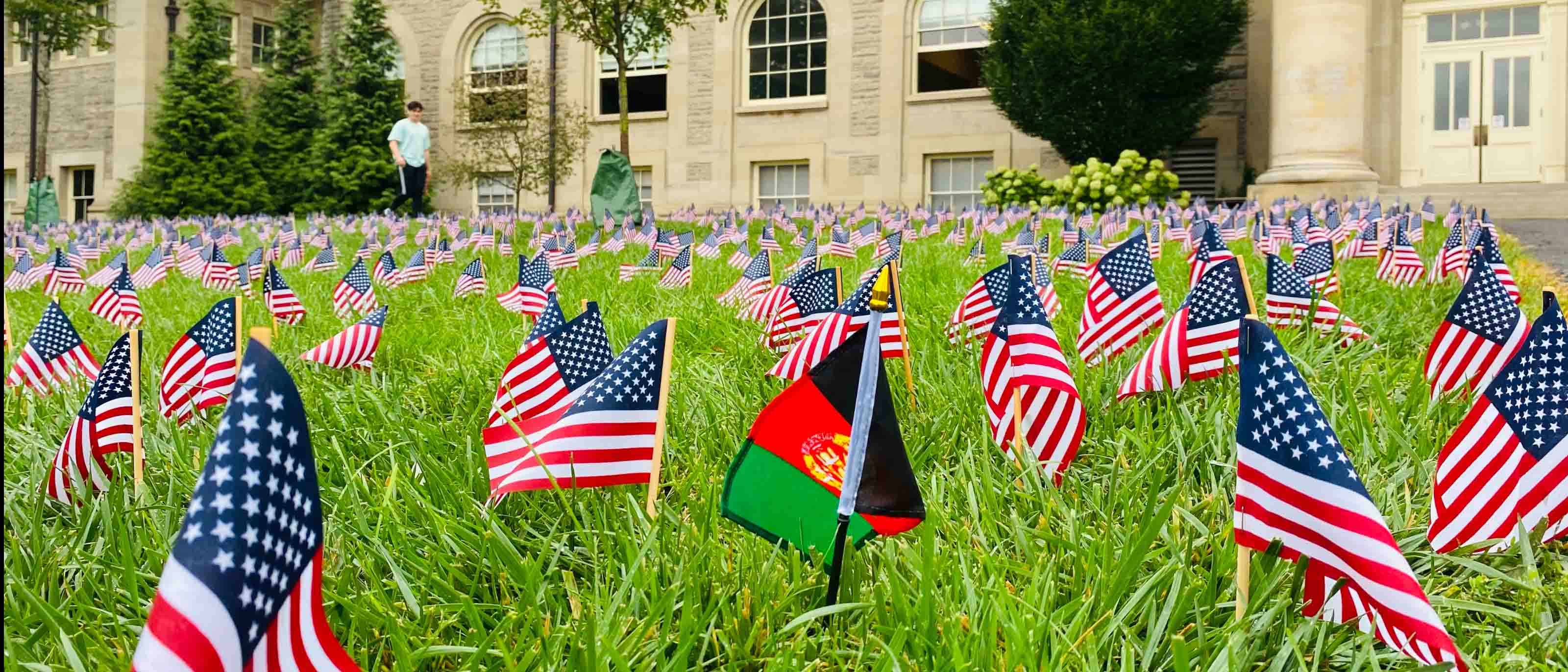
The team behind this research
The people who do the work are alumni and scholars of Cornell, Brown, the University of Chicago, the University of British Columbia and other leading universities, from the Afghan community they research.
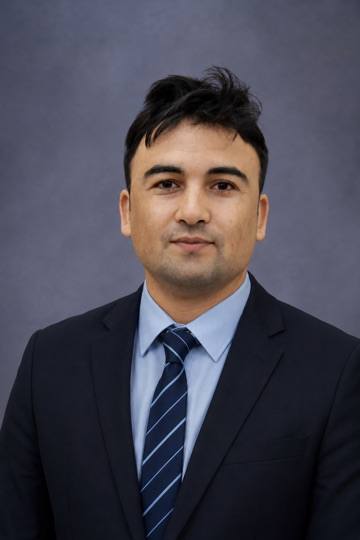
Hassan Ukasha
- B.S.Cornell University
- M.P.H.Cornell University
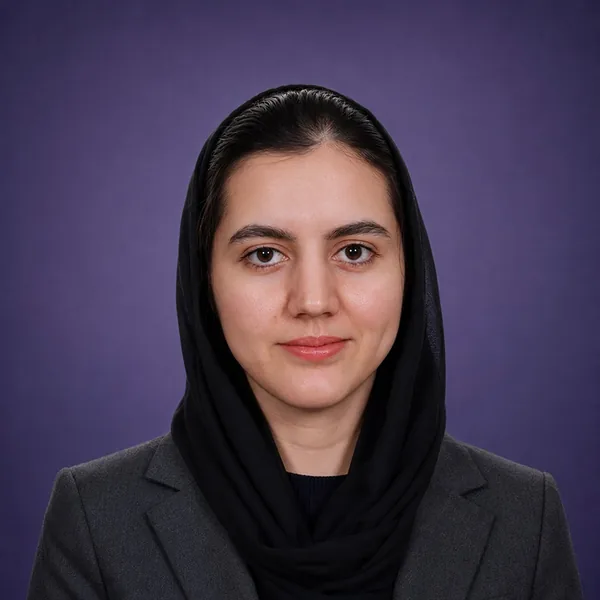
Zeba Haqbani
- B.Sc.University of British Columbia
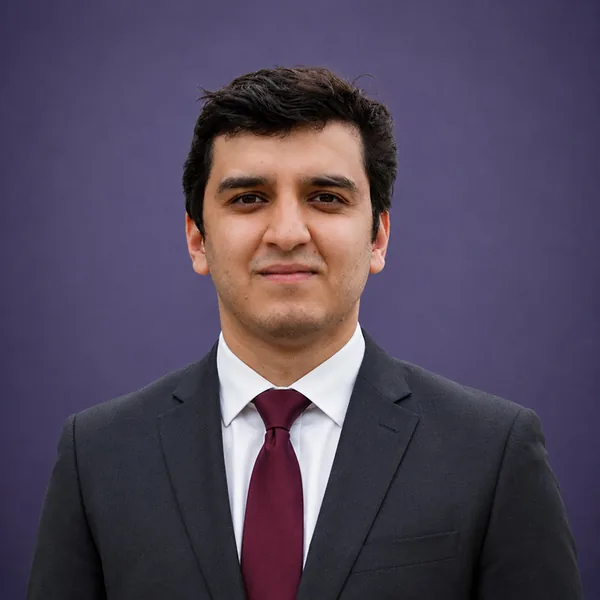
Hussain Ahmad
- M.Eng.Cornell University
- Ph.D.University of Chicago
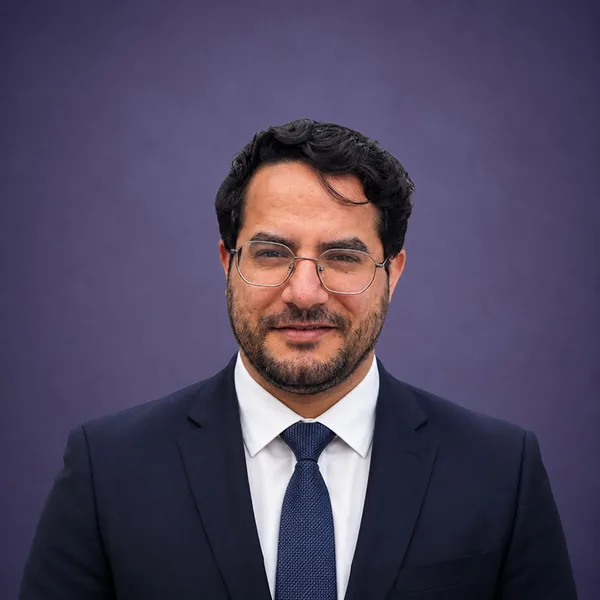
Wasil Peroz
- B.A.Milli University
- M.Sc.Otto-von-Guericke University Magdeburg
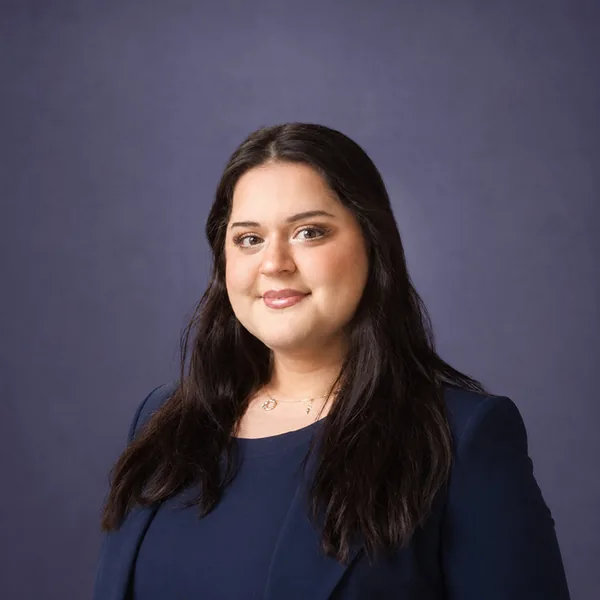
Maryam Safi
- B.A.Cornell University
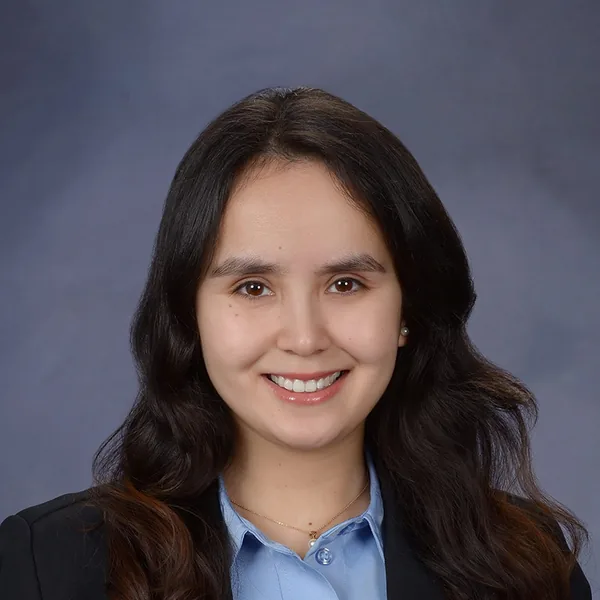
Tamana Ghaznawi
- B.S.Cornell University
- M.P.H.Cornell University
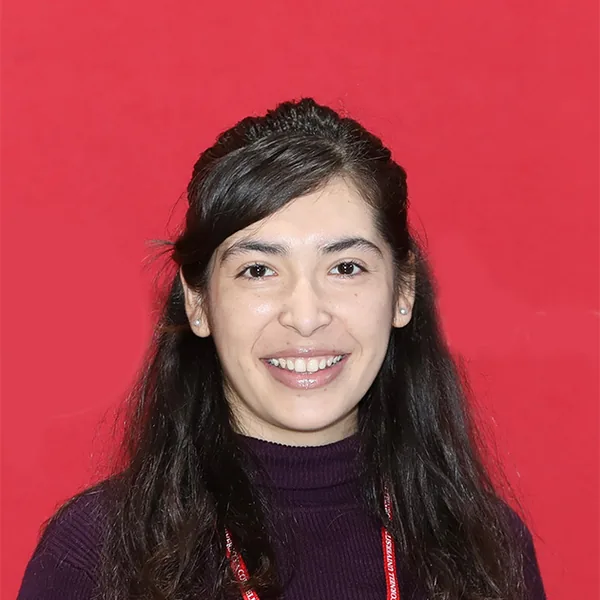
Diana Ayubi
- B.A.Cornell University
- Psy.D.West Chester University
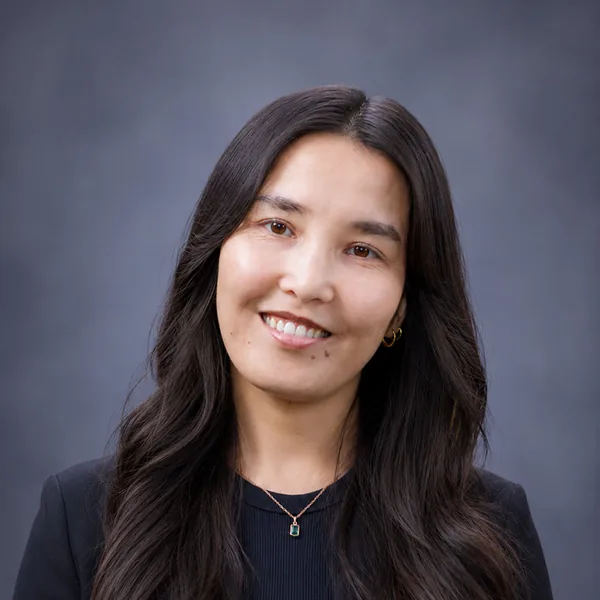
Shukria Sakhi
- B.S.Brown University
- M.P.H.Brown University
Cultural Compliance Bureau
Reviews every Pashto and Dari instrument, consent form, quotation and translation before it is used or published.Language specialist bench
Native researchers and interviewers across the 24 Afghan languages, matched to dialect, region and gender.Unnamed analysts
Some of our analysts are not named publicly. Research on Afghanistan can put their families at risk, and we protect them as we protect respondents.
Where each of the 24 Afghan languages is spoken
Pashto interviews are matched by regional variety, from Kandahar to Nangarhar, and Dari interviews by dialect, such as Kabuli, Herati, Panjshiri or Hazaragi.
South, east and southeast
- PashtoSouth, east and southeast; the largest language of the diaspora in Pakistan
Kabul, the center and the west
- DariKabul, the north, the west and the central highlands
- AimaqWest-central Afghanistan: Ghor, Badghis and Herat
- OrmuriLogar, Baraki Barak
- ParachiKapisa and Parwan valleys
The north
- UzbekiThe north: Faryab, Jowzjan, Balkh and beyond
- TurkmeniThe north, along the Turkmenistan border
Badakhshan and the Wakhan
- WakhiThe Wakhan, Badakhshan
- ShughniBadakhshan, along the Panj
- SanglechiBadakhshan
- IshkashimiBadakhshan, Ishkashim
- MunjiBadakhshan, Munjan valley
- YidghaAcross the border from Munjan, in Chitral
- KyrgyzThe Pamirs of the Wakhan
The east: Kunar, Nuristan, Laghman and Nangarhar
- PashayiKunar, Laghman, Nangarhar and Kapisa
- GawarbatiKunar, along the river
- TirahiNangarhar, few remaining speakers
- Nuristani (Ashkun)Nuristan
- KatiNuristan and Kunar
- PrasunNuristan, the Parun valley
- WaigaliNuristan, the Waigal valley
- TregamiNuristan, Katar and Gambir villages
The south and southwest
- BalochiThe southwest: Nimruz and Helmand
- BrahuiThe south and southwest
- English
- FrenchFrançais
- GermanDeutsch
- SpanishEspañol
- ItalianItaliano
- Hebrewעברית
- Urduاردو
- Arabicالعربية
- Hindiहिन्दी
- PortuguesePortuguês
- Chinese中文
- RussianРусский
- TurkishTürkçe
- DeutschPolitikforschung und -analyse zu Afghanistan und zur afghanischen Diaspora
- FrançaisRecherche et analyse des politiques sur l’Afghanistan et la diaspora afghane
- EspañolInvestigación y análisis de políticas sobre Afganistán y la diáspora afgana
- ItalianoRicerca e analisi delle politiche sull’Afghanistan e sulla diaspora afghana
- PortuguêsPesquisa e análise de políticas sobre o Afeganistão e a diáspora afegã
- TürkçeAfganistan ve Afgan diasporası üzerine politika araştırması ve analizi
- РусскийИсследование и анализ политики в отношении Афганистана и афганской диаспоры
- العربيةبحوث وتحليل السياسات بشأن أفغانستان والشتات الأفغاني
- اردوافغانستان اور افغان تارکینِ وطن سے متعلق پالیسی تحقیق و تجزیہ
- हिन्दीअफ़ग़ानिस्तान और अफ़ग़ान प्रवासी समुदाय पर नीति अनुसंधान और विश्लेषण
- עבריתמחקר וניתוח מדיניות בנושא אפגניסטן והתפוצה האפגנית
- 中文关于阿富汗及阿富汗海外侨民的政策研究与分析
Selected Ariana Nexus research
Abstracts are public. Full documents are available to partners and clients on request.
- Research report · Private Enterprise
Businesses Afghans Can Build in North America
View publication - Publication · Education and Research
Afghan Student Enrollment and Engagement in U.S. School Districts
View publication - Publication · Healthcare and Life Sciences
Afghan Patient Access and Retention in U.S. Health Systems
View publication - Publication, in preparation · Cross-industry
Afghan Language Governance in Healthcare, AI, Law Enforcement and Cross-Border Data
View publication
How to commission Afghanistan policy research
Standing research partnership
AnnualA named team, a quarterly research agenda set with you, rapid-response memos on call and briefings for your leadership.Commissioned study
6–12 weeksOne defined question, method and deliverable: a brief, report, survey or evaluation.Rapid-response memo
72 hoursA three-to-five page memo on a development, delivered within 72 hours of your request.Evaluation and learning partner
Multi-yearEvaluation of a program or grant portfolio over several years, with a learning review each year.
Questions about Afghanistan policy research
What is policy research on Afghanistan and the Afghan diaspora?
It is research that answers a specific policy question about Afghanistan or about Afghans living abroad, for example how Afghan evacuees are faring in the United States, what returns from Iran and Pakistan mean for aid, or which programs for Afghan girls can be funded safely. Ariana Nexus delivers it as memos, briefs, reports, surveys and datasets for government agencies, think tanks and foundations.
Who commissions Afghanistan policy research from Ariana Nexus?
Federal, state and local government offices, legislatures, think tanks, foundations, international organizations and university research teams. Each receives a named team, a written scope and a deliverable built for its decision.
Can you research conditions inside Afghanistan?
Yes, without a presence there. We keep no office or staff in Afghanistan, and no data passes through channels controlled by the de facto authorities. We combine remote interviews with consenting respondents, returnees and diaspora networks, Pashto and Dari open sources, and public datasets from the UN and the World Bank, and we state the limits of each source.
Which languages do your researchers work in?
Pashto, Dari and 22 more Afghan languages: Aimaq, Balochi, Ormuri, Parachi, Wakhi, Shughni, Sanglechi, Ishkashimi, Munji, Yidgha, Uzbeki, Turkmeni, Kyrgyz, Pashayi, Gawarbati, Tirahi, Nuristani (Ashkun), Kati, Prasun, Waigali, Tregami and Brahui. We report in English, French, German, Spanish, Italian, Hebrew, Urdu, Arabic, Hindi, Portuguese, Chinese, Russian and Turkish. Pashto interviews are matched by regional variety, and Dari interviews by dialect, such as Kabuli, Herati, Panjshiri or Hazaragi.
How quickly can you deliver?
A rapid-response memo in 72 hours, a policy brief in two to three weeks, and a commissioned study or survey in six to twelve weeks, depending on the sample and method. Surveys sponsored by a federal agency add time for Paperwork Reduction Act clearance, which we schedule from the start.
How do you protect respondents and sources?
Identities are removed at the point of collection, data is encrypted and access-controlled, and nothing is routed through the de facto authorities in Afghanistan. Women are interviewed by women, consent is taken in the respondent's language, and some of our analysts are not named publicly for their families' safety.
Are you independent and nonpartisan?
Yes. Ariana Nexus does not lobby or take institutional positions. Clients set the question and decide whether to publish; they do not set the findings. Funding and any conflicts of interest are declared in every report.
Can you survey the Afghan diaspora in the United States, Canada and Europe?
Yes. We are active in all 50 states and registered as a vendor in 37, and we work in Canada and Europe depending on the type and scale of the project. Samples are built from community networks and listed frames, and each report states the method and its limits.
Do you research the Afghan war's legacy, moral injury and Afghan moral trauma?
Yes. We study how the war and the 2021 withdrawal affect veterans, interpreters, Afghan allies and their families, using trauma-informed interview protocols set by Diana Ayubi, Psy.D. Findings inform policy and services; they are not clinical assessments.
Can we publish the research under our own name?
Yes. You can publish under your name, co-brand with Ariana Nexus, or keep the work internal. We prepare citation-ready files and Pashto and Dari summaries for the community.
Are you registered for government contracts?
Yes. Ariana Nexus is active in SAM.gov (UEI M2UDMUDFXGL9, CAGE 1Z3A3) and registered as a vendor in 37 states. Federal agencies can buy through purchase orders and simplified acquisitions, or through a prime contractor.
Can a foundation fund this research?
Yes. Most foundations commission us under a services agreement. Where a grant is the funding vehicle, we can serve as the research partner to your grantee.
How do you use AI in your research?
AI helps with draft transcription, search and data checks. It never writes findings, every Pashto and Dari quotation is checked by a native-speaking researcher, and client data is never used to train AI models.
How is this different from an Afghanistan country conditions report?
A country conditions report is expert evidence for one asylum or immigration case. Policy research answers questions about populations, programs and policy for institutions. For an individual case, see our Afghanistan country conditions expert reports.
Sources for figures on this page
- 1About 3.7 million Afghan refugees and others in need of international protection lived abroad at the end of 2025: 1.6 million in Iran, 1.3 million in Pakistan, 288,300 in Germany, 104,400 in France and 64,200 in the United Kingdom. UNHCR, Global Trends 2025 (June 2026)
- 2About 2.9 million Afghans returned from Iran and Pakistan in 2025. UNHCR, Global Trends 2025 (June 2026)
- 31,228,920 Afghans returned from Iran and Pakistan in 2026 as of September 22, including 506,410 deportations. UNHCR Afghanistan situation data portal (September 22, 2026)
- 4233,938 people born in Afghanistan live in the United States, and 245,364 report Afghan ancestry. U.S. Census Bureau, 2024 American Community Survey 1-year, tables B05006 and B04006
- 5More than 76,000 Afghan evacuees had moved into U.S. communities under Operation Allies Welcome by February 2022. U.S. Department of Homeland Security (February 19, 2022)
Related Afghanistan and Afghan diaspora services
- Open-Source Research (OSINT), Media Monitoring and Disinformation Analysis in Pashto, Dari and 22 More Afghan LanguagesFor continuous monitoring of Afghan media and online sources.
- Afghanistan Third-Party Monitoring, Evaluation and Remote SurveysFor monitoring and evaluating programs inside Afghanistan.
- Afghanistan Country Conditions Expert Reports for Asylum, Withholding, and CAT CasesFor expert evidence in an individual case.
- Afghan Refugee Case Management and Integration Support for Agencies — Pashto, Dari and 22 More Afghan LanguagesWhen you need a program delivered rather than evaluated.
- Afghanistan Cultural Awareness and Regional Familiarization Training for Defense, Diplomatic and Intelligence PersonnelWhen your staff need training rather than research.
- Sanctions and OFAC Compliance Consulting for Afghanistan-Related Transactions, Nonprofits and RemittancesFor foundations and nonprofits moving funds.
- Community Health Needs Assessment (CHNA) and Patient Research with Afghan Communities — Pashto, Dari and 22 More Afghan LanguagesFor health-system assessments.
- Research Fieldwork and Qualitative Data Collection in Afghan CommunitiesRecruitment, interviews, focus groups and verbatim transcription for qualitative studies.
Commission research on Afghanistan and the Afghan diaspora
Tell us the decision your research must inform. A senior researcher will reply within one business day with questions, a method and a timeline.
Request a research proposal