Education Bridging Services for Afghan Women Students in Exile Orientation, Academic Preparation and Records

Ariana Nexus designs and runs bridging programs for Afghan women whose education was cut off by the Taliban’s bans on girls’ secondary school and women’s university study. We deliver orientation before and after arrival, academic preparation for university-level study, and academic records assembled, translated and ready for recognition.

For universities, scholarship programs, foundations, NGOs and governments in the United States, Canada, Europe and Australia — delivered in Pashto, Dari and English by Afghan alumni and scholars of Cornell, Brown, the University of British Columbia, the University of Chicago and other leading universities, with every student advised by an Afghan woman.

Individual learning plan
Tracks
  • Orientation
    In progress
  • Academic preparation
    In progress
  • Academic records
    File ready for review
Languages
پښتو
دری
English
Low-bandwidth mode
Readiness profile
Intake
Readiness review
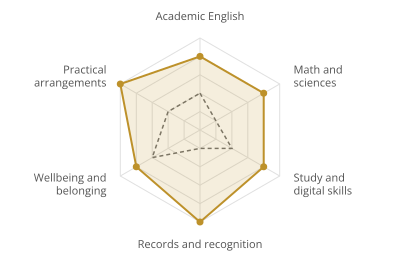
Readiness radar, illustrative profile, scale 0 to 5, intake to readiness review: Academic English 2 to 4; Mathematics and sciences 1 to 4; Study and digital skills 2 to 4; Records and recognition 1 to 5; Wellbeing and belonging 3 to 4; Practical arrangements 2 to 5
This week
  • Academic English (EAP)
    Academic preparation
  • Digital orientation
    Orientation
  • Records audit
    Academic records
Illustrative profile — not a real student. Scale 0–5.
Services
Orientation · Academic preparation · Academic records
For
Universities and colleges, scholarship programs and foundations, NGOs and UN agencies, governments and resettlement agencies, online universities and research institutions
Delivery
On campus, live online and low-bandwidth; cohorts or individual students
Languages
Pashto, Dari and English, plus 22 more Afghan languages and 13 international languages
Where
All 50 U.S. states and Washington, D.C.; Canada, Europe and Australia
Team
Afghan alumni and scholars of leading universities; every student advised by an Afghan woman
Safeguarding
No request, document or data routed through Afghanistan’s de facto authorities
Students
Never charged by us — programs are funded by the institution or sponsor

په جلاوطنۍ کې د افغان ښځینه محصلینو لپاره د زده‌کړې پُل: لارښوونه، تحصیلي چمتووالی او تحصیلي اسناد

پُل آموزشی برای محصلان زن افغان در تبعید: رهنمایی، آمادگی تحصیلی و اسناد تحصیلی

An education bridge for Afghan women students in exile: orientation, academic preparation and academic records

Why bridging matters now

Afghan women’s education was cut off. The bridge has to be built abroad.

Many Afghan women now studying abroad, or trying to, left school or university years ago. Some hold a university year or two; many hold only a photo of a certificate. Bridging closes that gap before it becomes a dropout.

Afghanistan is the only country in the world that bars girls and women from secondary school and university.1

Afghan girls barred from secondary school1

2.4 million

Up 200,000 in a year. UNESCO, August 2026.

Afghan women barred from universities3

Dec 2022

Nursing and midwifery training closed to women in December 2024.

of refugee youth enrolled in higher education4

11%

Up from 9% in 2024. UNHCR’s target is 15% by 2030.

Afghan girls barred from secondary school, millions1

August 2025
August 2026
2030, projected
UNESCO estimates; the 2030 figure is UNESCO’s projection if restrictions continue.
Who we work with

Built for the institutions that admit, fund and support Afghan women students

  • Universities and colleges

    Admit, onboard and retain Afghan women students, with records your admissions office can act on.

  • Scholarship programs and foundations

    Scholars who arrive ready, and outcome reporting your board and donors can use.

  • NGOs and UN agencies

    Bridging and records work aligned with the INEE Minimum Standards and your safeguarding policy.

  • Governments and resettlement agencies

    Integration through education, complementary education pathways, and records prepared for recognition in your country.

  • Online and distance universities

    Low-bandwidth preparation, orientation to online study and records for admission.

  • Research institutions and at-risk scholar programs

    Bridging for women researchers and graduate students whose careers were interrupted.

Readiness

Six readiness domains, assessed at intake and before enrollment

Illustrative profile — not a real student. Each meter shows five levels.

Academic English

Reading, writing, listening and speaking at the level her program requires.
Intake
2/5
Review
4/5

Mathematics and sciences

The quantitative and science foundations her field assumes.
Intake
1/5
Review
4/5

Study and digital skills

Learning platforms, research, referencing and time management.
Intake
2/5
Review
4/5

Records and recognition

A file an admissions office or evaluator can act on.
Intake
1/5
Review
5/5

Wellbeing and belonging

Support in place, contacts known, referral routes clear.
Intake
3/5
Review
4/5

Practical arrangements

Housing, money, phone, documents and travel settled.
Intake
2/5
Review
5/5
What you can report

Indicators we track for your board and funders

Reported monthly or quarterly, with identities protected.

  1. 01
    Enrollment
  2. 02
    First-term persistence
  3. 03
    Credits completed
  4. 04
    English level gained
  5. 05
    Records accepted for evaluation
  6. 06
    Student-reported wellbeing and belonging
  7. 07
    Time from intake to enrollment
The service catalog

Orientation, academic preparation and academic records: every service, in one program

Every service below is delivered by our own people, in Pashto, Dari and English, for cohorts or individual students.

Showing 43 services

  • Orientation
    O.01

    Pre-departure orientation

    Pre-arrival briefings on documents, travel, the first week and what to expect, in Pashto or Dari.

  • Orientation
    O.02

    Arrival and campus orientation

    Registration, student ID, housing, banking, transport and health insurance.

  • Orientation
    O.03

    Academic culture

    Seminars, office hours, grading, credits, academic integrity and citation.

  • Orientation
    O.04

    Co-educational classrooms and campus life

    Seminars, group work, prayer spaces, food and campus norms — discussed openly, at her pace.

  • Orientation
    O.05

    Digital orientation

    University email, multi-factor sign-in, Canvas, Moodle or Blackboard, Microsoft 365 and Google Workspace.

  • Orientation
    O.06

    Safety and digital security

    Protecting family in Afghanistan, privacy settings, scams that target Afghan students and how to report harassment.

  • Orientation
    O.07

    Trauma-informed wellbeing navigation

    Check-ins with a woman advisor and referral to licensed counselors who work in her language.

  • Orientation
    O.08

    Family and guardian sessions

    At the student’s choice, in Pashto or Dari.

  • Orientation
    O.09

    Money and practical life

    Stipends, budgeting, bank accounts and phones.

  • Orientation
    O.10

    Work rights and career orientation

    On-campus work, internships and the rules that apply to her status.

  • Orientation
    O.11

    Faculty and staff briefings

    Afghan names, calendars, holidays and what the education ban means for your students.

  • Orientation
    O.12

    Peer mentoring

    Matched with Afghan women alumni and current students in her field and university.

  • Academic preparation
    A.01

    Diagnostic placement

    English, mathematics, sciences and study skills assessed on entry, with an individual learning plan.

  • Academic preparation
    A.02

    Academic English (EAP)

    Academic reading, essay writing, lecture listening and seminar speaking.

  • Academic preparation
    A.03

    English test preparation

    IELTS, TOEFL iBT and the Duolingo English Test.

  • Academic preparation
    A.04

    Host-country language preparation

    French, German, Italian, Spanish, Portuguese, Turkish and Swedish, including TestDaF, DSH, DELF and TCF.

  • Academic preparation
    A.05

    Mathematics bridging

    Algebra, pre-calculus, statistics and quantitative reasoning.

  • Academic preparation
    A.06

    Science bridging

    Biology, chemistry and physics for STEM and health programs.

  • Academic preparation
    A.07

    Health-professions bridging

    For women whose medical, nursing and midwifery training was closed to them: prerequisites, clinical English and terminology.

  • Academic preparation
    A.08

    Computing and digital skills

    Typing, office tools, coding foundations and responsible use of AI tools.

  • Academic preparation
    A.09

    Study and research skills

    Time management, note-taking, library databases, referencing and academic integrity.

  • Academic preparation
    A.10

    Learning recovery after a long gap

    Structured re-entry for women out of education for two to five years.

  • Academic preparation
    A.11

    Graduate-school preparation

    Research proposals, statements of purpose and GRE preparation.

  • Academic preparation
    A.12

    First-year academic coaching

    Tutoring and writing support in Pashto and Dari through her first two terms.

  • Academic preparation
    A.13

    AI-assisted practice, human-led

    Pashto and Dari practice tools, with human tutors reviewing the work.

  • Academic records
    R.01

    Records audit

    What she holds, what is missing and what each admissions office or evaluator will ask for.

  • Academic records
    R.02

    Records assembly

    From the originals, copies, photos, exam results and school letters she already holds — documented, never re-created.

  • Academic records
    R.03

    Certified translation

    Shahadatnama, Se-Parcha, Kankor results, tazkira, university transcripts and course descriptions, into English and 13 more languages — certified for the United States and Canada, and prepared for a sworn translator where a country requires one.

  • Academic records
    R.04

    Calendar and grading-scale notes

    Solar Hijri and Lunar Hijri dates converted to Gregorian; Afghan grading scales explained for evaluators.

  • Academic records
    R.05

    Name and date key

    Every spelling of her name and every date on her records, mapped to her passport.

  • Academic records
    R.06

    Credential evaluation preparation

    Files ready for WES, ECE and other NACES members, the WES Gateway Program, ENIC-NARIC centers and uni-assist, checked against anabin.

  • Academic records
    R.07

    Qualifications passport preparation

    For the European Qualifications Passport for Refugees (EQPR) and the UNESCO Qualifications Passport.

  • Academic records
    R.08

    Alternative evidence

    Sworn statements, orientation to assessment interviews and placement test results where records cannot be obtained.

  • Academic records
    R.09

    Recognition of prior learning

    Courses, work, teaching and self-study documented in a portfolio for credit or entry.

  • Academic records
    R.10

    Secure records vault

    Encrypted, student-controlled copies she can share with any institution, in archival PDF.

  • Academic records
    R.11

    Admissions file guidance

    How your staff can read Afghan certificates, transcripts and Kankor results, and what a gap in the record means.

  • Academic records
    R.12

    Integrity review

    Inconsistencies are flagged and explained. Records are never altered, completed or created.

  • For your institution
    P.01

    Program design

    Cohort size, calendar, delivery mode, budget and staffing.

  • For your institution
    P.02

    Cohort operations

    Scheduling, attendance, confidential case notes and escalation.

  • For your institution
    P.03

    Outcome measurement and funder reporting

    Agreed indicators, reported monthly or quarterly.

  • For your institution
    P.04

    Safeguarding framework

    Policies, consent, reporting lines and data agreements.

  • For your institution
    P.05

    Interpreting for students and families

    Pashto, Dari and 22 more Afghan languages; women interpreters on request.

  • For your institution
    P.06

    Staff training

    Faculty, advisors and residence staff.

What you receive

  • Orientation

    • Pre-departure and arrival checklists in Pashto or Dari
    • A wellbeing and safety plan for each student
    • A briefing pack for your faculty and staff
  • Academic preparation

    • A placement report and individual learning plan
    • Progress reports through the program
    • A readiness review before enrollment
  • Academic records

    • A records inventory for each student
    • Certified translations with a name and date key
    • A recognition-ready file for admissions or evaluation
How we deliver

Six steps from first call to her second term

  1. Scope

    We meet your team, confirm cohort size, locations, start dates, funding and reporting needs, and agree the safeguarding plan.
  2. Intake

    Each student meets a woman advisor in Pashto or Dari for diagnostic placement, a records inventory and a wellbeing check.
  3. Plan

    An individual plan for each student across six readiness domains, signed off by your program lead.
  4. Deliver

    Orientation, academic preparation and records work run in parallel — in person, live online or in low-bandwidth mode.
  5. Readiness review

    Before enrollment we confirm English, subjects, study skills, records, wellbeing and practical arrangements.
  6. Follow-through

    Coaching and reporting through her first two terms, with early alerts when a student starts to struggle.
How the platform is used

AI-assisted practice, human-led

Pashto and Dari practice tools, with human tutors reviewing the work.

  • AI tools support practice; tutors and translators review the work. We never write or AI-draft her applications or coursework. No student data is used to train AI models.
  • Every course has a low-bandwidth version: lessons that download once, work that can be completed offline and submitted later, and live sessions with an audio-only option for students studying on shared phones and prepaid data.
Three adults reviewing charts and documents together at an office meeting table
Photography on our pages never shows a student’s face without her written consent.
Why Ariana Nexus

A team that combines scholarship, language, records expertise and lived experience.

Bridging is often split between volunteers, tutoring vendors and translation agencies. We bring it under one firm, one team and one point of accountability.

Advised by women who know her path

Every student is advised by an Afghan woman. Our women advisors are alumni of Cornell, Brown and the University of British Columbia who know the school system she comes from.

Alumni and scholars, not bilinguals

Our team are alumni and scholars of leading universities. Students mentored by our team have been admitted to Harvard, Yale, Princeton, Cornell, Dartmouth, the University of Chicago, Johns Hopkins, Duke, NYU and the University of British Columbia. No affiliation with these universities is implied.

Her language first, then yours

Advising and teaching in Pashto, Dari and English; records translated from all 24 Afghan languages; preparation for study in French, German, Italian, Spanish, Portuguese, Turkish and Swedish. There is no U.S. certification for interpreters in Afghan languages; Ariana Nexus trains its own interpreters and other interpreters in Afghan languages.

Records knowledge generalists do not have

Shahadatnama, Se-Parcha, Kankor, Solar Hijri dates, pre- and post-2021 documents and name spellings — the details that decide whether an evaluator can act.

Safeguarding by design

No request, document or data passes through channels controlled by Afghanistan’s de facto authorities. No student is named or photographed without her written consent.

One firm, one point of accountability

Every part is delivered by our own people — no subcontractors, no brokered tutors — with one engagement lead and reporting your board and funders can use.
Security and compliance

Safeguarding, privacy and records integrity, in writing

The students in these programs carry risk for themselves and for family members still in Afghanistan. Our controls are written for that risk, and for the privacy law where you operate.

Student device

  • Safeguarding

    A written safeguarding policy, women advisors for women students, a consent route for anyone under 18 agreed with your institution, and a named safeguarding lead.

  • Accessibility

    Student materials are built to WCAG 2.2 AA.

Encrypted learning platform and records vault

  • Data security

    Encryption in transit and at rest, multi-factor sign-in, role-based access and audit logs.

  • AI use

    AI tools support practice; tutors and translators review the work. We never write or AI-draft her applications or coursework. No student data is used to train AI models.

  • Records integrity

    Inconsistencies are flagged and explained. Records are never altered, completed or created.

Your institution

  • Education records

    When a U.S. institution designates us a school official, we handle education records under its direct control, as FERPA requires.

  • Privacy law

    GDPR and UK GDPR in Europe, Canadian federal and provincial privacy law, and the Australian Privacy Act 1988, with data processing agreements as standard.

Afghanistan boundary

No request, document or data is routed through channels controlled by Afghanistan’s de facto authorities. Ariana Nexus has no operations inside Afghanistan.

Frameworks we align to

  • INEE Minimum Standards
    Education in emergencies, crises and recovery
  • UNHCR Refugee Education 2030
    The 15by30 target for refugee higher education
  • Lisbon Recognition Convention, Article VII
    Recognition of refugees’ qualifications without full documentation
  • UNESCO Global Convention on Higher Education
    In force since March 2023; attention to refugees without documents
  • European Qualifications Passport for Refugees
    Council of Europe assessment by document review and interview
  • UNESCO Qualifications Passport
    The EQPR method adapted for refugees and vulnerable migrants
SAM.gov registered · UEI M2UDMUDFXGL9 · CAGE 1Z3A3
Conversations are confidential. We sign your NDA before the first detailed call.
The team behind this service

Alumni and scholars of leading universities, accountable as one firm

This is not a network of bilingual volunteers. The people who design and run your program are alumni and scholars of Cornell, Brown, the University of British Columbia, the University of Chicago and other leading universities — most of them Afghan women who know the path your students are on.
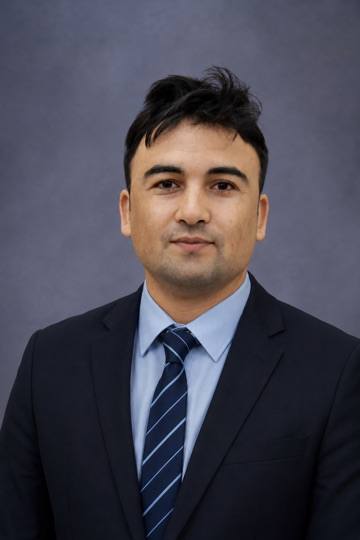
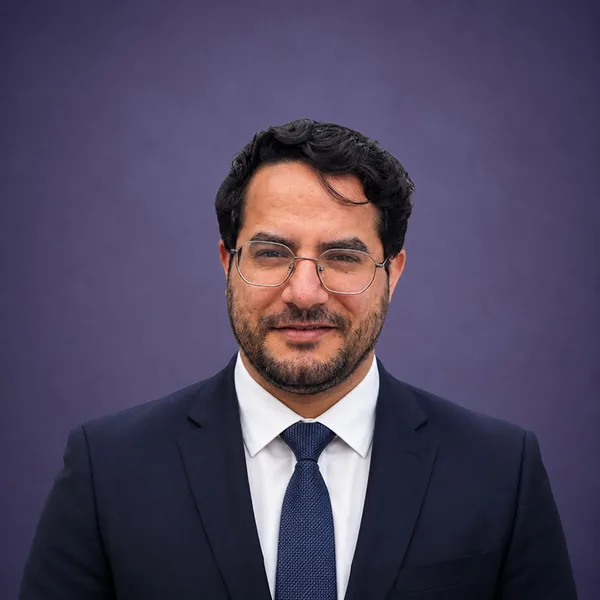
Hassan Ukasha, Managing Partner, Ariana Nexus
Executive oversight

Hassan Ukasha

Managing Partner

As Managing Partner, Hassan Ukasha oversees Ariana Nexus operations and holds executive accountability for this program: scoping, safeguarding, delivery and funder reporting run under his oversight, and he signs off on every program plan and report before it reaches your institution. He also leads LAAR, the Ariana Nexus Academy’s university-application mentorship program for Afghan students.
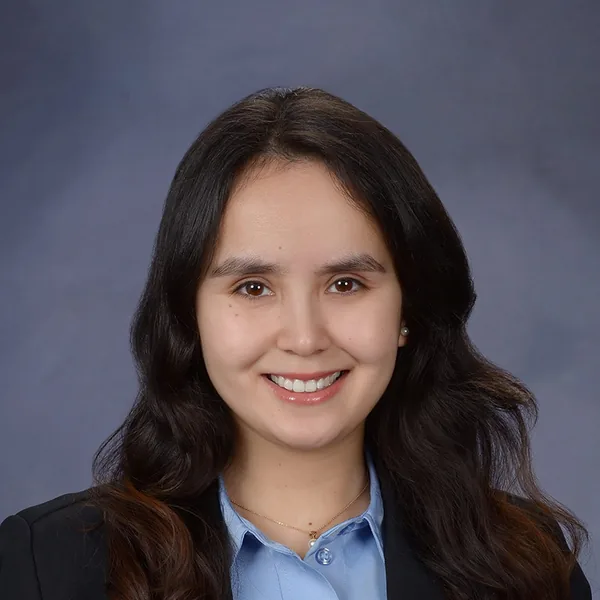
B.S. Cornell University · M.P.H. Cornell University
Grew up in Herat · Pashto, Dari, English, Urdu, Hindi; working Arabic
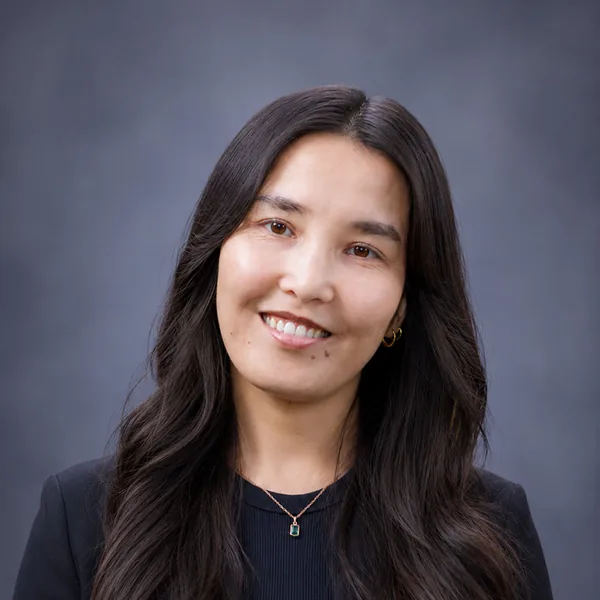
Tamana Ghaznawi, Senior Partner, Ariana Nexus

Tamana Ghaznawi

Senior Partner

Leads orientation and wellbeing navigation, and mentors students from application to arrival.
  • B.S. Cornell University
  • M.P.H. Cornell University

Lived in Kabul

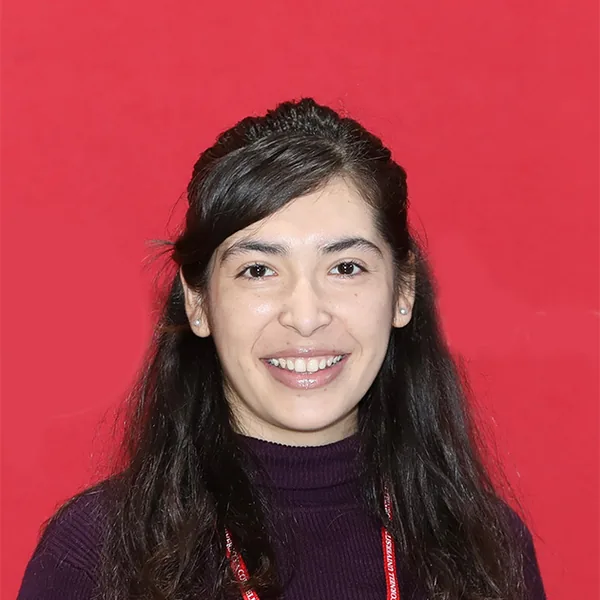
Zeba Haqbani, Senior Partner, Ariana Nexus

Zeba Haqbani

Senior Partner

Builds the learning platform and secure records vault, and mentors students through applications.
  • B.Sc. University of British Columbia

Lived in Kabul

Maryam Safi, Principal, Ariana Nexus

Maryam Safi

Principal

Runs cohort operations: scheduling, confidential case notes and records workflows.
  • B.A. Cornell University
Wasil Peroz, Principal, Ariana Nexus

Wasil Peroz

Principal

Leads recognition files for Europe — ENIC-NARIC centers, uni-assist and anabin checks — and GDPR data agreements.
  • B.A. Milli University
  • M.Sc. Otto-von-Guericke University Magdeburg
Diana Ayubi, Engagement Manager, Ariana Nexus

Diana Ayubi

Engagement Manager

Designs the trauma-informed orientation and wellbeing referral pathways, and trains faculty and staff.
  • B.A. Cornell University
  • Psy.D. West Chester University

Lived in Kabul

Shukria Sakhi, Engagement Manager, Ariana Nexus

Shukria Sakhi

Engagement Manager

Leads science and health-professions bridging and outcome reporting.
  • B.S. Brown University
  • M.P.H. Brown University
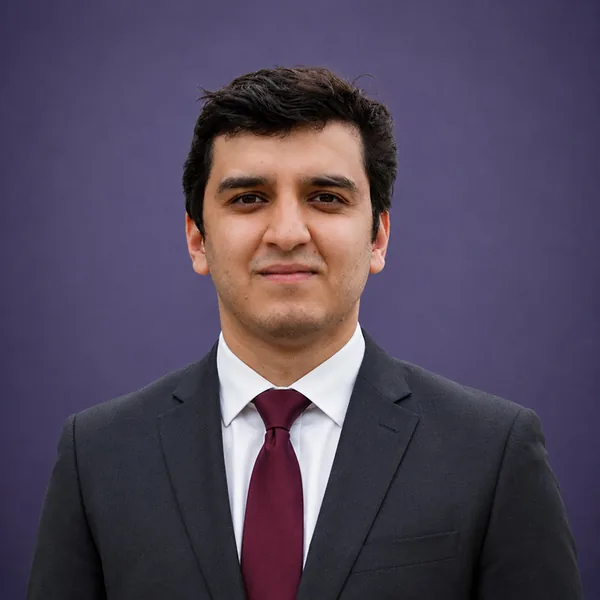
Hussain Ahmad, Analyst, Ariana Nexus

Hussain Ahmad

Analyst

Leads mathematics bridging and readiness analytics.
  • M.Eng. Cornell University
  • Ph.D. University of Chicago

Every student file is read by two people before it leaves us: the advisor who knows the student, and a second reviewer who checks the decision it feeds.

The bench behind the named team

  • Women academic advisors and tutors

    Pashto, Dari and English; matched to the subject they teach.

  • Certified translators

    Records in Pashto, Dari and 22 more Afghan languages, into English and 13 more languages.

  • Cultural Compliance Bureau

    Reviews every Pashto and Dari term, orientation material and safeguarding note.

  • Human Intelligence Collective

    The firm’s language specialists and interpreters; women interpreters on request.

  • AI Data Factory

    The firm’s technology layer: the secure learning platform, low-bandwidth delivery and the encrypted records vault.

  • Ariana Nexus Academy network

    Afghan alumni, scholars and current students who mentor by field and university.

Languages

Pashto, Dari and 22 more Afghan languages, and 13 international languages

Students are advised and taught in Pashto, Dari or English — whichever is strongest — and moved into English or the host-country language. Records are translated from all 24 Afghan languages.
Iranian12 languages

  • psPashtoپښتو
  • prsDariدری
  • aiqAimaq
  • balBalochiبلوچی
  • oruOrmuri
  • prcParachi
  • wblWakhi
  • sghShughni
  • sgySanglechi
  • iskIshkashimi
  • mnjMunji
  • ydgYidgha

Nuristani5 languages

  • askNuristani (Ashkun group)
  • bshKati
  • prnPrasun
  • wbkWaigali
  • trmTregami

Turkic3 languages

  • uzsUzbekiاوزبیکی
  • tkTurkmeniترکمنی
  • kyKyrgyz

Indo-Aryan3 languages

  • glhPashayiپشه‌یی
  • gwtGawarbati
  • traTirahi

Dravidian1 language

  • brhBrahui

English and 13 international languages

Records translated into English, French, German, Spanish, Italian, Portuguese, Turkish, Swedish, Russian, Arabic, Urdu, Hindi, Hebrew and Chinese — for admissions offices and evaluators wherever she applies. Host-country preparation for study in French, German, Italian, Spanish, Portuguese, Turkish and Swedish.
  • enEnglish
  • frFrenchFrançais
  • deGermanDeutsch
  • esSpanishEspañol
  • itItalianItaliano
  • ptPortuguesePortuguês
  • trTurkishTürkçe
  • svSwedishSvenska
  • ruRussianРусский
  • arArabicالعربية
  • urUrduاردو
  • hiHindiहिन्दी
  • heHebrewעברית
  • zhChinese中文
We match southern, eastern, central and northern Pashto, and Kabuli, Herati, Hazaragi and northern Dari. Dari work is Afghan Dari, not Iranian Persian; Turkmeni work is Afghan Turkmeni, not the standard Turkmen of Turkmenistan.
Where we work

Across the United States, and in Canada, Europe and Australia

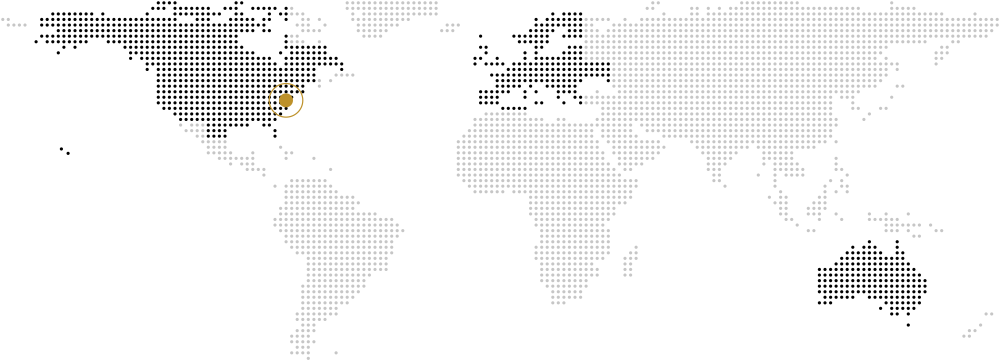
Dot map: Ariana Nexus works across the United States, Canada, Europe and Australia; headquarters in Washington, D.C.
Where we work
Washington, D.C. headquarters
Other regions

We work in all 50 U.S. states and Washington, D.C., and in Canada, Europe and Australia, depending on the type and scale of the program. Students can join online wherever they are, subject to a safety review and sanctions screening.

Canada
Ontario, British Columbia, Alberta, Quebec, Manitoba, Saskatchewan, Nova Scotia, New Brunswick, Newfoundland and Labrador, Prince Edward Island
Europe
United Kingdom, Ireland, Germany, Austria, Switzerland, France, Belgium, Netherlands, Luxembourg, Italy, Spain, Portugal, Sweden, Norway, Denmark, Finland, Greece, Poland
Australia
New South Wales, Victoria, Queensland, Western Australia, South Australia, Tasmania, Australian Capital Territory, Northern Territory
Headquarters
1717 Pennsylvania Avenue NW, 10th Floor, Washington, D.C. 20006
All 50 states and Washington, D.C.
  • Alabama
  • Alaska
  • Arizona
  • Arkansas
  • California
  • Colorado
  • Connecticut
  • Delaware
  • Florida
  • Georgia
  • Hawaii
  • Idaho
  • Illinois
  • Indiana
  • Iowa
  • Kansas
  • Kentucky
  • Louisiana
  • Maine
  • Maryland
  • Massachusetts
  • Michigan
  • Minnesota
  • Mississippi
  • Missouri
  • Montana
  • Nebraska
  • Nevada
  • New Hampshire
  • New Jersey
  • New Mexico
  • New York
  • North Carolina
  • North Dakota
  • Ohio
  • Oklahoma
  • Oregon
  • Pennsylvania
  • Rhode Island
  • South Carolina
  • South Dakota
  • Tennessee
  • Texas
  • Utah
  • Vermont
  • Virginia
  • Washington
  • West Virginia
  • Wisconsin
  • Wyoming
  • Washington, D.C.
Questions

Frequently asked questions

Answers reviewed October 12, 2026.

What are education bridging services for Afghan women students?

They are programs that prepare Afghan women whose schooling or university study was interrupted to enroll and succeed at a university abroad. Ariana Nexus delivers three parts: orientation before and after arrival, academic preparation in English and core subjects, and academic records assembled, translated and ready for recognition.

Who are these services for?

Universities and colleges, scholarship programs and foundations, NGOs and UN agencies, governments and resettlement agencies, online universities and research institutions that admit, fund or support Afghan women students. We contract with the institution or sponsor, and students in the program are never charged by us.

Can you help when a student’s transcripts or diplomas are lost or cannot be obtained?

Yes. We assemble the record from what she already holds — originals, copies, photos, exam results and letters — and prepare alternative evidence where gaps remain: sworn statements, placement test results and preparation for assessments such as the European Qualifications Passport for Refugees, the UNESCO Qualifications Passport and the WES Gateway Program.

Do you request records from Afghan universities or ministries under the Taliban?

No. We do not route any request, document or data through channels controlled by Afghanistan’s de facto authorities, because doing so can expose the student and her family. We work from the evidence she holds and the alternative routes that recognition bodies accept.

Can Afghan women abroad still enroll at U.S. universities in 2026?

Admission is possible, but entry is restricted: as of October 2026, presidential proclamations suspend U.S. entry for Afghan passport holders, with narrow exceptions, and some visa and immigration filings are on hold. Students already in the United States should take legal advice before traveling or filing. We plan online, deferred, Canadian, European and Australian routes alongside U.S. admission.

Which English and language tests do you prepare students for?

IELTS, TOEFL iBT and the Duolingo English Test for English-taught programs, and TestDaF, DSH, DELF and TCF for study in Germany and France, plus TestAS for German universities. IELTS is not offered inside Afghanistan, so students preparing there before departure often start with the Duolingo English Test, which is taken online.

Is the program trauma-informed, and do you provide mental health care?

The program is trauma-informed, but we are not a clinical provider. Our advisors are trained to recognize grief, loss and moral injury after years of interrupted study, to adapt pace and format, and to refer students to licensed counselors, in Pashto or Dari where possible, through your institution or local services.

How do you protect students’ identities and families in Afghanistan?

We collect only what the program needs, store it encrypted with multi-factor access, and never publish a student’s name, photo or story without her written consent. Students choose how their names appear in reports, and safety reviews cover online platforms, social media and contact with family.

Can students join online if their internet connection is unreliable?

Yes. Every course has a low-bandwidth version: lessons that download once, work that can be completed offline and submitted later, and live sessions with an audio-only option for students studying on shared phones and prepaid data.

Which languages do you work in?

Advising and teaching run in Pashto, Dari and English. Records are translated from Pashto, Dari and 22 more Afghan languages into English and 13 more languages, and we prepare students for study in French, German, Italian, Spanish, Portuguese, Turkish and Swedish.

Do you work outside the United States?

Yes. We work in all 50 U.S. states and Washington, D.C., and in Canada, Europe and Australia, depending on the type and scale of the program. Students can join online wherever they are, subject to a safety review and sanctions screening.

How do you report results to our leadership and funders?

With agreed indicators — enrollment, first-term persistence, credits completed, English level gained, records accepted for evaluation, student-reported wellbeing and time to enrollment — reported monthly or quarterly, with identities protected and no figure shown for a group small enough to identify a student.

How is a bridging program priced?

Per program, after scoping. Cohort size, the tracks you need, delivery mode, languages and reporting set the scope, and we send a written proposal. We sign your NDA before the first detailed conversation.

How do we choose a provider for an Afghan women’s bridging program?

Ask who will advise the students and in which language, how missing records will be handled without risk to families, whether teachers are subject specialists, how student data is protected, what you will be able to report, and who is accountable. We answer each of these in writing before an engagement starts.

Plan a bridging program for Afghan women students.

Tell us about your students, your timeline and what your funders need to see. We reply with a scoped proposal.

Request a proposal

Conversations are confidential. We sign your NDA before the first detailed call.

Are you a student? Ariana Nexus Academy reviews applications from Afghan students directly, at no cost to the student. Ariana Nexus Academy