
Survey and Research Instrument Translation and Validation in Pashto and Dari (IRB and Back-Translation Ready)
We translate, adapt and validate surveys, questionnaires, interview guides and consent forms in Pashto and Dari for research with Afghan communities and the Afghan diaspora. Surveys and scales get two independent translations, adjudication and cognitive interviews with Afghan respondents; every document gets a blind back-translation on request and the signed certificate your IRB or ethics board asks for.
- 2independent translations per language for surveys and scales, reconciled by an adjudicator
- Blindback-translation by a linguist who never sees your English source
- Testedwith Pashto and Dari speakers in cognitive interviews, matched by gender and dialect
- Signedcertificate of translation, matched to your IRB-approved English version
- Readyin Word, PDF, Qualtrics, REDCap, SurveyCTO or KoboToolbox
ښوونځی څو ځله له تاسو سره په داسې ژبه اړیکه نیسي چې تاسو پرې پوهېږئ؟
- هېڅکله۱
- ډېر لږ۲
- کله کله۳
- ډېر ځله۴
- تل۵
مکتب چند وقت یک بار با شما به زبانی که میفهمید تماس میگیرد؟
- هیچوقت۱
- به ندرت۲
- گاهی۳
- اکثر اوقات۴
- همیشه۵
How often does the school contact you in a language you understand?
- Never1
- Rarely2
- Sometimes3
- Often4
- Always5
- Variable
- survey_translation_validation
- Label
- Survey and research instrument translation and validation
- Languages
- ps · prs — Pashto and Dari at every level; 22 more Afghan languages; English and 13 international languages
- Levels
- 1 IRB translation package · 2 survey adaptation (TRAPD) · 3 validation study
- Method
- TRAPD team translation, cognitive interviews, blind back-translation on request
- Output
- docx · pdf · xlsform · qsf · redcap · csv
- Ethics
- IRB · REB · REC · HREC · Ethikkommission
- Universe
- Research with Afghan communities and the Afghan diaspora
What is survey translation and validation?
Survey translation and validation produces a Pashto or Dari version of a questionnaire that measures the same thing as the original, not just a version that reads well. The work combines team translation, review and adjudication, cultural adaptation, testing with real respondents and full documentation. Back-translation can be added as evidence for an ethics board, but on its own it cannot show that a translated question works.
Why back-translation alone does not validate a survey, and why we still deliver it
Many IRBs ask for a back-translation. The European Social Survey, the U.S. Census Bureau and published research agree it cannot, on its own, show that a translated item works. Your IRB gets the back-translation it asks for; your study gets the method that actually tests meaning.
Requires at least two translators per questionnaire, then review and adjudication, and rates this team approach as “qualitatively better” than back-translation.1
ESS Round 11 Translation Guidelines (2022)
Does not recommend back-translation for producing final instruments, and says translated questionnaires “should not be used as data collection instruments if pretesting has not occurred.”3
Census Bureau translation guideline (2004)
Studied back-translation records from the 2012 European Quality of Life Survey and found it “causes quite a number of false alarms, and even more importantly, many problems remain hidden.”4
International Journal of Social Research Methodology 20(6)
IRB rules still vary. The University of Pittsburgh requires back-translation for expedited clinical and full-board studies, Tufts requires it unless a professional service translates, and Michigan Medicine accepts it as one route if the back-translator has had no contact with the original text.131511
So we do both. Your instrument goes through team translation and pretesting, and your IRB receives a blind back-translation with a reconciliation log showing every discrepancy and how it was resolved.
What changes when a survey moves into Pashto and Dari
An item can be translated correctly and still fail with Afghan respondents. These are the adaptations we check on every instrument.
- af_01
Afghan Dari, not Iranian Persian
Vocabulary, spelling and everyday terms differ. When Minnesota’s health department adapted a child screening questionnaire, it found many words “more appropriate to an Iranian dialect and not appropriate for Afghan Dari speakers.”16 - af_02
The Pashto your sample speaks
Southern and northern Pashto differ in vocabulary and pronunciation. We translate into the variety your respondents speak and test with speakers of it. - af_03
Language labels in your screener
Afghan immigrants in the U.S. report their home language as Pashto (32%), Farsi (27%) or Dari (26%). Offer all three labels and route Farsi and Dari speakers to Afghan Dari materials.17 - af_04
Dates and the Solar Hijri calendar
Many respondents know dates in the Solar Hijri calendar, with Afghan month names such as Wray and Zmaray in Pashto and Hamal and Asad in Dari. Someone who arrived in August 2021 may answer “1400.” - af_05
Numerals and response codes
Respondents may see ۱ ۲ ۳ ۴ ۵ while your data must still store 1 2 3 4 5. We check that every code survives translation and programming. - af_06
Answer scales that hold
We test whether five agreement or frequency steps keep their order and intended strength in Pashto and Dari, and replace scales that collapse. - af_07
Household and family
An Afghan home can hold several related families. We define “household” inside the item so counts compare across languages. - af_08
Literacy and mode
Literacy in Afghanistan is 37%, and 27% among women. We prepare interviewer-administered and audio versions where self-completion would exclude people.18 - af_09
Safety on sensitive items
Many respondents have family inside Afghanistan. We reword or flag items on politics, religion, income and legal status, and add distress and referral wording where needed.
How Afghan immigrants name their home language
Screeners that offer one label mislabel respondents. Offer Pashto, Dari and Farsi.
Language spoken at home by Afghan immigrants in the U.S., 2022 American Community Survey. Many Afghans call Dari “Farsi,” so screeners should offer both labels.17
The IRB-ready translation package
Everything your ethics board, co-investigators and peer reviewers will ask for, from certified translation of consent forms to back-translation, in one versioned package.
- out_01
Translated instruments
Pashto and Dari versions in Word and PDF, laid out to match your English.L1+ - out_02
Blind back-translation
Into English, by a linguist who has not seen your source, whenever your IRB asks for one.L1+ - out_03
Reconciliation log
Every discrepancy between source and back-translation, the decision taken and why.L1+ - out_04
Certificate of translation
Signed, naming translator and reviewer, with study title, document names and version dates matched to your approved English.L1+ - out_05
Qualification statements
Degrees, languages and varieties for everyone who translated or reviewed.L1+ - out_06
Adjudication record
Item-by-item decisions from the review and adjudication meeting.L2+ - out_07
Cognitive interview report
Who was interviewed by variety and gender, what they understood and what changed.L2+ - out_08
Platform-ready files
Qualtrics, REDCap, SurveyCTO, KoboToolbox or CommCare, checked right to left on phones.L2+ - out_09
Amendment-ready versions
Tracked Pashto and Dari changes and a new certificate whenever your English changes.L1+ - out_10
Methods paragraph
Wording for your protocol, grant or manuscript that states exactly what was done.L1+
Three levels of evidence, one standard of work
Choose the level your study needs. Every level is done by our own team, documented and signed.
IRB Translation Package
- Translation by a degree-holding native speaker of the target variety
- Independent revision by a second linguist
- Blind back-translation and reconciliation log, whenever your IRB asks for one
- Signed certificate of translation and qualification statements
- Version control for IRB amendments
Typically 5 to 7 business days per language for a standard consent form
Survey Adaptation (TRAPD)
- Everything in Level 1
- Two independent translations per language
- Review and adjudication led by a senior methodologist
- Afghan cultural adaptation reviewed by the Cultural Compliance Bureau
- Two rounds of cognitive interviews in Pashto and Dari
- Platform build and right-to-left testing
Typically 3 to 6 weeks from approval of your English and your pretest protocol
Validation Study
- Everything in Level 2
- Pilot administration support with Afghan respondents
- Reliability and factor structure analysis
- Measurement invariance across English, Pashto and Dari versions, sample permitting
- Validation report and publication-ready methods text
Typically 8 to 16 weeks, depending on pilot size
Our seven-step method, built on TRAPD
TRAPD stands for translation, review, adjudication, pretesting and documentation. It is the team approach used by the European Social Survey and recommended by the Cross-Cultural Survey Guidelines. We add Afghan cultural adaptation and, when your IRB asks, blind back-translation.
- step_1
Review the source
We check translatability, look for existing Pashto or Dari versions, confirm licensing with the instrument’s developer and agree target varieties and mode with you.Owner: Senior methodologist · Output: Translation brief and licensing record
- step_2
Translate twice
Two translators produce independent forward translations in each language. Both are native speakers of the target variety and hold university degrees.Owner: Language specialist bench · Output: Two independent versions per language
- step_3
Review and adjudicate
Translators, a reviewer and the adjudicator compare versions item by item. The adjudicator decides and records the reason.Owner: Reviewer and adjudicator · Output: Adjudication record
- step_4
Adapt for Afghan respondents
The Cultural Compliance Bureau reviews variety, dates, numerals, examples, sensitive items and safety wording.Owner: Cultural Compliance Bureau · Output: Cultural Compliance Bureau adaptation notes
- step_5
Back-translate blind
An independent linguist who has not seen your English translates back. We reconcile and log every discrepancy.Owner: Independent linguist · Output: Back-translation and reconciliation log
- step_6
Test with respondents
Two rounds of cognitive interviews with Pashto and Dari speakers across varieties and genders, then revisions; changed items are back-translated again before certification. Level 3 adds a pilot and psychometric analysis.Owner: Interviewers and analysts · Output: Cognitive interview report
- step_7
Document, certify and deliver
Certificate, logs, reports and platform files, versioned for every IRB amendment.Owner: Engagement manager · Output: Certificate of translation and delivery files
Research instruments and study documents we translate
Informed consent forms
Key information section first, as the revised Common Rule requires.Level 1
Short form consent
Short form documents and the written summary for witnessed consent.Level 1
Parental permission
Permission forms for research with children.Level 1
Child assent
Assent scripts written at the child’s level.Level 1
Recruitment materials
Flyers, emails, text messages and phone scripts.Level 1
Eligibility screeners
Including language-of-interview questions that route correctly.Level 1–2
Survey questionnaires
Web, phone and face-to-face modes.Level 2
Validated scales
Psychometric measures, with the developer’s permission.Level 2–3
Interview guides
Semi-structured guides with probes and prompts.Level 2
Focus group guides
Moderator guides, consent scripts and handouts.Level 2
Debrief and distress
Debriefing scripts, distress and referral protocols.Level 1–2
Participant information
Information sheets for UK, EU and Australian studies.Level 1
Privacy notices
GDPR notices under Articles 13 and 14, in the plain language Article 12 requires.Level 1
School surveys
School climate, parent and student surveys for education research.Level 2
Codebooks
Value labels and data dictionaries in Pashto and Dari.Level 1
Audio versions
Recorded items and read-aloud scripts for respondents who do not read.Level 2
Open-ended responses
Translated back into English for analysis.Add-on to any level
Translation review
Review of a Pashto or Dari translation you already have, with a change log and a certificate once it is accurate.Level 1
Interview transcripts
Pashto and Dari interviews and focus groups transcribed and translated into English.Add-on to any level
Interviewer materials
Interviewer manuals, training slides and field protocols in Pashto and Dari.Level 2
Results summaries
Plain-language summaries of findings for participants and communities.Add-on to any level
Certificates
Certificate of translation for every document.Included at every level
Delivered inside your survey platform, checked right to left
Many errors in translated surveys surface only after programming: broken right-to-left text, missing Pashto letters, wrong piped text, scrambled codes. We build or check the Pashto and Dari versions on the platform and on phones.
Qualtrics
Its built-in language list includes Persian but not Pashto or Dari, so we configure and document the language setup and check every question right to left.REDCap
Multi-language management for Pashto and Dari, with instruments and alerts translated and field codes unchanged.SurveyCTO
Multi-language forms tested on Android, with plain-text choice labels because HTML is not allowed there.KoboToolbox and ODK
XLSForm label::Pashto (ps) and label::Dari (prs) columns, with right-to-left display checked on devices.CommCare
Bulk application translations, with Pashto and Dari checked on the devices your team uses.Paper and audio
Print-ready PDFs, interviewer scripts and recorded audio for respondents who do not read.
- Pashto letters ټ ډ ړ ږ ښ ځ څ ڼ ګ ې ۍ render in the platform font
- Dari half-spaces (zero-width non-joiners) survive import
- Numerals display as intended while codes store as numbers
- Piped text and skip logic work in both languages
- Every screen checked on a phone and a tablet
What IRBs ask for when you translate study documents
Requirements differ by institution and by risk level. This is what nine IRBs publish, checked in September 2026. Always confirm with your own IRB.
Sources: institutional IRB policy pages, checked September 2026.91011121314152627
A signed, version-matched certificate with named qualifications is built to meet the certificate requirements above, and a blind back-translation covers the IRBs that require one. Your IRB makes the final call.
Research-trained linguists from the communities you study
There is no U.S. certification for Pashto or Dari research translation, and no exam tests whether a translated item measures what your English item measures. So we set the standard ourselves: we train our own translators, reviewers and cognitive interviewers, build the method on the published standards of the European Social Survey, the U.S. Census Bureau and the International Test Commission, and document every decision.
- 01
Researchers, not just bilinguals
Every translator is a degree-holding native speaker, and every adjudicator is research-trained, not only bilingual: alumni and scholars of Cornell, Brown, the University of Chicago, the University of British Columbia and other leading universities, trained in public health, psychology and quantitative methods. - 02
From the communities in your sample
Native speakers of the Pashto varieties and Dari dialects your respondents speak, including Kabuli, Herati and Hazaragi Dari. - 03
Meaning tested with respondents
We run cognitive interviews with Afghan respondents recruited through our community network, matched by gender and dialect. - 04
Documentation for five ethics systems
IRBs in the U.S., REBs in Canada, RECs in the UK, HRECs in Australia and ethics committees in Germany and across the EU. - 05
One team, one point of accountability
Translation, back-translation, review, interviews and analysis are done by our own people, never another agency’s. - 06
AI with a boundary
We use AI only for consistency checks, never for the translation of record, and we write the AI-use disclosure the revised AAPOR Code (June 2026) asks researchers to report.
- 24Afghan languages, with Pashto and Dari at every level
- 5ethics systems documented: IRB, REB, REC, HREC, EU committees
- 37U.S. states where we are a registered vendor
Where AI fits
Built for confidential research and vulnerable participants
Afghan participants may face particular risks: family inside Afghanistan, pending immigration cases, and experiences of the Afghan war, displacement and moral injury. Our controls are designed around them.
Confidentiality agreements
Signed by every linguist and interviewer before any file is shared.Your data agreements
Data use agreements, HIPAA business associate agreements when health information is involved, and GDPR data processing agreements for European partners.Certificates of Confidentiality
We work within the disclosure limits of your NIH Certificate of Confidentiality and bind our team to them.No public AI on participant data
Transcripts and open-ended responses never go into public AI tools, and client material is never used to train models.Access and deletion
Encrypted transfer and storage, access limited to named team members, and a written deletion record at close.No routing through Afghanistan
We never route documents, data or requests through channels controlled by the de facto authorities in Afghanistan.Safe pretesting
Cognitive interviews run under your study’s IRB approval or determination, with our protocol and consent script, gender-matched interviewers, trauma-informed probes, no names in notes, recordings only with permission, and participants paid for their time.Data location by agreement
Data stays where your agreement says, including U.S.-only handling when your IRB or funder requires it.
SAM.gov registered · UEI M2UDMUDFXGL9 · CAGE 1Z3A3 · Registered vendor in 37 states
Standards our method is aligned with
What this service does not do
- We do not act as your IRB or give legal advice.
- We do not certify instruments or issue seals.
- We do not translate copyrighted scales without the developer’s permission.
- We have no operations inside Afghanistan and never route documents, data or requests through channels controlled by the de facto authorities.
- We do not present machine translation as human translation.
The team behind every instrument
Alumni and scholars of Cornell, Brown, the University of Chicago, the University of British Columbia and other leading universities, from the Afghan communities your study is about. Every translator is a degree-holding native speaker, and every adjudicator is research-trained, not only bilingual.
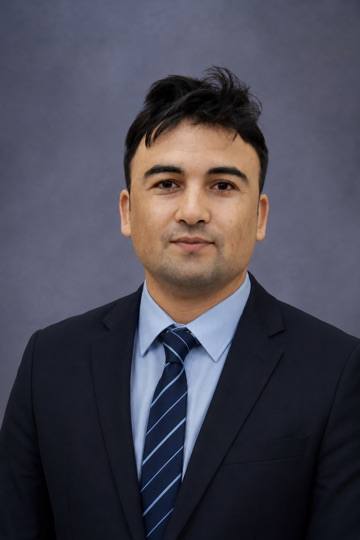
Program oversight
Hassan Ukasha
- B.S.Cornell University
- M.P.H.Cornell University
Oversees Ariana Nexus’s operations and its research translation and validation program. He approves each study’s translation and documentation plan and is the senior point of accountability for principal investigators, IRB offices and research sponsors.
Delivery team
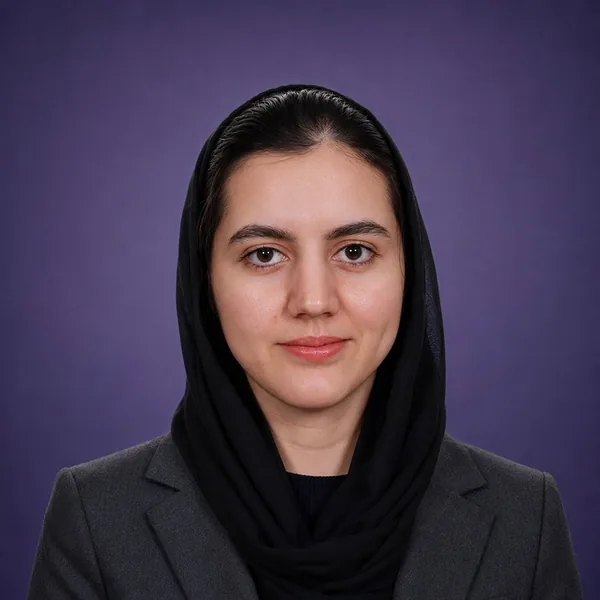
Zeba Haqbani
Senior Partner
- B.Sc.University of British Columbia
Survey platforms, data systems and AI checks: Qualtrics, REDCap, SurveyCTO and KoboToolbox builds and right-to-left testing.Lived in Kabul
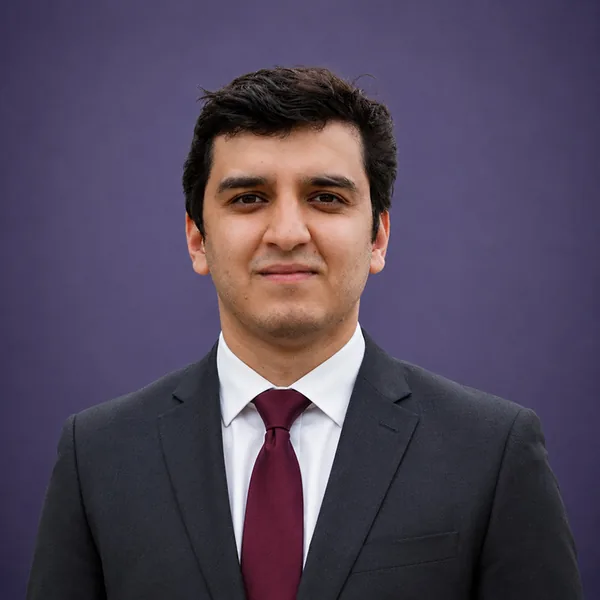
Hussain Ahmad
Analyst
- M.Eng.Cornell University
- Ph.D.University of Chicago
Psychometric analysis: reliability, factor structure and measurement invariance across language versions.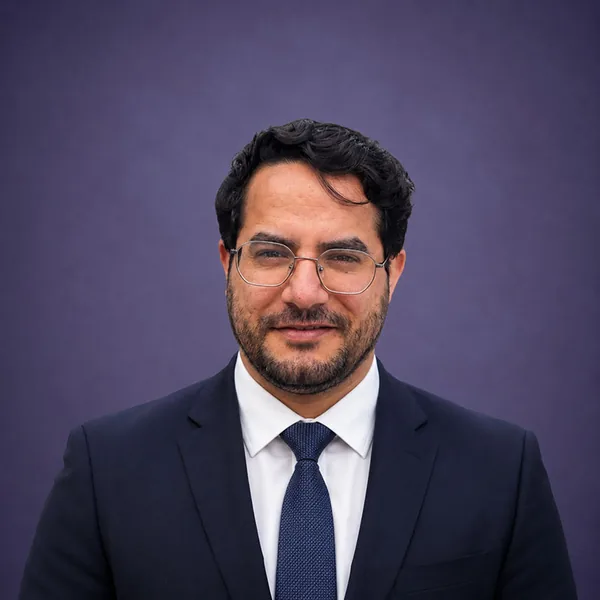
Wasil Peroz
Principal
- B.A.Milli University
- M.Sc.Otto von Guericke University Magdeburg
Research ethics and data protection: IRB documentation, GDPR and data agreements, European ethics committees.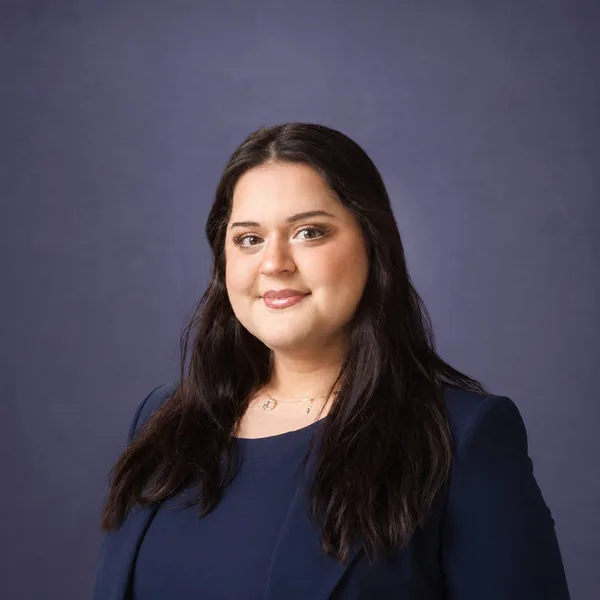
Maryam Safi
Principal
- B.A.Cornell University
Engagement delivery and documentation: certificates, reconciliation logs and version control.
Research specialists
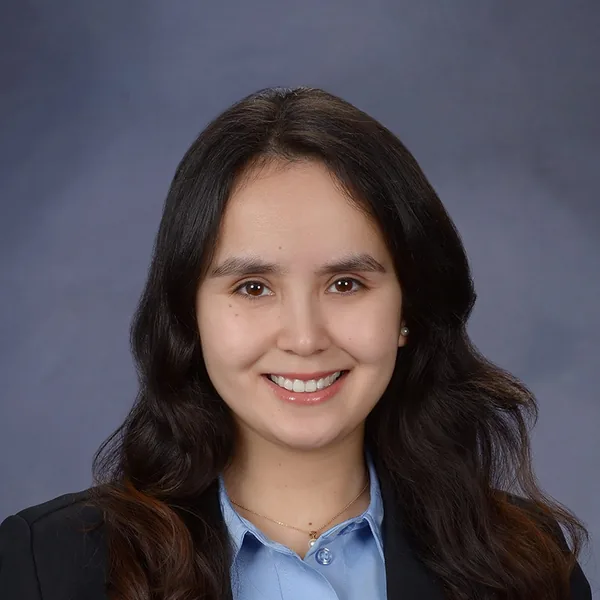
Tamana Ghaznawi
Senior Partner
- B.S.Cornell University
- M.P.H.Cornell University
Public health survey design and health research instruments.Lived in Kabul
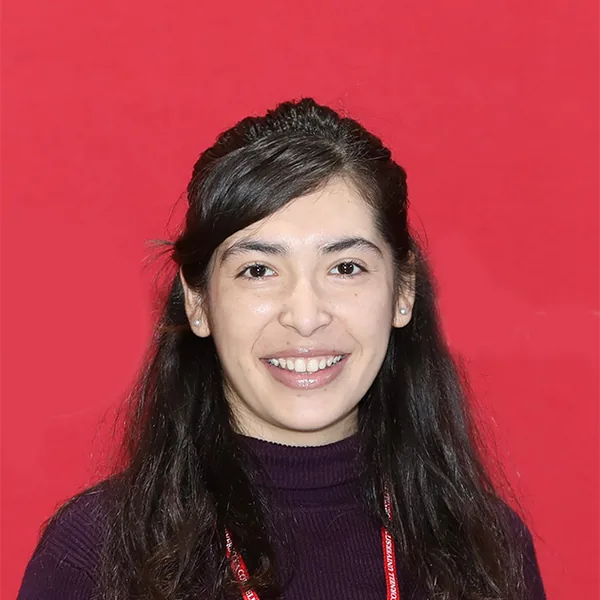
Diana Ayubi
Engagement Manager
- B.A.Cornell University
- Psy.D.West Chester University
Psychological, trauma and moral injury measures, trauma-informed pretesting and interviewer well-being.Lived in Kabul
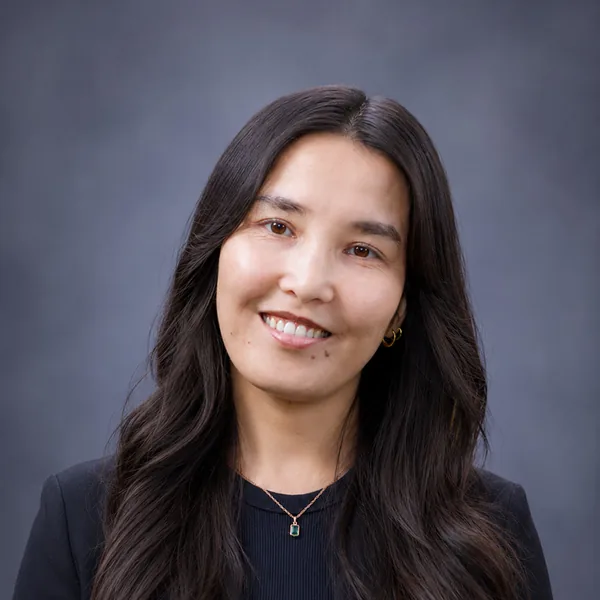
Shukria Sakhi
Engagement Manager
- B.S.Brown University
- M.P.H.Brown University
Program evaluation and cognitive interview fieldwork.
Units that review every engagement
Cultural Compliance Bureau
Reviews every adapted item for cultural fit, safety and dialect before sign-off.Human Intelligence Collective
Our language specialist bench: native translators, reviewers and cognitive interviewers across Pashto varieties and Dari dialects, matched by gender.AI Data Factory
Consistency, terminology and platform checks. Never the translation of record.
Pashto, Dari and 22 more Afghan languages
We work in all 24 Afghan languages. Pashto and Dari receive the full method at every level. For other Afghan languages we translate and certify written materials or prepare oral and audio versions, since several are mostly spoken.
Full method, Levels 1 to 3
- Pashto پښتو
- Dari دری
Translation, review, back-translation and certificate
- Uzbeki اوزبیکی
- Turkmeni ترکمنی
- Balochi بلوچی
- Pashayi پشهیی
- Aimaq
Oral and audio versions by arrangement
- Kyrgyz
- Brahui
- Ormuri
- Parachi
- Wakhi
- Shughni
- Sanglechi
- Ishkashimi
- Munji
- Yidgha
- Gawarbati
- Tirahi
- Nuristani (Ashkun group)
- Kati
- Prasun
- Waigali
- Tregami
Other working languages
- English
- French
- German
- Spanish
- Italian
- Portuguese
- Swedish
- Turkish
- Arabic
- Urdu
- Hindi
- Hebrew
- Russian
- Chinese
د پوښتنلیکونو او څېړنیزو وسایلو ژباړه او اعتبارسنجي
ترجمه و اعتبارسنجی پرسشنامهها و ابزارهای تحقیق
Translation and validation of questionnaires and research instruments, in Pashto and Dari.
This service in other languages
- FrançaisTraduction, rétrotraduction et validation de questionnaires en pachto et en dari
- DeutschÜbersetzung, Rückübersetzung und Validierung von Fragebögen auf Paschtu und Dari
- EspañolTraducción, retrotraducción y validación de cuestionarios en pastún y dari
- ItalianoTraduzione, traduzione inversa e validazione di questionari in pashtu e dari
- PortuguêsTradução, retrotradução e validação de questionários em pashto e dari
- SvenskaÖversättning, återöversättning och validering av enkäter på pashto och dari
- TürkçePeştuca ve Darice anket çevirisi, geri çeviri ve geçerlik çalışması
- РусскийПеревод, обратный перевод и валидация опросников на пушту и дари
- 中文普什图语和达利语问卷翻译、回译与验证
- हिन्दीपश्तो और दरी में प्रश्नावली अनुवाद, बैक-ट्रांसलेशन और सत्यापन
- العربيةترجمة الاستبيانات وترجمتها العكسية والتحقق من صحتها باللغتين البشتوية والدارية
- اردوپشتو اور دری میں سوالنامے کا ترجمہ، بیک ٹرانسلیشن اور توثیق
- עבריתתרגום, תרגום חוזר ותיקוף של שאלונים לפשטו ולדארי
Pashto · پښتود پوښتنلیکونو ژباړه، شاته ژباړه او اعتبارسنجي په پښتو او دري
Dari · دریترجمه، ترجمهٔ معکوس و اعتبارسنجی پرسشنامهها به پشتو و دری
For research teams in the U.S., Canada, Europe and Australia
We work in all 50 U.S. states and are a registered vendor in 37. We support studies in Canada, the UK, the EU and Australia, depending on the type and scale of the project.
United States
IRBs. 45 CFR 46 and 21 CFR 50; FERPA and PPRA for school-based research.195,000Afghan-born immigrants (2022 American Community Survey)17Canada
Research Ethics Boards. TCPS 2 (2022), with English and French source instruments.55,195Afghans arrived since August 2021 (to November 2024)19United Kingdom
Research Ethics Committees. Participant information sheets and UK GDPR.39,058people relocated or resettled under UK Afghan schemes (to June 2026)20Germany and the EU
Ethikkommissionen and ethics committees. GDPR Article 12 plain-language information; German source questionnaires.449,780Afghan nationals living in Germany (end of 2025)28Australia
Human Research Ethics Committees. National Statement, 2025 edition, in force since 23 June 2026.27,500+offshore humanitarian visas granted to Afghans (2020–21 to 2024–25)29
Research we translate for
- Refugee resettlement and integration of Afghan evacuees
- Education, schooling and Afghan girls’ access to learning
- Public health, mental health, trauma and moral injury (sometimes called moral trauma)
- Women’s rights, gender and family life
- Employment, income and economic integration
- Public opinion among the Afghan people, trust and political attitudes
- Humanitarian needs assessments and program evaluation
- Oral history and memory of the Afghan war
- Language, literacy and technology use, including AI tools
Frequently asked questions
Does my IRB require back-translation for Pashto or Dari consent forms?
Some do. The University of Pittsburgh requires it for expedited clinical and full-board studies, Tufts requires it unless a professional service translates, and Duke requires it when the translators are not certified. Most other IRBs we reviewed ask for a signed certificate of translation or an accuracy statement instead, and Michigan Medicine accepts back-translation as one route. We deliver a certificate on every job, and a blind back-translation with a reconciliation log whenever your IRB asks for one.
What is a certificate of translation, and what does yours include?
It is a signed statement that the translation is accurate and complete, and it is what most IRBs mean when they ask for a certified translation. Ours names the translator and reviewer, states their degrees, languages and varieties, and lists the study title, each document name and the version date of the English it matches. IRBs such as Northwestern and Michigan Medicine ask for the translator’s qualifications, and the NCI Central IRB expects the certificate and both language versions to match on version.
Are your Pashto and Dari translators certified?
Every translator is a degree-holding native speaker, and every certificate names each linguist’s degrees, languages and varieties so your IRB can judge qualifications directly. Where an IRB or funder requires a specific credential, we name it on the certificate; we never describe a linguist as certified without naming the credential. Duke, for example, requires back-translation when translators are not certified, so we add a blind back-translation whenever that rule applies.
Can you review a Pashto or Dari translation we already have?
Yes. A second linguist reviews your existing Pashto or Dari translation against your approved English, records every change in a review log, and we issue a signed certificate of translation once the corrected version is accurate and complete. We add a blind back-translation when your IRB requires one, and we tell you plainly when a translation needs to be redone rather than repaired.
Is back-translation enough to validate a translated survey?
No. The European Social Survey, the Cross-Cultural Survey Guidelines and the U.S. Census Bureau all treat back-translation as insufficient on its own, and a 2017 study found it raises false alarms while many problems stay hidden. Validation needs team translation, review, adjudication and pretesting with respondents, plus psychometric testing for scales. We add back-translation as documentation when an ethics board wants it.
What is TRAPD?
TRAPD stands for translation, review, adjudication, pretesting and documentation. Two translators work independently, a review meeting compares their versions, an adjudicator makes and records the final decisions, the translation is pretested with respondents, and every step is documented. It is the approach used by the European Social Survey and recommended by the Cross-Cultural Survey Guidelines.
What happens in a cognitive interview, and how many do you run?
A trained interviewer asks a respondent to answer each item and then explain, in their own words, what the question meant and how they chose their answer. This shows where a translated item is understood differently. We usually run two rounds of about eight interviews per language, with Pashto and Dari speakers balanced by gender and variety, and revise items between rounds. Interviews run under your study’s IRB approval, and sample sizes are set with you for each study.
Should our study use Dari or Farsi?
For Afghan participants, use Afghan Dari. Dari and Iranian Persian (Farsi) are closely related, but vocabulary, spelling, month names and everyday terms differ, and Iranian wording can confuse or alienate Afghan respondents. Many Afghans also call their language Farsi, so your screener should offer both labels and route both to Afghan Dari materials.
Which Pashto variety will you translate into?
The one your sample speaks. Southern Pashto, centered on Kandahar, and northern Pashto, including the Peshawar area, differ in vocabulary and pronunciation. We confirm where your respondents come from, translate into the matching variety and test with speakers of it. For mixed samples we use wording both groups understand and note any item that needs variants.
Can we use Google Translate or ChatGPT to translate consent forms or surveys?
Not as your final translation. Michigan Medicine tells investigators not to use computer programs to translate consent documents, Tufts calls Google Translate not appropriate, and Fred Hutch allows AI translation only with human validation afterwards. Machine output in Pashto and Dari also varies widely in quality. We use AI only for consistency checks, never for the translation of record.
When should we submit translated documents to the IRB?
Usually after the English versions are approved. Johns Hopkins advises translating after IRB approval of the English, and UCSF takes translations as a modification before enrollment. Some IRBs accept translations with the initial application. Plan the time and budget in your proposal; we provide grant-ready quotes and keep every translation matched to your approved English version.
Can we use the short form consent for Pashto- or Dari-speaking participants?
Only as a stopgap. The Common Rule allows the short form method under 45 CFR 46.117(b)(2), with an oral presentation, a witness and a written summary, but many IRBs limit it to unexpected enrollment. UCSF requires a full translation once a third participant speaks the same language, and the NIH Intramural Research Program stops short form use after three uses of a language. If you expect Afghan participants, translate the full consent.
How long does translation and validation take?
An IRB translation package for a standard consent form typically takes 5 to 7 business days per language. Survey adaptation with team translation and two rounds of cognitive interviews typically takes 3 to 6 weeks. A validation study with a pilot and psychometric analysis typically takes 8 to 16 weeks, depending on sample size. You receive a dated schedule at scoping.
Do we need permission to translate a published questionnaire or scale?
Often, yes. Many validated scales are copyrighted, and some developers require you to use their official translations or approve new ones. We check whether an official Pashto or Dari version already exists, identify the rights holder and help you request permission before we translate.
Can you deliver the survey in Qualtrics, REDCap, SurveyCTO or KoboToolbox?
Yes. We deliver Pashto and Dari versions ready to import, or we build them in your account, then test right-to-left display, Pashto letters, piped text, skip logic and response codes on phones and tablets. Qualtrics’ built-in language list includes Persian but not Pashto or Dari, so we configure and document the language setup for you.
How do you include respondents who cannot read?
We prepare interviewer-administered versions, read-aloud scripts and recorded audio, and simplify response scales where needed. Literacy in Afghanistan is 37% overall and 27% among women, so self-completion alone can exclude many respondents. Germany’s IAB-BAMF-SOEP refugee survey, for example, added audio recordings for respondents with low literacy.
Do you work with research ethics boards outside the United States?
Yes. We prepare documentation for Research Ethics Boards in Canada under TCPS 2, Research Ethics Committees in the UK, ethics committees in Germany and across the EU with participant information written to GDPR’s plain-language standard for your data protection officer’s review, and Human Research Ethics Committees in Australia under the 2025 National Statement. We also translate source instruments written in French, German and other languages.
How is survey translation and validation priced?
We scope each engagement by instrument, languages, level of evidence and pretest design, not by the word. You receive a fixed quote with every deliverable listed, suitable for grant budgets and IRB timelines. Letters of support for proposals are available.
Related services and sources
Related services
- Pashto and Dari Interpreting and Translation for Universities: Admissions, Student Services and Title IXFor the university offices that serve Afghan students and families, outside research.
- IEP, Parent Notice and School Document Translation in Pashto, Dari and 22 More Afghan LanguagesEveryday school communications rather than research instruments.
- Certified Transcript, Diploma and Academic Record TranslationCertified translation of Afghan academic records rather than research instruments.
- Cultural training for teachers and school staffAfghan cultural competency training for every adult in the school: enrollment, interrupted schooling, families, trauma-informed practice and interpreters.
- Cultural training for university faculty and staffSupporting Afghan students and scholars
- English Learner Program Compliance ReviewAn independent review of your English learner program against Title VI, the EEOA, Title III and state law, with Afghan-specific checks and family interviews in Pashto and Dari.
- Newcomer Program Design and Afghan Family EngagementProgram design for newcomer students and engagement systems for their families.
- Research Fieldwork and Qualitative Data Collection in Afghan CommunitiesRecruitment, interviews, focus groups and verbatim transcription for qualitative studies.
- Pashto and Dari Language Instruction and CurriculumCourses, curriculum and training in Pashto and Dari for universities and government programs.
- Education Bridging Services for Afghan Women Students in ExileOrientation, academic preparation and records for Afghan women students whose education was cut off.
- Linguistic Validation of Patient-Reported Outcome and Screening Instruments in Pashto and DariClinical outcome measures for drug and device research, following the ISPOR process.
- Clinical Trial Informed Consent and Recruitment Materials Translation — Pashto and DariConsent and recruitment for FDA-regulated clinical trials.
- Community Health Needs Assessment (CHNA) and Patient Research with Afghan Communities — Pashto, Dari and 22 More Afghan LanguagesDesigning and running community research for health systems.
- Afghanistan Third-Party Monitoring, Evaluation and Remote SurveysRemote surveys and third-party monitoring, run entirely from outside Afghanistan.
Sources
- 1European Social Survey ERIC. ESS Round 11 Translation Guidelines (B. Dorer, 2022). www.europeansocialsurvey.org/sites/default/fi…
- 2Survey Research Center, University of Michigan. Cross-Cultural Survey Guidelines: Translation, Overview (2016). ccsg.isr.umich.edu/chapters/translation/overv…
- 3U.S. Census Bureau. Census Bureau Guideline: Language Translation of Data Collection Instruments and Supporting Materials (2004); Pan and de la Puente, RSM2005-06. www.census.gov/library/working-papers/2005/ad…
- 4Behr, D. (2017). Assessing the use of back translation. International Journal of Social Research Methodology, 20(6), 573–584. doi.org/10.1080/13645579.2016.1252188
- 5International Test Commission (2017). ITC Guidelines for Translating and Adapting Tests, 2nd ed. www.intestcom.org/files/guideline_test_adapta…
- 6Willis, G. B. and Miller, K. (2011). Cross-cultural cognitive interviewing. Field Methods, 23(4), 331–341. doi.org/10.1177/1525822X11416092
- 7AAPOR. Code of Professional Ethics and Practices (revised June 2026). aapor.org/standards-and-ethics/
- 8eCFR. 45 CFR 46.116 and 46.117; 21 CFR 50.20 and 50.27. www.ecfr.gov/current/title-45/subtitle-A/subc…
- 9Johns Hopkins Medicine IRB. Non-English speaking subjects and consent. www.hopkinsmedicine.org/institutional-review-…
- 10UCSF IRB. Consenting non-English speakers. irb.ucsf.edu/consenting-non-english-speakers
- 11Michigan Medicine IRBMED. Consent accommodations. az.research.umich.edu/medschool/guidance/cons…
- 12University of Washington Human Subjects Division. Consent guidance. research.washington.edu/research/hsd/guidance…
- 13University of Pittsburgh HRPO. Non-English speaking participants. www.hrpo.pitt.edu/non-english-speaking-partic…
- 14Duke Health IRB. Translation requirements for research (2024). irb.duhs.duke.edu/sites/default/files/2024-06…
- 15Tufts University. Translation of study documents. ouri.tufts.edu/policies-forms-guides/translat…
- 16Minnesota Department of Health. SWYC Pashto and Dari adaptation process. www.health.mn.gov/communities/rih/coe/clinica…
- 17Migration Policy Institute (2024). Afghan Immigrants in the United States. www.migrationpolicy.org/journal/spotlight/afg…
- 18UNESCO and UNICEF (2025). Afghanistan education situation report. www.unesco.org/en/articles/new-report-warns-a…
- 19Immigration, Refugees and Citizenship Canada. Afghanistan: key figures. www.canada.ca/en/immigration-refugees-citizen…
- 20UK Home Office. Afghan Resettlement Programme operational data (to 30 June 2026). www.gov.uk/government/publications/afghan-res…
- 21ISO 17100:2015. Translation services: requirements for translation services. www.iso.org/standard/59149.html
- 22ISO 20252:2026. Market, opinion and social research, including insights and data analytics. www.iso.org/standard/88881.html
- 23Government of Canada, Panel on Research Ethics. Tri-Council Policy Statement: Ethical Conduct for Research Involving Humans, TCPS 2 (2022). ethics.gc.ca/eng/policy-politique_tcps2-eptc2…
- 24NHMRC. National Statement on Ethical Conduct in Human Research (2025). www.nhmrc.gov.au/research-policy/ethics/natio…
- 25Regulation (EU) 2016/679 (GDPR), Article 12. eur-lex.europa.eu/eli/reg/2016/679/oj
- 26Northwestern University IRB. Consent translation. irb.northwestern.edu/resources-guidance/conse…
- 27NIH Intramural Research Program, OHSRP. Non-English speaking persons. irbo.nih.gov/informed-consent/non-english-spe…
- 28Destatis (2026). Foreign population by citizenship. www.destatis.de/DE/Themen/Gesellschaft-Umwelt…
- 29Department of Home Affairs (Australia). Offshore Humanitarian Program 2024–25. www.homeaffairs.gov.au/research-and-stats/fil…
- 30UNHCR (2026). Global Trends: Forced Displacement in 2025. www.unhcr.org/sites/default/files/2026-06/glo…
- 31UNESCO (2026). Five years on, UNESCO calls for full restoration of the right to education for Afghan girls and women. www.unesco.org/en/articles/five-years-unesco-…
- 32DIW Berlin. IAB-BAMF-SOEP Survey of Refugees, SOEP Survey Paper 365. www.diw.de/documents/publikationen/73/diw_01.…
- 33OECD. PISA 2025 Technical Standards (double translation from English and French sources). one.oecd.org/document/EDU/PISA/GB(2022)24/REV…
- 34NIH. Certificates of Confidentiality, NOT-OD-17-109. grants.nih.gov/grants/guide/notice-files/NOT-…
- 35Protection of Pupil Rights Amendment, 20 U.S.C. 1232h. www.law.cornell.edu/uscode/text/20/1232h
- 36European Social Survey ERIC. ESS Round 13 Survey Specification for ESS ERIC Member, Observer and Guest Countries, v2 (January 2026). europeansocialsurvey.org/sites/default/files/…
- 37Fred Hutch IRB. HRP-129: Use of Interpreter Services and Translated Documents, v2.00 (2026). extranet.fredhutch.org/content/dam/extranet/u…
- 38NCI Central IRB. Review of Translated Consent Forms, PROs, and Other Patient-Facing Documents. www.ncicirb.org/review-translated-consent-for…
Tell us about your study
We reply within two business days with a scope, a dated schedule and a fixed quote. We sign your confidentiality agreement before you share any study materials.